
Every October, pumpkins, witches and assorted creatures of the night begin their annual invasion of shop windows, social media feeds and party invitations. In Japan, however, Halloween can come with a distinctly different cast of characters. Alongside Western vampires and zombies, one might encounter anime heroes, elaborately costumed manga characters, and supernatural beings whose stories have haunted Japanese folklore for centuries.
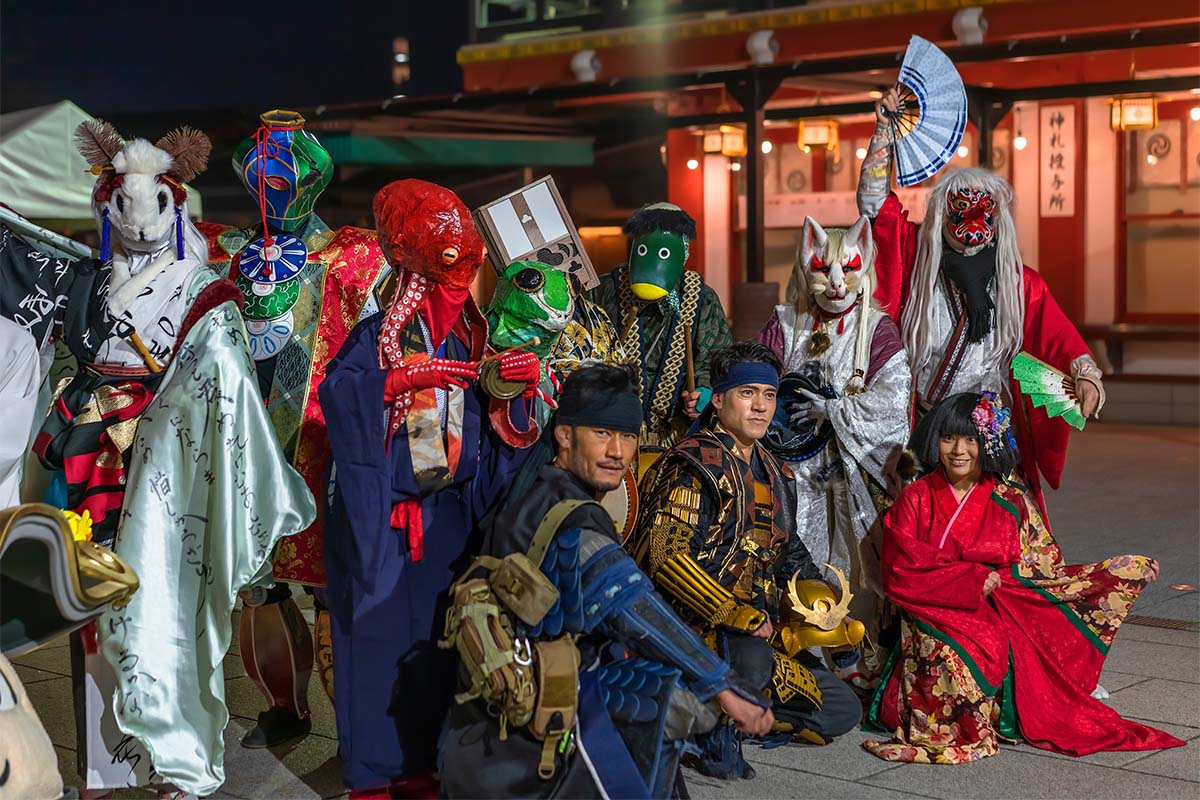
It is a cultural mash-up with an intriguing backstory. Halloween may have arrived from abroad, but Japan has found its own ways of interpreting the occasion, drawing on contemporary pop culture, fashion and a longstanding fascination with the supernatural. The result offers a glimpse into how cultures borrow traditions, adapt them to local tastes, and give them a life of their own.
An imported holiday finds its footing
Halloween’s modern Japanese incarnation developed through commercial promotion, popular entertainment, and opportunities for public dress-up. Its growing visibility reflects a wider pattern in which international cultural practices are absorbed and reworked within local contexts.
Season-appropriate merchandise appeared in Japanese shops in the 1970s, and Tokyo’s Kiddy Land toy store organized a Halloween costume parade in Harajuku in 1983. Tokyo Disneyland introduced a major Halloween event in 1997, the same year Kawasaki launched its Halloween parade. Theme-park celebrations subsequently helped bring the occasion to a broader public.
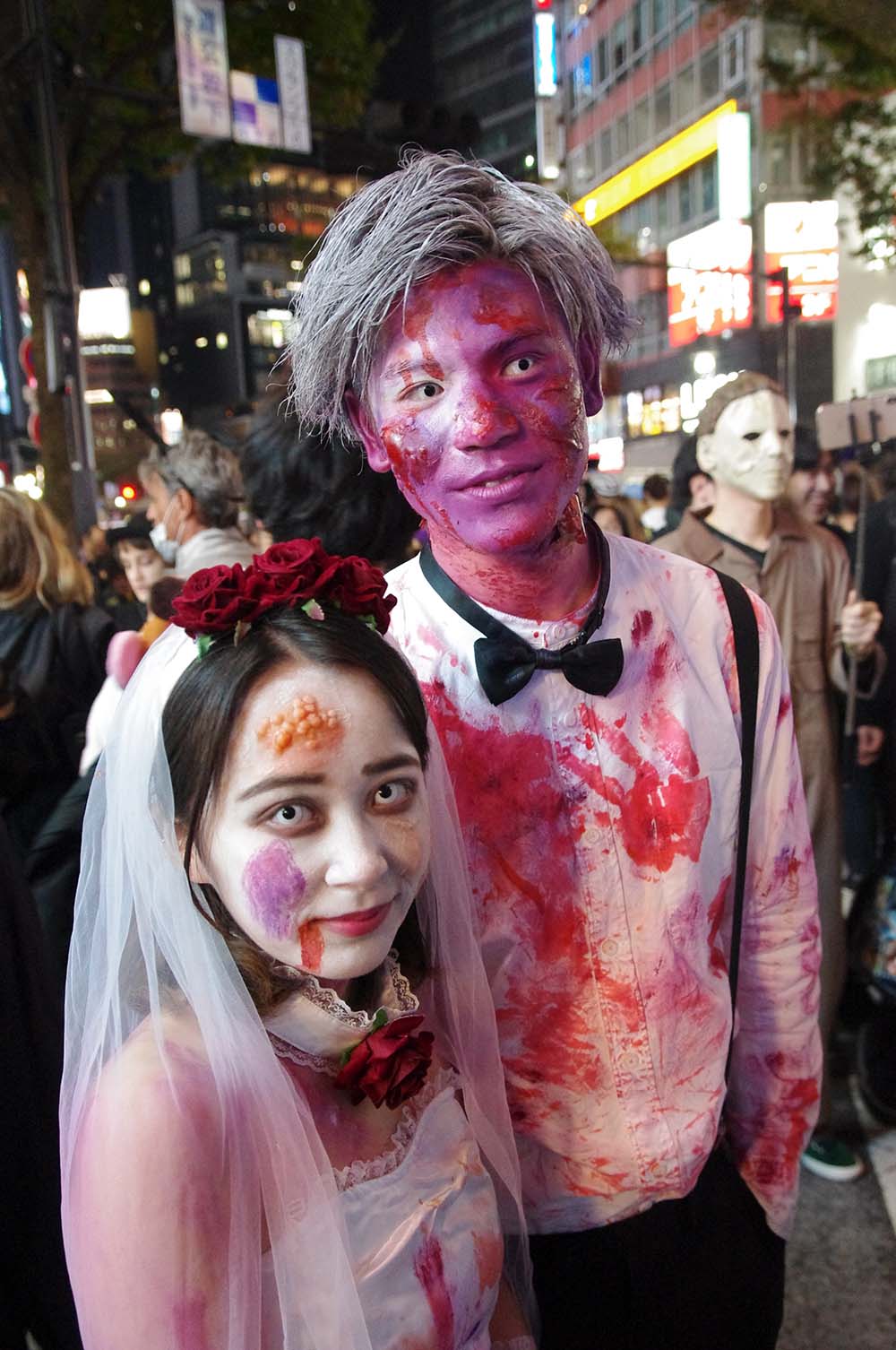
In their peer-reviewed 2017 study, Tokyo Halloween on the Street: Japanese Dressing Up Between Bricolage and Authenticity, researchers M.H. Groot and Yoko Takagi examined Tokyo’s Halloween celebrations through observations made in 2015. They explored how commercially marketed costumes and American-influenced popular culture interacted with Japanese, European, and American practices.
Their research offers a useful way of understanding the phenomenon: cultural exchange rarely follows a neat, one-way route. People select elements from different traditions, combine them, and give them new meanings. Halloween in Japan is one example of this cultural bricolage, where borrowed imagery meets local creativity.
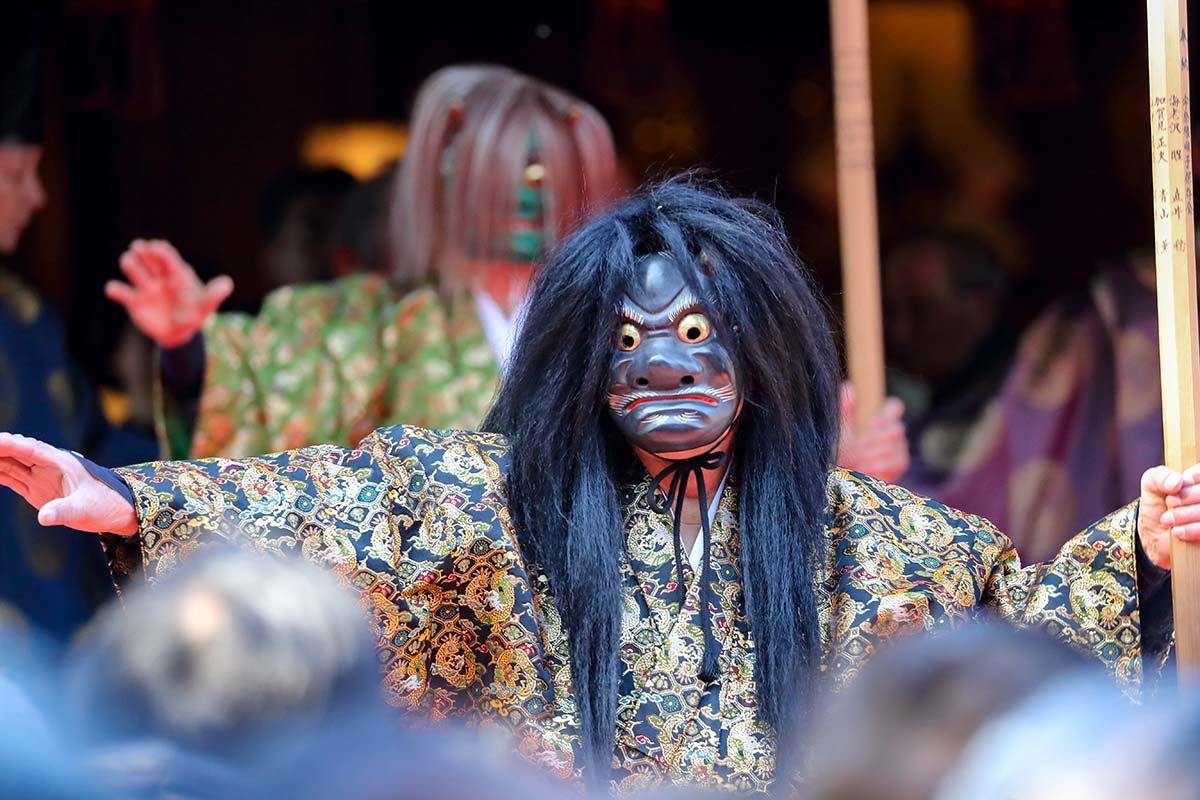
Costumes become a form of self-expression. Participants can step into another identity for an evening, whether that means a Western horror archetype, a fashionable fictional character, or a creature from Japanese supernatural lore.
FUN FACT
Groot and Takagi wore zombie makeup and joined Tokyo’s Halloween street festivities as part of their 2015 fieldwork. Sometimes, studying a cultural phenomenon means getting into character!
A long history of things that go bump in Japan
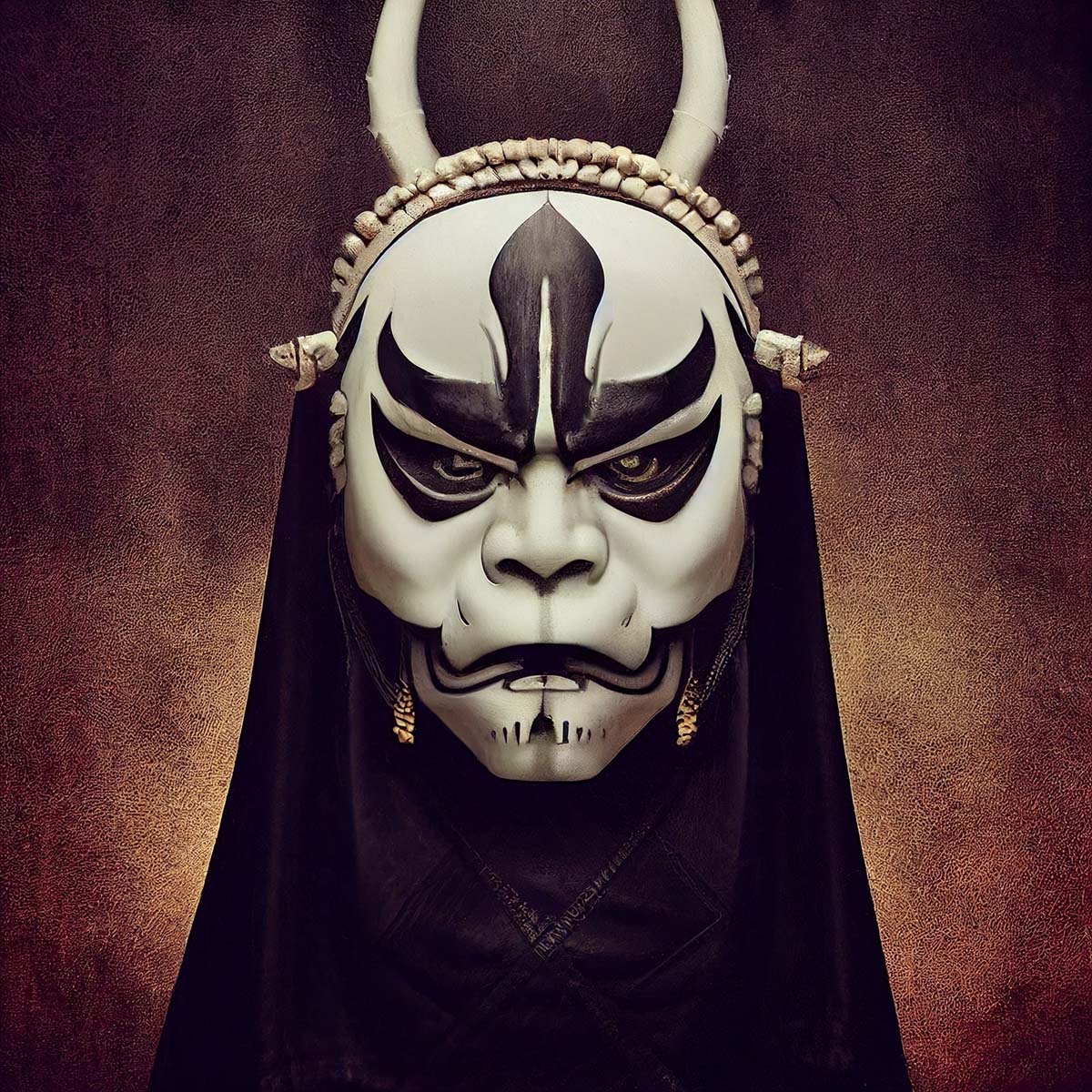
Long before Halloween parties and anime conventions, Japan already had a rich repertoire of supernatural beings. Among them are yōkai, a broad category of uncanny or supernatural creatures and phenomena found in Japanese folklore. Some are frightening, others mischievous, and a few are simply peculiar enough to make one reconsider walking home alone after dark.
Then there are yūrei, commonly understood as “ghosts of the dead.” Often depicted with long, dark hair and flowing white garments in popular visual culture, they have become recognizable figures in Japanese horror. Their imagery has travelled through art, theatre, literature, and film.
Japan has made a borrowed celebration its own — with a little help from folklore, fashion and pop culture
The two categories are not interchangeable — a yōkai might be an uncanny creature or phenomenon; a yūrei is associated with the spirits of the dead. Both, however, belong to a supernatural imagination that continues to inspire contemporary artists.
One significant example is Shigeru Mizuki’s GeGeGe no Kitarō, a manga series featuring supernatural beings and a young protagonist who navigates their world. Its television anime adaptation debuted in 1968, helping popularize yōkai imagery for modern audiences. Mizuki drew on traditional folklore, demonstrating how older stories can find new life through contemporary media.
FUN FACT
A supernatural creature can become a pop-culture star. Mizuki’s yōkai stories helped bring traditional Japanese supernatural figures to generations of manga readers and television viewers.
When the streets become a stage
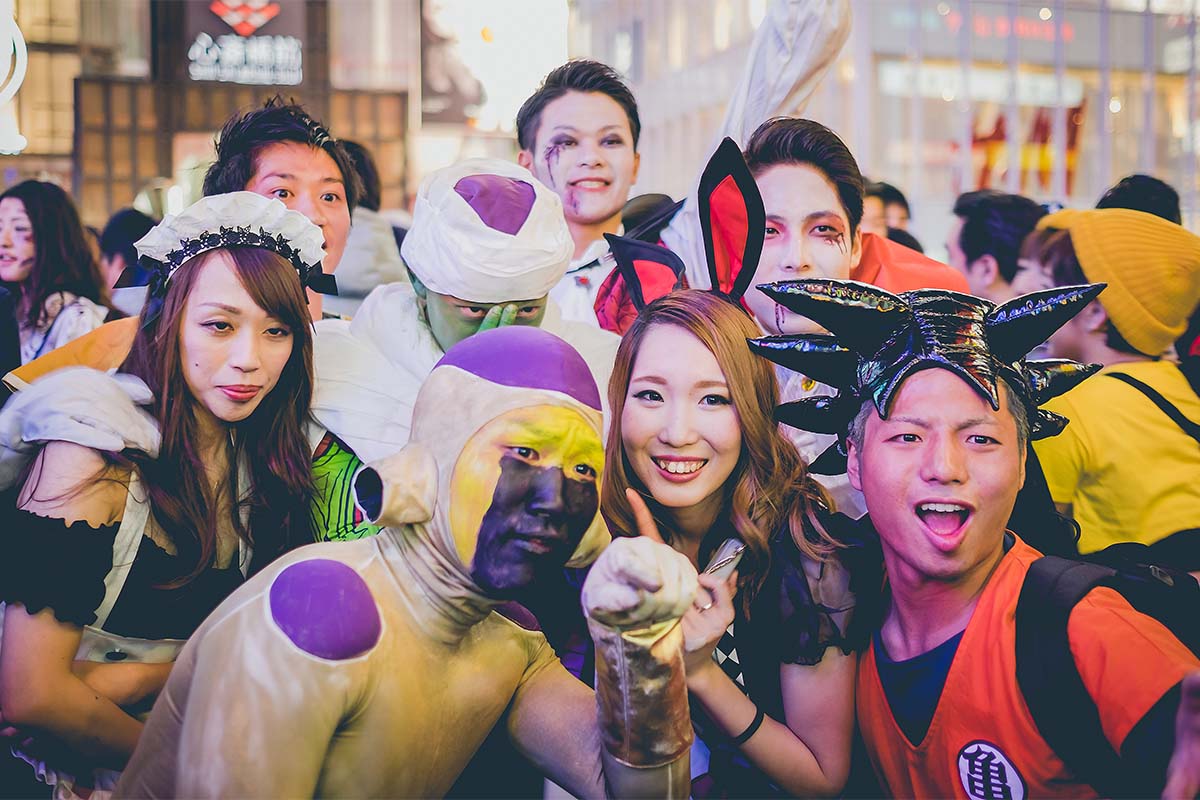
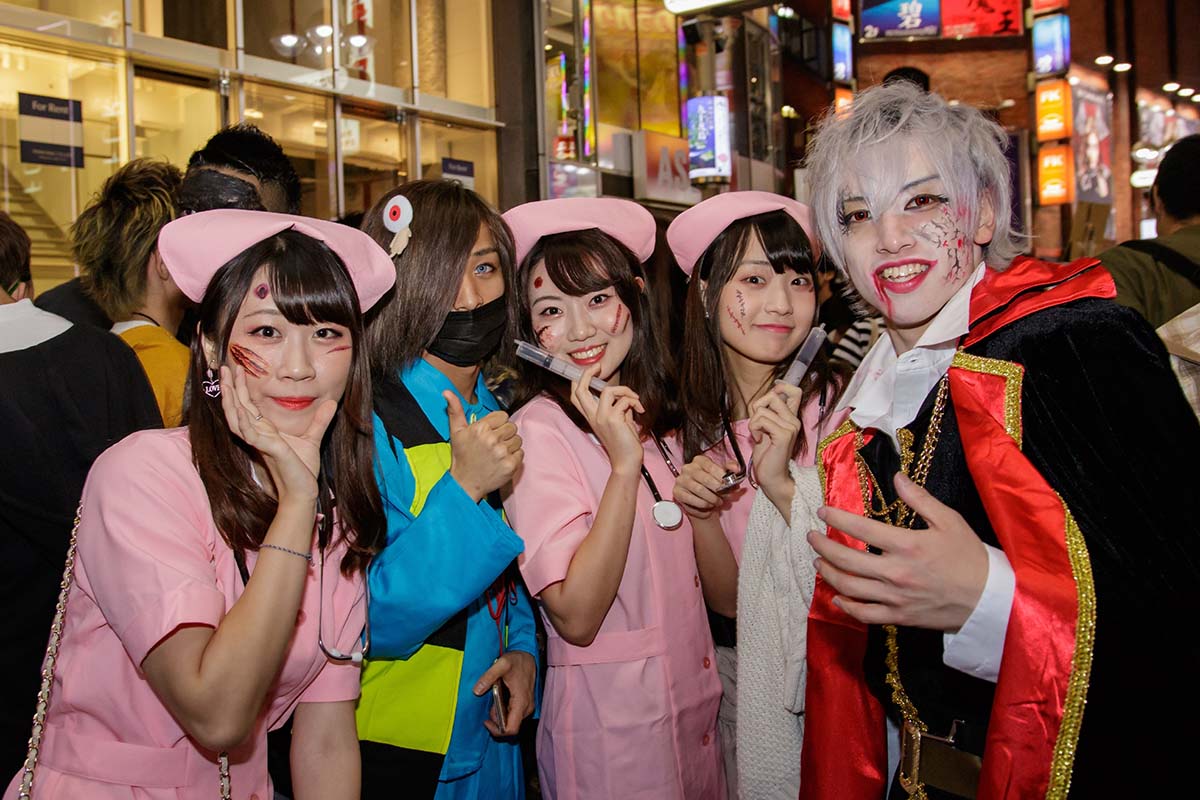
Tokyo’s Halloween celebrations also demonstrate how costume culture can transform public space. Shibuya, known internationally for its busy pedestrian crossing and youth-oriented urban culture, became associated with large Halloween gatherings in which costumed participants and spectators shared the streets.
A 2025 study by Yushi Sugiura examined Shibuya Halloween as a visitor-driven urban festival, exploring the shifting relationship between performers and spectators, and the role of social media in extending the event beyond the streets.
The person wearing the costume is both participant and potential spectacle. An elaborate outfit might be designed for personal enjoyment, admiration from fellow fans, photographs, or an online audience. The boundaries between performing and watching become fluid at these gatherings.
Large crowds, though, can also create problems for residents, businesses, and public safety, prompting discussions about crowd management and responsible behavior. Festivals, after all, are shaped by the places in which they happen. A celebration transplanted from one culture to another will inevitably encounter different social expectations and ideas about public space.
Anime, horror and the art of reinvention
Contemporary Japanese pop culture gives Halloween enthusiasts an expansive wardrobe of possibilities. Anime and manga offer characters with instantly identifiable silhouettes, dramatic hairstyles, and costumes that can demand considerable skill to recreate. Japanese horror provides a different visual vocabulary, often built around unsettling transformations, uncanny encounters, and the familiar made strange.
Not every Japanese horror character comes directly from folklore. Some draw on older stories and supernatural motifs; others belong entirely to modern fiction. Establishing the connection means looking at the specific work, its creators and its sources.
FUN FACT
Traditional supernatural figures can look very different across generations. Artists have reimagined yōkai in manga and animation, changing their appearance, personalities and roles while drawing on older stories.
A little cultural curiosity goes a long way
For anyone planning a Japanese-inspired Halloween costume, there is a simple way to make the experience more rewarding: learn something about the character beyond the outfit. Find out which story it comes from, whether its design draws on folklore, and what the original creator intended. It adds context to the costume and makes the experience more meaningful.
PRO TIP
If you’re dressing as a yōkai or yūrei, check the specific figure’s background before describing it. Japanese folklore contains many different supernatural beings, each with its own history and variations. A little research can save you from calling every ghost, monster, and mysterious creature the same thing.
Ultimately, Japan’s Halloween story is one of cultural adaptation. An imported celebration has acquired local character through fashion, public performance, popular entertainment and the enduring appeal of supernatural storytelling. The witches and pumpkins are welcome, certainly. But when a familiar October ritual makes room for a centuries-old ghost, a manga monster, or a newly imagined creature, the result becomes something distinctly its own.
And maybe that is part of the enduring appeal of dressing up: for one evening, we get to inhabit another story. Sometimes, that story comes with fangs. Sometimes, it comes with a very complicated wig.