

Some introductions to Japan involve a boarding pass; others involve dodging ghosts or learning a TEKKEN combo. Bandai Namco’s games give German audiences a route into Japanese creativity that comes with its own challenges, rivalries and reasons to try just once more.
But how do you introduce these worlds to players who might know every character’s backstory, or none at all? Matthias Kolb, Country Manager GSA & Eastern Europe at Bandai Namco Entertainment Germany, discusses the work behind those introductions, the surprises of communicating across cultures and the appeal of a well-chosen first game.

Bridges: Bandai Namco’s portfolio ranges from globally recognized names such as PAC-MAN and TEKKEN to Japanese anime and role-playing franchises. What is the German team’s role in bringing these different worlds to local audiences, and what makes a Japanese game or character connect successfully with players in Germany?
Kolb: Our role is to act as both a bridge and an amplifier. Many of our franchises are born in Japan, but every market has its own culture, gaming habits, and fan communities. The German team works closely with our global and Japanese colleagues to ensure that the spirit of each title remains authentic while also feeling relevant and accessible to local players.
What makes a Japanese game resonate in Germany is often a combination of strong characters, compelling worlds, and genuine passion behind the creative vision.
“In many ways, PAC-MAN reflects the philosophy that continues to guide Bandai Namco today: creating experiences that bring people together through dreams, fun, and inspiration.”
Matthias Kolb, Country Manager GSA & Eastern Europe at Bandai Namco Entertainment Germany
German audiences appreciate authenticity. Whether it is the timeless appeal of PAC-MAN, the competitive depth of TEKKEN, or the emotional storytelling found in many Japanese RPGs, players connect when they feel that a game has a unique identity and invites them into a rich universe.
At Bandai Namco, we aim to connect fans through experiences that inspire and entertain. Our job is to help those experiences reach German players in the most meaningful way possible.
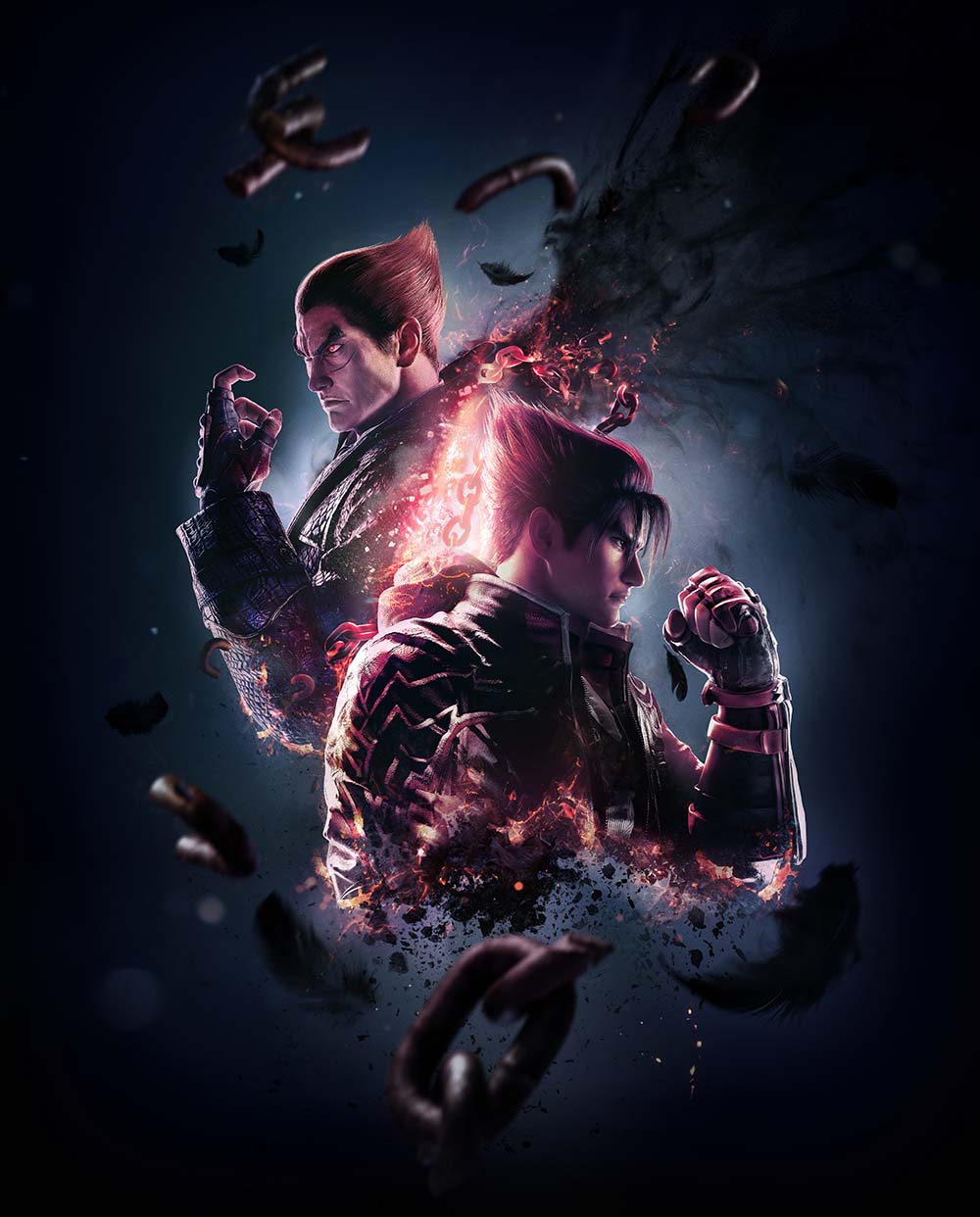
German fans often encounter Japanese culture through games long before visiting Japan themselves. Which elements of Japanese storytelling, design and humor seem to resonate most strongly with German players, and have their tastes changed in recent years?
One of the strongest appeals of Japanese entertainment is its willingness to be imaginative and emotionally sincere at the same time. German players often respond positively to detailed world-building, memorable characters, and stories that are not afraid to explore friendship, perseverance, personal growth, and sacrifice.
From a design perspective, Japanese creators frequently take bold creative risks. Whether through distinctive visual styles, unique gameplay concepts, or unexpected narratives, these games often offer something players cannot easily find elsewhere.

Audience tastes have also evolved. Today, fans are more globally connected than ever. Streaming platforms, anime, social media, and international gaming communities have made Japanese pop culture much more accessible. As a result, players are increasingly open to titles that embrace their Japanese identity rather than adapting away from it. Authenticity has become a major strength.

What happens behind the scenes when preparing a Japanese title for the German market? Could you share an example of a localization, marketing or community decision that required the team to think creatively about cultural differences?
Localization is much more than translation. A successful launch involves understanding how players in Germany will experience a game, from language and communication style to community engagement and media outreach.
The biggest challenge is often preserving the original intent while ensuring that references, messaging, or campaign concepts feel natural to local audiences. Sometimes a marketing asset or social-media approach that works perfectly in one market may need a different angle in another.
A good example is anime-based titles. In Germany, these communities are often highly passionate and incredibly knowledgeable about the source material. That means our communication needs to respect the expectations of long-time fans while remaining welcoming to newcomers. We frequently work closely with local creators, community leaders, and fan events to strike that balance. The goal is always to create an authentic conversation rather than simply translating a global campaign.
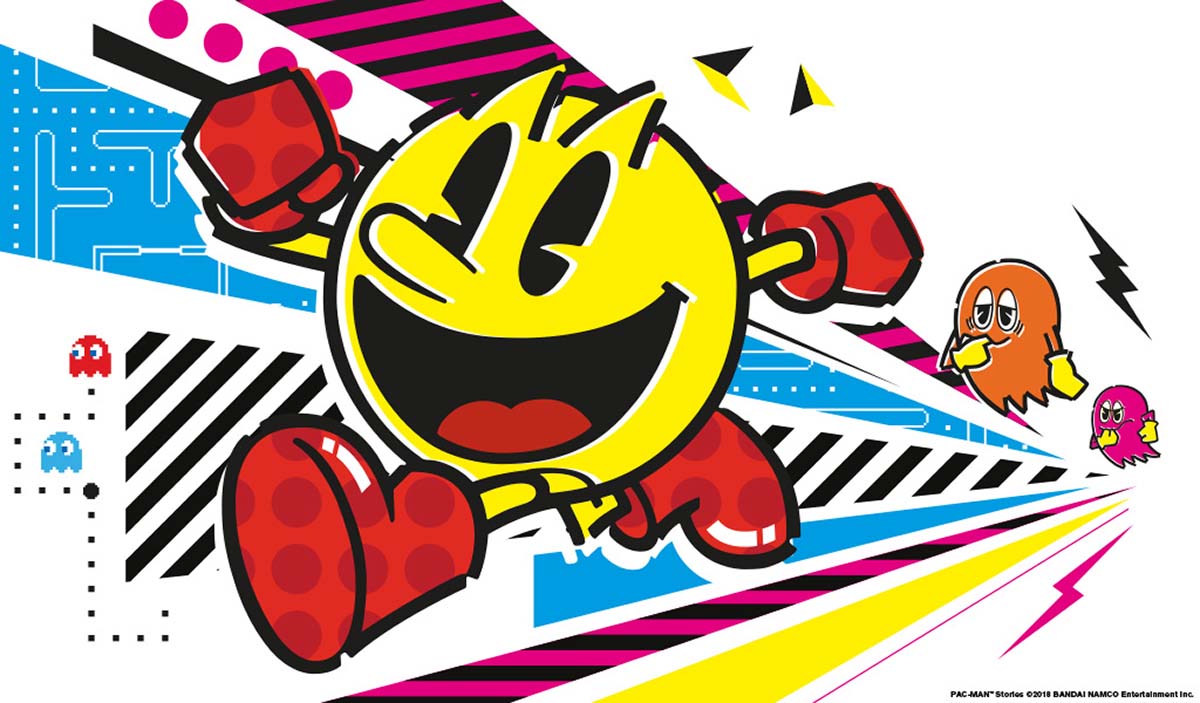
For a reader who is curious about Bandai Namco but does not consider themselves a dedicated gamer, which title would you recommend as their starting point—and what should they pay attention to while playing it?
I would recommend PAC-MAN.
It is one of the most iconic characters in gaming history, but it also perfectly illustrates what makes Bandai Namco special. The concept is simple enough for anyone to enjoy within minutes, yet it demonstrates how timeless game design can create fun that spans generations.
While playing, I would encourage people to pay attention to how much personality and strategy can emerge from such a simple idea. It is a reminder that great entertainment does not always require complexity. Sometimes the most memorable experiences come from creativity, accessibility, and pure fun.
In many ways, PAC-MAN reflects the philosophy that continues to guide Bandai Namco today: creating experiences that bring people together through dreams, fun, and inspiration.