

There are places where music is background noise. And then there are places where the music is the reason you came.
In a Tokyo listening bar, the distinction is clear. The lights are low, conversation is kept to a murmur, and somewhere behind the bar, a carefully chosen record spins on a turntable connected to equipment that may cost considerably more than your average car. Nobody is scrolling through a playlist. Nobody is asking for the next song. Everyone is listening — intently so.
Thousands of kilometers away, Berlin offers a very different kind of music pilgrimage. Here, the sound may come from a DJ booth rather than a turntable behind a listening-room bar, and the room may be packed rather than hushed. But the obsession with sound, technology, and the physical experience of music is remarkably familiar.
Japan and Germany have very different musical histories, yet both have developed unusually deep relationships with recorded sound. Japan became renowned for its devotion to vinyl, hi-fi, and the ritual of listening. Germany helped push electronic music into territory that would ultimately reshape global popular culture.
Somewhere between Tokyo and Berlin, the needle drops and the synthesizer kicks in.

Listen closely
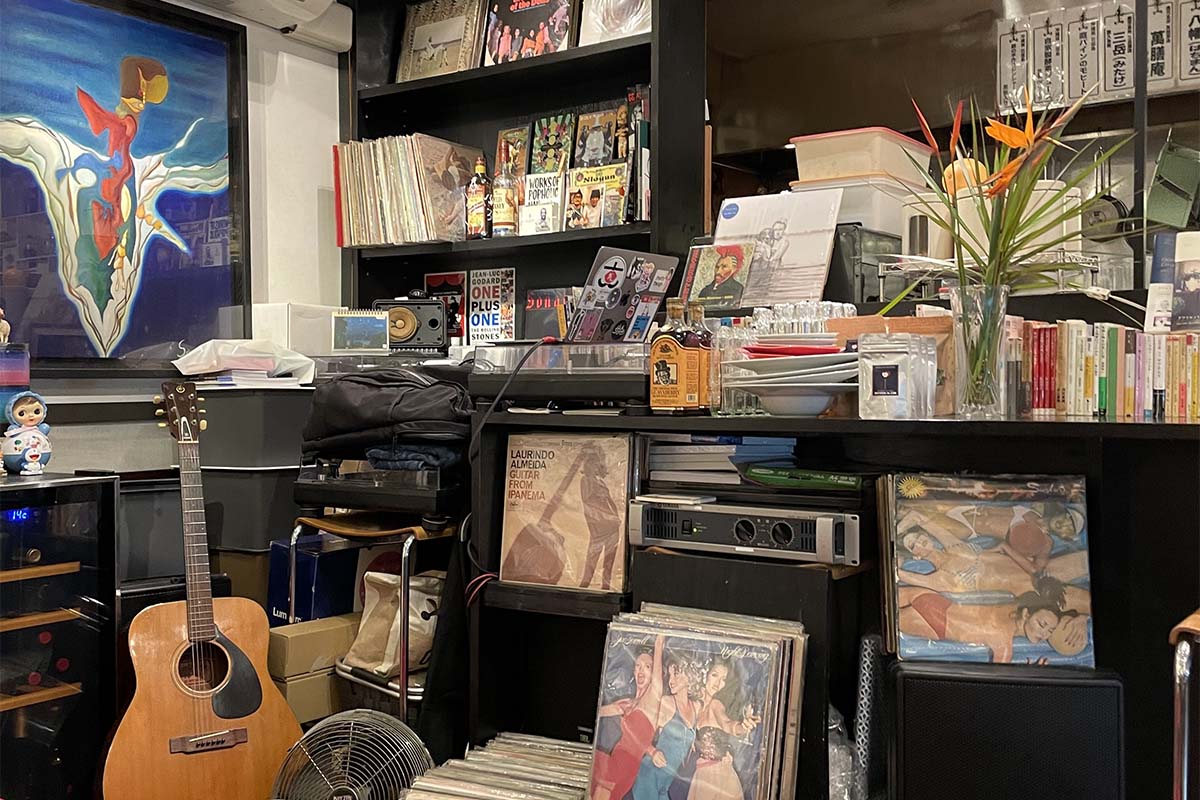
Japan’s listening-bar culture has roots in the jazz kissa, cafés where customers came specifically to hear recorded music on high-quality sound systems. Emerging in the postwar period — at a time when imported vinyl records were rare, expensive to own, and next to impossible to listen to at home — these venues offered something more than coffee with a soundtrack. Within the almost sacred spaces of these public listening cafés, music was the main event. For serious listeners, the room was vital; so were the equipment, the acoustics, the record collection, and the person who selected what would be played.
FUN FACT
Some jazz kissa owners built enormous record libraries and invested heavily in audio equipment at a time when high-end imported gear was difficult and expensive to obtain in Japan. The listening room itself became part of the experience.
The tradition has evolved, but it hasn’t disappeared. Contemporary listening bars continue to attract people who want to hear music properly, often on elaborate analog systems and carefully curated vinyl collections. There is something almost ceremonial about it. You don’t merely put on a record. You give it your attention. Music is respected as art, and guests listen in near-silence or speak only in low voices.
Germany goes electric
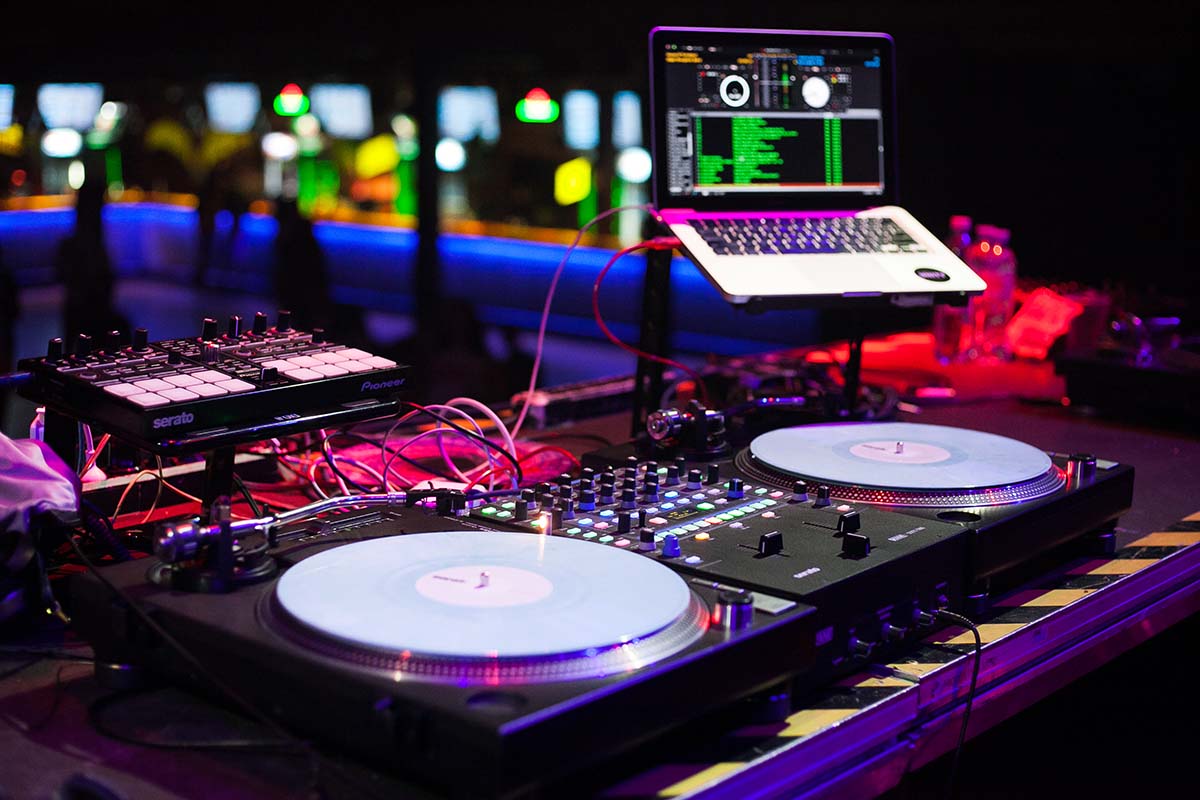
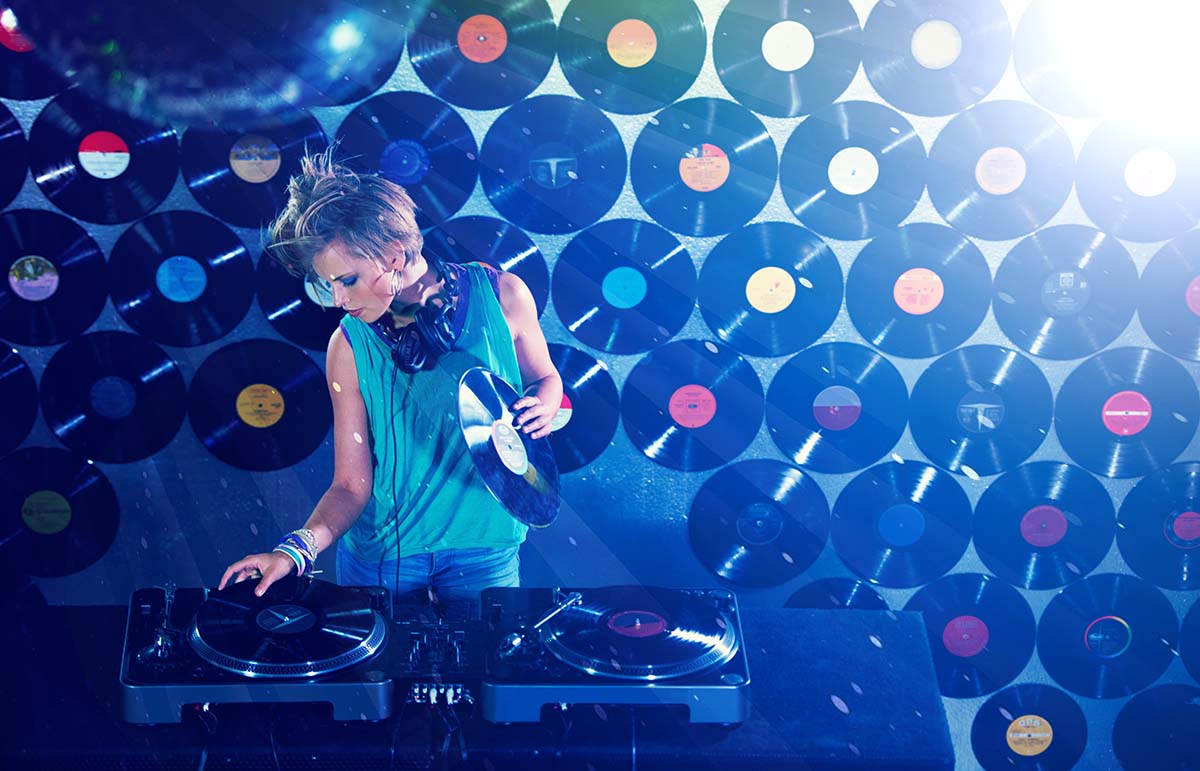
Germany’s sonic story took a different path. In the postwar years, German composers and musicians experimented with electronic sound, tape manipulation, synthesisers, and new approaches to recording. By the 1970s, groups such as Kraftwerk, a famous German electronic music band formed in Düsseldorf, were turning those experiments into music that would influence generations of electronic, hip-hop, pop, and dance musicians.
Kraftwerk’s fascination with machines, repetition, and synthetic sound helped establish a distinctly German strain of electronic music: controlled, futuristic, and often deliberately stripped of traditional rock’s human excess.
The influence eventually reached far beyond Germany.
Detroit techno absorbed ideas from Kraftwerk and other European electronic pioneers. Berlin, after reunification, became one of the world’s great electronic-music capitals, its abandoned industrial spaces and sprawling club culture providing fertile ground for a new generation of DJs and producers.
If Tokyo turned listening into a ritual, Berlin turned sound into an environment. Different rooms, different volume levels — but with a surprisingly similar intensity for music.
Built for sound
Beneath both cultures is another shared fascination: technology.
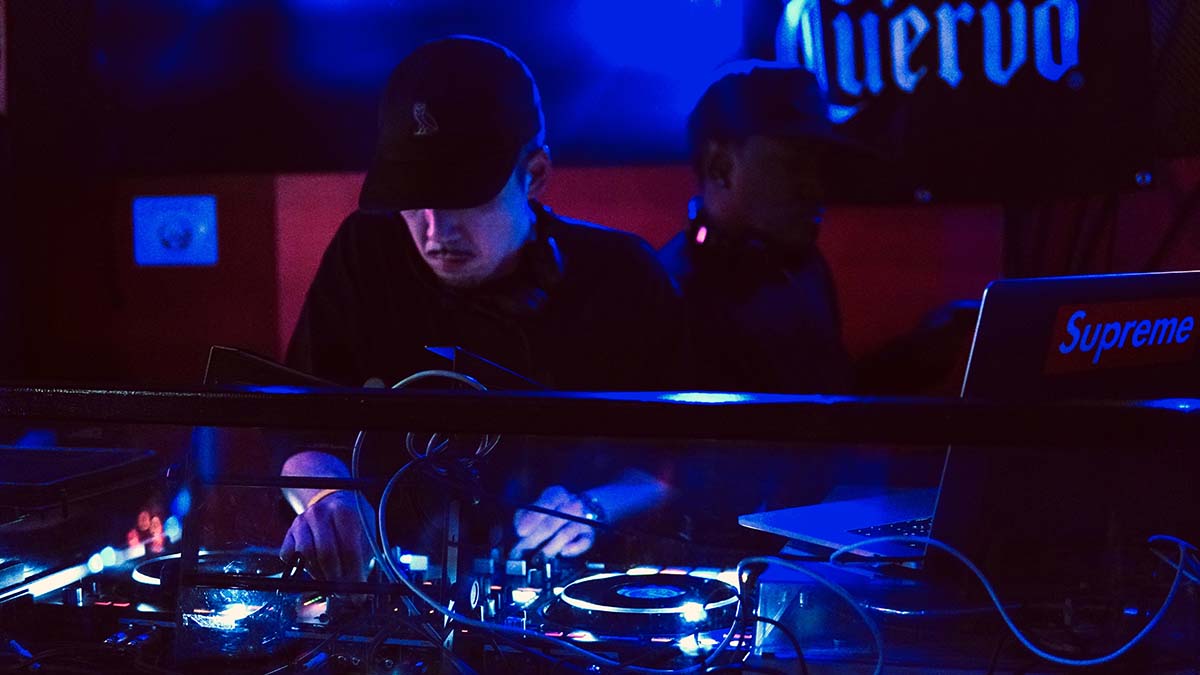
Japan’s postwar economic rise made it a global force in consumer electronics. Japanese manufacturers became major players in turntables, amplifiers, speakers, headphones, and other hi-fi equipment, helping bring sophisticated audio technology into homes around the world.
Germany, meanwhile, had its own long engineering tradition in audio and recording technology.
The relationship between the two countries is not simply a matter of who made the better amplifier or turntable. It is about a shared belief that technology can change the experience of music. The machine isn’t merely there to reproduce sound; it is part of the sound.
That philosophy helps explain why the physical equipment surrounding music can become almost as important to enthusiasts as the music itself. And it helps explain the continuing fascination with vinyl.
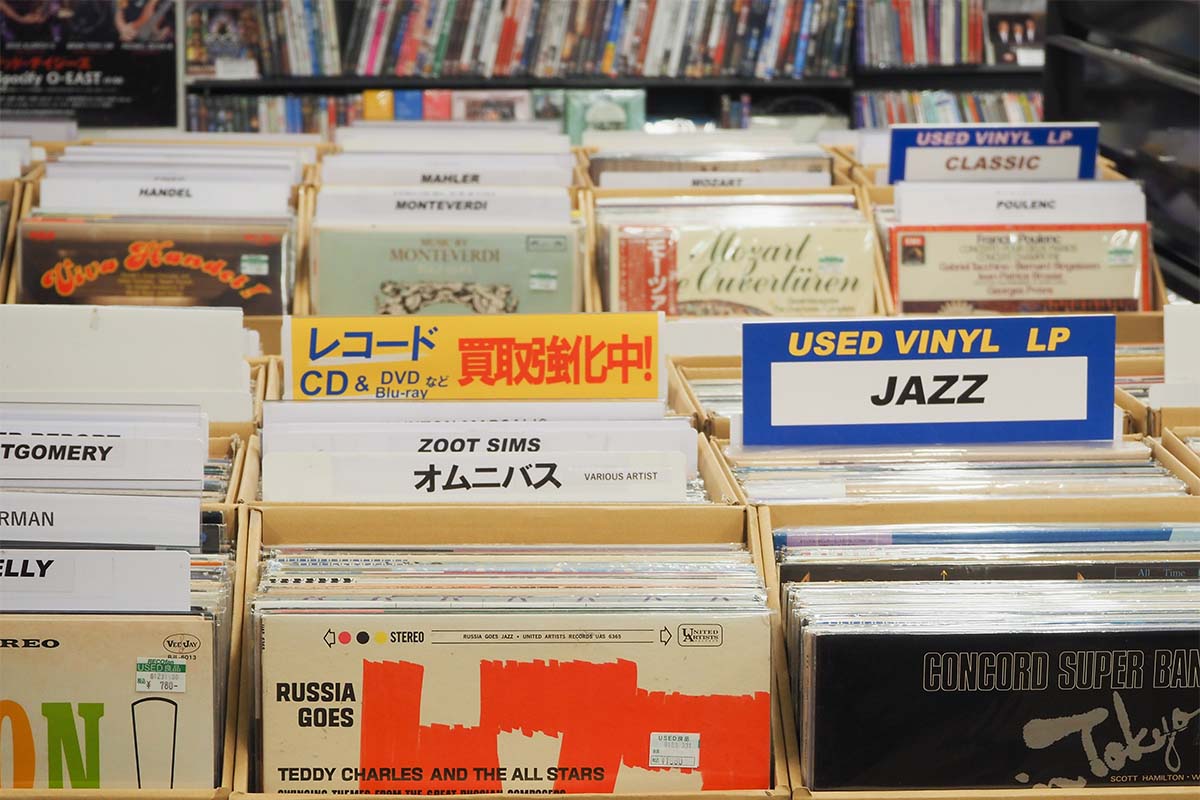
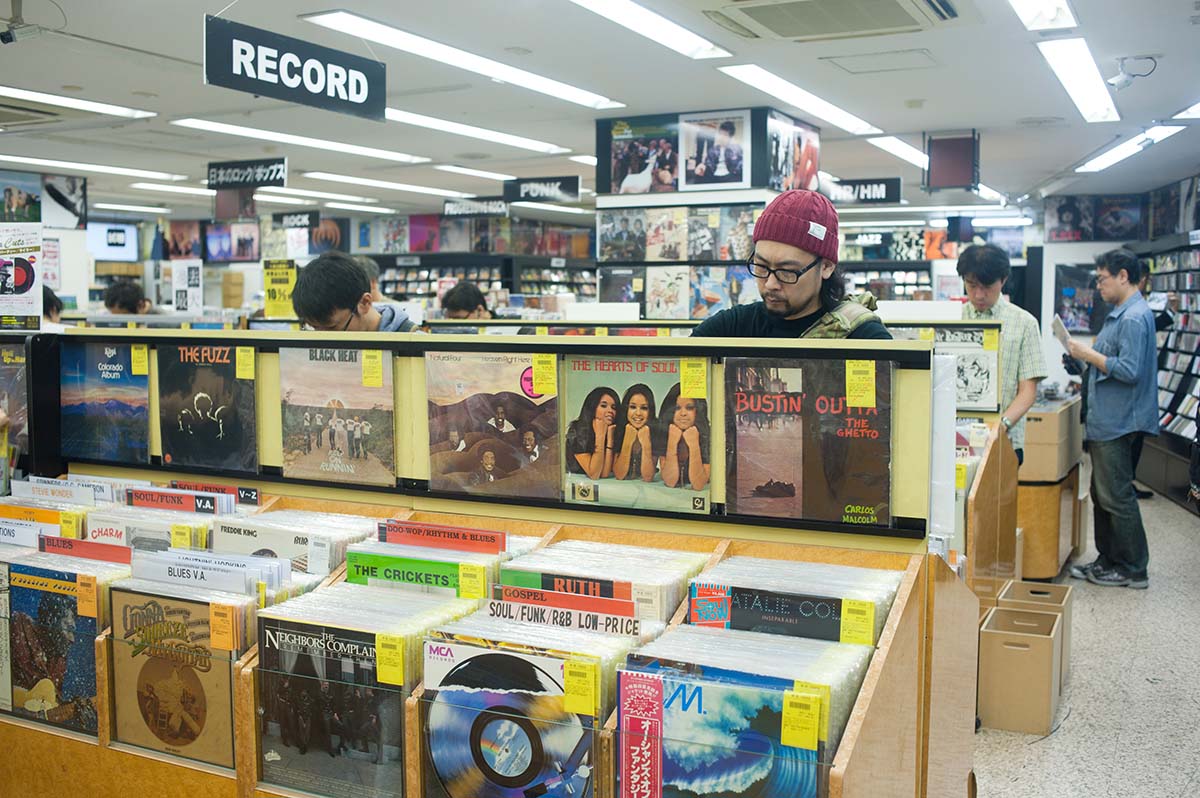
The physical thing
Vinyl’s revival is often packaged as nostalgia. But that doesn’t quite illustrate its appeal in Japan (where physical music culture never disappeared in the first place), or its continuing importance in Germany’s DJ and electronic-music communities.
Streaming gives listeners almost everything instantly, whereas vinyl asks for participation. You choose a record. Take it from its sleeve. Place it on the turntable. Lower the tonearm. Turn the volume up. Then, for the next 20-odd minutes, you say goodbye to convenience and actually have to listen. There’s no algorithm nudging you toward the next song, no instant gratification — and that “inconvenience” is part of the passion. Apparently, it’s also become a luxury.
Japan’s record stores, collectors, specialist labels, listening bars, and hi-fi enthusiasts have helped maintain an ecosystem around physical music that is unusually rich. Germany’s record shops, DJs, clubs, labels, and electronic-music communities have done something similar, albeit through a rather different musical culture. It’s a rabbit hole, to be sure — but rabbit holes are, after all, one of vinyl’s more enduring pleasures.
PRO TIP
When exploring either country’s vinyl scene, don’t go looking only for the records everyone says you should own. Ask a record-store clerk, DJ, or listening-bar selector what they would play for you. The personal recommendation is often where the interesting rabbit hole begins.
Tokyo meets Berlin
This is where the relationship gets particularly interesting.
Tokyo and Berlin have become important destinations for DJs, musicians, collectors, producers, and electronic-music obsessives. Japanese selectors have long embraced German electronic music, while German artists and DJs have found audiences in Japan.
That exchange now extends beyond individual musicians. There are Japanese labels releasing electronic music influenced by European sounds, German labels working with Japanese artists, DJ collaborations, club events, touring musicians, and record collectors traveling between the two cities. The traffic goes both ways.
Japan’s meticulous listening culture offers one model of how music can be experienced: intimate, deliberate, highly curated. Berlin offers another: communal, physical, experimental, and often gloriously loud.
Neither cancels the other out.
If Tokyo turned listening into a ritual, Berlin turned sound into an environment. Different rooms, different volume levels — but with a surprisingly similar intensity for music.
The sound of a connection
Perhaps the most interesting thing about the Japan-Germany relationship in music is that there isn’t one defining sound. There is no neat “Japanese-German” genre waiting to be named. Instead, there is an exchange of ideas about how music should be heard.
Japan reminds us that listening can be an art in itself. Germany demonstrates how technology can become an instrument of artistic experimentation. Both cultures have built communities around physical sound, whether that means sitting quietly in a Tokyo listening bar or losing yourself in the bass of a Berlin club.
And both have resisted, in their own ways, the idea that music should simply disappear into the background.
The needle drops. The synthesizer hums. A room falls quiet, or erupts. Different rituals, different histories, different sounds. But the same fundamental idea remains: music deserves to be listened to, not merely heard.