
When I first met Anton Wörmann a couple of years ago at the PropertyGuru Asia Real Estate Summit in Bangkok, the Swedish-born creator better known as Anton in Japan had already found an unlikely niche: buying, renovating and breathing new life into Japan’s abandoned homes, or akiya.
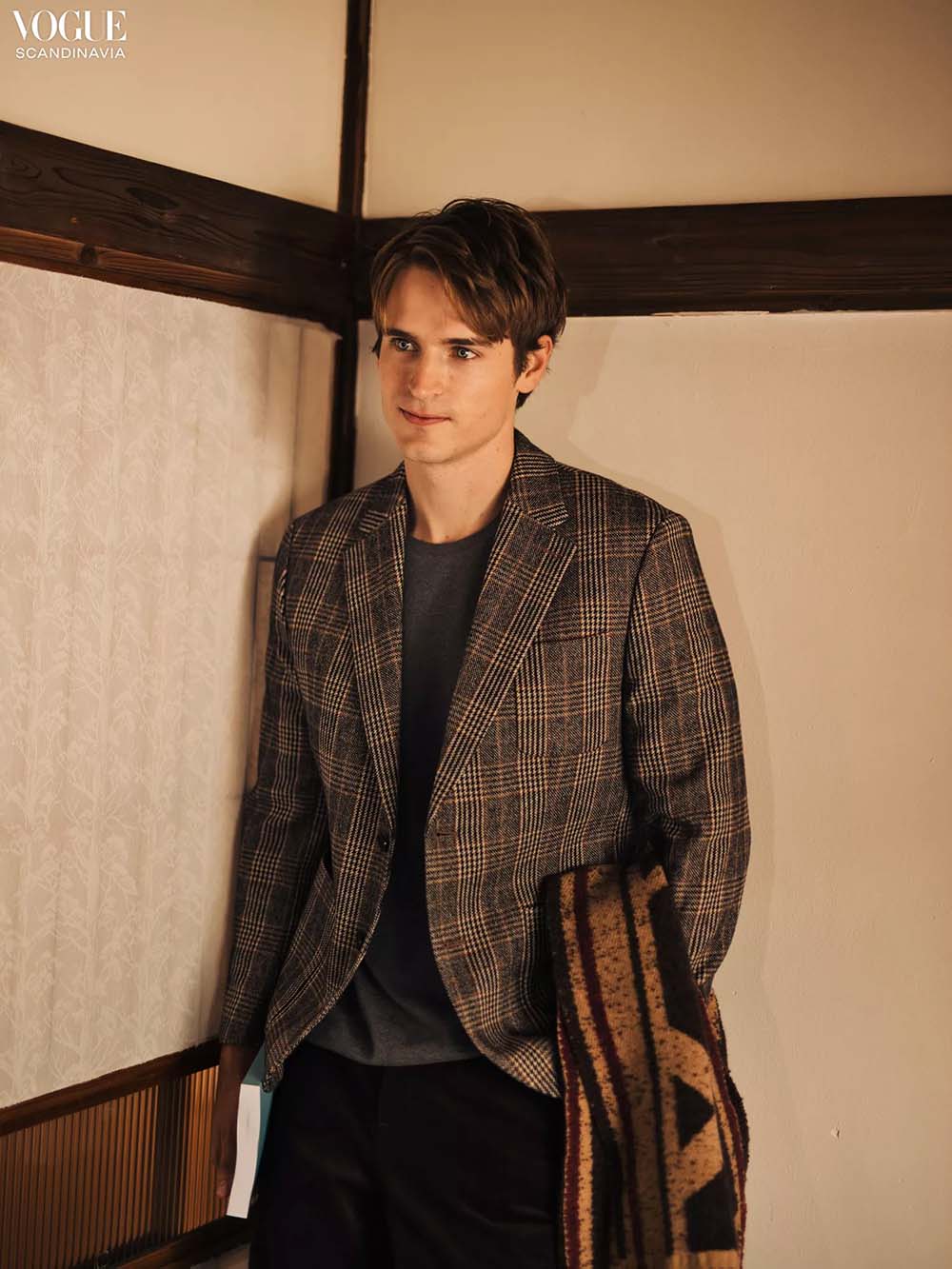
He had also published Free Houses in Japan, part memoir and part practical guide chronicling his experiences navigating Japan’s akiya market, with plenty of useful advice for foreigners considering doing the same.
Anton hasn’t stopped building since.
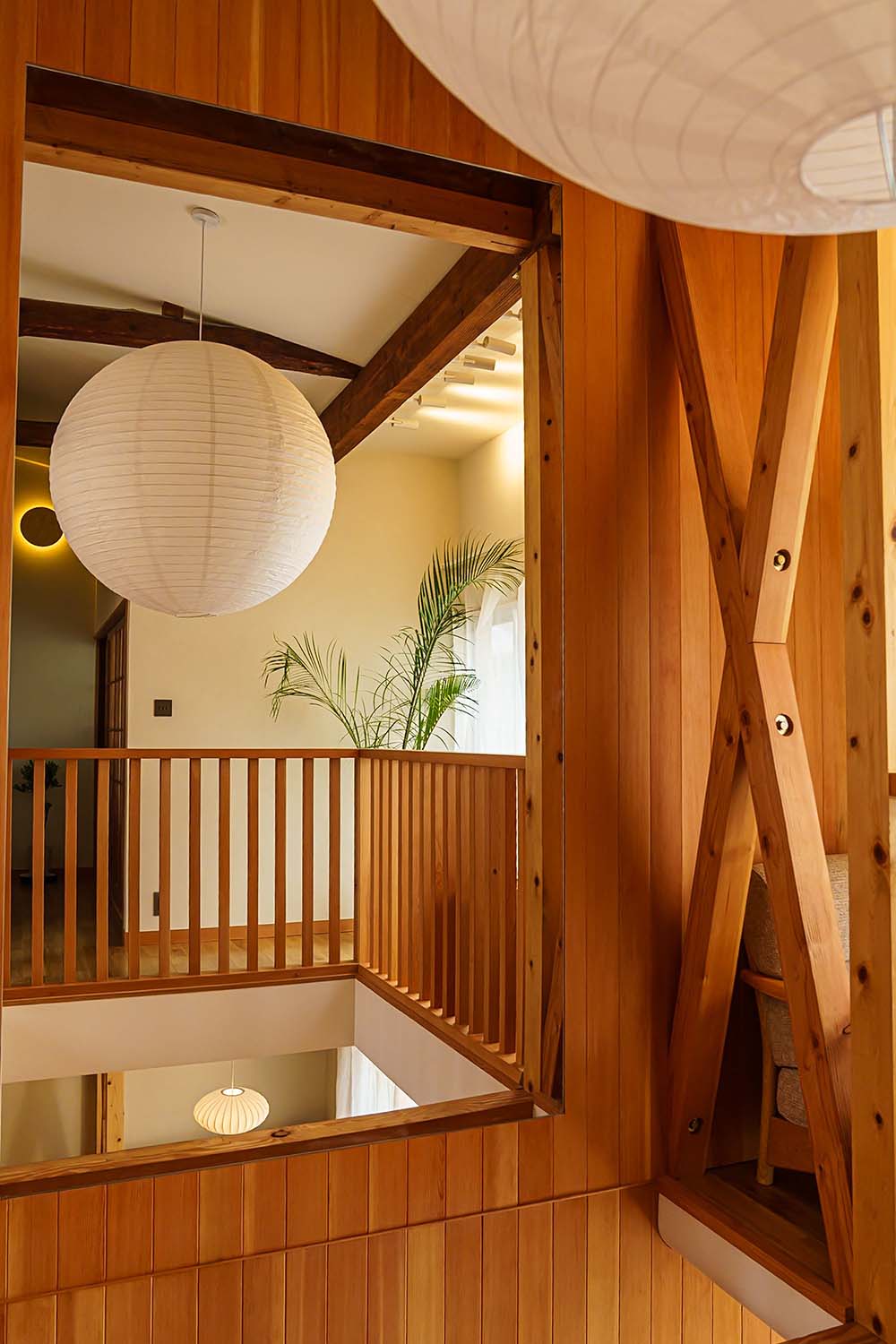
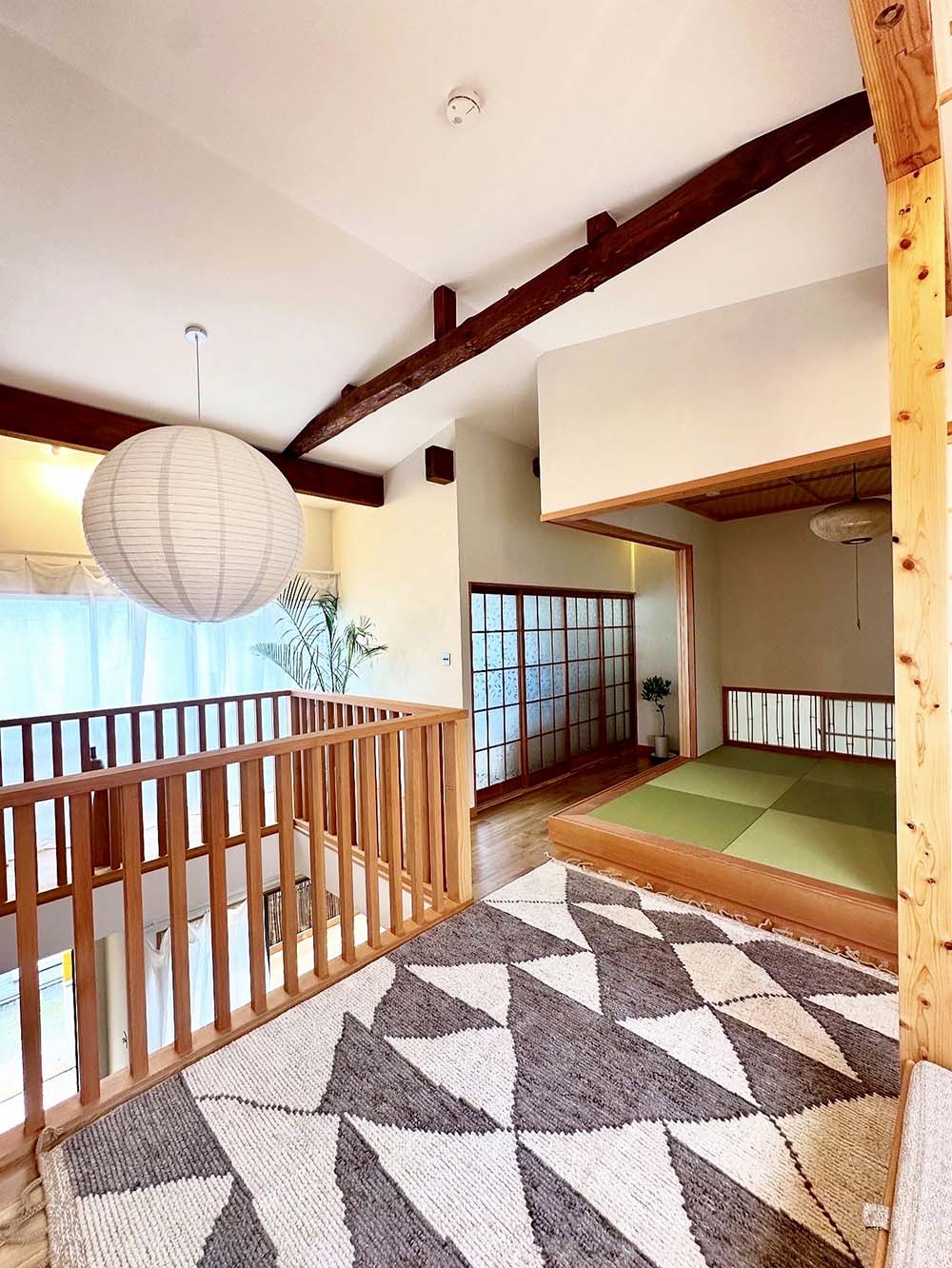
His highly informative Anton in Japan platforms have documented the journey for a global audience, while Japandi Houses turned his experiments in renovation into distinctive spaces combining Japanese traditions with the Scandinavian sensibility of his childhood.
Now, seven years after he began investing in and renovating Japanese property, Anton has taken the next logical step: Japandi Real Estate.
“We help people buy a home and make it theirs,” he shared.
From followers to clients
Interestingly, Anton didn’t initially set out to become a real estate broker. The business grew organically from the audience around his media platforms and the guests staying in his properties.
“People would come and stay in our houses and say, ‘Hey, I want this. How do I get this?’” he recalled.
The first client was an American who had stayed at one of Anton’s houses before approaching him with a simple proposition: “I want what you have. Can I buy a house and have you renovate it for us?”
“We help people buy a home and make it theirs.”
Anton Wörmann
“That’s how everything started,” Anton said.
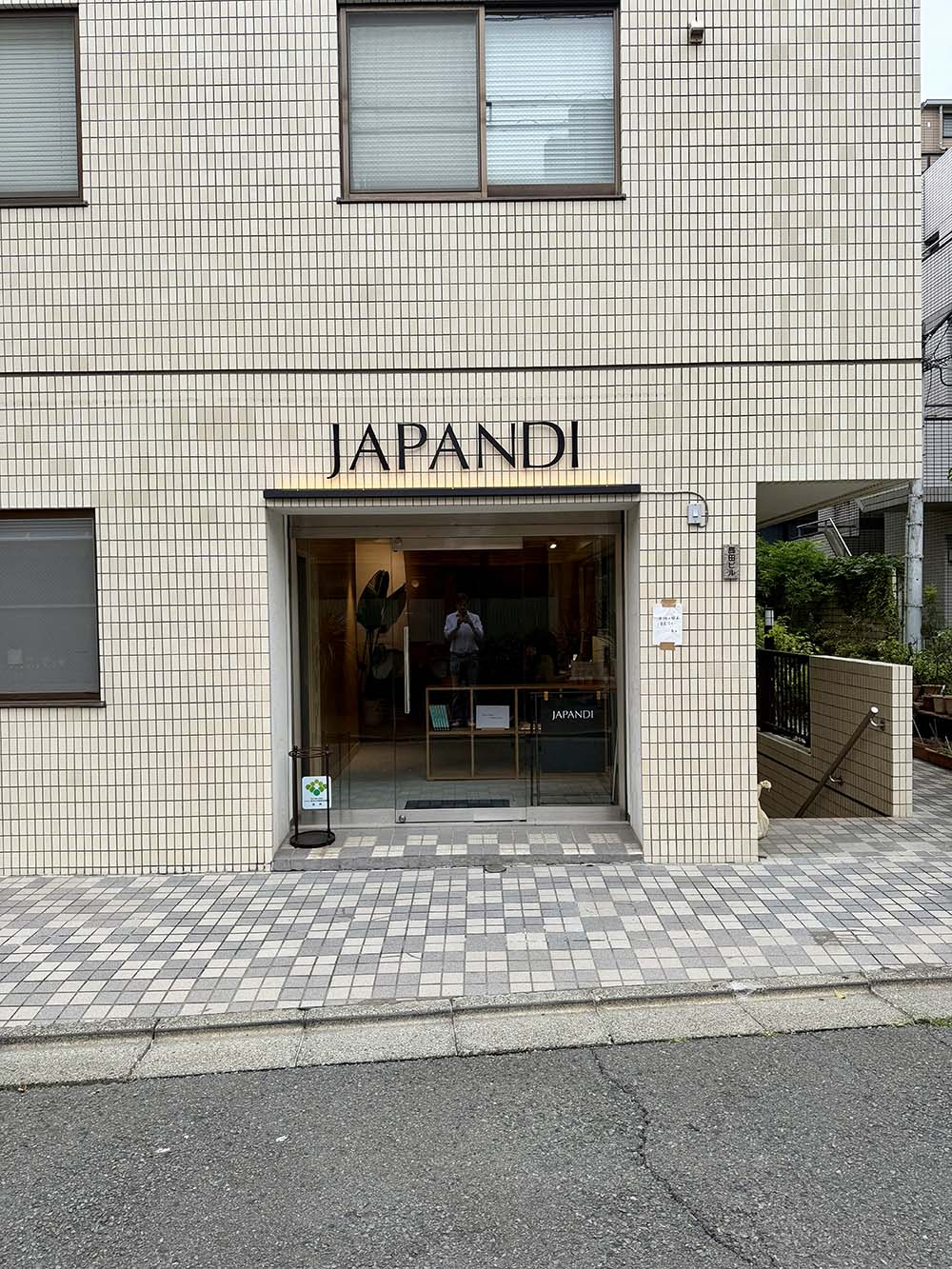
Today, his newly licensed real estate operation helps clients navigate the process from property search through renovation. Based in Sangenjaya, the five-person team focuses primarily on central Tokyo and neighborhoods within roughly 20 minutes of its base, including Shibuya, Nakameguro and Shimokitazawa.
Anton believes the company’s advantage lies not simply in finding properties but in knowing what can be done with them.
“Our unique niche and expertise is that we know how to renovate,” he said.
Building the Japandi way
That expertise has been developed through Anton’s own growing portfolio. Six houses are already operating as short-term rentals, with two more scheduled to join them, including the Japandi Waterfall House, a countryside restoration project that Anton said generated around 200 million online views in about 40 weeks.
These properties function simultaneously as guest houses, passion projects and showcases of what his team can create.
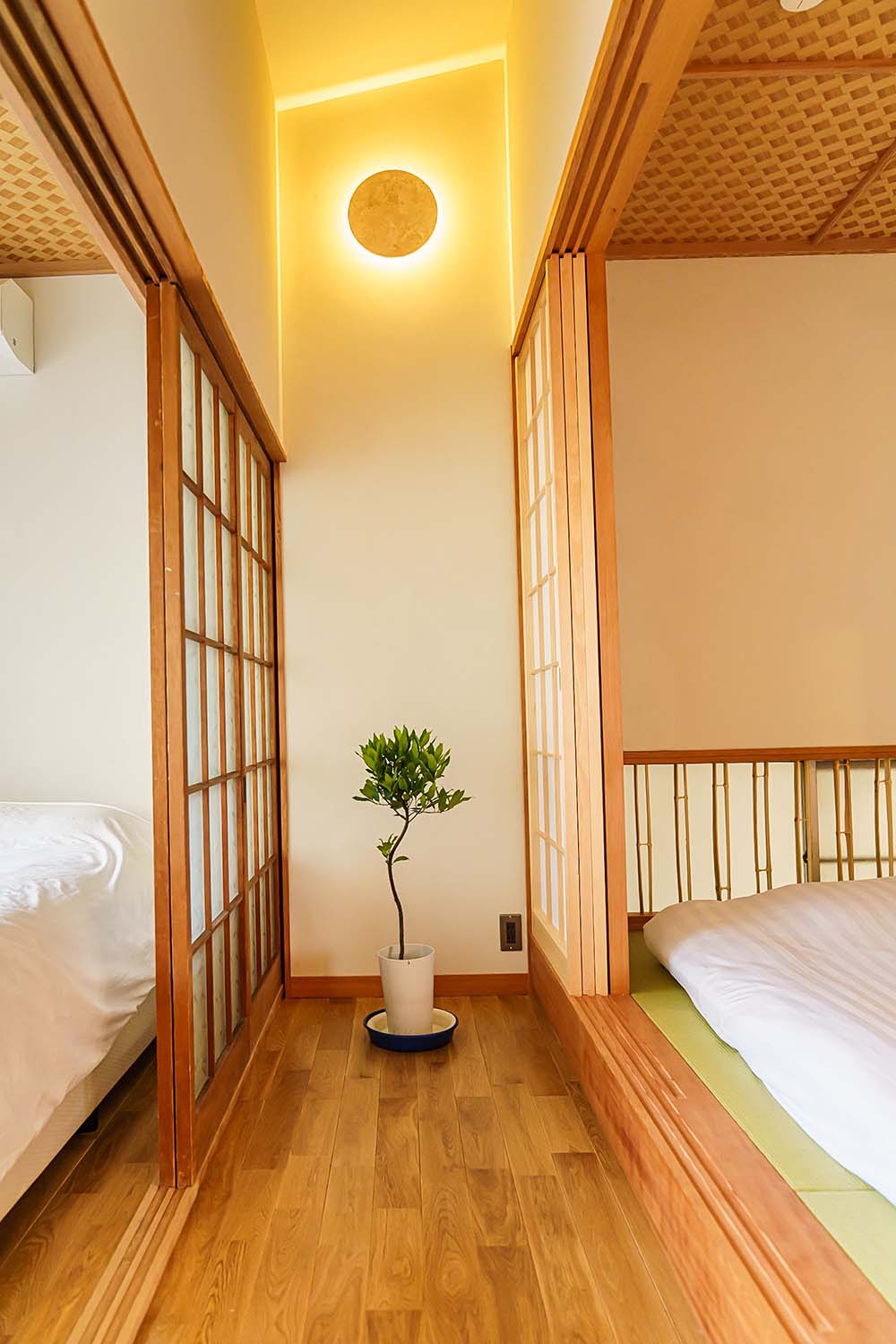
Central to them is Japandi – a design language marrying Japanese and Scandinavian principles that has become Anton’s signature.
“Japandi, to me, is a way of elevating a space,” he explained.
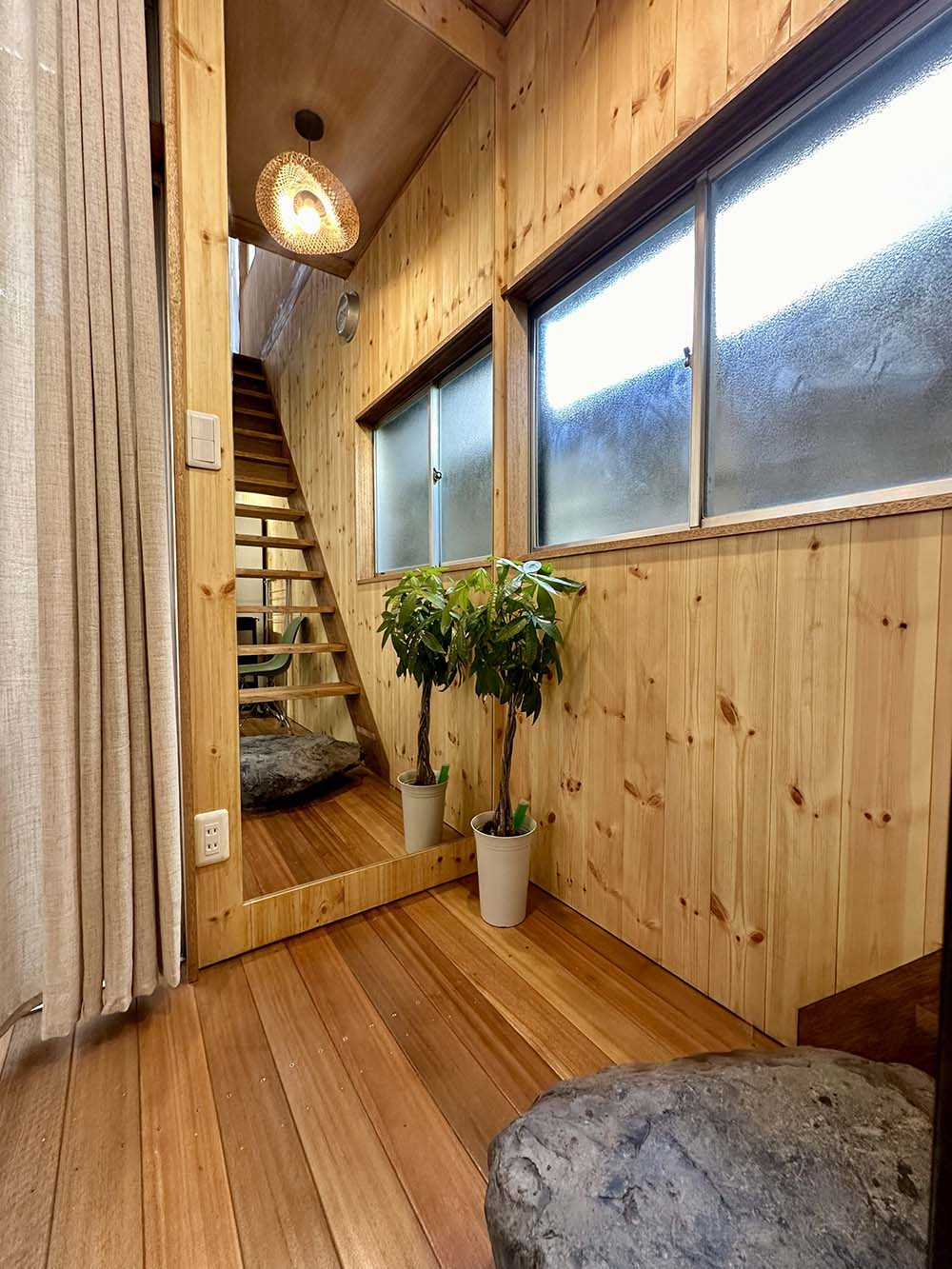
For Anton, that does not mean covering every surface in wood or slavishly reproducing traditional interiors. It means choosing materials thoughtfully and creating spaces intended to age well.
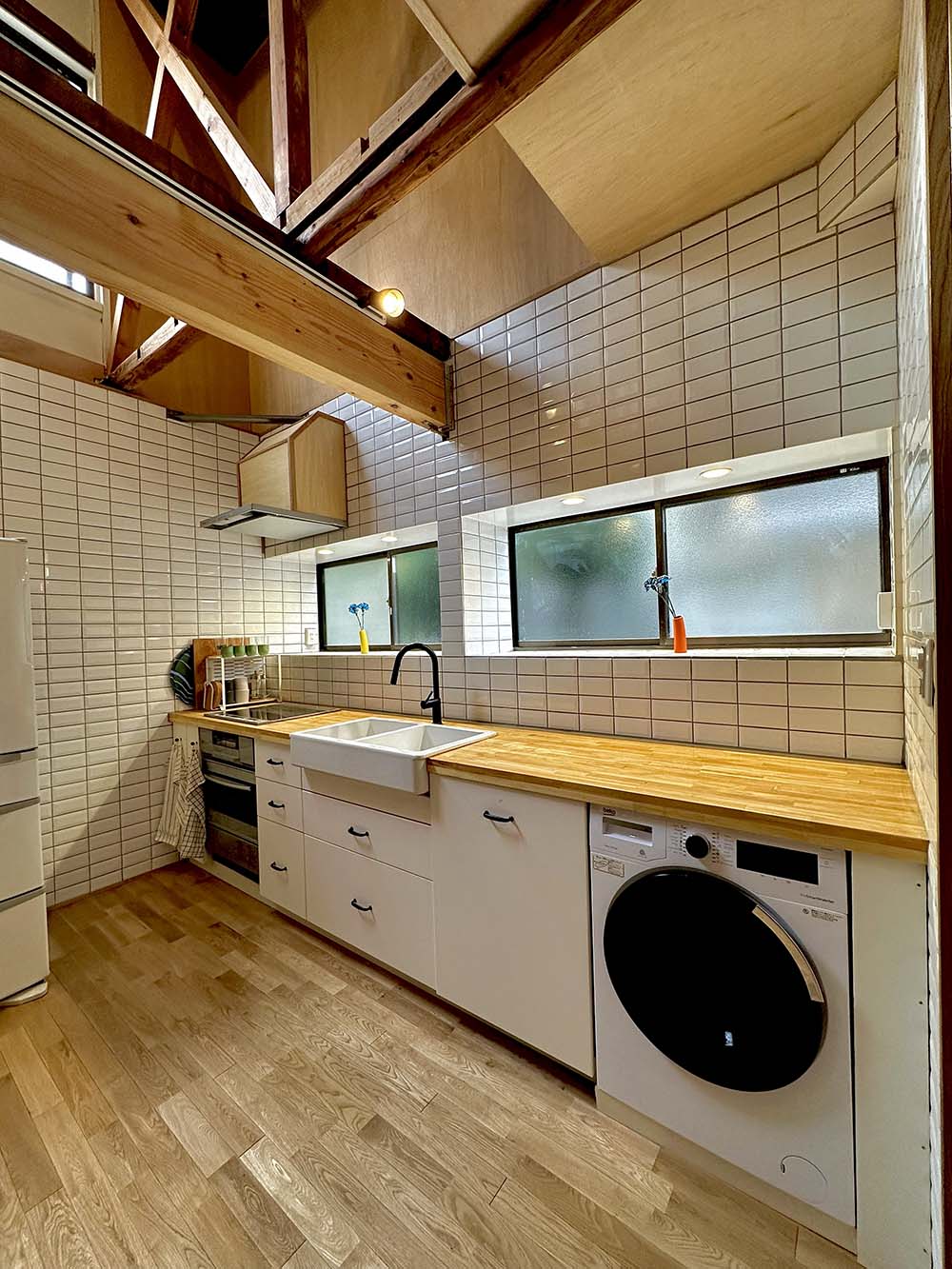
“We’re building with tatami rooms. We’re using shoji doors, natural wood floors and Japanese tiles,” he said. “We’re bringing those things back.”
The Scandinavian influence comes through in an emphasis on natural, durable materials. Anton recalls growing up in a 120-year-old house where some of the original wooden floors remained: They could simply be sanded and re-oiled rather than replaced.
It is an approach he sees reflected in older Japanese architecture but less often in contemporary mass-market homes.
“Japandi is about warm minimalism and the use of good materials,” he said.
Old homes, new opportunities
Japan’s millions of vacant homes have attracted considerable international attention, but Anton is quick to distinguish the romance of buying a cheap countryside akiya from the realities of investing.
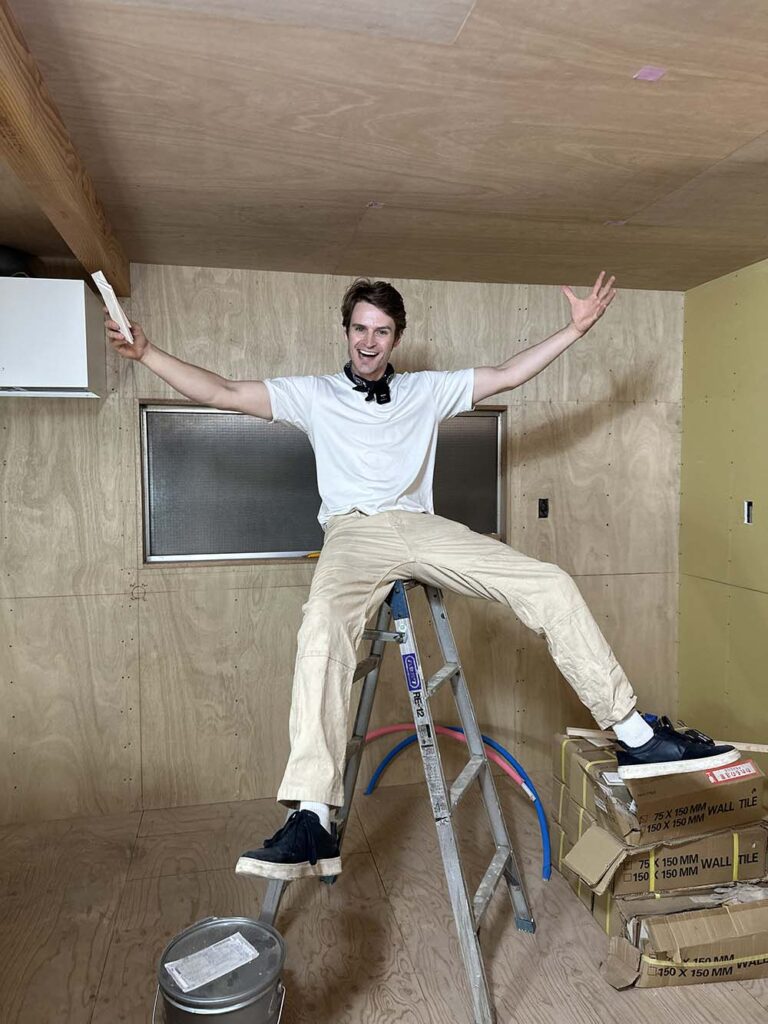
In fact, he said none of his real estate clients are currently buying akiya. Such properties can carry significant structural, legal and redevelopment risks. Instead, clients are generally looking for sound properties where thoughtful renovation can add value.
Anton is equally cautious about treating an inexpensive rural house as an easy investment.
“I would not invest in something in the countryside unless you have the time to fix it up or you’re treating it as a lifestyle investment rather than expecting a monetary return,” he said.
Tokyo, however, is a different proposition.
While Japan faces a declining national population, Anton points to continued demand in the capital, where his biggest challenge has become finding suitable properties for clients.
For him, the opportunity is ultimately about more than returns. It is about creating homes people actually want to inhabit – and preserving something worth carrying forward.
“I love it here. It’s one of the most beautiful countries on Earth,” Anton said. “If you can utilize a property or make money from it while still contributing something, I think it’s a win-win for everyone.”