
When Grupo SushiCafé opened its first restaurant in December 2005, Japanese dining was still unfamiliar territory for many Portuguese diners.
There were only a handful of Japanese restaurants in Lisbon at the time, according to Manuel Salema, founder and partner of Grupo SushiCafé. More than two decades later, those early competitors have disappeared, leaving SushiCafé as the oldest Japanese restaurant brand still operating in the capital.
Its beginnings were almost accidental.
“I was a lawyer, and I had a friend that was also a client who invited me to open a restaurant,” Salema recalled. “The restaurant happened to become Japanese.”
What began as an unexpected departure from law quickly became a new career. Salema eventually took sole control of SushiCafé before Luis Salema and Gonçalo Salgado joined as partners. Today, Grupo SushiCafé has grown to around nine brands and 16 restaurants, spanning Japanese, Asian, Italian and Portuguese cuisine, alongside newer sustainability-focused concepts.
Japanese food, however, remains at the heart of its identity.
“There is a lot of history between Portugal and Japan, and we’ve always tried to explore that. There is value in that connection that we haven’t yet fully captured.”
Manuel Salema, Founder and Partner of Grupo SushiCafé
Looking back, Salema believes SushiCafé played a role in making sushi more approachable to Portuguese diners.
“I think one thing we achieved was that we ‘democratized’ sushi in Lisbon,” he said. “I don’t mean only making sushi more accessible economically. We made sushi more accessible for people to understand and easier for them to eat and enjoy.”
Sushi may have been the gateway, but the group’s relationship with Japanese cuisine has continued to deepen.
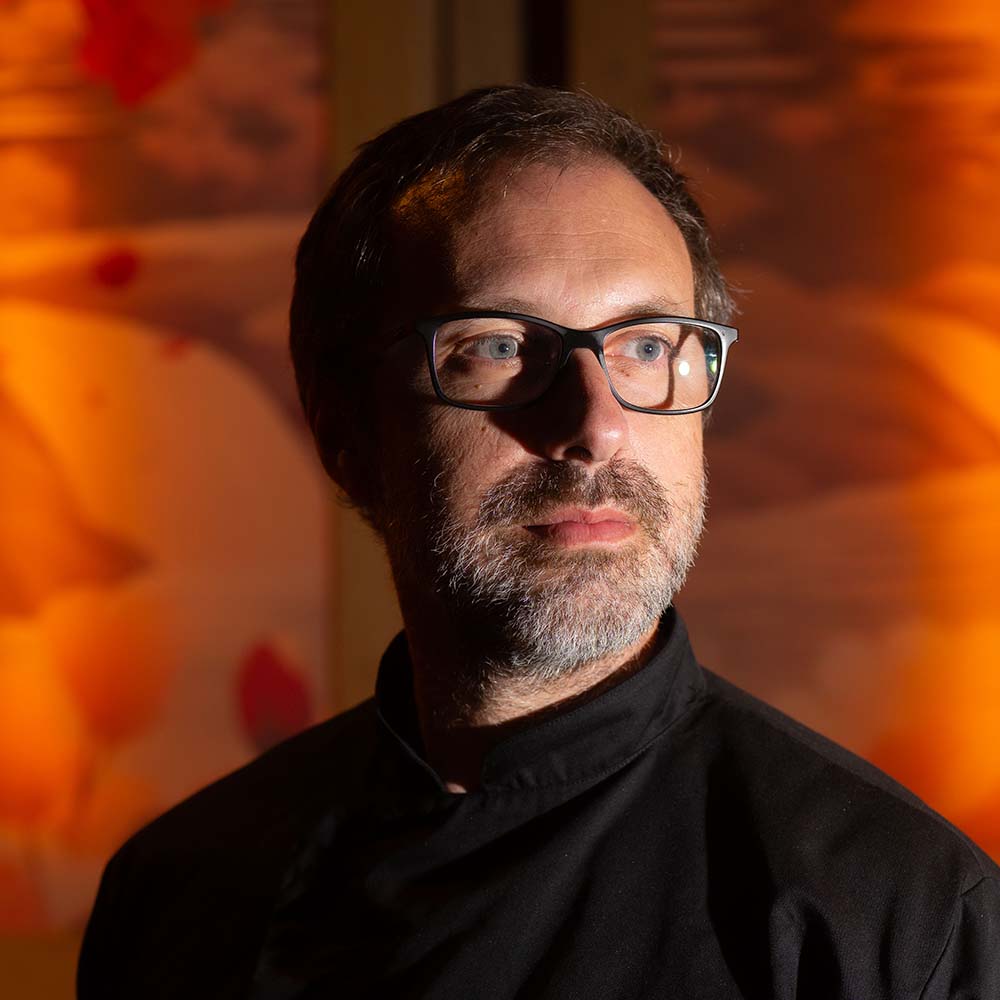
Grupo SushiCafé’s growth brings together the vision of its three main partners and the talents of executive chefs Daniel Rente in Japanese cuisine, Mauricío do Vale in Asian cuisine and Diogo Coimbra in Italian cuisine, with additional partners involved in individual projects. Rente has been with SushiCafé since its first day, sharing the Japanese culinary traditions he learned while training in Japan.
Salema has traveled to Japan several times and was a member of the corporate bodies of the Japanese Chamber of Commerce for more than a decade.
The group has since sought to broaden how diners experience Japanese food. Izanagi, launched around 2018, moved beyond sushi to introduce more hot dishes and street-food influences, including robata grilling.
SushiCorner took Japanese dining in another direction, bringing it into a faster setting without sacrificing freshness.
“We believe the quality of sushi is closely related to the amount of time between when you make it and when you consume it,” Salgado said. “We don’t have the product simply sitting on a shelf. We make it at the moment, in front of the customer.”
Japan has also influenced what is poured alongside the food.
Salema recalls visiting one of Kyoto’s historic sake producers and being served sake made during World War II. The experience reinforced his enthusiasm for the drink, although introducing Portuguese consumers to sake has proved more challenging.
“We would love for our customers to drink more sake instead of wine with Japanese food,” he said, noting that white wine remains a popular accompaniment to sushi in Portugal.
After encountering the idea in Tokyo, the group even experimented with serving sake in wine glasses to make it more familiar to local diners. Sales increased somewhat, Salema said, but not enough to displace Portugal’s deeply rooted wine culture.
Over the years, Grupo SushiCafé’s own appetite has expanded beyond Japan. SOI explores Thai-inspired flavors, while Este Oeste brings Japanese and Italian cuisine together. The group has also developed concepts centered on sustainability and social responsibility, including initiatives to reduce processed food and plastic, prioritize local suppliers and work with an NGO supporting people with disabilities through the brand Único.
Yet Japanese cuisine still represents roughly one-third of the group’s business.
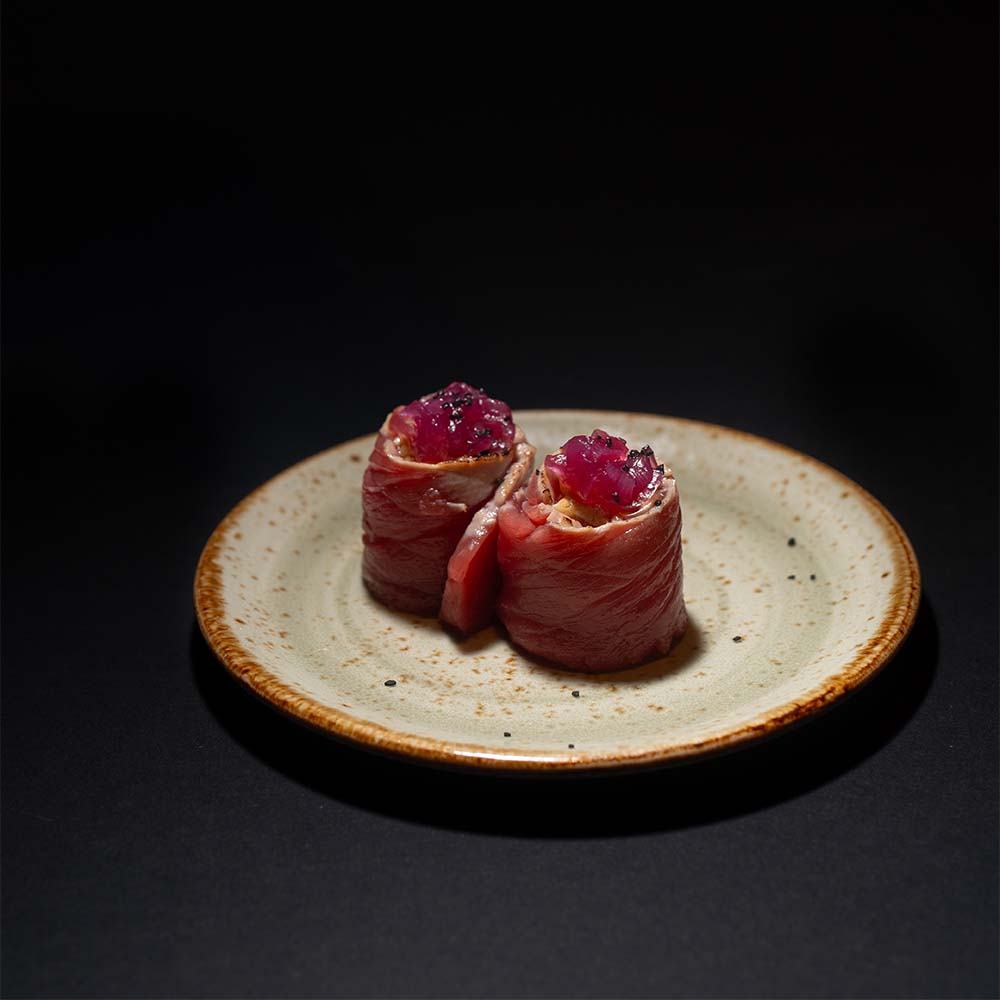
“Japanese cuisine is still very important for us,” Salgado said. He also sees a market transformed from the one SushiCafé entered in 2005, with izakayas and increasingly specialized Japanese concepts making Portugal’s dining scene considerably more competitive.
That evolution continues to challenge the group to rethink what it can bring to Japanese dining while exploring new cuisines and ideas of its own.
The timing is fitting. Grupo SushiCafé recently completed the first major renovation of its original SushiCafé, the “mother” restaurant where its story began more than 20 years ago.
For Salgado, the next chapter could reach beyond food itself.
“There is a lot of history between Portugal and Japan, and we’ve always tried to explore that,” he said. “There is value in that connection that we haven’t yet fully captured.”
More than two decades after opening its first doors, Grupo SushiCafé has grown well beyond the cuisine that gave the company its name. Yet Japan remains both an anchor and a source of inspiration, one that continues to shape how the group brings cultures, cuisines and people together around the table.