

Four generations after her great-grandparents worked the fields of California, Michelle Sakazaki is bringing her family’s agricultural heritage full circle, cultivating Japan’s native Koshu grape in Napa Valley and introducing it to wine lovers on both sides of the Pacific.
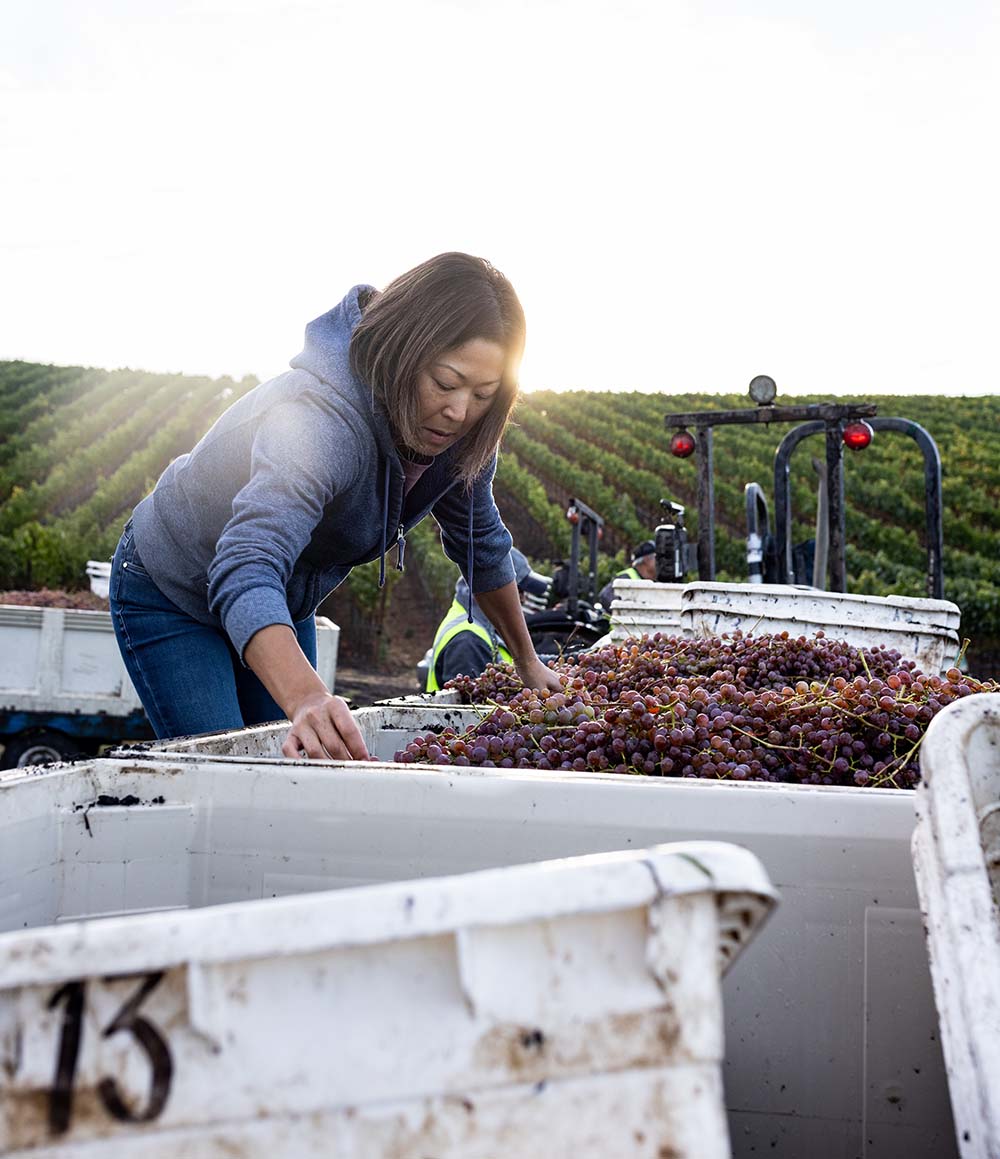
There is something wonderfully poetic about the story of Kazumi Wines. In California’s celebrated Napa Valley, a grape whose origins lie thousands of miles away in Japan has found a new home, thanks to a Japanese-American family whose history has unfolded between the two countries for generations.
For Michelle Sakazaki, founder and proprietor of Kazumi Wines, the journey is deeply personal. It is a story of immigration, family heritage and an unexpected return to the land that sustained her ancestors when they first arrived in America.
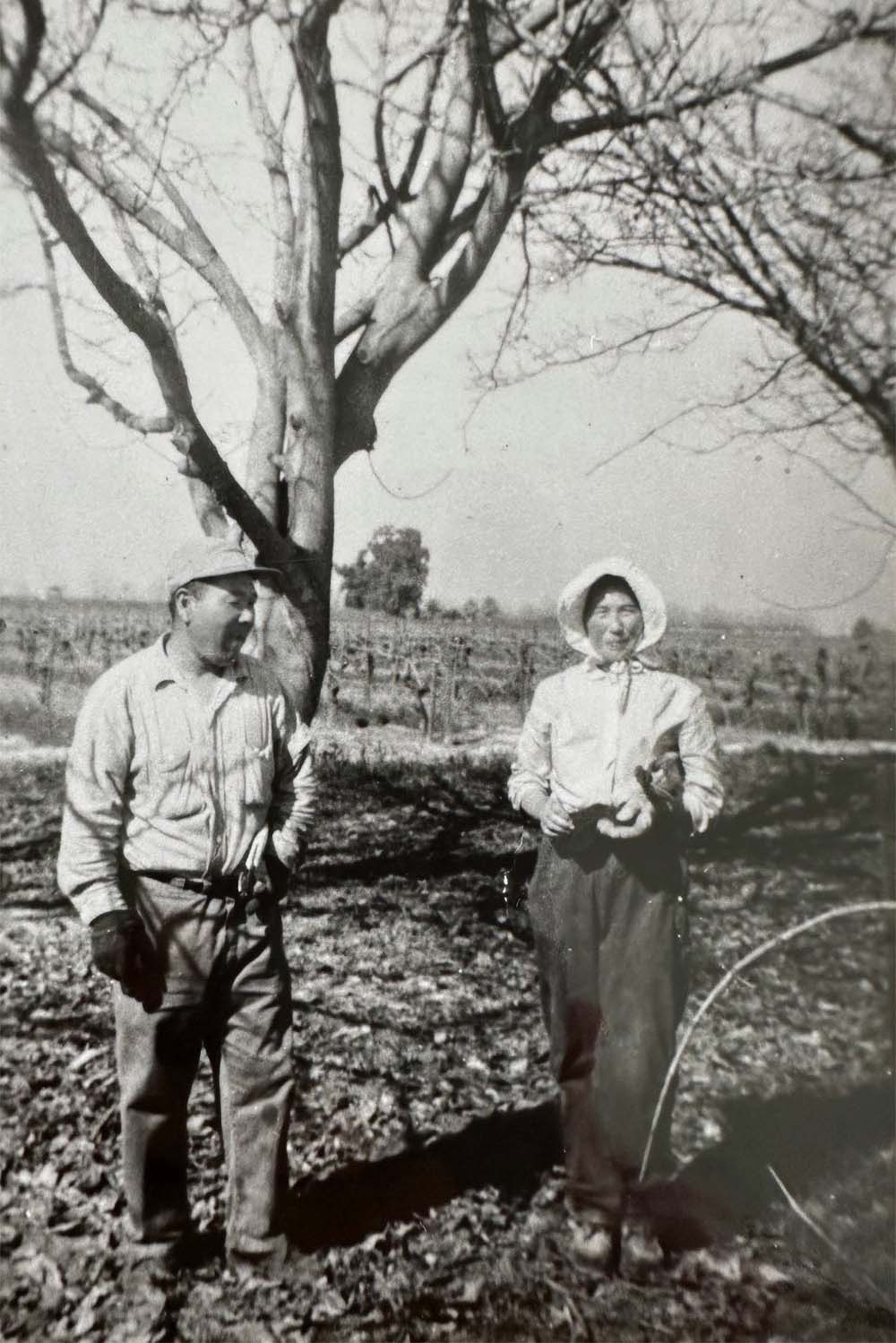
“Like many Japanese Americans who first immigrated to the U.S., my great-grandparents were farmers. I never really saw the connection between our family’s agricultural roots and my own life until recently,” she reflects.
“I remember my father telling us how he helped tend peach farms and vineyards as a child and how hard that work was. It’s interesting to think that our family has now come full circle, returning to the land in a different way and bringing a little piece of our heritage to American soil.”
“I often say that Napa Valley Koshu is a little like me: it has its roots in Japan but is made in America.”
Michelle Sakazaki, Founder and Proprietor of Kazumi Wines
A family history across the Pacific
Michelle is a fourth-generation Japanese American whose family history reflects generations of movement between Japan and California.
Her grandparents on both sides were born in California but spent portions of their childhood in Japan. Her father, Jack, moved to Fresno at the age of ten, while her mother, Mayumi, settled in Sacramento at twelve.
Before leaving Japan, Jack had promised his grandfather that he would one day return. Even after his grandfather passed away, Jack remained determined to honor that promise. He eventually returned with Mayumi, establishing a business in Tokyo, where they made their home for more than four decades.
Michelle was born in Sacramento but raised in Tokyo, growing up with a strong connection to both cultures.
Years later, she joined her father in the family’s wine club business. Her curiosity about winemaking, coupled with a desire to build something of her own, eventually led her to establish Kazumi Wines.
What began as a personal venture would soon take an extraordinary turn.
When adversity opened a new chapter
In autumn 2017, devastating wildfires swept through Northern California’s wine country, destroying homes, vineyards and entire neighborhoods.
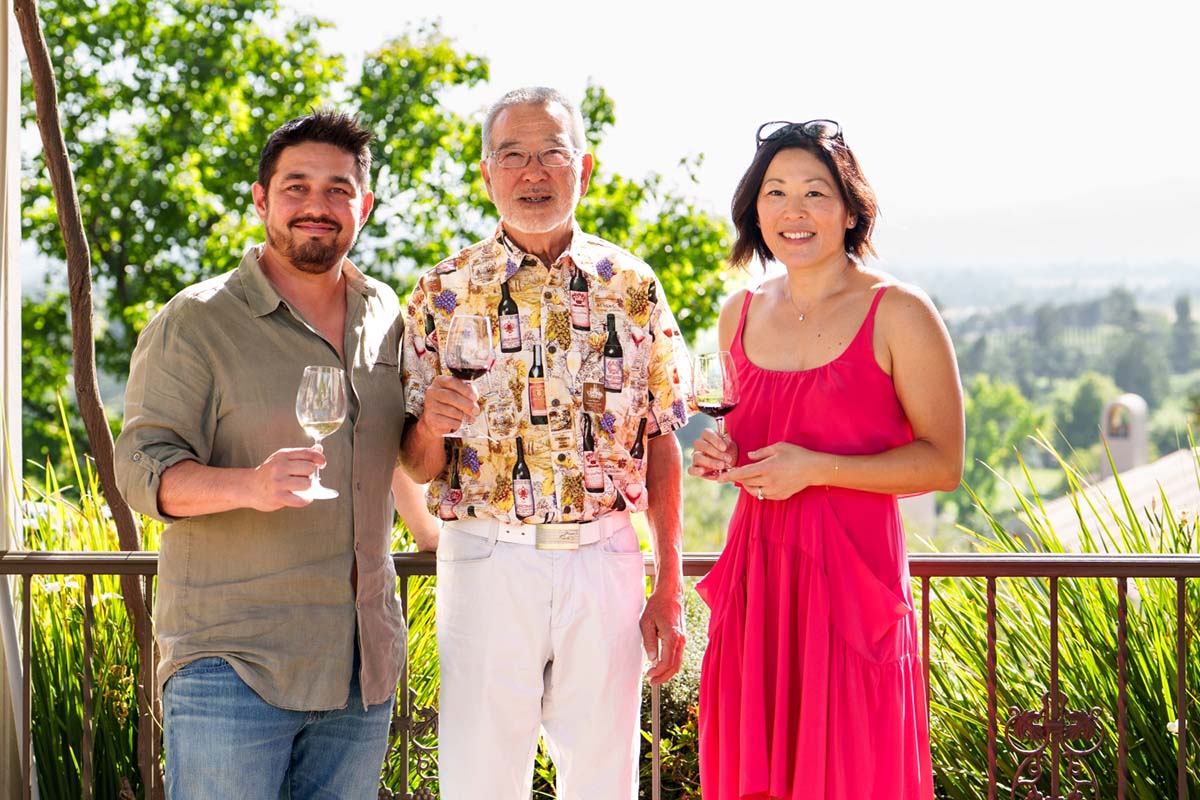
The flames reached Michelle’s parents’ property in Napa, coming dangerously close to their house. Fortunately, their home survived. Michelle believes their small backyard vineyard may even have helped prevent the fire from spreading further, although most of its vines were damaged or destroyed.
Faced with the prospect of replanting, Jack was unsure what to do next.
Then came a remarkable coincidence.
A Japanese friend in the wine industry mentioned that Koshu grapevines were available through Foundation Plant Services at the University of California, Davis.
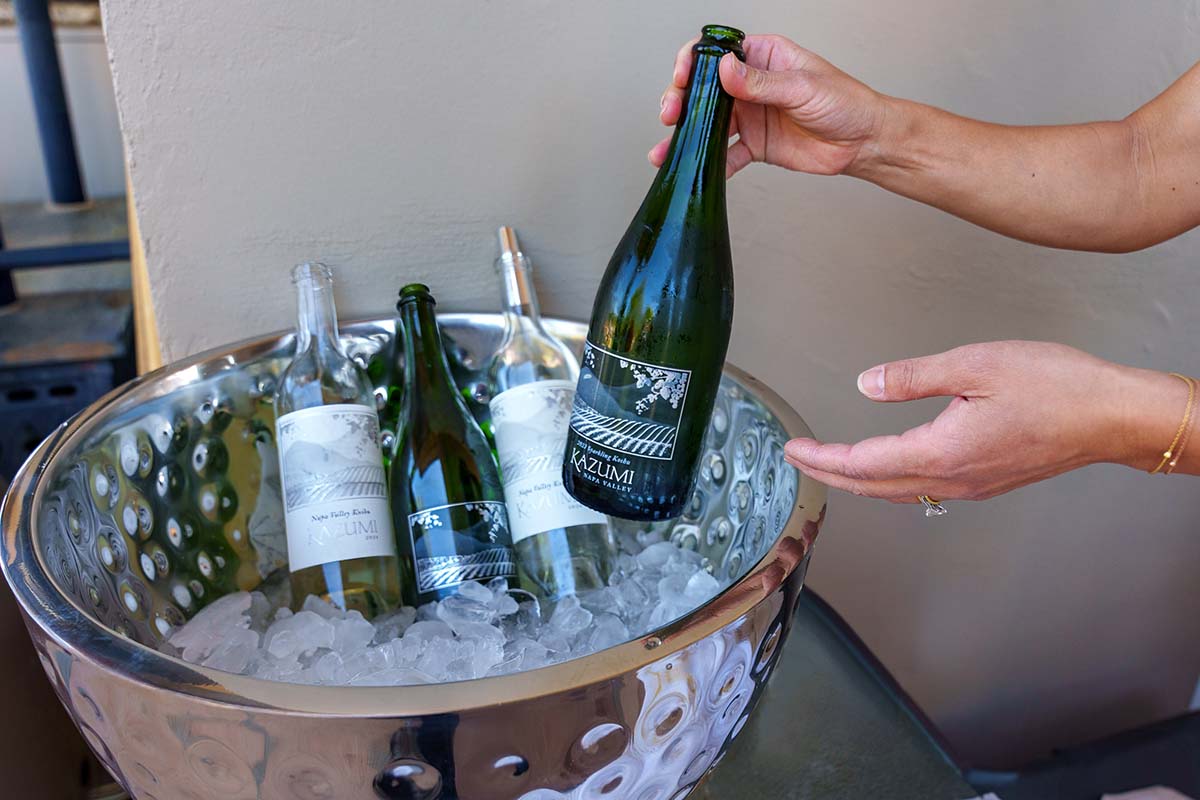
Koshu, a grape closely associated with Japan’s Yamanashi Prefecture, was an unexpected discovery in California. For Jack, who had spent much of his adult life in Japan, the opportunity was irresistible.
He and Mayumi visited UC Davis, approximately 45 miles away, where he purchased all the available Koshu canes. Working with a local nursery, he had them grafted onto rootstock and replanted the family vineyard.
Jack subsequently brought Michelle and winemaker Kale Anderson into the project.
“The interesting thing is that I never set out to grow or produce Koshu. It was more of a fortunate, unexpected opportunity, and this is where my father’s story becomes part of the Kazumi Wines story,” Michelle explains.
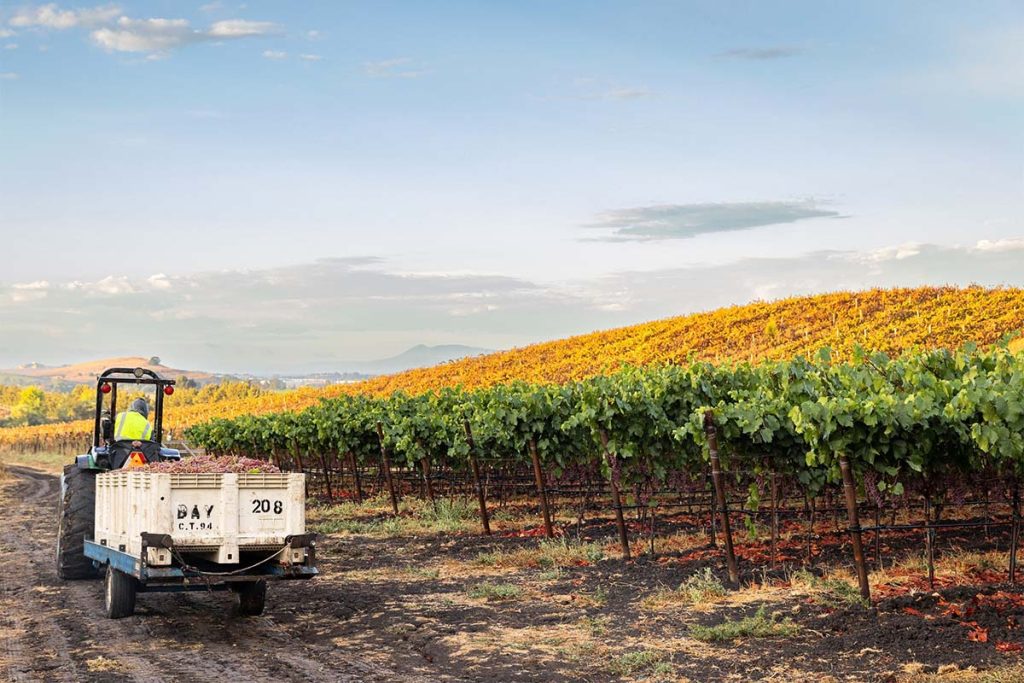
Today, Kazumi has approximately five acres of Koshu planted in Napa Valley and another three acres in Lodi. Michelle believes they are producing the first and only Koshu wine in the United States.
“I often say that Napa Valley Koshu is a little like me: it has its roots in Japan but is made in America.”
Bringing Koshu home to Japan
Perhaps the most heartwarming chapter of Kazumi’s story is what happened next.
Having cultivated a Japanese grape in American soil, the Sakazaki family began introducing their California interpretation of Koshu to the very country from which it originated.
Michelle initially wondered how Japanese wine professionals would receive it. Japan already has respected Koshu producers, particularly in Yamanashi, and a California-grown version represented something unfamiliar.

Once again, her father played a pivotal role.
Jack approached friends who regularly dined at Michelin-starred restaurants in Japan and suggested they bring bottles of Kazumi’s Napa Valley Koshu to dinner.
These friends became informal ambassadors, introducing the wine to chefs and sommeliers through personal relationships and a shared appreciation for good food.
“My father also took on the role of our unofficial, unpaid sales representative, visiting restaurants throughout Tokyo, Kyoto, and other cities to introduce the wine and build relationships,” Michelle recalls.
It is a lovely example of how personal connections, trust and community can help a small family venture find its place in a sophisticated market. The willingness of friends to introduce the wine, and of restaurateurs to discover something new, speaks to the relationships that often underpin successful Japanese businesses.
The response from Japanese chefs, sommeliers and diners has been encouraging.
For the Sakazaki family, seeing their California-grown Koshu welcomed in Japan has brought another dimension to their remarkable journey. A grape associated with Japanese agricultural tradition had crossed the Pacific, adapted to California’s wine country and returned to Japan carrying a distinctly American expression of its heritage.
A Japanese grape with a California character
Koshu has long been appreciated in Japan for its delicate character, bright acidity and natural compatibility with Japanese cuisine.
Growing it in Napa Valley, however, has revealed new possibilities.
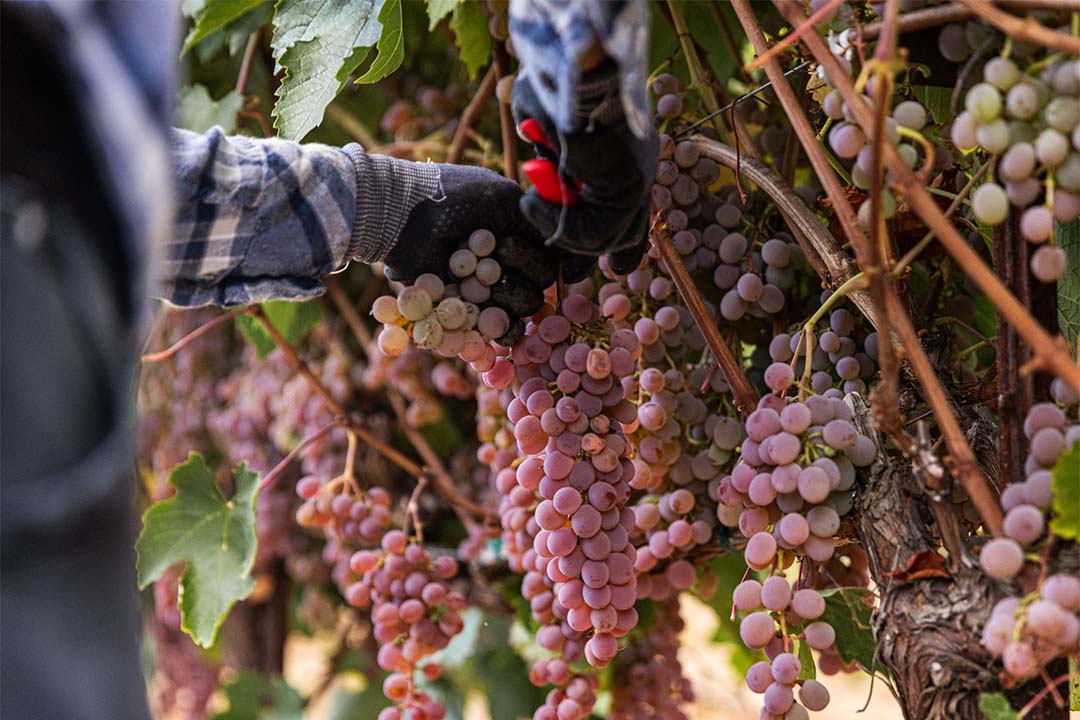
Michelle and her team discovered that Koshu is remarkably resilient in California’s warmer climate, retaining its acidity without accumulating excessive sugar. This allows the grapes to remain on the vine longer and achieve optimal ripeness.
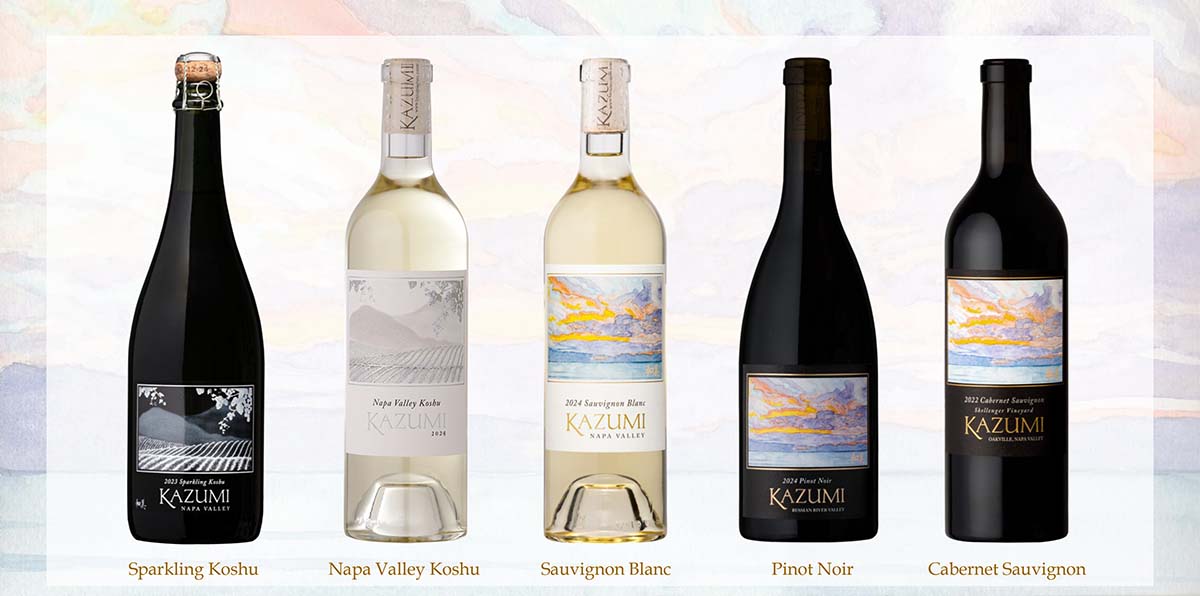
Kazumi’s Napa Valley Koshu retains familiar citrus notes, including yuzu, while developing additional body and complexity from its California surroundings.
The winemaking approach remains deliberately simple, with only yeast added, allowing the grape and vineyard to express their natural characteristics.
Michelle particularly enjoys pairing Koshu with seafood, including raw oysters, scallops, sushi and tempura. Its savory, mineral and umami-driven qualities complement delicate flavors without overwhelming them.
The wine’s versatility extends beyond Japanese cuisine. Michelle points to a Greek restaurant in New York where Kazumi’s Koshu has been particularly well received.
For her, wine has always been about enjoying good food and bringing people together.
And perhaps that is what makes Kazumi Wines such a fitting story for Bridges.
Generations ago, Michelle’s great-grandparents worked American farmland as immigrants building new lives. Today, their descendants are cultivating a Japanese grape in one of the world’s most celebrated wine regions and sharing its distinctive California expression with diners back in Japan.
It is a beautiful example of how agricultural heritage, family relationships and a little serendipity can bring two cultures together.
A story that has truly come full circle.