

We tend to think of the calendar as wonderfully predictable: January, February, March…rinse and repeat after 12 months. And we tend to live accordingly, guided by the parameters of date and time.
Nature, however, has never been particularly interested in our neat little boxes by which we organize the world.
Long before weather apps and digital planners, people looked to blossoming trees, migrating birds, ripening crops, monsoon clouds, and changing winds to understand the passing year. They lived by the seasons, so to speak. Few places have preserved that intimate relationship with nature as beautifully as Japan and India.
Their climates couldn’t be more different. One is known for snowy winters and delicate cherry blossoms; the other for dramatic monsoons and tropical abundance. Yet both cultures have built everyday life around nature’s rhythms, weaving seasonal awareness into food, festivals, craftsmanship, health, and even the language they use to describe the world.
Perhaps that’s why both remain so endlessly fascinating. They don’t simply experience the seasons. They celebrate them.

Reading nature’s finer print
Most of us divide the year into four seasons. Japan politely suggests that’s not nearly enough. Alongside the familiar spring, summer, autumn, and winter sits the ancient calendar of the 24 sekki, or 24 solar terms, which further traces nature’s gradual transitions throughout the year. But it doesn’t stop there. Each solar term is divided into three kō, creating 72 microseasons, each marked by remarkably specific natural events. One microseason celebrates the first peach blossoms. Another marks when frogs begin singing. Yet another observes when wild geese return.
India follows a different yet equally nuanced rhythm. Classical Indian tradition recognizes six ritus, or seasons: Vasanta (spring), Grishma (summer), Varsha (monsoon), Sharad (autumn), Hemanta (pre-winter), and Shishira (winter). These aren’t simply meteorological labels. For centuries, they’ve influenced agriculture, festivals, clothing, cuisine, and Ayurvedic health practices.
FUN FACT
One of Japan’s best-loved microseasons translates to “First Rainbow,” while another marks the moment “Mist Begins to Linger.” Suddenly, the weather forecast feels rather unimaginative.
Different calendars, shared philosophy: nature is always saying something if we’re paying attention.
When the seasons become an event
Some countries announce spring; Japan throws a picnic. Every year, hanami, or cherry blossom viewing, transforms parks into joyful gatherings of family, friends, and colleagues beneath clouds of pale pink blooms. The blossoms are breathtaking, but they’re also fleeting, echoing the philosophy of wabi-sabi and reminding people to appreciate beauty precisely because it doesn’t last. Autumn inspires another beloved tradition: momijigari, literally “maple leaf hunting,” when travelers head into mountains, gardens, and temple grounds to admire the fiery colors of changing foliage.
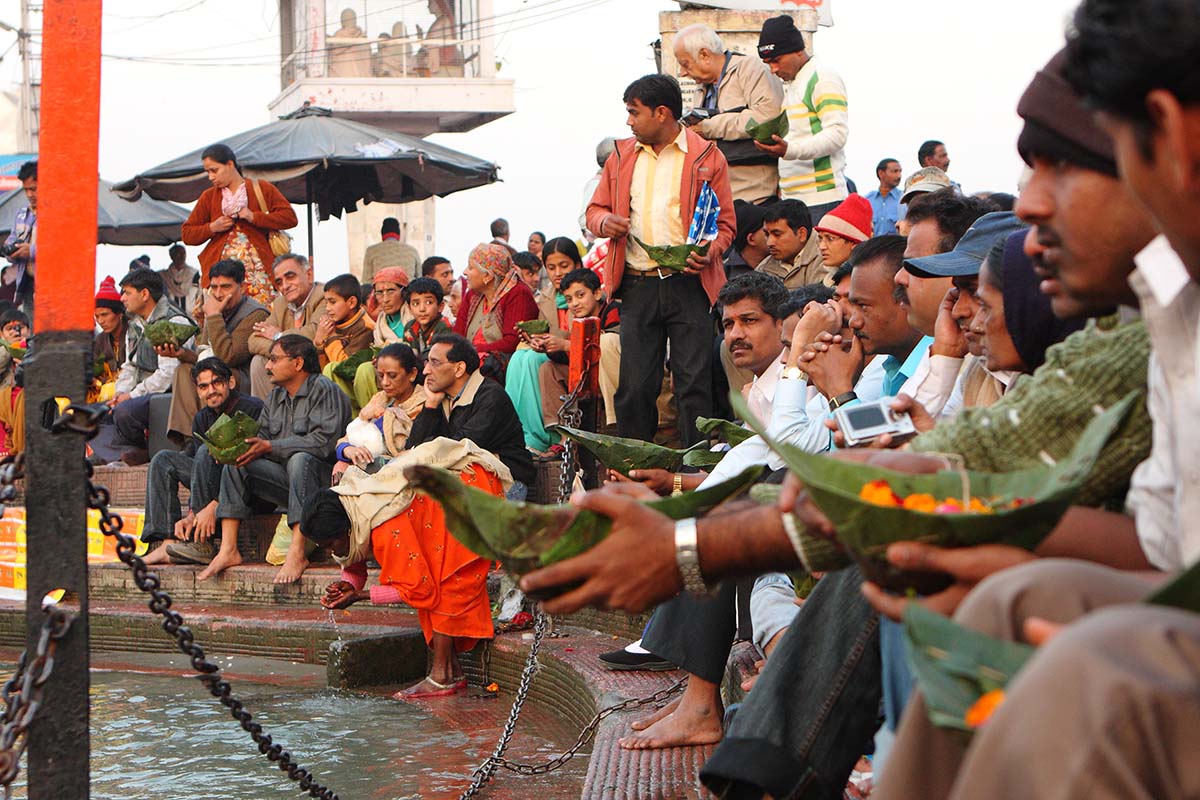
India’s seasonal celebrations unfold very differently but are no less connected to the natural world. Harvest festivals such as Pongal, Makar Sankranti, Onam, Baisakhi, and Lohri mark agricultural cycles and seasonal transitions across different regions, each with its own customs, foods, and community traditions.
INSIDER TIP
If you’re planning a trip, consider timing it around these seasonal celebrations rather than simply chasing good weather. You’ll often experience local culture at its most vibrant, whether it’s picnicking under cherry blossoms in Tokyo or joining harvest festivities in southern India.
In both countries, nature doesn’t merely change. It invites participation.
Eating what the season serves
Modern supermarkets have made strawberries in December and pumpkins in April seem perfectly ordinary, even though they’re off season. Japan and India gently remind us that food tastes better when it arrives on nature’s schedule.
Japanese cuisine celebrates shun, the idea of enjoying ingredients at the height of their natural season. Spring brings bamboo shoots and mountain vegetables, summer welcomes sweet tomatoes, autumn offers mushrooms and chestnuts, while winter is synonymous with warming hot pots and citrus.
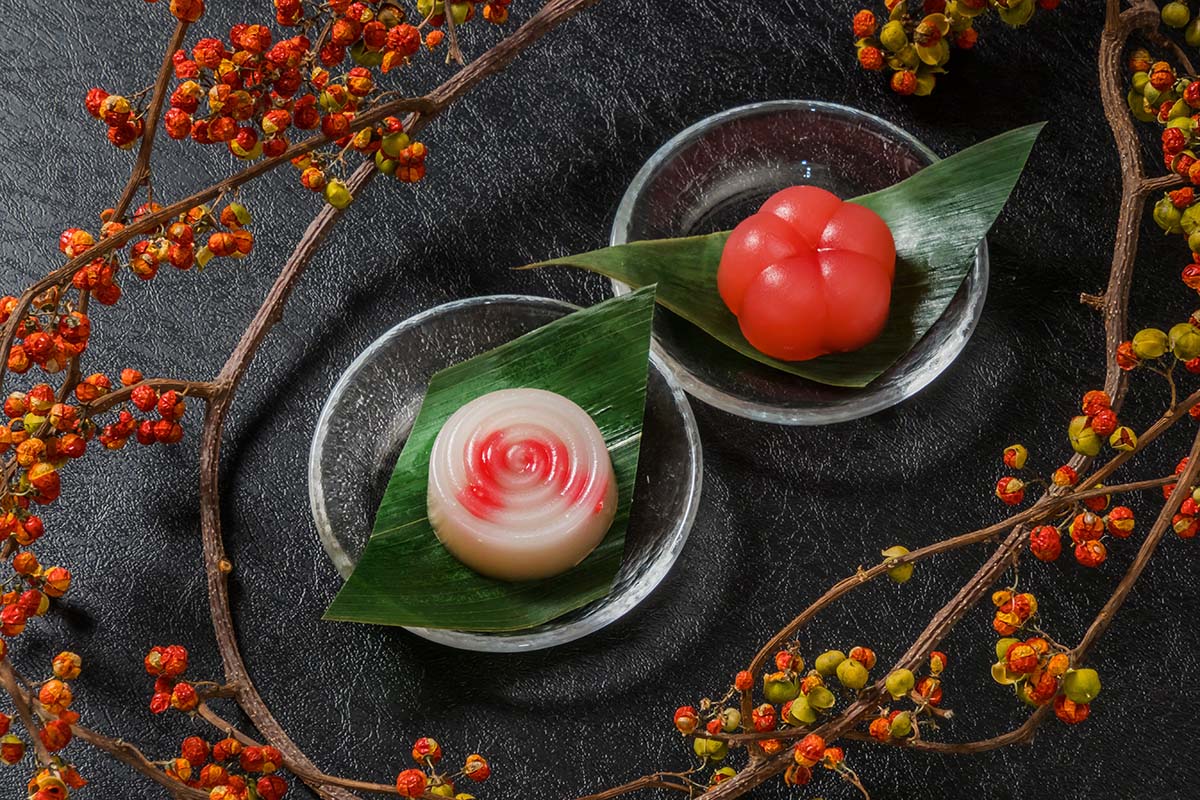
Seasonality even extends to dessert. Traditional wagashi, Japan’s exquisitely crafted sweets, often mirror the changing landscape through colors, flowers, leaves, or seasonal motifs. Some wagashi are so intricately designed that they’re meant to evoke a particular moment in nature, like plum blossoms after snowfall or maple leaves floating downstream. They’re edible works of art with impeccable timing.
India’s kitchens move to a different rhythm but follow the same principle. Mangoes reign supreme in summer. Monsoon menus often feature warming comfort foods, while winter welcomes hearty greens, sesame, jaggery, and seasonal root vegetables. Ayurvedic traditions likewise recommend adjusting ingredients and cooking methods throughout the year to help maintain balance.
TRY THIS
Next time you’re meal planning, take a cue from both cultures and start with what’s in season rather than what’s trending online. Your taste buds, and often your grocery budget, may thank you.
Wellness follows the weather
Seasonal living isn’t only about what appears on the dinner table.
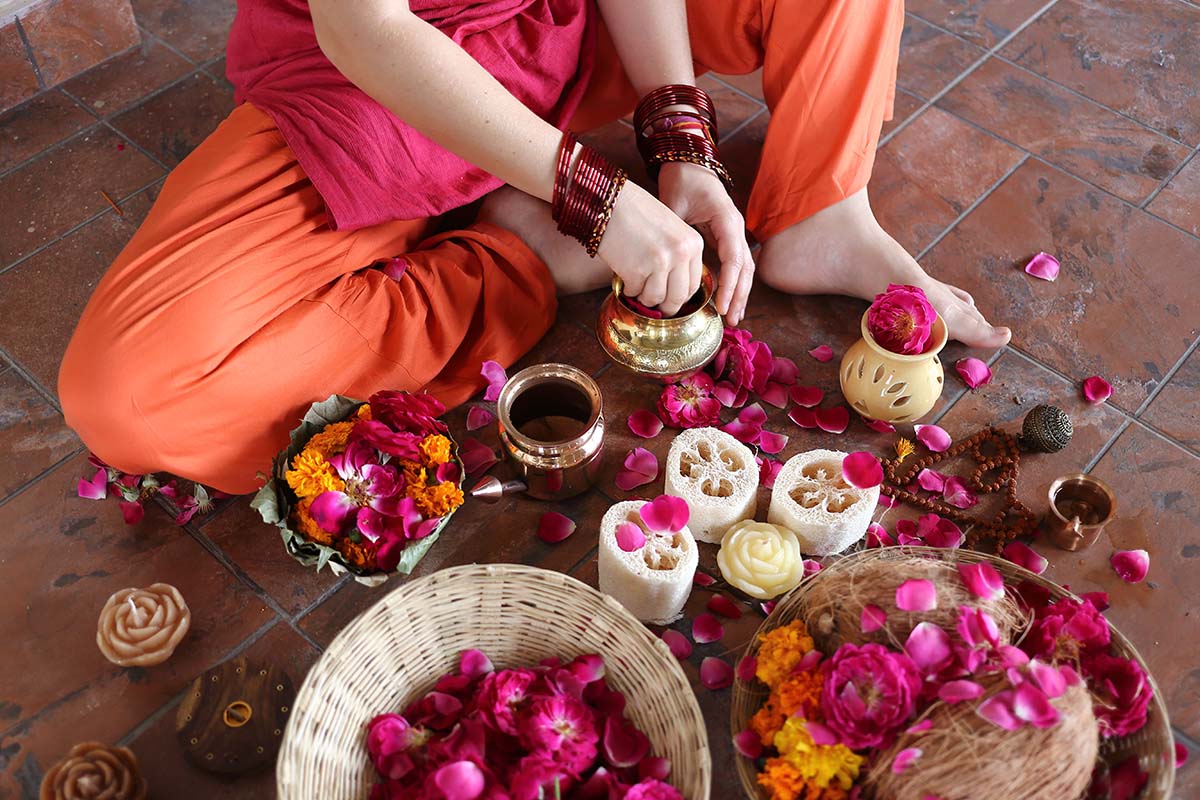
In Ayurveda, each season is believed to influence the body’s internal balance, leading to different recommendations for food, movement, sleep, and daily routines throughout the year. Wellness adapts alongside nature rather than remaining fixed year-round.
Japan expresses a similar sensitivity in subtler ways. Seasonal bathing, clothing, interior décor, flower arrangements, and even greetings often reflect the changing environment. Traditional homes were designed to work with nature’s shifts rather than against them, embracing ventilation in summer and warmth in winter.
The underlying message feels surprisingly contemporary: perhaps resilience comes not from resisting change, but from adapting to it.
From Japan’s poetic microseasons to India’s six ancient ritus, two cultures have long understood something modern life often forgets: the year isn’t just divided into months, but into moments worth noticing.
Finding wonder in ordinary days
One of the most charming things both cultures share is their ability to notice what many of us overlook. A flower blooming. The first rains. Migrating birds. The scent of citrus. The changing color of leaves. These small natural markers aren’t treated as background scenery — they’re invitations to pause. Perhaps that’s what makes these traditions feel unexpectedly relevant today
These customs are so embedded into daily life in both Japan and India. The Japanese language includes a remarkable vocabulary for seasonal phenomena, while many Indian festivals, poems, and classical musical traditions are likewise deeply rooted in the changing rhythms of nature. Across both cultures, nature’s nuances have inspired not just agriculture but literature, art, music, and everyday conversation.

Slowing down enough to notice
For professionals navigating packed calendars, endless notifications, and meetings that somehow multiply overnight, living seasonally may sound quaint, even impractical — but it doesn’t have to be.
You might mark the arrival of mango season with a favorite recipe. Take an annual walk when local trees begin flowering. Rearrange your home with lighter fabrics as temperatures climb. Or simply pause long enough to notice the first rain after weeks of relentless heat. Seasonal living isn’t about replicating another culture’s traditions. It’s about rediscovering your own relationship with the natural world, wherever you happen to live.
Japan and India arrive at this wisdom through different landscapes, histories, and philosophies. Yet both remind us that life unfolds not just in years or quarters, but in smaller transitions that are easy to miss if we’re always rushing toward the next deadline.
Perhaps the richest calendar isn’t the one filled with appointments, after all, but the one lived more organically.