
It’s not just green tea anymore. There was a time when ordering matcha in Manila meant choosing between hot and iced, maybe with a little milk and sugar if you were feeling adventurous. Now? You may have to choose between ube, pistachio, strawberry, taho, coconut, cheese foam, jellies, or some elaborately layered creation that looks like a tiny edible art project.
Matcha has gone from niche café offering to full-blown lifestyle phenomenon, with dedicated matcha bars, pop-ups, specialty powders, home-whisking kits, and enough green drinks flooding social media to make the color chartreuse nervous. And unlike some beverage crazes that burn brightly before disappearing into the algorithmic abyss, matcha seems to be digging its herbaceous heels in.
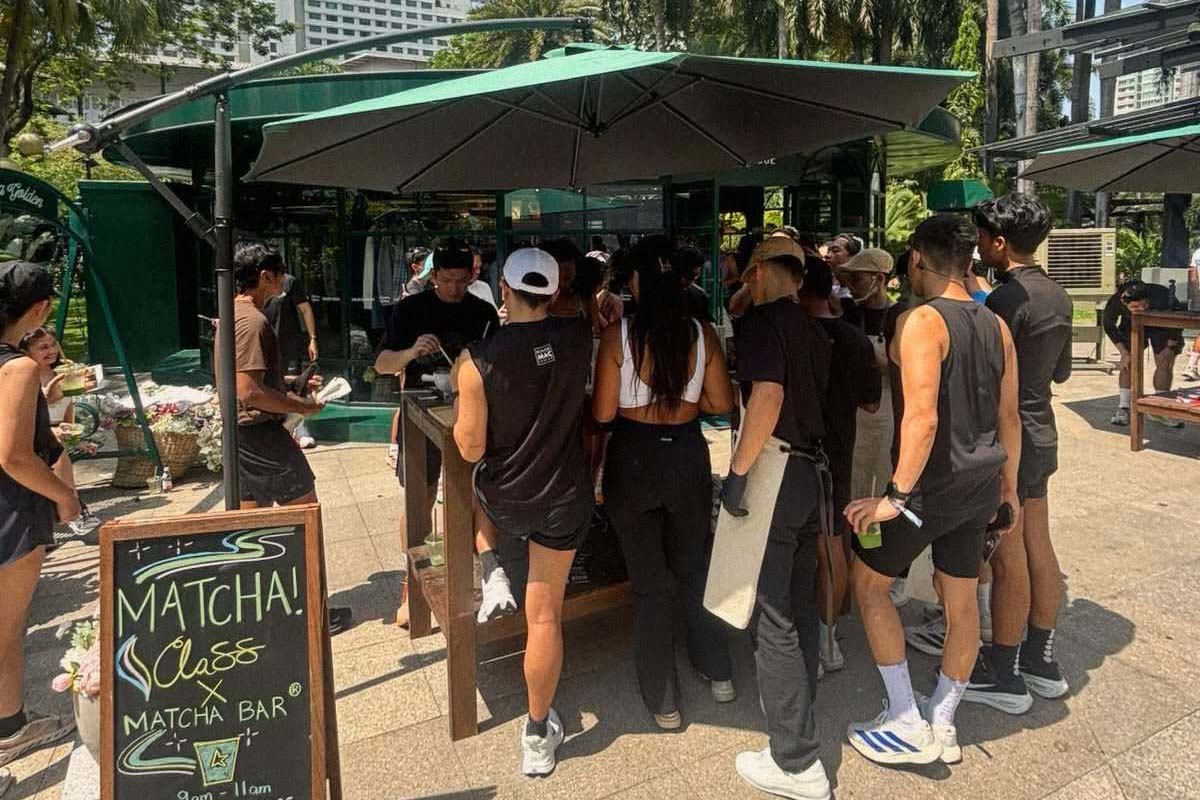
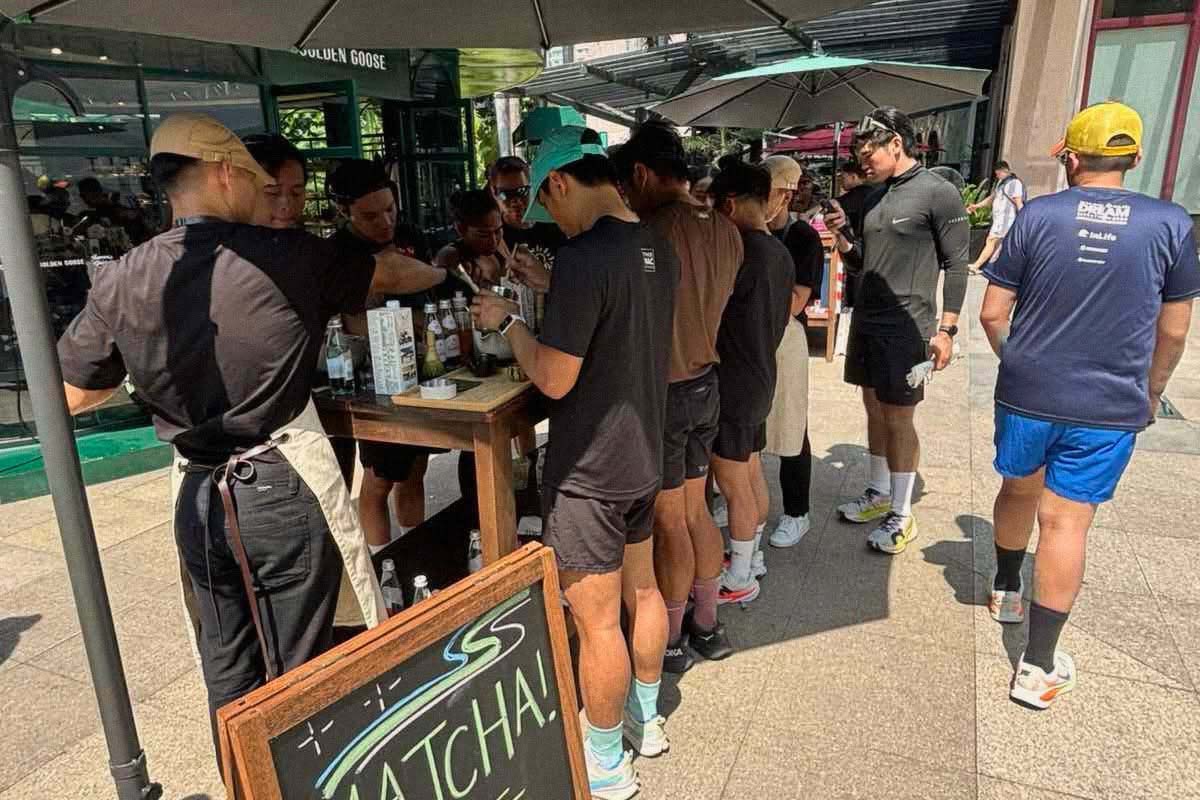
Recent matcha-focused pop-ups in Metro Manila have brought dozens of brands together, while some businesses that started small have graduated into permanent cafés. The sheer number of events, brands, and specialty shops suggests that Manila’s relationship with matcha is moving from novelty to something more community-based.
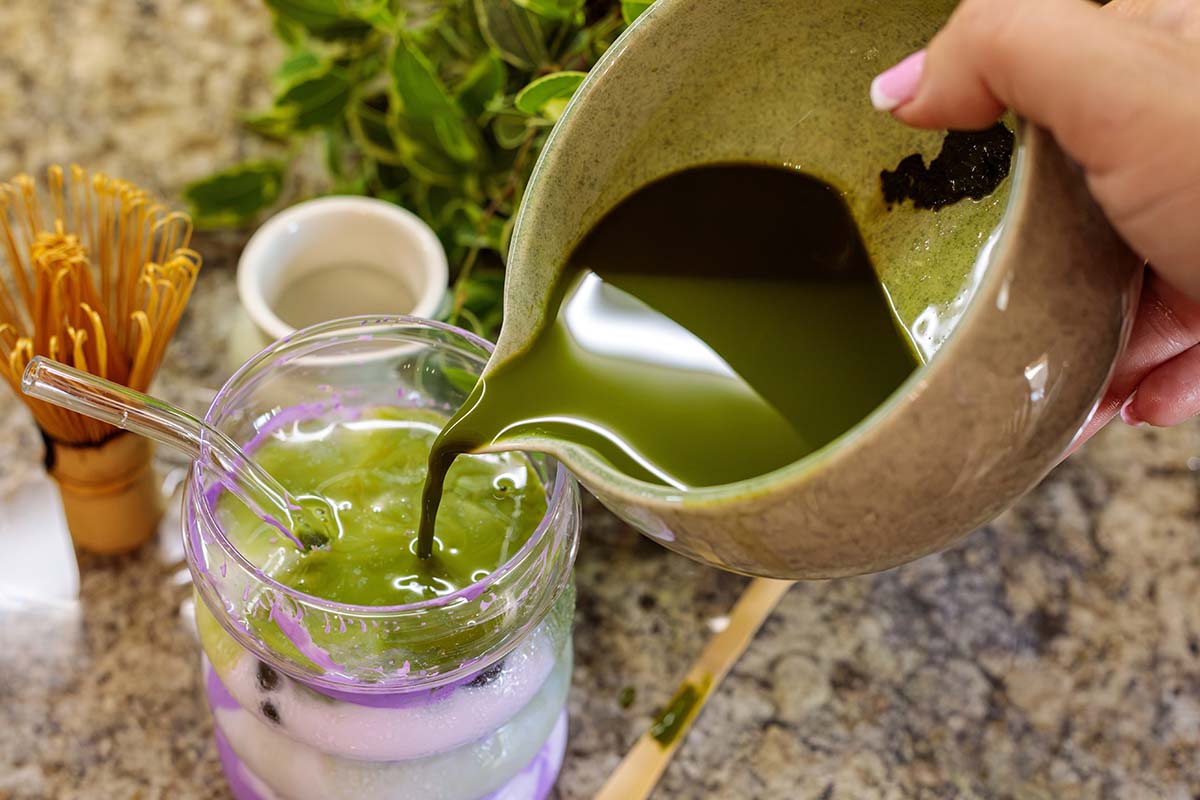
Japan, but make it Manila
Matcha’s modern identity is unmistakably Japanese. Think: Uji, tea ceremony, carefully shaded tea plants, stone mills, bamboo whisks, and the almost-sacred choreography of preparing a bowl.
But its deeper history is more complicated.
The powdered-tea tradition that eventually became associated with matcha has roots in China, where tea was steamed, pressed into cakes, ground into powder, and whisked with hot water during the Tang and Song Dynasties. The practice later developed in Japan, where powdered green tea evolved into the matcha and tea traditions we recognize today.
That Japanese connection, meanwhile, gives matcha an enormous head start with Filipino consumers. Japan has long been a favorite destination, cultural influence, and food obsession here, from ramen and sushi to anime, stationery, skincare, and now, gorgeous green beverages.
FUN FACT
Matcha’s family tree crosses the East China Sea. Its story might be Japanese in its modern form, but powdered green tea has much older Chinese roots.
But Manila has done what Manila does best: taken the original idea and started playing with it. The flavor and form combinations keep multiplying, and the trend has expanded well beyond traditional Japanese preparations. The result is something distinctly Filipino: Japanese in inspiration, Manila in execution.
What’s actually in that cup?
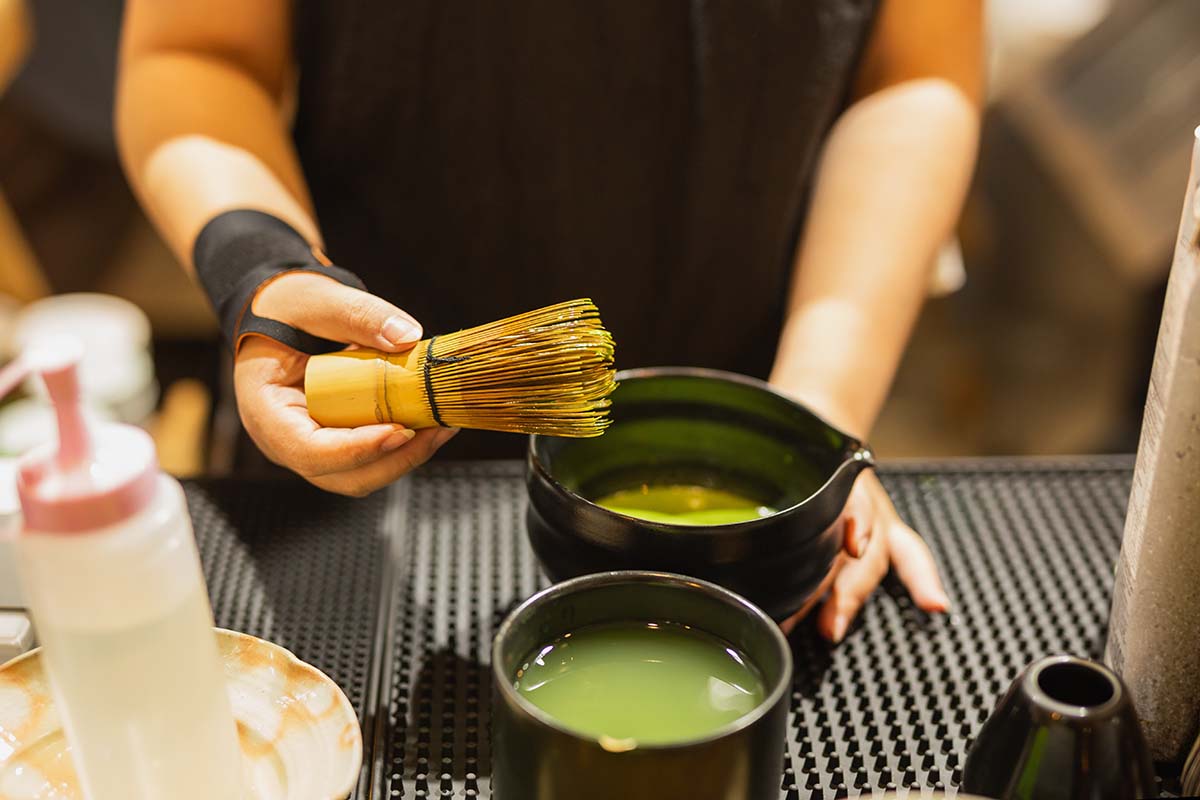
Part of matcha’s appeal is its reputation as the more virtuous member of the café beverage family. Unlike brewed green tea, where the leaves are steeped and discarded, matcha involves consuming the powdered tea leaf itself. That means it contains compounds such as catechins and L-theanine, along with caffeine. The combination is one reason matcha is often associated with a gentler, more sustained sense of alertness than coffee.
But let’s not turn a latte into a wellness seminar. Matcha isn’t a magic weight-loss powder, and loading it with sugar, cream, syrup, and half a bakery counter somewhat complicates the “health drink” argument. As with most things, quality, quantity, and what you put around it matter.
FUN FACT
Because the entire leaf is consumed, matcha delivers compounds that you wouldn’t get from simply steeping and removing ordinary green tea leaves.
And then there’s the caffeine. While not as potent as its coffee-based counterparts, matcha drinks can absolutely perk you up. So if you’re sensitive to caffeine, you should likely reconsider that giant 9 p.m. matcha latte before declaring sleep overrated.
From centuries-old tea traditions to ube-topped lattes and increasingly serious home whisking, matcha has found a distinctly Manila rhythm, turning a once-niche drink into the city’s latest café obsession.
Not all matcha is created equal
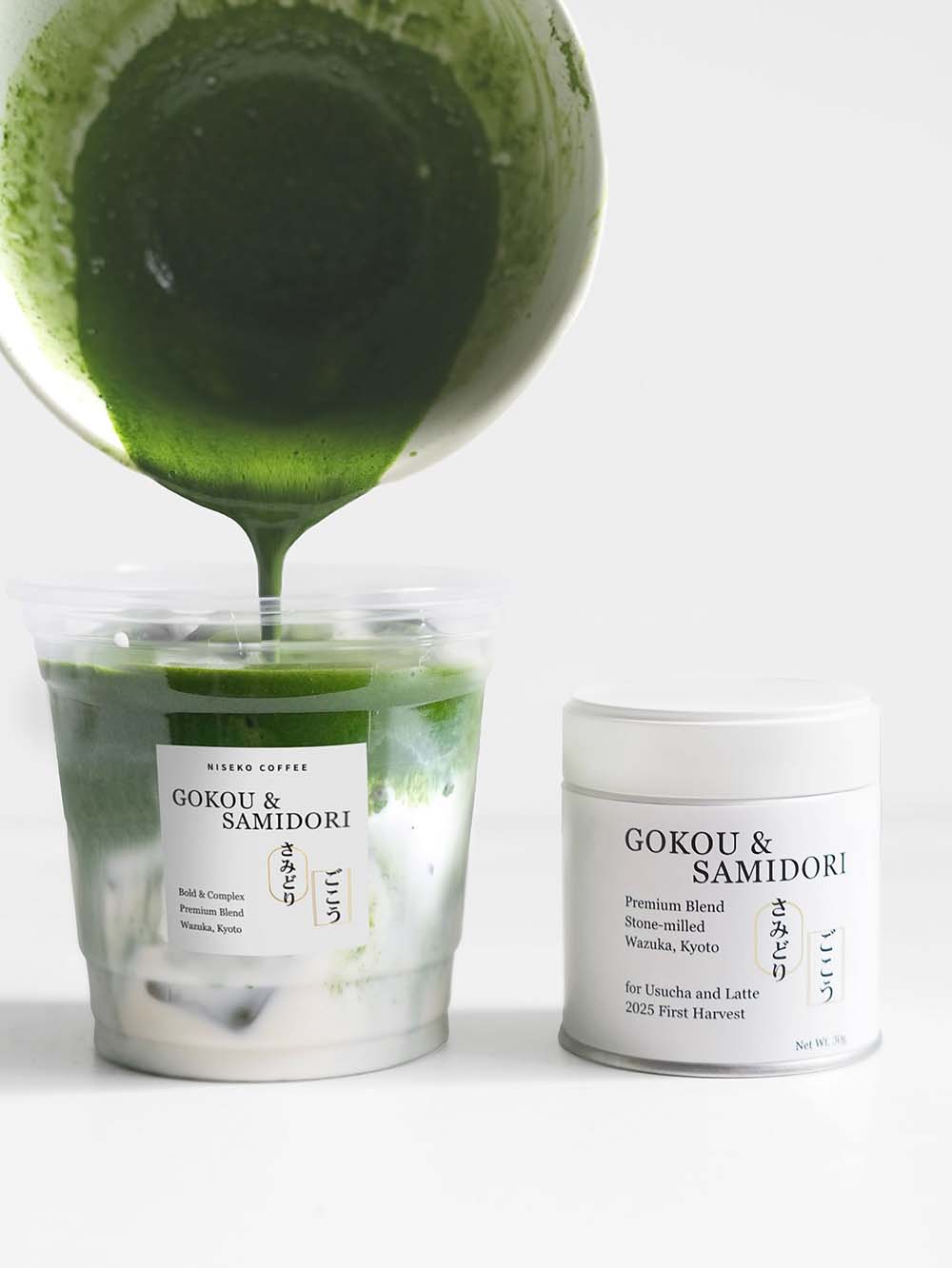
For the increasingly serious matcha drinker, the conversation eventually moves from “Is it pretty?” to “What powder are you using?”
You’ll often hear the terms ceremonial and culinary grade. Broadly speaking, higher-quality matcha intended for drinking tends to be vibrant green, finely milled, smooth, and naturally sweet with umami and a clean finish. Matcha intended for cooking or stronger-flavored preparations can be more robust, more bitter or astringent, and less delicate.
But here’s the catch: “ceremonial grade” isn’t a universally standardized certification. The label alone doesn’t guarantee quality. Cultivar, harvest, shading, processing, freshness, storage, and preparation all weigh in. A good matcha should taste alive, not like someone has dissolved lawn clippings in water and called it wellness.
For those wanting to explore beyond café counters, Manila now has plenty of places specializing in matcha, from dedicated bars to Japanese-inspired cafés and newer pop-up concepts. The growing number of specialty shops has also made it easier for consumers to compare powders, preparations, and flavor profiles rather than simply ordering whichever green thing has the prettiest or most aesthetically pleasing Instagram grid.
PRO TIP
Don’t boil your matcha. Water that’s too hot can make matcha taste harsh and bitter. For a smoother cup, use water around 70–80°C rather than boiling water. Sift the powder first, then whisk briskly until smooth and lightly frothy.
Where the metro gets its matcha fix
For those who need to know where in Manila to go for their matcha fix, these are just a few of the current popular spots. In Makati’s Legaspi Village, Matcha Bar puts the green stuff firmly in the spotlight, while Matcha Later offers another dedicated matcha stop for those working their way through the city’s growing roster of specialty cafés. Hoshi House, tucked along Dian Street, adds another more intimate destination to the Makati matcha circuit.
Over in BGC (and across the metro), The Matcha Tokyo brings the Japanese matcha experience into Mitsukoshi, with the brand’s Tokyo roots adding a distinctly Japanese dimension to Manila’s increasingly adventurous tea scene. It’s a useful reminder that while local cafés have been having plenty of fun with matcha, the original Japanese connection remains a big part of its appeal.
Then there’s Niseko Coffee in Alabang and Greenhills, where matcha shares the stage with the broader café experience. And perhaps that’s the most telling thing about Manila’s current obsession: matcha no longer needs a dedicated stage to command attention. It has slipped comfortably into the city’s everyday coffee-and-café culture, where it can be enjoyed straight or dressed up in whatever delicious incarnation the next menu happens to dream up.
The green stuff comes home
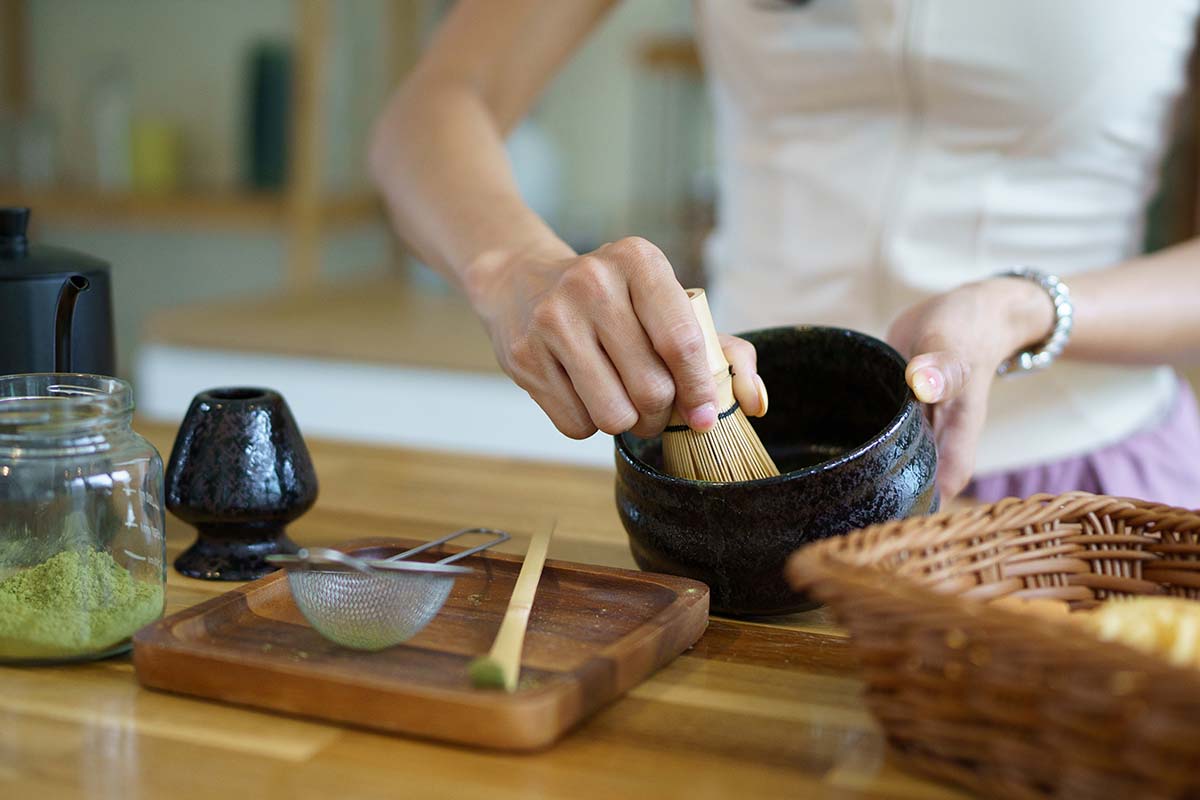
It might be said that the clearest sign that matcha has graduated from fad to habit is what’s happening in home kitchens. The basic setup is deceptively simple: a chasen, or bamboo whisk; a chashaku, the small bamboo scoop traditionally used to measure matcha; a chawan, or tea bowl; and a fine-mesh sifter to break up those stubborn little clumps. Suddenly, your kitchen counter looks like you’ve enrolled in a tea ceremony without informing the rest of the household.
And there’s something deeply appealing about the ritual itself. Measure. Sift. Add water. Whisk. Pause. In a city that runs on notifications, deadlines, monster traffic, and the overwhelming sensation of being 14 tabs open at once, perhaps part of matcha’s appeal is that it asks you to slow down for a few minutes.
FUN FACT
The brilliant green color isn’t just for Instagram. Tea plants destined for matcha are shaded before harvest, which alters their chemistry and contributes to the vivid color and distinctive flavor profile of the finished tea.
Not necessarily for a formal Japanese tea ceremony. Not even for some deeply spiritual experience. Sometimes you just want a good drink and a tiny moment of peace before somebody emails you again.
Manila’s matcha moment
The fun part of the current matcha boom is that nobody quite knows where it will go next.
There’s certainly a risk of saturation. New brands continue to appear, and the novelty factor can only stretch so far. But the category is also becoming more sophisticated. Consumers are learning about sourcing and preparation, cafés are experimenting with local flavors, and matcha communities are forming around pop-ups and specialty shops.
The global picture is adding another layer. Matcha demand has surged so dramatically that Japan has reported record-breaking green tea export values in recent years, while high-grade matcha has faced tighter supply and higher prices. That tension between growing demand and limited supply could eventually reshape the market. It could mean higher prices, more experimentation with sourcing, or consumers becoming even more discerning about what they’re putting in their cups.
For now, though, Manila is having fun with it — smack in the middle of mouthwatering matcha mania.