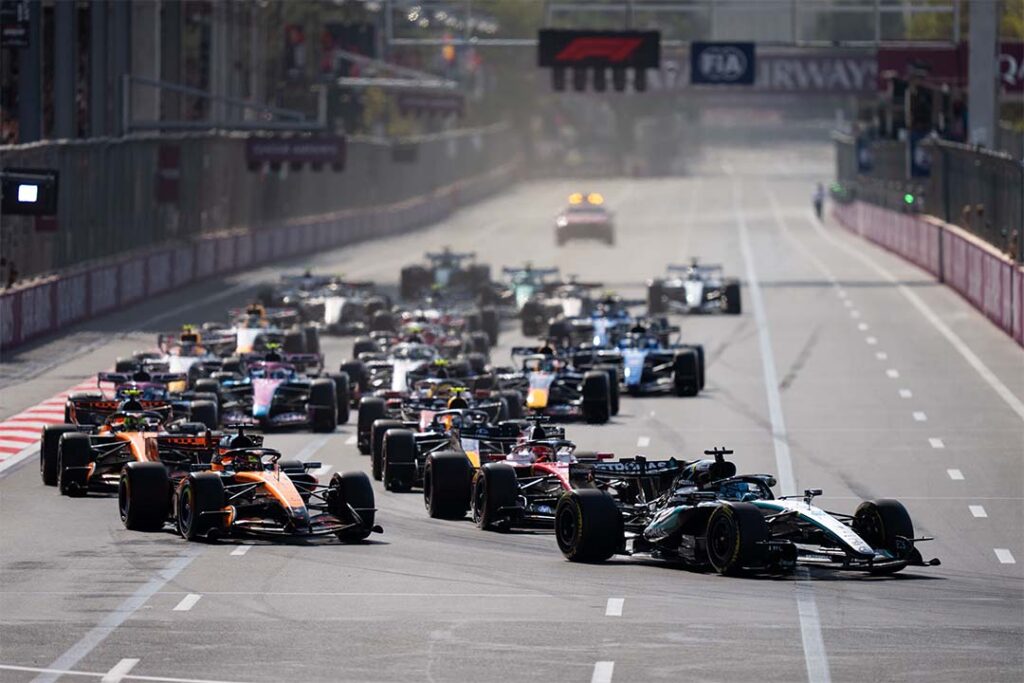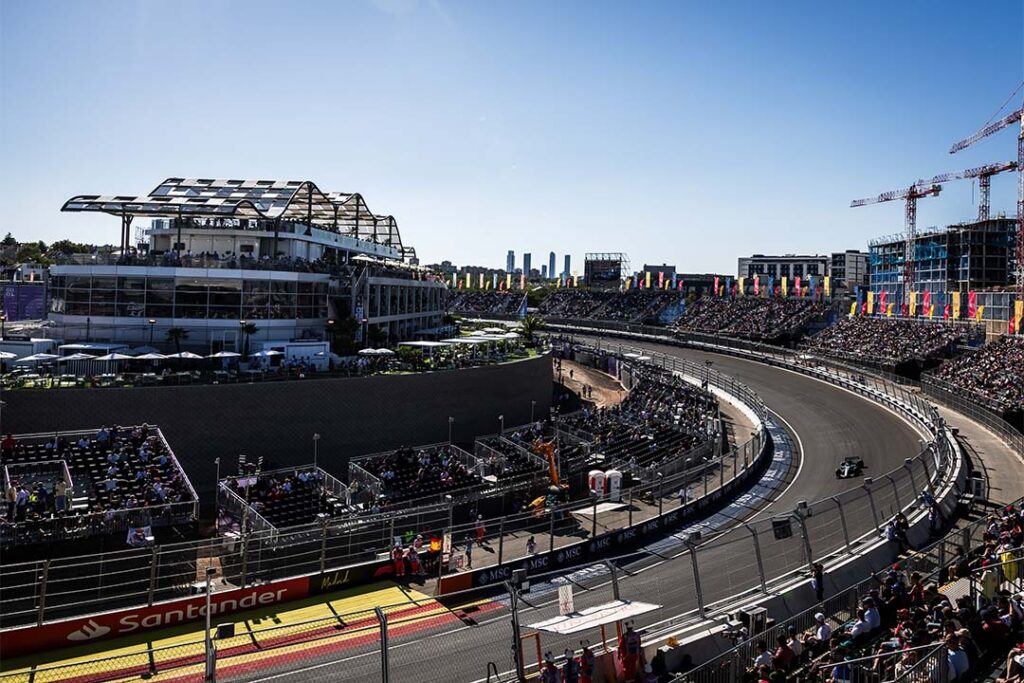

It’s been nine years since Formula 1 last went racing in Malaysia. Now, after all that time, the Sepang International Circuit is temporarily back on the F1 calendar.
For longtime fans, Sepang is a track filled with memories. Michael Schumacher had some of his most memorable races there, while the circuit itself has become synonymous with unpredictable weather, difficult strategy and some of Formula 1’s most unforgettable moments. For a new generation of fans, its return is a chance to finally experience a circuit they may have only seen through old race footage.
And that is part of what makes Sepang’s comeback so special.
A circuit built for unpredictability
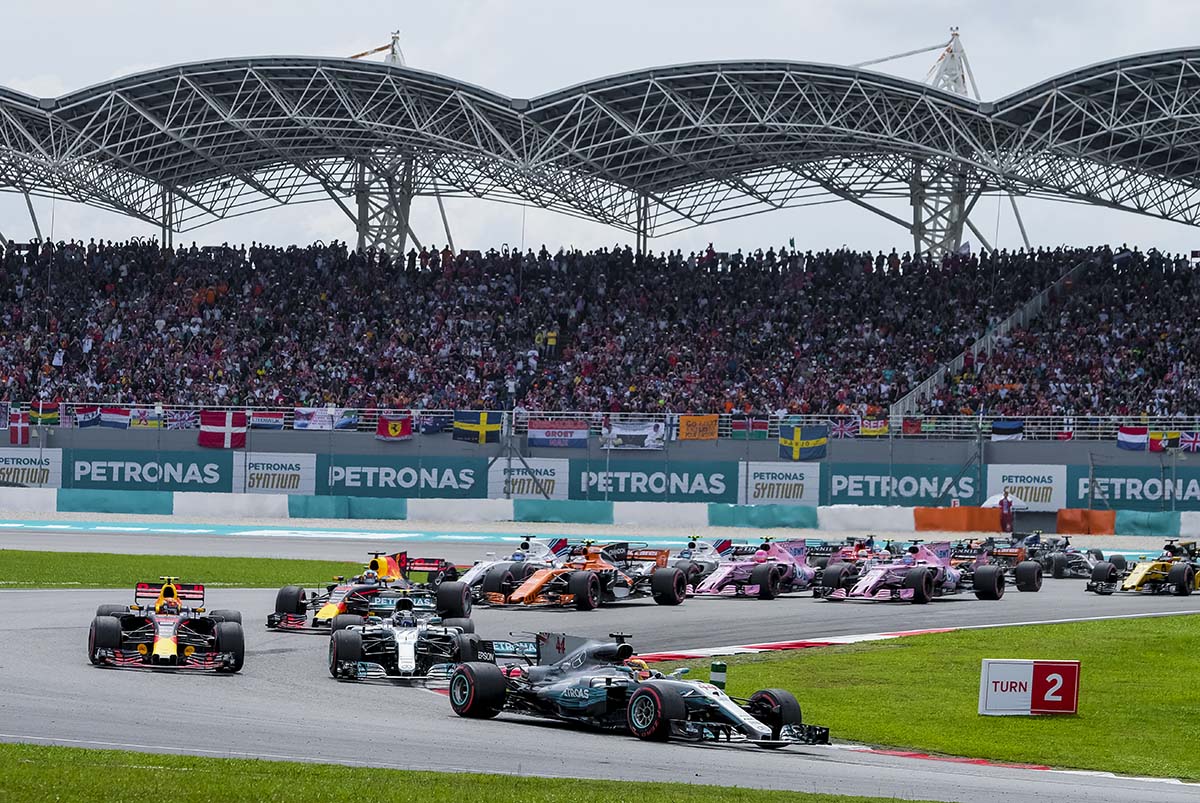
Sepang’s the kind of circuit that keeps teams guessing from one lap to the next. Its combination of extreme heat, high humidity and sudden tropical downpours has always made weather a major part of the racing strategy. A dry race can turn into a wet one in minutes, completely changing tire choices, pit-stop strategies, and the order on track.
Not to mention the circuit itself; at 5.543 kilometers with 15 corners, Sepang has a wide layout that gives drivers room to race and overtake. The opening two corners form a tight, heavy-braking complex after the long main straight, while the middle sector flows through a series of fast corners that put the cars’ aerodynamic performance to the test. The final tricky hairpin then feeds drivers back onto the main straight, creating another opportunity to attack.
Tire management is another major part of the challenge. The circuit’s surface can put significant demands on the tires, meaning drivers and teams have to balance speed with degradation throughout a stint.
It’s a track that asks a lot from everyone. Which is exactly what has made it so memorable for F1 fans and drivers alike.
Why F1 fans never forgot Sepang
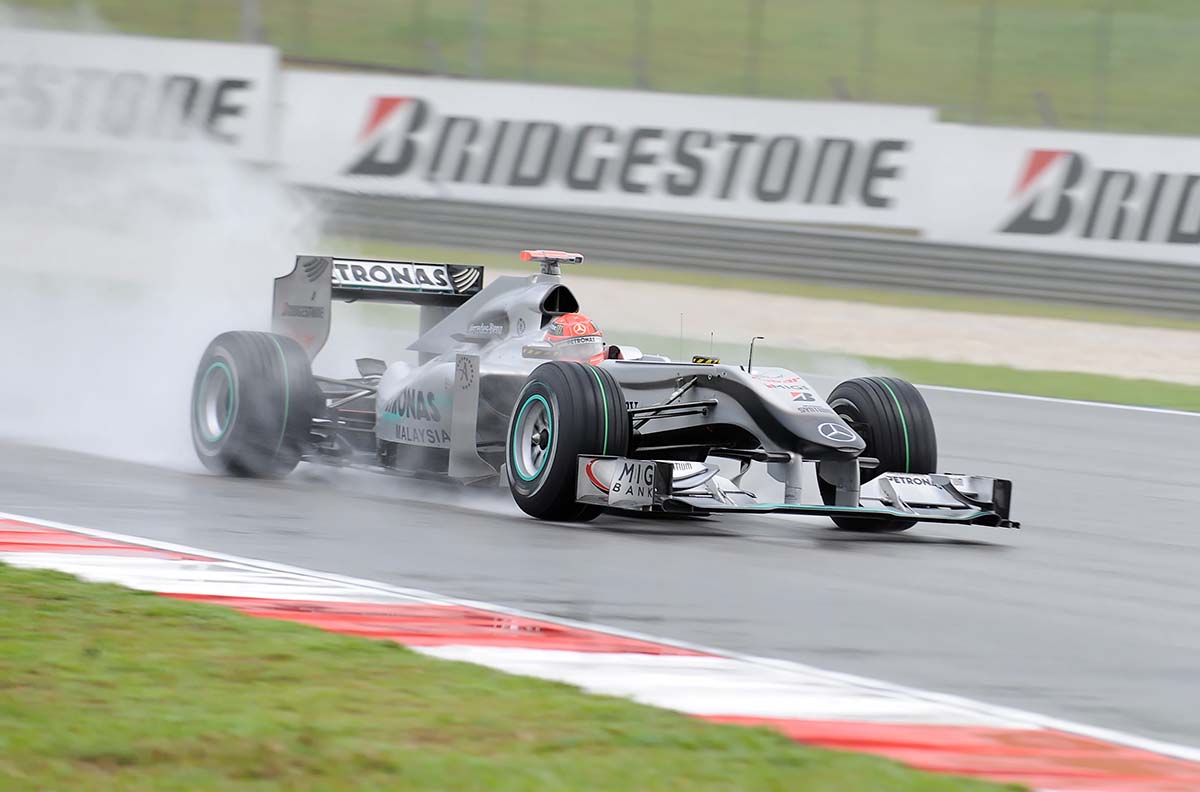
Sepang’s history in Formula 1 goes all the way back to 1999, when it became the first circuit outside Japan to host an F1 Grand Prix in Asia. Its inaugural race was won by Eddie Irvine, with Schumacher finishing second after returning from his leg injury to help Ferrari’s championship campaign.
Then came 2001, when a sudden tropical storm transformed the race. Schumacher eventually took victory, but the race became another example of how quickly conditions could change at Sepang.
The weather struck again in 2009. Torrential rain brought the race to a premature end after 31 of the scheduled 56 laps, with only half points awarded. Jenson Button took the win, while the conditions left one of the most unusual results in recent F1 history.
And then there was 2013.
This Malaysian Grand Prix became a core memory in F1 history, when Sebastian Vettel and Mark Webber went head-to-head for Red Bull. The team had issued the now-famous “Multi-21” order for the drivers to maintain their positions, but Vettel attacked Webber and went on to win the race. The phrase has remained part of F1 vocabulary ever since.
These are the kinds of memories that kept Sepang alive in the minds of fans, even while it was absent from the calendar.
A return for a new generation
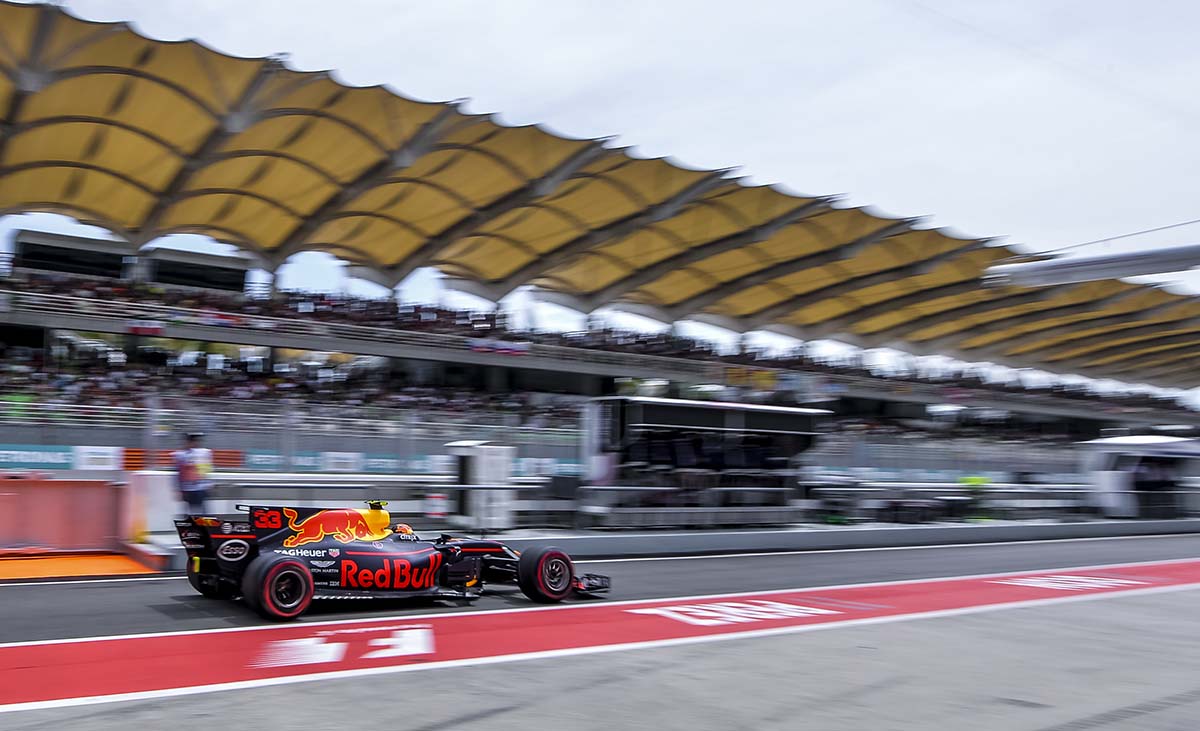
The absence of Sepang matters because Formula 1 has changed a lot since 2017. A new generation of fans has discovered the sport through social media, content creators, broadcasters, documentaries, and the endless ability to rewatch races from the past.
Many of them have learned about Sepang without ever seeing a modern F1 car race there.
They have watched Schumacher’s victories. They have heard about the rain. They have seen the Multi-21 TikTok clips. They have heard stories about a circuit where the weather could change everything.
Now, they finally get to see it for themselves.
The 2026 return came unexpectedly. After the Bahrain Grand Prix could not take place in its original calendar slot, Formula 1 and the FIA announced that Malaysia would host the event at Sepang from October 2 to 4, between the Azerbaijan and Singapore Grands Prix. The arrangement was made through cooperation between Formula 1, the FIA, Bahrain and Malaysia, allowing the Bahrain Grand Prix to remain on the 2026 calendar while bringing F1 back to Sepang.
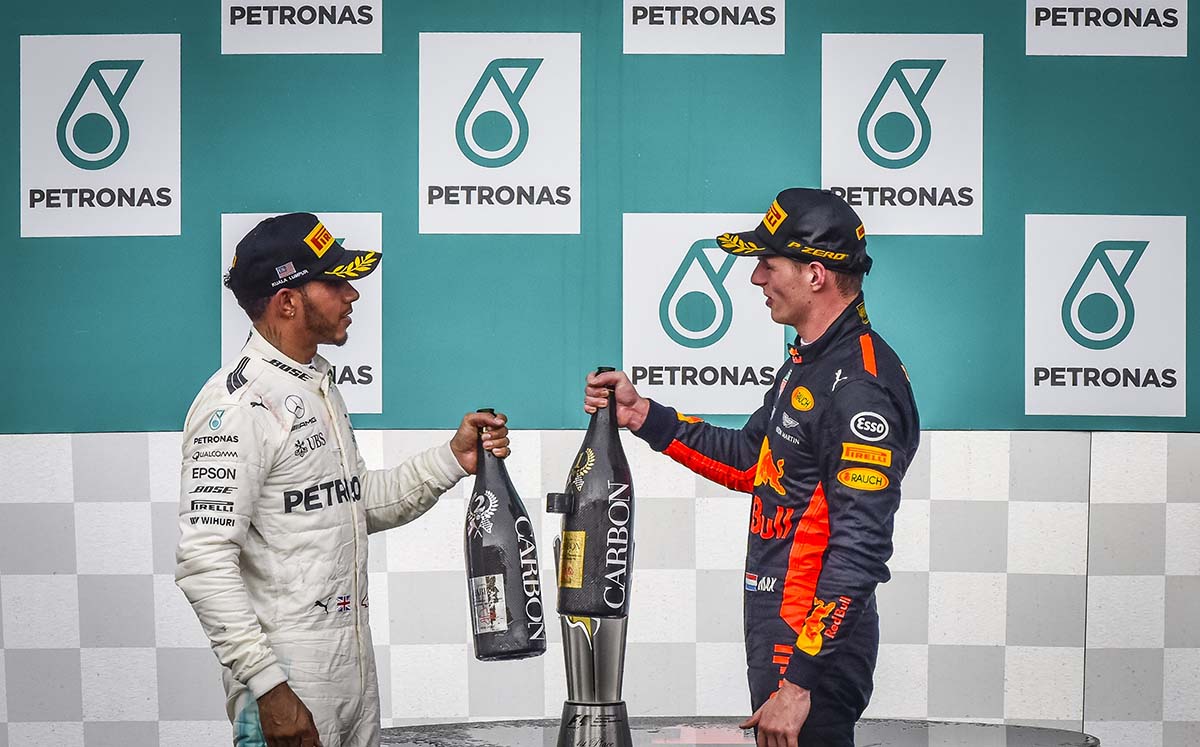
And in true Sepang fashion, the comeback delivered plenty of drama of its own. A sudden tropical downpour delayed the race, Safety Cars came into play, and when the checkered flag finally fell, it was Max Verstappen who stood on top of the podium. The same driver who won the final Malaysian Grand Prix in 2017 had returned to Sepang nine years later and won again, this time taking his first victory of the 2026 season.
When you think about how many people and conversations had to happen to make everything work out, there’s something special about that. A circuit that once brought Formula 1 deeper into Asia is now helping connect two parts of the sport’s global calendar.
For the F1 community, Sepang’s return is a reunion with a piece of the sport’s history. For newer fans, it is an introduction to a circuit they have been hearing about for years.
And after nine years away, that matters.
Sepang has spent nearly a decade living in the memories of F1 fans. Now it has a chance to create new ones. Whether this return becomes a one-off or eventually leads to the Malaysian Grand Prix finding a permanent place on the calendar again, the message is clear: some circuits can leave the line-up without ever really leaving the sport.
For now, Sepang is back. And for a weekend, a new generation gets to find out exactly why F1 fans never stopped talking about it.