
The ASEAN-Japan Centre (AJC) has served as a bridge between the ASEAN Member States and Japan for more than 40 years since its establishment in 1981.
It has been engaged in a variety of activities to promote trade, investment, tourism and people-to-people exchanges to connect ASEAN and Japan.
A personal message from Kunihiko Hirabayashi, Secretary General, ASEAN-Japan Centre
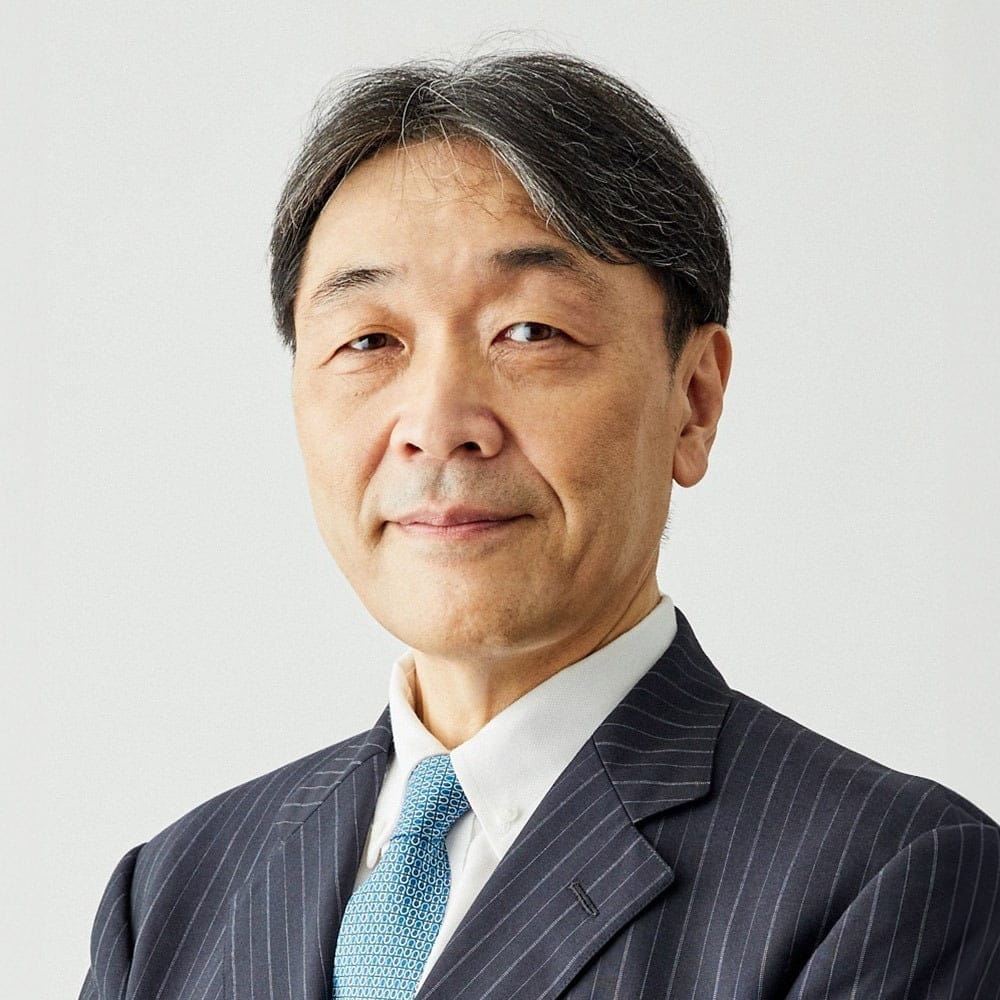
This year marks several milestones that frame Japan’s relationship with Indonesia. Fifty years ago, ASEAN leaders met in Bali for their first summit and set out the principles of amity and cooperation that still guide the region. A year later, the Fukuda Doctrine pledged that Japan would engage Southeast Asia as an equal partner. And twenty years ago, Japan and Indonesia elevated their ties to a Strategic Partnership.
Indonesia’s importance has only grown. It is ASEAN’s largest economy and an indispensable partner for a stable Indo-Pacific. It is also a leading voice of the Global South, a resource power, and, as home to the world’s largest Muslim population, a natural bridge to the Islamic world.
For decades, Japanese engineers, agronomists, fisheries specialists, doctors and teachers worked alongside Indonesian counterparts through technical cooperation. One of my colleagues at the Centre is the child of such an expert: a fisheries specialist who helped shrimp farmers in Sulawesi and Bali build their livelihoods. Legacies like his are why Indonesia counts among Japan’s most valued partners. That goodwill was earned, and each generation must renew it.
“At the ASEAN-Japan Centre, we see our role as a convener. We connect Japanese regional businesses with Indonesian talent, and we measure success not by the number of people who cross borders, but by the ventures and partnerships created in both countries.”
Kunihiko Hirabayashi, Secretary General of ASEAN-Japan Centre

Today the flow of people is reversing. Young Indonesians are coming to Japan in growing numbers. To see them simply as labour to fill Japan’s shortages would be a missed opportunity. That would waste their potential and slowly erode the trust our predecessors built.
The better path is co-creation. Japanese farmers, fishers, small business owners and engineers can work with young Indonesians to create new value together. Coastal towns in Japan can develop sustainable aquaculture with Indonesian partners and adapt them in Indonesian waters. Rural producers can create halal-certified regional foods for Indonesian consumers, and Indonesian coffee and cacao can be refined with Japanese processing expertise to create higher-value products. When these young people return home as founders and managers, they carry partnerships, not just experience.

At the ASEAN-Japan Centre, we see our role as a convener. We connect Japanese regional businesses with Indonesian talent, and we measure success not by the number of people who cross borders, but by the ventures and partnerships created in both countries. Japan once went to Indonesia to share what it knew. Now it can welcome Indonesians to build what neither country could build alone. That is the spirit of gotong royong, and the best foundation for the next fifty years.