
For more than two centuries, the Blandy family has been producing Madeira wine on its namesake Portuguese island, carrying forward a tradition that has endured across generations. Today, Chris Blandy, chairman of Madeira Wine Company, is encouraging a new generation of drinkers to reconsider when, and how, Madeira belongs at the table.
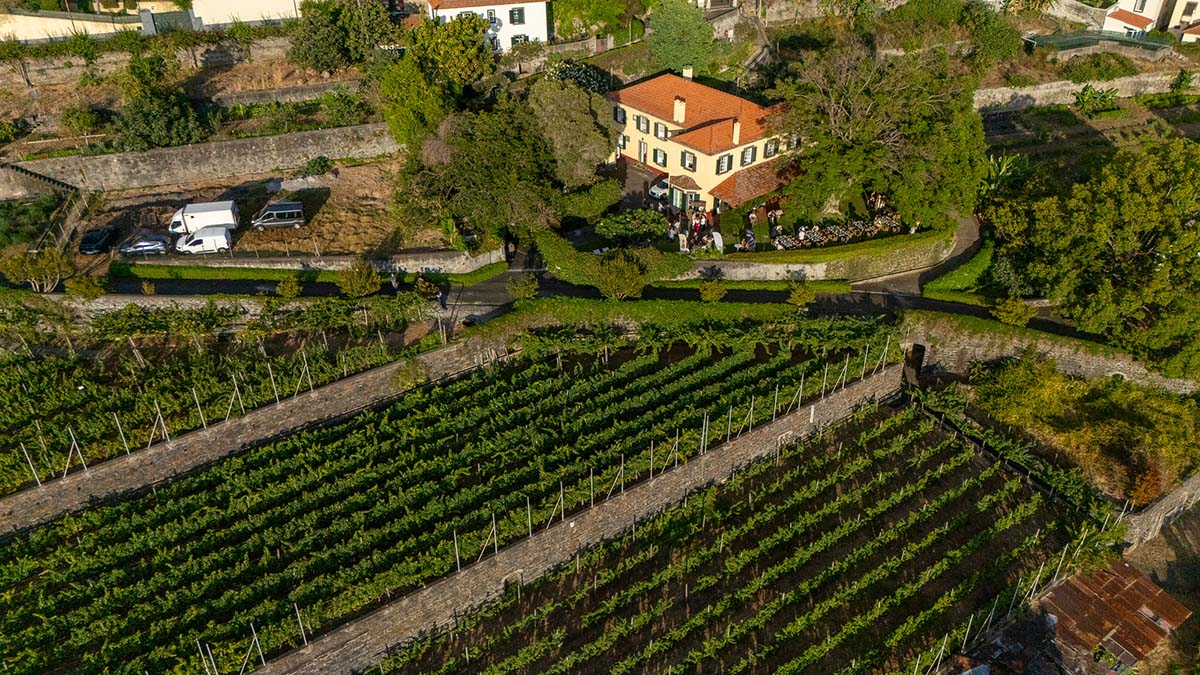
Japan is an important part of that story. Madeira has long had a presence in the country, although historically much of its recognition came from its use as a cooking ingredient. That perception is gradually changing as Japanese consumers discover the diversity of Madeira as a wine to drink, collect and pair with food.

“Japan has evolved from being primarily a cooking-wine market for Madeira into a market where consumers are increasingly discovering premium ‘drinking Madeira,’ from younger blends to very old vintages. It remains one of our strategic growth markets,” Blandy said.
Changing long-established perceptions, however, requires more than putting bottles on shelves. For Madeira Wine Company, developing the category in Japan has involved working with the trade, meeting customers and introducing drinkers to the characteristics that distinguish the fortified wine.
“One of our biggest challenges is education. Madeira is a very small wine region, so every bottle is an opportunity to explain what makes the wine distinctive. We have been doing that for more than 200 years, and building appreciation takes time,” Blandy said.
“Japan has evolved from being primarily a cooking-wine market for Madeira into a market where consumers are increasingly discovering premium ‘drinking Madeira,’ from younger blends to very old vintages. It remains one of our strategic growth markets.”
Chris Blandy, Chairman of Madeira Wine Company
That process may find a particularly receptive audience in Japan, where Blandy sees an affinity with the attention to detail involved in Madeira winemaking.
“What is particularly interesting about Japan is the appreciation for detail. There are so many variables in producing Madeira, and I think Japanese consumers appreciate the care, precision and quality control that go into making our wines,” he said.
That growing knowledge is also reflected in what customers are choosing to drink.
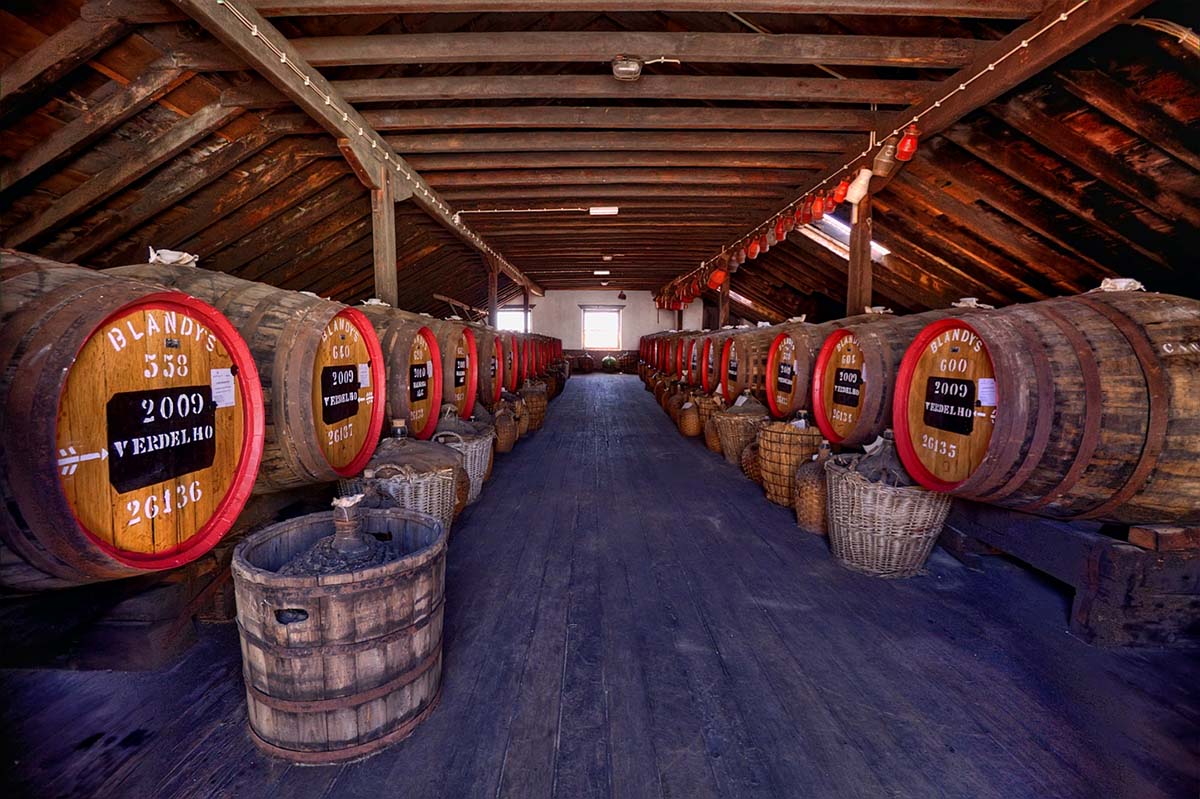
“We are seeing Japanese customers explore our premium Madeiras, particularly wines aged five years and older. Our 10-year-old Blandy’s range has performed especially well, while dated Madeiras are also gaining interest,” Blandy said.
But perhaps the most compelling way to introduce Madeira to a wider audience is at the dining table.
Its combination of acidity, sweetness and styles ranging from younger wines to complex aged expressions gives Madeira considerable scope beyond its traditional association with dessert.
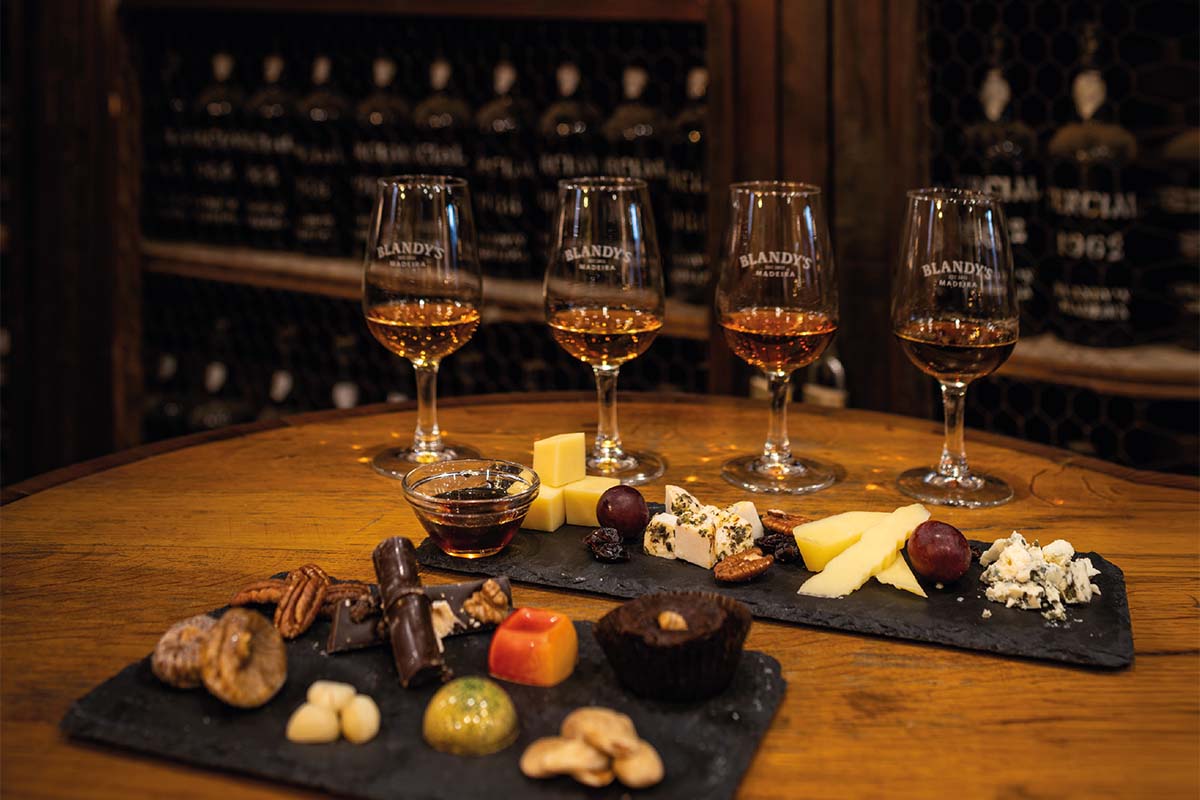
“I am a firm believer that Madeira is one of the most versatile food-pairing wines in the world. Its range of sweetness, balanced by high acidity, means there is a style of Madeira that can accompany almost any type of food,” Blandy said.
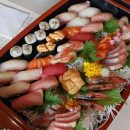
Japanese cuisine offers an opportunity to demonstrate that versatility. Pairing Madeira with sushi may seem unexpected, but that is precisely the point: It encourages diners to look beyond familiar conventions surrounding fortified wines.
“We use pairings such as sushi to challenge people’s perceptions. Madeira is often automatically placed in the dessert category, but we want people to think differently about when and how they can enjoy it,” Blandy said.
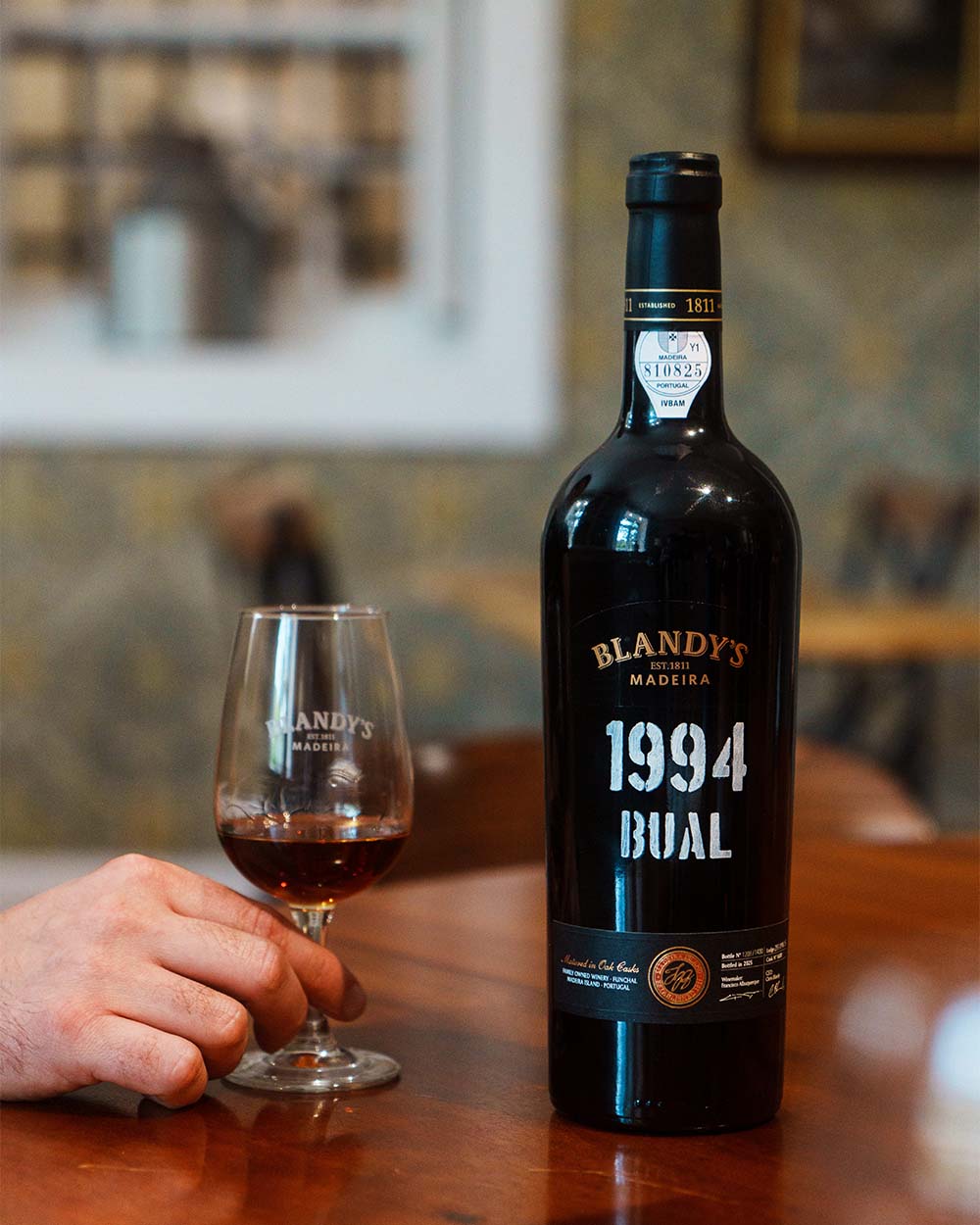
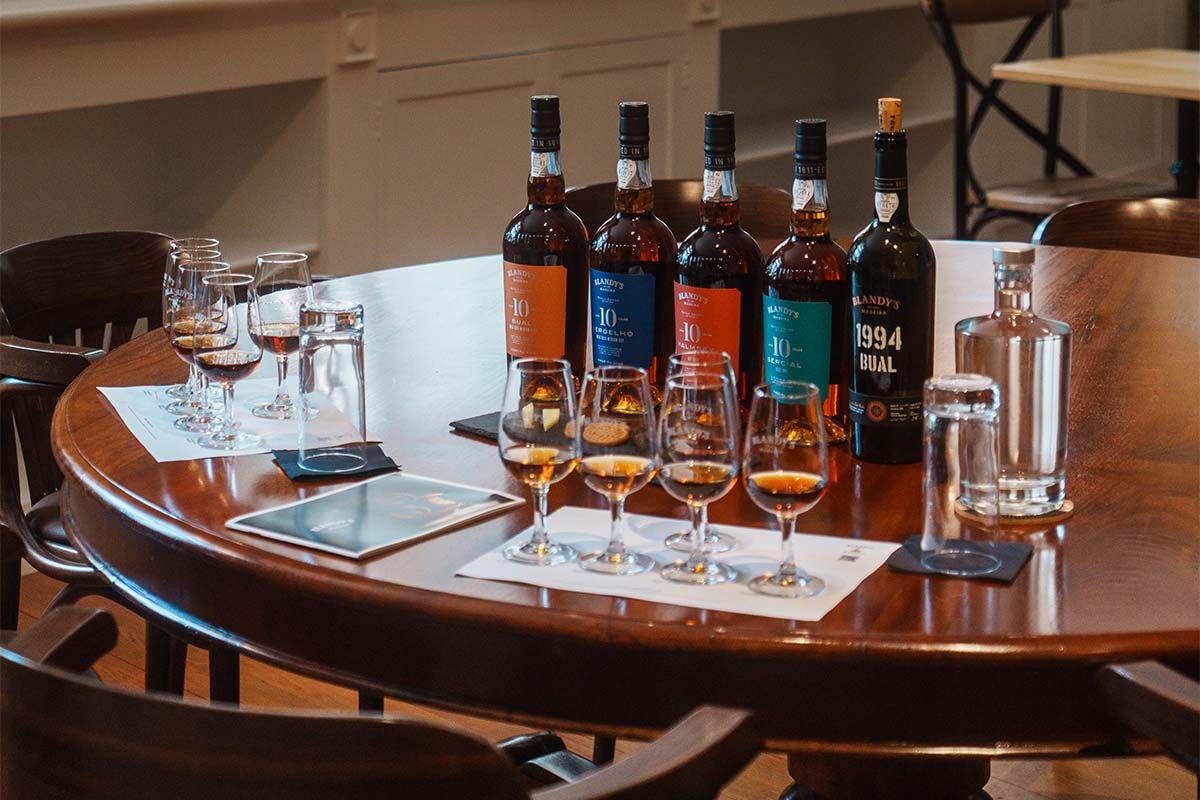
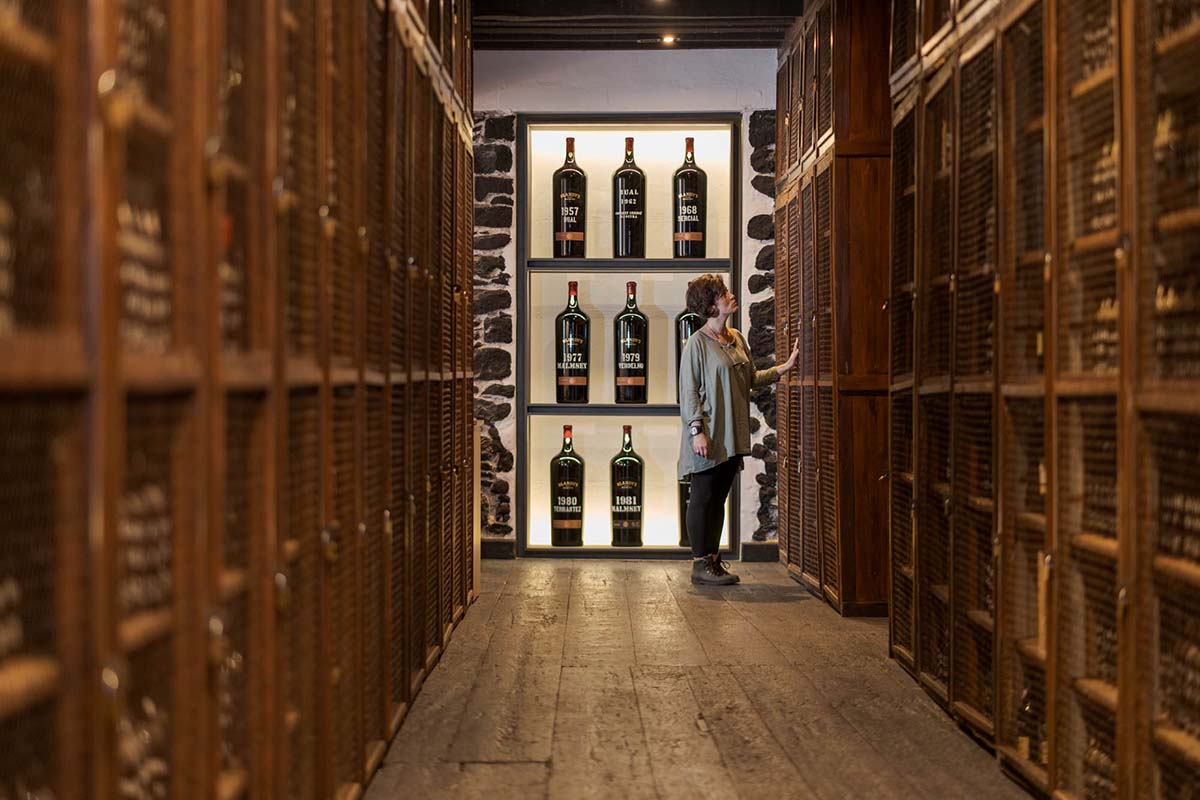
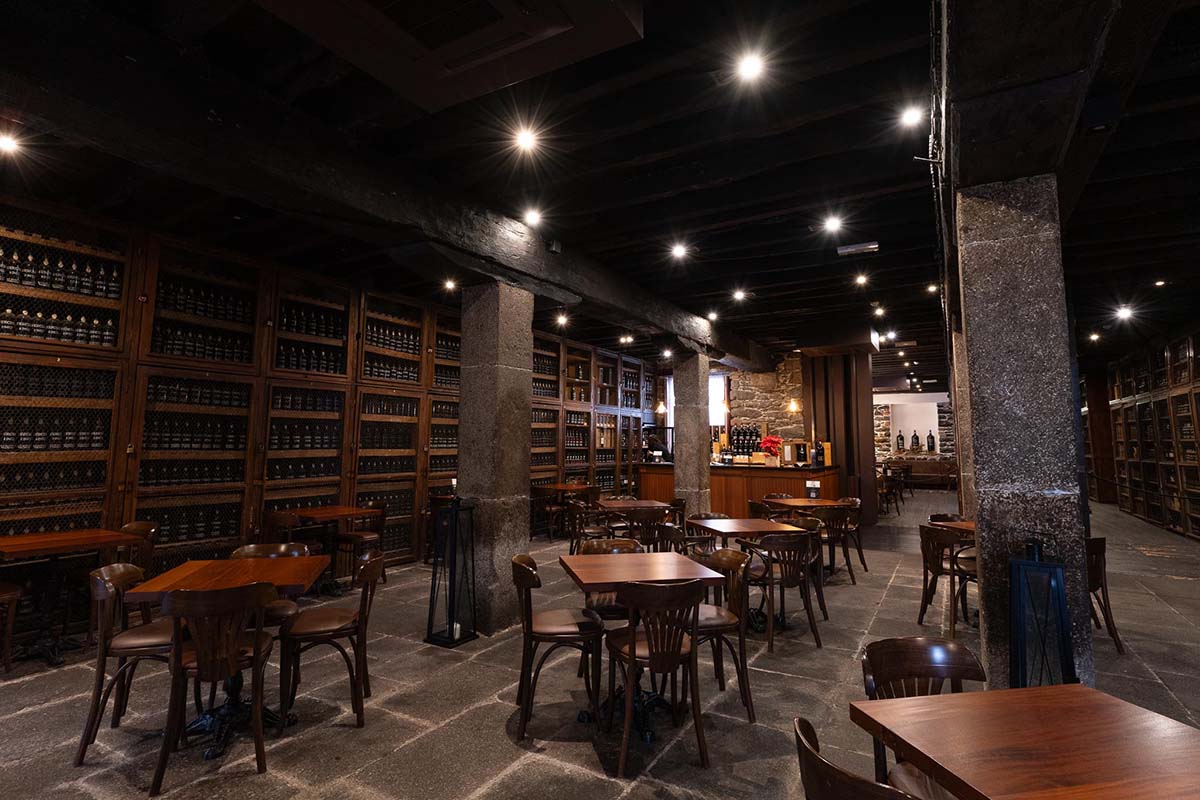
It is a simple proposition that connects Madeira’s centuries of winemaking heritage with contemporary dining: Rather than saving the bottle for the end of the meal, Blandy would like more drinkers to give Madeira a place at the table.