
Inside a converted paper mill in Småland’s forests, Siberian sturgeon move through recirculated water. About every two years, each female yields roe without being slaughtered, allowing one life to yield successive harvests.
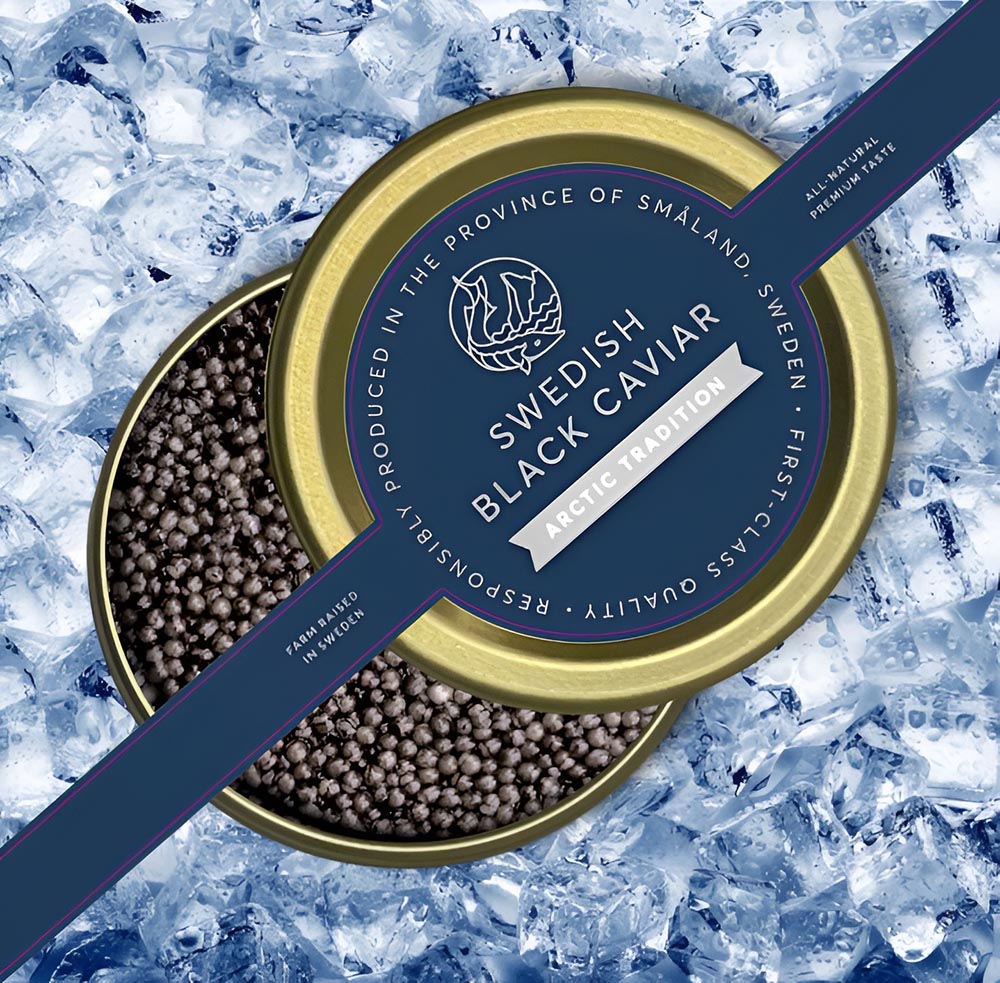
Arctic Roe of Scandinavia has transformed that unhurried rhythm into Swedish Black Caviar shaped by provenance, precision and respect for each fish. Every tin bears the female’s name, lending a personal dimension to one of the world’s most coveted delicacies.
A Swedish delicacy finds its way to Japan
Crafted in Småland and shipped regularly to Tokyo, Arctic Roe’s Japanese edition is defined by elegant restraint. Its measured salinity allows the caviar’s texture and nuanced flavors to unfold with exceptional clarity.
“It is still so that we deliver our ‘Japanese edition’ with lower salinity than in Sweden,” said Torbjorn Ranta, Managing Director of Arctic Roe.
Through Tokyo distributor Shinpoh Foods, Arctic Roe is served at starred restaurants in the capital, placing its Swedish Black Caviar within Japan’s discerning culinary landscape. Japan remains a select yet highly valued market for Arctic Roe. Such recognition lends Arctic Roe added distinction among its Swedish clientele.
“We want to produce the best and most sustainable Black Caviar in the world.”
Torbjorn Ranta, Managing Director of Arctic Roe
Following the appetite across Asia
Beyond Japan, Arctic Roe remains selective as Chinese producers supply about two-thirds of global caviar, pressuring European farms and discouraging price-led expansion, Ranta said.
Arctic Roe inhabits a different world, averaging about $900 per kilogram against European prices of $500 to $600 and Chinese imports near $350. Its distinction lies in traceability, animal welfare and a method that treats time as an ingredient.
What makes this tin different from any other
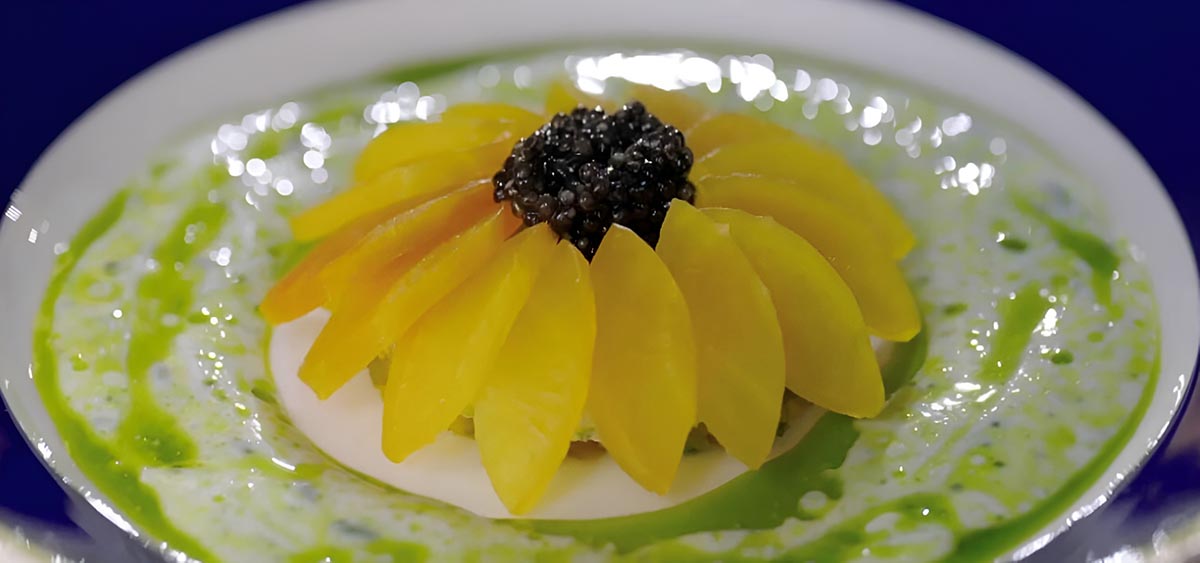
“We are one of a few sturgeon farms that produce primarily via the live method. This means the fish are not slaughtered but give multiple harvests and on average every second year,” Ranta said.
Arctic Roe began tracking sturgeon through implanted chips in 2021. Early in 2026, one female produced her fifth harvest, transforming a long-held expectation into measurable proof.
“We are therefore relatively confident that we will get on average five harvests per fish and in certain cases many more and in some cases fewer,” Ranta said.
The company is considering placing a barcode on every tin, allowing diners to discover the fish behind their caviar and identify which harvest they are tasting. Provenance would become part of the experience, offering a closer connection to the caviar’s origins at the Småland farm.
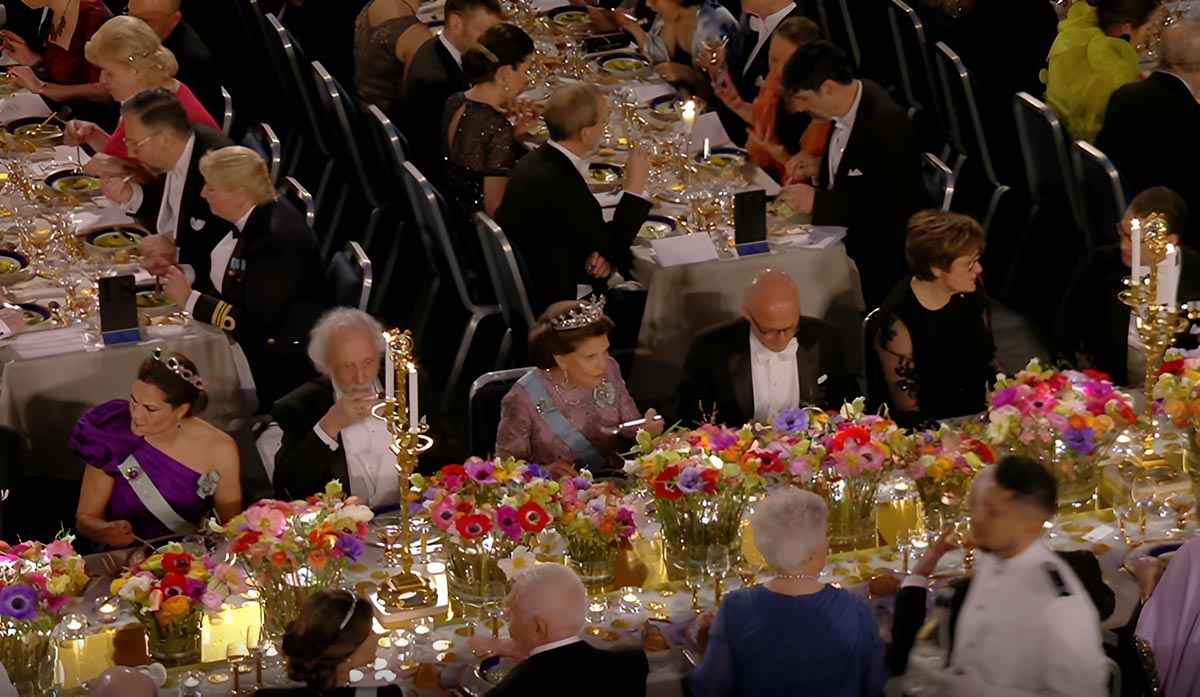
Its caviar has already graced Sweden’s most ceremonial table. “In December 2023, our caviar was served as the first dish to the 1,300 guests that year,” Ranta said of the Nobel Prize banquet in Stockholm.
The people, the fish, and what comes next
The apparent effortlessness of the finished caviar conceals remarkable technical commitment. Arctic Roe produces about 500 kilograms annually while using nearly 500,000 kilowatt-hours of electricity to circulate water. Each kilogram also requires approximately 400 kilowatt-hours of heating and 70 kilograms of liquid oxygen.
“But the vision is not to create a money machine; we simply want to do what we find interesting. We want to produce the best and most sustainable Black Caviar in the world,” Ranta said.
A Nordic partnership takes shape
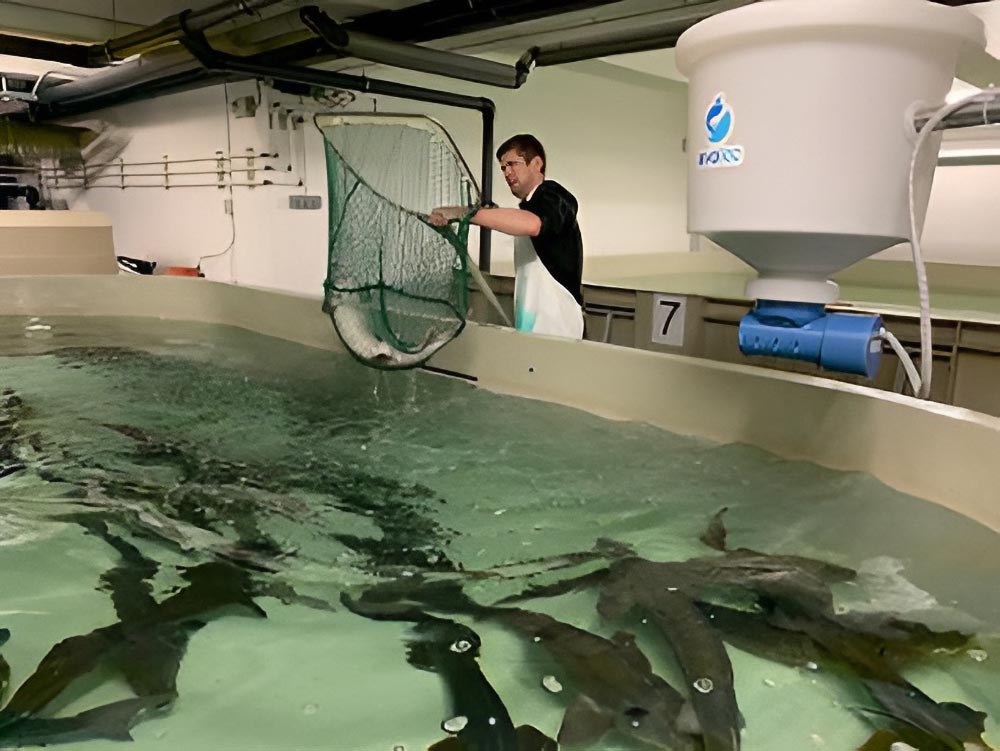
Commercial pragmatism now provides essential support for that ambition. In early 2026, Arctic Roe combined with Finland’s Carelian Caviar, bringing more than 1,000 female Siberian sturgeon to Småland and increasing the farm’s population by approximately 40%.
“In early 2026, we and our industry colleagues from Finland, Carelian Caviar, decided to combine our businesses,” Ranta said.
Carelian’s owners became Arctic Roe shareholders and received two of seven board seats. The partnership also introduced an established Nordic clientele without requiring additional employees. Swedish Black Caviar remains live-harvested, while caviar bearing the Carelian label follows the traditional method using slaughtered fish. Management believes sales could rise between 30% and 50%, bringing the business closer to break-even.
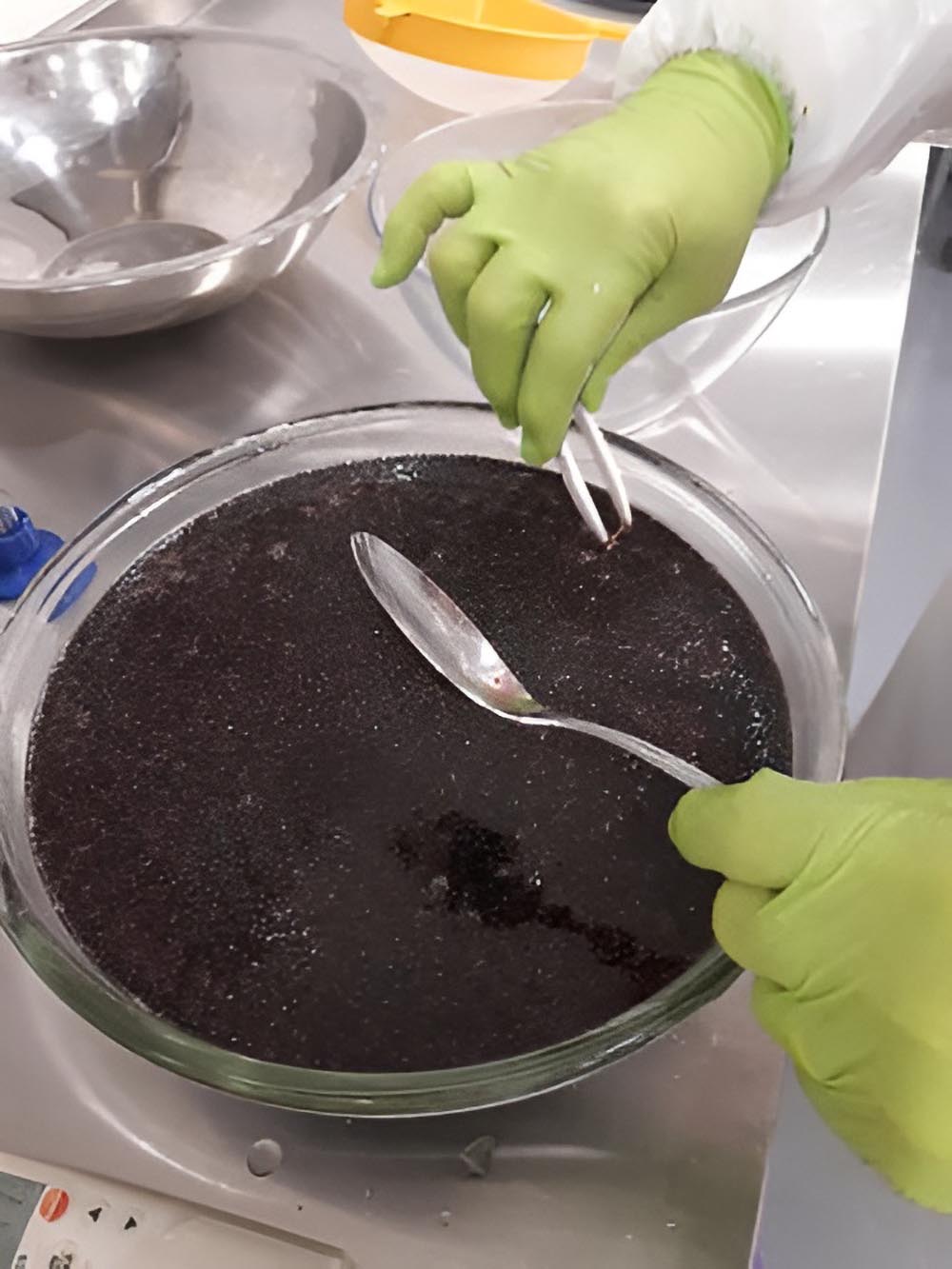
Wasabi takes root in Småland
Arctic Roe’s next delicacy creates a fresh connection with Japan. The farm has begun cultivating real wasabi with nutrient-rich water released from its sturgeon tanks.
“The rationale is that we release some 150 m3 of water from our fish tanks each day,” Ranta said.
Maintained around 15 degrees Celsius year-round, the water provides natural fertilizer. The first wasabi was planted in 2025, with mature roots harvested approximately 15 months later and early samples warmly received by restaurant clients.
Beyond caviar, a broader table
Rainbow trout is being considered as a more accessible product using existing staff and infrastructure. Traditional caviar production also yields richly flavored sturgeon meat, prepared by a local smoker for Michelin-starred PM & Vänner in Växjö.
Caviar remains Arctic Roe’s defining expression, but its world is becoming more layered. From Japanese refinement and Nordic partnership to Swedish-grown wasabi, the company is creating an elegant house of delicacies guided by time, ingenuity and respect for every living source.