
Long before Japanese beer became a familiar sight on tables around the world, a young Japanese man set off for Europe to learn how to make it. His name was Seibei Nakagawa, and his journey makes for a rather good drinking story.
Nakagawa was 16 when he left his home in Niigata in 1864, eventually finding work at the German Merchant Office in Yokohama. The following year, at 17, he stowed away on a ship bound for England, a daring move at a time when leaving Japan without permission was punishable by death. After seven difficult years in England, he traveled to Germany, where he met Shuzo Aoki, who would later become Japan’s foreign minister. With Aoki’s encouragement, Nakagawa began studying brewing at the Berlin Beer Brewery’s Fürstenwalde plant in 1873.
He would soon put that German education to work in Hokkaido.
FUN FACT
Nakagawa’s training lasted 26 months, and he received a brewing certificate in 1875. He returned to Japan after 10 years abroad. Not exactly your standard gap year.
From Berlin to Sapporo
At the time, Japan was in the throes of the Meiji era’s headlong rush toward modernization, and the government was looking to develop Hokkaido as a center of agriculture and industry. Beer was part of that grand experiment.
The Kaitakushi, or Hokkaido Development Commission, initially planned to build a government-owned brewery in Tokyo. But after discussing brewing with Nakagawa, government official Hisanari Murahashi became convinced that the German method of low-temperature fermentation and maturation would require a dependable supply of ice. In December 1875, he proposed building the brewery in Hokkaido instead, where snow and ice were plentiful. The government changed course.
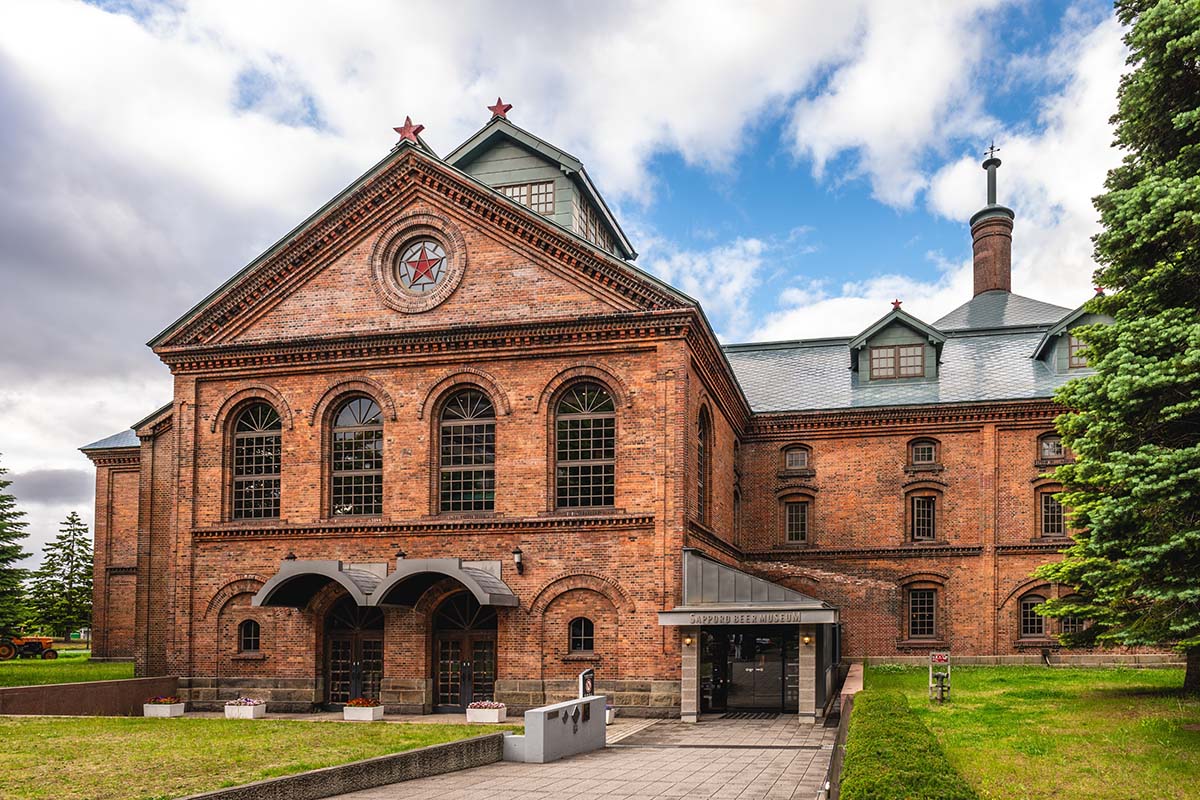
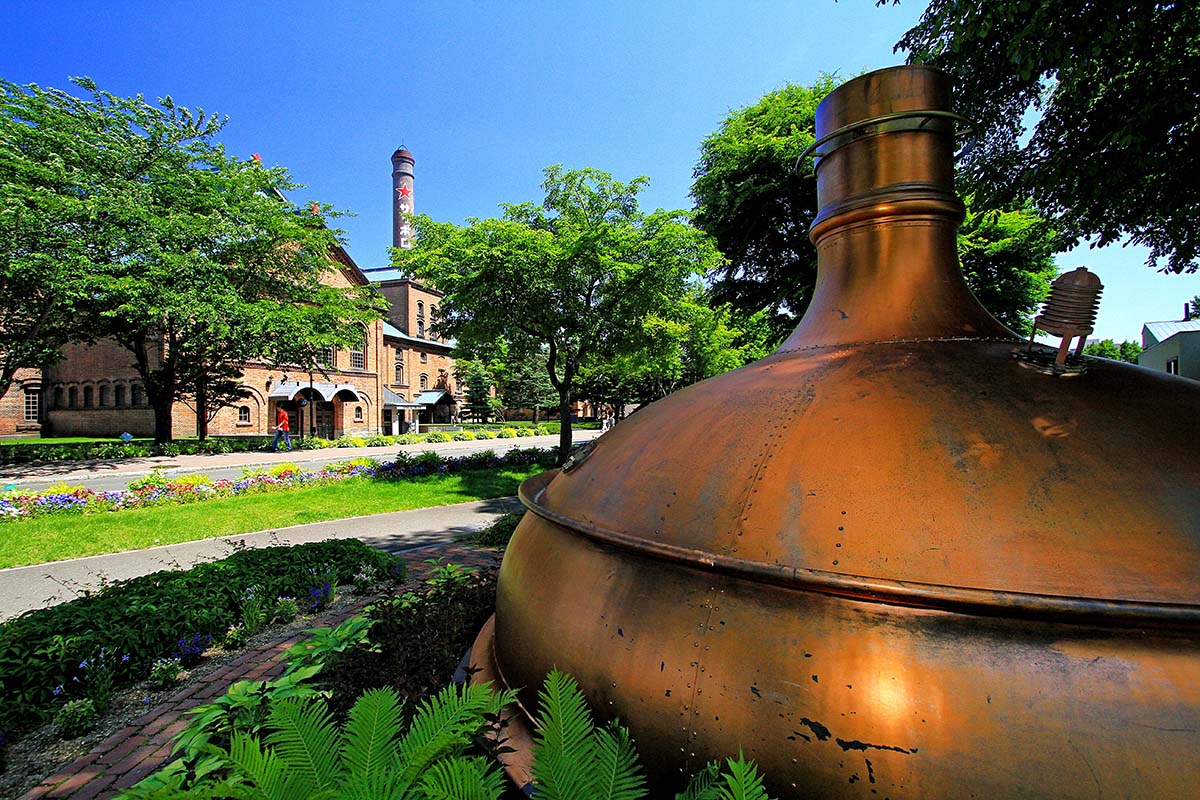
In June 1876, Nakagawa was appointed chief technical officer of the planned brewery, and construction began. By September, the Kaitakushi Beer Brewery was complete in Sapporo, a two-story wooden building with about 860 square meters of floor space. It marked the beginning of what would become Sapporo Beer.
A beer industry was taking shape, and a German-Japanese connection had found its way into a pint.
There was still plenty to figure out.
Hokkaido’s climate and soil were promising for growing barley and hops, but early attempts were hardly a slam dunk. Barley quality and yields varied, while hop seedlings repeatedly withered. After considerable trial and error, the brewery was able to produce all the barley it needed locally by 1880 and all the hops it needed by 1881. German brewing knowledge was meeting Japanese climate, agriculture, and ingenuity, and something new was beginning to take shape.
In September 1877, “Cold-brewed Sapporo Beer” went on sale in Tokyo. The designation referred to the German method of fermenting and maturing beer at low temperatures. At 16 sen per bottle, it was a luxury item. For comparison, high-quality sake in a 1.8-liter container cost about 4 sen and 5 rin.
A beer industry was taking shape, and a German-Japanese connection had found its way into a pint.
FUN FACT
Hokkaido didn’t just get the brewery because it was cold. Ice actually helped determine where it would be built. A German brewing technique, in other words, helped put Sapporo on Japan’s beer map.
The German recipe gets a Japanese accent
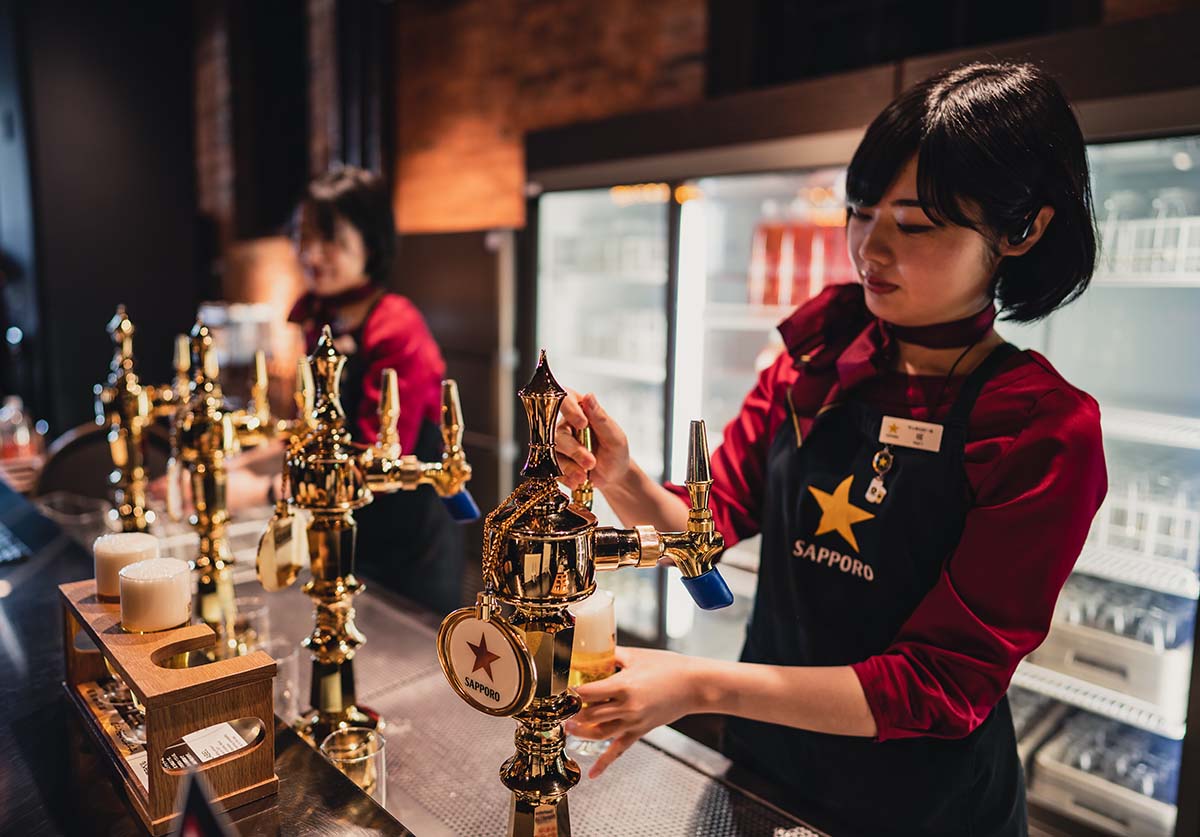
Sapporo was not an isolated case. German brewing expertise continued to make its way into Japan as the country’s beer industry developed. Yebisu Beer, launched in 1890, was made using brewing equipment imported from Germany, while several German braumeisters were hired to help produce it. The brewery aimed to make authentic German-style beer in Japan.
But Japan didn’t simply copy Germany, and that is where the story gets more interesting.
Japanese brewers took European techniques and adapted them to local conditions, ingredients, and tastes. Sapporo’s early experiments with Hokkaido-grown barley and hops are a neat example of that process. The influence remained, but the recipe was no longer entirely German. What began as an imported tradition gradually became something Japan could reinterpret in its own way.
FUN FACT
Yebisu wasn’t just German-inspired in spirit. When its brewery was completed in 1889, its mash vats, ice-making equipment, and other brewing machinery had been imported from Germany, and several German braumeisters were hired to help make the beer.
When the student becomes the collaborator
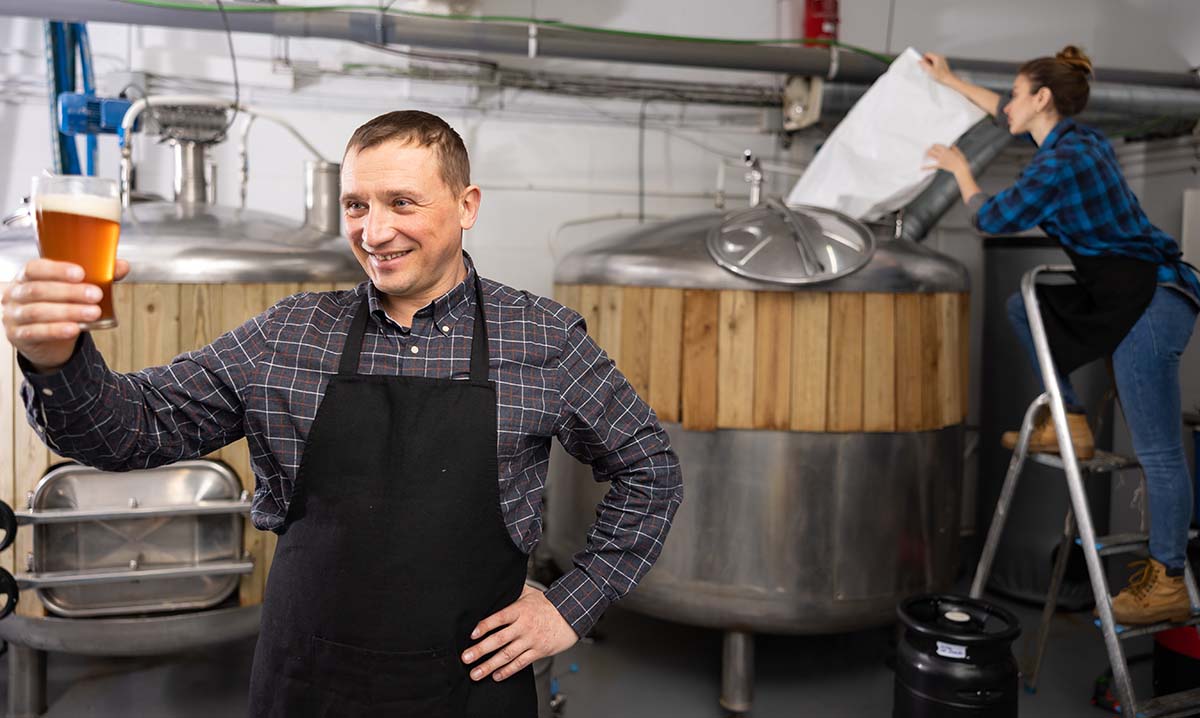
And here’s where the story comes full circle. Nakagawa went to Germany to learn. He returned to Japan and helped establish a brewing industry. More than a century later, Japanese brewers are no longer simply absorbing German brewing knowledge. They’re collaborating with German brewers, interpreting traditional styles, and bringing Japanese ingredients and ideas back into the conversation.
A particularly neat example is Ace of Pils, a collaboration between Nagoya’s Y.Market Brewing and Bavaria’s Camba Bavaria. Released in 2024, the beer was brewed as a German-style pilsner using Summit and Japanese Sorachi Ace hops.
Developed by Sapporo in Hokkaido in the 1970s, Sorachi Ace has an unusually distinctive character, with citrusy, herbal, and coconut-like notes. It was largely overlooked in Japan before American hop farmer Darren Gamache introduced it to US brewers in 2002, helping give the variety a second life overseas.
It’s a lovely little encapsulation of the relationship: a German beer style, a Japanese hop originally developed by Sapporo, and brewers from both countries working together on the same beer.
The exchange had come a long way from Nakagawa’s one-way journey to Germany.
FUN FACT
Sorachi Ace was born in 1974 but wasn’t formally registered as a hop variety until 1984. It took another 18 years before Darren Gamache helped introduce it to American brewers in 2002.
A better way to drink the bridge
There’s also a small lesson here for the drinker: don’t assume that colder always means better.
Give a German-style pilsner a little breathing room rather than serving it absolutely frigid. Weihenstephan, for example, recommends serving its Pils at 6–8°C. Letting a beer warm slightly in the glass can also allow more of its aroma and flavor to emerge.
For Nakagawa and the early Sapporo brewers, temperature control wasn’t about making a beer aggressively cold for drinking. Low temperatures were fundamental to the fermentation and maturation process, while ice was crucial to brewing and storage before modern refrigeration.
PRO TIP
If you’re drinking a German-style pilsner, don’t knock it back straight from an ice-cold glass. Let it sit for a few minutes and see what changes as it warms. Beer, like wine, can reveal more when you give it a little room to breathe.
A bridge that keeps brewing
When Nakagawa returned to Japan in 1875, he brought home more than a brewing certificate—he brought knowledge that had traveled thousands of kilometers and was about to encounter an entirely different climate, agriculture, and palate.
What happened next was not simply Germany’s brewing tradition transplanted onto Japanese soil. Japan adapted it, experimented with it, and eventually made it its own. And that’s perhaps the better story behind the beer: not one country teaching another how to brew, but two brewing cultures continuing to learn from each other.
More than 150 years after Nakagawa made his journey, the conversation is still being poured into glasses.
Prost. Kanpai. To an intoxicating confluence of cultures!