
For nearly 150 years, Cinco Jotas has built its reputation around a product inseparable from its place of origin. Founded in 1879 in Jabugo, in southwestern Spain, the house produces acorn-fed 100% Ibérico ham through a combination of the region’s distinctive natural environment, purebred Ibérico pigs and craftsmanship passed down through generations.
Today, that heritage is reaching an increasingly international audience. From Japan, where provenance and meticulous craftsmanship have found a receptive market, to collaborations with some of the world’s leading culinary figures, Cinco Jotas is positioning one of Spain’s most emblematic gastronomic traditions within a global culture of fine dining.
At the heart of that expansion remains Jabugo — and a commitment to preserving the practices, landscape and human expertise that have defined Cinco Jotas since 1879.

Nearly 150 years of tradition in Jabugo
At Cinco Jotas, quality begins with a long-standing commitment to authenticity, respect for origin and meticulous attention to detail. Since 1879, its heritage has been deeply connected to Jabugo, where the climate, landscape and generations of knowledge have shaped the brand’s identity.
That expertise has been passed down through local families for nearly 150 years, preserving techniques that remain at the heart of the production process today.
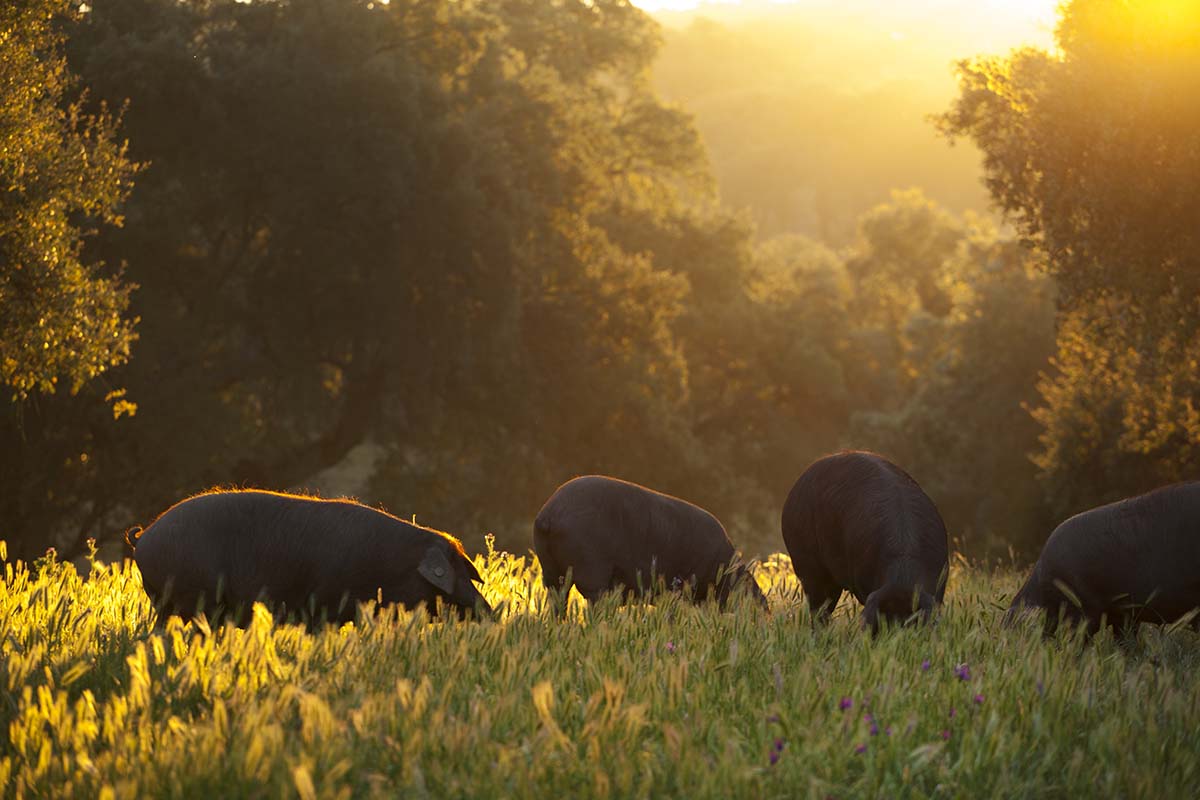
The process begins with the unique relationship between the purebred 100% Ibérico pig and the dehesa, the distinctive natural ecosystem found on the Iberian Peninsula. The animals roam freely and feed on acorns and natural pastures during the montanera, or acorn season, developing the characteristics that define authentic “Pata Negra” acorn-fed 100% Ibérico ham.
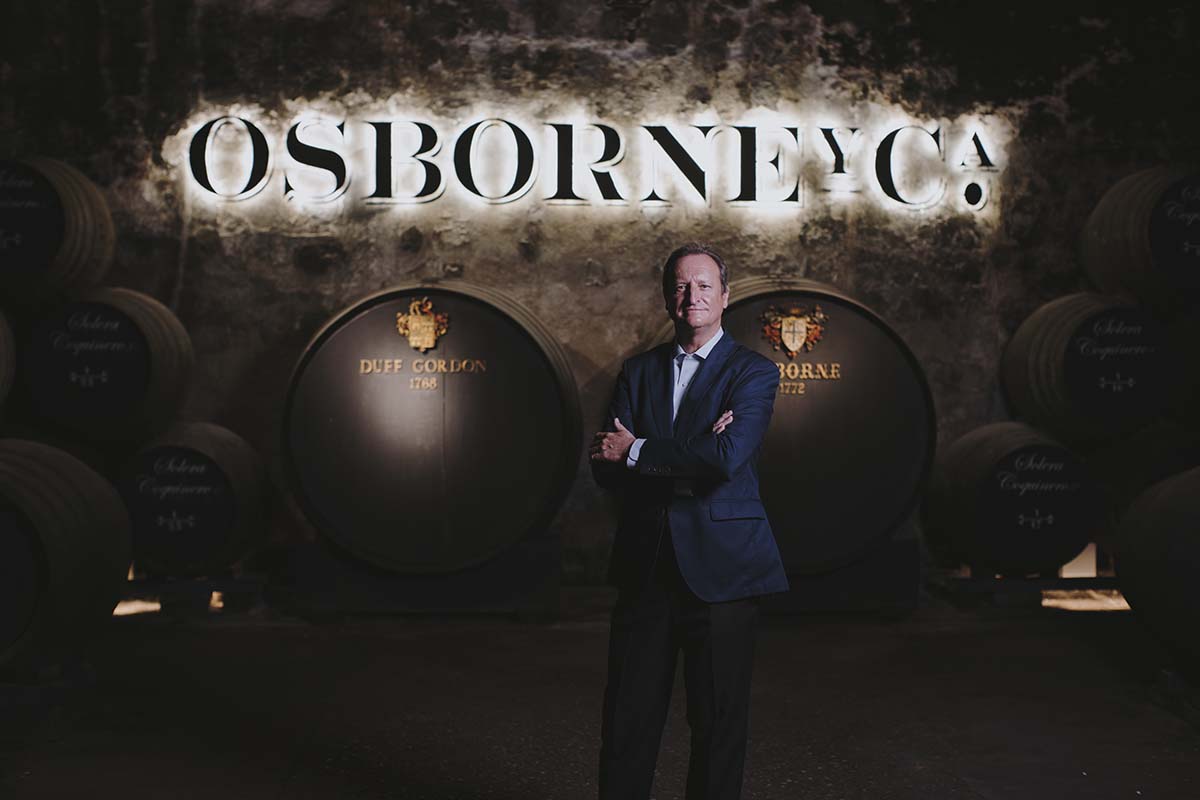
“This strategic partnership with Octopus (APAC) Holdings Limited is an important step in Osborne’s long-term commitment to the Asia-Pacific region.”
Fernando Terry Osborne, CEO of Osborne
Cinco Jotas applies quality requirements that often exceed regulatory standards, with particular attention to animal welfare, extensive grazing areas and optimal nutrition throughout the animals’ lives. These controls are intended to ensure that each ham achieves the distinctive qualities associated with Cinco Jotas.
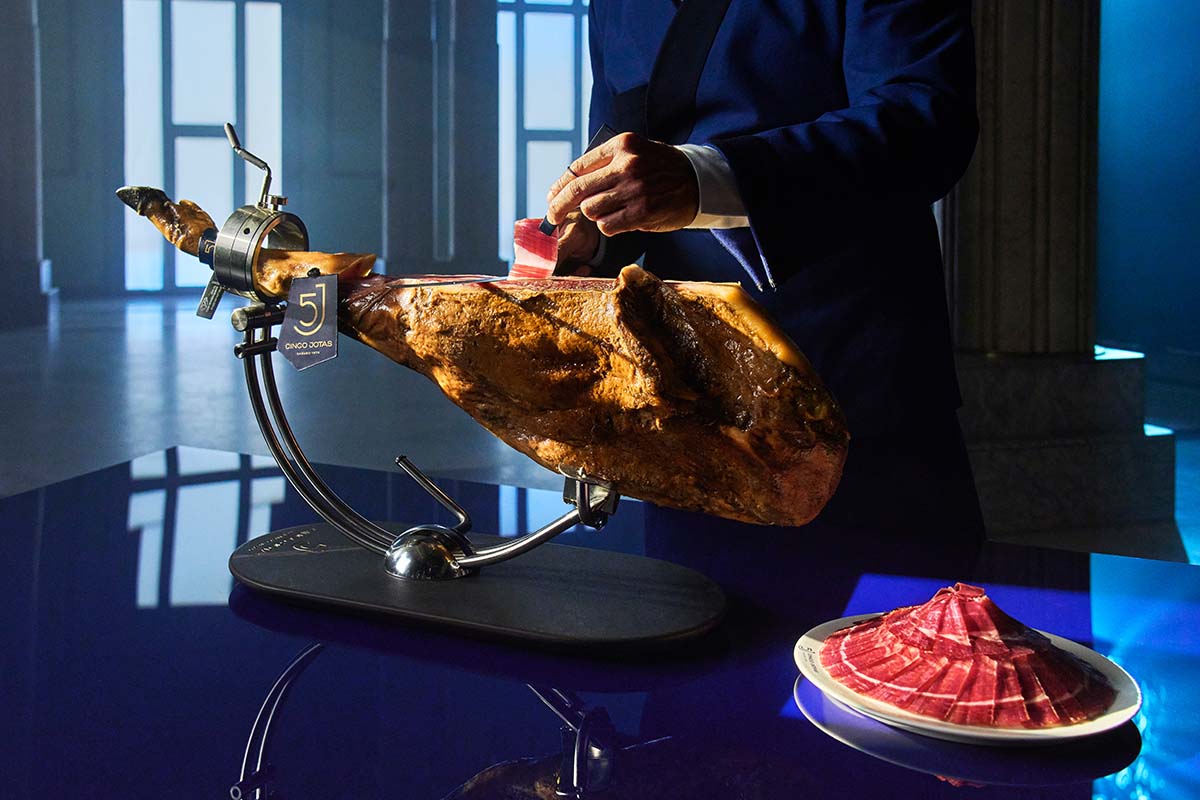
Craftsmanship is equally important to the final result. Each ham is individually supervised throughout the curing process by master artisans, who rely on touch, sight and smell to assess its evolution.
The character of Cinco Jotas is ultimately shaped by the combination of the 100% Ibérico breed, a remarkable place, a singular ecosystem and generations of knowledge working in harmony. This connection between terroir and craftsmanship has sustained the brand’s reputation for almost 150 years while preserving the quality, authenticity and character rooted in its origins.
Finding a natural affinity with Japan
Japan is a market that connects naturally with many of the values that define Cinco Jotas. Japanese consumers and chefs have a deep appreciation for craftsmanship, authenticity, patience and respect for provenance – principles that also underpin the brand’s approach in Jabugo.
There is also a shared appreciation for products with a distinct identity. Cinco Jotas sees its ham not simply as a gourmet product but as an expression of a particular landscape, generations of artisanal expertise and a centuries-old gastronomic tradition. Beyond flavor, the aim is to offer a cultural experience capable of creating lasting memories around the table.
Osborne, founded in 1772 and the owner of Cinco Jotas since 1983, has played an important role in introducing the brand to consumers around the world. Its ambition has been to share the richness of Spanish gastronomy internationally, bringing not only the product but also the culture, traditions and heritage behind it.

In Japan, Cinco Jotas has developed its presence through partnerships with leading culinary professionals, premium gastronomy channels and continued efforts to communicate the distinctive origins and production methods behind its ham.
As part of its longer-term commitment to Japan and the wider Asian market, Osborne recently announced a strategic partnership with Singapore-listed Octopus (APAC) Holdings Limited, which will serve as Osborne´s preferred distributor in the region over the next five years and support its continued growth across Asia-Pacific markets.
“This strategic partnership with Octopus (APAC) Holdings Limited is an important step in Osborne’s long-term commitment to the Asia-Pacific region,” said Fernando Terry Osborne, CEO of Osborne. “Over the next five years, Octopus will be a key partner in strengthening Osborne’s presence in the market and in bringing its heritage, craftsmanship and exceptional quality closer to consumers and culinary professionals across Asia.”
Sharing Spanish gastronomy on the world stage
Cinco Jotas’ relationships with international culinary events and leading chefs provide opportunities to introduce the brand in environments where culinary excellence, creativity and authenticity are highly valued.
Its goal is not simply to present its products, but to communicate the traditions and cultural heritage behind them.
Events such as The World’s 50 Best Restaurants bring together leading chefs, restaurateurs and food experts from around the world, providing opportunities to share the Cinco Jotas story and explain the combination of landscape, biodiversity, time and human expertise behind its products.
Such collaborations also introduce new audiences to one of Spain’s most emblematic gastronomic traditions while reinforcing Cinco Jotas’ role as an ambassador for Spanish food culture internationally.
Experiencing Cinco Jotas at its source
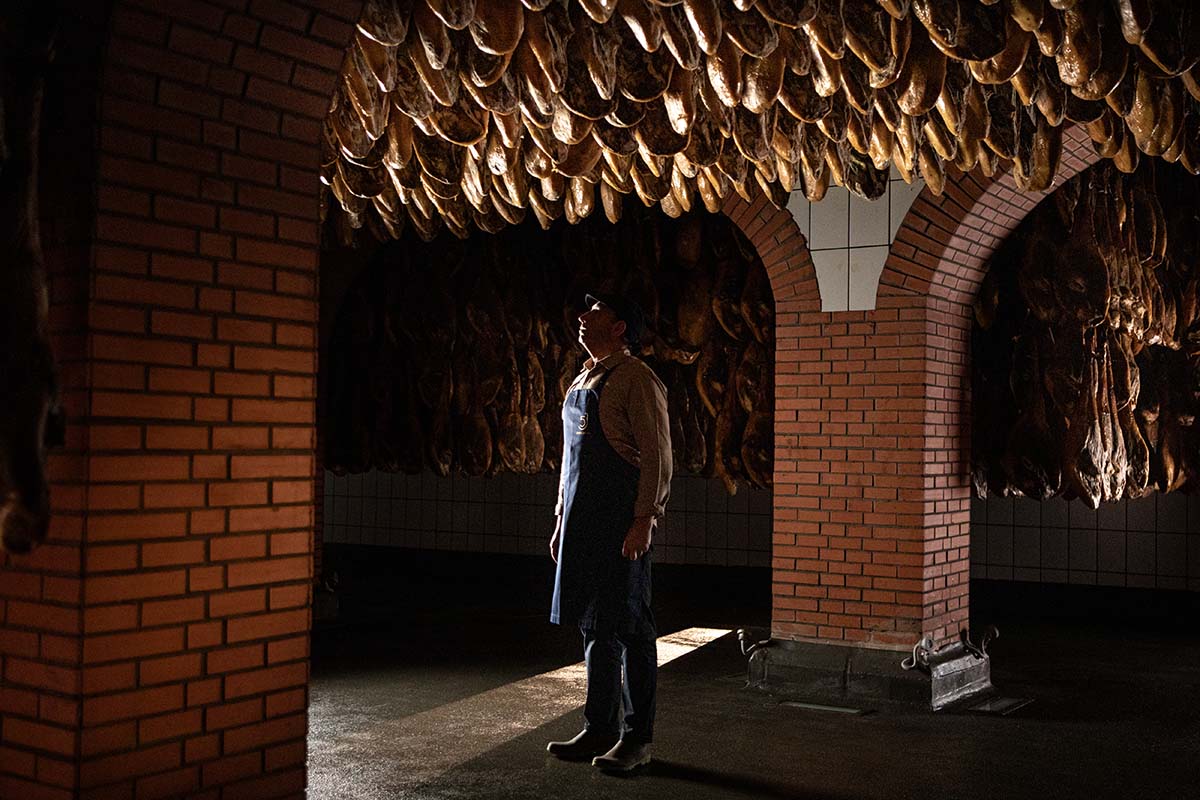
For those who want to understand the brand beyond the plate, Cinco Jotas opens its curing cellars in Jabugo to visitors, offering an immersion into the environment and craftsmanship behind each ham.
Guests can discover the complete journey, from the life of the free-range 100% Ibérico pig in the dehesa and the importance of the montanera to the influence of the local climate and the artisanal curing process, which unfolds over several years.
Visitors can also learn how master artisans continue to rely on sensory expertise and traditional knowledge to determine the precise moment when a ham has reached its optimal point of maturation.
Experiencing Jabugo provides a deeper understanding of why Cinco Jotas considers its products to be more than a gourmet delicacy. Each ham is an expression of a particular terroir, a unique ecosystem and generations of human knowledge.
It is a living heritage rooted in craftsmanship passed from one generation to the next and an expression of a philosophy of luxury centered on authenticity, emotion, extraordinary attention to detail and experiences that remain in the memory long after the tasting has ended.