
It had been raining for days, the kind of wet, gray week that makes Manila feel like it has forgotten where the sun went. Then, almost suspiciously on cue, the skies cleared on the day of Tsukiji’s press lunch.
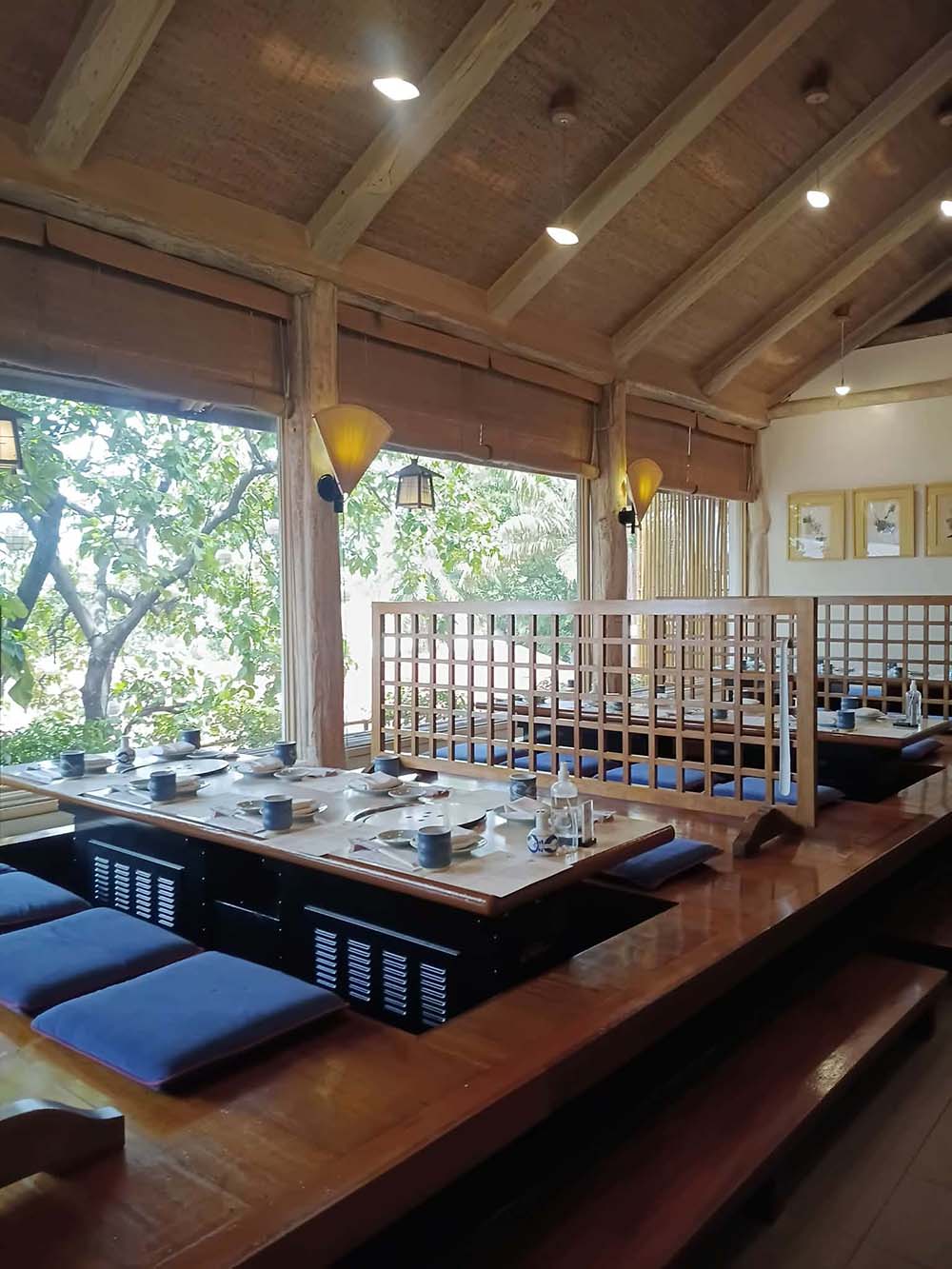
By noon, muted sunlight illuminated the restaurant’s yakiniku dining room, where we sat around low tatami tables waiting for lunch to begin. There was plenty to look forward to. But for me, the main attraction was obvious: seafood.
I have never been much of a meat person, so when Tsukiji invited us to a lunch featuring Ohmi Wagyu, there was a teensy bit of hesitation. But I’ve long trusted the super-gracious hospitality of the brother-and-sister restaurateur tandem, Chef J Gamboa and Malu Gamboa-Lindo, and their family-run team, so I knew I wouldn’t be left to contemplate a lonely side dish while everyone else tucked into the beef. There would be plenty for me to eat. I just hoped the fish would get its moment, too. And it did— spectacularly.
Long before “Japanese cuisine” became a Manila dining category of its own, Tsukiji Japanese Restaurant had already been steadily making the connection. Established in 1989 by Chef J’s and Malu’s parents and named after Tokyo’s legendary Tsukiji fish market, the restaurant was the first in Manila to directly buy, import, and serve fresh seafood for sushi and sashimi from the market, along with Ohmi Wagyu for sukiyaki and shabu-shabu. Today, its seafood comes from Tokyo’s New Toyosu Fish Market, which replaced the old Tsukiji market in 2018, arriving at least three times a week.
Thirty-seven years is a considerable run in Manila’s notoriously restless restaurant scene. It gives Tsukiji something that cannot be plated or packaged: history.
And a very good fish connection.
Enter Takashi Harima (and his spectacular sushi boat)
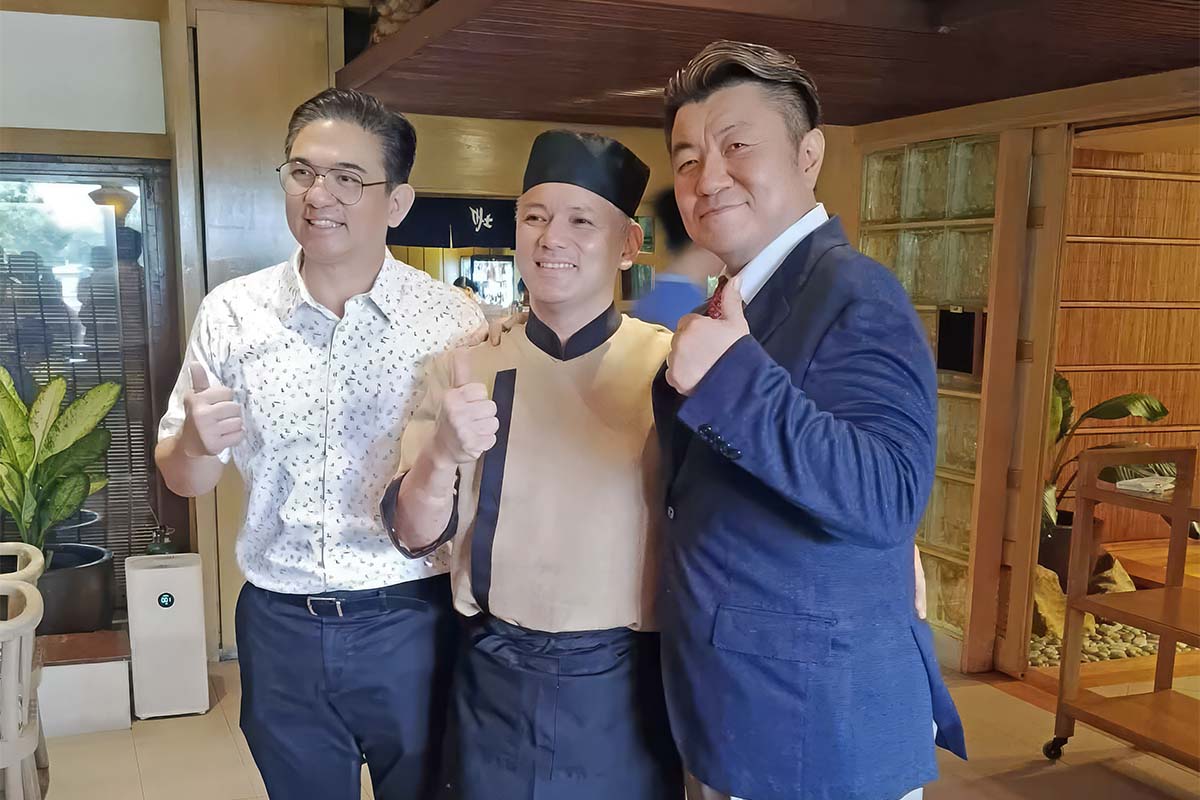
The man entrusted with much of that connection is master sushi chef Takashi Harima, who has been behind Tsukiji’s sushi bar creating the restaurant’s sushi and sashimi.
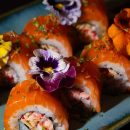
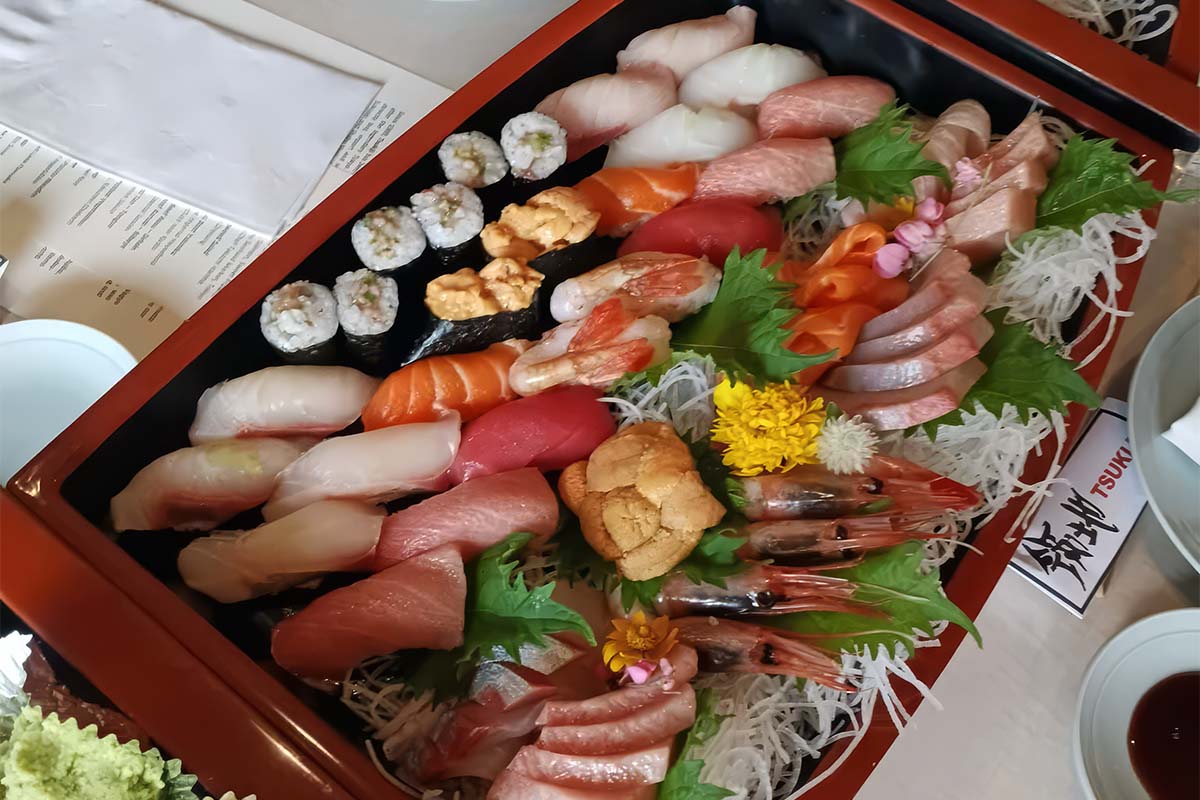
The Tsukiji Sushi and Sashimi Boat docked in front of us looking almost too beautiful to disturb, a gleaming spread of bluefin tuna, sea urchin, yellowtail, amberjack, scallop, salmon, and sweet prawns, all flown in from Tokyo. The boat was jaw-dropping. It was the sort of platter that briefly silences a table, until everyone starts reaching for their chopsticks, pointing excitedly at what they want.
The toro was the obvious foodie favorite, rich and buttery and almost ridiculously easy to eat. The uni had that unmistakable taste of the sea, while the yellowtail and amberjack were cleaner and more delicate. The scallop and sweet prawns brought their own gentle sweetness.
The seafood really didn’t need much fussing over, which made Harima’s skill all the more apparent. With years of expertise, he knew exactly what each ingredient needed, and just as importantly, when to leave it alone. That’s the thing about good sushi—the chef’s skill is often hiding in plain sight. And when your ingredients are making the trip from Tokyo several times each week, there is an advantage in knowing how to let them speak for themselves.
Then the grill gets involved
Tsukiji’s yakiniku side is something many diners may not immediately associate with the restaurant. The sushi and sashimi have long been its more visible calling cards, but the restaurant also has a dedicated yakiniku dining room, with tables where diners grill their own meat.
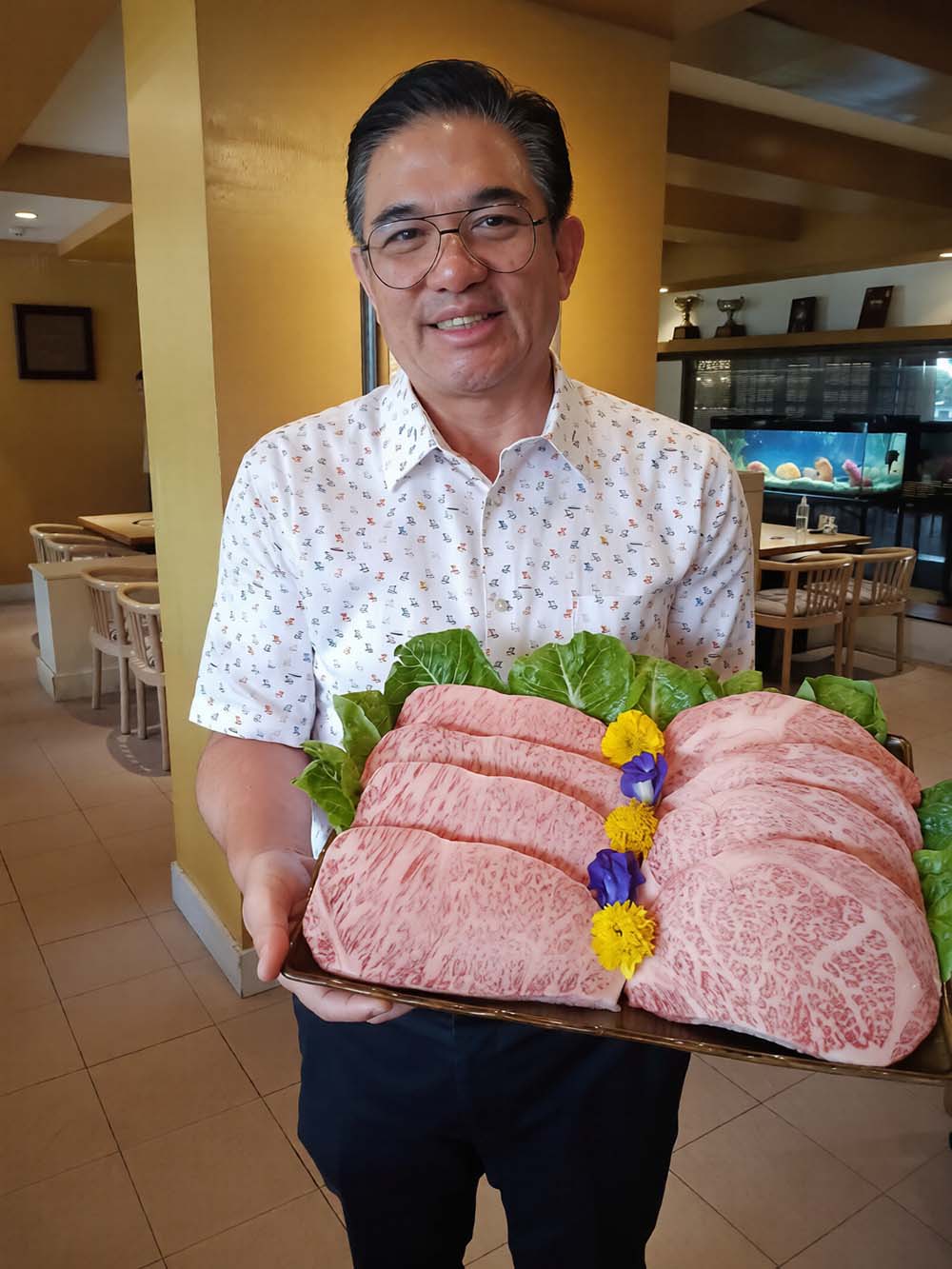
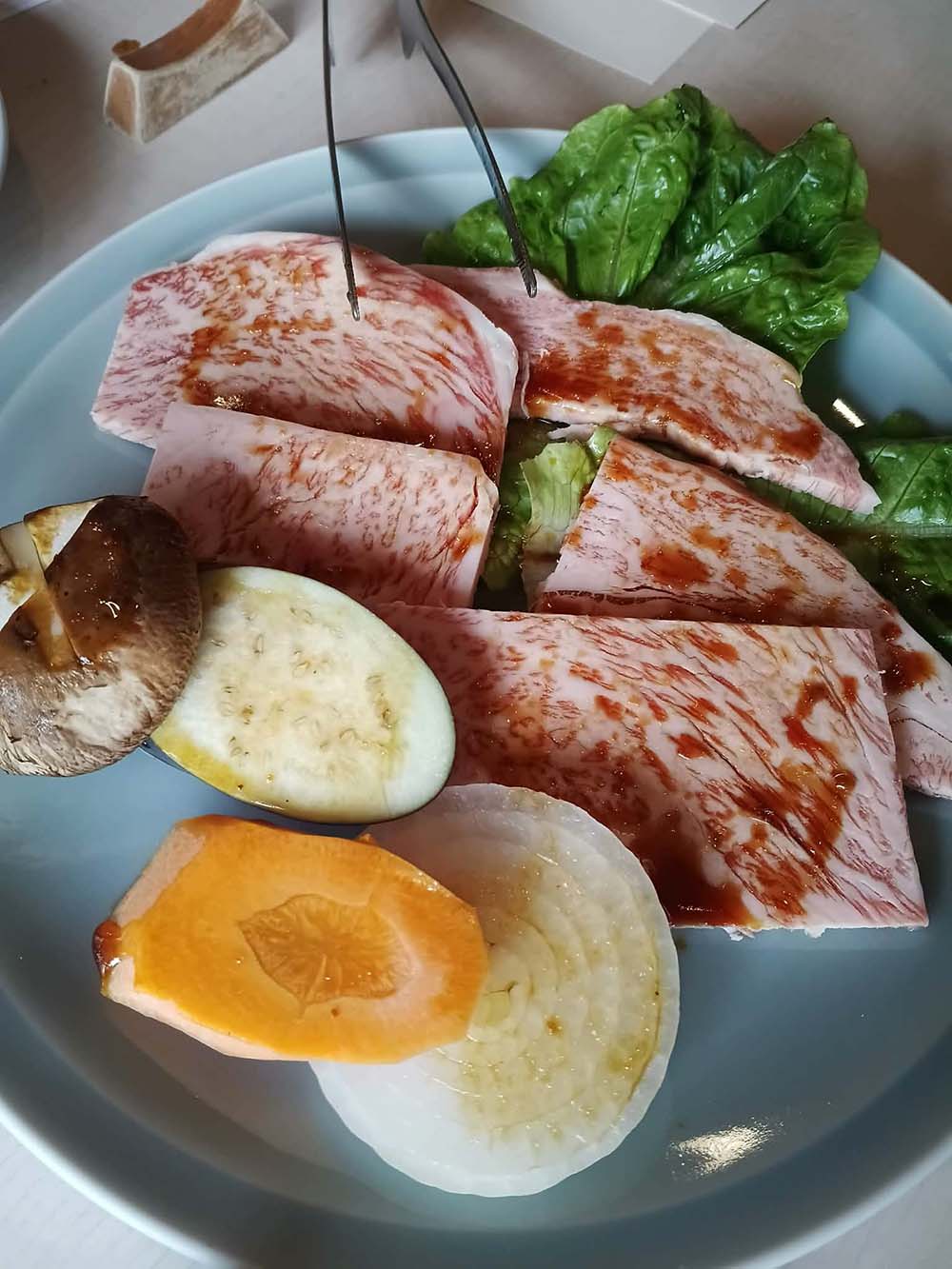
For this lunch, that meant Ohmi Wagyu from Shiga Prefecture, near Kyoto, including the Super Special Ohmi Beef Rosu, or sirloin, and Super Special Ohmi Beef Karubi, or ribeye.
I should probably insert the disclaimer here, once more: I don’t eat meat.The carnivores at the table, however, were more than happy to do the necessary research and share their findings with me.
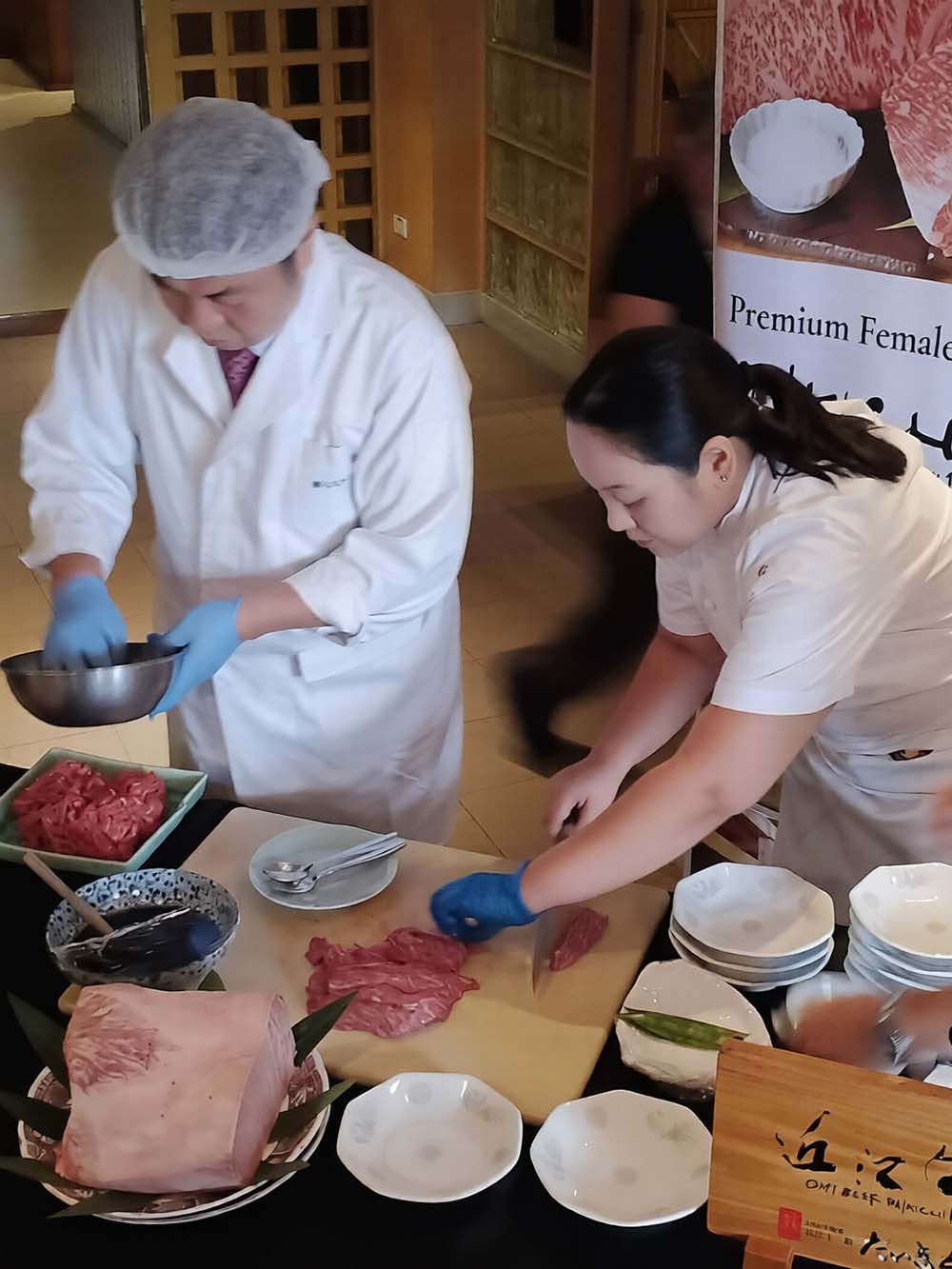
The beef was grilled right at the table, which added a little theater to lunch. More importantly, it brought another Japanese specialist into the room: master butcher Takeshi Suzuki, who was in Manila for the occasion.
While Harima’s craft is about reading a piece of fish and treating it with a light hand, Suzuki’s is about understanding beef down to the cut, marbling and texture. His presence gave the Wagyu portion of the lunch a human face, rather than reducing it to another parade of luxury-meat adjectives.
And there was something satisfying about seeing these two very different forms of Japanese food expertise occupy the same table—even for a non-meat eater like myself.
When Japan meets Korea
The lunch didn’t stay strictly within the Japanese repertoire, either.
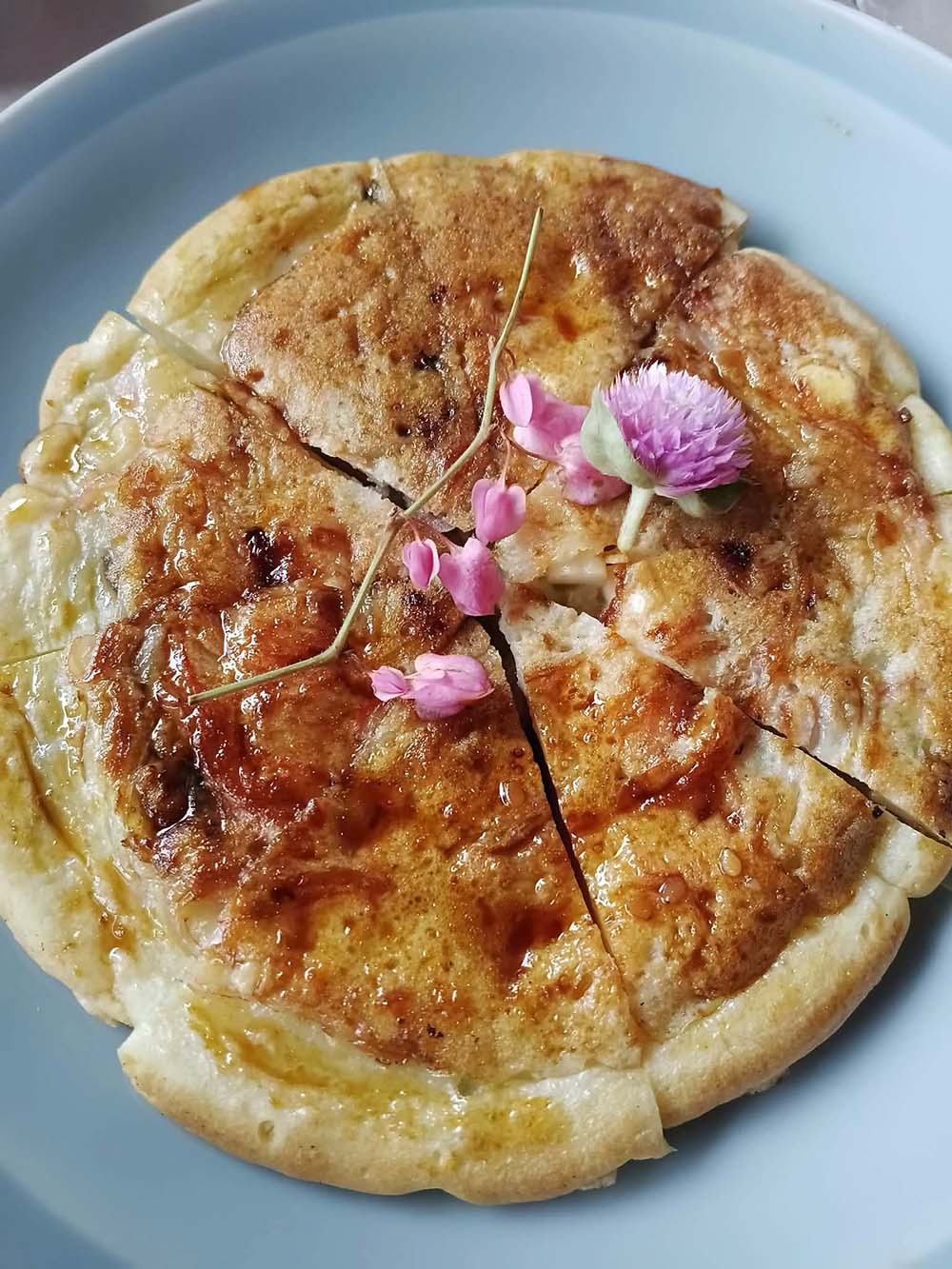
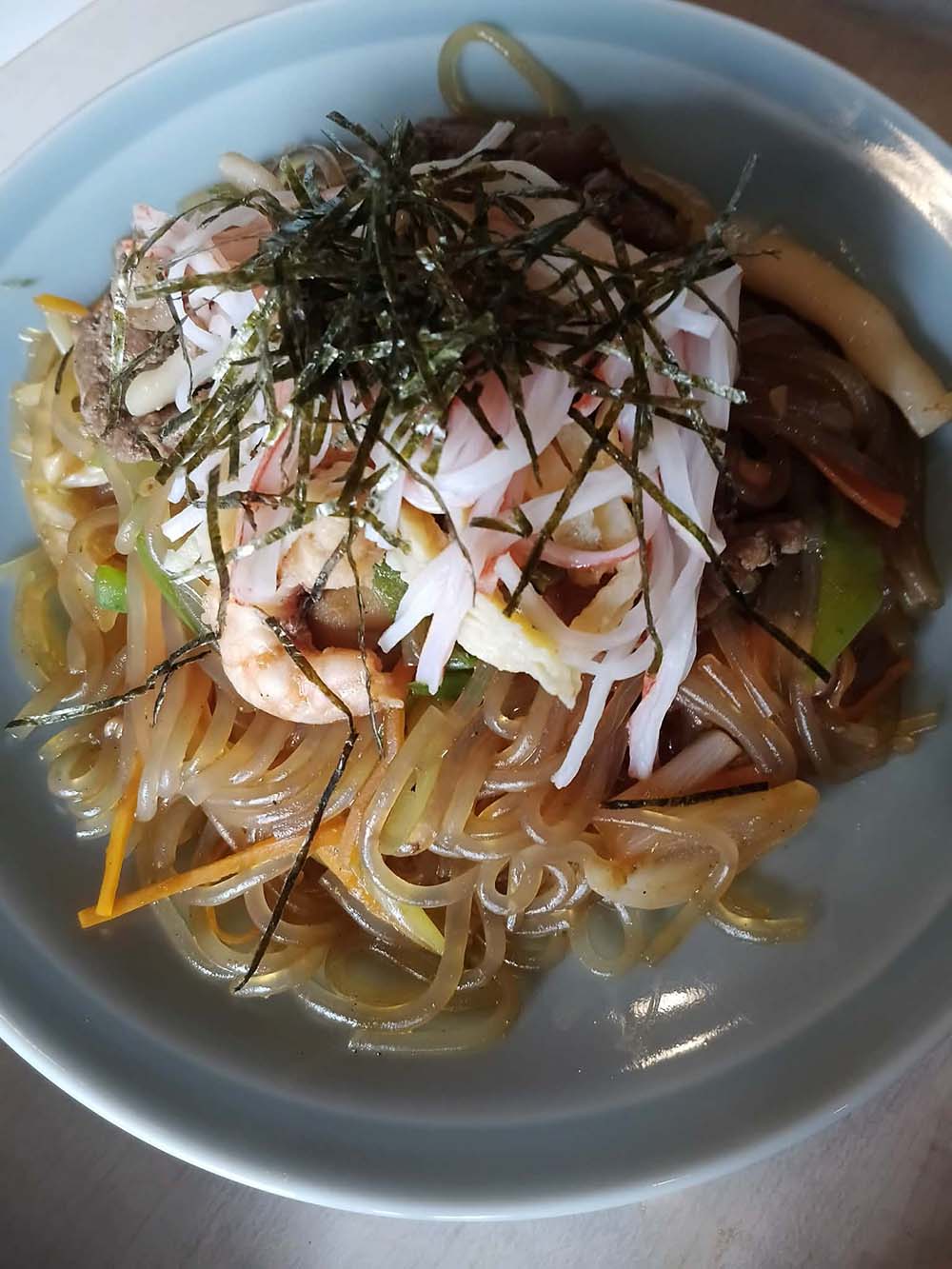
A kaiso seaweed salad with sesame dressing provided a light pause between the seafood and the grill. Then came chijimi, a Korean-style seafood and leek pancake, and chapchae, the familiar Korean sweet-potato noodles with vegetables, egg, and beef. Kimuchi and kakuteki, Japanese takes on Korean-style fermented vegetables, brought another layer of spice and tang to the meal.
It was an unexpected turn, and one I appreciated.
After all, dining in Manila has never existed in a cultural vacuum. We borrow, adapt, combine, and make room at the table. The result can sometimes be mouthwateringly messy, sometimes imaginatively inspired, and occasionally both at once.
Here, the Korean dishes sat quite comfortably beside the Japanese seafood and Wagyu, giving the meal a distinctly Asian rhythm.
Still, it was the fish I kept coming back to, long after Tsukiji’s super-efficient staff had taken the sushi boat away.
Thirty-seven years is a considerable run in Manila’s notoriously restless restaurant scene. It gives Tsukiji something that cannot be plated or packaged: history.
The Tsukiji connection
There is a reason Tsukiji has survived for nearly four decades while countless restaurants have come and gone. Its connection to Japan is both literal and culinary, from its beginnings with the original Tsukiji Market to the seafood it continues to bring from Toyosu today.
Maybe what I liked about the lunch was discovering that there are two very different ways to experience that connection: at the sushi bar, seafood flown in from Tokyo; in the yakiniku room, Ohmi Wagyu sizzling on the grill right before you. In between, Korean-influenced dishes found their place alongside both, creating a meal that felt perfectly at home on a Manila table. For someone like me, the sushi will always win, but I’m glad I finally got a proper look at the other side, too.
And perhaps that’s what makes a long-running restaurant interesting. It doesn’t have to stand still to remain true to itself. It simply has to keep a good table and know what deserves a place on it. Tsukiji reminded me that cultural exchange doesn’t always require a grand declaration. Sometimes, it just requires sitting down and eating.