

Home is a funny thing. Sometimes it’s a place. Sometimes it’s a person. And sometimes, especially when you’re living thousands of miles away, it’s the unmistakable taste of perfectly sliced sashimi, the aroma of charcoal from a robata grill, or the steady assurance that someone understands the beauty of leaving well enough alone.
That, more than anything, is what I found at Ogawa Traditional Japanese Restaurant.
Long regarded as one of Manila’s favorite Japanese restaurants among both locals and Japanese nationals, Ogawa has finally reopened at The Shoppes at McKinley West. While the address may have changed, the soul of the restaurant hasn’t. Better yet, it has returned with its original chefs and culinary team intact, making the transition feel less like a reinvention than a homecoming.
That distinction matters. Restaurants like Ogawa do more than satisfy an appetite. They become places where Japanese expats can reconnect with familiar flavors and traditions, while Filipinos gain a deeper appreciation for a cuisine whose greatest strength lies not in extravagance, but in restraint.
Beyond the plate
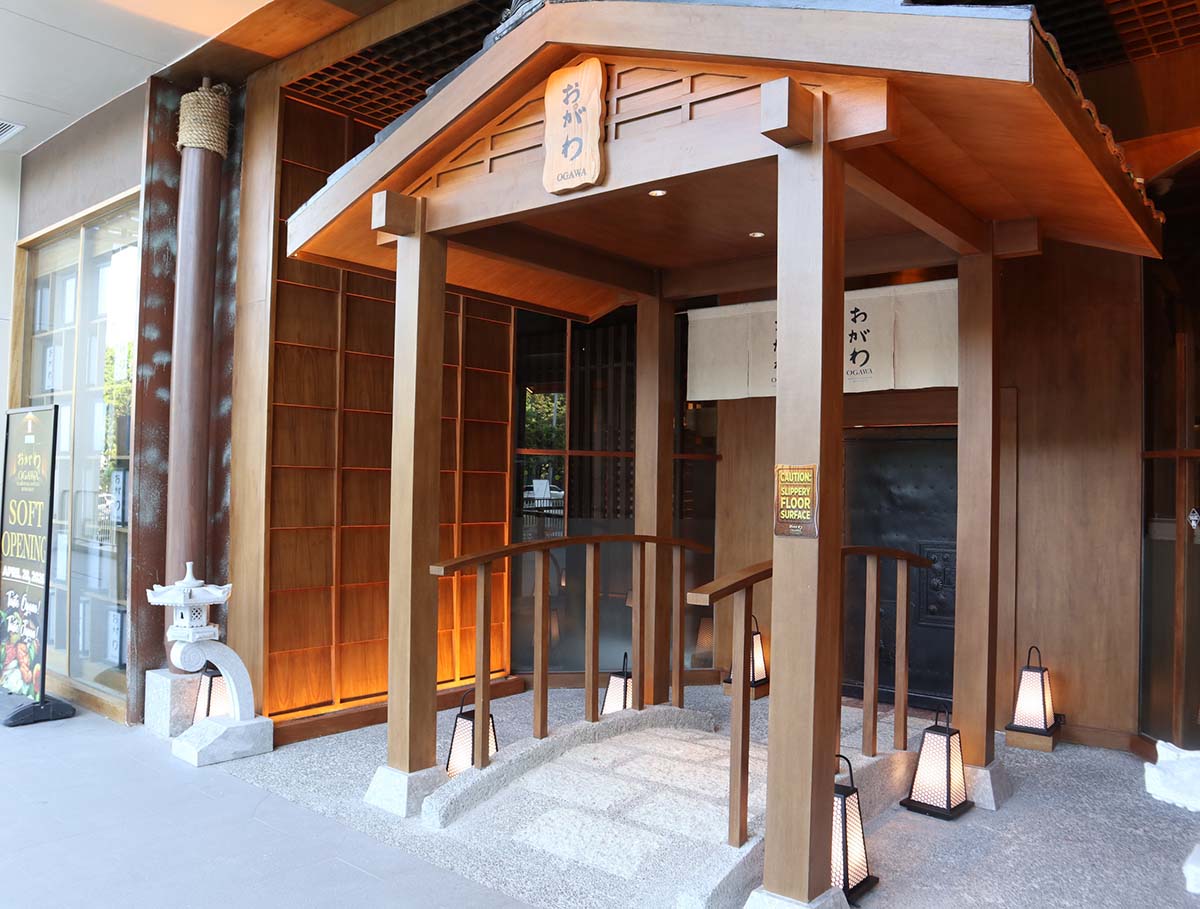
At Ogawa, the experience begins even before the first course arrives. Guests cross the signature bridge that has become synonymous with the restaurant itself and enter through the restaurant’s iconic ornate wooden door, lovingly preserved from Ogawa’s previous location within Bonifacio Global City. Inside, the frantic rhythm of Metro Manila fades beneath the soft glow of ambient lighting, the efficiency of Japanese hospitality melded with the unmistakable warmth of Filipino service, and the comforting promise of a meal prepared with reverence rather than rush.
The bridge isn’t simply an architectural flourish. It’s a subtle metaphor for the restaurant’s enduring role as a meeting point between cultures. For Japanese expats in Manila, it’s a welcome taste of home; for Filipinos, an invitation to discover Japanese cuisine where fidelity to food customs is measured by expertise, discipline, and respect for ingredients.
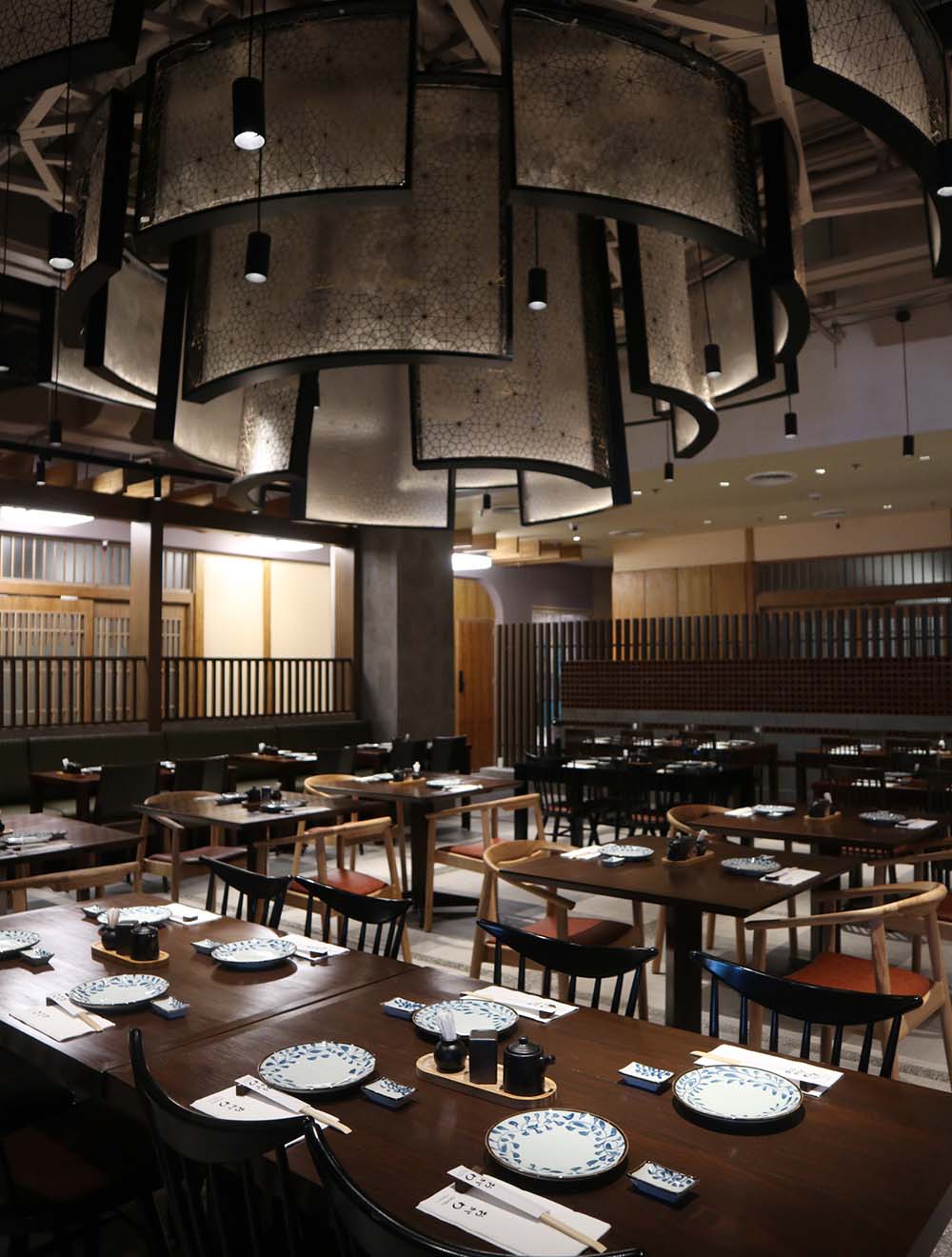
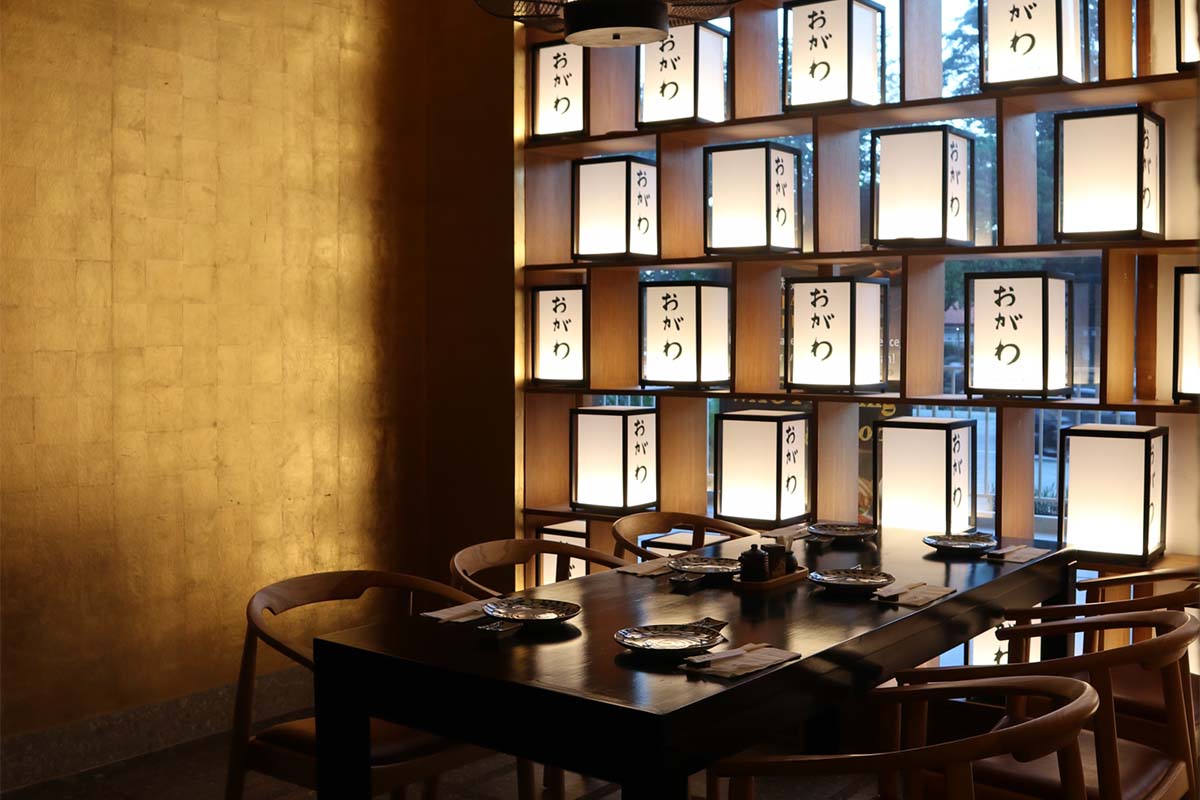
The dining room strikes a delicate balance between grandeur and warmth. Spacious without feeling cavernous, elegant without veering into excess, it invites guests to settle in, slow down, and stay awhile. Drawing the eye is the spectacular lighting installation by acclaimed designer Noel Bernardo, the creative force behind many of Metro Manila’s most iconic restaurant interiors. Conceived as an acoustic diffuser, the sculptural centerpiece also evokes the layered elegance of a samurai’s armor, floating above the communal dining area like a work of art. It anchors the room beautifully while serving a very practical purpose: dampening the din that is typical of any restaurant.
As evening falls, Ogawa takes on another personality altogether. Softly glowing lanterns illuminate the semi-private dining spaces, lending them an intimacy that feels unmistakably Japanese. For a few moments, it’s easy to forget you’re in the middle of bustling Taguig and imagine you’ve wandered into a cozy neighborhood restaurant somewhere in Tokyo.
Where umami does the talking
Then the food arrives and one thing became apparent almost immediately: Ogawa trusts its ingredients. That may sound obvious, but it’s surprisingly rare. Too often, Japanese food outside Japan is weighed down by heavy-handed sauces, excessive seasoning, or an overreliance on soy sauce to compensate for ingredients that don’t quite measure up.
Here, the philosophy is refreshingly different. This is umami as the Japanese understand it. Not intensity for its own sake, but harmony. A quiet layering of natural flavors where freshness, texture, and technique are allowed to shine. Instead of overwhelming the palate, each dish reveals itself gradually, rewarding diners who pay attention.
That confidence begins with the ingredients themselves. Much of Ogawa’s premium seafood, including its celebrated tuna, salmon sashimi, and other seasonal catches, is flown in from Tokyo’s renowned Toyosu Fish Market, ensuring the kind of pristine freshness that leaves very little for a chef to hide behind — which is precisely the point.
The sushi counter becomes its own stage, where every slice, brushstroke, and carefully measured movement reflects years of skill and dedication to craft. Watching the chefs at work is almost as satisfying as eating the finished product.
With its long-awaited return, Ogawa Traditional Japanese Restaurant once again becomes a cultural bridge, offering Japanese expats in Manila the familiar flavors of home while inviting Filipinos to experience Japanese cuisine the way it was always meant to be.
The robatayaki station offers a different spectacle altogether. Flames dance over glowing coals while skilled grill masters coax out smoky depth from skewers and seafood without ever masking their natural character. The yakitori is deservedly one of Ogawa’s biggest draws, while the grilled hamachi is another standout, cooked with remarkable precision so that every bite remains succulent and delicately smoky.
Tradition meets the table
While Ogawa excels across the board, a handful of dishes have earned near-mandatory status among regulars, many of whom have been following the restaurant since its earlier days. The menu is rooted in tradition, but it isn’t static. Alongside timeless dishes are specialties that showcase the kitchen’s culinary confidence, technical finesse, and unwavering commitment to honoring Japanese heritage.
One standout is the Saba Battera, the traditional pressed mackerel sushi that layers lightly cured saba over perfectly seasoned sushi rice before being gently pressed into shape. It’s a study in balance, where the richness of the fish is lifted by vinegared rice and restrained seasoning rather than buried beneath it.
The Toro Saba offers an even richer expression of mackerel, prized for its luxurious fattiness and silky texture. Prepared simply, it lets the fish’s natural oils take center stage, proving that exceptional ingredients rarely need embellishment.
Equally memorable is the Tai Sashimi with Ponzu Sauce, where delicate slices of sea bream meet the bright citrus tang of ponzu. The result is elegant and refreshing, highlighting the fish’s subtle sweetness rather than overpowering it.
Beyond these specialties are the restaurant’s premium sushi and sashimi selections, teppanyaki favorites, robatayaki, and omakase experiences, each reflecting the same philosophy of honoring the ingredient first and foremost.
In a city where Japanese restaurants continue to multiply, authenticity has become an increasingly overused word. Ogawa reminds us what it actually looks like.
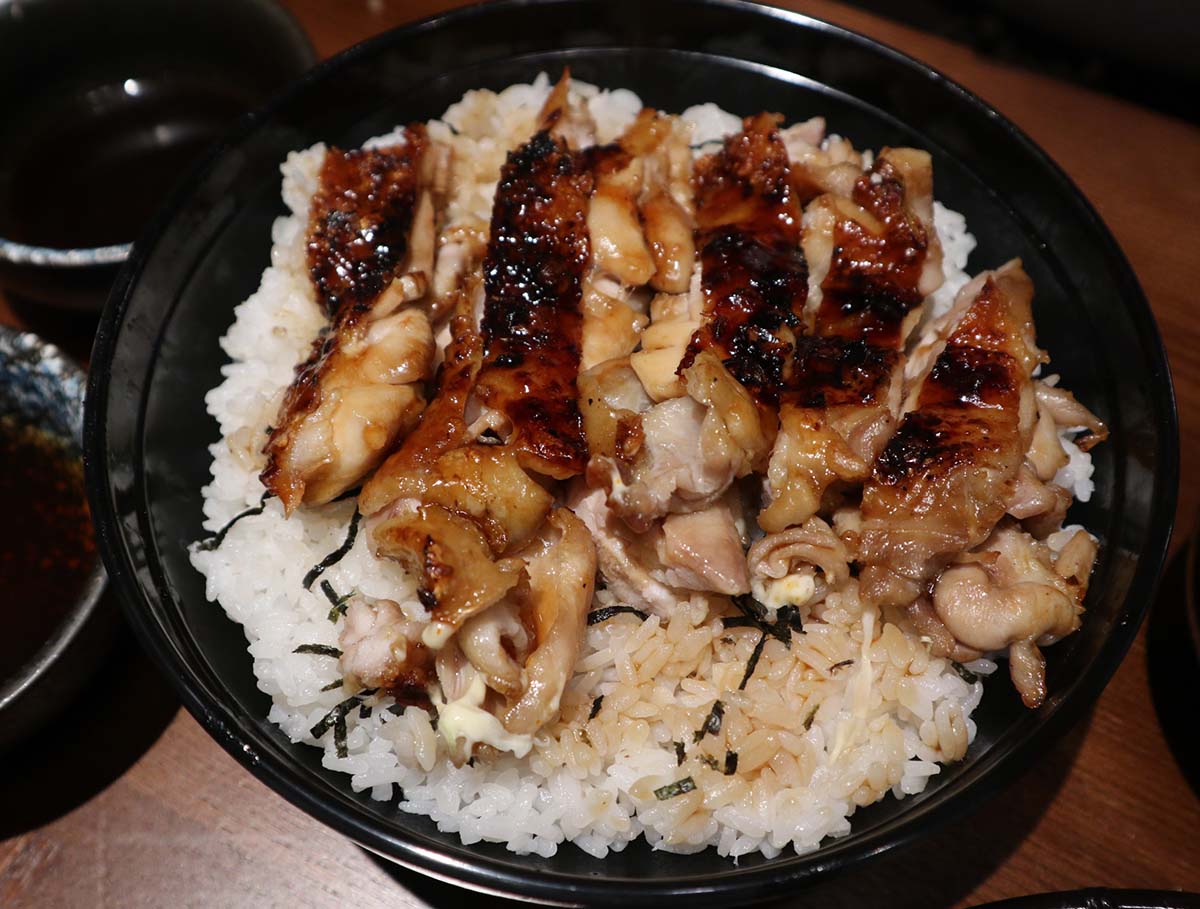
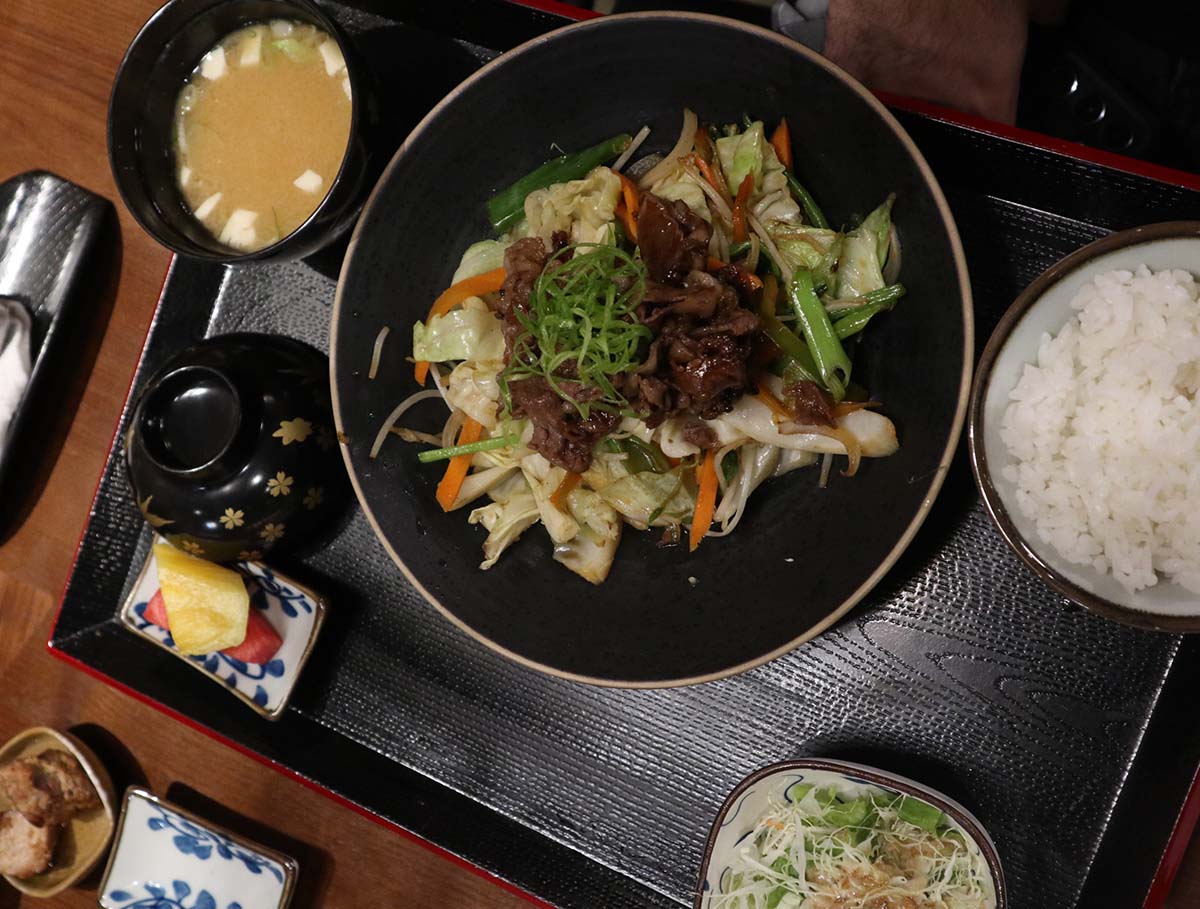
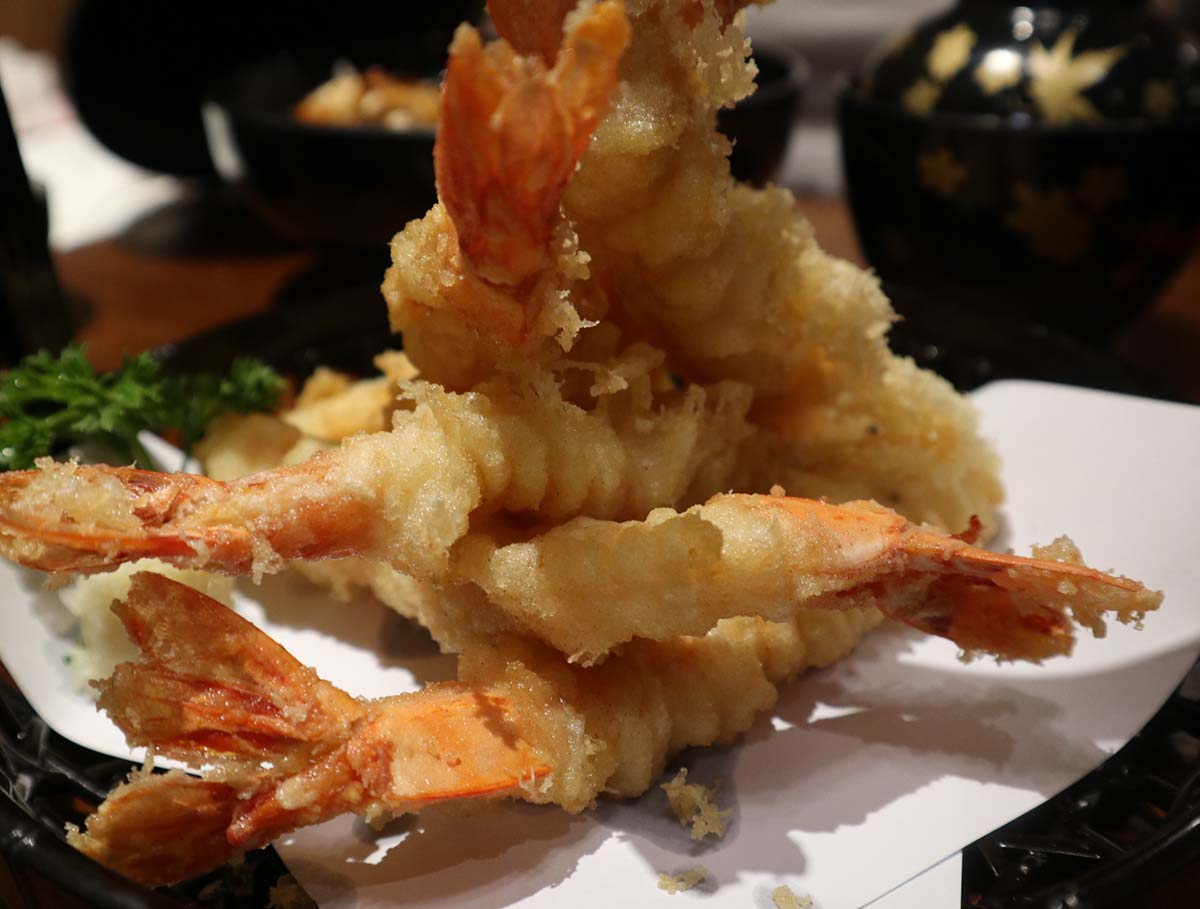
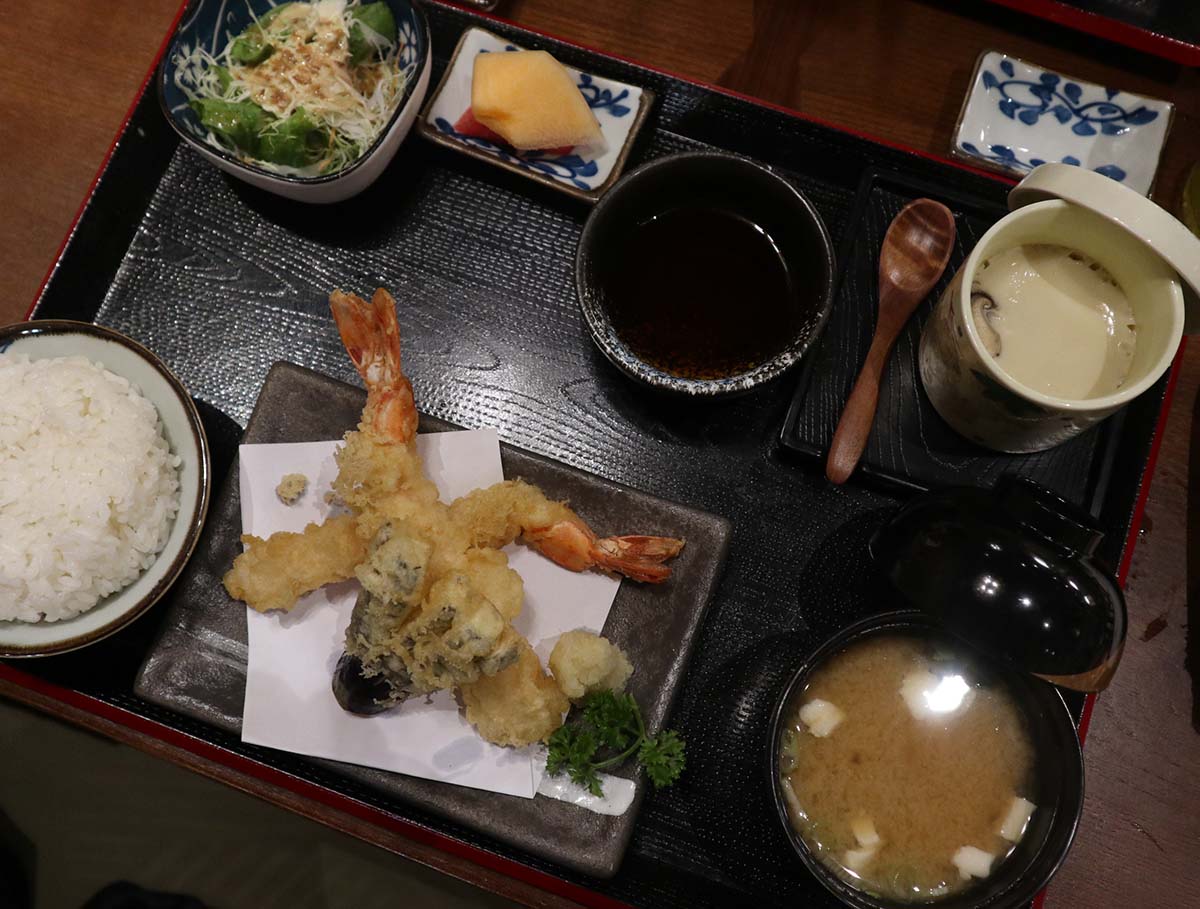
On my recent visit to Ogawa, I opted for a personal favorite: the Tempura Set, which came with an appetizer of spiced tuna, silky chawan mushi, plump shrimp and assorted vegetable tempura, miso soup, pickles, and fresh fruit wedges for dessert. My family gravitated toward equally comforting classics, choosing Ogawa’s Tori Teriyaki Don, featuring succulent grilled chicken lightly glazed with sweet-and-savory teriyaki sauce over fluffy Japanese rice, and the Jyu Jyu Beef Steak Set, a satisfying spread of the appetizer of the day, thinly sliced Japanese-style beefsteak atop a bed of sautéed vegetables, rice, miso soup, and dessert. For the table, we couldn’t resist ordering a full serving of Ebi Tempura, because when it’s done this well, there’s really no such thing as too much, along with Agedashi Tofu and Yaki Soba to round out the feast.
Together, they reinforced everything I’d observed throughout lunch. Every dish favored exacting care over excess. The ingredients were allowed to express themselves naturally, reminding me that Japanese cuisine isn’t defined by complexity, but by the confidence to let simplicity speak.
An enduring bridge
Perhaps that’s what has always made Ogawa special. Its return isn’t simply about reopening a beloved restaurant. It’s about restoring a place where authenticity isn’t worn as a marketing badge but practiced daily, from the continuity of its original culinary team to the care taken in sourcing ingredients and preserving traditions.
It’s also refreshingly versatile, offering an experience that feels premium without venturing into special-occasion-only territory. Yes, Ogawa feels perfectly suited for milestone celebrations, anniversaries, birthdays, and business dinners. But just as compelling is the idea of dropping in simply because you’ve been craving Japanese food prepared the way it should be.
In a city where Japanese restaurants continue to multiply, authenticity has become an increasingly overused word. Ogawa reminds us what it actually looks like. It resides not in elaborate theatrics, but in disciplined technique, impeccable ingredients, heartfelt hospitality, and the confidence to let umami do the talking. Moreover, Ogawa proves that some of the strongest bridges aren’t built from steel or stone, but from shared tables, meticulous craftsmanship, and mouthwatering, memorable meals.