

“Made by hand” has become one of modern marketing’s favorite phrases—a reminder that the human touch is still one of the world’s greatest luxuries. It’s stamped onto coffee mugs, woven into fashion campaigns, and sprinkled liberally across Instagram captions. Yet behind those three words lies something far more profound than a clever sales pitch.
In an age of automation, algorithms, and one-click everything, Japan and India continue to celebrate something beautifully analogue: the master artisan. For centuries, both countries have treated craftsmanship not simply as a profession but as a philosophy, one rooted in patience, discipline, and an almost reverential respect for making things well. While their artistic traditions evolved independently, the parallels are striking. In Japan, the master artisan is the shokunin. In India, the karigar. Different names, shared spirit.
At a time when artificial intelligence can generate paintings in seconds and factories can produce thousands of identical objects before lunch, both cultures offer a gentle counterargument: some things are worth taking time to make.
Not just a craft—it’s a calling
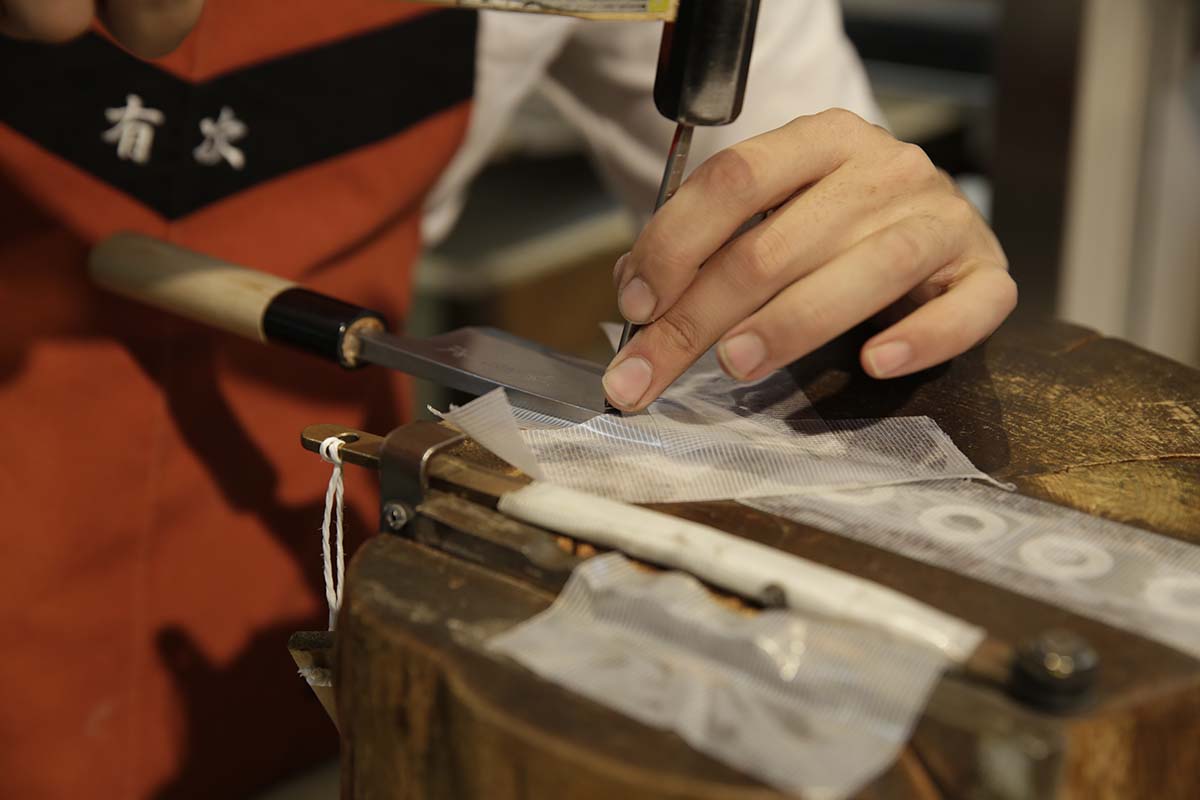
The Japanese word shokunin is often translated as “craftsperson,” but many scholars argue the meaning runs much deeper. It speaks not only to technical mastery but also to humility, responsibility, and a lifelong commitment to perfecting one’s craft in service of society.
Master sushi chefs may spend years learning nothing more glamorous than how to prepare rice. Apprentices in traditional woodworking, blade making, or pottery often devote decades to refining techniques that outsiders might barely notice. The goal isn’t novelty—it’s excellence through repetition.
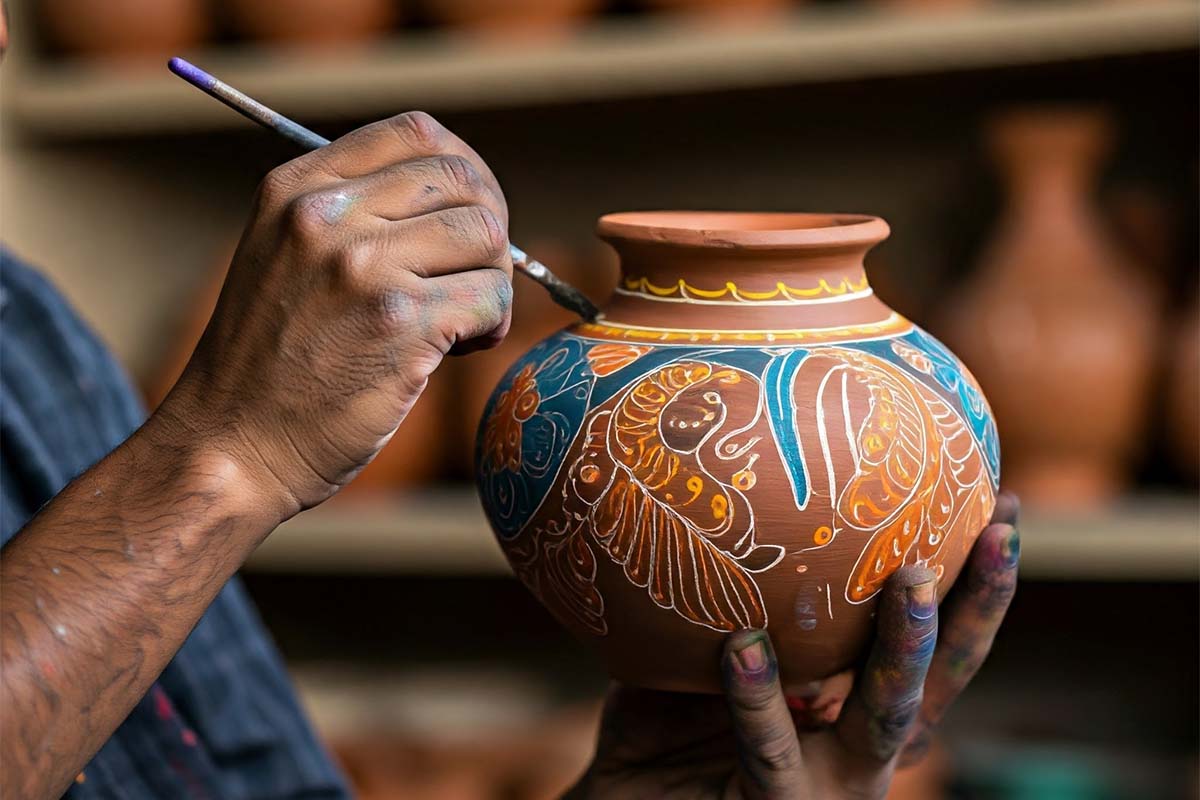
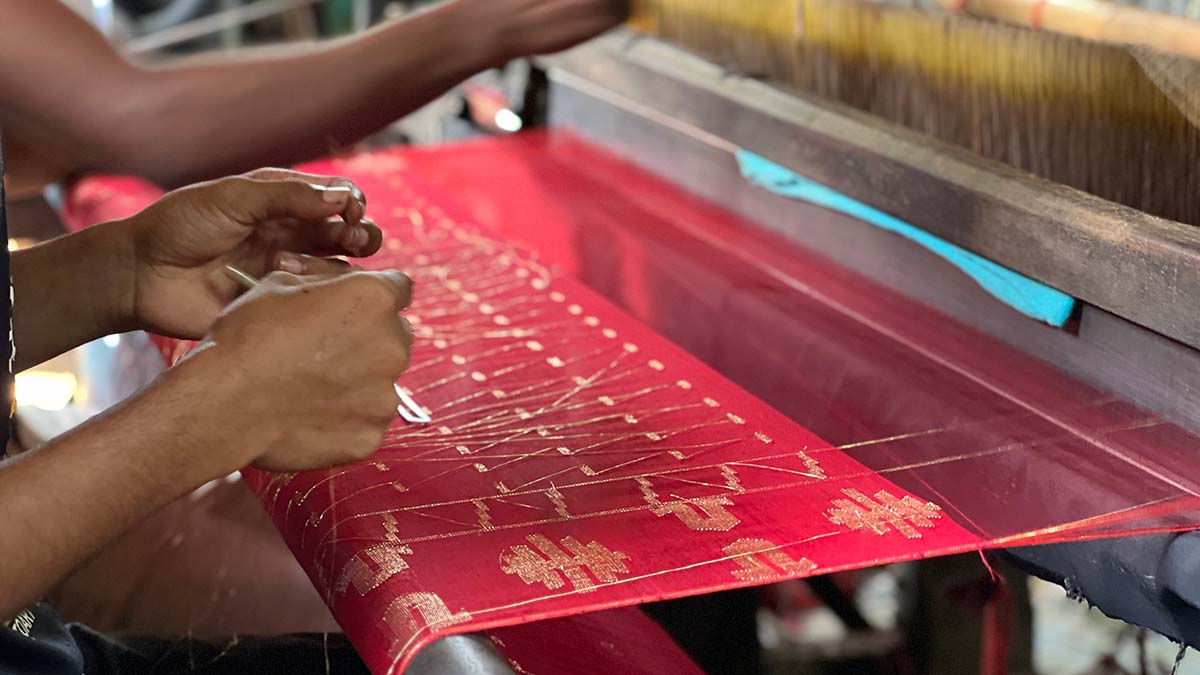
India’s karigar tradition carries a remarkably similar ethos. Across the country, generations of artisans have passed down specialized skills within families and communities, preserving techniques that have survived for centuries. Whether weaving silk in Varanasi, carving walnut wood in Kashmir, or creating blue pottery in Jaipur, craftsmanship becomes both livelihood and legacy.
FUN FACT
In many artisan families across India, children grow up absorbing their craft almost by osmosis, learning simply by watching parents and grandparents work long before they formally pick up the tools themselves.
The lesson from both cultures is that mastery isn’t rushed. It’s accumulated, one careful gesture at a time.
When heritage becomes a national treasure
Not every country places its craftspeople on a cultural pedestal. Japan does.
Under the 1950 Law for the Protection of Cultural Properties, a system established to safeguard intangible cultural heritage, the Japanese government formally recognizes exceptional practitioners of important traditional arts as “Living National Treasures.” Officially designated as Holders of Important Intangible Cultural Properties, these artisans receive national recognition for preserving skills ranging from ceramics and lacquerware to textiles and traditional theatre.
In an age of automation, algorithms, and one-click everything, Japan and India continue to celebrate something beautifully analogue: the master artisan.
It’s a remarkable idea: celebrating not just the finished object, but the person whose hands and knowledge keep an entire tradition alive.
India protects its own creative heritage in different ways. One of the most significant is the Geographical Indication (GI) tag, which legally links certain products to the places where they’re traditionally made. Banarasi silk, Kanchipuram silk, Channapatna toys, Madhubani paintings, and Kashmir Pashmina are just a few examples of artisanal objects and crafts whose identities are inseparable from their regions.
WORTH KNOWING
India is home to hundreds of GI-tagged products, many of them handcrafted. Buying authentic GI-certified pieces not only helps preserve cultural heritage but also supports the communities that continue to produce them.
Both systems recognize something often overlooked in today’s global marketplace: craftsmanship often has a geographical identity, and a sense of place matters.
Beauty in everyday objects
One of Japan’s most influential artistic philosophies emerged not in museums, but in ordinary homes.
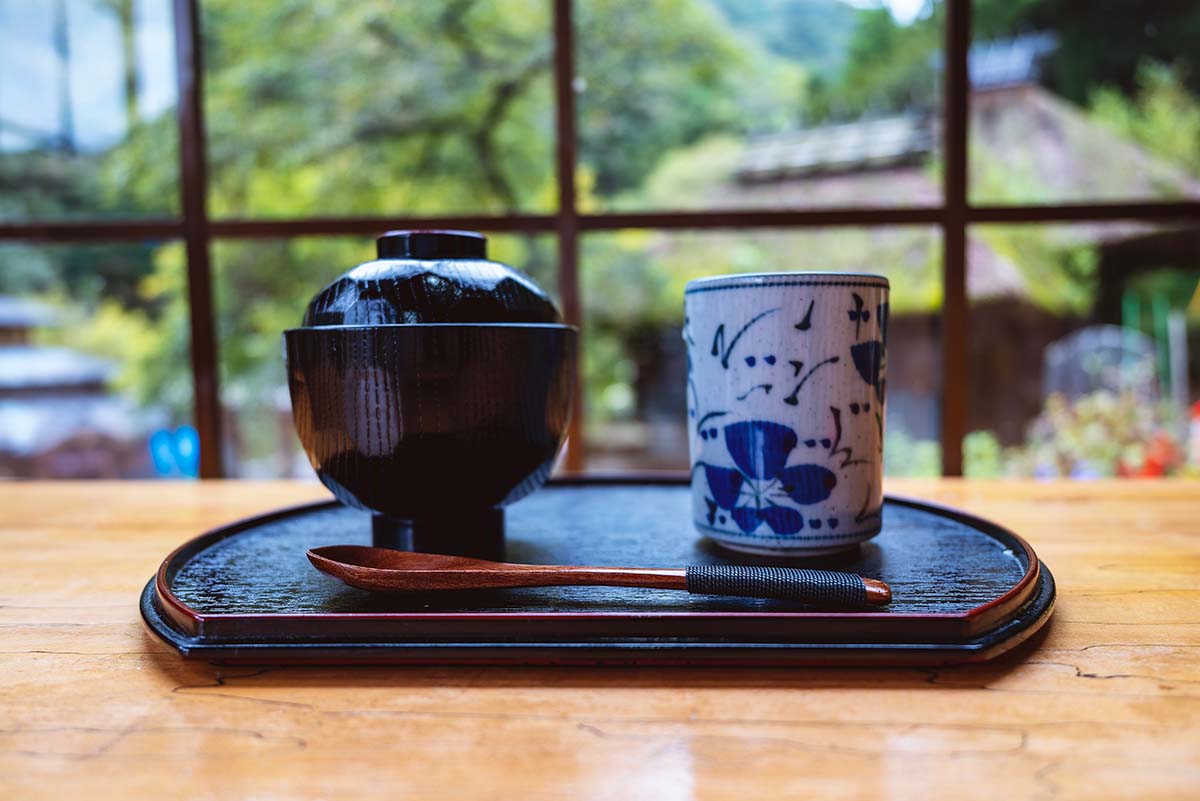
The Mingei (which translates to “arts of the people”) folk art movement, founded in the early 20th century by philosopher Yanagi Sōetsu and master potters Hamada Shōji and Kawai Kanjirō, championed the muted beauty of everyday handmade objects. A humble tea bowl, woven basket, or wooden spoon deserved admiration not because it was rare or expensive, but because it was beautifully made and intentionally crafted for daily use.
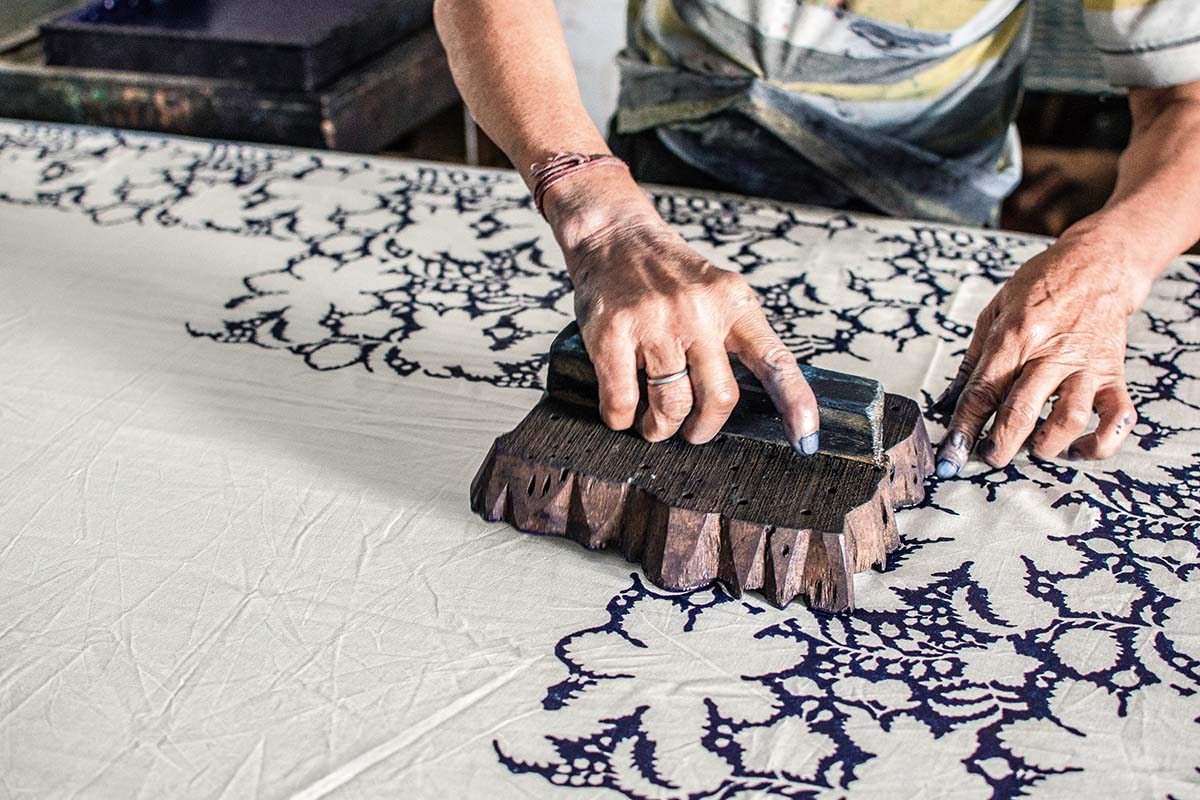
India has long embraced a similar relationship between beauty and utility. Hand-block printed textiles become family heirlooms. Brass vessels are polished and used for generations. Handwoven baskets, terracotta cookware, and carved wooden furniture often blur the line between practical object and work of art.
It’s a refreshing contrast to today’s culture of highly industrialized, disposable design. These aren’t things to replace every season. They’re things to live with for years to come.
A world stitched, carved, fired, and forged
The visual parallels between Japan and India are endlessly fascinating.
Both countries boast extraordinary ceramic traditions, though their aesthetics differ dramatically. Japanese pottery often celebrates asymmetry, muted glazes, and the subtle elegance of imperfection, while Indian ceramics burst with color, intricate motifs, and regional diversity.
Textiles tell equally compelling stories. Japan’s indigo-dyed fabrics, known as aizome, and India’s centuries-old indigo traditions arrived at similar rich blue hues through remarkably different cultural journeys. Likewise, Japanese sashiko stitching and India’s kantha embroidery both transform simple cloth into something enduring through the meditative repetition of needle and thread.
Woodworking, metalwork, paper-making, bamboo weaving, lacquerware, natural dyes…the list seems almost endless.
FUN FACT
Before synthetic dyes transformed global textile production, both Japan and India were internationally renowned for their mastery of natural indigo, one of history’s most prized pigments. Long before “slow fashion” entered the lexicon, these traditions were already coloring the world sustainably.
The luxury of the human touch
Ironically, the more automated our world becomes, the more valuable and sought-after handmade objects seem to feel.
Luxury consumers increasingly seek provenance as much as product. Designers collaborate with traditional artisans. Boutique hotels proudly furnish spaces with locally crafted ceramics and woven textiles. Even major fashion houses have renewed interest in heritage embroidery, weaving, and natural dyeing techniques.
That’s hardly surprising. Handcrafted objects carry something machines still struggle to replicate: tiny irregularities that quietly reveal the presence of another human being.
INSIDER TIP
Whether you’re shopping in Kyoto, Kanazawa, Jaipur, or Kochi, ask about the maker, not just the object. The story behind a handcrafted piece often becomes as meaningful as the piece itself, and many workshops happily explain the traditions behind their craft.
Increasingly, buying handmade isn’t simply a design choice. It’s also an investment in cultural continuity.The next time you’re choosing between a mass-produced souvenir and something crafted by hand, pause for a moment. You’re not simply buying an object. You’re supporting skills refined over generations, sustaining local economies, and helping ensure that these traditions continue into the future.
Crafting the future by honoring the past
For business leaders, creatives, and entrepreneurs, there may be an unexpected lesson hidden within these centuries-old traditions.
The shokunin and the karigar remind us that innovation doesn’t always mean abandoning the past. Sometimes it means refining it, protecting it, and finding new ways for old knowledge to remain relevant.
Today’s most successful artisan brands often blend heritage with contemporary design, creating products that appeal to global audiences without losing their cultural identity. It’s proof that tradition and innovation aren’t rivals. They’re collaborators.
In both Japan and India, craftsmanship has never been solely about making beautiful things. It’s about preserving memory, honoring community, and believing that the time invested in doing something well is never time wasted.