
I first came across Ryo Katayama through a friend living in Bangkok who shared one of his Instagram videos documenting his quest to try Japanese restaurants across the Thai capital. The premise was simple yet compelling: a young Japanese creator offering honest, first-hand reviews of Japanese food in Bangkok while exploring the city he now calls home.
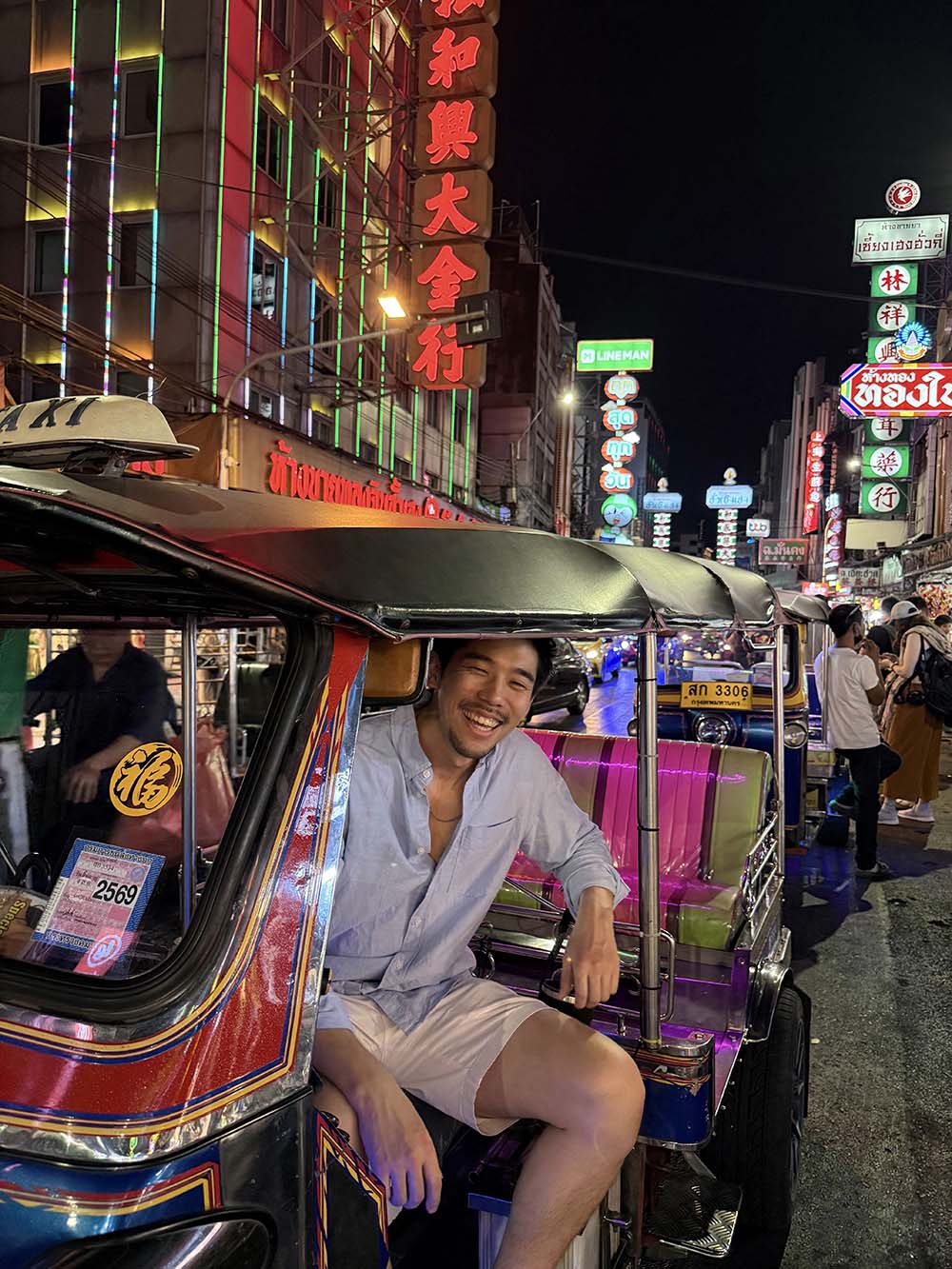
The series, published under the handle @riomushroom and quickly gaining a loyal following, taps into something more meaningful than restaurant recommendations. Through food, travel, wellness, and everyday experiences, Katayama offers audiences from both Japan and Thailand a fresh perspective on the cultures they know best.
Before settling in Bangkok, Katayama spent seven years living in New York and another three years embracing a digital nomad lifestyle, moving between countries and cultures. After years of exploration, he found himself drawn to Thailand not only because of its affordability and vibrant food scene, but because of something much deeper.
“One of the biggest reasons is the sense of freedom,” he explains. “In Japan, people often grow up with strong expectations from society, family, and their peers. While that has helped create one of the world’s most disciplined and hardworking cultures, it can sometimes come at the expense of personal flexibility and individual choice.”
Thailand offered a different rhythm.
“In Thailand, I find people are generally more relaxed and able to live life on their own terms. That balance between opportunity and personal freedom is something I value deeply.”
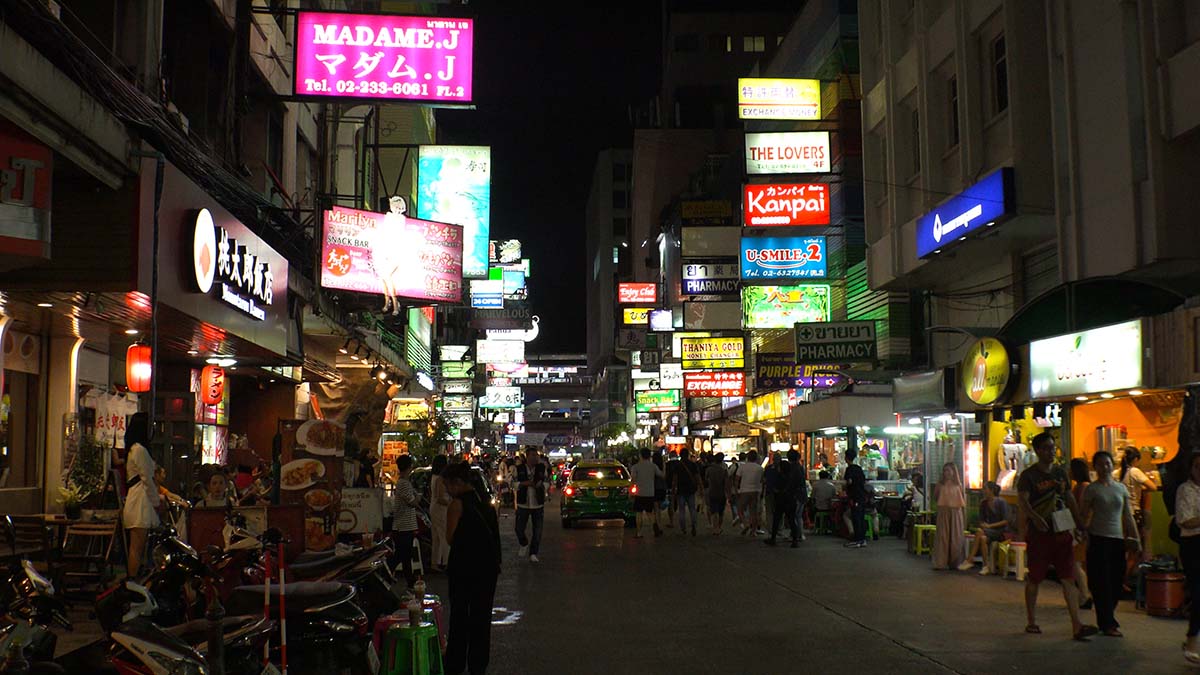
It is a sentiment that will resonate with many of the Japanese professionals, entrepreneurs, and retirees who have chosen Thailand over the decades. Today, Bangkok is home to one of the largest Japanese communities outside Japan, supported by Japanese schools, clinics, supermarkets, restaurants, and businesses.
Yet what continues to surprise Katayama is not simply the size of the Japanese presence, but the enthusiasm with which Thai people have embraced Japanese culture.
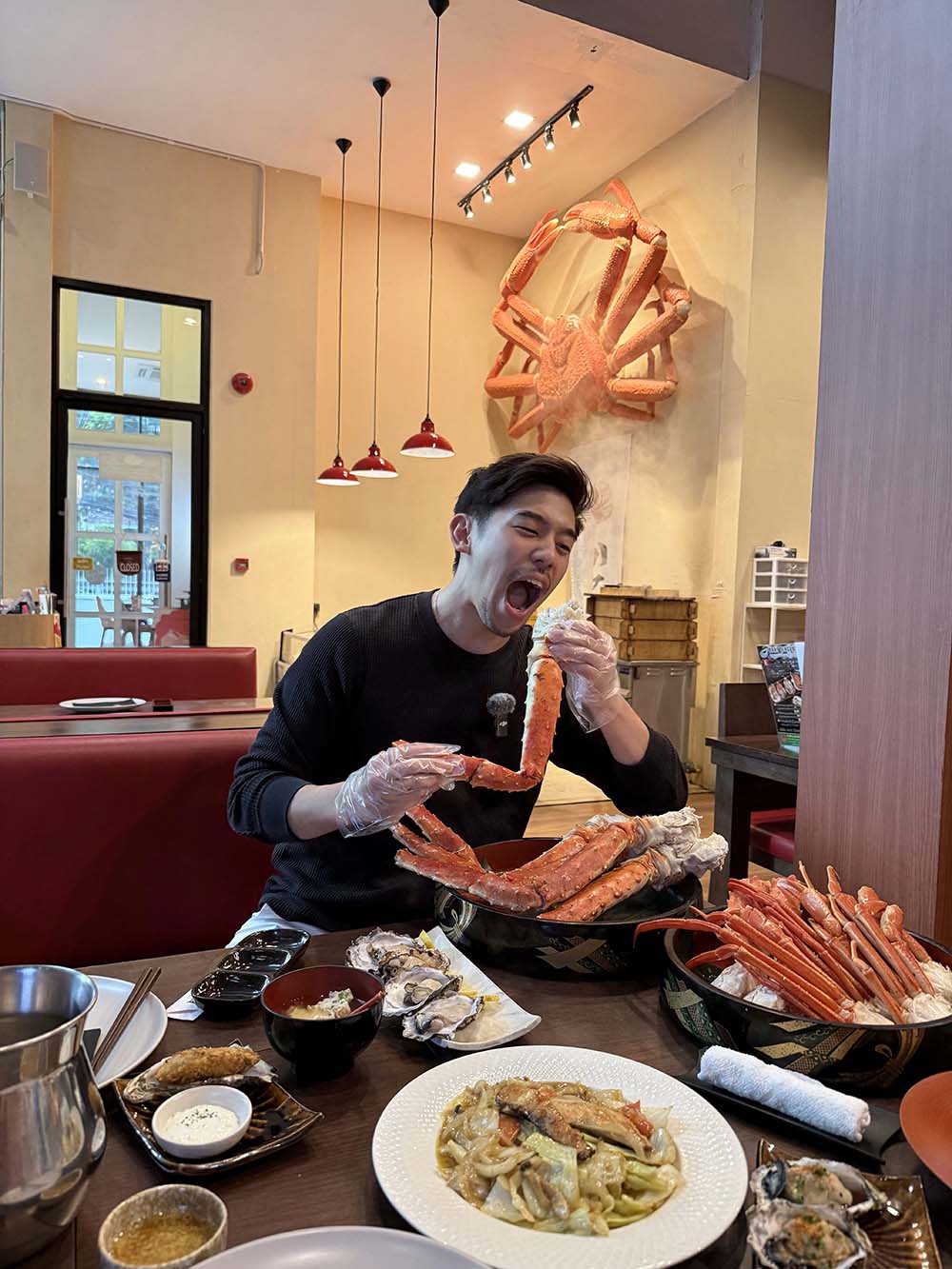
“When I first moved to Bangkok, I was amazed by how many Japanese restaurants there were and how high the quality was,” he recalls. “I also noticed how genuinely enthusiastic Thai people are about Japanese cuisine.”
That observation became the foundation of his content.
What began as reviews of Japanese restaurants from a Japanese perspective has evolved into a broader exploration of Bangkok itself. His feed now highlights cafés, wellness destinations, hidden neighbourhoods, travel escapes, and local experiences that appeal to both visitors and residents.
The popularity of his ongoing series documenting Japanese food in Bangkok stems largely from its authenticity. Rather than chasing viral trends, Katayama focuses on honest, balanced reviews. His audience initially consisted largely of Thai viewers curious to hear the perspective of someone who grew up in Japan, but it has since expanded to include tourists, expatriates, and fellow Japanese residents.
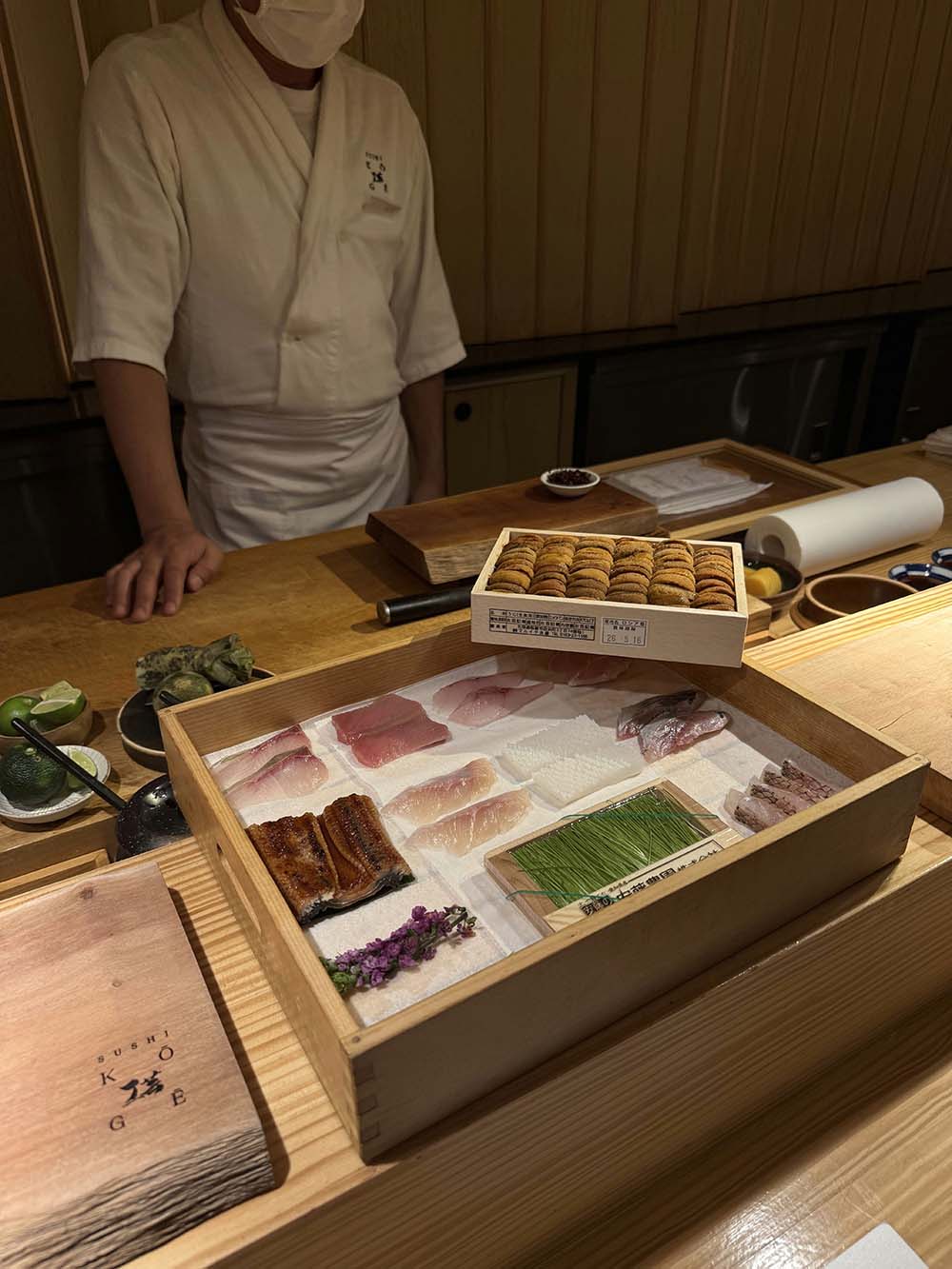
One video in particular generated significant discussion when Katayama suggested that a popular sushi chain’s Thai branch felt more premium than its Japanese counterpart.
“Many Thai viewers enjoyed hearing that perspective from a Japanese person,” he says. “I think that’s one of the reasons the series resonates. It’s not about saying one country is better than another. It’s about sharing genuine experiences.”
One experience Katayama consistently recommends is visiting an onsen.
“Bangkok has several excellent options, including Let’s Relax Onsen, Yunomori, and Totonoi Sauna & Onsen,” he says. “They are certainly on the premium side, but I believe they are worth experiencing.”
As a Japanese person, Katayama initially struggled with the idea of paying premium prices for bathhouses that lacked natural hot spring water. That changed after a visit to the Let’s Relax Onsen branch in Sathorn.
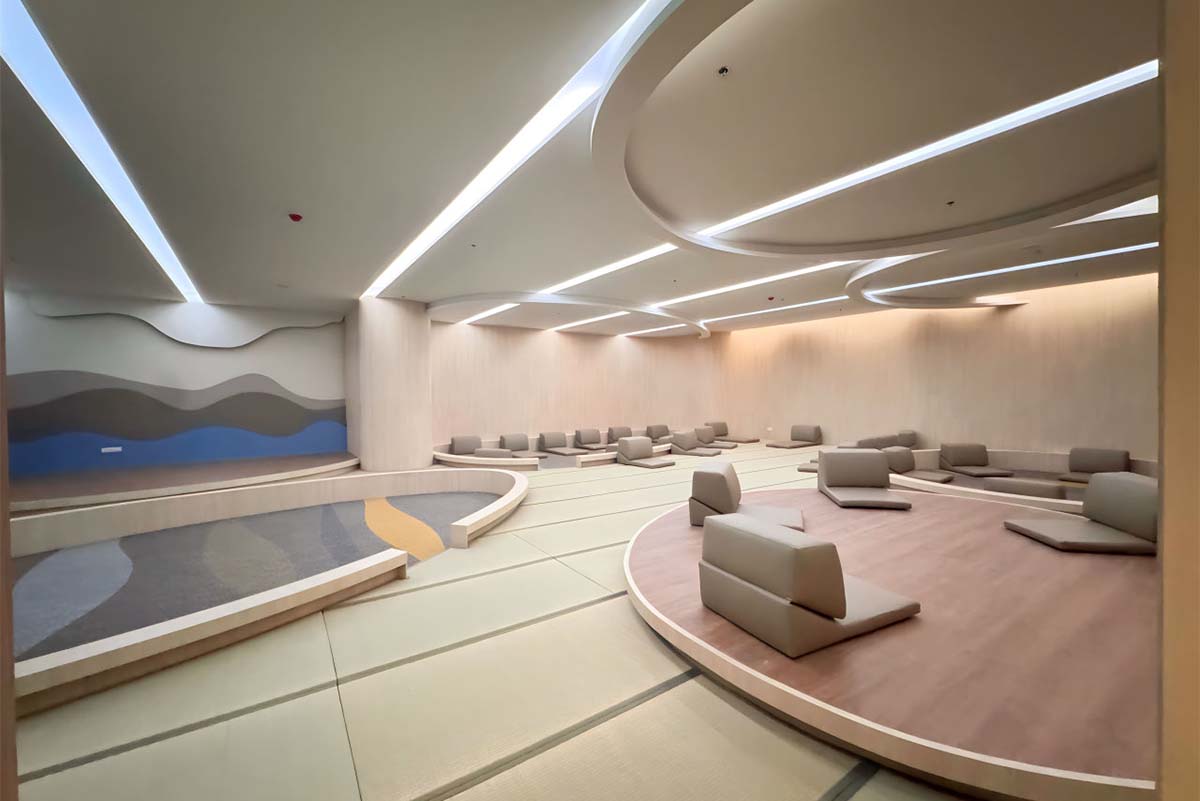
“I was genuinely surprised by the level of quality and hospitality,” he says. “Even something as simple as offering an ice-cold towel during the sauna to help guests cool down and make the experience more comfortable demonstrated an impressive attention to detail.”
For him, Bangkok’s onsens represent something larger: Thailand’s ability to adapt and reinterpret Japanese traditions in ways that feel authentic while remaining distinctly Thai.
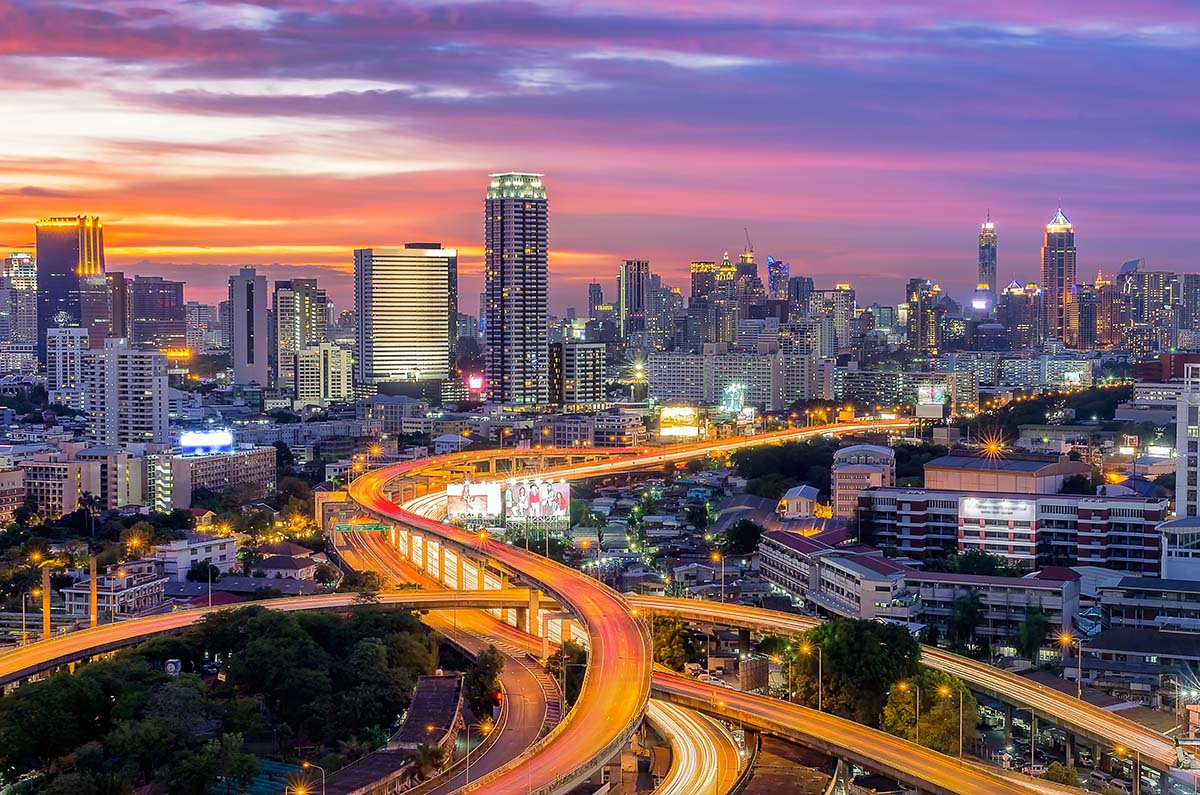
Beyond the city itself, Katayama is equally enthusiastic about encouraging visitors to discover more of the country.
“One of the best things about living in Bangkok is how easy it is to escape the city for a quick getaway,” he explains. “If you have a car, there are countless destinations within just a few hours’ drive.”
His recommendations include Hua Hin for a relaxing beach retreat, Bangsaen for its laid-back seaside atmosphere, Koh Samet for crystal-clear waters and island charm, and Khao Yai for nature, wineries, and cooler weather.
“In Thailand, I find people are generally more relaxed and able to live life on their own terms. That balance between opportunity and personal freedom is something I value deeply.”
Ryo Katayama
“Each offers a completely different experience and makes for an ideal weekend escape,” he says.
Perhaps the most memorable part of our conversation had nothing to do with food or travel, but the story behind his Instagram handle, @riomushroom. As a child, Katayama’s grandmother would cut his hair into what he jokingly describes as a mushroom-shaped style, earning him the nickname “mushroom” from classmates—something he once found embarrassing. Rather than shy away from it, however, he eventually embraced the nickname and made it part of his online identity.
“Using ‘mushroom’ in my Instagram handle became a way of owning something that once made me feel insecure,” he says. “It reminds me to be comfortable with who I am and not let other people define me.”
In many ways, that story mirrors his broader journey. What began as an exploration of Japanese food in Bangkok has evolved into a platform celebrating identity, curiosity, and cultural connection. Through each restaurant review, travel recommendation, and lifestyle post, Katayama offers something increasingly valuable in today’s interconnected world: an authentic perspective grounded in openness and respect.
As Thailand and Japan prepare to celebrate the 140th anniversary of diplomatic relations, voices like Katayama’s serve as a reminder that meaningful connections are often built not through grand gestures but through everyday experiences—sharing a meal, discovering a neighbourhood, or seeing a familiar culture through someone else’s eyes.
Sometimes the most effective cultural ambassadors are simply people willing to tell honest stories about the places they call home.