

Mr. Shinji Hirai, President Director of JETRO Jakarta speaks with Bridges about JETRO Jakarta’s role as a business partner, opportunities in Indonesia and the future of Japan–Indonesia economic ties founded on collaboration and sustainability.
Bridges: How has JETRO’s role changed over the years in supporting Japanese-Indonesian business and economic relations?

Hirai: Indonesia has long been one of Asia’s fastest-growing major economies, with growth averaging around 5% over the past decade, making it one of the most attractive markets in Asia. Japanese companies have long regarded Indonesia not only as a manufacturing base, but also as a promising domestic market with significant long-term growth potential.
Traditionally, JETRO’s main role has been to support Japanese manufacturing companies entering and expanding in Indonesia. This role remains important today, as Indonesia continues to be a major destination for Japanese manufacturing investment, particularly in the automotive sector, while new opportunities are also emerging in resource-based industries, chemicals and other value-added manufacturing activities.
At the same time, the needs of Japanese companies are becoming increasingly diverse. In recent years, more non-manufacturing companies are entering the market, creating greater demand for information on Indonesia’s business environment, regulatory developments and market opportunities. As a result, JETRO’s role has evolved from a facilitator of market entry to a broader partner supporting business development and strategic decision-making.
Another important change is the growing emphasis on collaboration between Japanese and Indonesian companies. Competition has become more intense, and many Japanese companies are seeking new business opportunities through partnerships with local companies. Indonesian companies are increasingly interested in Japanese technologies, operational know-how and management expertise, particularly in areas related to sustainability and decarbonization.
“JETRO’s fundamental mission will remain unchanged: to promote and strengthen economic and business relations between Japan and Indonesia.”
Shinji Hirai, President Director of JETRO Jakarta

As Indonesia advances its efforts to achieve both sustainability and value-added industrial development, Japan’s Green Transformation (GX) technologies are expected to contribute not only to carbon neutrality, but also to the country’s downstream industrialization strategy. Many Japanese companies are developing solutions that utilize locally available resources in a sustainable manner while creating higher added value within Indonesia. Such approaches align closely with Indonesia’s efforts to strengthen domestic industries, create jobs and increase value-added exports.
JETRO actively promotes partnerships between Japanese and Indonesian companies in areas such as decarbonization, circular economy and resource-based industries, where environmental sustainability and industrial development can advance together.
What are JETRO’s key activities and priorities in Indonesia today?
One of JETRO’s most important activities is conducting surveys and research on the business environment for Japanese-affiliated companies in Indonesia. These studies provide valuable insights into investment trends, business confidence, regulatory issues and opportunities in the Indonesian market.
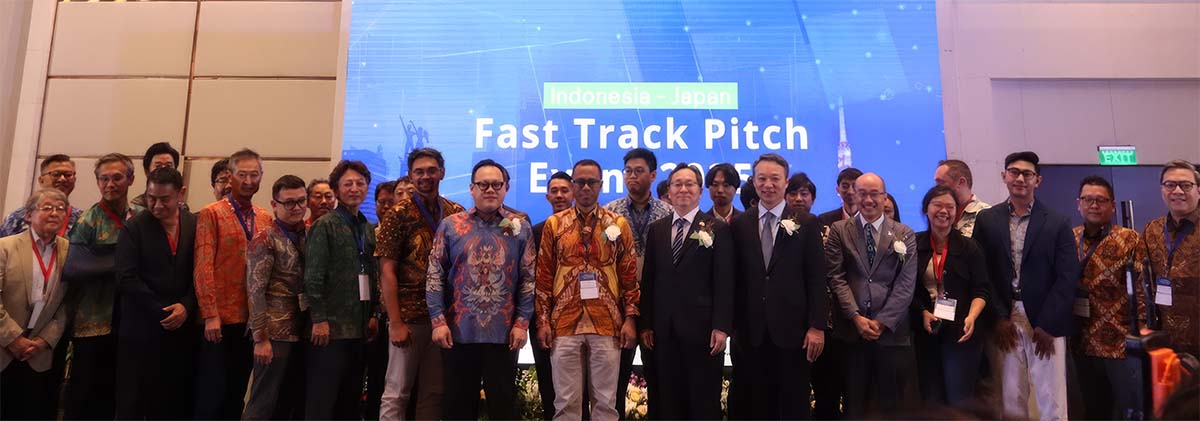
Another key priority is promoting business collaboration between Japanese and Indonesian companies. In recent years, we have placed particular emphasis on fostering innovation partnerships through startups. Programs such as the Fast Track Pitch program enable Japanese startups to connect with Indonesian companies, investors, creating new opportunities for business and technological collaboration.
JETRO is also strengthening its support for Indonesian companies interested in investing in Japan or entering the Japan’s market. As economic ties deepen, we see growing potential for two-way investment, technology partnerships and business exchange. Supporting these expanding connections between the two countries is an important part of our mission.
In addition, JETRO actively supports cooperation in strategic sectors such as healthcare, digital technology, renewable energy, manufacturing and sustainability, which are becoming increasingly important for both countries’ economic development.
What are the biggest opportunities for Japanese companies in Indonesia today, and what challenges do they face?
According to JETRO’s latest survey of Japanese-affiliated companies in Indonesia, the country’s greatest strengths continue to be its large domestic market, competitive labor costs and favorable labor availability.
The most frequently cited advantage was the size of the market and its future growth potential, identified by 74.6% of respondents. In this regard, Indonesia ranked second only to India among major Asian markets. Competitive labor costs were cited by 45.7%, while 34.8% highlighted the relative ease of securing workers.
These factors make Indonesia an attractive destination not only for manufacturing investment but also for consumer-oriented businesses, digital services and various emerging industries.
At the same time, companies face several challenges. While concerns about social and political stability topped the latest survey at 70.9%, this likely reflected heightened attention to domestic developments at the time the survey was conducted. More structurally, companies continue to point to unpredictable policy implementation (68.2%) and complex tax regulations and administrative procedures (64.1%) as key business challenges.
Despite these challenges, many Japanese companies continue to view Indonesia as one of the most promising markets in Asia. Its large population, sustained economic growth and ongoing industrial development create significant opportunities for long-term investment and business expansion.
For companies that successfully adapt to local conditions and build strong partnerships with Indonesian stakeholders, the opportunities remain considerable.
What recent events, forums, or initiatives has JETRO been involved in?
JETRO has recently been involved in a number of initiatives aimed at strengthening business and investment ties between Japan and Indonesia.
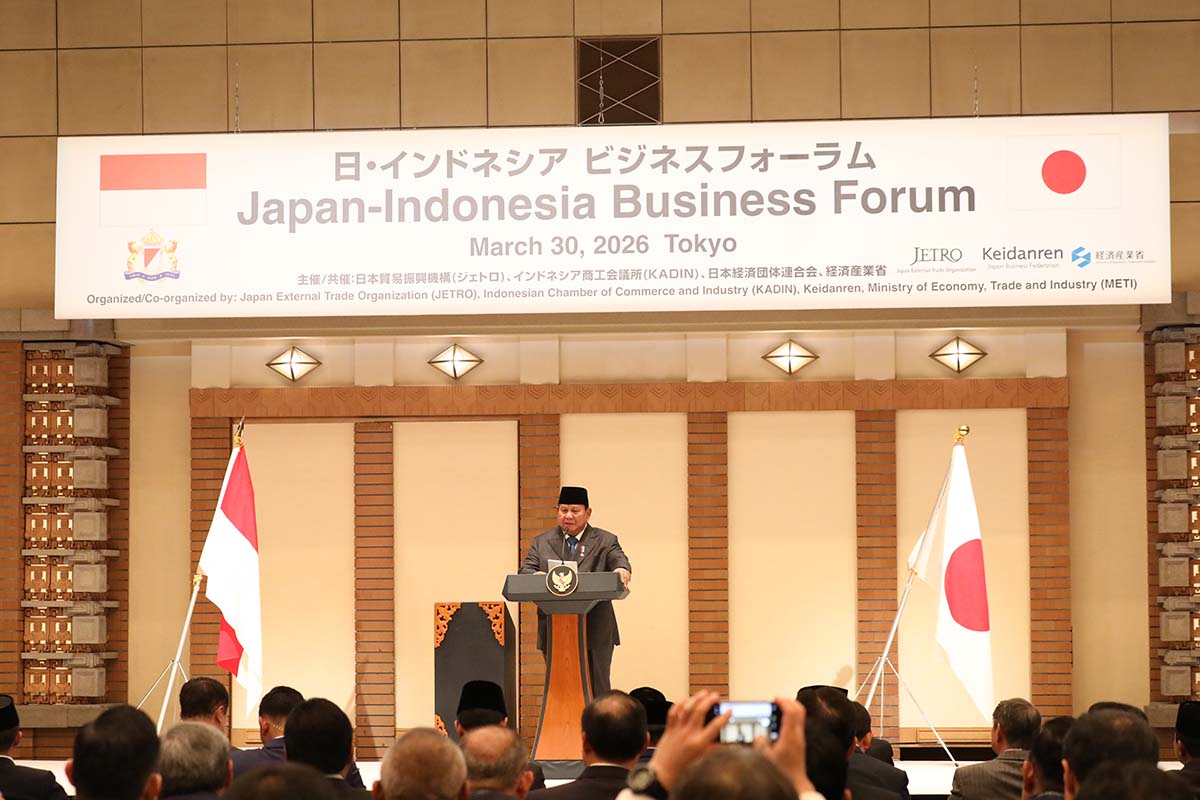
In March, JETRO, together with KADIN Indonesia, organized a business forum in Japan during the visit of President Prabowo Subianto. The event brought together business leaders from both countries to explore new opportunities for investment, industrial cooperation and economic partnerships.
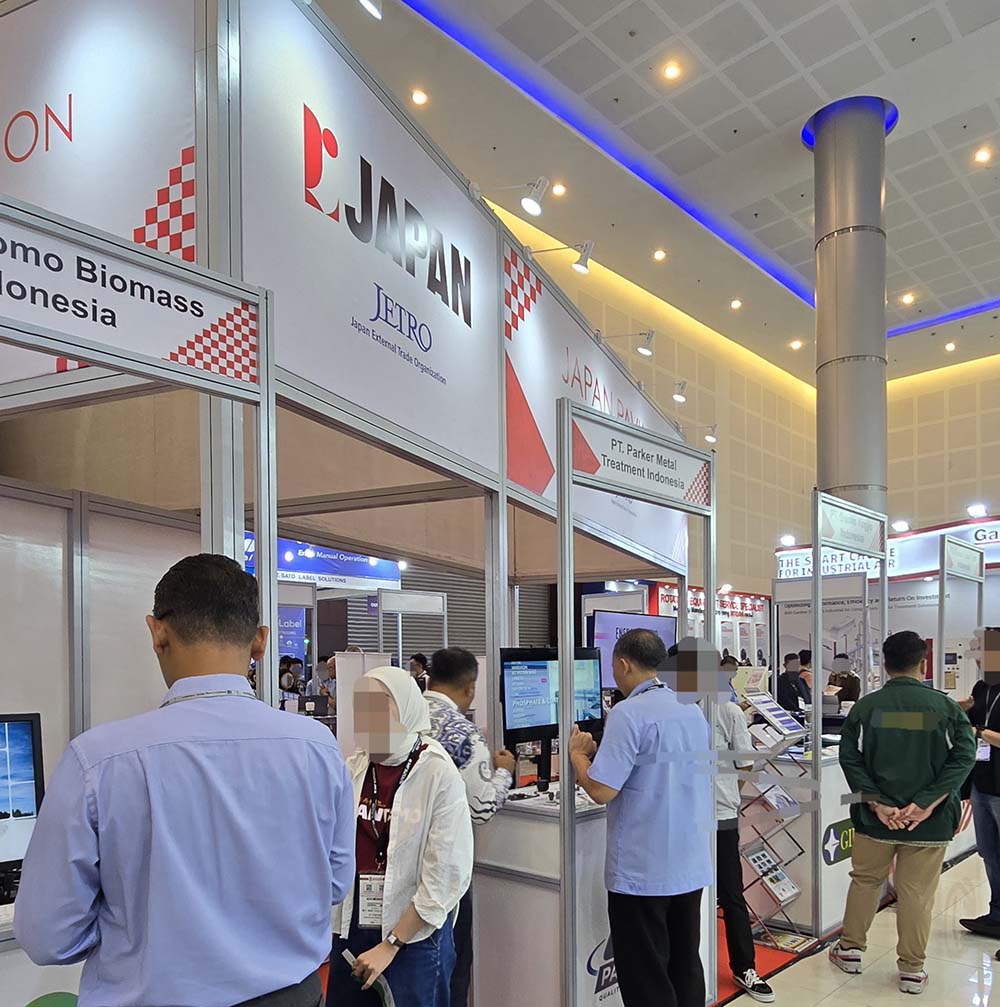
JETRO has also actively participated in major industrial exhibitions, including Manufacturing Surabaya, and plans to participate in Manufacturing Indonesia. These platforms provide valuable opportunities to promote industrial cooperation, introduce Japanese technologies and support Indonesia’s manufacturing sector development.
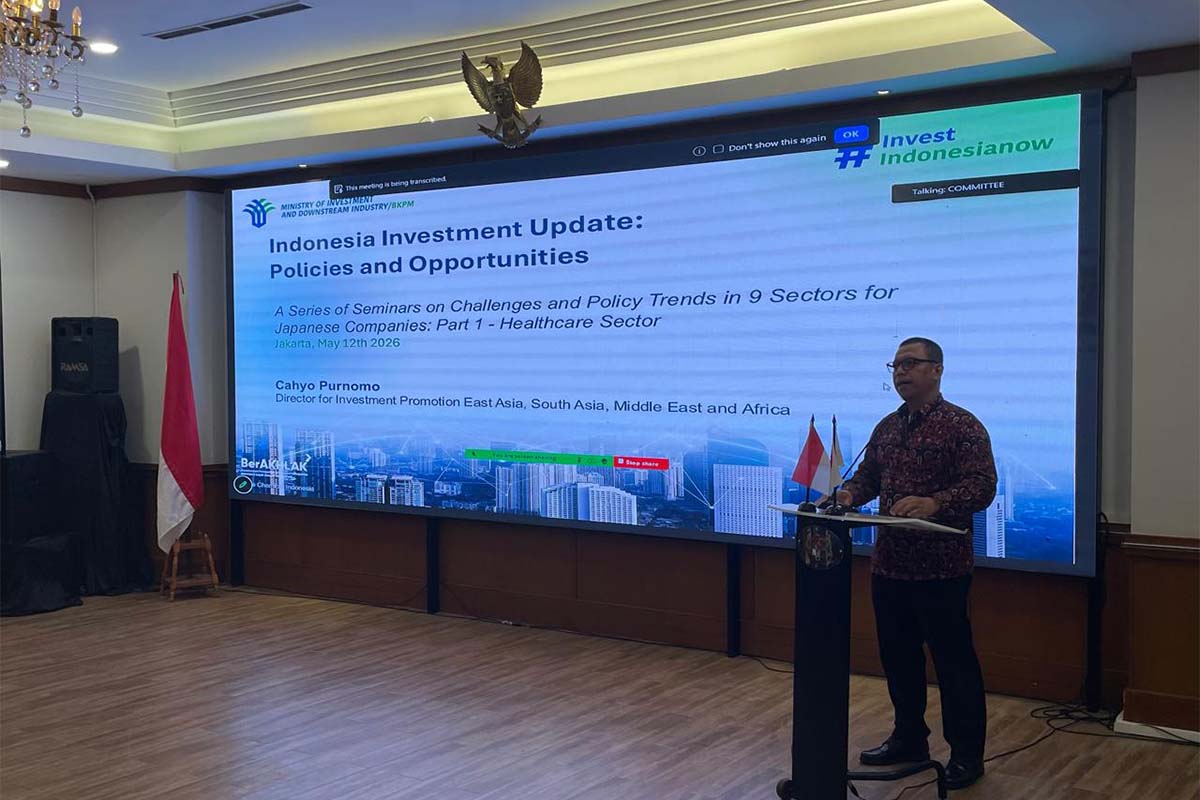
In cooperation with BKPM (Ministry of Investment and Downstream Industry), JETRO has organized investment seminars highlighting opportunities in priority sectors for foreign direct investment. Particular attention has been given to healthcare, information technology and renewable energy, which are among the sectors expected to contribute significantly to Indonesia’s future growth.
Through these activities, JETRO seeks to connect companies, share knowledge and facilitate practical business cooperation that contributes to the economic development of both countries.
Looking ahead, what do you see as JETRO’s future role in Indonesia?
JETRO’s fundamental mission will remain unchanged: to promote and strengthen economic and business relations between Japan and Indonesia.
For decades, Japanese companies in Indonesia have contributed to the country’s development through investment, technology transfer, job creation and human resource development. These contributions will remain important as Indonesia pursues its ambitious vision of becoming a developed nation under the 2045 Golden Indonesia Vision.
Looking ahead, we see significant opportunities for deeper cooperation in strategic growth sectors. The Japanese government has recently identified 17 priority sectors under its new growth strategy, many of which overlap with sectors prioritized by the Indonesian government, including digital technology, healthcare, sustainability, advanced manufacturing, food systems and mobility.
“As Japan and Indonesia look toward the future, JETRO will continue to serve as a bridge, transforming long-standing trust into new opportunities for innovation, sustainability and shared prosperity.”
Indonesia’s large market, strong growth potential and abundant talent provide a strong foundation for deeper cooperation between Japanese and Indonesian companies. As Indonesia advances toward its 2045 Golden Indonesia Vision, we believe the next stage of Japan–Indonesia cooperation will be defined not only by investment, but by the joint creation of new industries, technologies and solutions that benefit both countries.
JETRO is committed to supporting this next stage in the partnership by connecting businesses, sharing expertise and fostering mutually beneficial opportunities. We believe that closer collaboration between Japanese and Indonesian companies will contribute not only to economic growth in both countries, but also to addressing common challenges and creating new value for the region.
As Japan and Indonesia look toward the future, JETRO will continue to serve as a bridge, transforming long-standing trust into new opportunities for innovation, sustainability and shared prosperity.
Note: Refers to adding value across the supply chain, including downstream processes.
Jl. Jend Sudirman Kav 61-62 Jakarta 12190