

Portugal and Japan’s centuries of exchange have acquired a practical vocabulary of factory production, material innovation and cultural discovery. Toyota vehicles assembled in Ovar and Japanese books translated for Portuguese readers demonstrate how deeply that exchange has entered economic and everyday life. Portuguese businesses are also pursuing applications for plantable cement in Japanese cities and cooperation in space.
The commercial influence runs in both directions. Japanese customers have pushed Sugal Group to improve products for markets worldwide, and Japan gave Burel Factory its first major international audience. Established relationships offer evidence of what patient cooperation can achieve, as newer ventures test where their products and ideas can make a difference.
The business of staying the course
Salvador Caetano marks its 80th anniversary in 2026, with its Toyota partnership dating to 1968. Toyota Caetano Portugal, chaired by José Reis da Silva Ramos, imports and distributes Toyota vehicles and assembles vehicles in Ovar. The relationship has given Japanese automotive manufacturing a Portuguese production base and a durable presence in the domestic market.
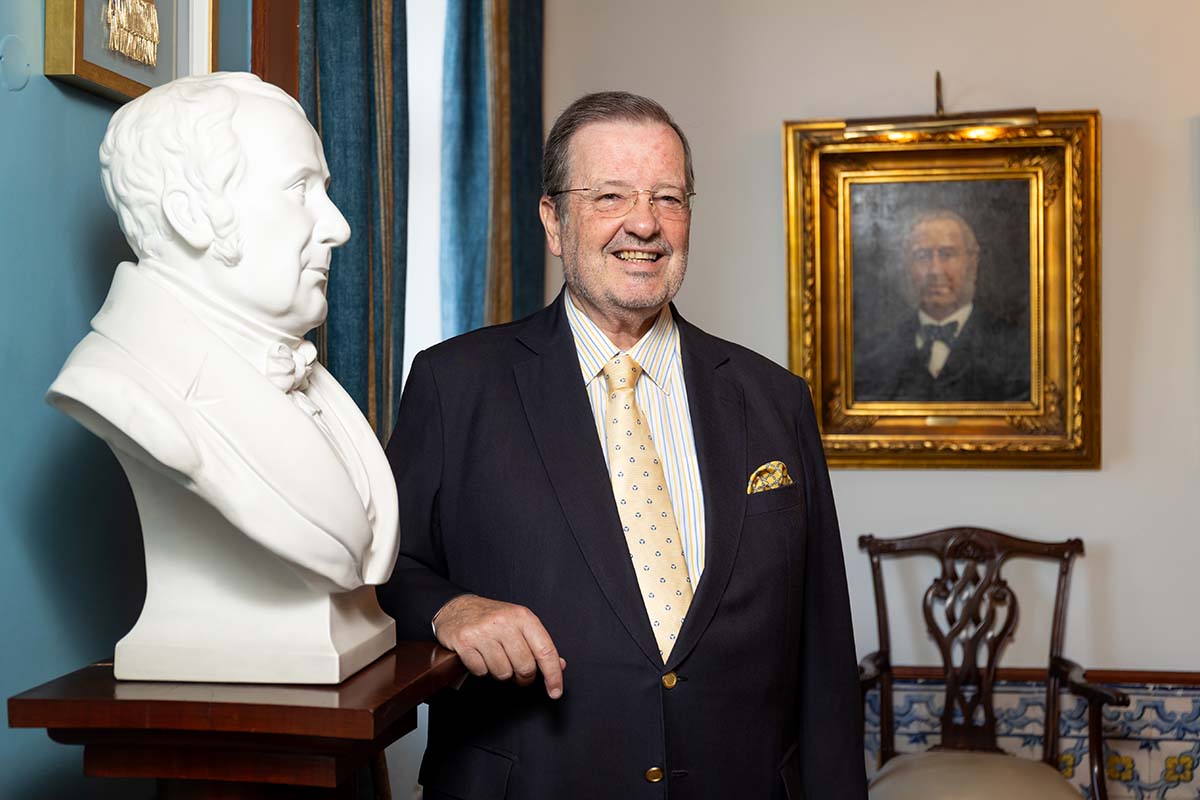
Grupo Pinto Basto’s relationship with NYK stretches back more than 125 years. Its president, Bruno Bobone, attributes the group’s ability to sustain such relationships to the people behind the business.
“What has enabled us to remain relevant has always been our people. We strongly believe that the company is its people, so we take care of our people, and our people take care of the company,” Bobone said.
“We try to create wealth and distribute it among those connected with us. That is our main objective.”
Continuity, he said, takes precedence over the pursuit of size.
“Our objective is to carry on. It is not to become rich, the best or the biggest. We want to carry on with our people, our principles and our values.”
“Japan has been one of the most interesting partners we have had throughout our history. We have had a relationship with NYK for more than 125 years.”
“We work with many Japanese companies, and we try to work with as many as possible because we truly believe in the continuity of this relationship.”
Bobone sees common principles as essential to choosing partners and sustaining those relationships.
“We give strong importance to good partnerships with people who share our values and principles. Japanese partners are among the most important partners for us.”
“Sustainability cannot simply be a trend. Either you believe in it or you will not achieve the results of that investment. That is why the Japanese are so important. Sustainability has been part of their culture for hundreds of years.”
Industrial scale and greener ground
Alentejo is making its case to Japanese investors through industrial infrastructure, competitive operating costs and the living conditions needed to attract employees. Daniel Janeiro, head of external relations and strategic projects at Agência de Desenvolvimento Regional do Alentejo (ADRAL), identifies Sines as a particular draw.
“We believe that Sines’ industrial and logistics zone has emerged as the premier strategic gateway for Japanese technology and clean energy investments in Europe,” Janeiro said.
“I think we successfully demonstrated to Japanese investors that Alentejo offers a stable, integrated and supportive ecosystem for long-term investment.”
“We offer a unique combination of scale, infrastructure, sustainability and quality of life that makes us competitive for long-term investment.”
The region’s presence at Expo 2025 gave that proposition a direct audience in Japan.
“We encountered an extraordinary level of interest and a very enthusiastic reception. We stood out as the only Portuguese region to present itself as a distinct regional entity at Expo 2025.”
“We provide high safety standards and excellent living standards. One advantage of being rural and sparsely populated is that we have very competitive operating costs. We enable companies to attract and retain highly qualified international and local talent.”
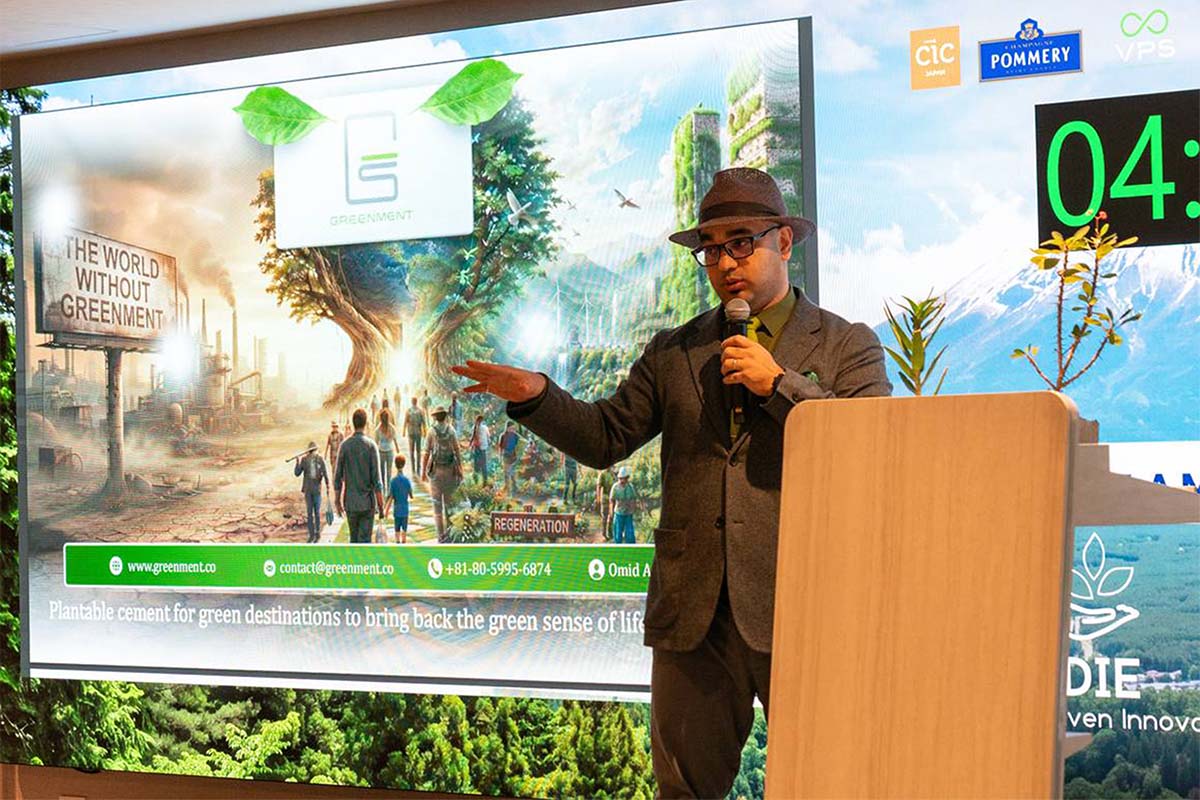
Greenment approached Japan with a different proposition: cement through which vegetation can grow. Co-founder Omid Asgari recounted how a mission in 2025 prompted discussions about potential uses in dense urban neighborhoods and industrial projects.
“Greenment was one of six Portuguese startups selected for Startup Portugal’s ‘Expand to Japan’ mission in June 2025 — four days across Tokyo, Nagoya and Osaka that reshaped how we see the market.
“We began at Urban Lab and CIC Tokyo, pitching to corporate VCs and meeting ecosystem leaders at the Tokyo Venture Capital Hub. What struck us was the combination of precision, patience and a genuine partnership mindset. Our plantable cement — a Portuguese material that allows vegetation to grow directly through paved surfaces — prompted immediate, practical conversations about greening rooftops in Shinjuku and pedestrian corridors in Marunouchi.
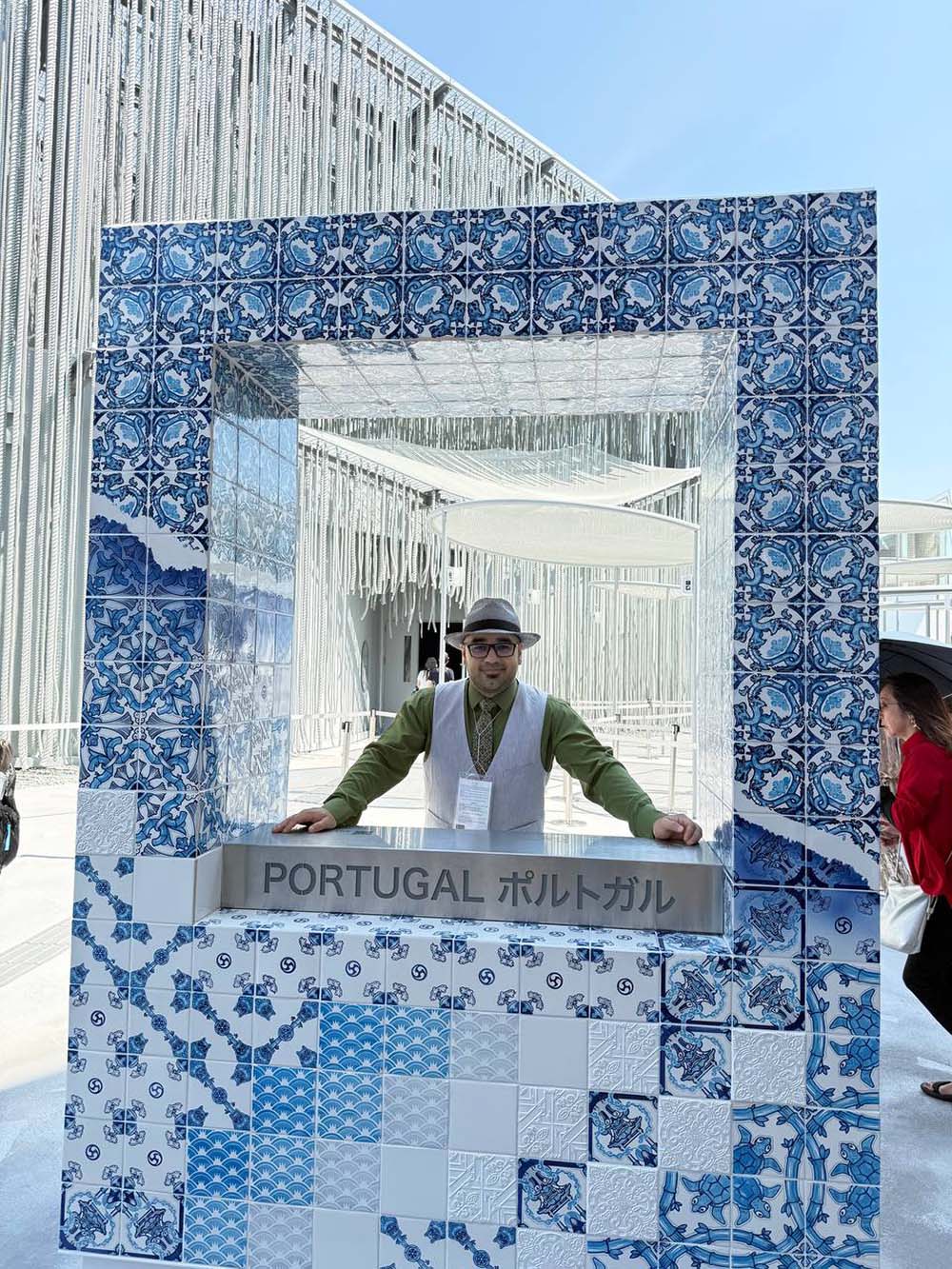
“In Nagoya, Station AI placed us among automotive giants and smart-factory pioneers, and a networking event co-hosted by Aichi Prefecture opened discussions about integrating living infrastructure into next-generation industrial projects. We closed at Expo 2025 Osaka, pitching at the Portugal Pavilion’s Startup Day alongside fellow Portuguese innovators.
“Japan’s density makes urban greening urgent; its engineering culture makes it achievable. Portugal brings the material innovation, Japan the discipline to deploy it at scale. Our ambition now is to have a lasting presence in the Japanese market.”
Epson: A Japanese heritage aiming to fulfill customers’ needs
“Epson maintains a strong presence in Spain, supporting businesses and creative professionals through printing, projection, and visual solutions. The Spanish market is built mainly on SMEs and corporate clients, and its growing demand for sustainable technology,” said Karl Angove, vice president of Epson Europe and managing director of Epson Ibérica.
“For these reasons, Epson is a key technology partner, as it’s in Epson’s DNA to innovate continuously with sustainability and efficiency in mind. Epson’s purpose is to create efficient, compact and precise technologies that enhance people’s lives and business productivity. With a strong environmental responsibility driving long-term, mutually beneficial business relationships Epson wants to be indispensable for Spanish customers, helping them to achieve their own efficiency goals.”
Innovation gains ground and reaches for orbit
Konica Minolta Business Solutions Portugal sees the bilateral strategic partnership as a reason to invest in people as well as technology.
“Technology has the power to transform businesses, but shared values transform societies,” CEO Vasco Falcão said.
“For decades, Konica Minolta Portugal has been a bridge between Japan’s tradition of innovation and Portugal’s entrepreneurial spirit, proving that the most meaningful progress comes from collaboration across cultures. The new Strategic Partnership between our two countries is more than a diplomatic milestone, it is an invitation to innovate together, invest in people, and build solutions that create sustainable prosperity for future generations. This is the future we are proud to help shape.”
SPI Sociedade Portuguesa de Inovação has taken that interest in joint innovation to research networks and digital partnerships. Board member Sara Medina pointed to its participation in the Indo-Pacific European Hub for Digital Partnerships (INPACE) project and a workshop at Expo Osaka.
“Portugal and Japan share a longstanding relationship built on mutual respect, innovation, and a commitment to collaboration. Japan has officially become associated with Horizon Europe, opening a new chapter in EU-Japan research and innovation cooperation. SPI, an international consultancy company created in 1996 as an active centre of national and international networks connected to the research and innovation sectors. We are proud to contribute to this momentum through our participation in the Horizon Europe’s INPACE project. Our workshop, ‘Advancing Collaboration in the Digital Sector,’ held at Expo Osaka, reflected this shared ambition of bringing together stakeholders to explore digital innovation opportunities between Japan and Europe.”
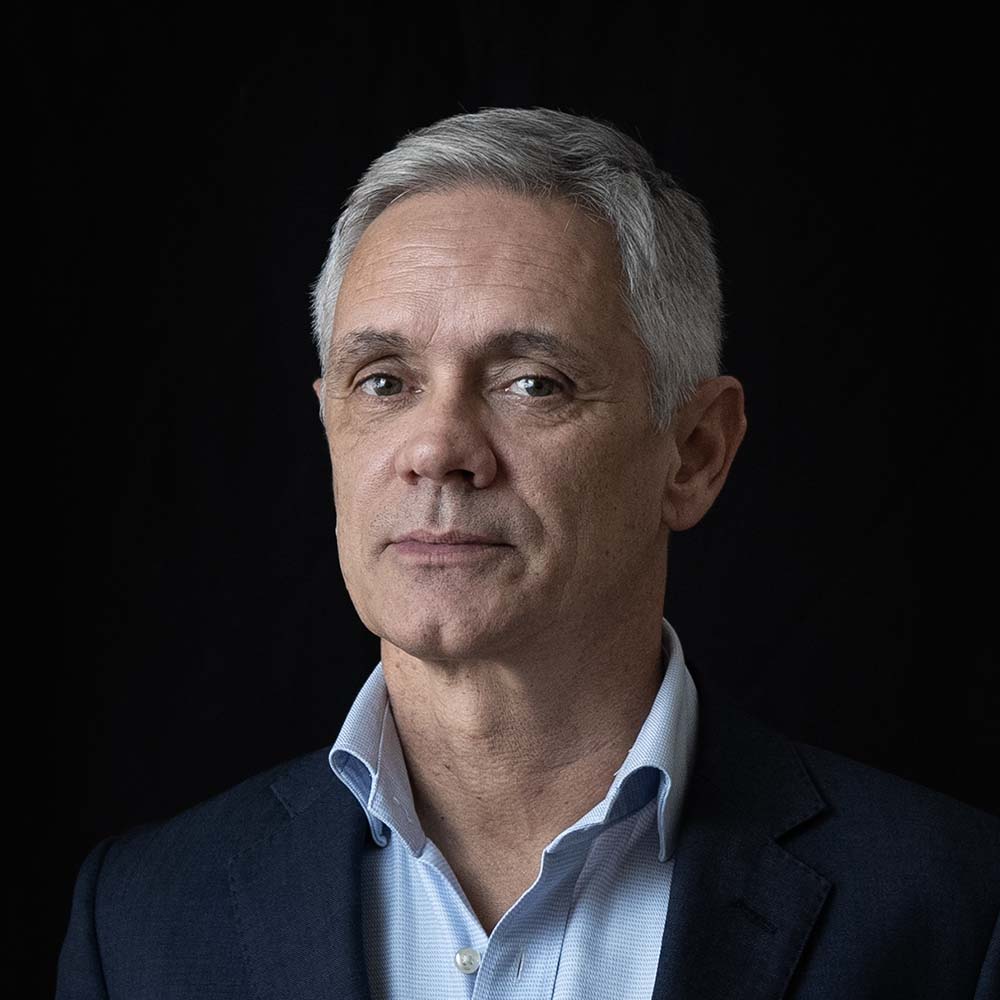
Portuguese ambitions also extend to satellites and access to space. Ricardo Conde, president of the Portuguese Space Agency, cited a partnership signed in Tokyo as one route to further cooperation.
“For almost 30 years, Portugal has been building a space ecosystem. It gained pace with ESA membership in 2000 and again with the creation of the Portuguese Space Agency in 2019. Today it moves fast and delivers: Portuguese companies integrate satellites, supply multiple components to European missions, and the Azores are preparing to offer Europe a point of access and return from space, as the continent seeks autonomy. So does Japan. Opening new markets for Portuguese companies is constant work. The partnership signed in Tokyo in July, built on the Atlantic Constellation, is one of many opportunities Portugal has to work with Japan, and we intend to take them.”
The customer that changes the company
Sugal Group’s experience shows how the demands of one export market can improve a business across its operations. CEO João Ortigão Costa credits Japanese customers with encouraging improvements that benefit the group’s markets worldwide.
“For over 30 years, Sugal Group has been proud to serve the Japanese market, drawing on both our Iberian and Chilean plants to meet growing demand, with our exports of tomato products growing steadily over time. What sets this relationship apart is the demanding nature of our Japanese clients — their exceptionally high standards for quality have persistently pushed us to improve our processes and products. That pursuit of excellence has not only strengthened our partnership with Japan but has raised the bar for how we serve markets worldwide. We look forward to continuing to grow together for many years to come.”
A market with an eye for craft
Japan played an early and decisive role in Burel Factory’s international development. Isabel Costa, its CEO, co-founder and co-owner, recalled years of regular visits and exhibitions that introduced the company to Japanese buyers.
“Japan has a very special place in Burel Factory’s history. In 2011, it was the market we chose to test our concept internationally, and for our first five years it became our most important market. We exhibited annually at Interior Lifestyle Tokyo from 2011 to 2019, participated regularly in JITAC, and travelled to Japan two or three times a year. Beyond business, we have always felt a deep connection with Japan’s appreciation of craftsmanship, natural materials, longevity and traditional know-how — values that remain at the heart of Burel Factory.”
CHULÉ brought Portuguese identity to Expo 2025 through socks featuring national icons. Co-founder Miguel Alemão sees a potential audience among Japanese consumers who value fashion and well-made textiles.
“Portugal is very well known for textiles, and I think we produce some of the best textiles in the world. For a country like Japan, with strong purchasing power and an appreciation for quality, it makes sense for us to expand there,” Alemão said.
“We joined the Portuguese delegation at Expo 2025 Osaka, and the reason they chose Chulé was because, in a way, we represent Portugal through socks. We brought our main collection, featuring Portuguese icons, to showcase that identity in Japan.”
“Japan is a country of high interest for us. People there are really into fashion and appreciate high-quality products, which, in the end, is what we do. Within the next five years, I would say Japan will definitely make sense for us.”

Devir gives Japanese stories a Portuguese voice
Editora Devir’s manga publishing gives Portuguese readers greater access to Japanese storytelling. Managing editor Ana Lopes attributes their growing receptiveness partly to wider interest in Japanese authors and travel.
“The popularity of manga has been growing in Portugal since 2012, but the early years were difficult, as the comic book market is small and manga was still a niche genre,” Lopes said.
Japanese publishing partners have helped Devir preserve the integrity of the original works in European Portuguese.
“We went through a lengthy process of recruiting and training competent translators who respect the work and the author’s voice,” she said.

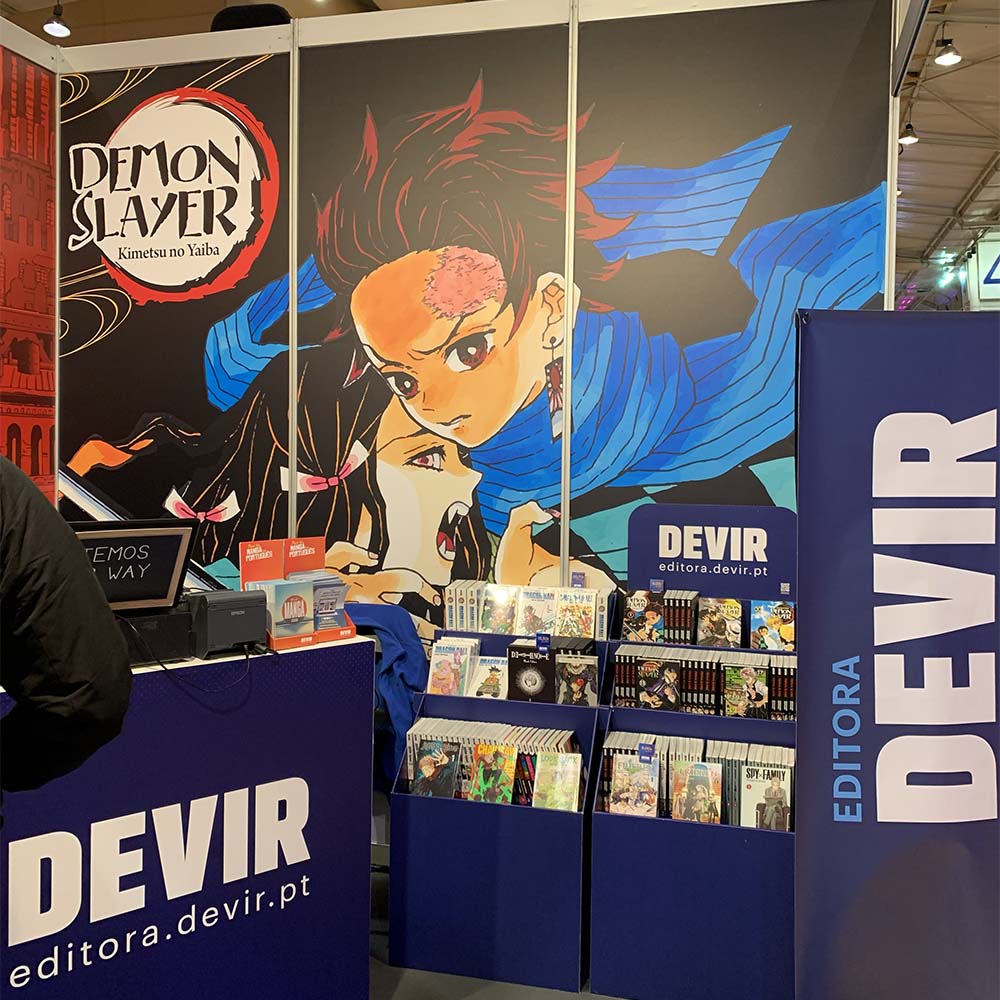
Its catalog develops around individual authors and their most relevant works, encouraging readers to discover the breadth of Japanese literature.
“We have chosen prominent authors from Japan, the vast majority of whom were unknown in Portugal, but whose books are timeless,” Lopes said.
The market’s limited size and event attendance still make author visits and major exhibitions difficult to justify financially. Even so, Lopes said Devir’s established Japanese partnerships provide the information and proposals it needs to serve Portuguese readers.
The gains that outlast a deal
The effects of these partnerships reach beyond individual sales. A demanding customer improves a producer’s processes; a publishing agreement introduces readers to unfamiliar authors; an industrial partnership sustains production across decades. Newer ventures in urban greening and space now seek their own place in that exchange. Their ambitions give a relationship with centuries of history concrete work still to do.