
Historical records dating back to 1497 show that the Raventós family was already cultivating vineyards and producing wine on the same estate in Sant Sadurní d’Anoia, just outside Barcelona. Twenty-one generations later, the family continues to farm the original 90-hectare property, making it what is widely regarded as Europe’s longest documented, continuously family-owned winegrowing estate.
In 1872, Josep Raventós i Fatjó produced Spain’s first traditional-method sparkling wine on the family estate using Xarel·lo. That is why the Raventós name is inseparable from the history of Spanish sparkling wine. His son later established the classic blend of indigenous varieties that became the foundation of Spanish sparkling wine.
Pepe Raventós, the estate’s 21st-generation winemaker, honors his family’s remarkable history by remaining firmly rooted in the vineyards and the unique terroir that have sustained them for more than five centuries. Rather than simply preserving a legacy, he sees himself as another caretaker of the land.
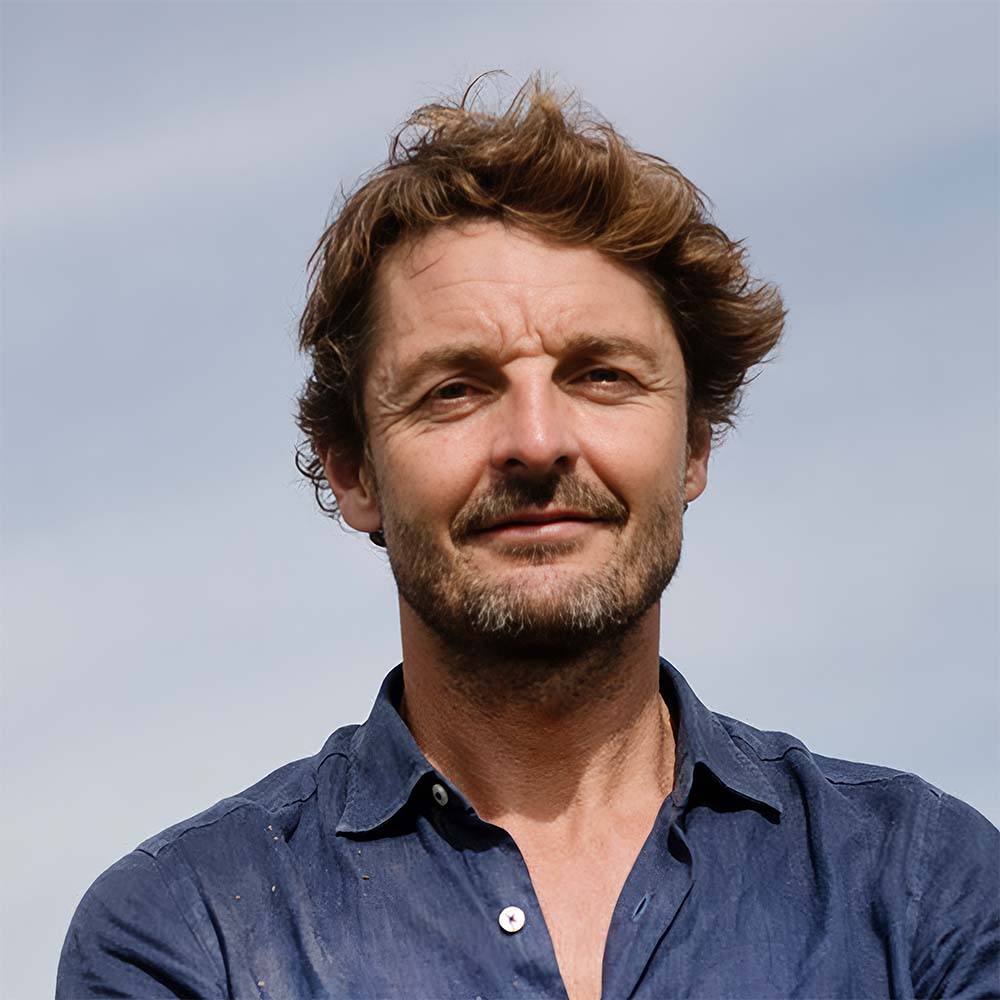
“Our dream is to protect the estate, take it to the next level and eventually pass it on to the next generation,” Raventós said.
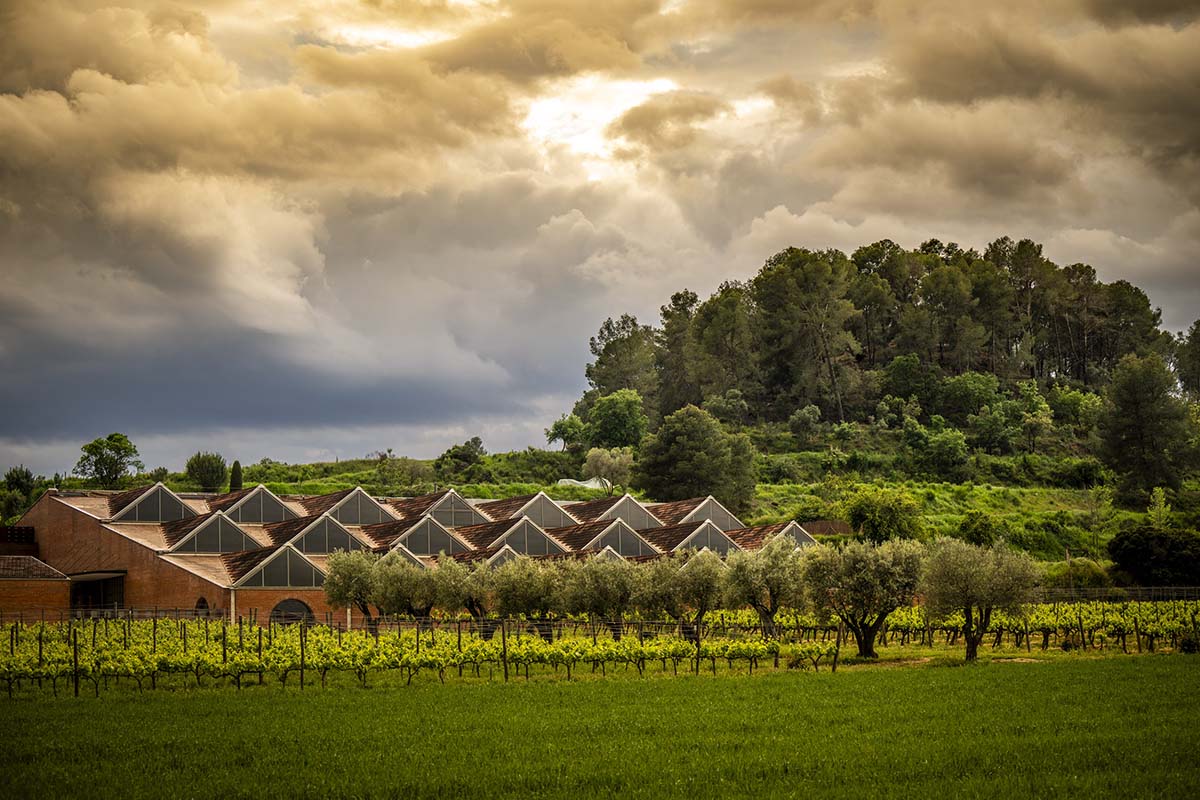
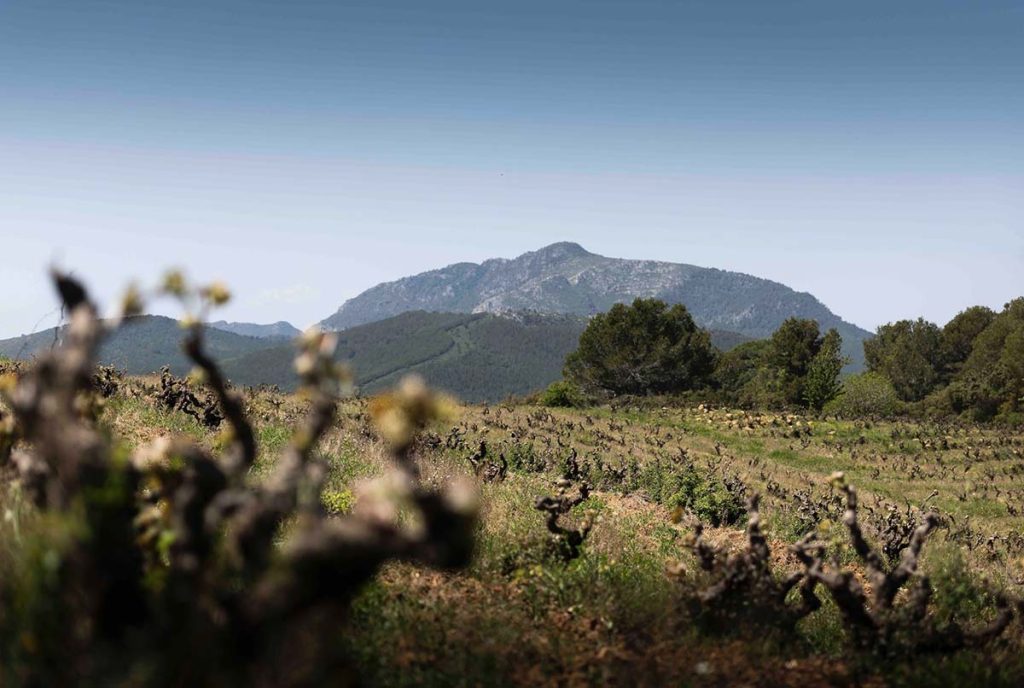
That dream begins with Conca del Riu Anoia, the small river basin that surrounds the family estate.
Formed by limestone-rich marine soils some 16 million years ago and shaped by the Anoia River, forests, streams and the Turó del Serral hill, the landscape gives Raventós i Blanc its unmistakable mineral character. For more than a decade, the family has championed international recognition of Conca del Riu Anoia as its own denomination, believing the terroir deserves to stand alongside the world’s great sparkling wine regions.
The philosophy extends well beyond geography.
Only indigenous grape varieties that have adapted to the region for more than 2,000 years are grown on the estate. Every vineyard is farmed biodynamically. Every wine is estate-grown and estate-made. Every sparkling wine is vintage and spends at least 18 months aging on its lees before release.
For Raventós, the words “terroir” and “sustainability” are not marketing terms but principles that guide every decision made on the estate.
“Our dream is to protect the estate, take it to the next level and eventually pass it on to the next generation.”
Pepe Raventós, Winemaker at Raventós i Blanc
Beyond the Family Estate
Interestingly, Raventós did not originally intend to become a winemaker. His first passion was social work, where he spent five years before joining the family business in 1999 to help his father.
“I realized that if we wanted to pursue our dream, to take the estate to the next level, protect it and eventually pass it on, I needed to learn winemaking,” Raventós said.
Enrolling in a Master Sommelier course proved to be a turning point, igniting a passion for wine that took him far beyond his family’s vineyards.
“I started tasting wines from all over the world, visiting vineyards across Europe and learning from great winemakers,” he said.
Those experiences immersed him in both the artistry and technical precision of winemaking, strengthening his conviction that great sparkling wine begins with a deep understanding of place.
“I became deeply connected to the winemaking side, the technical side of wine,” Raventós said. “Every year I feel even more connected to it. I think it’s a wonderful industry.”
That conviction eventually led Raventós i Blanc to make one of the boldest decisions in modern Spanish wine: leaving the Cava denomination in pursuit of a more authentic expression of terroir.
“From the very beginning, we have been obsessed with terroir, quality, and expressing a true sense of place and authenticity,” Raventós said. “You either go down the path of volume and industrialization, which has never interested me, or you become truly passionate about your terroir, deeply loving and respecting your wine.”
Conca del Riu Anoia
His flagship project, Raventós i Blanc, is devoted exclusively to traditional-method sparkling wines crafted from indigenous grapes grown on the family estate.
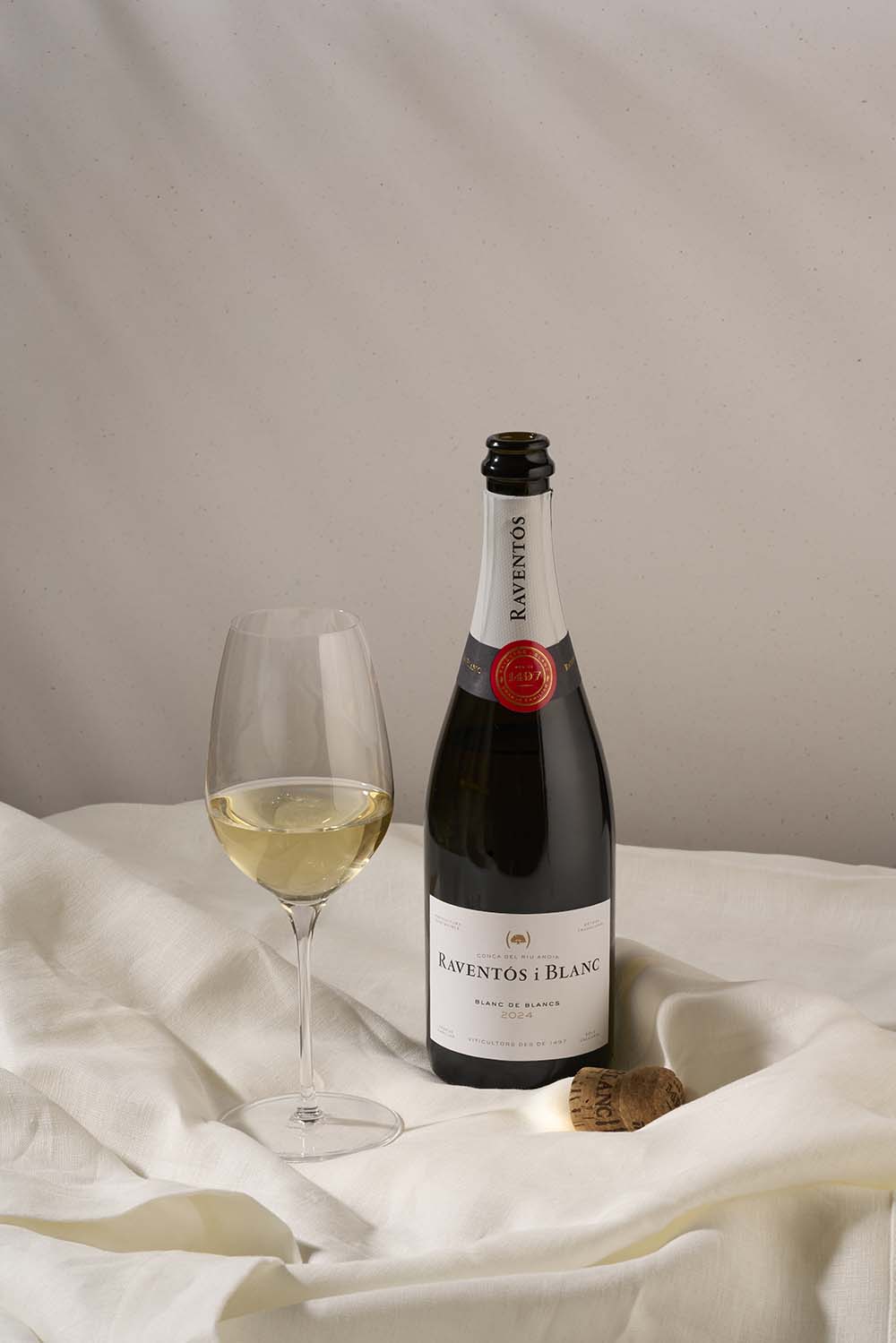
Among them, he considers Blanc de Blancs to be one of the winery’s finest introductions.
“I think it’s one of the greatest value traditional-method sparkling wines in the world because it offers so much pleasure, minerality, balance and harmony,” he said.
He also highlighted Textures de Pedra, a single-vineyard sparkling wine produced from one of the estate’s highest parcels. With only around 8,000 bottles made annually, it has become one of the winery’s most distinctive expressions.
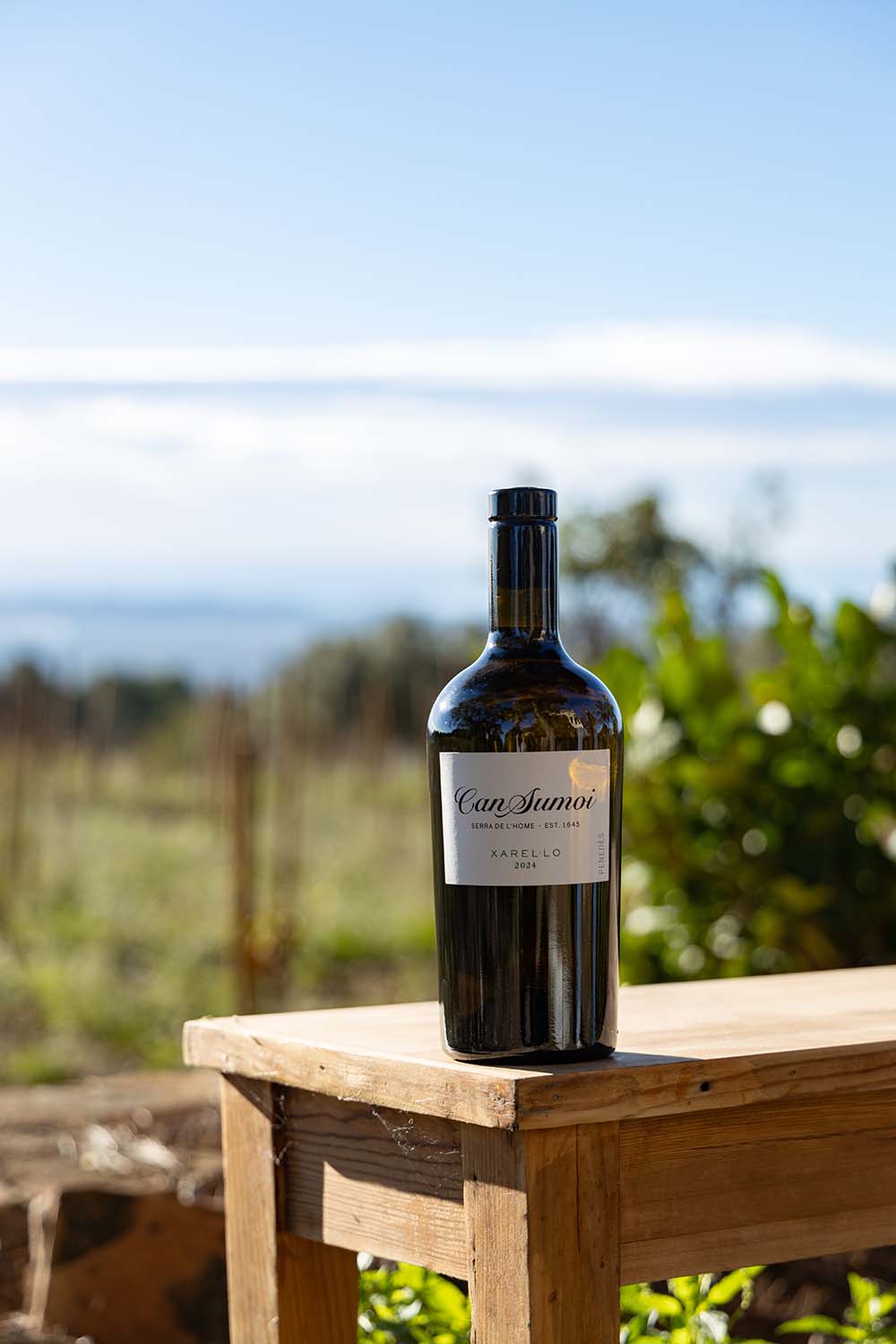
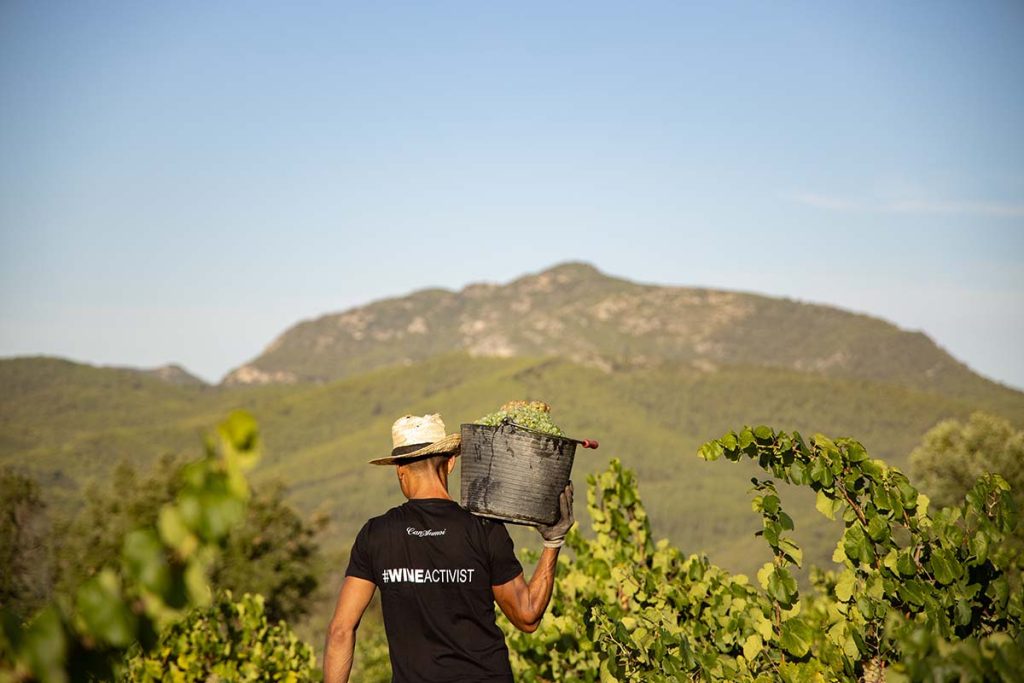
His second project, Can Sumoi, explores still wines from the higher elevations of South Penedès has two very important wines one is Xarel·lo and another one is Sumoll, once the region’s dominant red grape before disappearing during the era of industrial wine production.
“Today, either you truly express your place or you’re out of the game,” he said. “The purest way to express place is by working with the greatest respect for nature.”
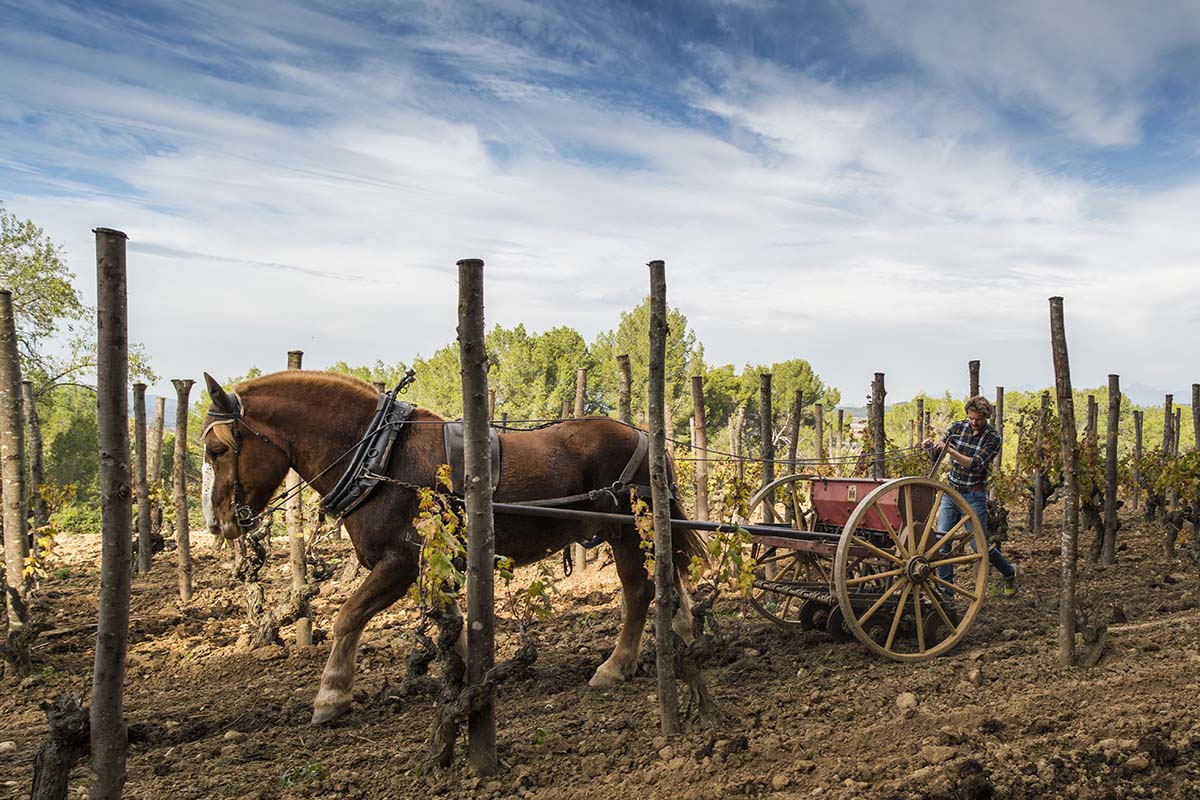
For Raventós, biodynamic farming is about restoring the farm as a living organism, where animals, plants and people work together as a sustainable, self-sufficient ecosystem. Regenerative farming, he explained, begins with respecting the life of the soil.
“If your goal is to express place, then everything begins with the soil,” Raventós said. “So, for me, it’s simply not optional anymore.”
One Generation at a Time
Despite overseeing one of Europe’s oldest family wine estates, Raventós has little interest in placing expectations on the next generation.
He and his wife, who manages the winery’s day-to-day operations, have four children between the ages of 16 and 21.
“We want our children to be free,” he said. “We’ve agreed they should spend at least ten years building careers of their own before we even begin to answer that question.”
While his focus remains firmly rooted at home, Raventós also recognizes the importance of international markets, particularly Japan. Outside Spain, Raventós said the greater New York area remains the winery’s largest market, with Japan a close second.
“Japan has always been an extremely important market for us,” he said. “I’ve tremendously enjoyed every trip I’ve made there.”
“Penedès has more than 3,000 years of winemaking history,” he said. “Our indigenous grape varieties naturally achieve the balance and acidity found in some of the world’s greatest wine regions. The opportunity is still there.”
Five centuries after the first Raventós family records were written, that vision continues to guide every bottle bearing the family’s name, not simply to produce exceptional sparkling wines, but to express the unique terroir of Conca del Riu Anoia for generations to come.
Experience Raventós i Blanc
Wine lovers looking to deepen their connection with the estate can join Club 1497, named after the first documented record of the family’s vineyards.
Members receive three exclusive annual shipments personally curated by Manuel Raventós, priority access to limited releases and rare vintages, invitations to private tastings and estate experiences, and opportunities to experience life in the vineyards throughout the seasons.
To discover more about Raventós i Blanc, explore its portfolio of sparkling and still wines, or join Club 1497, visit
www.raventos.com