
Spain’s commercial relationship with Japan takes practical form in factories, laboratories and everyday consumer experiences. Japanese investment supports Spanish businesses with international ambitions, and Spanish companies bring industrial know-how, health research and distinctive products to Japan. Their experiences show how that exchange serves customers in both countries and reaches markets beyond them.

Investment with international reach
ICEX places Spain’s appeal to Japanese investors within a wider picture of economic growth and access to overseas markets.
“Japan is Spain’s eleventh-largest foreign investor, with more than 400 companies with strong presence in high value-added sectors and a track record of successful investments,” ICEX said.
“As Japan’s outward foreign direct investment has expanded significantly in recent years, the country has become the world’s second-largest source of foreign investment. At the same time, Spain has emerged as the most dynamic advanced economy, recording GDP growth of 2.8% in 2025.
“In this context, Spain is well positioned to become the preferred EU partner for Japanese companies. Spain offers Japanese companies both a rapidly expanding domestic market and a strategic platform for accessing European and Latin American markets. Many multinational enterprises are already leveraging these advantages and benefiting from Spain’s strong economic momentum. As a result, Spain has become one of the world’s leading destinations for greenfield investment projects, particularly in renewable energy, communications, software, and IT services, automotive, R&D, and AI.”
Mitsui’s experience illustrates how a presence in Spain can develop into cooperation across several industries and countries.
“Mitsui & Co. has maintained a presence in Spain since establishing its representative office in 1963. Over the decades, we have built strong relationships with Spanish companies through a wide range of trading activities, particularly in chemicals, as well as through long-term business partnerships in sectors such as automotive components. Together with our Spanish partners, we have expanded our collaboration into global projects in areas including water infrastructure and energy. Spain remains a strategically important market for Mitsui, and we look forward to further strengthening Spain–Japan business ties while creating new opportunities both in Spain and around the world,” said Jumpei Oyama, director general of the Spain branch of Mitsui & Co. Europe Ltd.

Joint investment drives automotive progress
Mitsui’s partnership with Gestamp gives this cooperation a concrete industrial dimension, with investment ties dating to 2013. Gestamp’s own engagement with Japanese automakers combines joint development with manufacturing investment.
“As a multinational specializing in the design, development and manufacture of highly engineered metal components for leading vehicle manufacturers, Gestamp began its engagement with Japan in 2009 through joint development activities, followed by the deployment of guest engineers within Japanese OEM design teams in 2013. These early co-development efforts culminated in the extensive adoption of hot-stamping technology in the Honda Civic launched in the United States in 2016. Gestamp strengthened its presence with the launch of its Tokyo R&D center, the opening of its Matsusaka production plant in 2018, and a second hot-stamping line in 2023,” said Francisco J. Riberas, executive chairman of Gestamp.
“This long-term commitment and close collaboration have established Gestamp as a high-value-added technology partner for Japanese OEMs.”
Epson: A Japanese heritage aiming to fulfill customers’ needs
“Epson maintains a strong presence in Spain, supporting businesses and creative professionals through printing, projection, and visual solutions. The Spanish market is built mainly on SMEs and corporate clients, and its growing demand for sustainable technology. For these reasons, Epson is a key technology partner, as it’s in Epson’s DNA to innovate continuously with sustainability and efficiency in mind. Epson’s purpose is to create efficient, compact and precise technologies that enhance people’s lives and business productivity. With a strong environmental responsibility driving long-term, mutually beneficial business relationships Epson wants to be indispensable for Spanish customers, helping them to achieve their own efficiency goals,” said Karl Angove, vice president of Epson Europe and managing director of Epson Ibérica.
Industrial know-how with measurable results
Japanese technology also supports the measurement, quality control and automation behind Spanish manufacturing.
Metrología Sariki, led by general manager Borja Garate, supplies dimensional measurement systems and engineering services to manufacturers. Its distribution relationship with Japan’s Mitutoyo brings Japanese measurement technology to Spanish production lines, helping companies verify quality and improve manufacturing processes.
Mitsubishi Electric Spain, led by President Pedro Ruiz, supplies air conditioning and factory automation technologies. Its operations put Japanese engineering to work in Spanish businesses, supporting more efficient buildings and industrial production.
Energy and data for better decisions
Industrial cooperation also addresses how businesses manage energy and information. Alessio Rubini, managing director of Yokogawa Iberia, sees complementary capabilities in Spain and Japan.
“Spain and Japan are natural partners in addressing some of the most important industrial challenges of our time, from energy transition and digital transformation to sustainable growth. At Yokogawa Iberia, we see growing opportunities to combine Spain’s engineering excellence, global industrial reach, and innovative spirit with Japan’s longstanding strengths in technology, quality, and long-term stewardship. Rooted in our Japanese heritage and committed to the Spanish market, we believe closer collaboration between our two countries can create lasting value, foster innovation, and contribute to a more sustainable and resilient future,” Rubini said.
Nexus Energía supplies electricity and gas and provides services for renewable energy producers. Its partnership with Japanese investor Sojitz supports a joint 2026-2030 strategy covering energy efficiency, storage and international growth, giving Spanish energy services the backing of a global industrial group.
Clarity AI brings Spanish entrepreneurship to the information Japanese financial institutions use to assess companies and investments.
“Clarity AI is a global technology company founded by Spanish entrepreneur and CEO Rebeca Minguela, with Madrid as our largest office worldwide. We use advanced technology and AI to turn complex extra-financial data into transparent and traceable intelligence, an approach that is particularly relevant in Japan as financial institutions seek alternatives to black-box assessments and more efficient ways to collect and validate information. Japan is a strategic market for us and a key part of our growth across Asia, where our innovation has already been recognised through the Tokyo Financial Award. We are working with Resona Bank, in discussions with other leading Japanese banks and asset managers, and exploring partnerships with local companies to deepen our presence in the market,” said Magda Davila, CEO for the Middle East and Asia-Pacific at Clarity AI.
Spanish health research gains global reach
Health care provides another route for Spanish research and Japanese investment to reach international markets. Spinreact’s role within Toyobo combines diagnostics production with commercial access across more than 100 countries.
“Spinreact plays a pivotal role in Toyobo’s global healthcare strategy by combining manufacturing, R&D, and a strong marketing function that enables direct market access and brand positioning in over 100 countries. Toyobo’s 2013 investment strategically secured a global sales and marketing network, expanded its diagnostics portfolio, and established a European production base. From my perspective, this case reflects the strength of Spain–Japan business ties, with Spain continuing to serve as a key hub not only for manufacturing, but also for market development and international commercial reach,” said Motoki Kyo, general director of Spinreact.
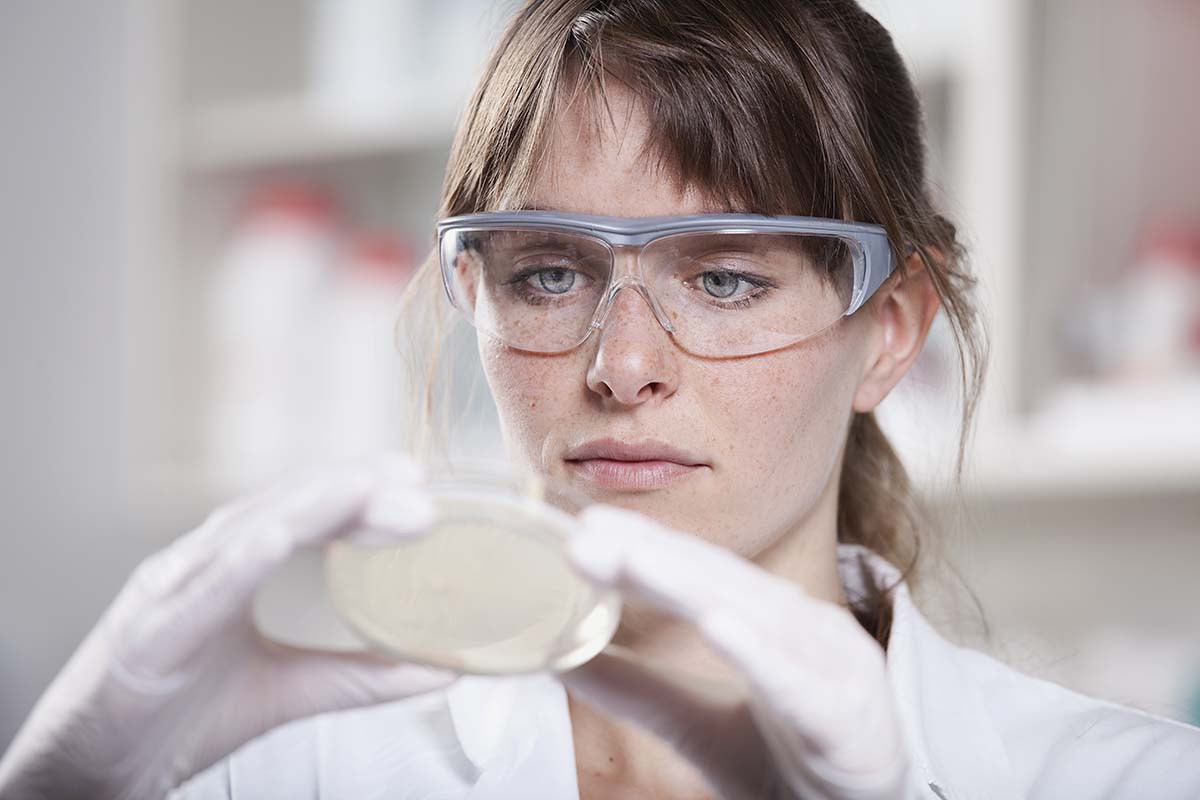
AB-BIOTICS offers a further example through its relationship with Kaneka. Miquel Bonachera Sierra, co-founder, CEO and CFO of AB-BIOTICS, described both the company’s origins and the experience of Japanese ownership.
“Back in 2004, AB-BIOTICS was incorporated at the University Autonoma of Barcelona, Sergi Audivert (student of food technology) and Miquel Angel Bonachera (student of Biochemistry) settled a start up company with the aim to valorize lactic acid bacteria as health ingredients. Over 15 years, the company became a reference in Probiotic development, and raised the interest of Kaneka Corporation,” Bonachera Sierra said.
“Kaneka Corporation settled a commercial agreement with AB-BIOTICS to distribute our probiotic ingredients in the US and Japan, but finally ended up launching a take over bid to acquire AB-BIOTICS shares in the market. Our experience with our new Japanese owners was incredible, we learnt of an exotic combination of humbleness, ambition, respect for institutions, laws and agreements… always extremely polite forms but exigent in fighting to reach business success.
“A detailed culture that focuses decisions in strong teamwork, the understanding of all facts, where everyone knows one’s actions has an impact in the group. Hence everything is taken with ‘awareness of responsibility.’ A different culture that we all must learn from to become a better society, a better world.”
According to AB-BIOTICS, Kaneka acquired the company in November 2019, and its turnover has since tripled under Kaneka’s ownership.
Genetic testing and imaging advance patient care
Spanish genetic testing provider Igenomix brings the health care relationship directly to patients in Japan.
“Igenomix is a Spanish genetic testing provider for reproductive health as a part of Vitrolife group,” Igenomix said.
“Japan has a higher average age of patients undergoing Assisted Reproductive Technology (ART) and ranks second globally in the number of treatment cycles, so there is a need for solutions beyond standard treatment protocols.
“To implement advanced technologies within the framework of national health insurance coverage, the Ministry of Health, Labour and Welfare is currently evaluating procedures such as endometrial and embryo genetic testing as ‘Advanced Medical Care.’
“Igenomix established a genetic testing laboratory in Japan, then makes an effort to support couples struggling with infertility by providing these tests.”
Fujifilm Spain, led by managing director Pedro Mesquita, supplies medical systems alongside photographic, graphic and industrial technologies. Its Spanish presence brings the Japanese group’s imaging capabilities to health care providers and businesses, supporting cooperation across medicine and industry.
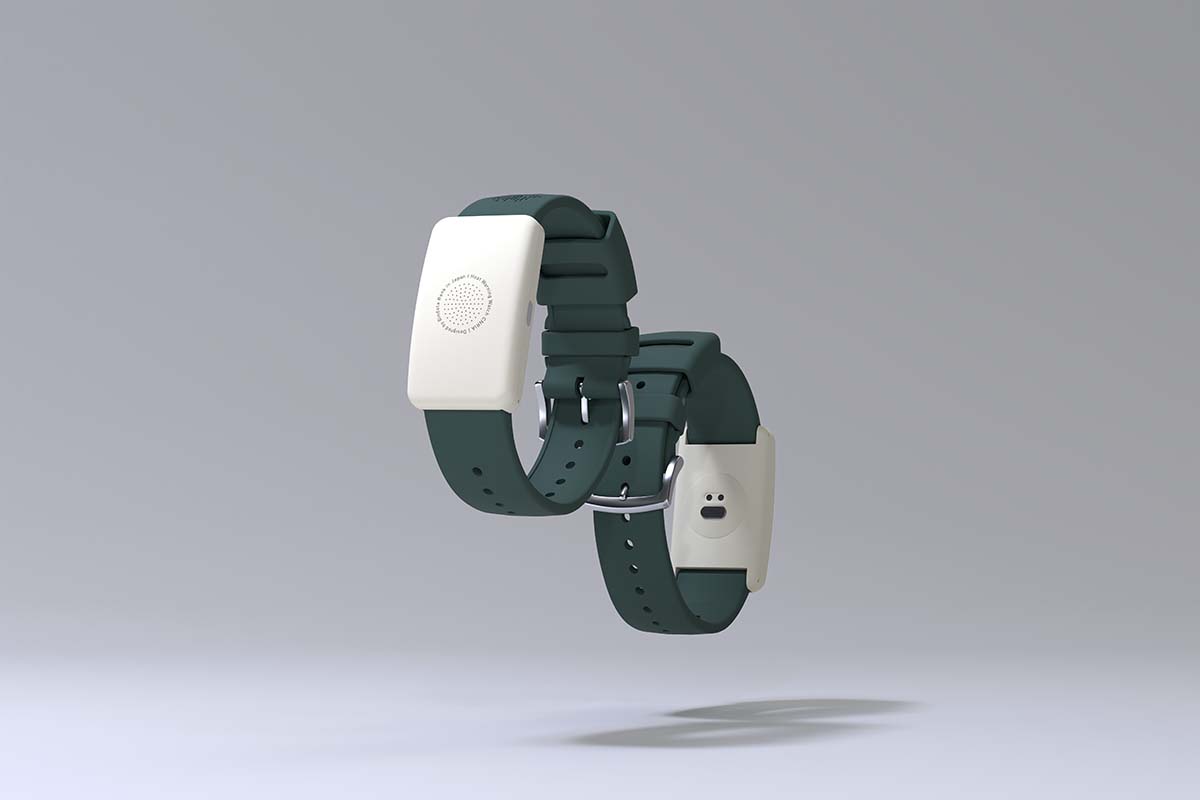

Japanese innovation takes on the heat
Japanese innovation also addresses occupational health in Spain, where Biodata Bank promotes technology designed to help prevent heatstroke.
“Climate change is making extreme heat one of the defining occupational health challenges of our time. At Biodata Bank, our mission is to eliminate heatstroke through CANARIA+, our preventive wearable technology developed in Japan, and data-driven heat stress management solutions. Our work in Spain demonstrates how Japanese innovation can provide a practical solution to one of society’s most urgent challenges. We hope this collaboration between Japan and Spain will inspire a new global standard for protecting workers and preventing heatstroke before it happens,” said Takeshi Anzai, CEO and founder of Biodata Bank.
Bringing Japanese coffee expertise and Spanish tradition together
In 2026, Cafés Templo celebrated its 30th anniversary, marking three decades of serving Spain’s hotel, restaurant and cafe sector. As part of Japan’s UCC Group since 2012, Templo combines UCC’s global coffee expertise, sourcing capabilities and rigorous quality standards with deep local market knowledge and close customer relationships.
“Together with the local UCC factories, UCC Coffee Spain and Cocatech, Spain has become an important base for serving customers across the Iberian market, from HoReCa to retail and single-serve coffee. This combination of Japanese and Spanish coffee specialists continues to drive innovation, quality and customer-focused solutions across Spain and Portugal,” the company said.
Barcelona craftsmanship finds an audience in Japan
Papabubble’s journey carries the food and craftsmanship relationship in the other direction, taking a Barcelona-born concept to Japanese customers. CEO Ochi Hiroshi described how the brand’s Spanish origins remain part of its identity.
“Papabubble originated in Barcelona, but Japan is where we have grown and built the brand into what it is today. Our dream now is to take what we have created in Japan and expand into the rest of Asia, and perhaps one day the United States,” Ochi said.
“Our craftsmanship and creative culture have their roots in Barcelona. Even as Papabubble has evolved in Japan, we continue to respect that heritage and make it part of who we are.
“AI can do many things, but it cannot replace the experience of being there, watching candy being made by hand, interacting with our craftspeople and taking part in the experience yourself.
“Our customers recognize the quality of our candies, but they also appreciate the craftsmanship behind them. They can see the skill, care and creativity that go into what we make.
“We build customer loyalty through the experience people have in our stores, and then continue those relationships online. The physical and digital sides of the brand work together.”
Shared strengths with a world of reach
Through investment, invention and craftsmanship, these companies give Spain-Japan relations practical value. Their partnerships take the strengths of both countries to wider markets, making commercial success a shared achievement.