
Six Filipinos. 138 Years. One Enduring Pull.
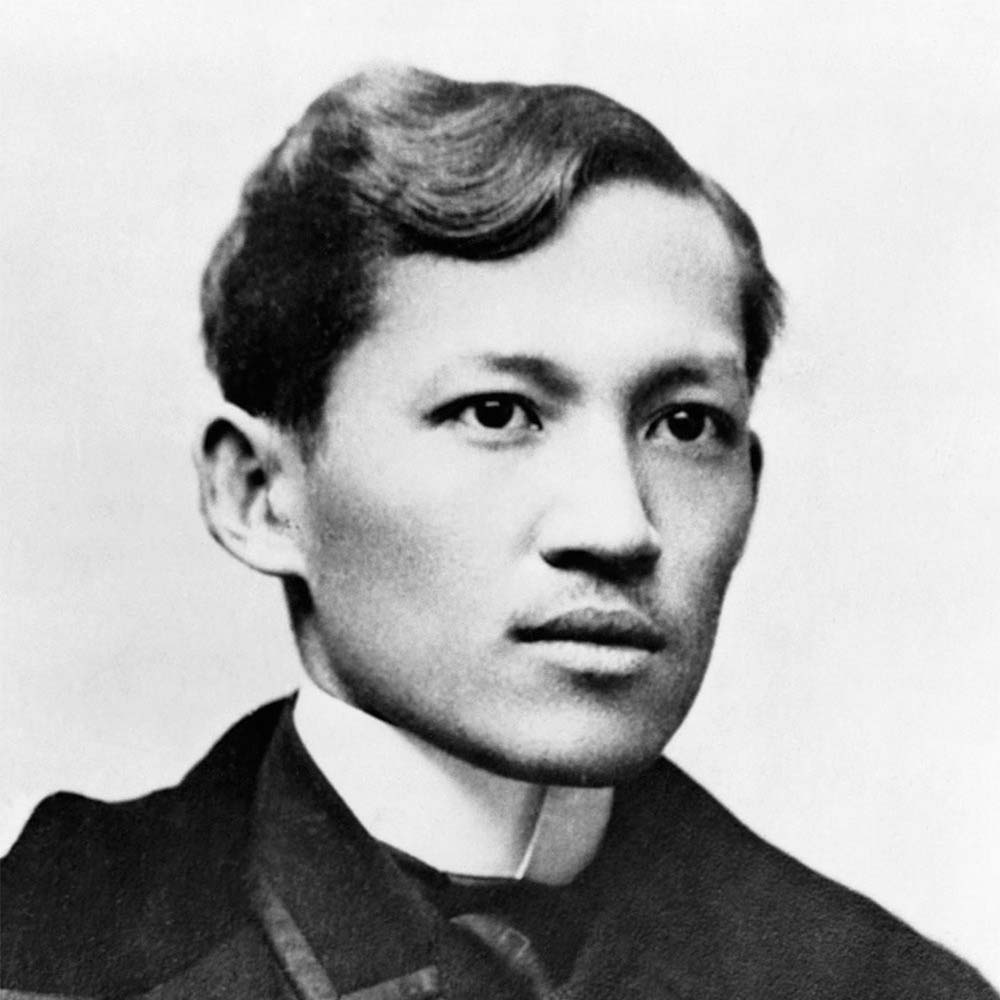
1888: José Rizal
Spent 45 days in Tokyo before the two countries had even established diplomatic relations. Learned Japanese in days. Took brush-painting lessons from a samurai’s daughter named Seiko Usui, with whom he fell quietly in love. He wrote that if he had no patriotic mission, he would have stayed in Japan and lived happily. He left anyway. A bronze monument in Hibiya Park marks the spot where his hotel once stood.
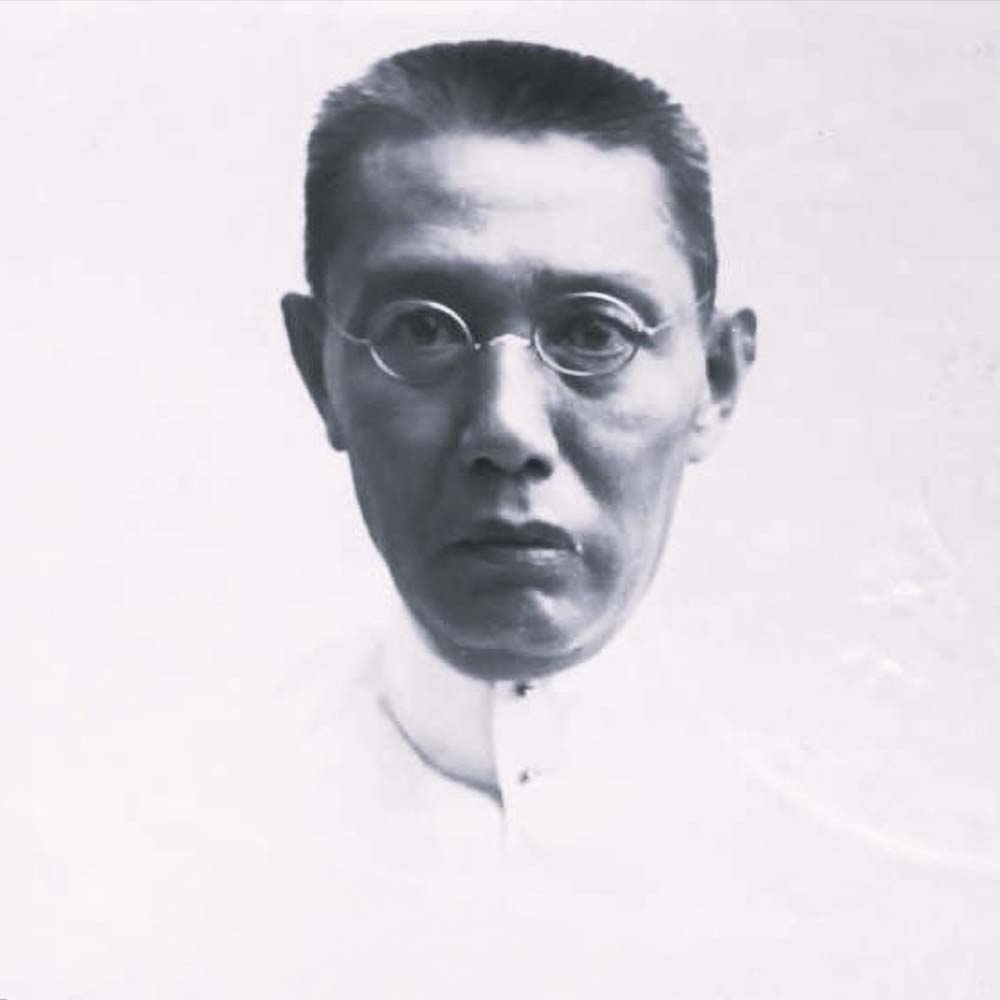
1898: Mariano Ponce
Sent to Yokohama by Aguinaldo to secure weapons for the revolution. The mission failed — the ship sank in a typhoon. But Ponce moved into a Japanese family’s home, fell in love with their daughter Okiyo, a woman of samurai lineage, and married her. He built a friendship with Sun Yat-sen. When he finally returned to Manila in 1907, Okiyo came with him. She is buried in Bulacan, beside the man she followed across an ocean.

1972: Pilita Corales
Entered the 1st Tokyo Music Festival on a whim, singing her signature song A Million Thanks to You. She beat Olivia Newton-John to win the Best Performer Award — the first Filipino ever to win an international music festival. The Japanese press coined a title for this woman with the extraordinary voice: Asia’s Queen of Songs. She then recorded three Japanese-language songs in Tokyo and carried that name until she passed away in April 2025, at eighty-five.
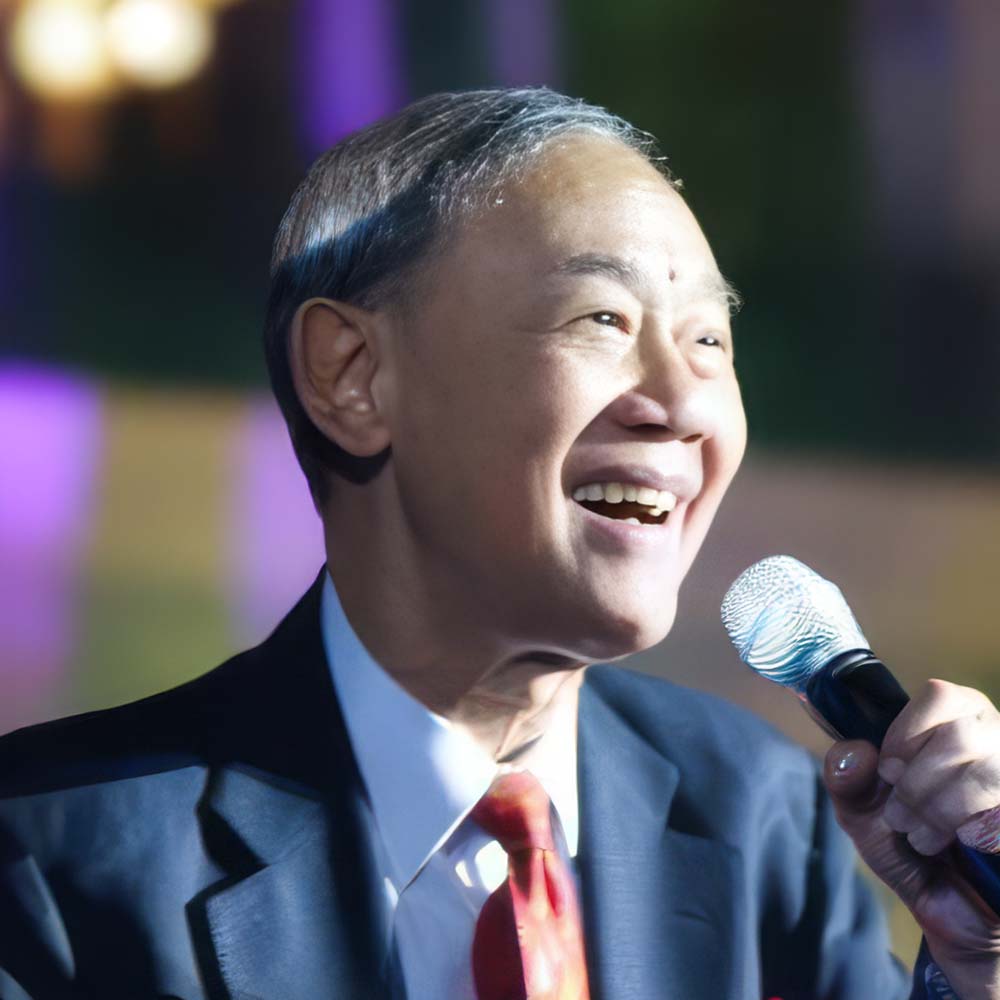
1973: Jose Mari Chan
The year after Pilita’s Tokyo triumph, another Filipino stood on the Nippon Budokan stage for the first time. Chan had been torn between his father’s sugar business and his own songs. His composition Can We Just Stop and Talk Awhile represented the Philippines at the World Popular Song Festival before 10,000 people. It didn’t win. But Chan says the night “paved the way” for everything that followed — Beautiful Girl, Please Be Careful with My Heart, and eventually Christmas in Our Hearts, the biggest-selling Filipino Christmas song in history.
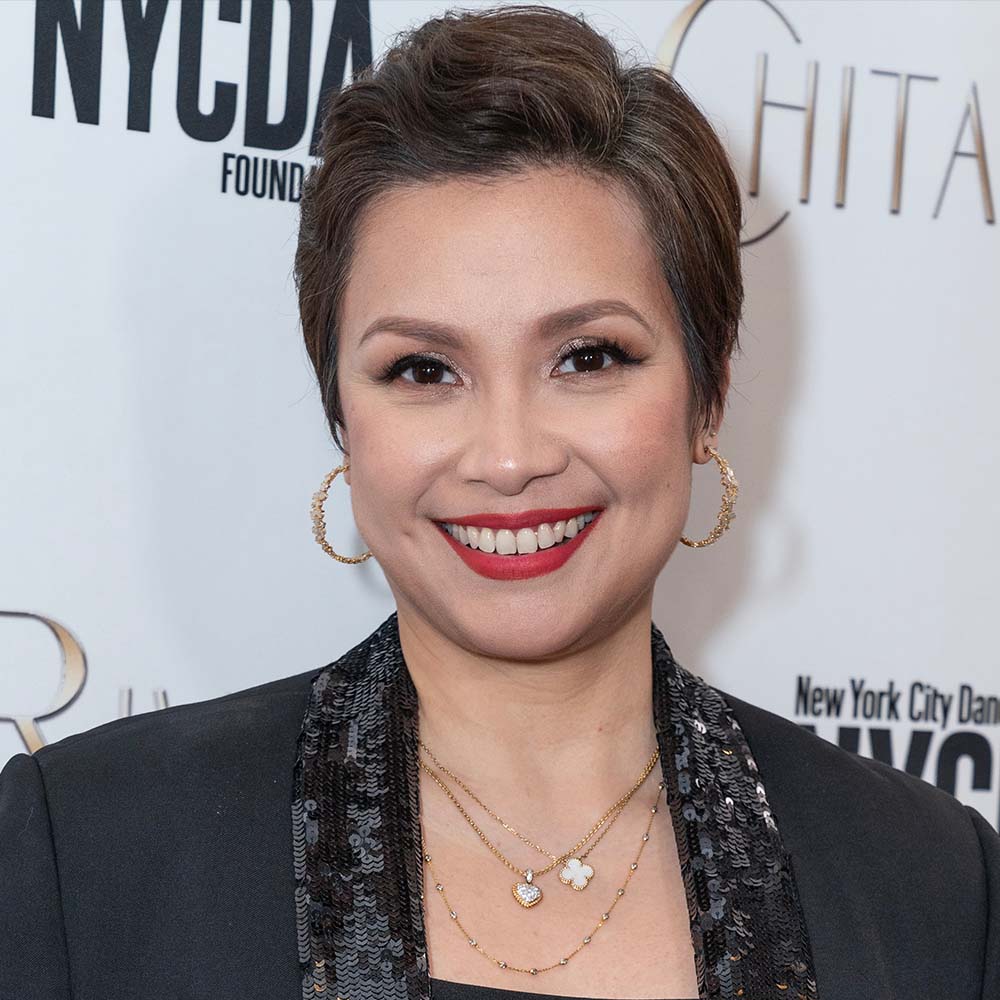
1989: Lea Salonga
Miss Saigon — the musical that made her a star at eighteen — opened in Tokyo in 1992 and has played to Japanese audiences for three decades since. In 2013, she spent weeks performing at Aoyama Theatre and Umeda Arts Theatre, calling the cast her “Japan family” and leaving in tears. But the deepest layer is personal: when she starred in Allegiance on Broadway — a musical about Japanese-American internment — her husband’s uncle had served in the 442nd Infantry Regiment, the all-Japanese-American unit that became the most decorated in US Army history. Japan, for Lea Salonga, was never just a stage.
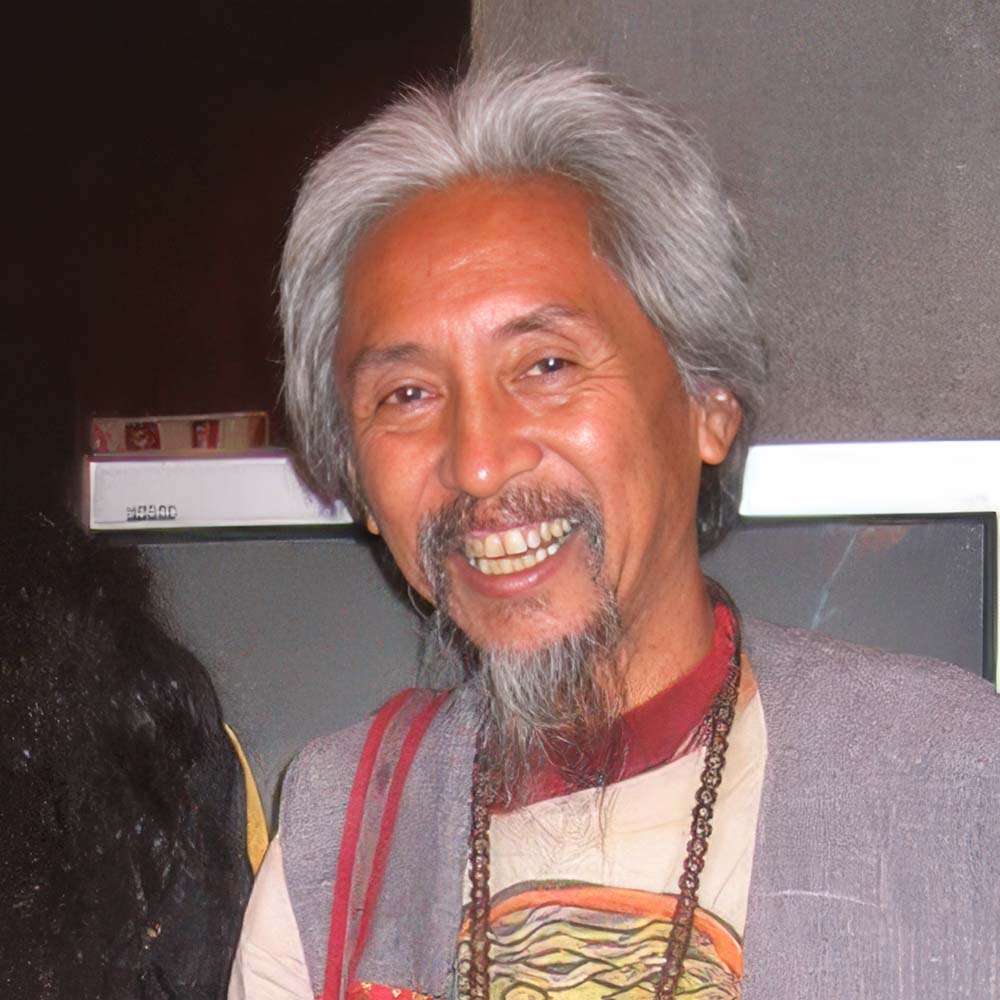
1991: Kidlat Tahimik
The National Artist for Film never studied in Japan — his MBA came from Wharton, which he spent his career cinematically dismantling. But he has been going back to Japan for over three decades. His documentary Takedera Mon Amour chronicled eight years alongside a Buddhist monk in Saitama, built around bamboo — abundant in both countries, a material that bends without breaking. He has shown work at Echigo Tsumari, performed in Fukuoka, and received the Fukuoka Prize for his contribution to Asian culture. Of all the Filipinos on this list, he keeps going back the most. Which may be the most Japanese thing of all.