
Across seven decades and every terrain the Philippines can offer, no Japanese export has touched more lives — or become more indispensable — than the motorcycle.
Consider, for a moment, what the Japanese motorcycle has been asked to do in the Philippines.
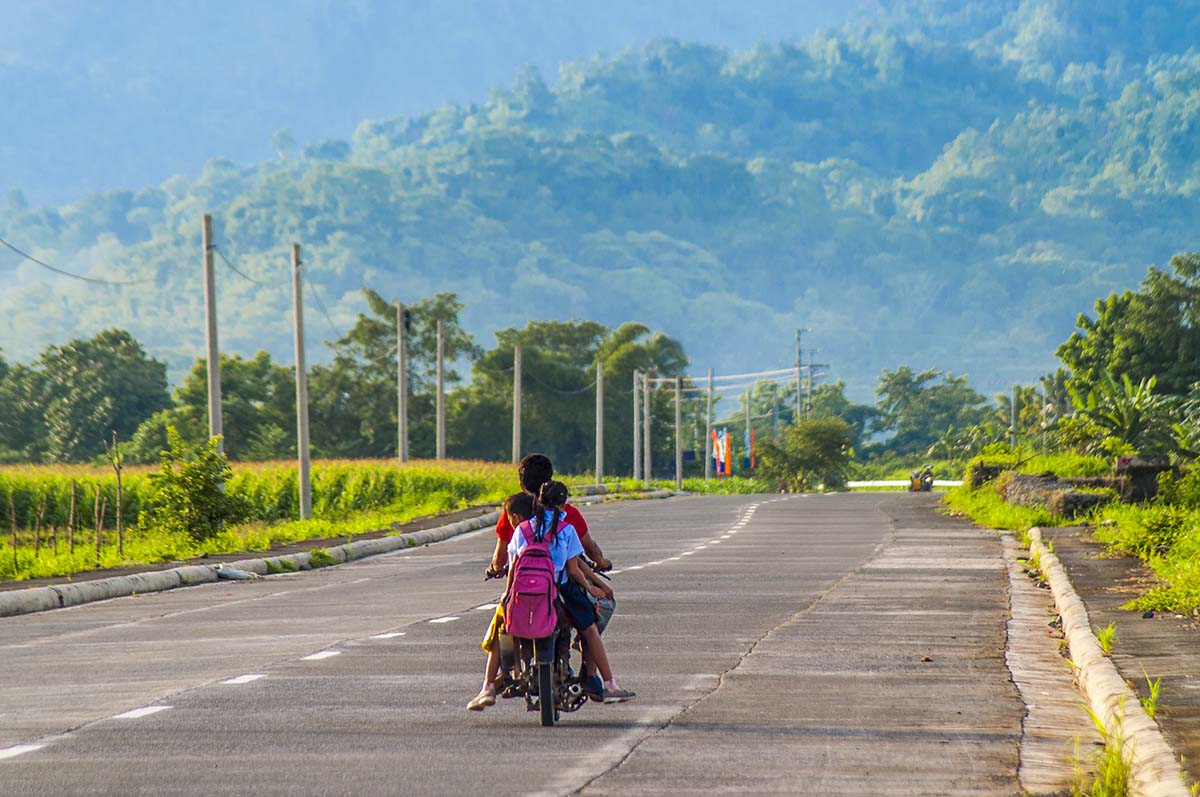
It has carried a family of four down a mountain pass in Benguet, the father steering through loose gravel while his children grip the pillion seat. It has idled outside a hospital in Tondo at three in the morning, waiting for a passenger who has nowhere else to turn. It has crossed rivers on wooden planks in Mindanao, its frame extended to carry sacks of rice and two live goats. It has delivered legal documents from Makati to Quezon City, fought through EDSA at rush hour with a sealed lunch box balanced on its footboard, and stood gleaming in a Manila garage, lovingly restored, dressed for a charity ride by a man in a tailored suit.
No single object in the history of the Philippines–Japan relationship has been as present, as versatile, or as deeply woven into the fabric of daily life. Not electronics. Not automobiles. Not pop culture. The motorcycle. And for seven decades, it has been Japanese.
Honda Philippines alone sold over one million motorcycles in 2025 — one in every three bikes currently on Philippine roads. Honda, Yamaha, Kawasaki, and Suzuki together account for the overwhelming majority of a market that registered nearly 1.8 million new units that same year. These are not the numbers of a country that uses motorcycles. They are the numbers of a country that runs on them.
Ask what a Japanese motorcycle means in the Philippines and the answer changes depending on where you are standing. To a tricycle driver in Isabela, it is the asset that, once paid off, changes everything. To a logistics rider in Metro Manila, it is the infrastructure that makes same-day delivery possible. To a teenager in Cebu who grew up watching his father maintain one, it is part of the furniture of memory. And to a small group of riders who gather once a year in blazers and boots for the Distinguished Gentleman’s Ride, it is the chosen vessel for something that has little to do with transport at all.
The motorcycle, in the Philippines, has always been all of these things at once.
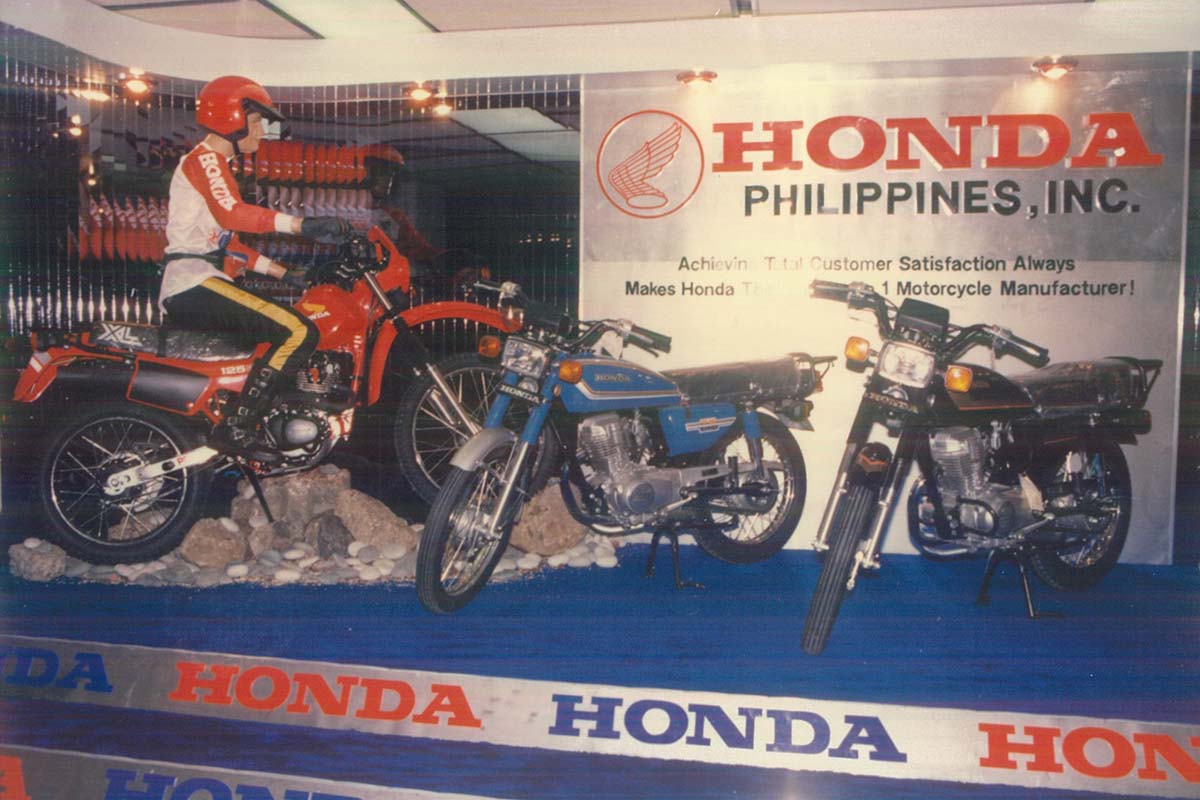
Its roots here are practical. When Honda established its Philippine joint venture in 1973, the motorcycle it brought was a working machine — designed for affordability, engineered for reliability, built to be maintained by someone with basic tools and no workshop. The archipelago’s geography did the rest. In a nation of more than seven thousand islands, many of them mountainous, many of their roads unpaved or absent entirely, the small-displacement motorcycle found its calling not as leisure but as lifeline.
Kawasaki arrived even earlier, establishing operations in 1968, and its defining contribution was not the Ninja or the Z-series that made its name elsewhere — it was the Barako, a motorcycle built for the tricycle economy, engineered to carry the weight of a sidecar across provincial roads and take the punishment of daily commercial use. The Barako now holds more than half of that market nationwide. When Kawasaki invested in Global Mobility Service, a fintech company offering loan access to tricycle drivers, it was an acknowledgment of what the machine had always represented here: a driver who owns his Barako owns his livelihood. A monthly repayment plan meant that could happen in under three years. One driver’s wife put it plainly: “Because both my husband and the Barako are durable, our dream of owning a house will probably happen.”
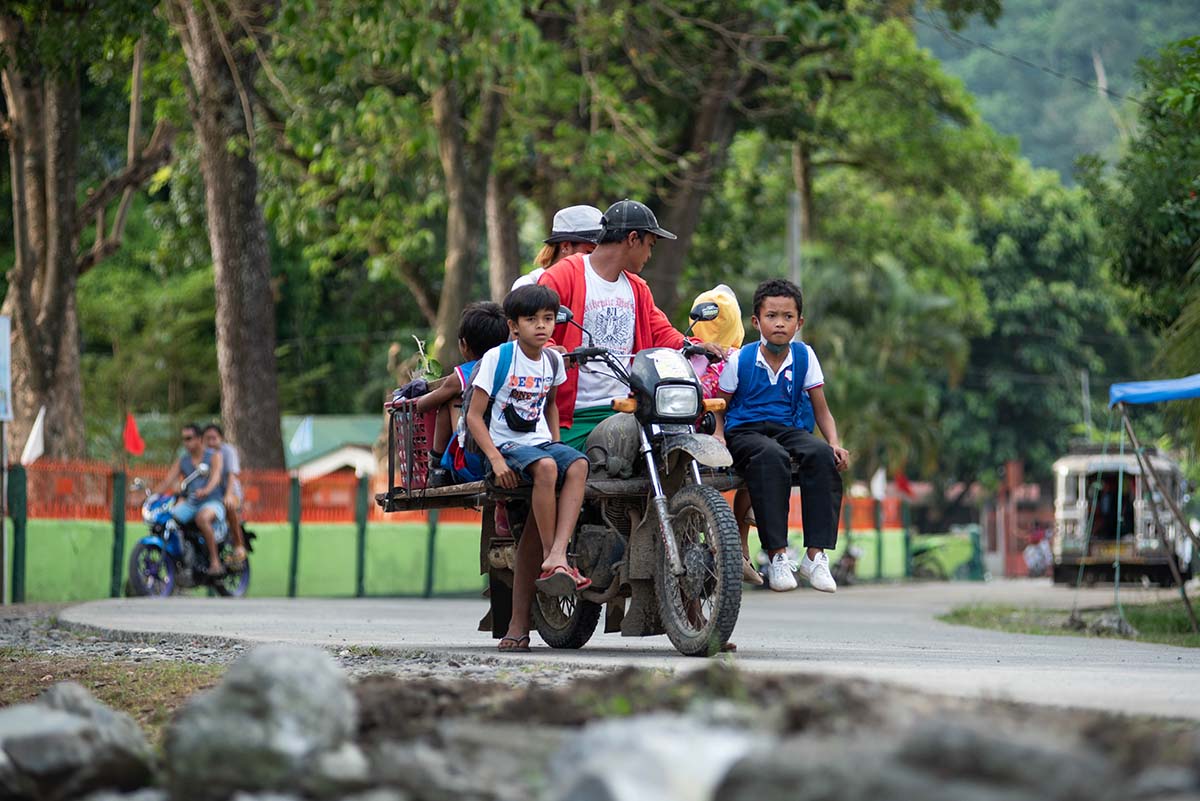
Then there is the habal-habal — perhaps the most Filipino thing ever built on a Japanese foundation. A standard motorcycle, usually a Kawasaki Barako or Honda XRM, extended with wooden planks bolted to the frame, its passenger capacity multiplied beyond anything its designers envisioned. In the most remote barangays of Mindanao and the Visayas, it is the system. Two passengers, five passengers, a sack of feed and a crate of chickens — wherever paved roads end and the track narrows to something a four-wheeled vehicle cannot follow, the motorcycle goes.

George Royeca built Angkas on an understanding of what the motorcycle already was in the Philippines before anyone called it a platform. Motorcycle taxis had been moving people through Manila for years — informally, inconsistently, without accountability. What Angkas brought was structure. Riders on the platform own their motorcycles outright; the app connects them to passengers, handles payment, and holds everyone to a standard. The machines at the center of that system are Japanese, because on a platform where a rider travels up to 250 kilometers a day, reliability is the only metric that matters.
“From the very beginning, our priority has always been safety and reliability. For the first seven years of Angkas, we only accepted Japanese-made motorcycles because they consistently offered the quality, durability, and dependability that professional riders need. For our riders, a motorcycle isn’t just a vehicle — it’s their livelihood. They travel 100 to 250 kilometers a day, depending on demand, so every hour of downtime means lost income. Japanese brands have built decades of trust through reliable engines, excellent fuel efficiency, strong resale value, and perhaps most importantly, a nationwide ecosystem of dealers, parts, and service centres that keeps riders on the road.
“For our riders, a motorcycle isn’t just a vehicle — it’s their livelihood.”
George Royeca, Founder & CEO, Angkas
We believed Angkas would work because we weren’t creating a new habit — we were organizing an existing one. Motorcycle taxis had long been part of how Filipinos moved around, but the experience lacked consistency, accountability, and safety. Ultimately, Angkas succeeded because we solved a real mobility challenge while creating safer journeys and better livelihood opportunities for thousands of Filipino families.” — George Royeca, Founder & CEO, Angkas
What Honda came to understand, over five decades of operating here, was that the Philippine market would reshape its products as much as its products would reshape the market.
Filipino riders began pushing the standard underbone beyond its design limits — carrying loads, navigating terrain, sustaining daily abuse that no product specification had anticipated. The result, after years of close attention to what riders needed, was the XRM: a motorcycle sold nowhere else in Honda’s global lineup, built from the feedback of Filipino riders and the conditions of Philippine roads. It remains one of the most consequential acts of bilateral collaboration that never appeared in any diplomatic communiqué.
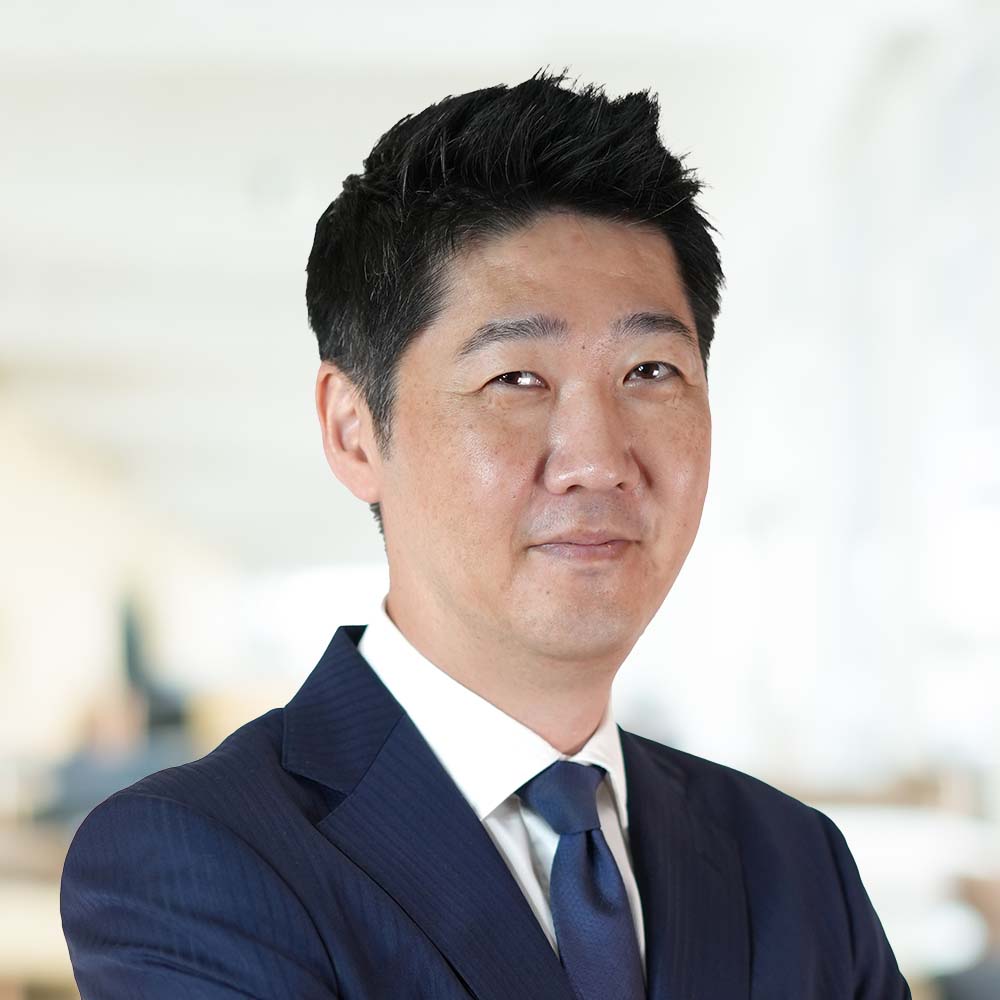
“The XRM represents Honda Philippines’ commitment to understanding and responding to the unique needs of the Filipino market. The Philippines presents diverse riding conditions — from urban streets to rural roads and mountainous communities. The XRM was developed and continuously refined to meet these specific requirements for durability, versatility, and practicality. For us, the XRM is more than a successful product. It is proof that listening carefully to our customers leads to innovation that truly serves society. The popularity and longevity of the XRM reflect the strong partnership between Honda and Filipino riders in shaping solutions that fit local lifestyles.” — Takeshi Kobayashi, President, Honda Philippines, Inc.
“The popularity and longevity of the XRM reflect the strong partnership between Honda and Filipino riders in shaping solutions that fit local lifestyles.”
Takeshi Kobayashi, President of Honda Philippines, Inc.
Kobayashi places the motorcycle’s evolution in the Philippines within something larger than market share. Speaking about what has changed across five decades — and what has not — his answer is less about engineering than about trust.
“Over the past five decades, I believe the most significant change has been the role motorcycles play in Filipino society. In the early years, motorcycles were viewed as an affordable means of transportation. Today, they have become an essential part of daily life, supporting work, education, family and leisure activities. For many Filipinos, a motorcycle is not merely a vehicle — it is a tool that creates opportunities and improves quality of life. What remained unchanged is the trust that customers have in Honda. We are proud that Honda motorcycles have accompanied generations of Filipinos throughout their daily journeys and life milestones.” — Takeshi Kobayashi, President, Honda Philippines, Inc.
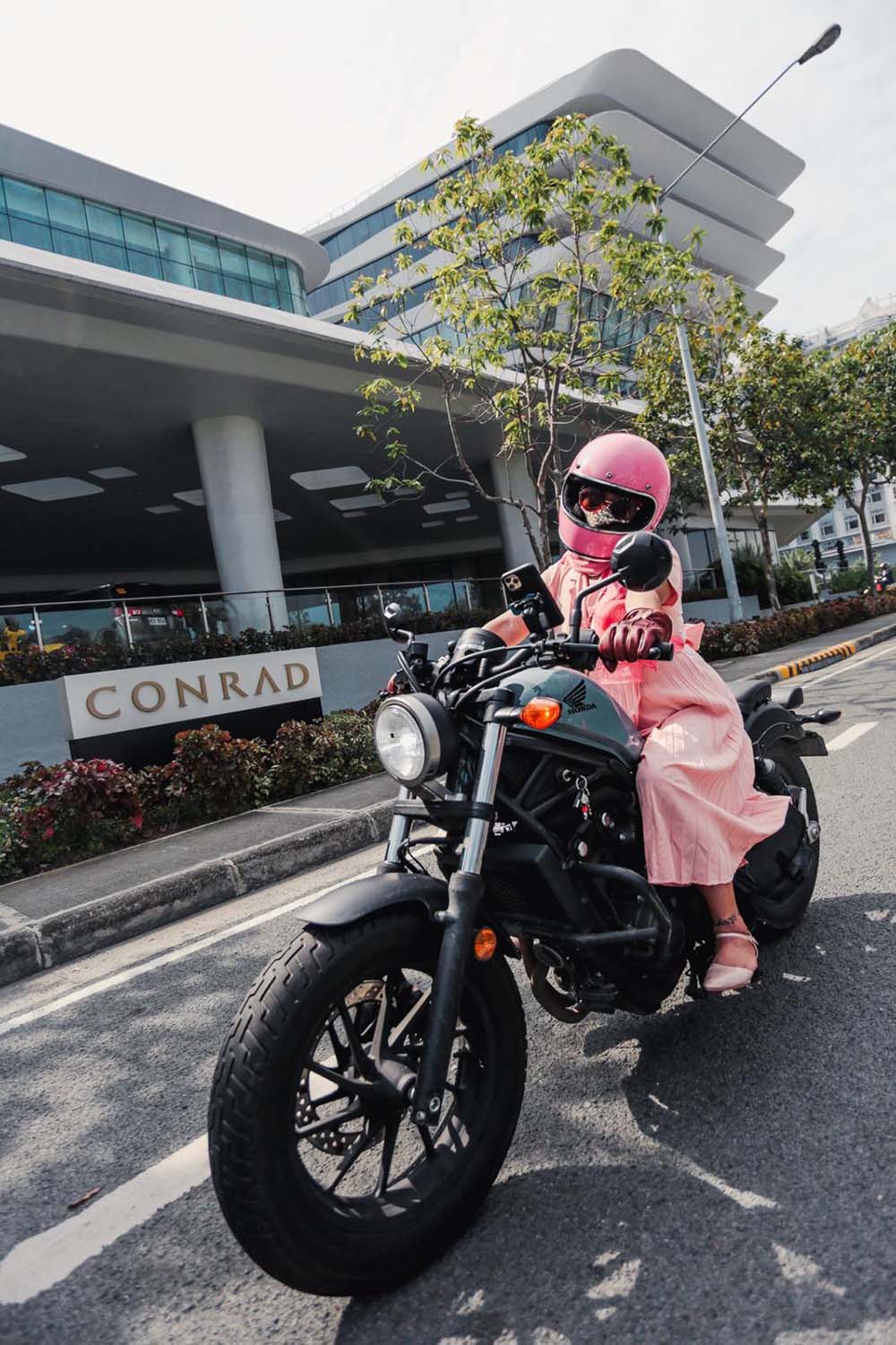
Jinno Rufino has spent years covering Philippine motorcycle culture as a journalist and riding it as a participant. His explanation for why the Japanese brands’ hold on this market has never loosened is less about the machines themselves than about what they represent to everyone who has ever depended on one.
“The popularity of Japanese motorcycles in the Philippines wasn’t built on clever advertising or racing success alone. It was earned through decades of reliability, affordability, and the confidence that wherever you were in the country, your bike would get you home, and if something did go wrong, someone nearby would know exactly how to fix it. That’s the kind of trust you can’t buy; it’s earned over generations. It began with the small-displacement motorcycles that became part of everyday Filipino life, and that same reputation has carried into the world of big bikes, where reliability remains just as important, even as big bike riders ride their motorcycles for more than just a means of transportation — it’s become our passion and a lifestyle.” — Jinno Rufino, Sports Anchor and Motorcycle Journalist
Paolo Aguado, Vice President of Basic Machinery and Acoustics Corporation, owns three Honda Cubs — sought out one by one, because the machine compelled him. Honda never formally marketed the Cub in the Philippines. Its reputation arrived anyway, carried by word of mouth, by mechanics who knew its engine on sight, by riders who had ridden one somewhere else and never forgot it.
“Among my collection, nothing fills me with greater pride than my three Honda Cubs. From the clean white-and-red model to the cream daily rider and the red Econo-Power variant, each one tells a story of Honda’s genius. They just keep going — through city traffic, years of use, and everything in between. Owning three of them isn’t just about having bikes. It’s about honoring a legacy of engineering that made something so perfectly practical it became a legend.” — Paolo Aguado, Vice President, Basic Machinery and Acoustics Corporation
Earlier this year, Aguado purchased ten Honda Clicks for his employees — foremen, fabrication managers, office staff — each on a light payment plan, each theirs to own outright within eighteen months. A practical decision, grounded in the same confidence he places in his Cubs. The machine he collects out of love and the machine he buys for his team come from the same source of trust.
“These weren’t just company assets — they were investments in the people who keep us moving. Honda’s reputation for durability and fuel efficiency is well-known, but watching our team members arrive at sites with pride on their new Clicks has been the real reward. Many have shared how much easier their daily commutes have become. It’s given them greater independence, knowing the company truly values their contribution.” — Paolo Aguado, Vice President, Basic Machinery and Acoustics Corporation
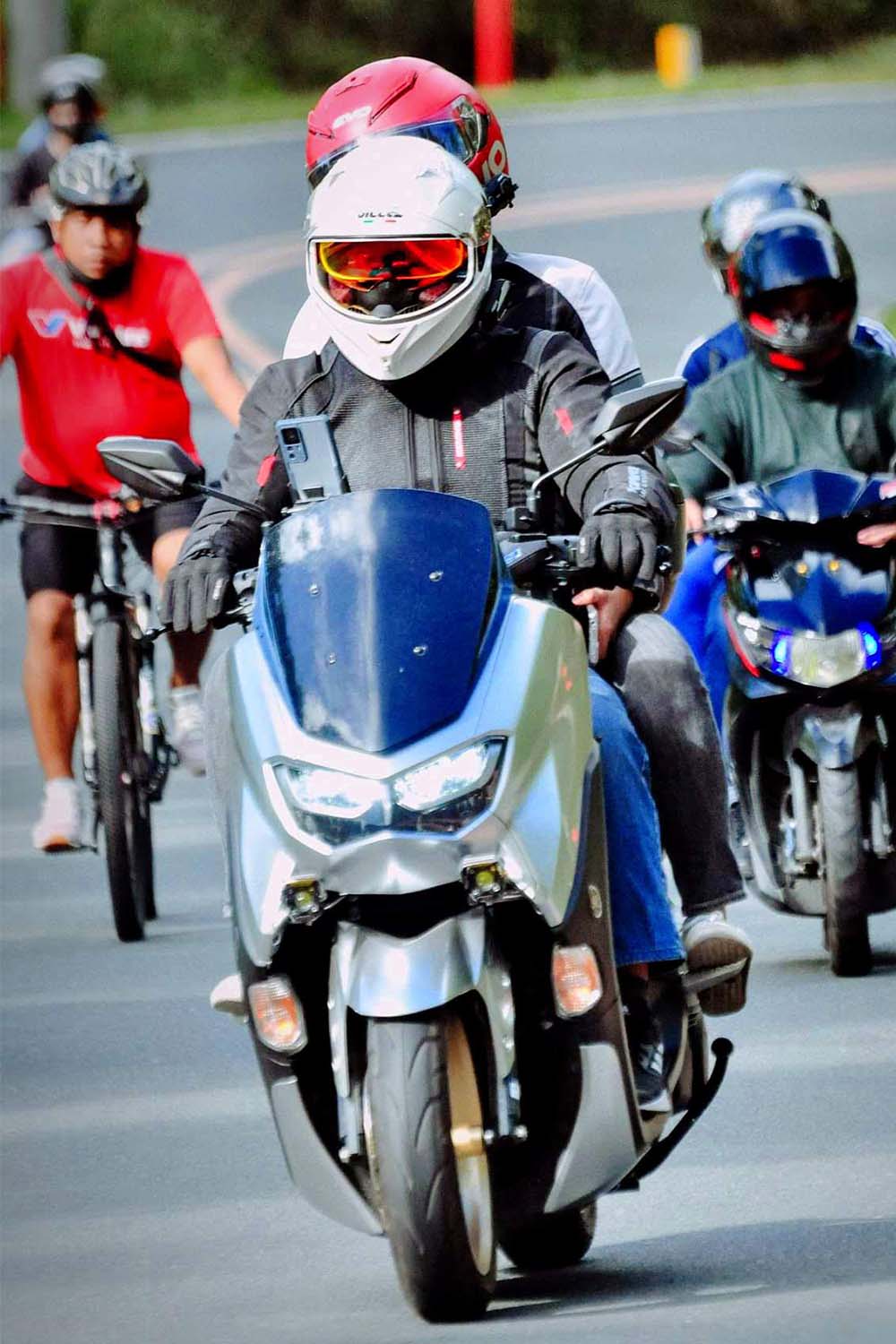
Benjamin Rivera Jr., Creative Director and Partner at Bridges Magazine, rides a Yamaha through the back roads of Rizal on weekends — not for transport but for the ride itself. The routes only riders know, the small restaurants at the end of a good climb, the particular quiet of a provincial road on a Sunday morning.
“I’ve been riding since I was 14. That feeling of the wind pressing against you while flying on the ground with an engine underneath is an unforgettable thrill. Living on the east side of Metro Manila, the closest yet most invigorating destination for a ride is the mountains of Rizal. I’ve been making the trip there since the 2010s and what keeps me coming back is its raw, untouched charm. No massive malls, condos and billboards, just family-owned coffee shops perched on mountain sides with majestic views. Add in the sweeping twisties, open stretches and lush roadside greenery, it truly is a rider’s paradise. From the panoramic mountain views at Café Peregrine in San Mateo to the stunning backdrop of Laguna de Bay at Sikatan Sikada Café in Binangonan, and finally the rider’s ‘official’ pit stop at Jariel’s Peak, Rizal is an absolute must-visit.” — Benjamin Rivera Jr., Creative Director and Partner, Bridges Magazine
The Distinguished Gentleman’s Ride began in Sydney in 2012 with a handful of riders and a dress code. It is now held in more than 130 countries, and Manila is among its recognized global cities. Mark Laccay — sound designer, audio educator, lifelong rider — built the Manila chapter and watched it grow into something that represents a third dimension of the motorcycle’s life in the Philippines: the machine as object of appreciation, studied and restored and turned out with the same care a watchmaker gives a movement.
The event’s anchor sponsors are Triumph and Royal Enfield. The bikes that show up in greatest number are Japanese. For Laccay, this is entirely consistent — a reflection not of compromise but of the depth of the Japanese motorcycle’s cultural roots here.
“The presence of Japanese motorcycles in DGR Manila is very significant because, honestly, Japanese motorcycles are deeply woven into the history of motorcycling in the Philippines. While the DGR has strong roots in the classic British and European motorcycle aesthetic, the Philippines has its own motorcycle history. Japanese brands have been part of Filipino life for generations. They are the motorcycles that many Filipinos grew up seeing, riding, repairing, and dreaming about. So when you see Japanese classics at the DGR Manila ride, they don’t feel out of place. They feel like a very natural part of our local motorcycle story.” — Mark Laccay, Head, Distinguished Gentleman’s Ride Manila
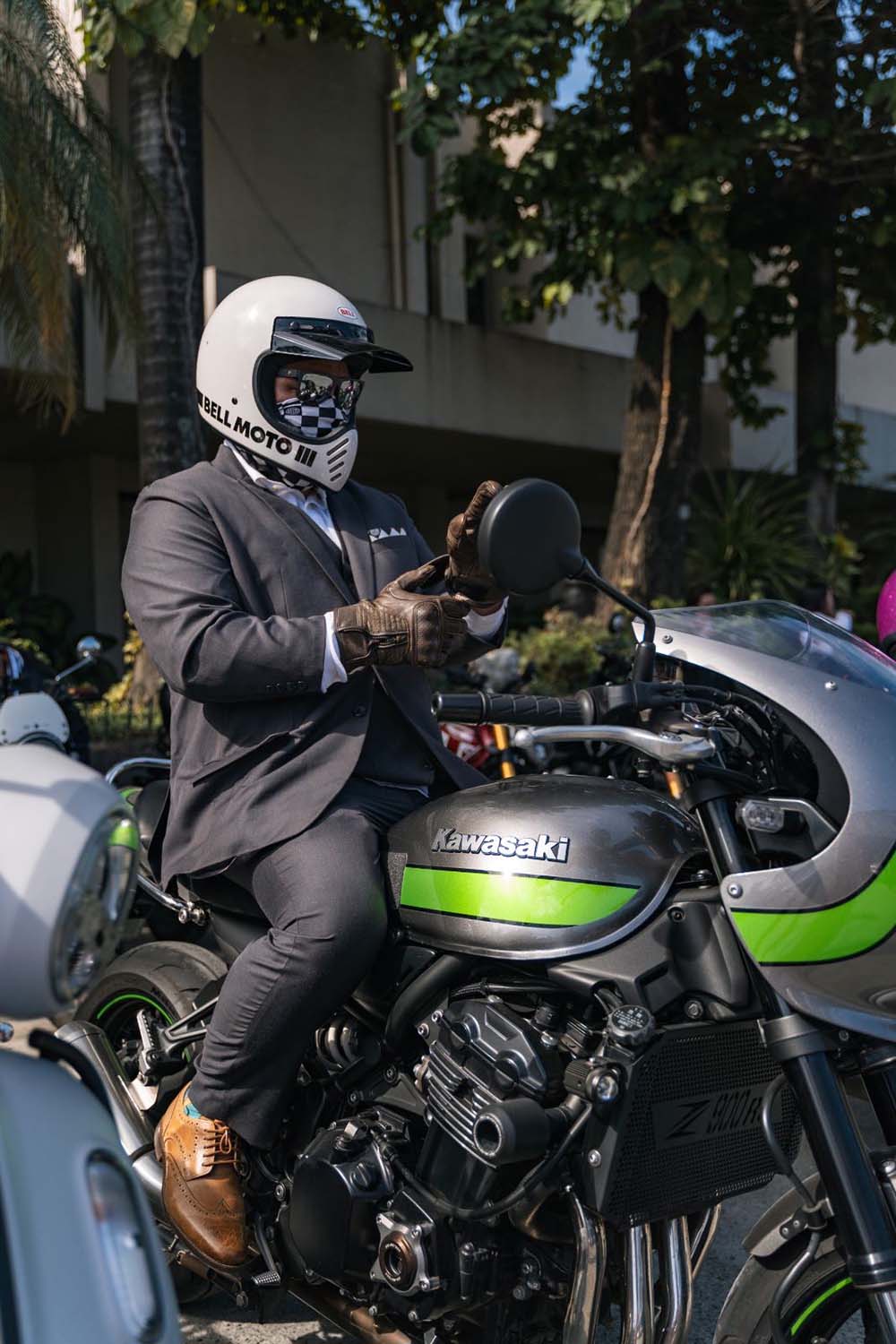
He names the machines that draw the closest attention: the Kawasaki W800, its traditional silhouette enclosing Japanese engineering; the Z900RS, which carries the spirit of the original Z1 into the present; the Honda Rebel; the Yamaha SR400, which he describes as belonging to no particular decade — a design as legible today as it would have been forty years ago. And the true classics: the Honda CB750, a turning point in motorcycle history; the Yamaha XS650, a foundation of the custom scene; the Honda Cub, which he calls arguably the most influential motorcycle ever made. What connects all of them, in his view, is not where they were built but what they became.
“What earns these motorcycles a place at DGR is not necessarily where they were manufactured. It’s the fact that they have a sense of timelessness. A classic isn’t just an old motorcycle. It’s a motorcycle that has developed a personality and a story. Japanese motorcycles have earned their place because they have become part of the personal stories of millions of riders. When you see a Japanese classic at DGR Manila, you’re not just looking at a machine. You’re looking at a piece of motorcycle history that has found its own place in Filipino culture.
I remember seeing Japanese motorcycles at the DGR that weren’t necessarily the most powerful or the most expensive bikes in the group, but they had something you couldn’t buy with money — character. You could see the effort that had gone into keeping them alive. Maybe the paint wasn’t perfect. Maybe there were signs of age. But the owner knew the motorcycle’s history, and you could tell there was an emotional connection between the rider and the machine. You might start the day thinking you’re there because of the motorcycles. But somewhere along the way, you realize you’re really there because of the people and the stories behind those motorcycles.” — Mark Laccay, Head, Distinguished Gentleman’s Ride Manila
The motorcycle is sometimes a nuisance — this is worth saying plainly. It weaves between lanes on EDSA and idles two abreast at intersections. It is the source of friction in a hundred traffic conversations, and in a city as dense as Manila, its presence is not always welcome.
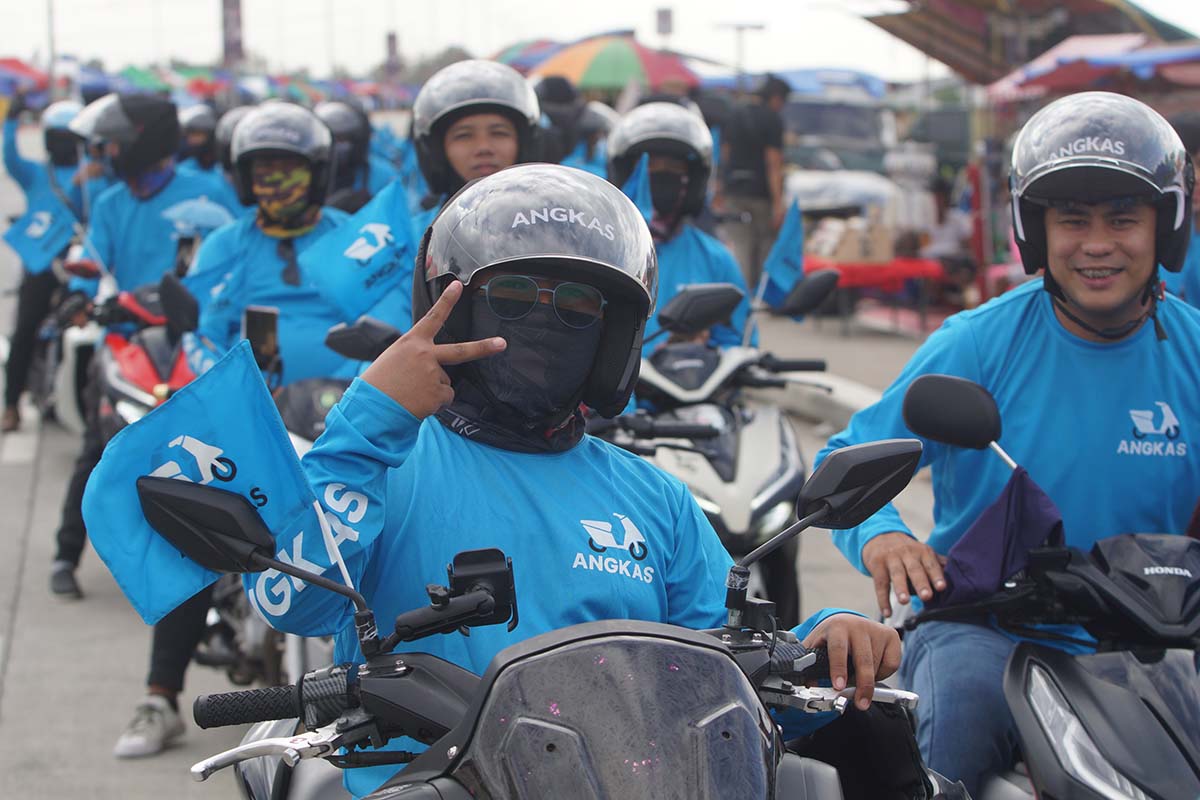
And yet the city would not move without it. Angkas riders carry office workers, nurses, students, and domestic helpers across Metro Manila at hours when no other transport is reliable. The same platforms deliver antibiotics from a pharmacy in Mandaluyong to an apartment in Pasig. They carry the lunch from a restaurant in BGC to a desk in Ortigas, the contract from a law firm to a notary three barangays away, the birthday cake, the blood sample, the spare part. The motorcycle does not serve one segment of Manila. It serves all of them.
Across seven decades and every register of Philippine life — livelihood, logistics, transport, culture, passion — no Japanese export has come close to matching what the motorcycle has done here. Japan sent its engineers, its engineers built their machines, and the Philippines took those machines and made them something Japan never fully imagined: infrastructure, inheritance, and identity, all at once.
“As we celebrate the 70th anniversary of diplomatic relations between Japan and the Philippines, what comes to my mind first is gratitude. For more than fifty years, Filipino customers have welcomed Honda motorcycles into their daily lives and have continued to place their trust in our products and our brand. We are deeply honored that Honda motorcycles have become a part of the journeys, livelihoods, and memories of generations of Filipino families. Honda motorcycles represent the bond we have built with our customers over many decades. It reflects not only Japanese technology and craftsmanship, but also the trust and loyalty of the Filipino community as their mobility partner.” — Takeshi Kobayashi, President, Honda Philippines, Inc.
Two wheels. Seventy years.
One nation, still moving.