

Last year saw Indonesia celebrate 80 years of independence. Today, its partnership with Japan is entering a new era; one defined not simply by infrastructure projects, but by sustainable growth, digital transformation, human capital, and deeper economic integration.
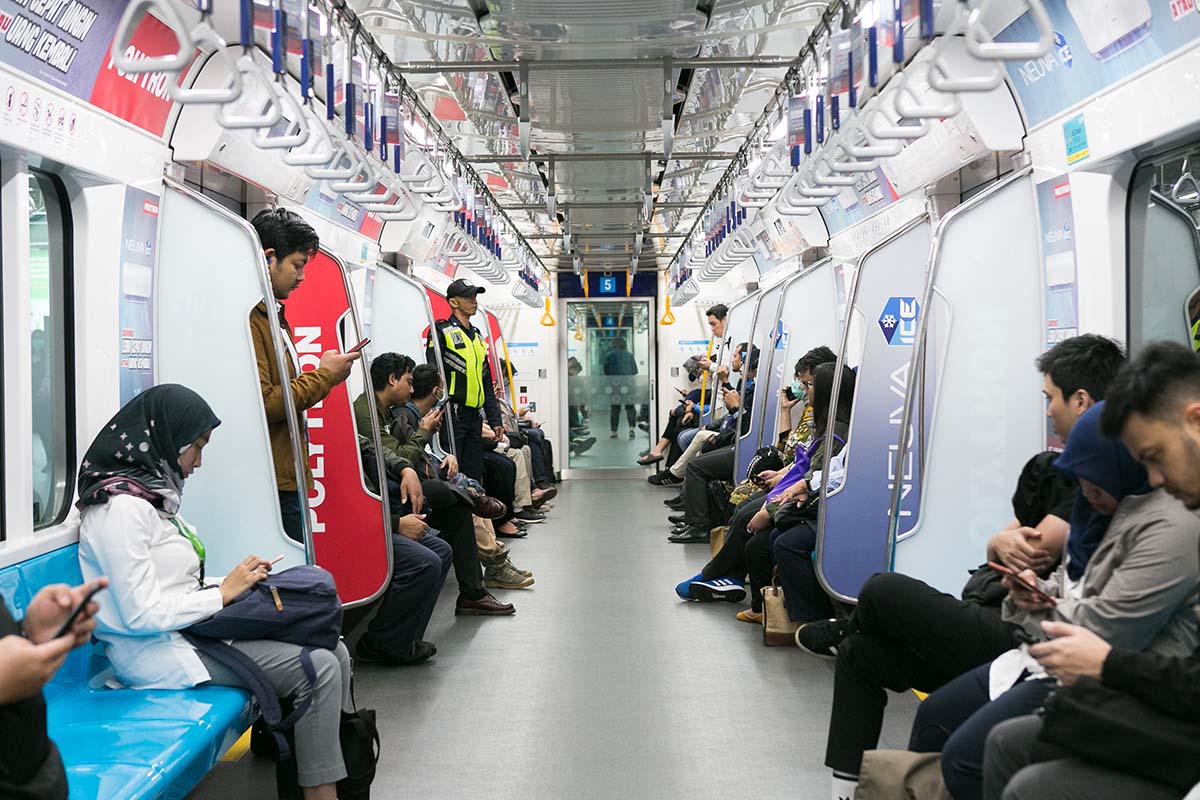
Indonesia and Japan have been partners for decades. But as Indonesia looks toward its ambitious “Golden Indonesia 2045” vision—a goal of becoming a developed, high-income economy by the country’s 100th anniversary of independence—the relationship is taking on a broader significance.
Japan, through the Japan International Cooperation Agency (JICA), is increasingly working with Indonesia not only to build roads, ports, railways, and other infrastructure, but to create the economic ecosystems that connect them.
Bridges sat down with Sachiko Takeda, Chief Representative of JICA Indonesia Office to explore how the partnership is evolving, where the biggest opportunities lie, and what it will take to build Indonesia’s next century.
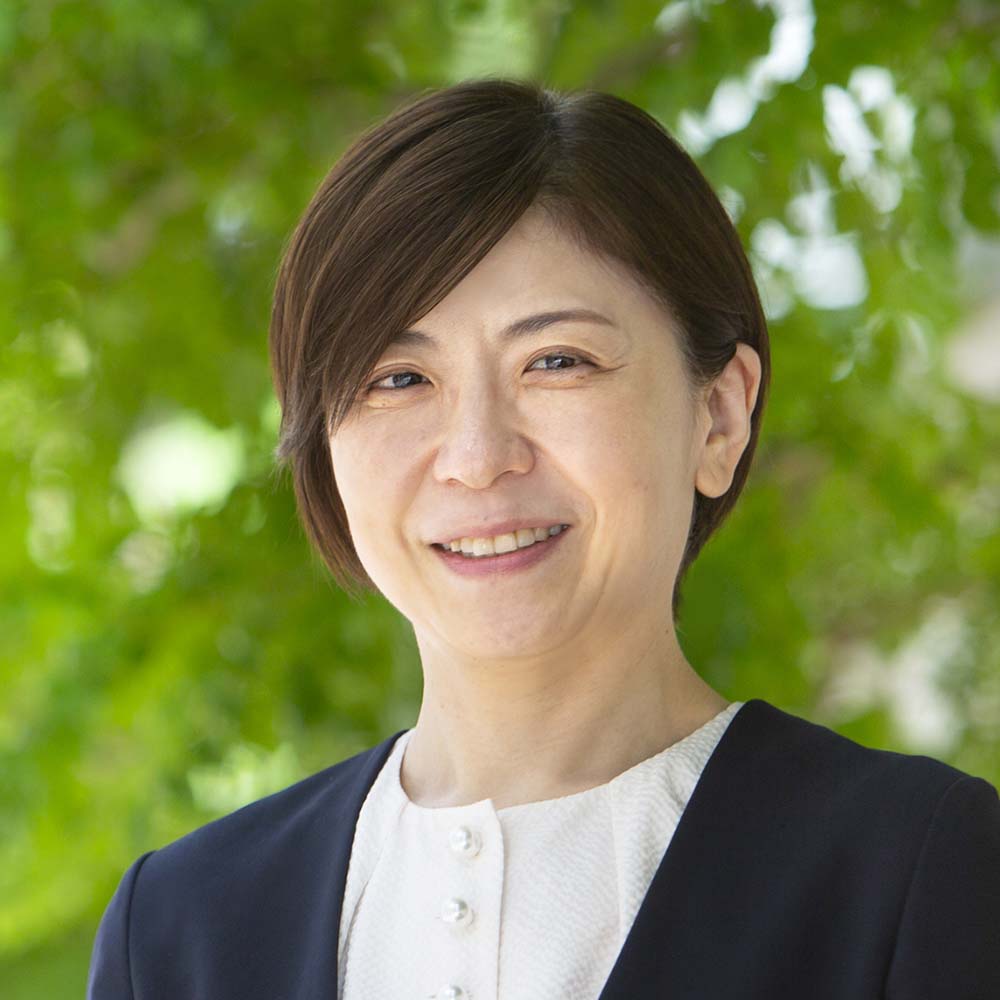
Bridges: How would you characterize the current state of the Indonesia–Japan relationship?
Takeda: The relationship has entered a new stage under the Comprehensive Strategic Partnership signed between President Joko Widodo and then–Prime Minister Fumio Kishida.
Cooperation has expanded well beyond traditional development assistance toward the joint creation of sustainable economic growth and regional stability.
Indonesia is Japan’s largest development partner in terms of cumulative Official Development Assistance (ODA), but it is also a strategic partner with deep economic, political, and people-to-people ties.
The longevity of the relationship is itself significant. The two countries will celebrate the 69th anniversary of diplomatic relations next year — a milestone that reflects the depth and resilience of this partnership.
“Having worked for Vietnam and the Philippines for several years before coming to Indonesia, I can say that the breadth of the Japan–Indonesia partnership is genuinely distinctive. There is an extraordinary range of cooperation—from infrastructure and manufacturing to education, technology, energy, and human resource development.”
Sachiko Takeda, Chief Representative of JICA Indonesia Office

Indonesia has set a goal of becoming a developed, high-income nation by 2045. How does that align with JICA’s priorities?
Very closely. Indonesia’s Golden Indonesia 2045 vision focuses on strengthening industrial competitiveness, accelerating digital and green transformation, improving connectivity, and developing human resources. These priorities align naturally with JICA’s strengths in infrastructure, technology, human resource development, and institutional capacity building.
There is also powerful symbolism behind the 2045 target. It will mark 100 years since Indonesia declared independence in 1945.
In many ways, this is an opportunity for Indonesia to define what the next century of the nation will look like—and JICA is committed to supporting Indonesia as a long-term partner in that journey.
Which areas of business and infrastructure cooperation are seeing the most momentum?
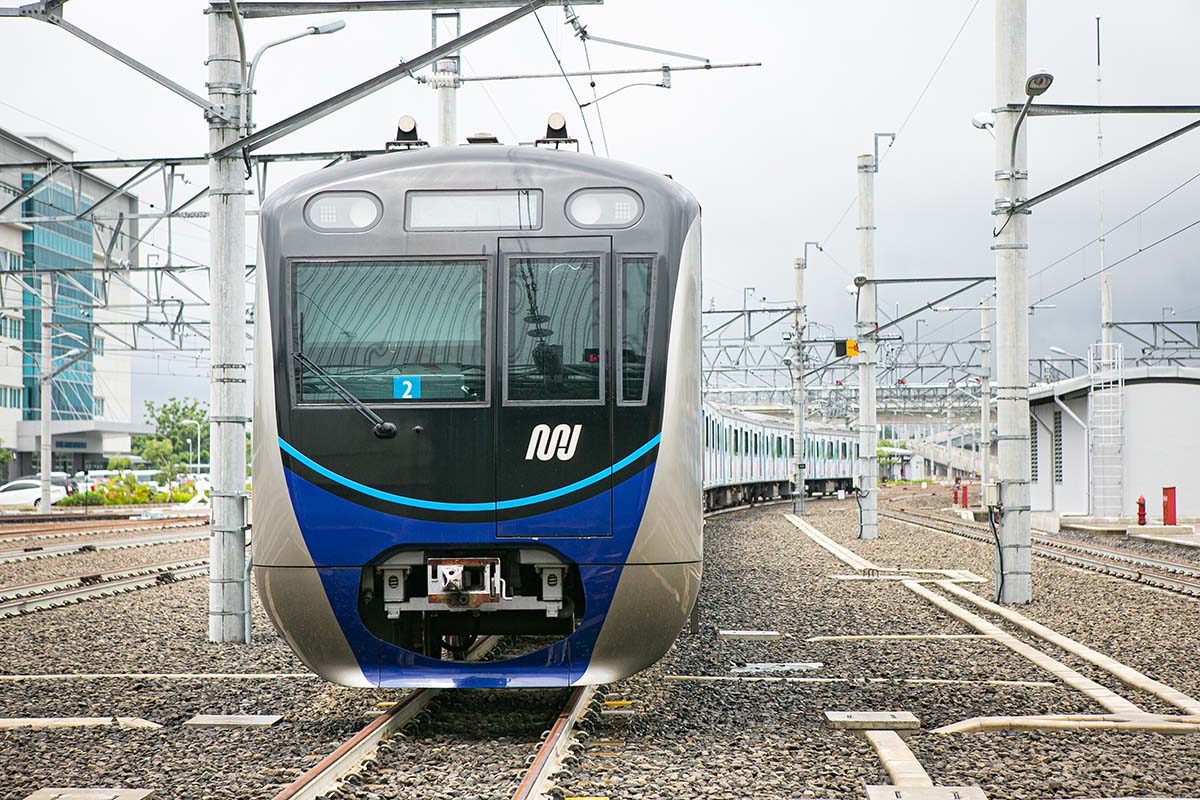
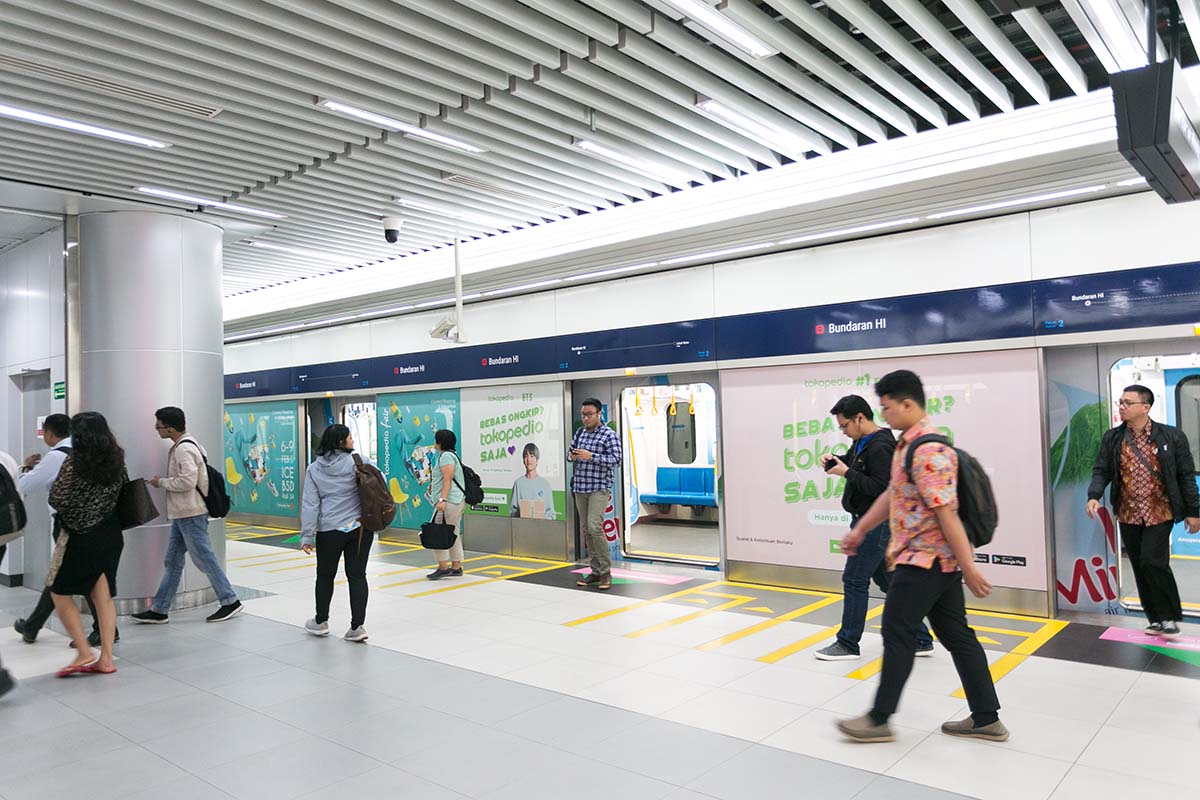
Infrastructure cooperation is evolving. In the past, the focus was often on building individual assets, such as the Jakarta MRT or Patimban Port. Today, the approach is increasingly about building entire economic ecosystems around those assets. That means supporting metropolitan transportation networks, strengthening logistics connectivity, and promoting sustainable urban development.
Patimban Port is a good example. Our support goes beyond the construction of the port itself. We also help finance access roads, provide technical cooperation for inland development (the back up area), and contribute to a comprehensive master plan for regional industrial development.
The objective is not simply to build infrastructure. It is to improve productivity, attract investment, strengthen regional industries, and help Indonesia become more deeply integrated into regional and global value chains. Ultimately, all of this supports Indonesia’s ambition to become a high-income country by 2045.
Sustainability is central to that growth story. Where is JICA focusing its efforts?
We see four major areas of cooperation that will be particularly important in helping Indonesia transition toward a high-income, low-carbon, knowledge-based economy.
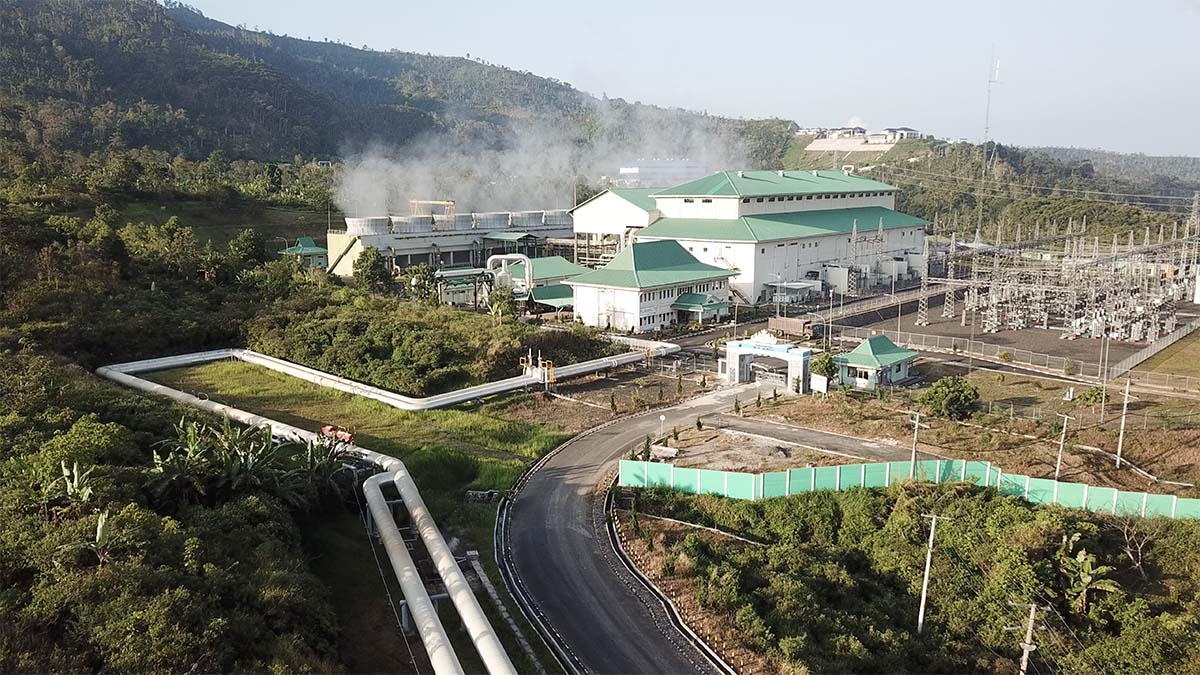
- First are energy transition and green growth. Indonesia has set a target of achieving carbon neutrality by 2060. Reaching that goal will require major investment in renewable energy, geothermal power, hydropower, transmission infrastructure, and emerging technologies such as hydrogen and ammonia. There are also opportunities for Japanese companies to contribute industrial decarbonization technologies and expertise.
- Second is digital transformation and AI. Digitalization is now a national priority. Opportunities are emerging in areas including artificial intelligence, cybersecurity, digital public infrastructure, and smart cities. These technologies should not be viewed as isolated industries. They can become cross-cutting drivers of productivity across the entire economy.
- Third is urban infrastructure and connectivity. The opportunity extends far beyond railways and ports. Airports, water supply, wastewater treatment, waste management, and disaster risk reduction will all be increasingly important as Indonesian cities grow. Japanese companies have particular strengths in long-term infrastructure operation and maintenance. Building infrastructure is only the beginning; keeping it safe, efficient, and functional for decades is equally important.
- Fourth is human resources development. This may ultimately be the most important area of all. Indonesia’s demographic dividend is expected to peak in the 2030s. Whether the country can successfully move beyond the middle-income trap will depend heavily on raising productivity and developing the skills of its workforce. That creates opportunities for Japanese universities, training institutions, and private companies to contribute to higher education, technical training, and industrial skills development.
What’s currently holding back deeper collaboration between the two countries?
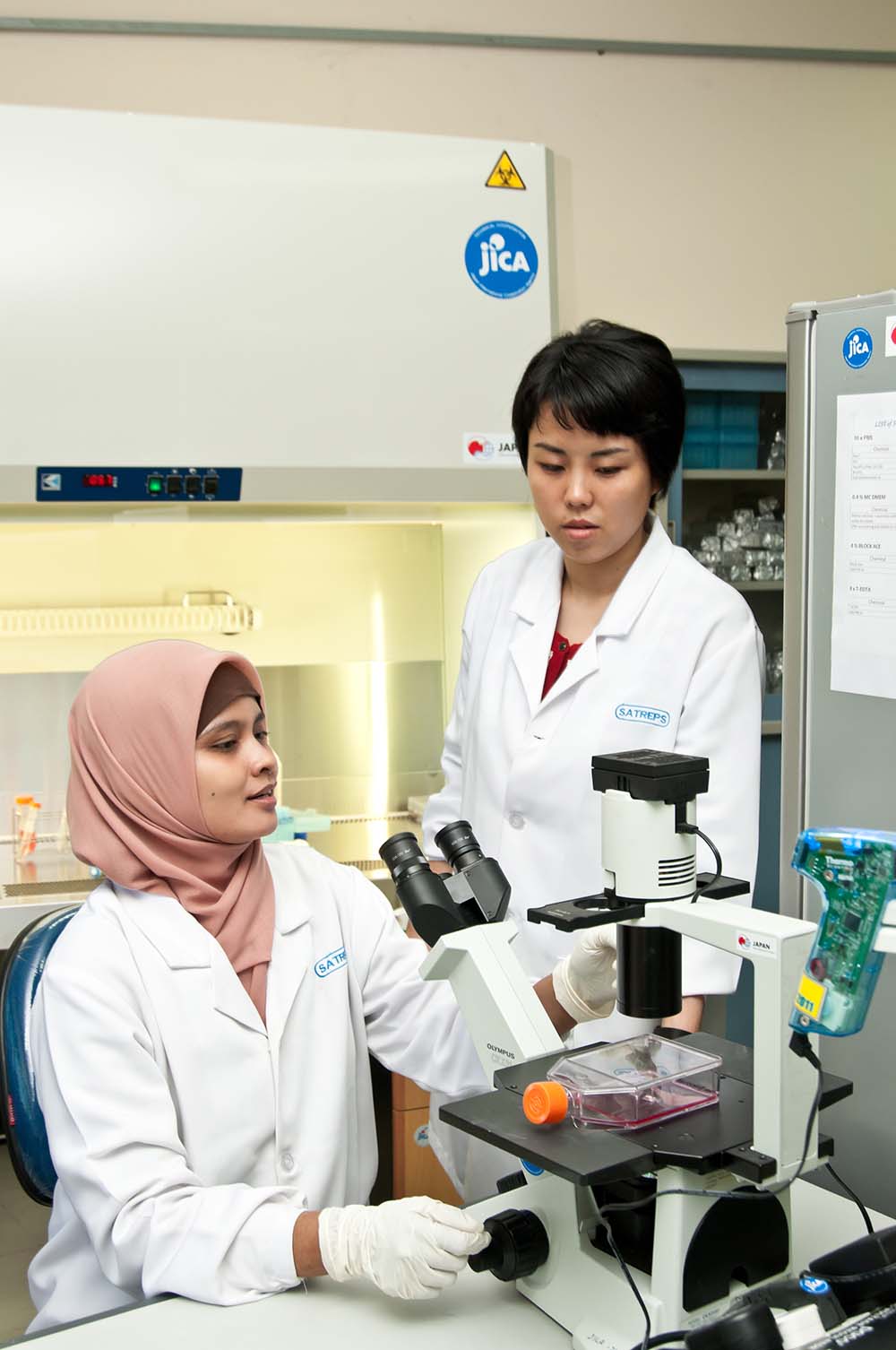
I would describe these less as obstacles and more as areas where continued progress is needed. First, improvements in the business environment, regulatory efficiency, and institutional capacity—particularly within public administration—can help attract high-quality investment and facilitate long-term partnerships.
Second, there is the challenge of ensuring balanced and inclusive development across Indonesia’s more than 17,000 islands. Connectivity, logistics, and regional infrastructure will remain essential for unlocking economic opportunities outside the country’s major urban and industrial centers. Better connections can also create new possibilities for Japanese and Indonesian businesses to collaborate.
Third, human resource development remains crucial. Indonesia’s young and dynamic population is one of its greatest assets. Continued cooperation in education, technical training, and workforce development can help the country move toward higher-value-added industries.
Finally, climate change, environmental sustainability, and disaster resilience are becoming increasingly urgent for both countries. Japan has decades of experience in environmental management and disaster risk reduction, and there is significant potential to apply that knowledge in Indonesia.
You’ve worked across Southeast Asia, including Vietnam and the Philippines. What stands out about Indonesia?
The scale and depth of business collaboration are striking. More than 2,400 Japanese companies currently operate in Indonesia. Having worked for Vietnam and the Philippines for several years before coming to Indonesia, I can say that the breadth of the Japan–Indonesia partnership is genuinely distinctive. There is an extraordinary range of cooperation—from infrastructure and manufacturing to education, technology, energy, and human resource development.
What makes the relationship particularly promising is that it is no longer simply about one country helping another build individual projects. It is increasingly about working together to create sustainable economic growth.
Looking Ahead
Indonesia’s next chapter will require more than physical infrastructure. It will require skilled people, resilient cities, cleaner energy, digital innovation, efficient institutions, and stronger connections between regions and industries. That makes the Japan–Indonesia relationship increasingly multidimensional.
As Indonesia moves toward Golden Indonesia 2045, the opportunity is to transform decades of cooperation into something even more ambitious: a partnership that helps build not only the infrastructure of the future, but the economic and human foundations that will sustain it.