

Motorsport gives PUMA a global platform for performance, design and culture. Through its Formula 1 partnerships, the German sportswear company connects teams and fans through technical products, lifestyle collections and designs shaped by local identity.
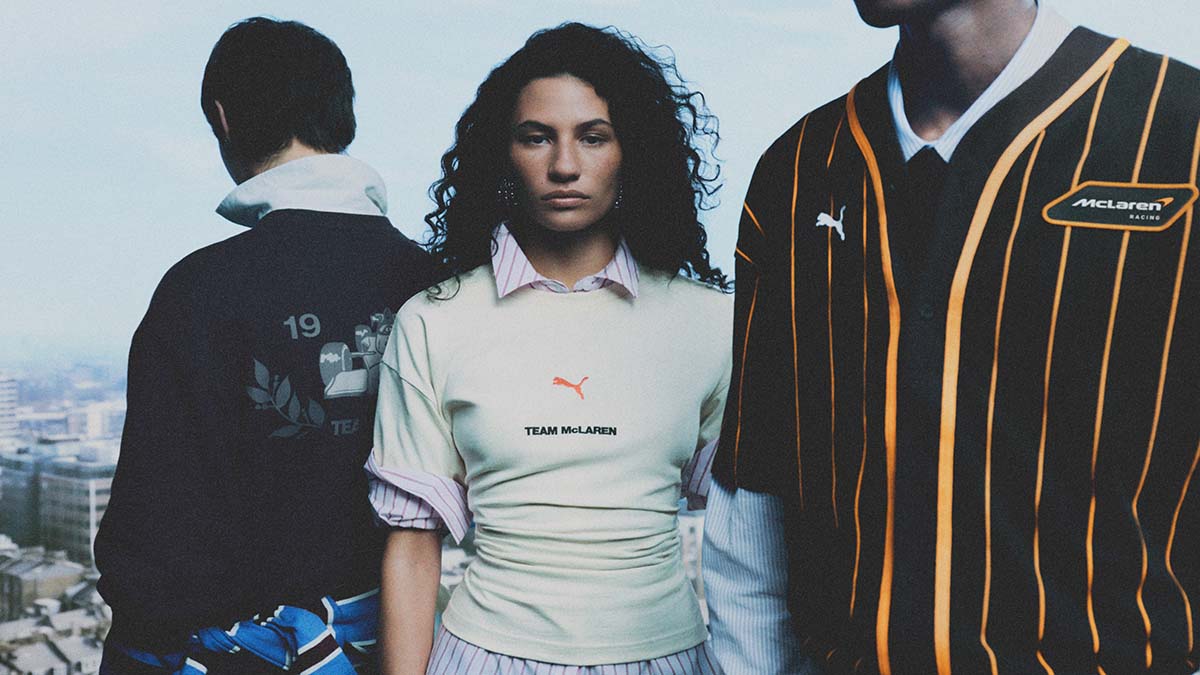
PUMA’s relationship with Scuderia Ferrari began in 2005 with performance apparel and fanwear. Over the past two decades, the partnership has expanded to include complete lifestyle collections and products inspired by significant moments in Ferrari’s Formula 1 history. McLaren’s arrival alongside Ferrari and Aston Martin adds another distinctive team identity to PUMA’s motorsport portfolio.
Place and culture play a growing role in this strategy. Created around the Japanese Grand Prix at Suzuka, PUMA’s Sakura collection applied a Japanese cultural motif across fan apparel and professional racing footwear. The collection demonstrated the appeal of products grounded in symbols that carry meaning for local fans.

In this exclusive interview with Bridges, Thomas Josnik, Vice President BU Motorsport at PUMA, discusses the evolution of the company’s Formula 1 partnerships, its approach to expressing each team’s character and the growing importance of Japanese fans to PUMA’s motorsport and lifestyle strategy.
Bridges: PUMA’s partnership with Ferrari now spans two decades, making it one of the longest-running relationships in the sport. How has that partnership evolved, and what does a partnership of this length mean for PUMA’s approach to motorsport as a brand platform?
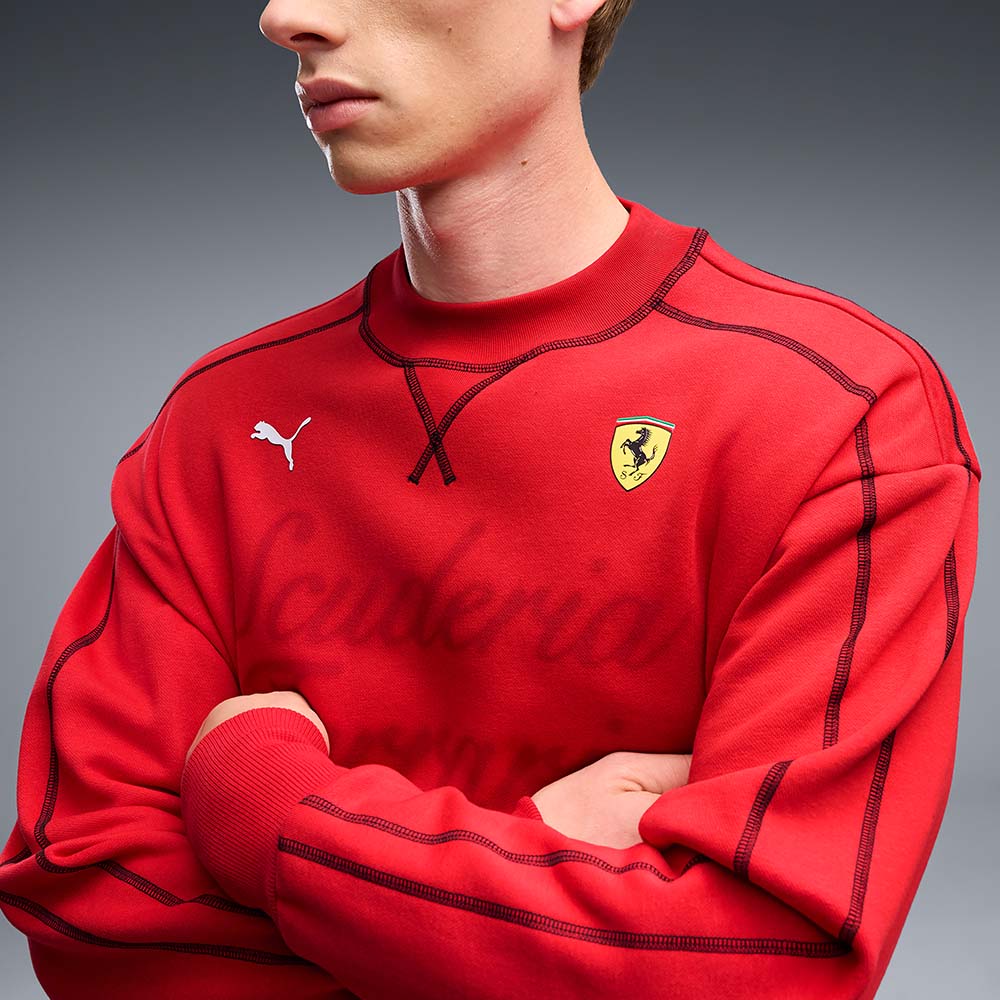
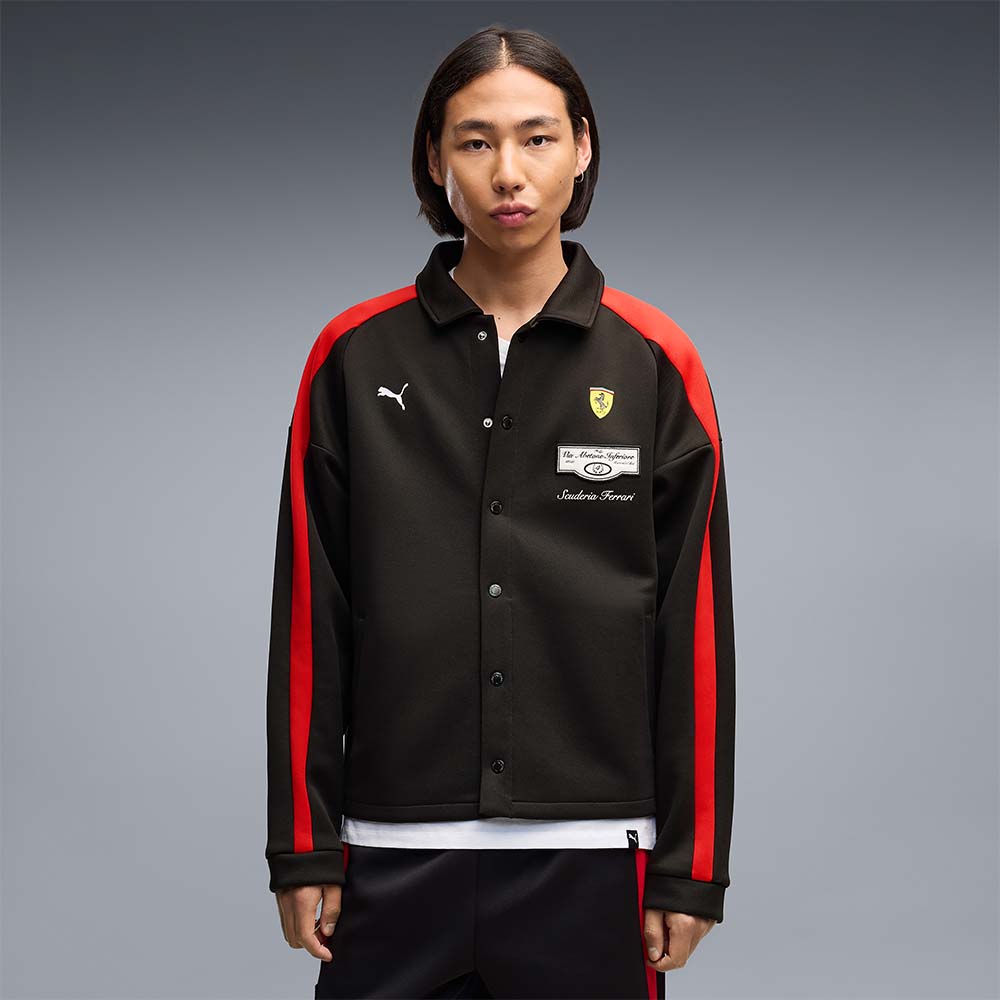
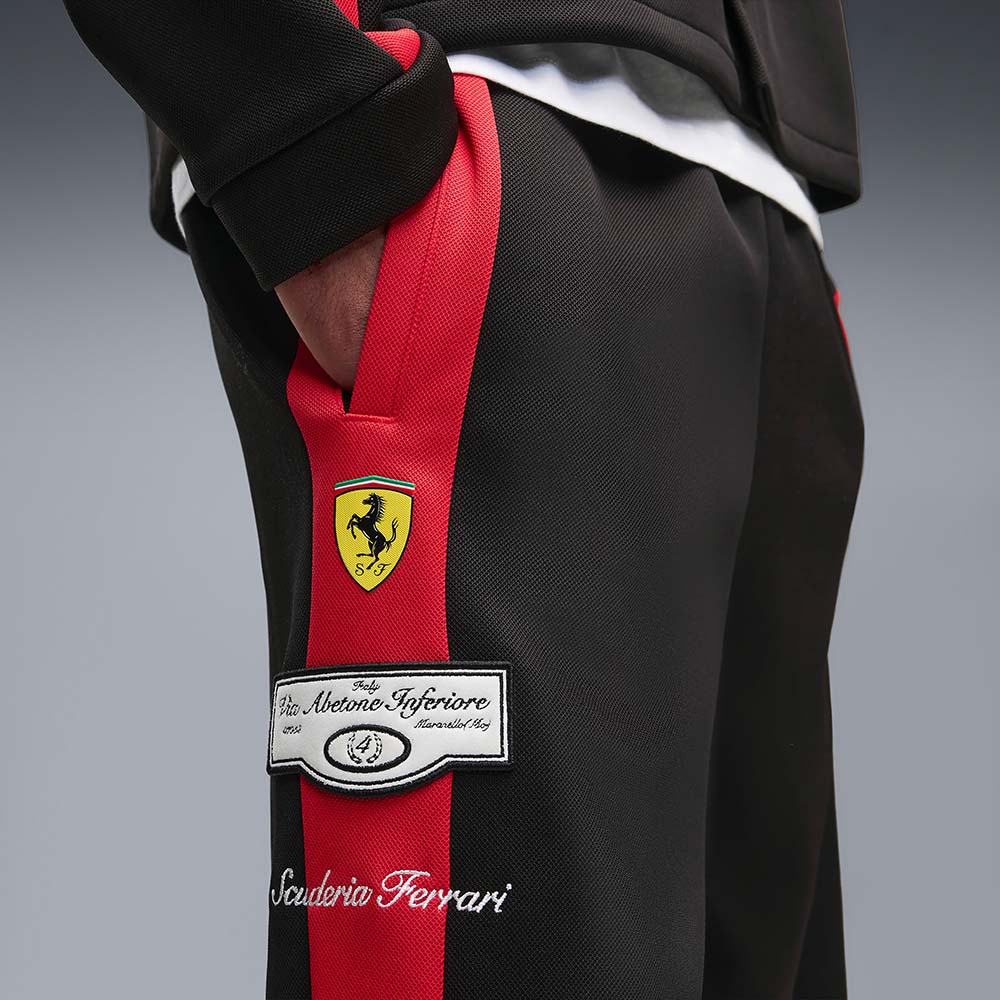
Josnik: When Scuderia Ferrari and PUMA first started working together in 2005, there was a narrower focus on performance wear and fanwear. In the past two decades, our partnership has evolved significantly to go beyond these two categories and include complete lifestyle collections, as well as collections that capture special moments on the Formula 1 calendar and in Scuderia Ferrari’s unique motorsport history.
Motorsport is an important part of PUMA’s history and a great platform for our brand at the intersection of performance, design and culture. Our long-term partnership with Scuderia Ferrari is a major building block of this legacy in motorsport.
“Japan is a market where sport and street culture already sit closely together, which is very much like PUMA’s own DNA.”
Thomas Josnik, Vice President BU Motorsport at PUMA
McLaren joined the PUMA roster this season, alongside Ferrari and Aston Martin. What made McLaren the right addition, and how does PUMA differentiate its identity across three Formula 1 teams at once?
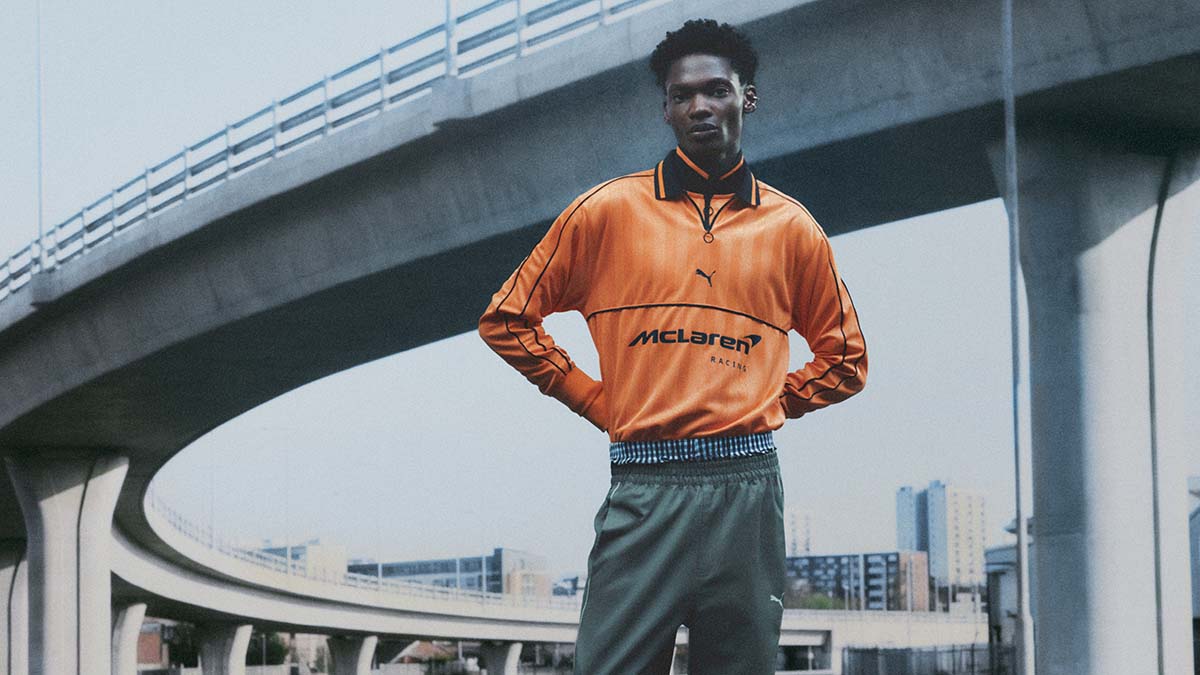
McLaren was a great addition to our motorsport portfolio because, apart from its undeniably successful history, it also brings its own distinctive energy and style. The latter is equally important, as it gives PUMA the opportunity to develop a range of products that is unique to the team.
Together with McLaren, we are working on replica and lifestyle collections and aiming to find new ways to engage the team’s many fans around the world.
It is very important for us to deliver a unique set of products for each of the motorsport partners we work with that captures the individual spirit of that partner.
PUMA’s Suzuka collection, drawing on Sakura motifs, was the first product to emerge from the wider Formula 1 partnership and was developed specifically around Japan. What did that collaboration teach PUMA about engaging Japanese motorsport fans, and could it serve as a model for future releases connected to the Japanese Grand Prix?
The Sakura collection confirmed something we had suspected but had not tested at scale: fans respond most strongly when a product speaks to cultural identity. We wanted to build something around a symbol with real meaning, and that is what gave the collection its resonance.
It also showed us that performance and heritage can work together. The Speedcat Pro racing shoe carried the same design language as the T-shirts while retaining its identity as a performance product.
In spirit, it is a template. We will develop a fresh creative concept for each Japanese Grand Prix. The underlying approach begins with a cultural aspect that is authentic to the region, and this is exactly the model we want to apply to future releases.
As a German brand with deep roots in sport and street culture, how does PUMA see Japan—and Japanese consumers specifically—fitting into its long-term motorsport and lifestyle strategy?
Japan is a market where sport and street culture already sit closely together, which is very much like PUMA’s own DNA.
When creating products for that market, we approach Japanese consumers as a fan community with its own aesthetic language. That is the model behind every fan-centric concept we run. Japan, with the Suzuka Grand Prix as an anchor moment each year, is one of the clearest examples of where that strategy can continue to grow.