

Across runways and exhibit halls, trade floors and resale racks, Singapore and Japan are shaping a dialogue of subtlety, skill, and sustainability that is redefining style beyond borders.
Fashion has typically traveled well, moving freely across continents and inspiring trends in distant markets. But the exchange between Singapore and Japan has recently evolved into something more nuanced than aesthetic borrowing. It is a cross-cultural dialogue rooted in subtlety and refinement, where craft, sustainability, and design integrity are spoken fluently in both cities’ fashion languages, shaping a style that finds expression globally.
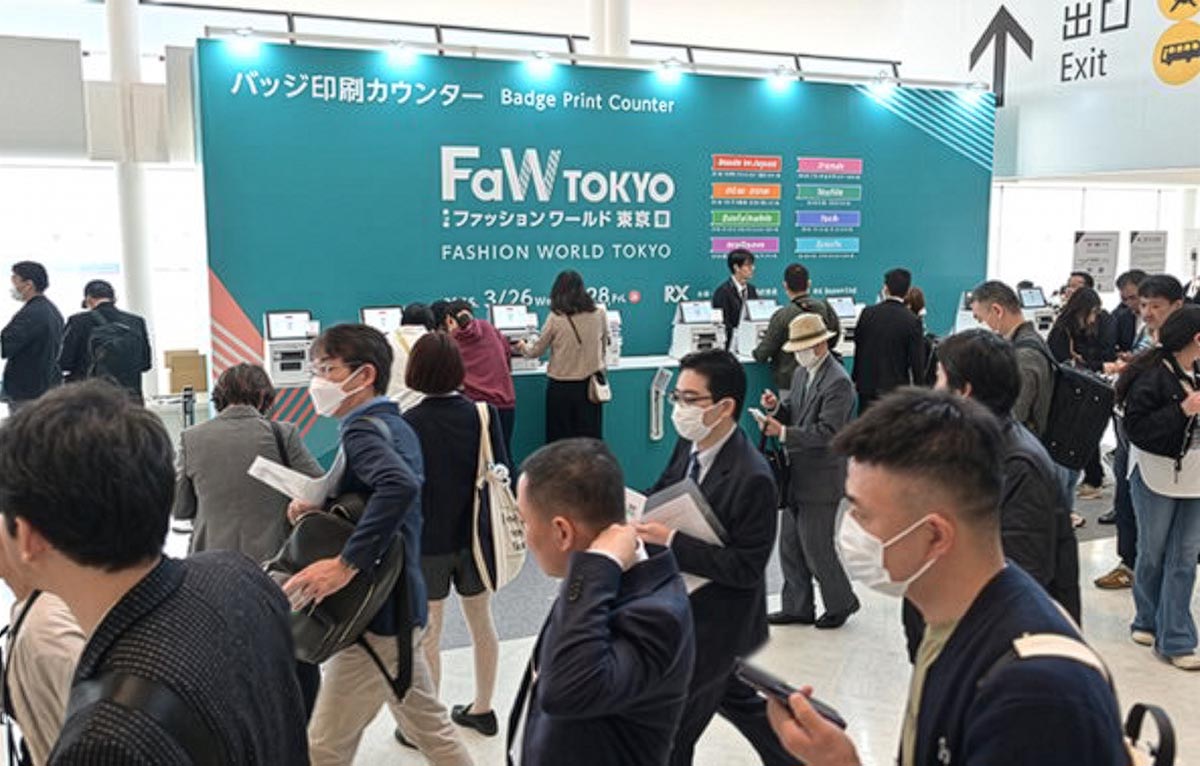
Across trade shows, retail expansions, resale culture, and design collaborations, the two markets are increasingly influencing one another. A telling snapshot came in 2025 at FaW TOKYO (Fashion World Tokyo), one of Japan’s premier fashion trade exhibitions, where global designers, manufacturers, and retailers gathered under one roof.
Moments like these reveal a broader shift across Asia: a growing confluence where Southeast Asian creativity meets Japanese retail expertise—and where fashion, design, and sustainability intersect in quietly transformative ways.
Singapore designers on a powerful retail frontier
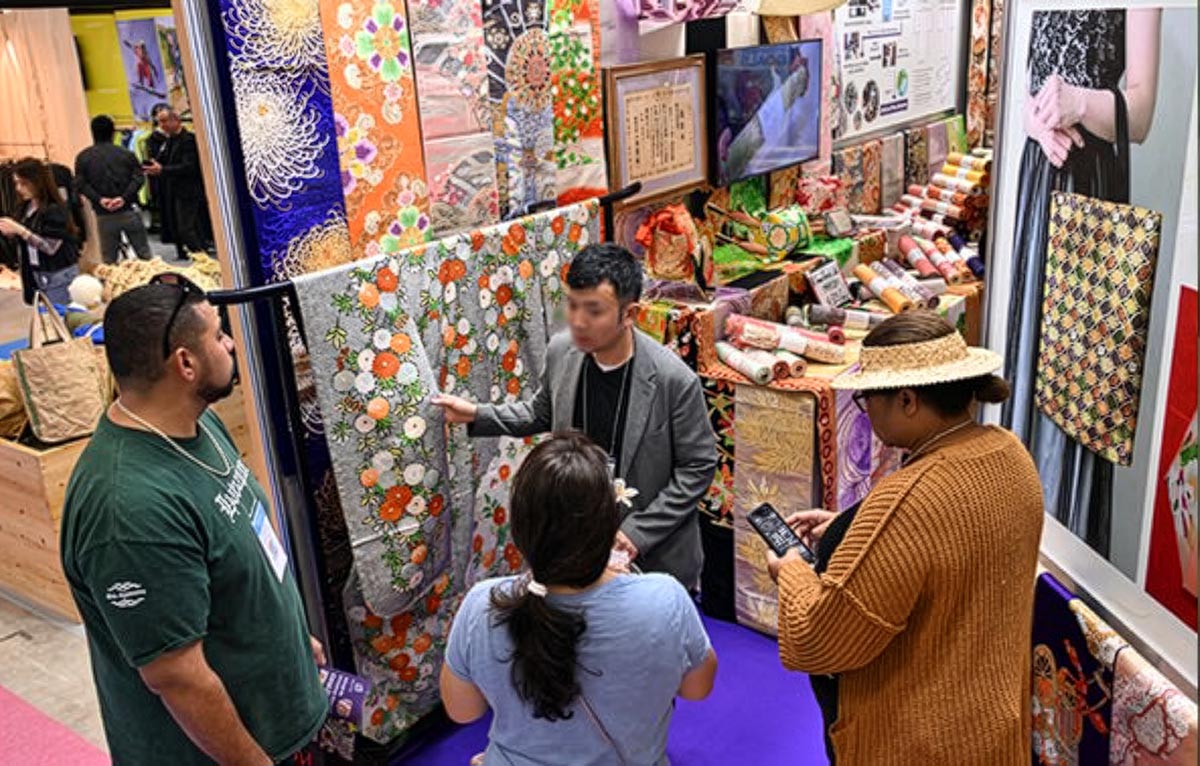
For Singaporean brands looking beyond domestic borders, Japan has long been a tantalizing frontier. Platforms such as FaW TOKYO have increasingly become gateways for designers seeking entry into one of Asia’s most discerning fashion ecosystems.
At the 2025 edition, Singapore designers, exhibitors, and brands, supported by the Singapore Fashion Council, connected with key Japanese retailers. These gatherings draw the decision-makers who shape seasonal trends, creating rare spaces where initial introductions can swiftly evolve into meaningful buying conversations.
For emerging brands, that distinction matters. Japan’s retail ecosystem is among the most selective in the world, with department stores and specialty retailers known for tightly edited international selections. A successful debut signals instant credibility across Asia.
INSIDER NOTE
Japan’s department store culture is legendary. Retailers like Isetan curate entire seasonal floors, with buyers shaping entire seasonal narratives, sometimes elevating emerging labels to cult status overnight—a feat that can define careers.
Yet the attraction flows both ways. Japanese buyers have increasingly embraced Singapore’s evolving design language—minimalist yet tropical, structured yet fluid, global yet regionally grounded. Where Japanese fashion leans toward quiet sophistication, Singapore’s contemporary labels speak a surprisingly similar dialect, making the relationship feel instinctive rather than purely strategic.
Second-hand culture meets sustainability
Beyond trade shows and retail showcases, another cross-border influence has quietly taken root: recrafted fashion, where resale culture intersects with conscious consumption.
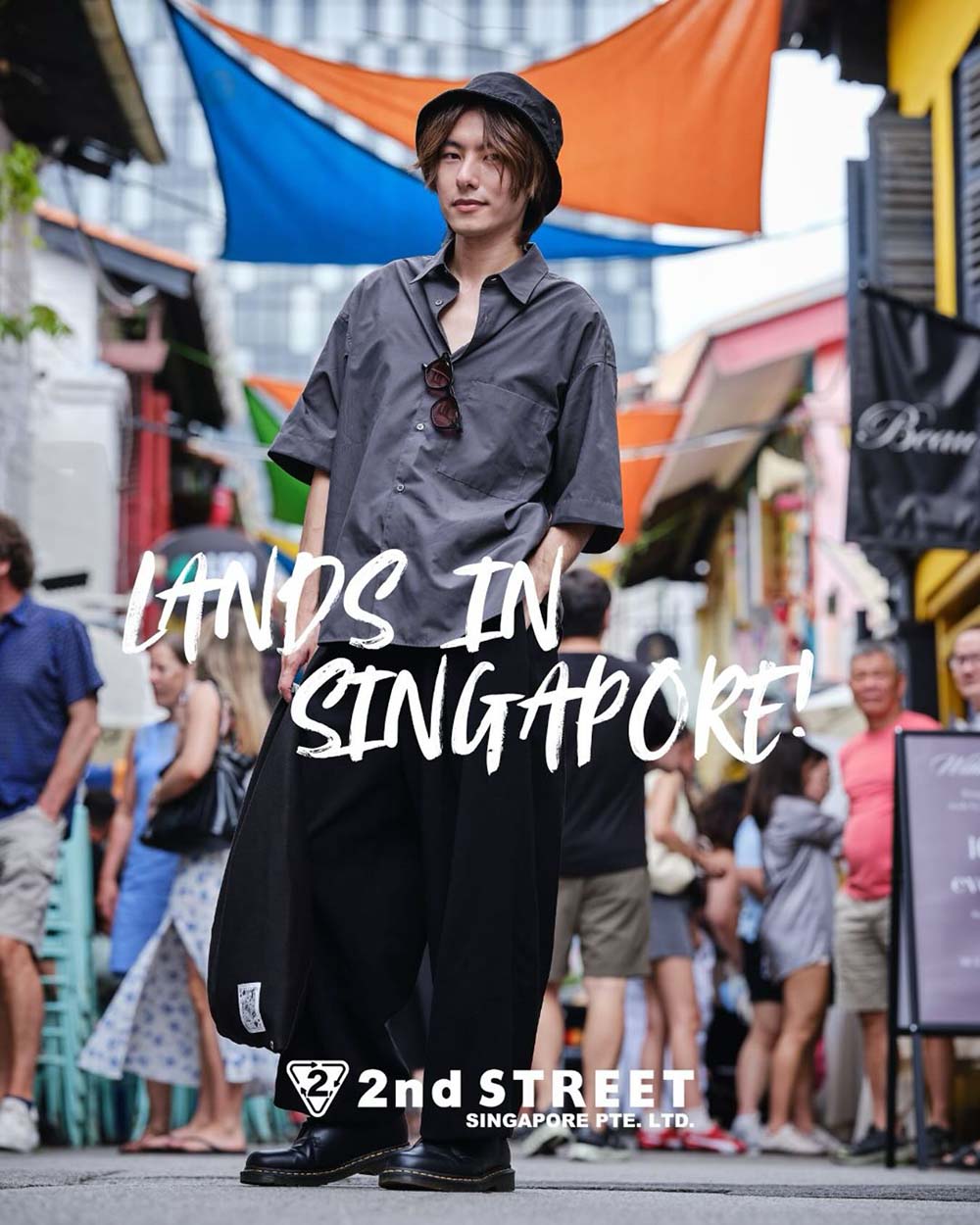
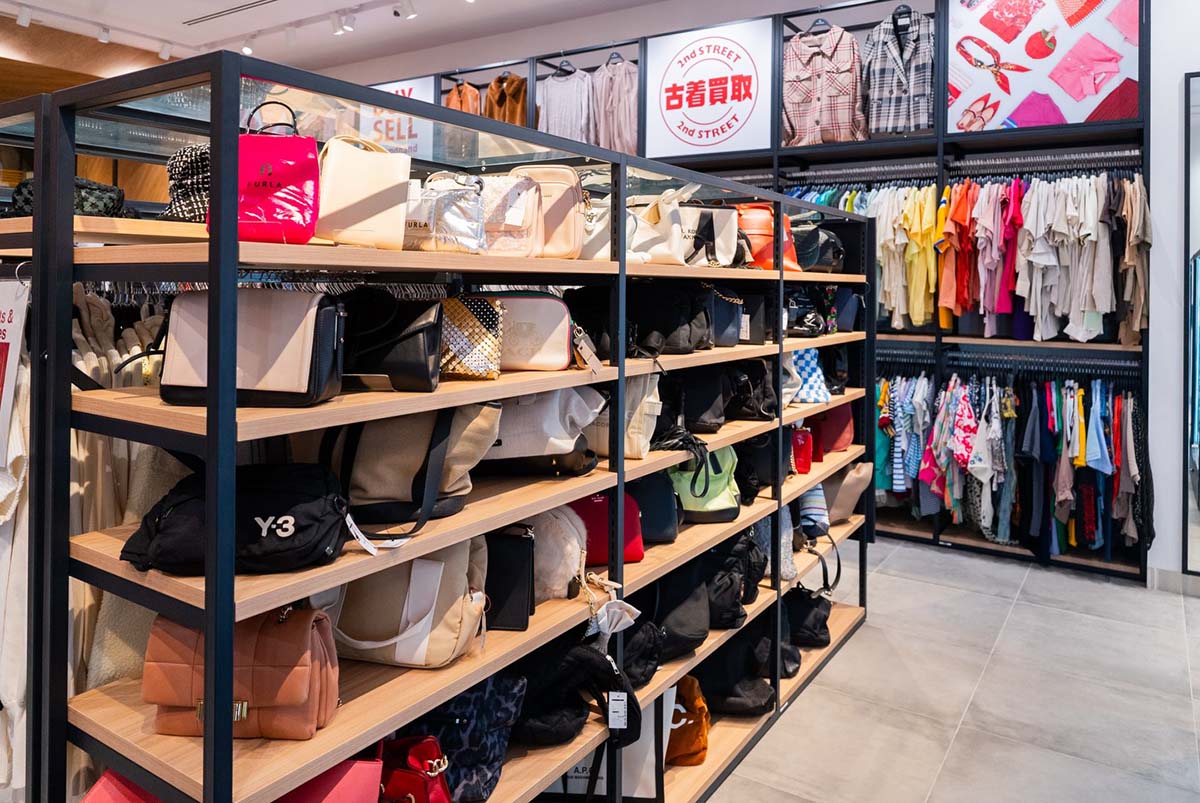
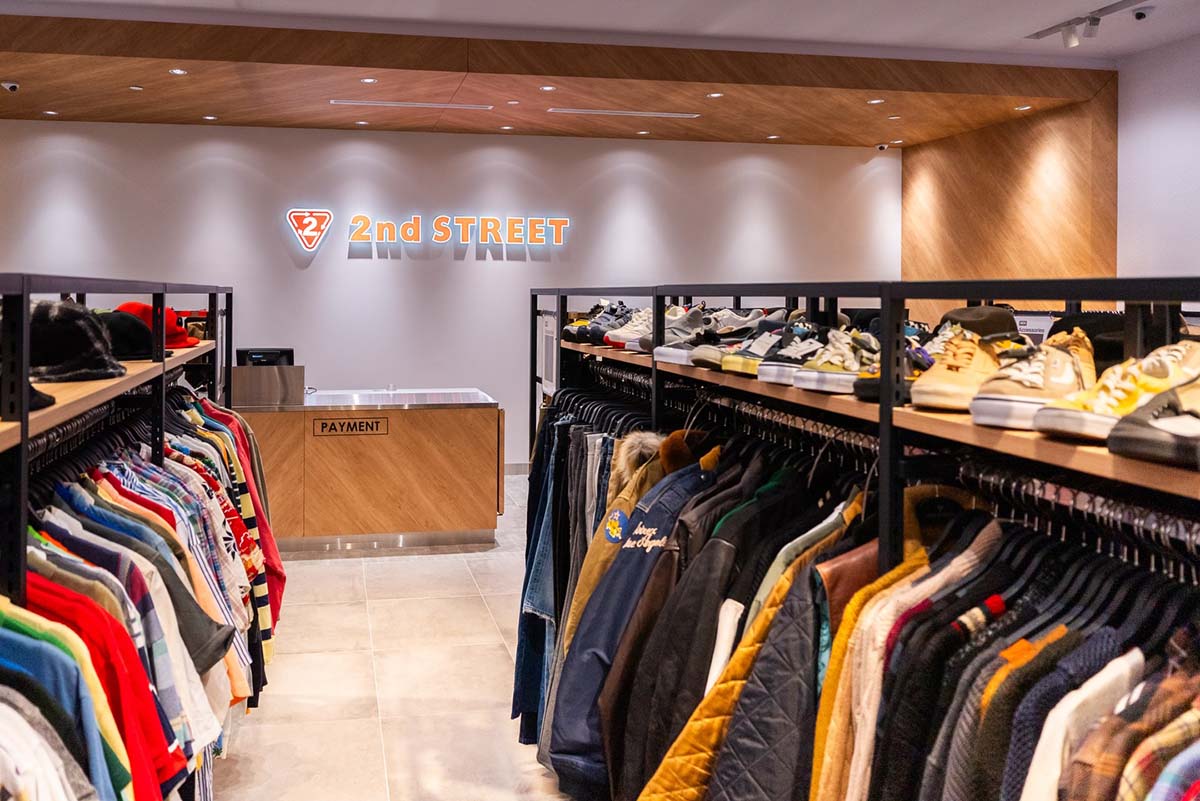
A clear signal arrived in April 2025, when Japan’s popular resale chain 2nd Street opened its first Singapore outlet at 313@Somerset inApril 2025. The 6,198-square-foot store carries over 22,000 second-hand items imported from Japan, from streetwear and vintage to designer labels.
For Singapore shoppers, the store is more than thrift—it’s a window into Japan’s deeply embedded resale culture. With hundreds of outlets worldwide, meticulous quality control is standard, reflecting the same precision that defines Japanese retail.
Its arrival aligns neatly with Singapore Green Plan 2030, which aims to halve the city-state’s landfill waste by the decade. The growing appetite for second-hand fashion mirrors this sustainability push. What was once dismissed as “thrift” is increasingly reframed as recrafting: garments rediscovered, restored, and recontextualized. Luxury accessories circulate through multiple wardrobes, vintage tailoring finds new life, and archival streetwear reappears for an entirely new generation.
PRO TIP
Japanese consumers are known for taking exceptional care of their clothing, meaning resale pieces are often in near-new condition. When browsing Japanese resale stores like 2nd Street, inspect labels closely—you may uncover hidden gems.
Quiet design, intentional innovation
Another point of convergence lies in design philosophy—specifically quiet intentionality.
Japanese fashion has long celebrated minimalism, emphasizing subtle construction, innovative textiles, and functional elegance. Singapore’s design scene increasingly mirrors these principles, favoring refined silhouettes, climate-responsive materials, and purposeful design.
This sensibility spills into technology collaborations, where fashion brands and tech companies explore wearable design and digital lifestyle products. Japan has a storied history of such experimentation, blurring the line between apparel and utility. Singapore, known as a design-forward innovation hub, complements this ethos: solutions are integrated seamlessly, thoughtfully, and with refined subtlety.
FUN FACT
Tokyo’s retail districts are famous for specialized boutiques, where entire stores may dedicate themselves to a single aesthetic or niche subculture.
Trade shows as cultural and commercial bridges
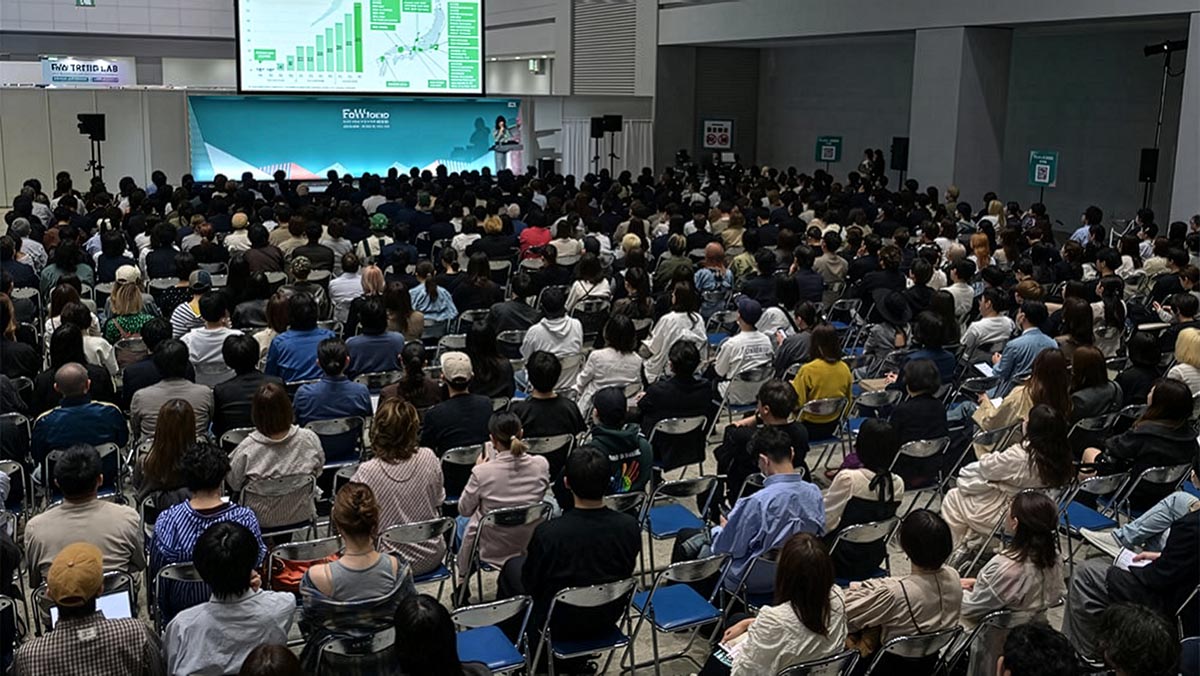
Seen in context, events like FaW TOKYO are not only trade fairs, but also (and perhaps, more so) cultural and commercial bridges. Designers, buyers, distributors, and media exchange ideas, materials, and insights over several days. Networking sessions link brands with importers actively seeking international labels, while retailers scout the next generation of global talent.
Where Japanese fashion leans toward quiet sophistication, Singapore’s contemporary labels speak a surprisingly similar dialect, making the relationship feel instinctive rather than purely strategic.
For Singapore’s fashion industry, these platforms are essential. The domestic market is small, making international expansion crucial. Japan, with its influential buyers and trend-setting consumers, offers a powerful gateway into Asia at large.
Japanese retailers gain equally: Singapore designers bring perspectives shaped by Southeast Asia’s multicultural identity, tropical climate, and global outlook, introducing fresh narratives into Japan’s meticulously curated retail spaces. The relationship feels less like expansion and more like mutual discovery.
PRO TIP
Placement in stores like Takashimaya or Isetan after a trade show signals strong commercial credibility—these buyers are famously known for their rigorous vetting.
A partnership shaping the future of fashion
Ultimately, the Singapore–Japan fashion connection extends beyond commerce. It reflects a broader shift in Asia’s design landscape—where collaboration, sustainability, and thoughtful aesthetics increasingly define success.
Singapore contributes agility and cross-cultural creativity; Japan brings retail expertise and a deep tradition of craftsmanship. Together, they are shaping a fashion ecosystem that is as progressive as it is timeless.
If exchanges across trade events, retail spaces, and design collaborations are any indication, the next chapter of Asian fashion may not belong to a single city—but to the evolving dialogue unfolding between them.