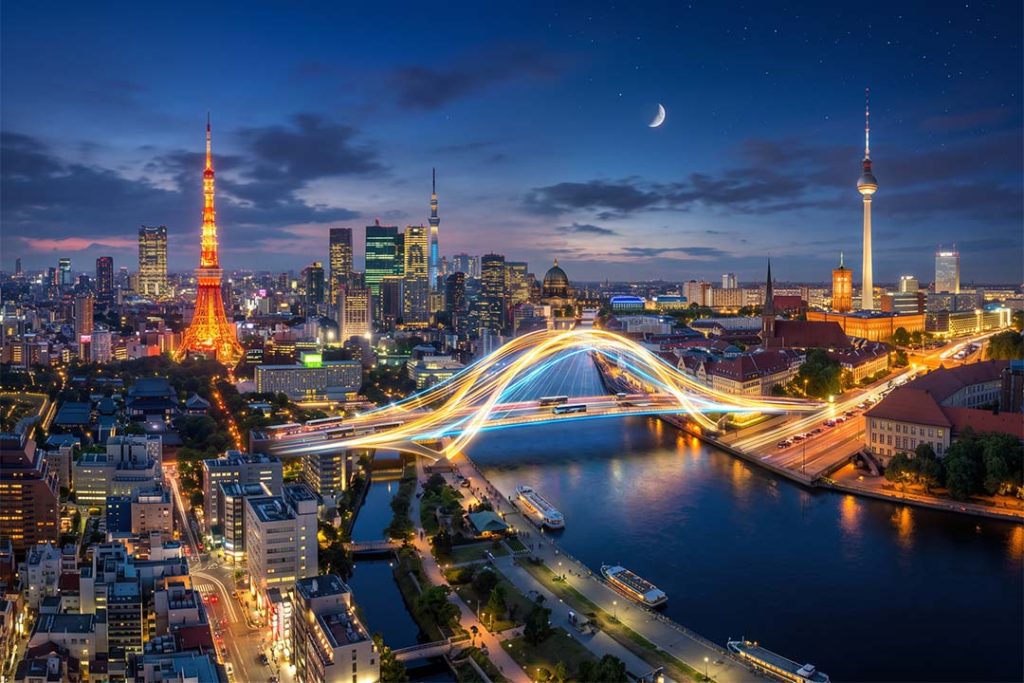

Metzler’s relationship with Japan has unfolded across generations, from its early advocacy of German-Japanese ties to the time-honored connections cultivated over decades and the trust and partnerships highlighted during the bank’s 350th anniversary. As Metzler marks 25 years since opening its Tokyo office, CEO Gerhard Wiesheu reflects on how a presence established amid economic uncertainty became a two-way bridge spanning asset management, M&A and real estate, and why patience, cultural understanding and personal trust will continue to shape the bank’s commitment to Japan.
Bridges: Twenty-five years ago, Metzler opened its Tokyo office and began building what would become one of the most enduring institutional relationships between a German private bank and Japan. Looking back, what were the defining moments that shaped that commitment and how has the nature of Metzler’s presence in Japan evolved over that quarter-century?
Wiesheu: When I first came to Japan in 1981, I could not have known how much this country would shape my own path and especially that of our bank. What I learned early, and what has stayed with me, is that in Japan relationships are built slowly and are meant to last. That lesson turned out to describe how Metzler has always tried to work.
Our ties to Japan are in fact older than these twenty-five years. As early as 1893, Moritz von Metzler traveled here on his father’s advice, simply to understand a country that Europe still knew very little about. One could say he prepared a very early feasibility study of a country that would one day matter a great deal to us. Friedrich von Metzler kept that connection alive for many years and was determined that the bank should one day have its own office here.
In spring 2001 we opened Metzler Asset Management Japan in Tokyo. At this time, both our countries were going through a period of deep change. In Japan, far-reaching reforms were under way, including the restructuring of the banking sector. In Germany, the markets were still recovering from the burst of the dotcom bubble, and we were preparing to introduce the euro as our everyday currency.
It would have been easy to wait for calmer times to open a Japanese office. A family business, though, weighs its decisions over decades rather than over a single year, and often a period of uncertainty is the right moment to begin something meant to endure.
Over time the relationship became a genuine two-way bridge. Last year, with Metzler Japan Holdings, we placed our presence on a firmer footing, tying our asset management more closely to our work in M&A and real estate advisory. The commitment has grown, and its character has not changed.
In 2023, you described the momentum between Germany and Japan as set to grow “tremendously” across many sectors. Three years on, and against a considerably more complex geopolitical and economic backdrop, how would you characterise the current state of that relationship and where do you see the most meaningful opportunities ahead?
I remember speaking then with real confidence about the momentum between our two countries, and I have not revised that view. What has changed is the world around it. We have since lived through new tariffs, sharper geopolitical fragmentation and a broad realignment of supply chains. In that environment, reliability has become a scarcer good, and this is precisely why the ties between Germany and Japan have grown stronger rather than weaker.
The relationship today rests on a solid foundation. The EU-Japan Economic Partnership Agreement (EPA) has been in force since 2019, and total trade in goods and services between the two sides has risen by more than twenty percent since then, with a particularly marked increase in services. That is evidence that rules-based openness still delivers measurable results, even as protectionism returns elsewhere.
Where do I see the most meaningful opportunities? The first is the industrial application of artificial intelligence. The largest gains will come less from consumer products than from AI embedded in manufacturing, research and medicine, and both our economies have the industrial base to realize them. The second lies in resilient supply chains and technology cooperation, where our strengths are genuinely complementary. German engineering meets Japanese precision, and both sides share a preference for the long view. The third is in the capital markets themselves. Japan has reached a macroeconomic turning point, with growth increasingly carried by its domestic economy and a corporate sector reshaped by serious governance reform. For long-term investors, that combination of technological strength, moderate valuations and a clear reform course is increasingly attractive.
“We have since lived through new tariffs, sharper geopolitical fragmentation and a broad realignment of supply chains. In that environment, reliability has become a scarcer good, and this is precisely why the ties between Germany and Japan have grown stronger rather than weaker.”
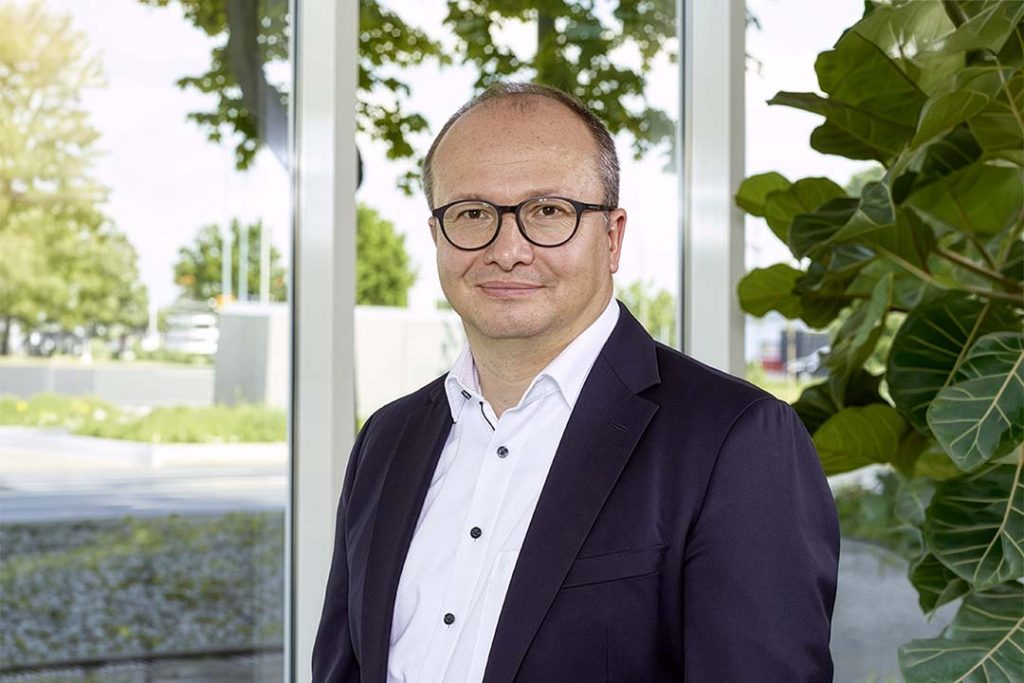
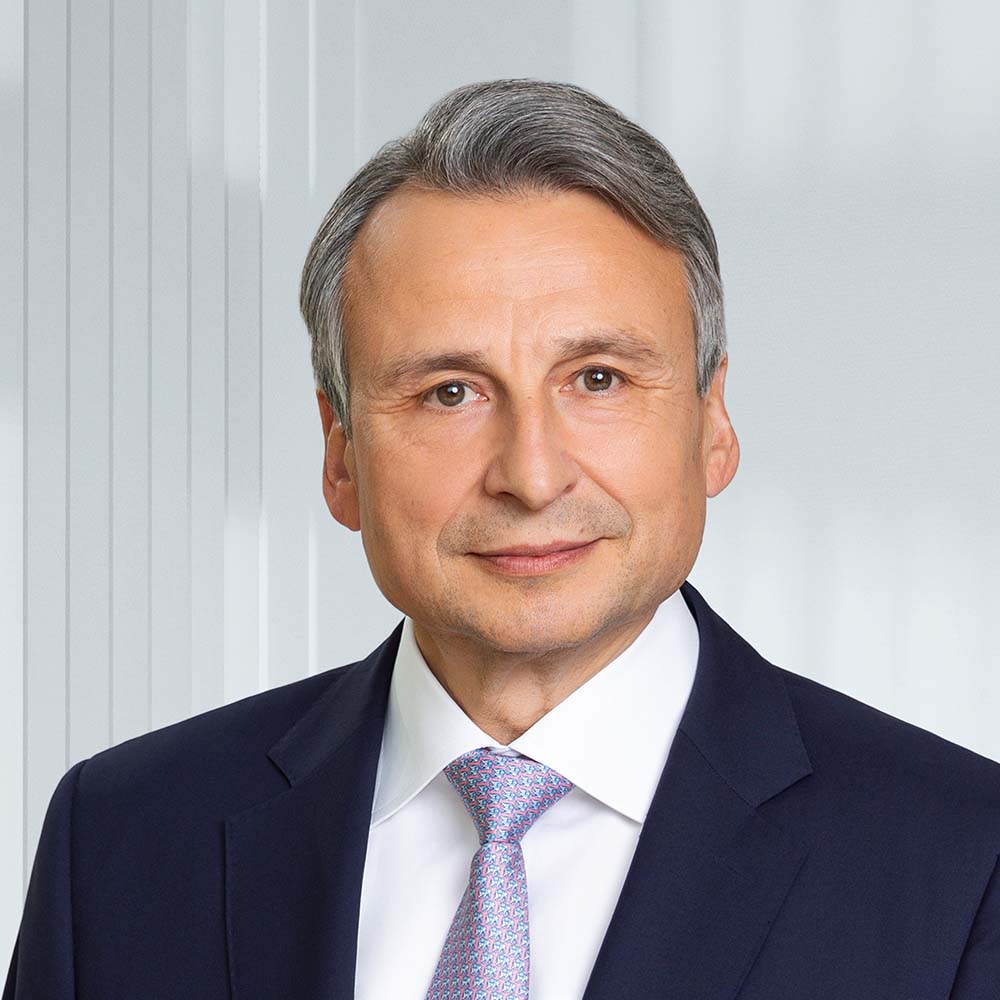
Gerhard Wiesheu, CEO of B. Metzler seel. Sohn & Co. AG

Metzler has long argued that the strength of the Germany–Japan relationship rests on shared values: trust, long-term commitment, and a preference for depth over speed. In an era of supply chain realignment and strategic partnerships, how does that philosophy translate into the concrete work Metzler is doing for Japanese institutional investors and companies active in Germany?
These values are not a matter of presentation. They show up in the concrete work we do, and they match how our Japanese counterparts prefer to work.
Take our asset management, which has been the foundation of our presence in Japan since 2001. Japanese institutions, among them pension funds and insurers, entrust us with long-term mandates. They are not looking for short-term solutions. They are looking for a dependable partner with global and European expertise and a particular strength in sustainable investment. A pension fund thinks in the same timeframes we do, which is why the relationship works.
In corporate finance and M&A, our task is to bring the right partners together across the Japanese-German corridor. Japanese companies increasingly acquire less for scale than for specific engineering and technology capabilities, and Germany offers an unusually dense base of owner-led world market leaders, many of them barely known to the public. Bringing a Japanese acquirer and a German family business together requires sensitivity and patience. In Japan there is a fitting image for it, the nakōdo, the trusted go-between who introduces two families to one another and helps a marriage take shape. Our role here shows some similarity to that. Trust and continuity are the real foundation of every such transaction, and trust of that kind cannot be improvised once talks have begun.
Alongside this, our capital markets and research teams help clients manage currency exposure and read markets far from home, and our real estate business, active in the United States since 1976, serves Japanese investors among many others. In a period of supply-chain realignment, this is what a preference for depth over speed means in practice. We are not chasing single transactions. We accompany institutions and companies over long periods, on both sides of the relationship.
“With Metzler Japan Holdings we have given our presence a firmer structure for the years ahead. We intend to keep deepening the personal relationships that carry this work, to widen the cooperation between Japan and Germany, and to remain here in the same spirit in which we began.”
Beyond the balance sheet, Metzler has been a sustained supporter of cultural diplomacy – from Nippon Connection to accompanying chancellors on state visits. As you mark 25 years in Japan, what does that broader commitment say about how Metzler defines its role, and what does the next chapter look like?
For us, the balance sheet has never been the whole picture. A bank that thinks in generations understands that it is part of a society, and our engagement in Japan has always reached into culture and civic life as much as into business.
Some of that work is institutional. I have the privilege of chairing the German-Japanese Business Association, which this year marks its fortieth anniversary and brings together more than a thousand members from business, politics, academia and society. I also serve as president of the Federation of German-Japanese Societies, whose work is cultural and personal before it is commercial. Last year I was again part of Federal President Steinmeier’s economic delegation to Japan, and we had the honor of opening the German National Day at Expo 2025 in Osaka. Occasions like these are a reminder that the relationship between our countries rests on shared values and on personal trust, and that personal exchange cannot be replaced by anything else.
This is how we define our role. We see ourselves as an intermediary that helps two countries understand and rely on one another over the long run, in a partnership of two democracies that can serve as something of a model in an uncertain world.
As for the next chapter, our commitment does not end with an anniversary. With Metzler Japan Holdings we have given our presence a firmer structure for the years ahead. We intend to keep deepening the personal relationships that carry this work, to widen the cooperation between Japan and Germany, and to remain here in the same spirit in which we began. We are thinking about the next twenty-five years, and well beyond.