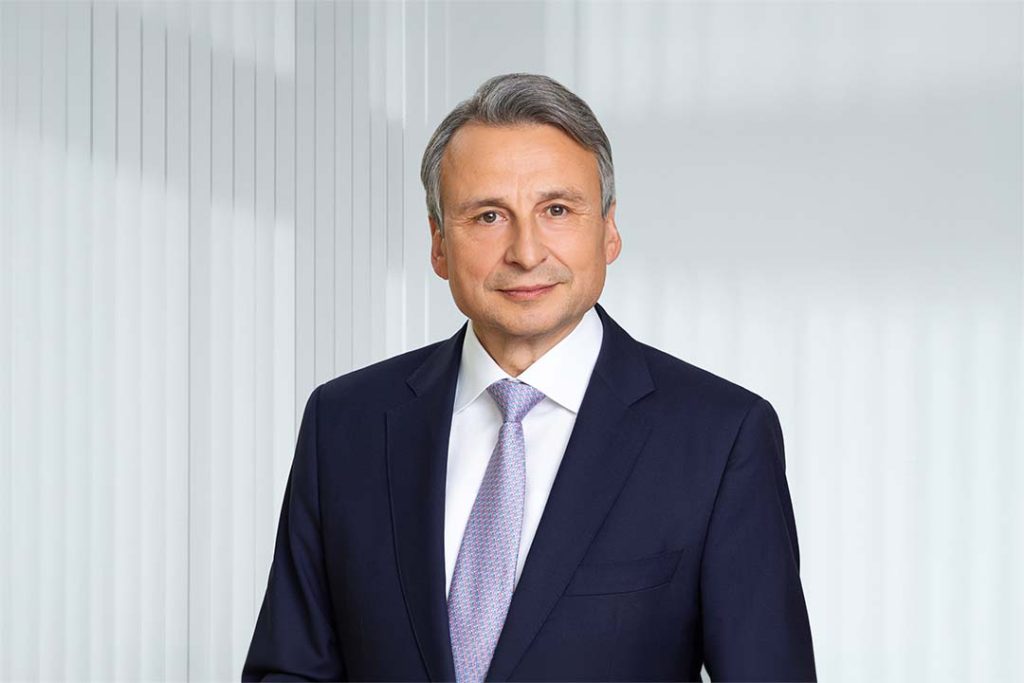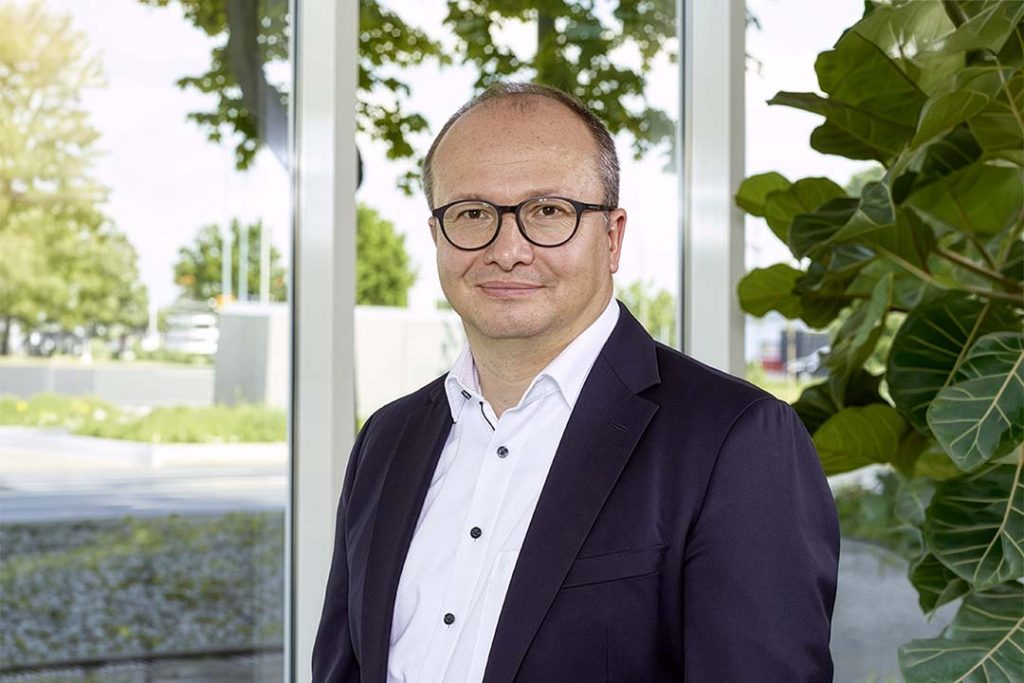

For Hessen, attracting international investment is just the beginning. Supporting companies as they grow, connect with local partners and adapt to new opportunities is equally important, an approach that Andreas Damrau, Director of Investor Services at Hessen Trade & Invest GmbH, sees as central to the state’s relationship with Japanese business.

Bridges: Your team was in Tokyo just a few months ago — meeting with JETRO, AHK Japan, Toshiba, and around 110 companies over four days. What did those conversations tell you about where Japanese companies are in their thinking on European expansion right now, and how does Hessen’s pitch land differently in 2026 compared to a few years ago?
Damrau: Our recent conversations in Tokyo confirmed that Japanese companies remain strongly interested in Europe, but their decision-making has become more selective. Resilience, regulatory certainty, talent, innovation ecosystems and reliable local partners matter more than ever. Hessen’s proposition therefore goes beyond location and connectivity: we position the region as a base from which companies can operate, innovate and grow across Europe, supported by a closely connected economic-development network.
“165 years of relations create more than symbolism: they provide a foundation of familiarity and trust. With Japanese partners, relationships are built over time, and continuity matters.”
Andreas Damrau, Director of Investor Services, Hessen Trade & Invest

Hessen has traditionally attracted Japanese names across finance, life sciences, ICT, and mobility. As you look at the pipeline coming out of your recent roadshows, which sectors are generating the most concrete interest from Japanese companies — and are there any emerging areas, AI infrastructure, green hydrogen, advanced manufacturing — where you’re seeing an appetite that didn’t exist two or three years ago?
We continue to see interest in sectors where Hessen is traditionally strong, including mobility, ICT, life sciences and financial services. At the same time, conversations are increasingly moving toward AI and digital infrastructure, advanced manufacturing, energy technologies and decarbonisation. What is changing is that these areas are no longer discussed in isolation: Japanese companies are looking for locations where technology, industrial partners, research institutions and access to European markets come together.
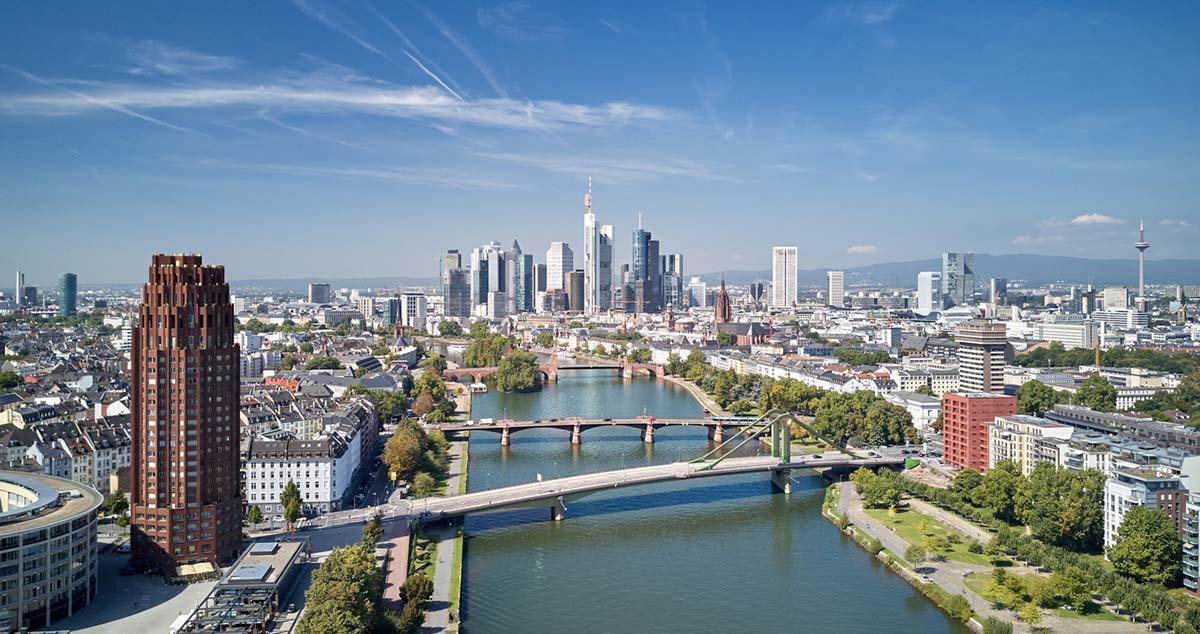
With over 250 Japanese companies operating in Hessen and a 96% retention rate, what does it actually take to achieve that, and what do Japanese companies typically say, looking back, about the aspects of Hessen that exceeded their expectations?
Retention is ultimately about what happens after the investment decision. Companies need reliable partners not only when they enter the market, but also when they expand, recruit, find new sites or connect with institutions and suppliers. What we often hear is that Hessen’s accessibility and international character are expected, but the density of business networks and the practical support available locally can exceed expectations. Our aim is to remain a long-term partner throughout a company’s development.
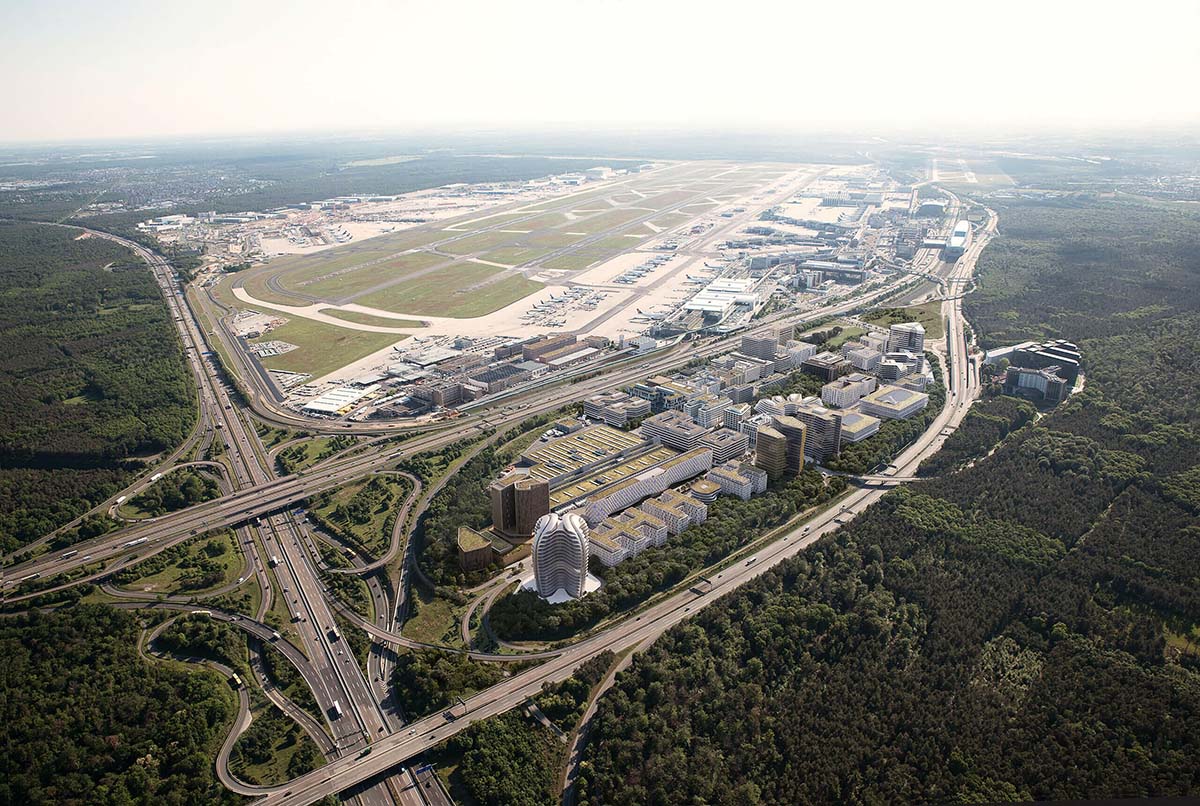
This report marks 165 years of Germany–Japan relations. From where you sit — running investor services across the RCEP region — what does that history actually mean in practice? Does longevity of relationship translate into a different kind of trust or a different quality of conversation with Japanese partners, and is there anything Hessen wants to signal or commit to as this anniversary year unfolds?
165 years of relations create more than symbolism: they provide a foundation of familiarity and trust. With Japanese partners, relationships are built over time, and continuity matters. Hessen wants to use this anniversary not simply to celebrate the past, but to reinforce a forward-looking partnership — particularly in innovation, sustainable industry and future technologies. Our message is that Japanese companies are not just investors in Hessen; they are long-term partners in the region’s successful economic development.