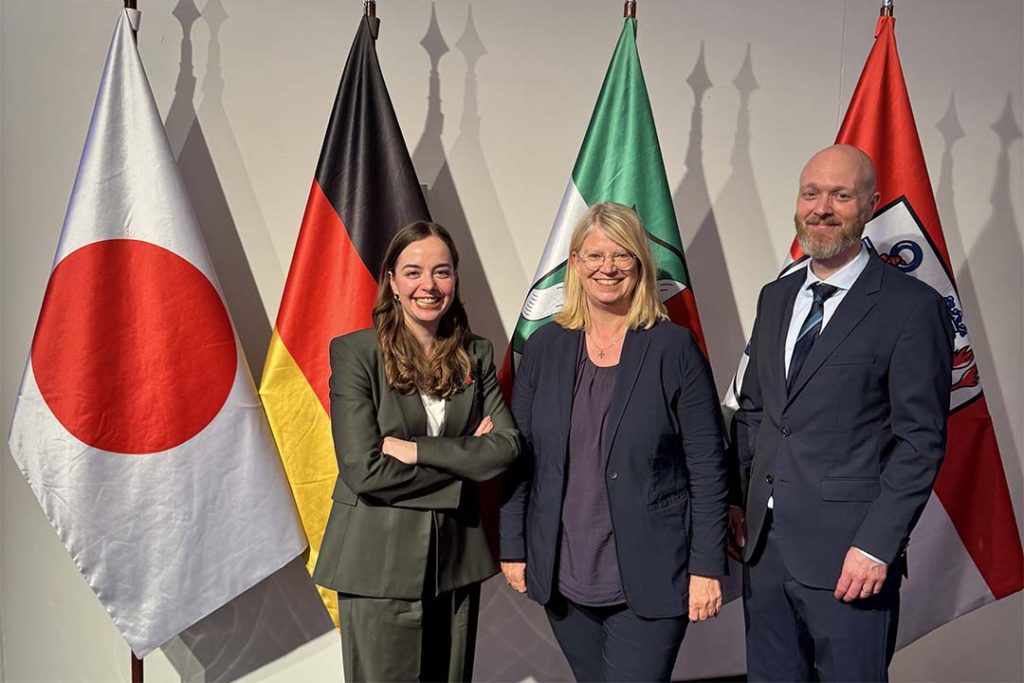


A cup of noodles can pack plenty of pleasure into a quick meal. Nissin Foods GmbH offers products ranging from Cup Noodles Soba to premium ramen, with its Eschborn headquarters guiding sales and marketing across 40 European countries.
“We believe that we can drive the demand for authentic Japanese cuisine in Germany’s and Europe’s supermarkets with our strong brand presence but of course firstly with our quality,” Managing Director Olaf Buttner said.
Founded in 1993, the German business began importing products from Asia and became Nissin’s European sales headquarters in 1995. Its commercial team numbers 60, while approximately 700 employees work at the group’s Hungarian factory. Annual production exceeds 300 million servings, following a new factory’s opening in 2017 and additional production lines in 2024 and 2025.
“Germany is one of the most dynamic markets for Asian food and instant noodles in Europe, if not the most,” Buttner said.
“We believe that we can drive the demand for authentic Japanese cuisine in Germany’s and Europe’s supermarkets with our strong brand presence but of course firstly with our quality.”
Olaf Buttner Managing Director of Nissin Foods GmbH

Direct relationships with German retailers help the company understand shoppers’ needs in a competitive market. The country’s central location, logistics infrastructure and eurozone membership support operations across the continent. Sales and marketing teams work with distribution partners to navigate different labeling requirements and better understand competitors and eating habits.
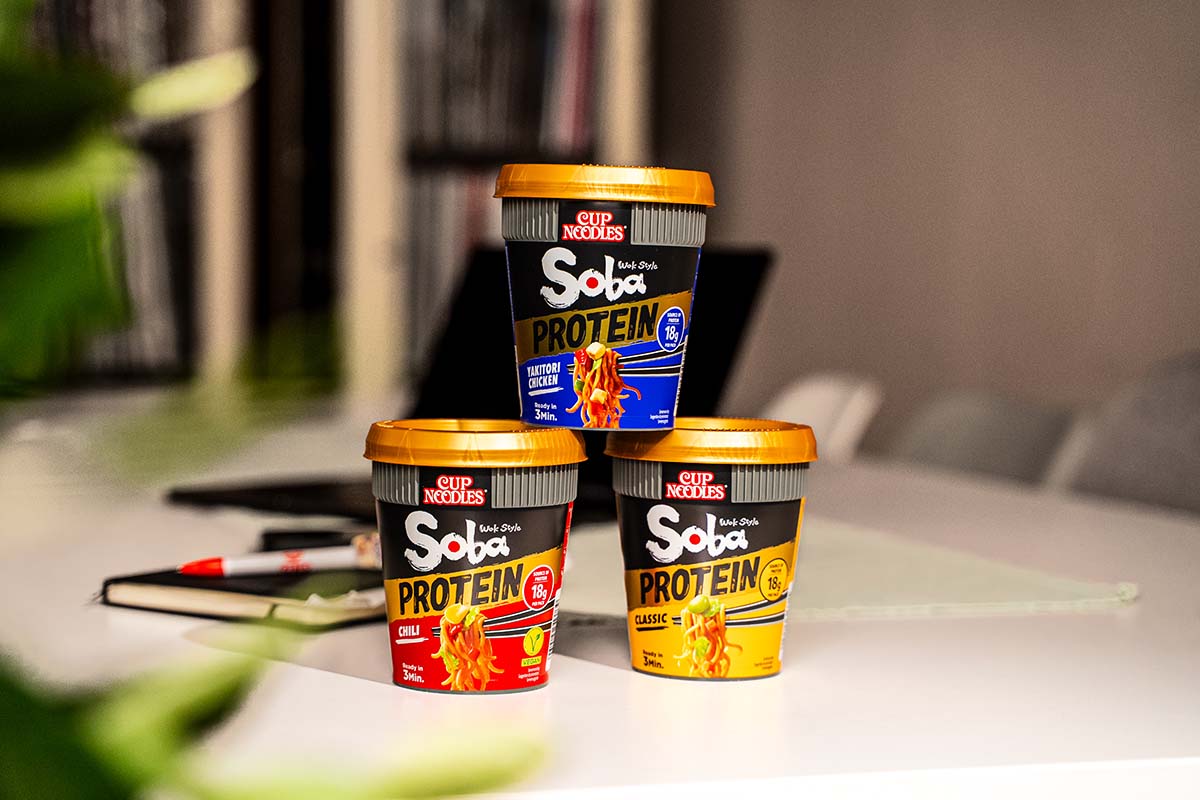
New products give consumers fresh reasons to lift the lid. Protein-enriched Cup Noodles Soba answers demand for greater nutritional value, while premium ramen introduced this year uses air-dried noodles that provide restaurant-style texture and lower fat content. Buttner sees travel to Japan encouraging consumers to seek similar dining experiences at home.
“Our product development is based in Europe as well to understand consumer needs and be closer to European regulations but inspired by true Japanese taste and recipes, supported by our global R&D (research and development) team in Japan,” he said.
Younger consumers’ enthusiasm for Asian food supports Nissin’s growth ambitions. Buttner puts annual German instant noodle consumption at 4.5 portions per person, up from 2.8 several years ago. With U.S. consumption at 15 portions, he sees potential for noodles to become a more frequent choice.
“I think with stronger connections between Japan and Germany we can increase awareness of Japanese culture and cuisine,” he said.
The appetite for Japan need not end with the flight home. Through its German headquarters, Nissin brings Japanese flavors within reach of European shoppers. The ambition is to earn a regular place on their shopping lists, one cup at a time.