
The Monaco Grand Prix is Formula 1’s most iconic race, but its influence stretches far beyond the barriers. Every year, the streets of Monte Carlo become a meeting point for motorsport, business, technology, and culture, creating connections that shape the future of the sport long after the checkered flag falls.
More than a race weekend
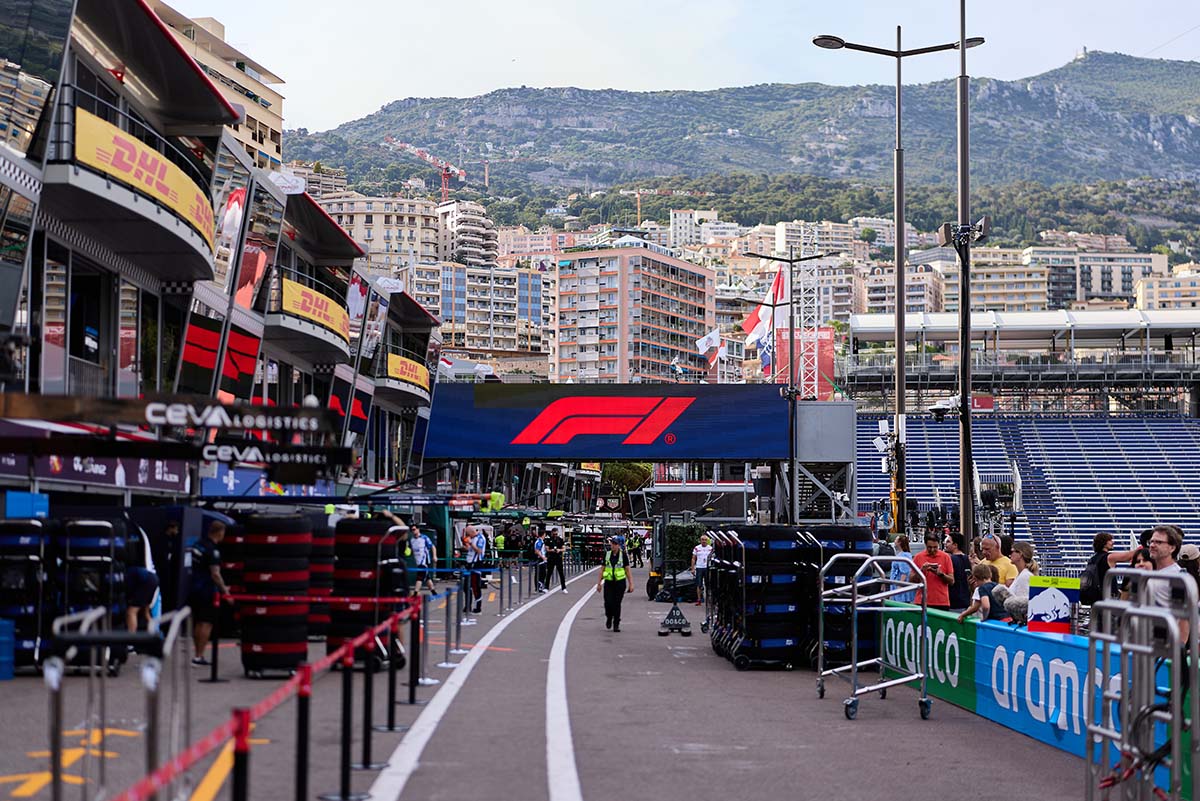
The Monaco Grand Prix has evolved into one of Formula 1’s most important meeting places. Each year, business leaders, investors, manufacturers, sponsors, and luxury brands converge on the principality, using the race weekend to strengthen relationships, host clients, and explore new opportunities. Against a backdrop of high-speed racing and Monaco’s signature glamor; connections form between industries, cultures, and markets, many of which go on to influence the future direction of Formula 1. While fans focus on the action unfolding on track, conversations taking place in hospitality suites, paddocks, and aboard superyachts can shape the sport’s next chapter just as much as the racing itself.
Against a backdrop of high-speed racing and Monaco’s signature glamor; connections form between industries, cultures, and markets, many of which go on to influence the future direction of Formula 1.
Recent reports surrounding Chinese automotive giant BYD highlight Monaco’s role in shaping Formula 1’s future. During the Grand Prix weekend, senior figures including BYD executive vice-president Stella Li reportedly held high-level discussions with both Formula One Management and the FIA. Speculation continues around BYD’s potential involvement in Formula 1, whether through sponsorship, a technical partnership, or even ownership of a team.
In many ways, Monaco reflects Formula 1 itself: a sport where engineering, finance, culture, and competition intersect. It is a place where global connections are forged, strengthened, and celebrated each year. Yet Monaco’s importance to Formula 1 stretches far beyond the modern paddock. Its story is deeply woven into the history of the world championship itself.
Monaco: motorsport’s living museum
The Monaco Grand Prix has been part of Formula 1’s DNA since the beginning. It served as Round 2 of the inaugural FIA Formula One World Championship in 1950 and remains one of the most prestigious races in motorsport.
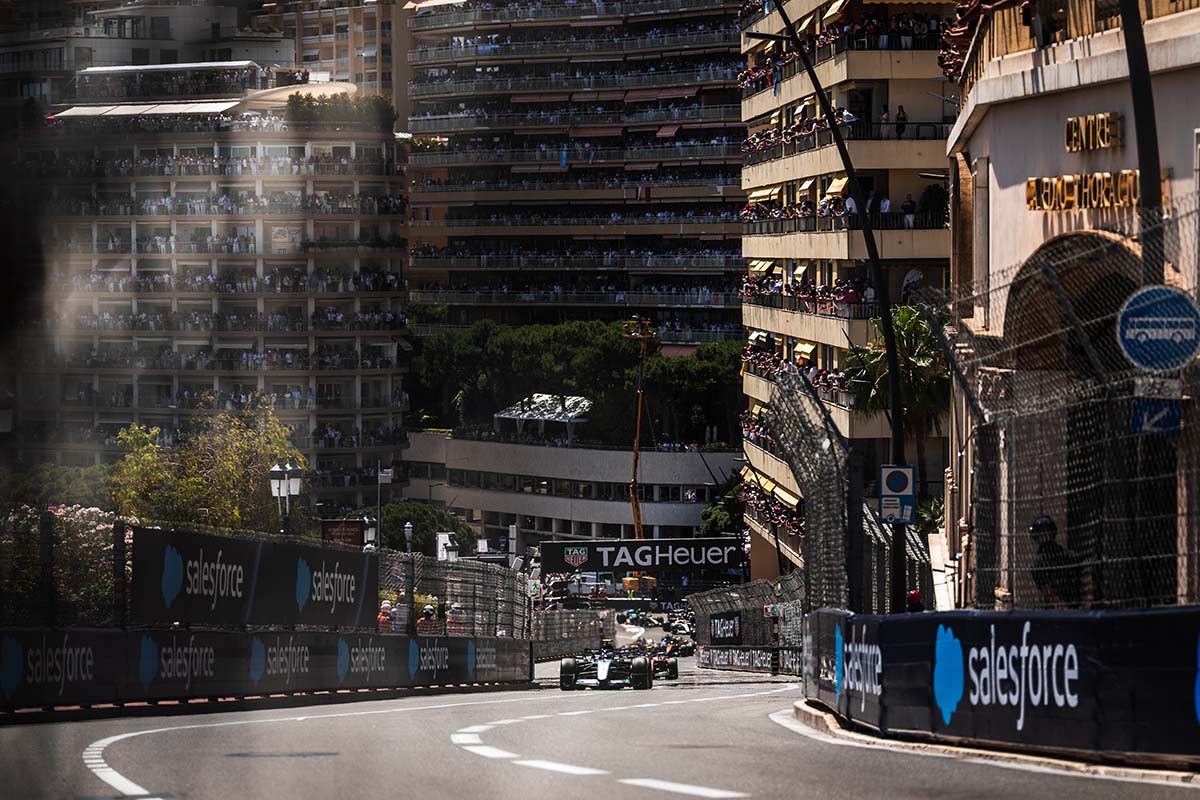
The circuit winds through the streets of Monte Carlo, passing luxury apartments that overlook the track and weaving alongside a harbor filled with yachts from around the world. Unlike modern purpose-built circuits, Monaco leaves no room for error. The barriers sit inches away from the racing line, and a single mistake can instantly end a driver’s weekend.
What makes Monaco special is how little it has changed, in almost 100 years. Drivers still tackle the famous tunnel, negotiate the Fairmont Hairpin, and thread their cars through the Swimming Pool complex, corners that generations of champions have faced before them. Every lap feels connected to Formula 1’s past, creating a rare bridge between eras of the sport. Those same characteristics also explain why success in Monaco is often determined long before the race begins.
Why Qualifying is everything
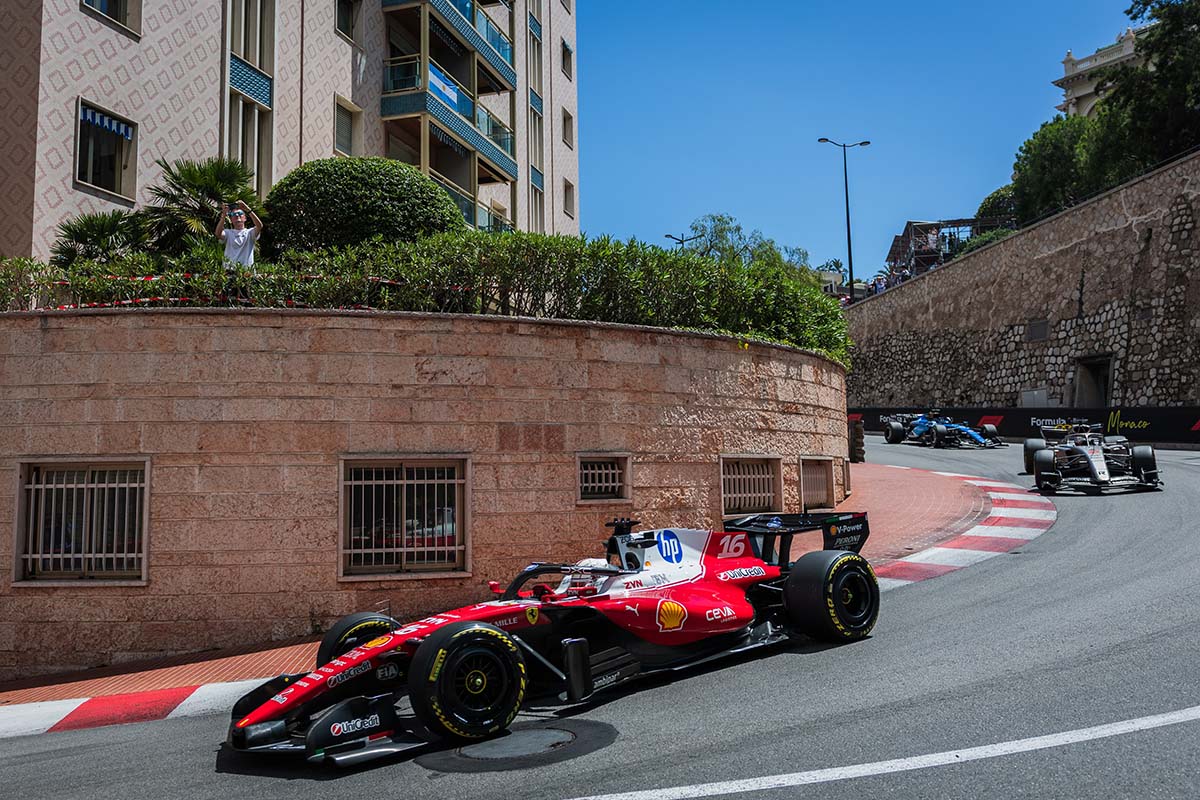
Monaco is unlike any other race on the calendar, and Qualifying is the reason.
Overtaking has always been difficult around the principality’s narrow streets, but with today’s larger Formula 1 cars, passing opportunities are even more limited. As a result, Saturday often becomes the most important day of the weekend. A poor Qualifying session can effectively determine a driver’s race before Sunday’s lights-out.
That pressure is what makes Monaco Qualifying so captivating. Every corner demands absolute perfection. Drivers attack the barriers at speeds that leave virtually no margin for error, knowing that a single lock-up or slight misjudgment can destroy a lap and potentially their entire weekend.
The challenge has tested every generation of Formula 1 drivers. Ayrton Senna, often referred to as the King of Monaco, built much of his legend here through six unforgettable victories. Today, new stars continue chasing that same achievement. Charles Leclerc finally secured his long-awaited home victory in 2024, adding another chapter to Monaco’s rich story.
Monaco remains both a driver’s dream and nightmare. Its history, danger, and prestige create a challenge unlike any other, and Qualifying is where those stories begin.
Yet while Monaco’s story is often shaped on Saturday, the 2026 Grand Prix proved that even Formula 1’s most predictable race can still descend into chaos on Sunday.
Chaos in the principality
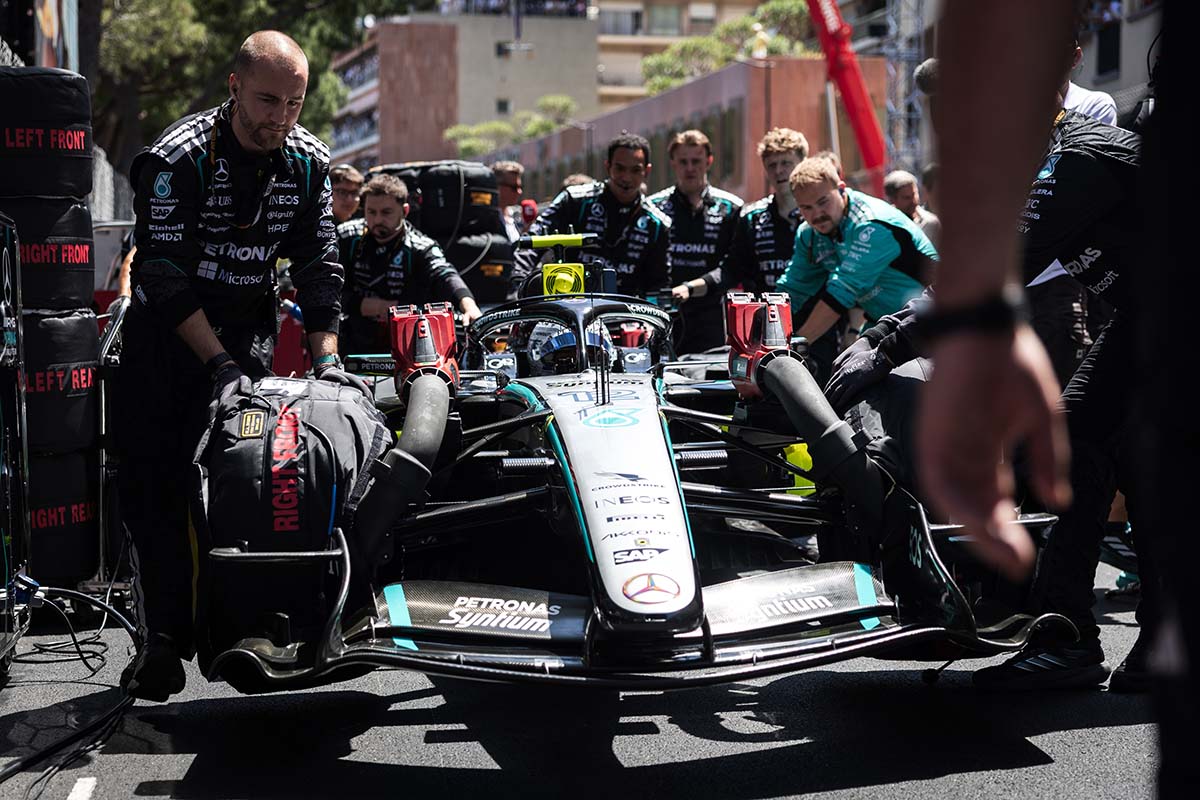
While Monaco’s narrow streets continued to make overtaking a rarity, the 2026 Grand Prix demonstrated that drama can emerge in many forms. From mechanical failures to penalties and a deteriorating track surface, the principality delivered a race few could have predicted.
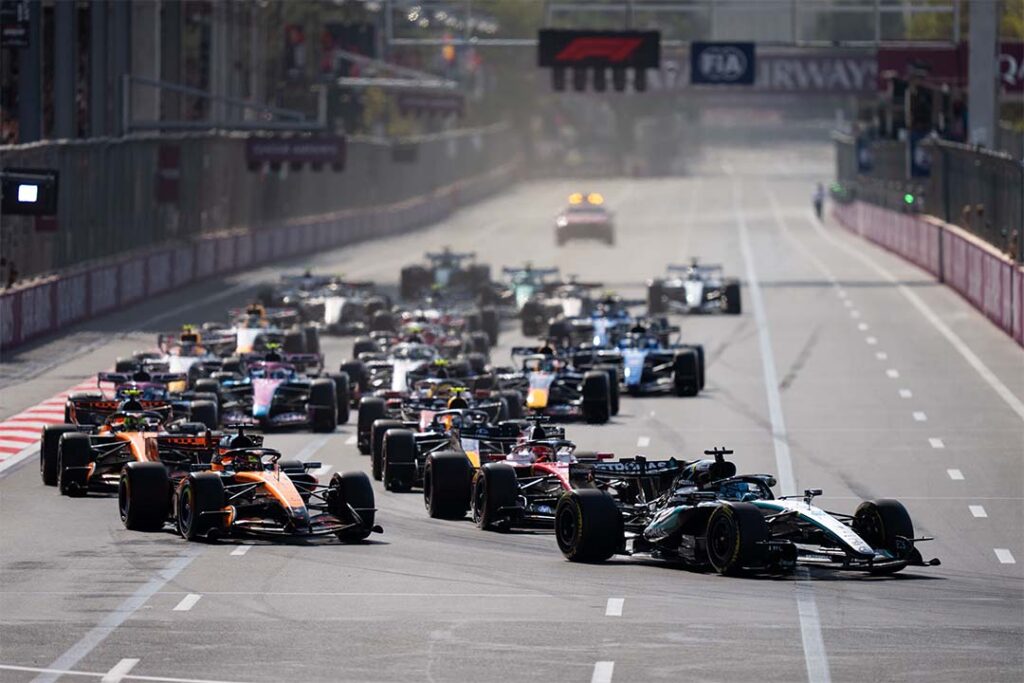
The chaos began before the opening lap had even settled. Max Verstappen stalled on the grid and was forced to retire, taking with him the early tension of a Verstappen–Hamilton fight for second behind Kimi Antonelli and reshaping the front of the race before it had even properly begun.
From there, attrition became the story of the afternoon.
Reigning World Champion Lando Norris retired with power unit issues. Home-hero Charles Leclerc crashed into the barriers, while Carlos Sainz’s race ended after being involved in multiple incidents. Lance Stroll, Oliver Bearman, and Valtteri Bottas also joined the growing list of retirements.
Adding to the drama was a relentless stream of penalties. Drivers repeatedly found themselves under investigation for pit lane speeding offences, creating major swings throughout the order. Pierre Gasly crossed the line in third place on the road but accumulated enough penalties to fall to seventh.
George Russell’s race unravelled even further. After receiving a five-second penalty for speeding in the pit lane, the penalty was not properly served during his next pit-stop. The oversight triggered an additional drive-through penalty, dropping the Mercedes driver to twelfth by the finish.
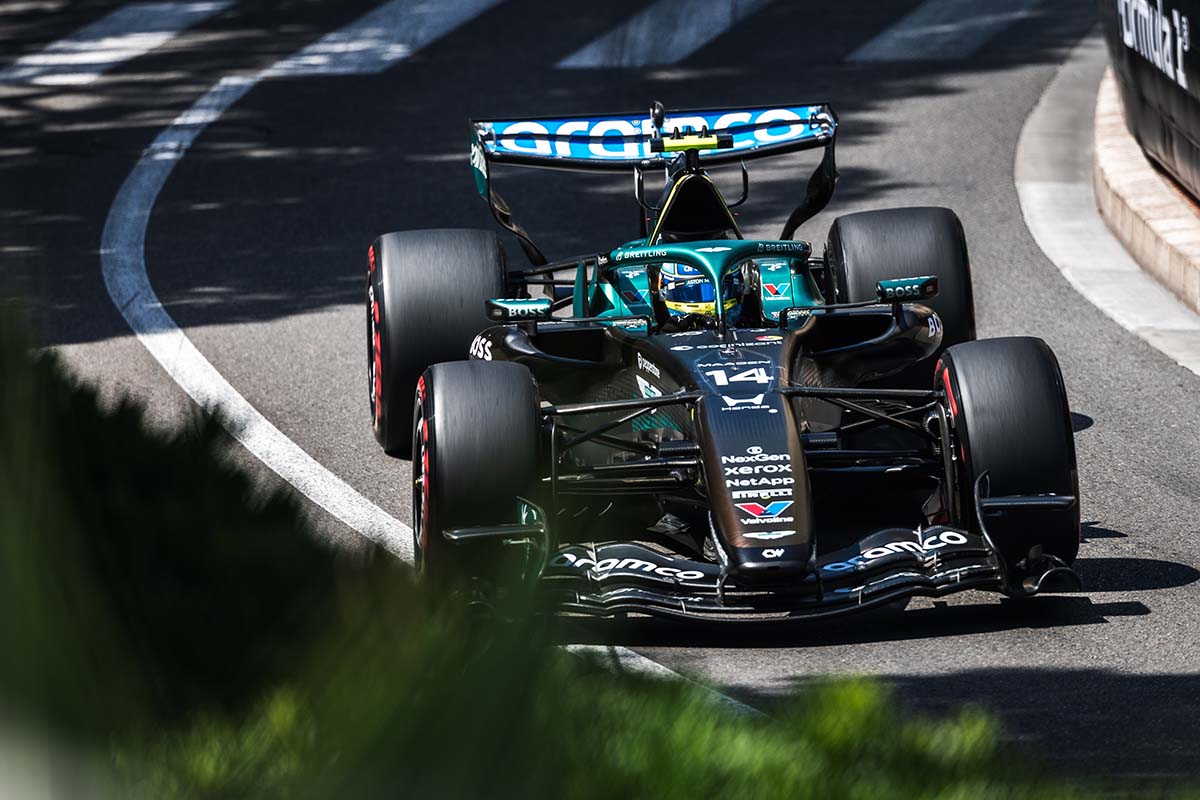
Fernando Alonso inherited tenth place after Sergio Perez received a ten-second penalty, securing Aston Martin Aramco Formula One Team’s first championship point of the season.
Then came another twist. The track surface itself began breaking apart around Turn 19, with pieces of asphalt sticking to tyres as drivers repeatedly ran across the area. The deteriorating surface eventually forced race control to deploy a red flag.
When the race finally settled, Antonelli stood alone at the front. The young Italian led every single lap, controlled every restart, claimed the fastest lap, and secured a fifth consecutive victory.
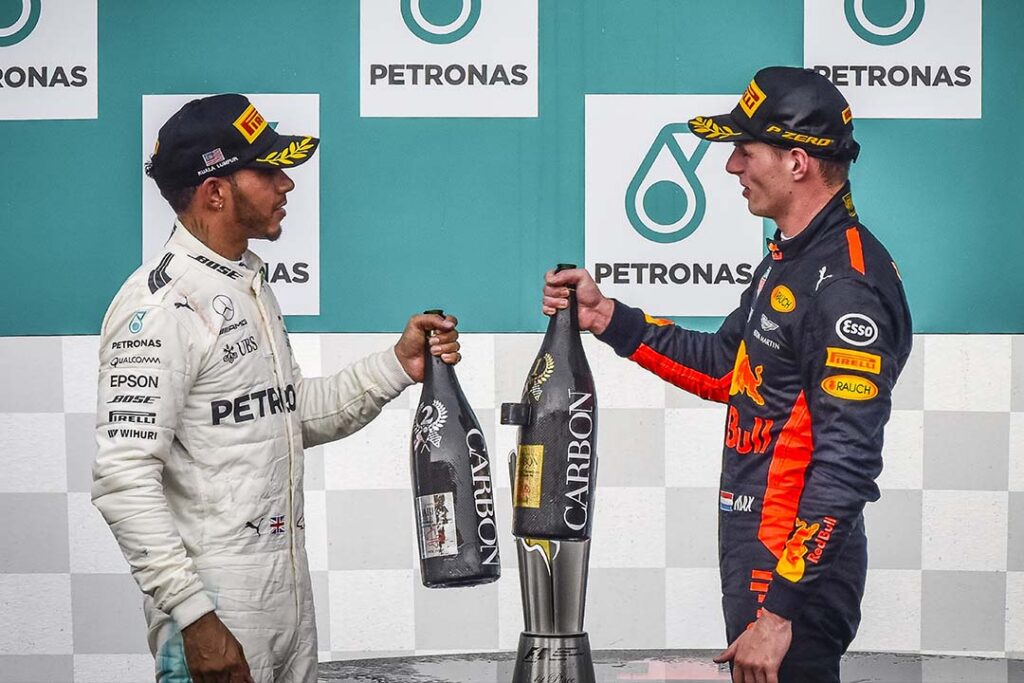
Behind him, Lewis Hamilton finished second, matching Ayrton Senna’s record of eight Monaco podiums. Isack Hadjar completed the podium in third, earning his first top-three finish for Red Bull Racing.
Antonelli’s moment, Formula 1’s future
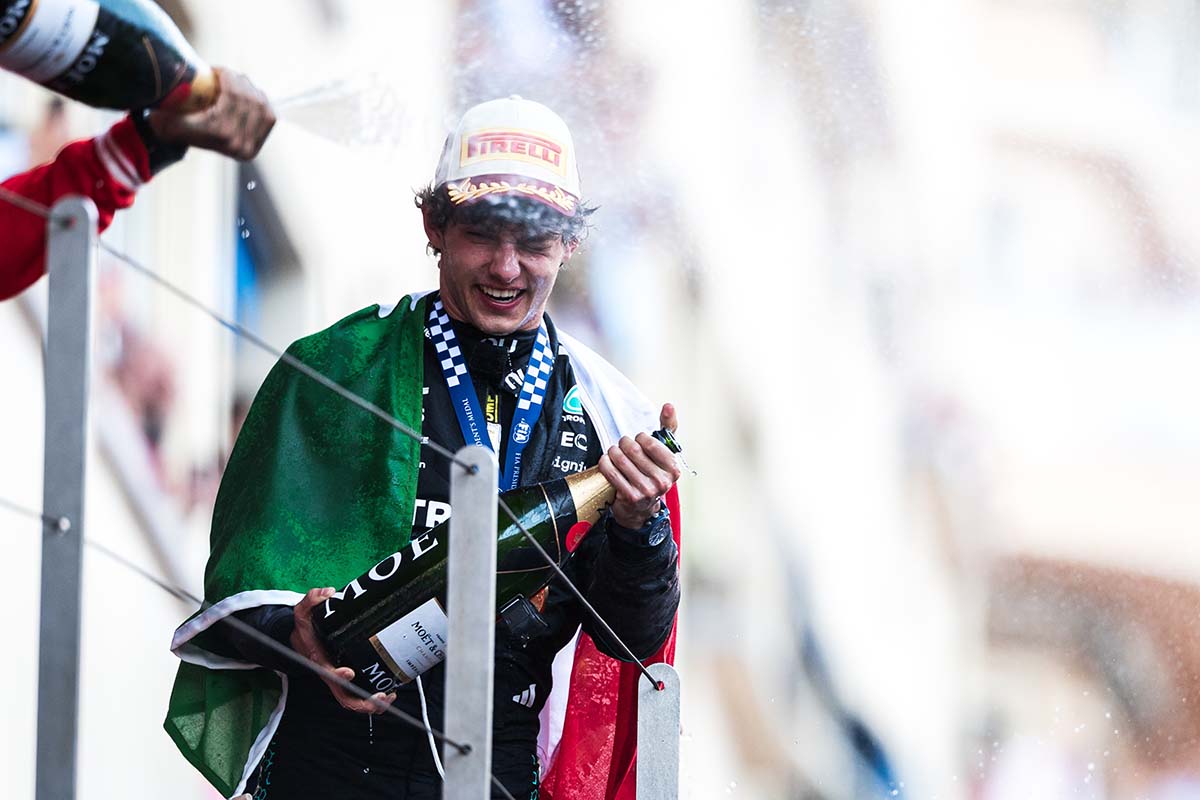
With victory in Monaco, Kimi Antonelli added another remarkable chapter to what is rapidly becoming one of Formula 1’s most exciting careers.
He became the youngest winner in Monaco Grand Prix history, the youngest driver ever to achieve a Grand Slam, and extended his championship lead by 66 points.
Yet Antonelli’s victory represents something larger than individual achievement.
Monaco remains one of Formula 1’s strongest symbols of connection — History meets innovation here. Business leaders share the same streets as racing fans. Manufacturers from Asia, Europe, and North America gather around a championship that spans continents. Veterans chase records while teenagers create new ones.
The 2026 Monaco Grand Prix delivered chaos, controversy, and a dominant performance from Formula 1’s newest superstar. It also showcased why the sport continues to resonate globally. Beneath the sophistication and spectacle is a network of people, cultures, technologies, and ambitions moving in the same direction.
For one weekend, the streets of Monaco become more than a race circuit. They become a bridge, linking generations of drivers, international businesses, and millions of fans through a shared passion for motorsport.