

Come celebrate the 100-year legacy of musical ties between the Philippines and Japan, from educational exchange to orchestral partnerships.
The Manila Symphony Orchestra (MSO) is celebrating a major milestone—its 100th anniversary in 2026. What began as a small ensemble in 1926, founded by the Asociación Musical de Filipinas, has since evolved into a prominent institution. Throughout its history, the MSO has navigated political and cultural upheavals, always maintaining a focus on artistic excellence. One key aspect of its rich history is the strong and evolving bond with Japan. This connection goes beyond performances—it’s a fusion of cultures, creative exchanges, and a shared commitment to the art of music.
How the MSO’s bond with Japan began
When the MSO was founded, its mission was simple but ambitious: introduce Western classical music to Filipino audiences. Over the decades, the orchestra persevered through wars, political shifts, and changing tastes, always staying focused on musical excellence. By the second half of the 20th century, the relationship between the Philippines and Japan—once strained by history—began to evolve, particularly after World War II.
“You can immerse yourself in the brilliance and accomplishments of generations before us through their music.”
Marlon Chen, Music Director and Principal Conductor of the Manila Symphony Orchestra
In the 1970s and 1980s, Japan experienced a cultural revival following the war, while the Philippines entered a phase of modernization and international outreach. During this time, the MSO and Japan started to explore opportunities for collaboration, building an important cultural bridge through music.
The MSO’s bond with Japan deepened particularly in the 1980s and 1990s, with increased collaborations involving Japanese musicians and conductors as part of the orchestra’s international efforts. Over time, the MSO performed alongside Japanese ensembles and participated in joint cultural festivals, with Filipino and Japanese musicians coming together in performances that celebrated both Western classical traditions and Japanese influences. These partnerships, including collaborations with Japanese artists and participation in cultural events, highlighted how music could transcend historical conflicts, promote mutual understanding, and honor shared artistry. The MSO’s long-standing ties with Japan continue to influence its performances to this day.
The Suzuki Method: A pivotal pathway in cultural exchange
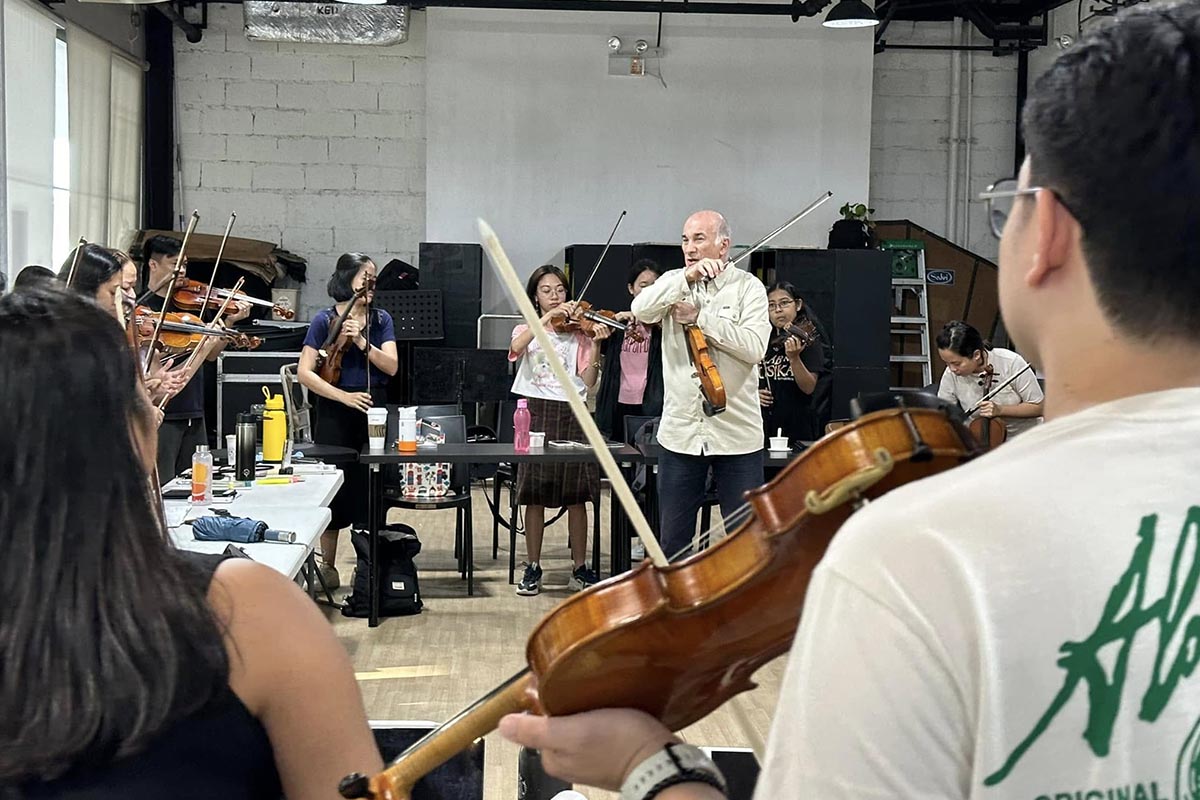
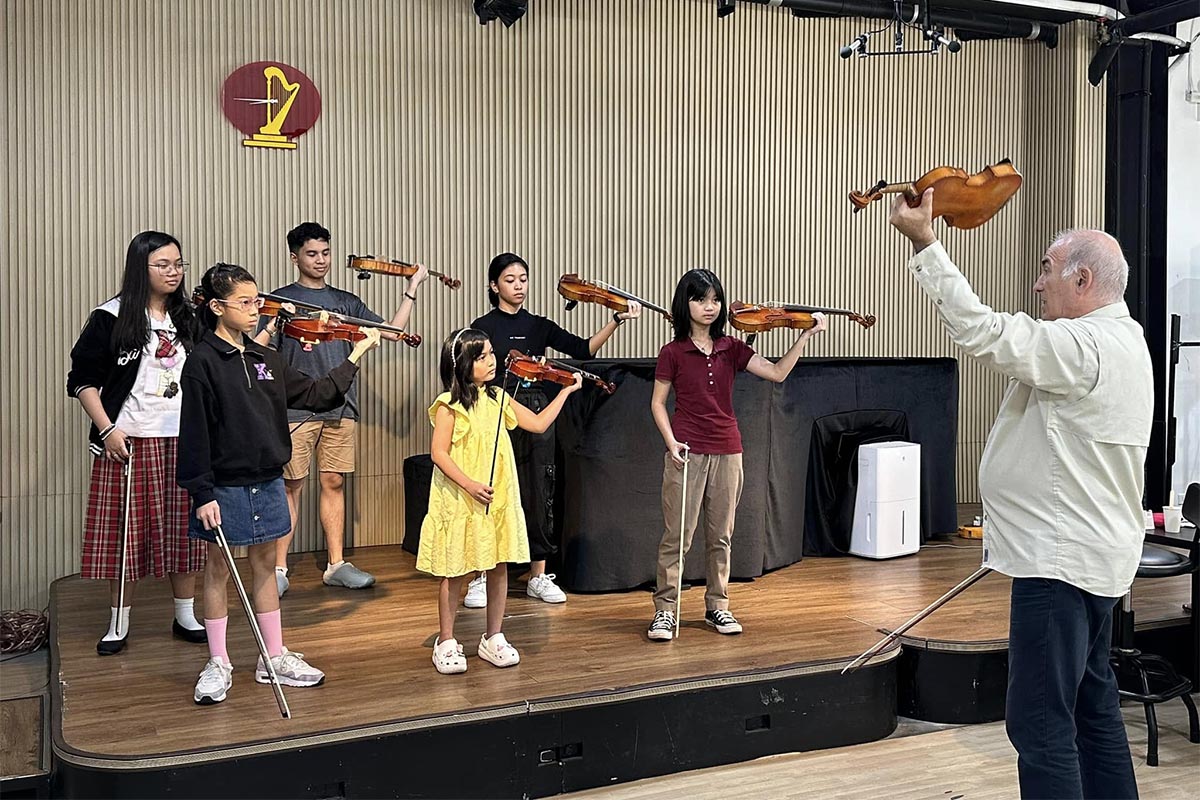
If you’ve ever wondered how the MSO’s cross-cultural collaboration with Japan goes beyond just performances, look no further than the Suzuki Method. This approach to music education, developed by the Japanese violinist Shinichi Suzuki, is based on the idea that children learn music the same way they learn their native language—through listening, repetition, and immersion. It emphasizes early childhood education, parental involvement, and consistent listening. It’s an approach that perfectly mirrors the MSO’s commitment to creating an environment where music becomes an integral part of a child’s life from the earliest stages.
The MSO Music Academy has incorporated the Suzuki Method into its string programs, training young Filipino musicians using a technique that has been embraced worldwide. The Academy’s string teachers are highly trained in this method, allowing students to begin playing instruments like the violin, viola, and cello from a young age—just like how they would learn their native language.
This educational philosophy isn’t just about learning an instrument; it’s about embedding music into everyday life. And this focus on long-term development reflects the deep connection between the Philippines and Japan in the realm of music. The Suzuki Method has been one of the most significant aspects of the MSO’s ongoing relationship with Japan, nurturing young talent and creating an ecosystem of collaboration and mutual respect between the two countries.
The magic of music as a bridge
Music is often called a “universal language,” and for good reason. It has an unparalleled ability to speak to emotions, to create connections, and to transcend geographical and political boundaries. For the MSO, its partnership with Japan has always been about much more than simply playing concerts—it’s been about opening doors to dialogue and mutual understanding.
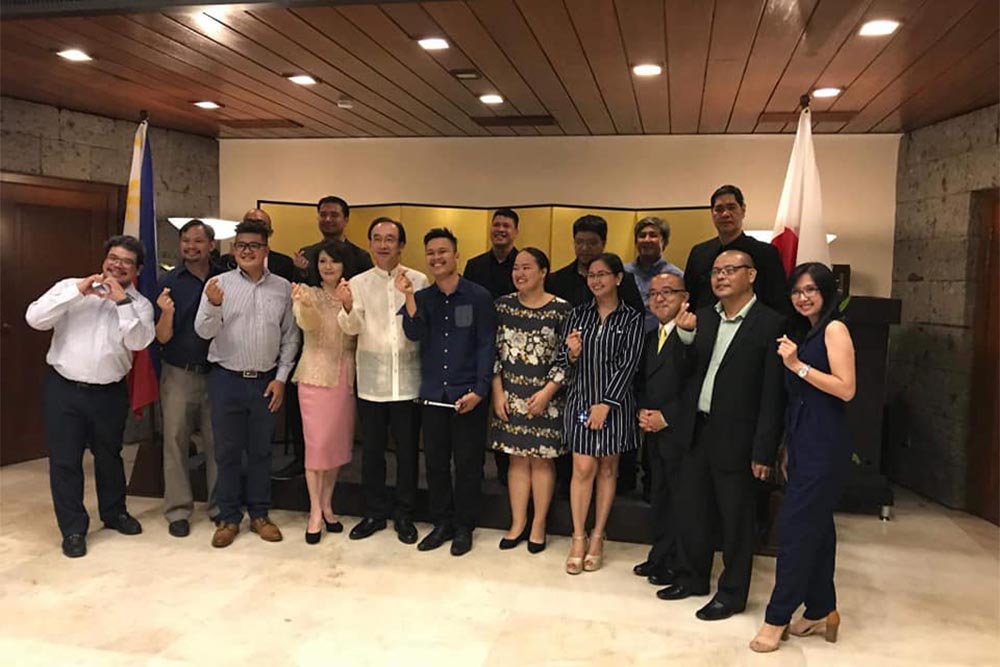
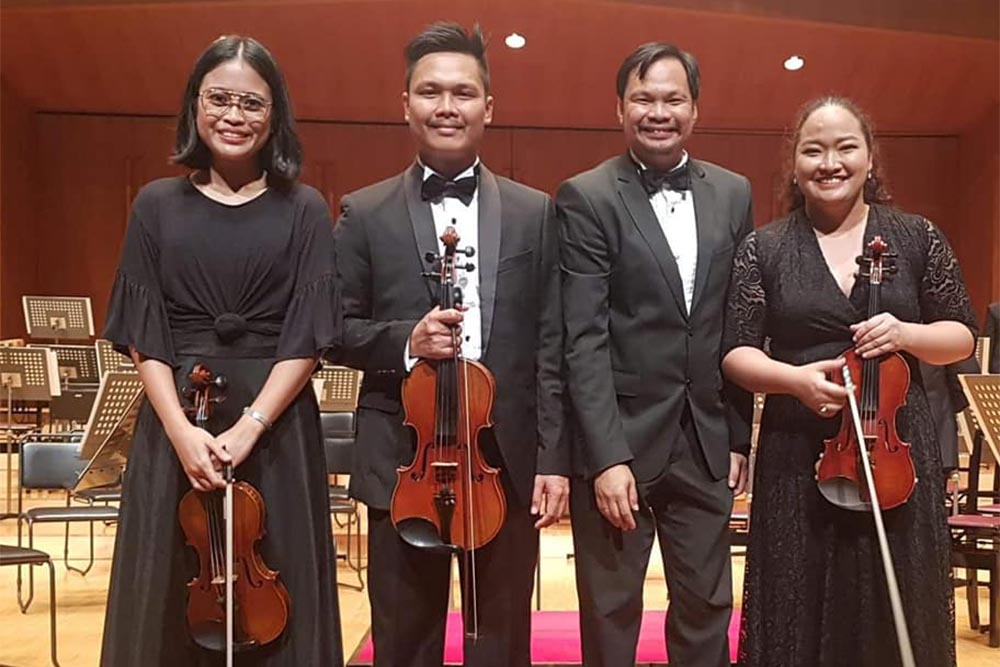
The collaboration between the MSO and Japanese musicians goes beyond performance. It’s a creative exchange that encompasses composition, style, and tradition. The MSO has participated in international festivals like the 2019 Asia in Resonance gala concert, held at the Tokyo Metropolitan Theatre, which brought together musicians from across Asia. The group was sent off by then Japanese Ambassador to the Philippines, HE Koji Haneda, who cited their participation as a significant contribution to the continued growth of cultural exchanges between Japan and the Philippines. These events aren’t just about showcasing talent; they’re about fostering relationships that extend far beyond the concert hall. For both the MSO and Japan’s musicians, these collaborations are a way to build bridges between their respective cultures, a chance to use music to explore common ground. And the results speak for themselves: powerful performances that blend the best of both worlds, creating something greater than what either could have accomplished alone—built on shared values of discipline, creativity, and education.
Japan in the MSO’s centennial season
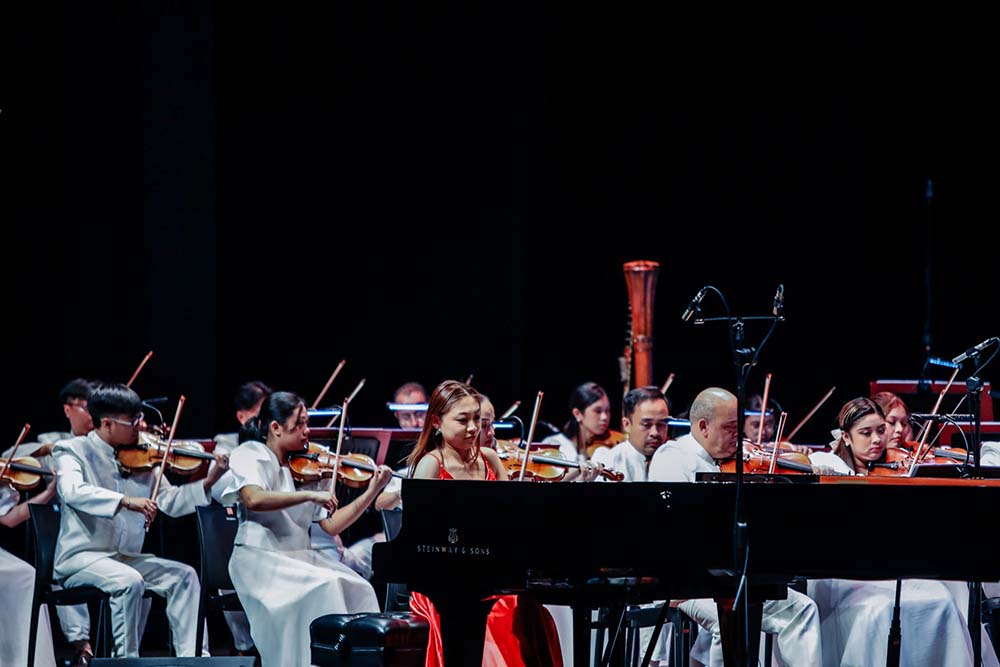
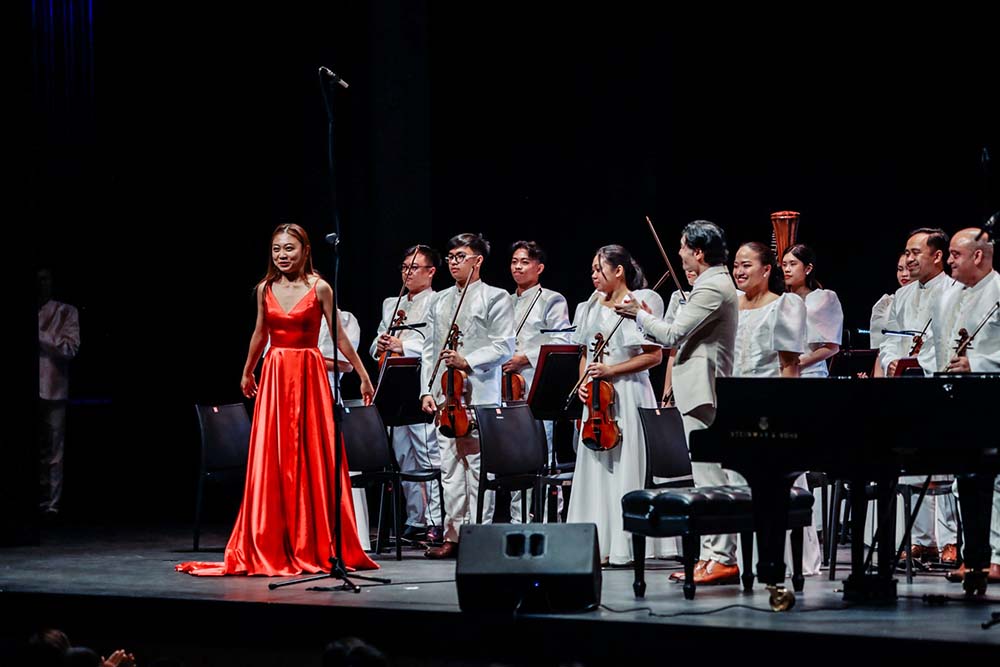
As the MSO celebrates its 100th year, Japan’s influence continues to play an important role. In January 2026, the MSO featured Miyu Liu, a talented pianist who was born in China and raised in Japan, in one of its special centennial performances. Liu’s unique ability to interpret both Western classical and Japanese compositions exemplifies the kind of cross-cultural collaboration that has become a hallmark of the MSO’s mission.
This performance is just one example of how the MSO is continuing its tradition of fostering international partnerships. Liu’s participation is also a reminder that music is a living, evolving entity—one that transcends borders and unites artists from all over the world. The MSO’s centennial season is not only a celebration of its history but a promise to keep moving forward with the same passion for cross-cultural exchange that has defined its success.
FUN FACT
Japan’s musical influence stretches far beyond the confines of traditional orchestras. One standout is Joe Hisaishi, the composer behind the iconic soundtracks of Studio Ghibli films like Spirited Away and My Neighbor Totoro. Hisaishi’s work seamlessly blends classical and Japanese elements, further exemplifying the way Japanese musical traditions influence the world. This intersection of Eastern and Western styles mirrors the MSO’s own collaborations, both in performance and education.
Harmony that endures
As the Manila Symphony Orchestra celebrates its 100th anniversary, it does so with a heart full of gratitude and anticipation for the future. Its ongoing relationship with Japan serves as a powerful reminder that, despite historical tensions, music has the power to unite, to heal, and to create lasting connections. The MSO’s centennial season is not just a celebration of the past, but a testament to the future of artistic collaboration, cultural diplomacy, and global harmony.
Marlon Chen, the MSO’s current Music Director and Principal Conductor, shared in an interview with Esquire Philippines: “You can immerse yourself in the brilliance and accomplishments of generations before us through their music,” he says. “Failing to pass this on to future generations is a significant loss to our shared humanity and could create a cultural void. Recognizing and appreciating the past is not merely indulgence in sentimentality; it is a crucial act of preservation that ensures the richness and continuity of the human experience. We cherish the past for a reason and this gives us cause for celebration.”
Chen’s words perfectly encapsulate the essence of the MSO’s centennial: honoring the legacy of those who came before, while inspiring future generations to continue the tradition of artistic excellence and cultural exchange.