
Can tiny pleasures transform your busy life? The Taiwanese and Japanese will likely answer a resounding “Yes!”
In the bustling streets of Taipei, a subtle movement is taking place. It’s pensive, personal, and profoundly transformative. Taiwanese urbanites, inspired by Japanese literary and lifestyle influences, are embracing Xiaoquexing—which literally means “small but certain happiness” or “Little Happiness”—a philosophy that elevates small, intentional pleasures into daily rituals. Think: slow sips of artisanal coffee, short weekend escapes, or savoring a perfectly layered dessert. In a world obsessed with grand milestones and Instagram-ready experiences, this trend offers a gentle reminder: happiness can be found in the tiniest details.
How a literary seed grew into a lifestyle movement
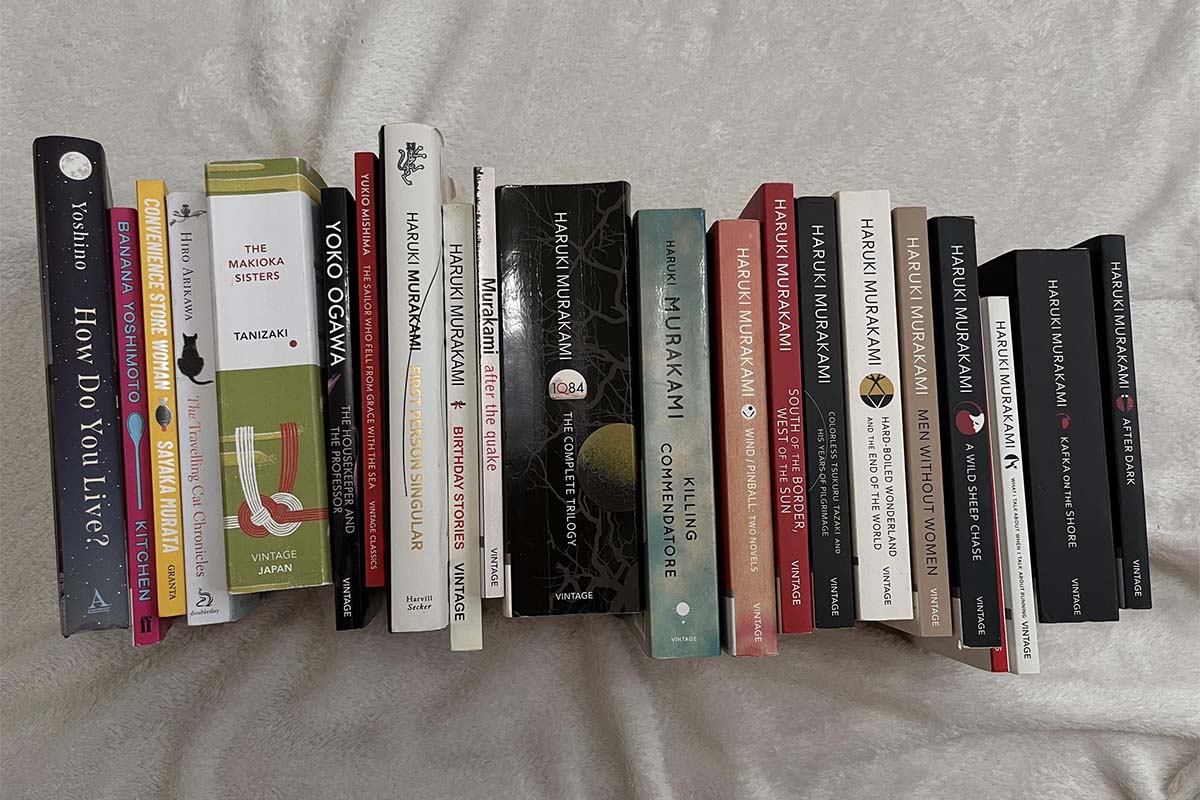
“Little Happiness” first filtered into Taiwan via Japanese literature in the early 2010s, echoing the works of renowned contemporary Japanese authors like Haruki Murakami and Banana Yoshimoto. Their stories often revolve around urban loneliness, while celebrating subtle joys and contemplative routines as an antidote to modern life’s pressures. This concept resonated with Taiwan’s increasingly urbanized, high-stress society, where professionals sought ways to reclaim serenity without abandoning city life.
Unlike fleeting viral trends, Xiaoquexing isn’t about luxury or excess—it’s about presence. A morning walk past a neighborhood bakery, the aroma of freshly baked bread, or pausing to admire a floral arrangement at a café—all of these become daily touchpoints for joy. The cross-cultural borrowing is fascinating: Japanese minimalism, combined with Taiwan’s vibrant street culture, has produced a unique lifestyle hybrid that is at once serene and sensory-rich.
And one of the best parts of this movement is that you don’t have to look far or spend lots to tap into your daily well of joy. You just have to purpose to look in the right places.
Weaving Little Happiness into your day
Embracing Xiaoquexing isn’t about overhauling your life—it’s about creating small, intentional rituals that center you. Start by noticing moments of sensory pleasure or personal calm and expanding them into repeatable routines. These practices act like micro-retreats in your day, offering both joy and mental clarity. Here are some practical, accessible examples:
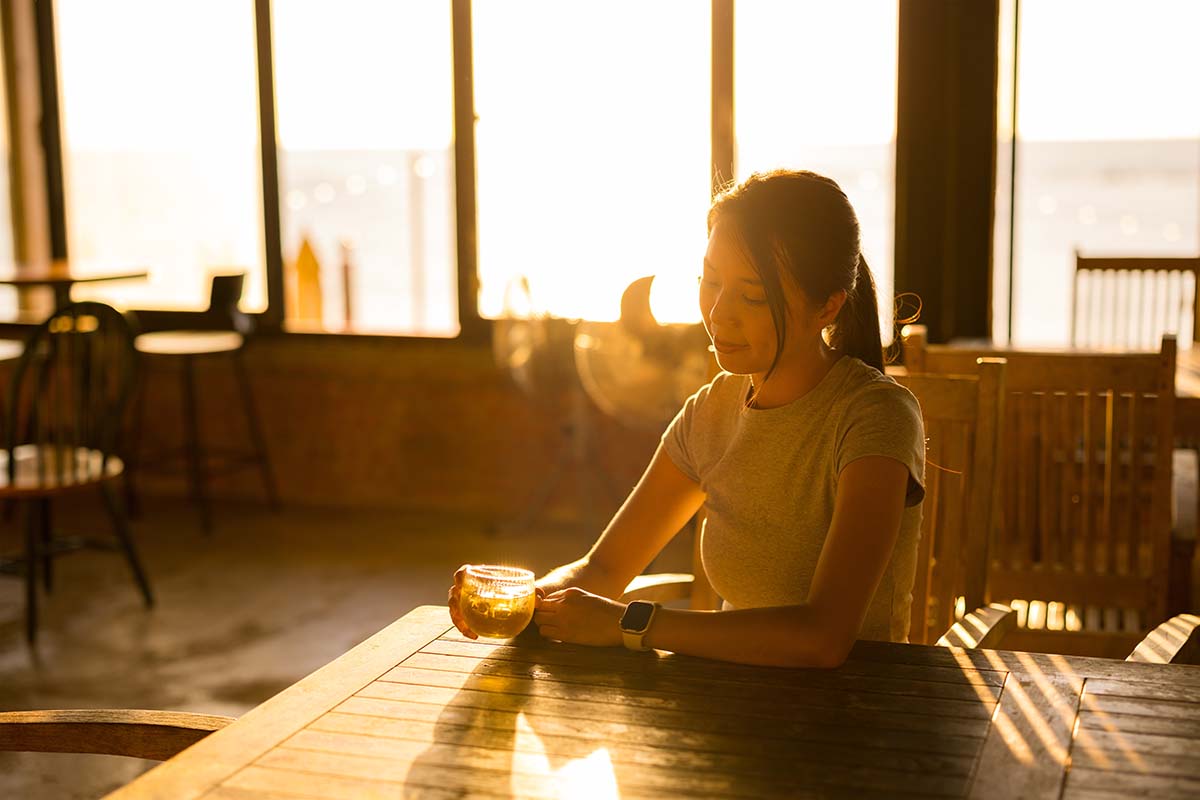
1. Curate a coffee or tea ritual. Cafés are Taiwan’s playground for Xiaoquexing. The rise of artisanal coffee shops in Taipei and Kaohsiung reflects the Japanese obsession with precision brewing and aesthetic presentation. Insider tip: seek out micro-roasters like Coffee Alley or Sunnyhills, where every pour-over comes with a moment of mindfulness. Rather than rushing your morning caffeine fix, try a 10-minute tasting ritual: observe aroma, savor flavors, and journal a single line about the moment.
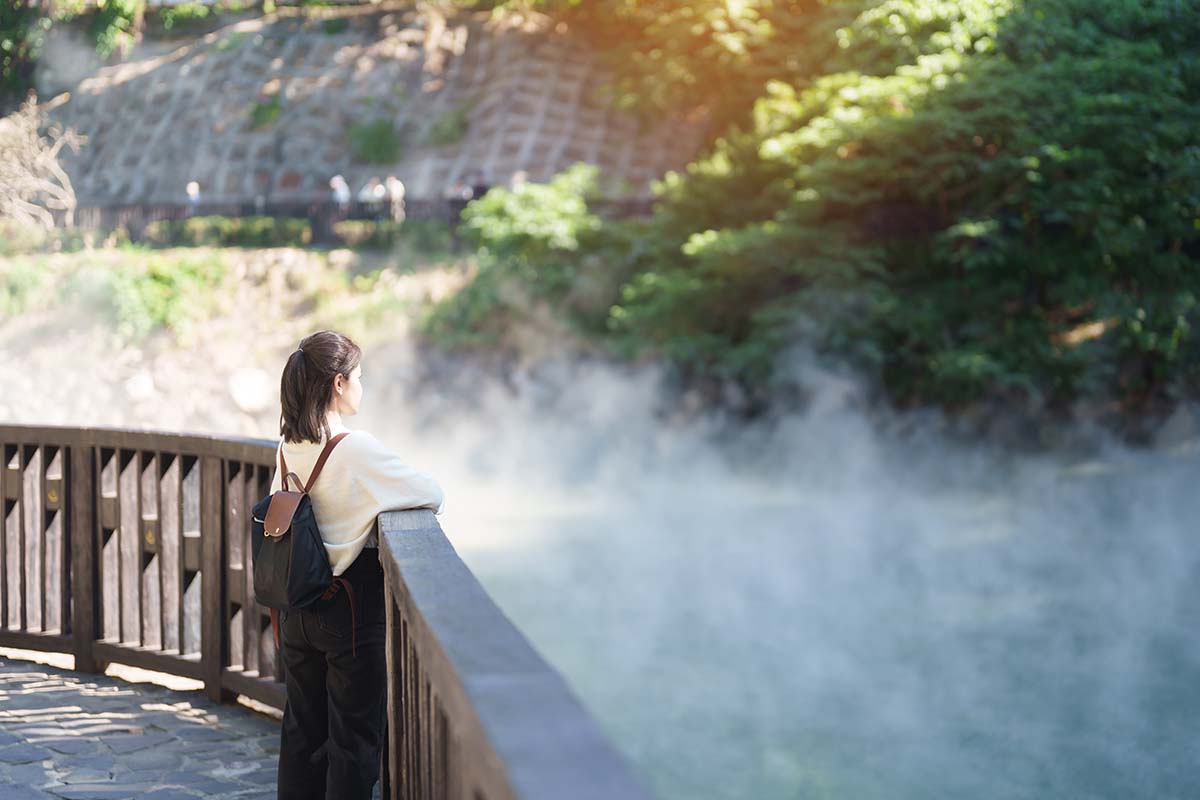
2. Make micro escapes a habit. Even a short trip can reset the mind. Taiwan’s scenic train routes, like the Pingxi line, offer less than a day’s journey to lush landscapes or quaint towns. Borrowing the Japanese concept of “onsen weekends,” Taiwanese travelers now plan mini getaways to wēnquán (hot springs) resorts.
INSIDER TIP
Choose less popular springs, like Wulai or Beitou’s boutique baths, to avoid crowds and enhance the immersive, meditative experience.
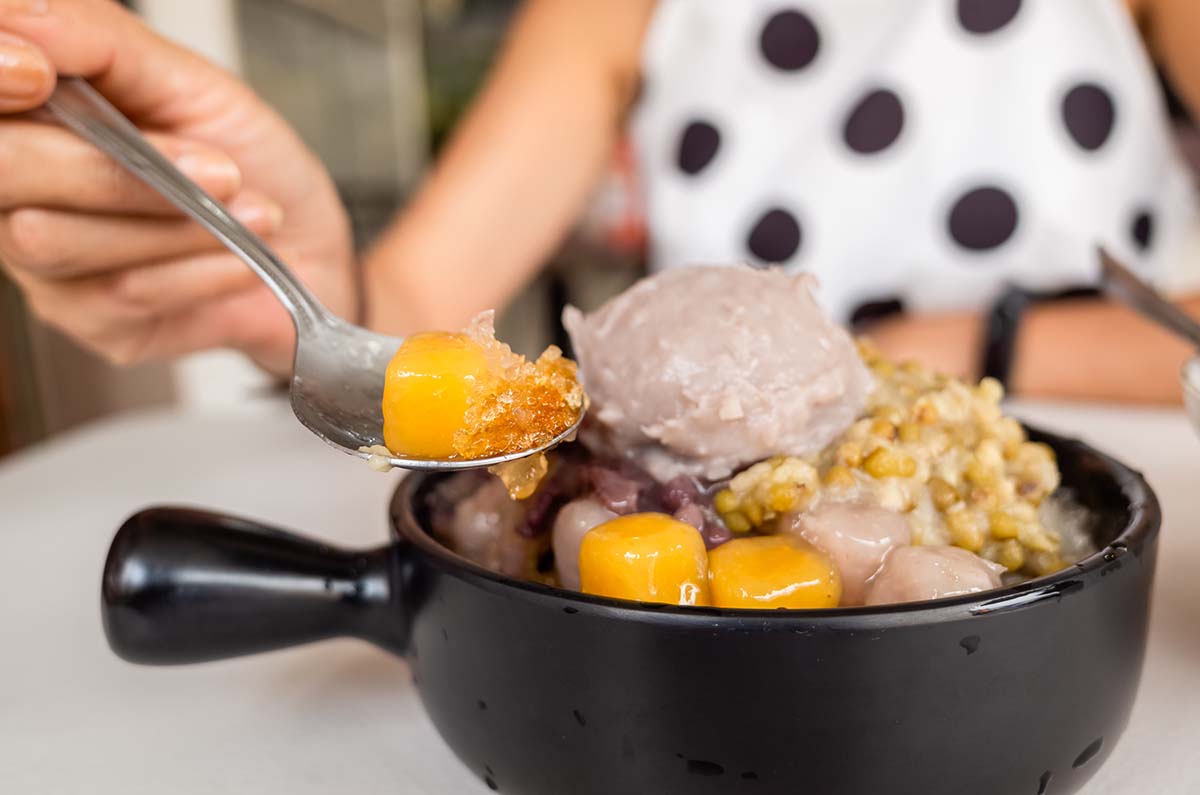
3. Elevate your dessert and snack moments. Taiwan’s cafés, influenced by Japanese shaved ice and matcha culture, are perfect laboratories for cultivating joy. A bowl of matcha parfait, carefully layered with azuki beans and whipped cream, isn’t just dessert—it’s a tactile, visual, and gustatory meditation.
INSIDER TIP
Explore neighborhood cafés that specialize in seasonal ingredients. Eating slowly and mindfully, even something as small as a matcha cookie, can anchor your day in pleasure.
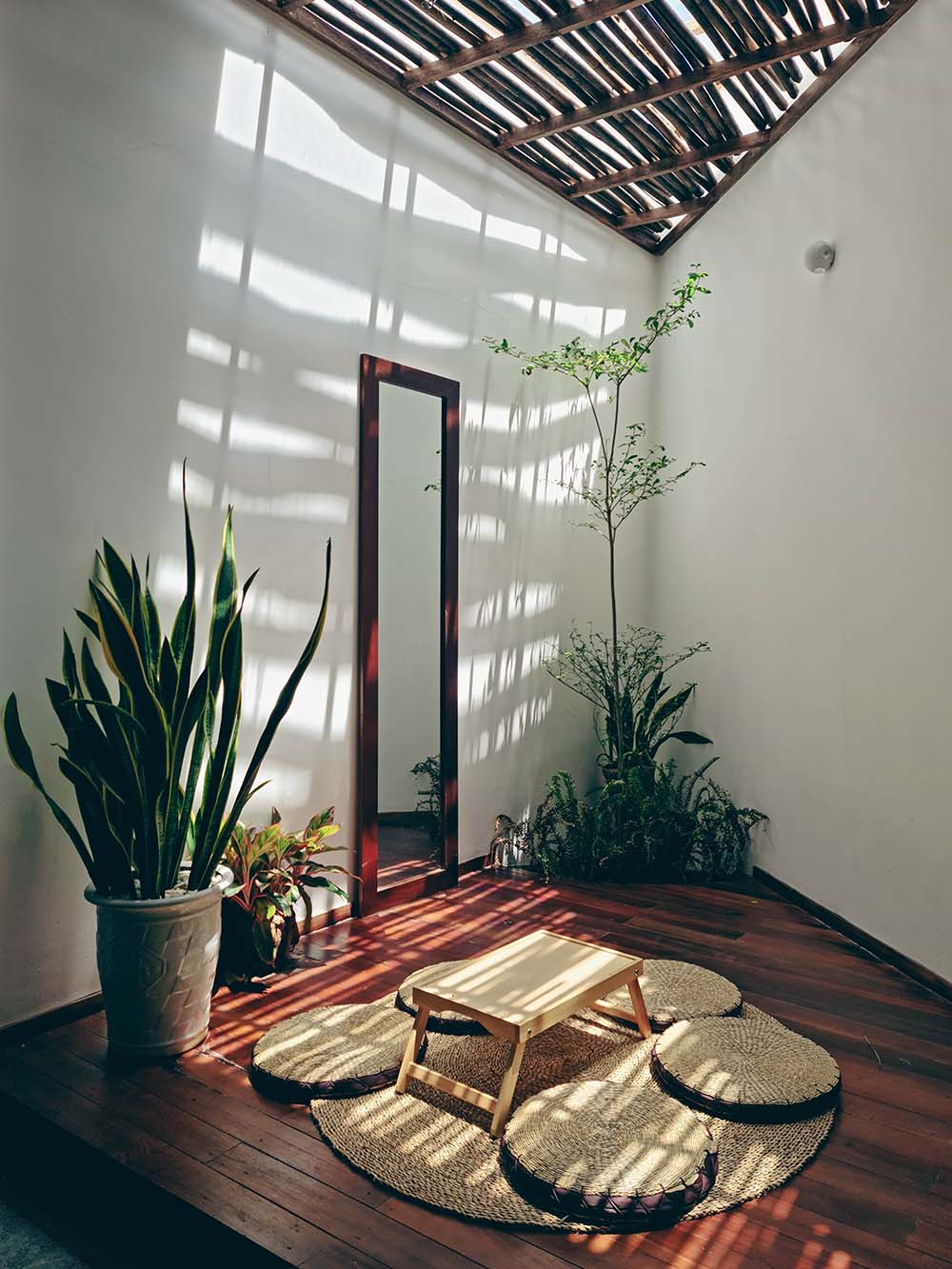
4. Integrate everyday aesthetic choices. Little Happiness extends into the objects and spaces that surround us. Japanese influence is evident in Taipei’s boutique stationery shops, minimalist home décor, and floral arrangements. Practically, you can start with a dedicated corner in your home: a plant, a beautifully designed mug, or a candle.
INSIDER TIP
Rotate one small element weekly—a fresh bouquet, a handwritten note, a favorite book on display—to maintain a sense of novelty and engagement.
The business of happiness
Taiwanese brands have noticed. From lifestyle stores to luxury hotels, there is an emphasis on more intimate, personalized experiences, showing how marketers are tapping into the aspirational yet attainable ethos of Xiaoquexing. There’s also a measurable economic impact: recent surveys and market research confirm that consumers are willing to spend more on products and experiences that promise quality over quantity, and that cater to these micro-moments of delight.
Data from Kantar Worldpanel and NielsenIQ show per capita expenditure on fast-moving consumer goods (FMCG) in Taiwan was 5% higher in late 2024 than the previous year, outpacing inflation. Categories tied to small luxuries—like snacks, desserts, and beauty products—have grown between 7% and 12%, reflecting consumers’ desire for added value in everyday life. Similarly, the beauty and fragrance market alone saw per capita growth of 7%, as Taiwanese shoppers invest in products that enhance personal delight and social confidence.
The rise of the “Singles’ Economy” further illustrates the scale of this trend. Single and childless couple households now account for over 30% of the population, generating an estimated NT$500 billion market focused on personalized, high-quality “me-time” experiences. Purchases are increasingly ritualized, from high-end health supplements to specialty teas and chocolates, as consumers seek small, meaningful moments of joy.
These patterns align with broader global consumer insights: research from the PwC 2024 Voice of the Consumer Survey shows people are willing to pay up to 9.7% more for sustainably produced or higher-quality goods, with younger generations—particularly Gen Z—twice as likely to trade up for premium experiences. Deloitte’s studies highlight that “More-Value-for-Price” (MVP) brands, which prioritize quality, trust, and experience over low prices, are seeing measurable market gains, including shifts in household share worth billions in revenue. In Taiwan, the Xiaoquexing ethos demonstrates that even in a context of moderate wages and a housing-price-to-income ratio in Taipei that ranks among the highest in the world, consumers strategically allocate spending toward small, premium experiences that offer immediate emotional rewards.
In a fast-paced, digitally saturated world, Little Happiness reminds us that joy doesn’t need to be monumental. It can be measured in the curve of a coffee cup, the warmth of sunlight on a train ride, or the crisp crunch of a perfectly baked pastry.
Why professionals are gravitating toward small joys
In high-pressure work environments, stress can erode creativity and focus. Adopting Little Happiness rituals functions as micro-wellness: short, structured breaks in daily life that improve mental clarity and emotional resilience. Professionals can integrate these rituals into their routines without disruption. For instance, a mindful coffee break at 3 p.m., a ten-minute journaling session before a meeting, or a short walk around a scenic city block can reduce burnout while subtly enhancing productivity.
By creating these intentional “pockets of peace,” individuals regain a sense of agency over their schedules, allowing the brain to switch from a state of constant urgency to one of reflective recovery. These small investments in joy act as a buffer against decision fatigue and digital overload, ensuring that the pursuit of professional excellence does not come at the cost of personal well-being. Ultimately, these rituals transform the workday from a marathon of tasks into a series of meaningful, value-driven moments.
The cross-cultural harmony of simplicity and vibrancy
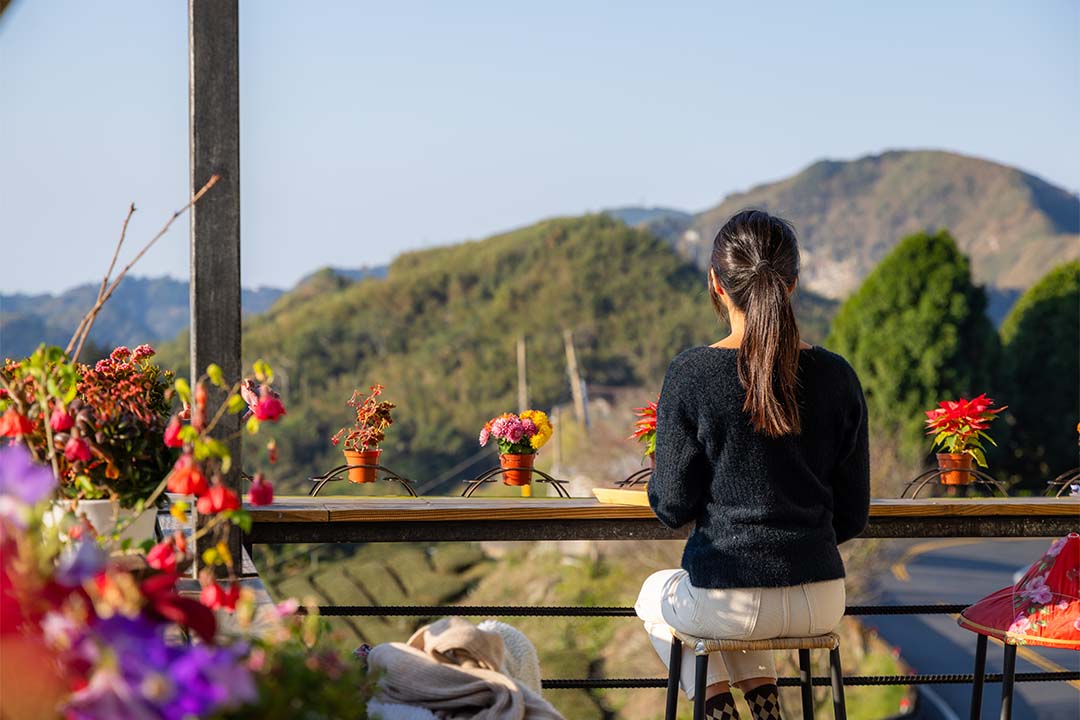
The beauty of Taiwan’s embrace of Xiaoquexing lies in its balance: the elegant restraint of Japanese minimalism meets Taiwan’s dynamic, colorful urban energy. You get the calmness of deliberate rituals paired with the sensory pleasure of a vibrant, city-centered lifestyle. In other words, it’s both a philosophy and an experience, a daily art form grounded in tangible, pleasurable action.
In a fast-paced, digitally saturated world, Little Happiness reminds us that joy doesn’t need to be monumental. It can be measured in the curve of a coffee cup, the warmth of sunlight on a train ride, or the crisp crunch of a perfectly baked pastry. And in this delicate cross-cultural exchange between Japan and Taiwan, these small rituals become a diminutive yet decisive pushback against chaos—an affirmative assertion that happiness is a practice, not a goal.