
Here’s where Ishikawa’s timeless sakura-laden streets, Edo-era residences, and kawaii characters blossom in the heart of the Lion City
Few sights capture the heart of Japan like cherry blossoms in full bloom — fleeting, delicate, and breathtaking. In Singapore, you don’t need to book a flight to witness this iconic spectacle. Every year, Gardens by the Bay transforms into a miniature Hanami festival, and in 2026, the celebration promises to be bigger and more immersive than ever with Sakura 2026, running from March 8-April 5, 2026.
Cherry blossoms have long inspired Japanese art, literature, and media. From anime like Your Name to films like 5 Centimeters per Second, sakura symbolize beauty, transience, and renewal. Sakura 2026 brings this cultural symbolism to life, complete with interactive pop-ups featuring Sanrio characters, making the festival fun and approachable for younger audiences or corporate family days.
This festival isn’t just a floral display; it’s a living bridge between Japan and Singapore, blending culture, lifestyle, and even business opportunity in a garden setting that’s unmistakably Singaporean.
A blooming celebration
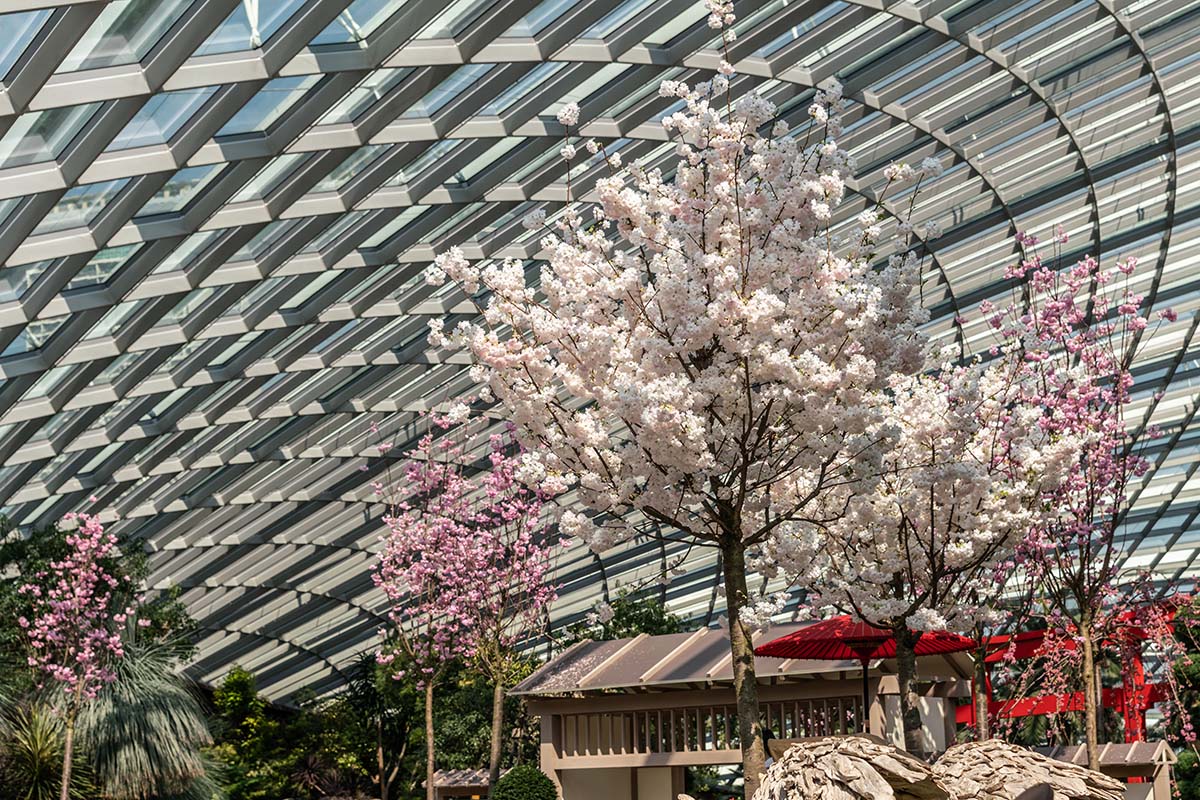
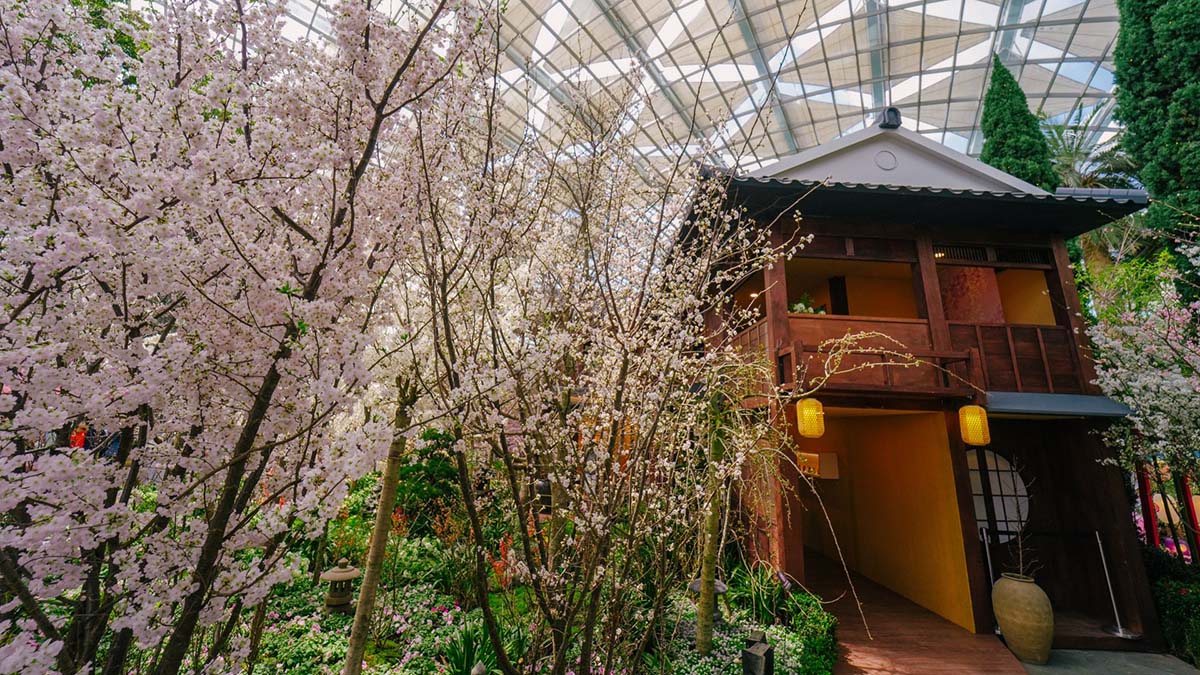
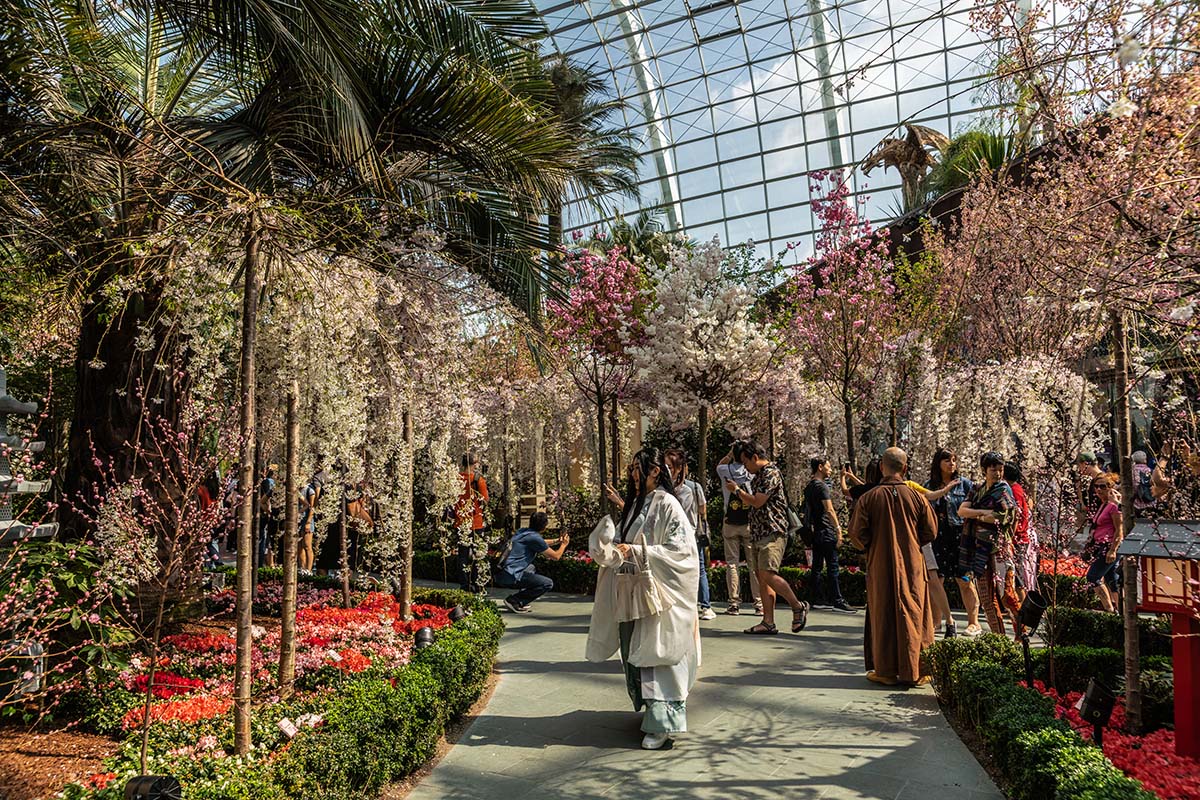
Sakura 2026 returns for its 11th edition, bringing the rich heritage of Japan’s Ishikawa Prefecture to Singapore. Visitors are invited to experience the spirit of samurai, geisha, and generations-old crafts that continue to thrive in Ishikawa today. Set against the futuristic backdrop of the Supertrees and Flower Dome (the world’s largest glass greenhouse), the festival features over 30 varieties of cherry, peach, and plum blossoms in soft pinks, whites, and deep pink hues.
The festival’s streets are thoughtfully designed to evoke Ishikawa’s historic districts. Wander through areas reminiscent of a geisha quarter, where wooden chaya buildings with lattice façades line the path. The journey leads to a recreation of an Edo-era samurai residence, modeled after the Nomura family estate, once home to a prominent samurai family in Kanazawa. Within its walls, traditional crafts from Ishikawa — including lacquerware, gold leaf, dyed kimono textiles, and other regional arts — are displayed, offering visitors an authentic window into centuries-old Japanese artistry.
Sakura 2026 is more than just a pretty backdrop — it’s a celebration of 60 years of diplomatic ties between Japan and Singapore. Held in partnership with the Embassy of Japan in Singapore, the festival showcases Japanese culture, heritage, and craftsmanship in ways that are tangible and interactive.
Festival highlights include:
- Cherry trees and multiple peach and plum trees in full bloom. Featured plants: Prunus ‘Jugatsu’, Prunus ‘Somei Yoshino’, and Prunus ‘Kiku Shidare’
- Cultural performances such as Taiko drumming, Japanese dance, and tea ceremonies
- Kawaii character appearances including Hello Kitty, My Melody, and other Sanrio favorites, adding a playful touch for families and pop culture fans
- Anime Garden’s vibrant marketplace, music, and celebrity cosplayers
- Japanese Culture Programmes at the Flower Dome
- Kenrokuen-inspired floral displays, including a serene pond with a bridge under a canopy of blossoms; a nod to one of Japan’s Three Great Landscape Gardens
- A rain feature designed to mimic Ishikawa’s famously wet climate, which visitors can walk through for an immersive sensory experience
- Food and lifestyle pop-ups, including wagashi (traditional sweets) and Japanese-inspired drinks
FUN FACT
In Japan, cherry blossom season is meticulously tracked by the Japan Meteorological Agency, and forecasts are a major media event. At Gardens by the Bay, Sakura 2026 recreates this seasonal precision with timed blooms, interactive guides, and immersive displays that give Singaporeans a taste of authentic Hanami traditions.
A cultural bridge through blossoms
Sakura 2026 is more than just a pretty backdrop — it’s a celebration of 60 years of diplomatic ties between Japan and Singapore. Held in partnership with the Embassy of Japan in Singapore, the festival showcases Japanese culture, heritage, and craftsmanship in ways that are tangible and interactive. Visitors can practice tea ceremonies, observe traditional crafts, or simply take in the seasonal symbolism of Hanami — the Japanese tradition of enjoying the transient beauty of blossoms.
Historically, sakura traditions date back over a thousand years, celebrated by samurai, emperors, and commoners alike. The festival’s displays — including the Kenrokuen-inspired pond and bridge — are faithful nods to Japanese customs and artistry, allowing visitors to experience centuries-old design principles and ways of life in a modern Singaporean setting.
FUN FACT
The recreated Edo-era samurai residence not only showcases crafts but also educates visitors about life in historic Japan, highlighting how samurai families contributed to culture, politics, and urban development — a subtle yet powerful bridge to understanding Japanese heritage in a business or educational context.
Sakura-inspired urban lifestyle in Singapore
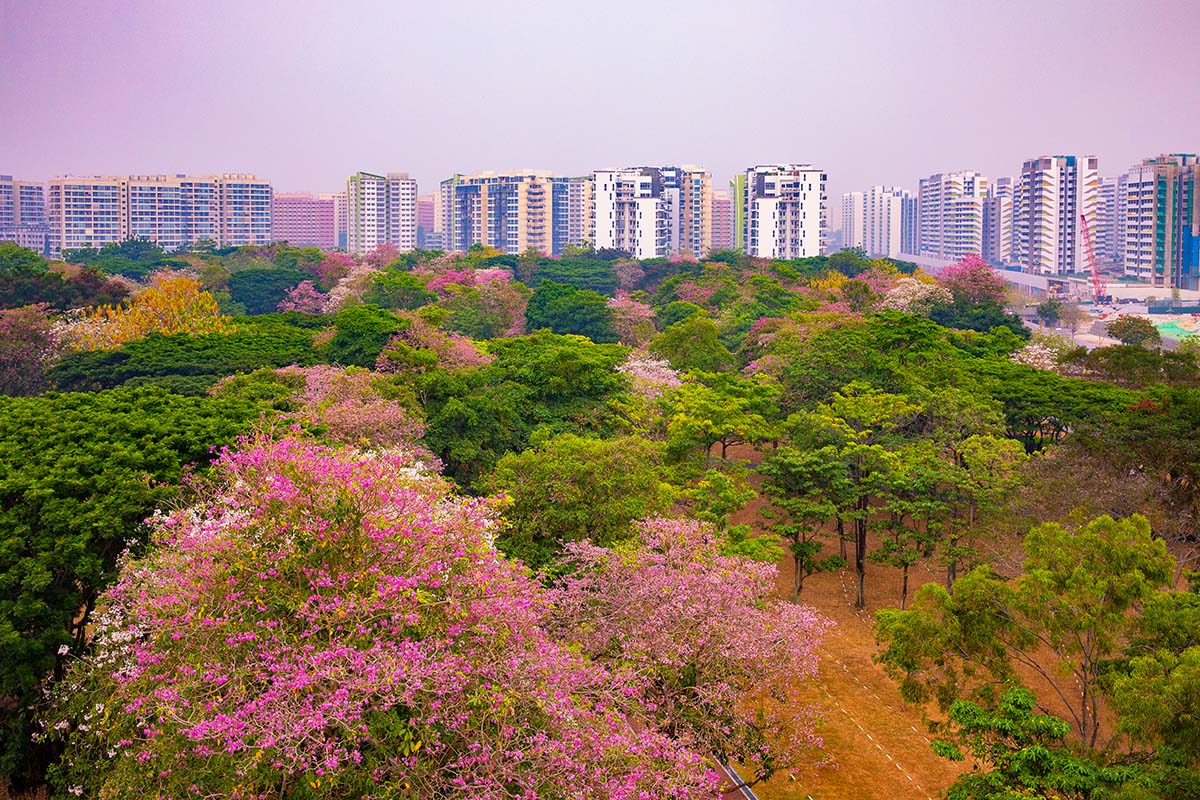
The festival reflects Singapore’s broader urban lifestyle trend: integrating biophilic design, wellness, and Japanese-inspired aesthetics into city living. The Supertree Grove, Flower Dome, and surrounding gardens are designed to maximize harmony with nature, aligning with Japan’s traditional urban planning philosophy and showing a shared commitment to blending greenery, beauty, and livable city spaces.
For professionals and tourists alike, Sakura 2026 offers more than a visual spectacle. Walking through the geisha quarter streets, exploring the Edo-era samurai residence, and interacting with crafts and displays all encourage mindful engagement — a lifestyle trend growing in Singapore’s corporate and leisure culture. Companies increasingly use the festival as a venue for corporate entertainment, client hospitality, or networking, offering a culturally rich and visually stunning setting.
PRO TIP
The festival provides private event packages and guided tours, ideal for networking or client entertainment, blending natural beauty with cultural storytelling.: Weekday mornings are ideal for quieter strolls, photography, or hosting corporate guests, as weekends tend to draw larger crowds.
Beyond the allure and aesthetic
Sakura 2026 isn’t just a leisure activity — it’s a platform for cultural understanding, lifestyle insight, and networking opportunities. Understanding Japanese seasonal customs, urban aesthetics, and crafts can enhance corporate hospitality, client engagement, and international business etiquette. Hosting partners or employees amid cherry blossoms offers a memorable, culturally attuned experience, blending fun, education, and business seamlessly.
As Singapore and Japan celebrate 60 years of friendship in 2026, Sakura 2026 is as a living testament to the power of culture, lifestyle, and urban innovation to bring people together — blossom after blossom, season after season.