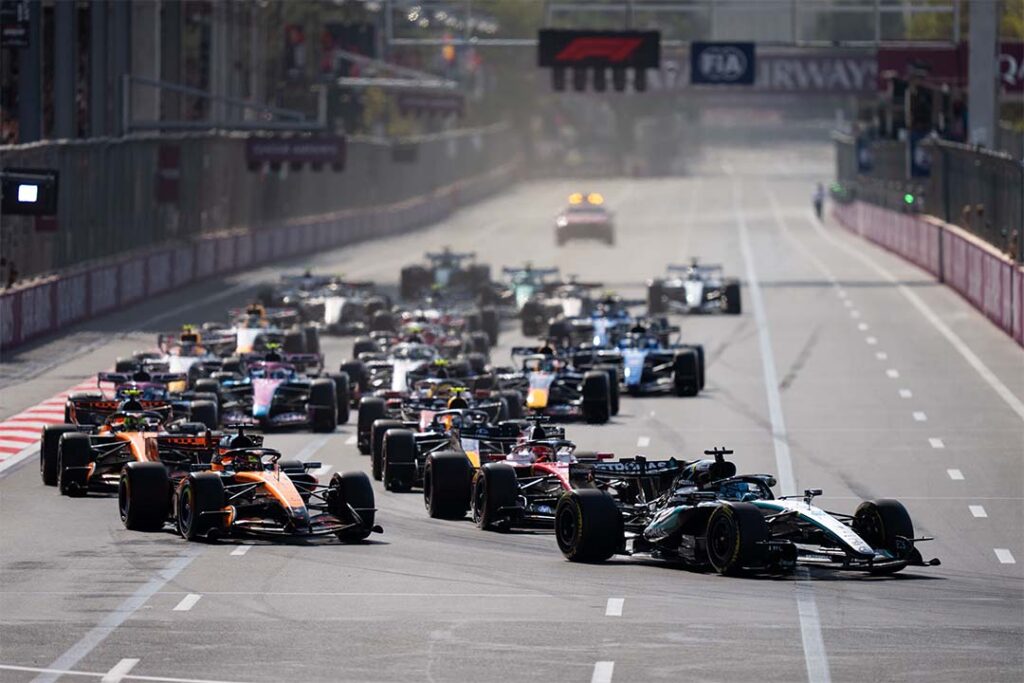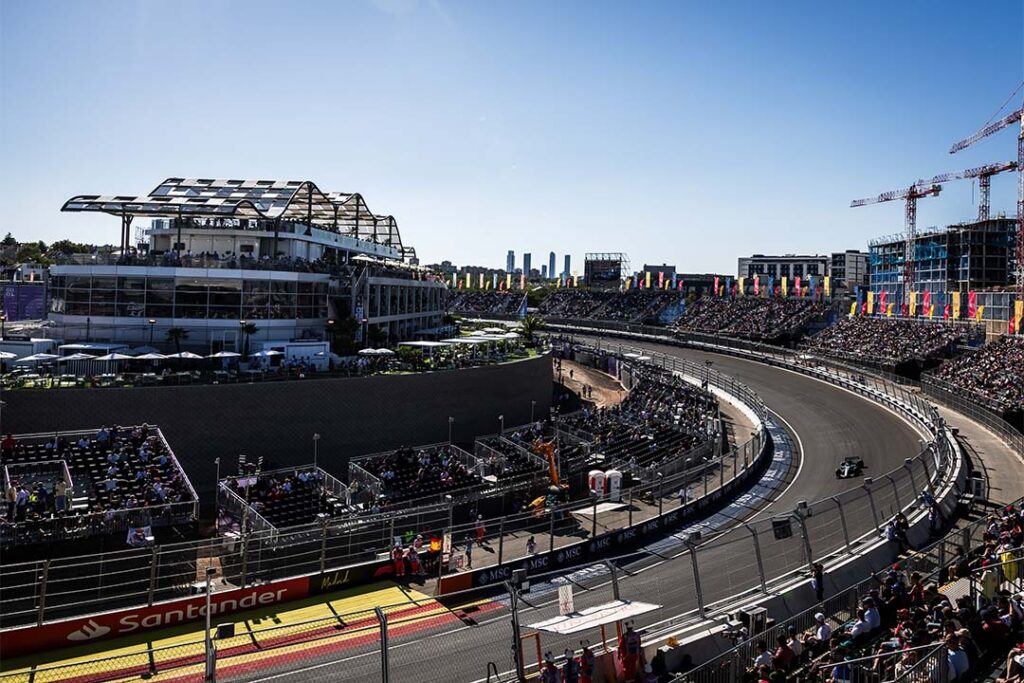

When the Singapore Grand Prix debuted in 2008, it changed the rhythm of Formula 1. The sport had never seen a night race of this scale, and certainly not one staged on public roads in the heart of a global city. What unfolded along Marina Bay set a new benchmark for how motorsport could be presented.
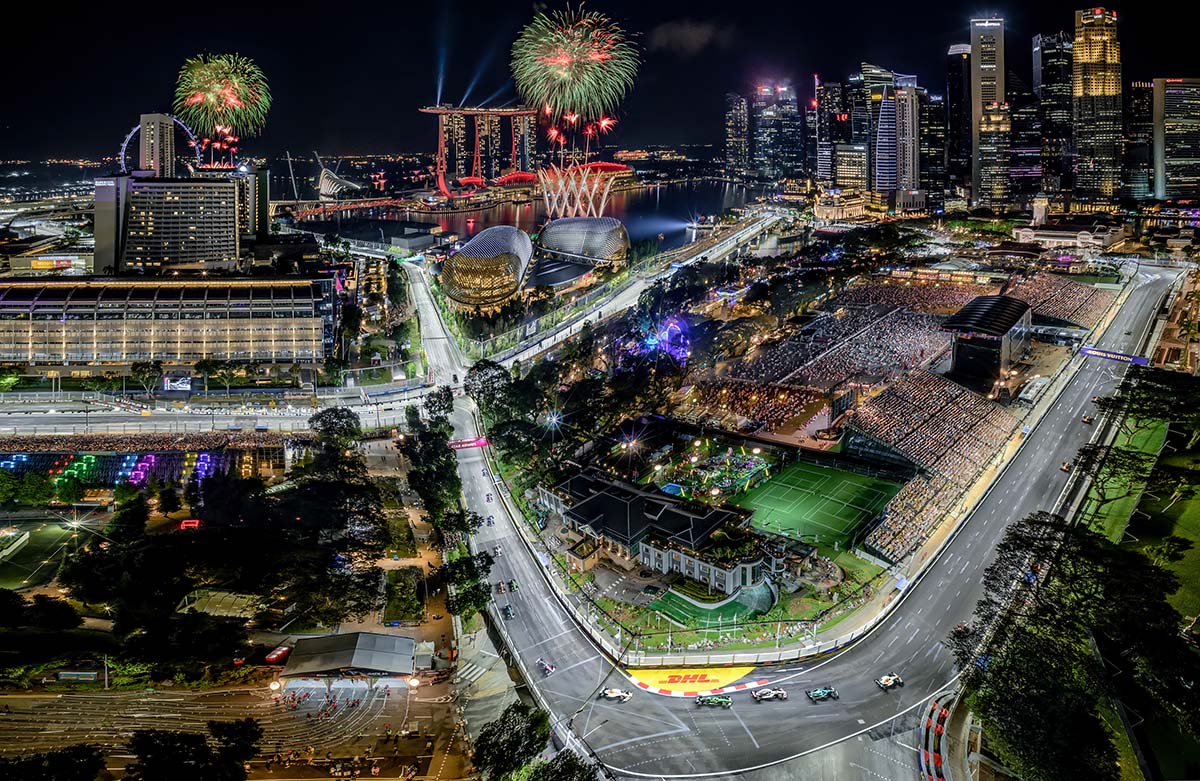
The idea was simple, but bold. Run the race under lights to suit global television audiences while turning the city itself into the stage. The result was immediate. The Singapore skyline, lit up against the night sky, became part of the broadcast. It gave Formula 1 one of its most recognizable visuals and gave Singapore a powerful platform to present itself to the world.
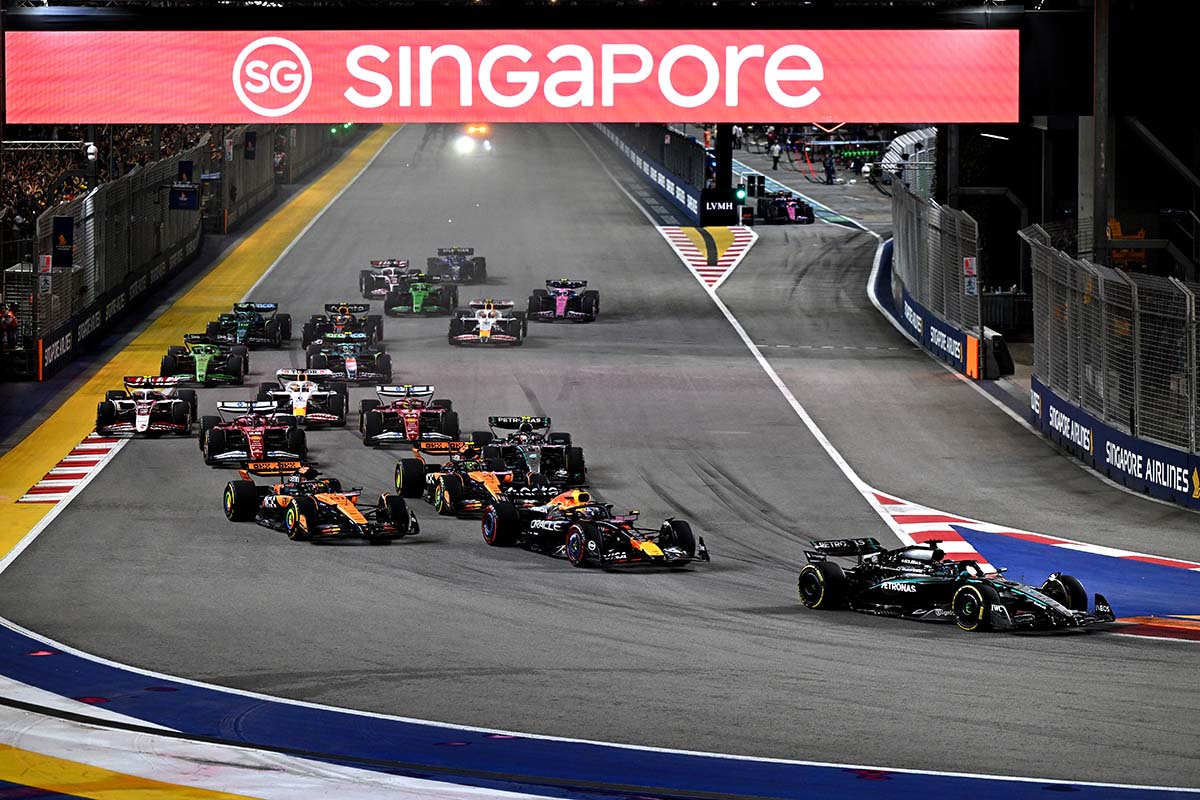
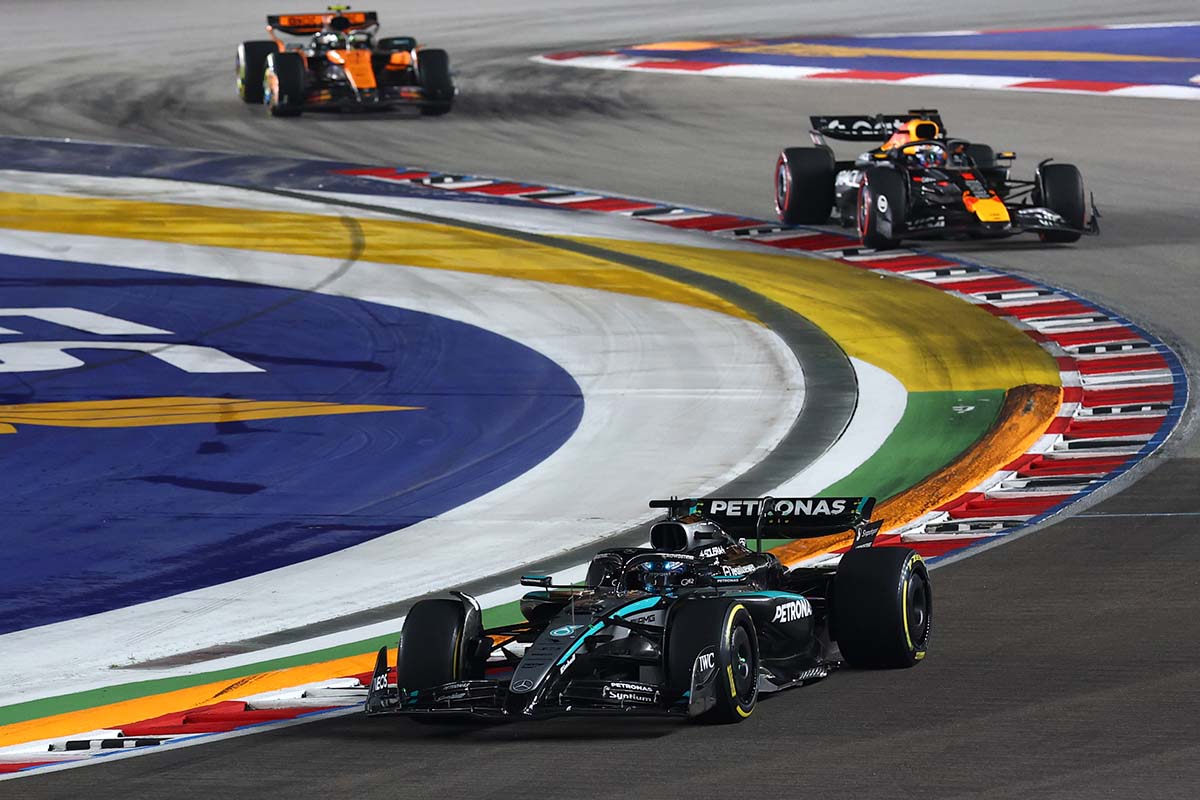
From a racing perspective, the circuit quickly built a reputation as one of the most demanding on the calendar. The tight, winding street layout leaves little margin for error, while the heat and humidity test drivers physically as much as mentally. It is a track where precision matters and where races are often shaped by strategy, safety cars, and endurance.
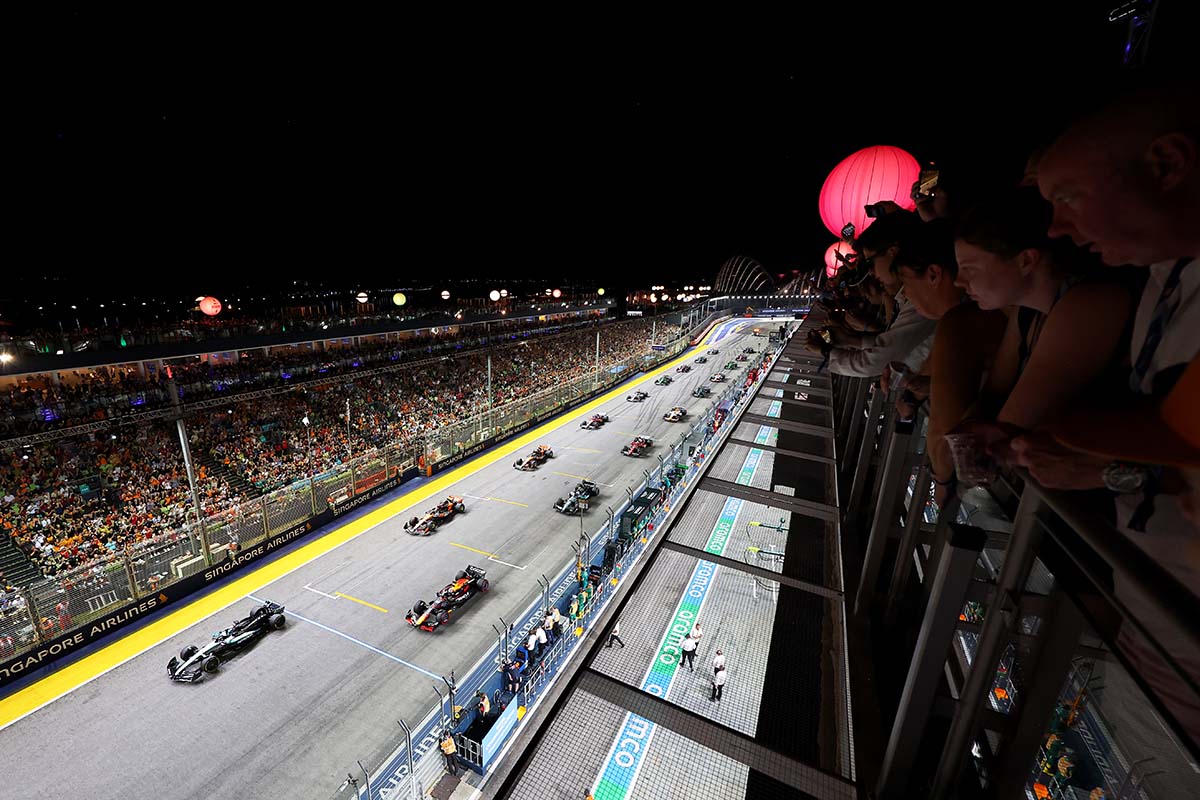
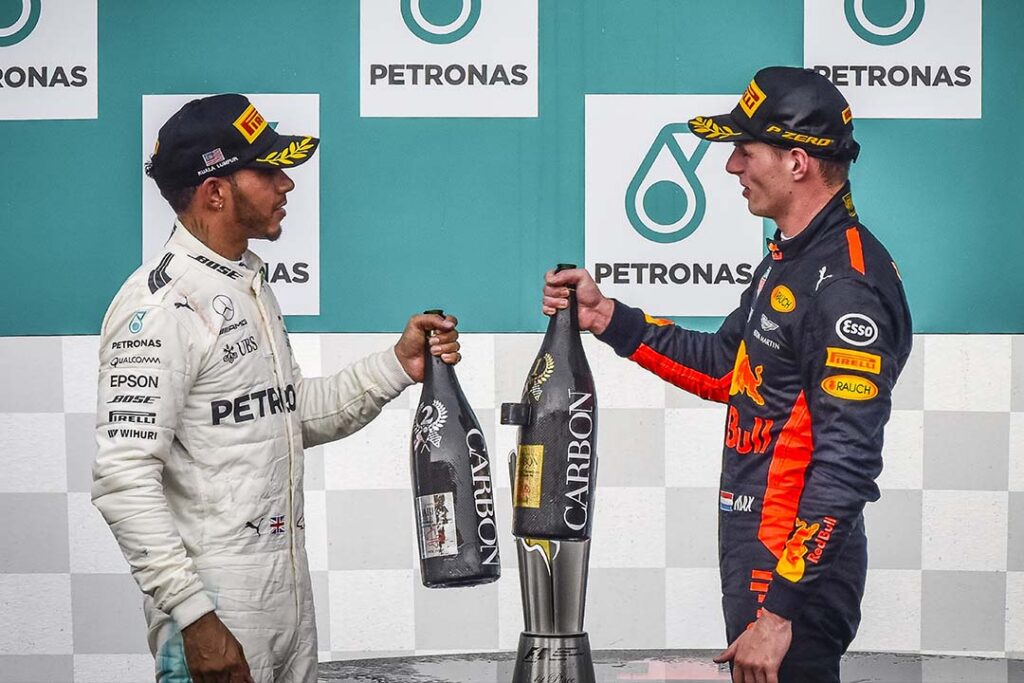
Over the years, the Singapore Grand Prix has delivered its share of defining moments. Sebastian Vettel remains the most successful driver at Marina Bay, with five victories that underlined his dominance during the early 2010s. His performances, particularly with Red Bull Racing, set the standard for controlling races on a circuit where mistakes are costly.
The inaugural race in 2008 remains one of the most talked-about in Formula 1 history, marking the debut of the sport’s first night race at Marina Bay. Since then, the circuit has continued to produce unpredictable outcomes, with strategic battles and dramatic shifts in race order often shaping its identity.
Drivers such as Carlos Sainz Jr. have added to the circuit’s legacy with composed, high-pressure performances. His 2023 win, secured through sharp race management and intelligent strategy, stood out as one of the season’s defining drives and underlined the unique demands of Marina Bay. Others, meanwhile, have seen potential victories slip away because of the track’s unforgiving nature.
Since its launch, the event has drawn more than 720,000 international visitors and generated over S$2.2 billion in tourism receipts across sectors such as hospitality, retail, and dining . These figures matter, but they only tell part of the story. The global reach of the event, with a cumulative television audience exceeding one billion, has reinforced Singapore’s image as a dynamic and well-connected city .
As Ms Lilian Chee, Director of Sports at the Singapore Tourism Board, notes, “The Singapore Grand Prix was the first night race in Formula 1 history and remains a premium experience that goes beyond the race itself, blending world-class motorsport with entertainment and lifestyle offerings.”
“The Singapore Grand Prix was the first night race in Formula 1 history and remains a premium experience that goes beyond the race itself, blending world-class motorsport with entertainment and lifestyle offerings.”
Lilian Chee, Director of Sports at the Singapore Tourism Board

Timing plays a critical role in that positioning. The race weekend has evolved into a magnet for global business activity. Conferences, private meetings, and industry gatherings are scheduled around it, taking advantage of the concentration of senior executives and decision-makers already in town. Events such as the Milken Institute Asia Summit align with race week for exactly this reason .
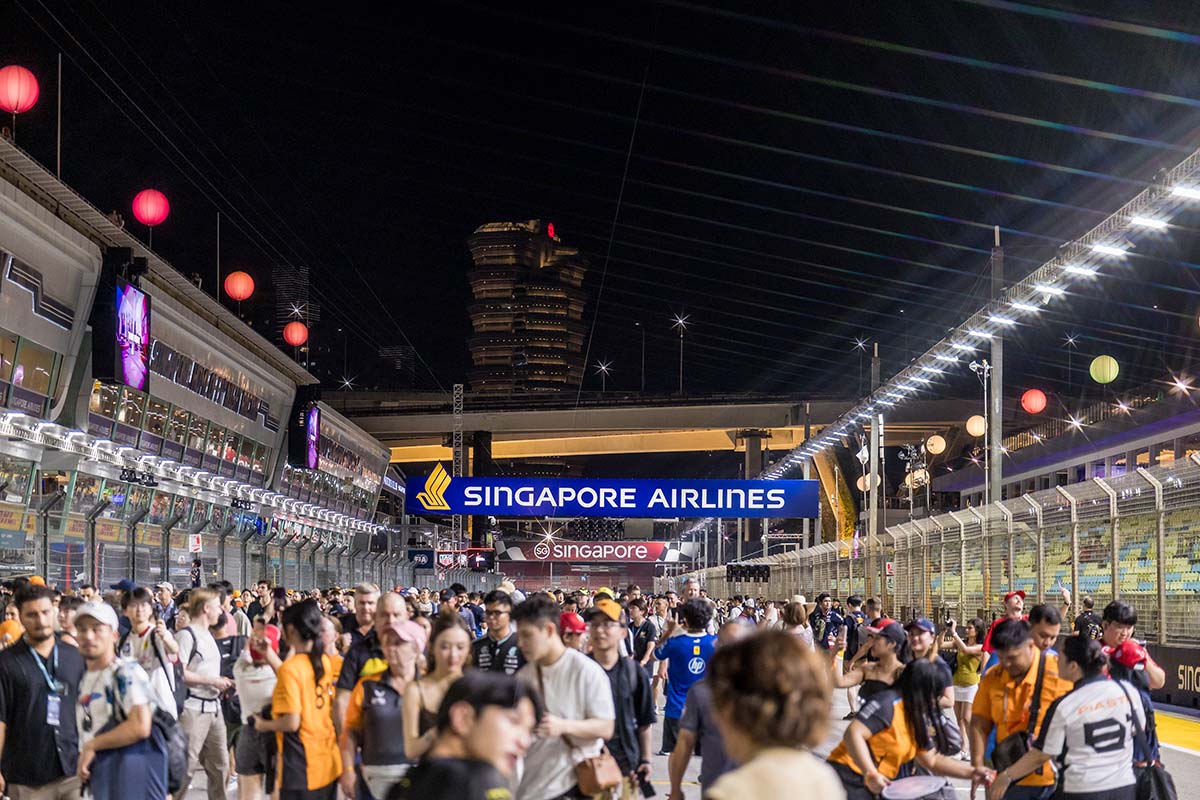
For companies, the value is clear. Few moments in the year offer the same mix of access and atmosphere. Conversations move easily from formal meetings to evening receptions. Deals are discussed in hospitality suites overlooking the circuit. The setting creates a pace and energy that traditional conferences often struggle to match.
On the ground, the race has built a wide ecosystem. More than 770 Singapore-based companies are involved each year, covering logistics, engineering, transport, and event operations . This participation has helped local firms sharpen their capabilities while gaining exposure to international standards. The event also supports employment and training, with around 29,000 individuals accredited annually and hundreds of students taking on operational roles that offer real-world experience .
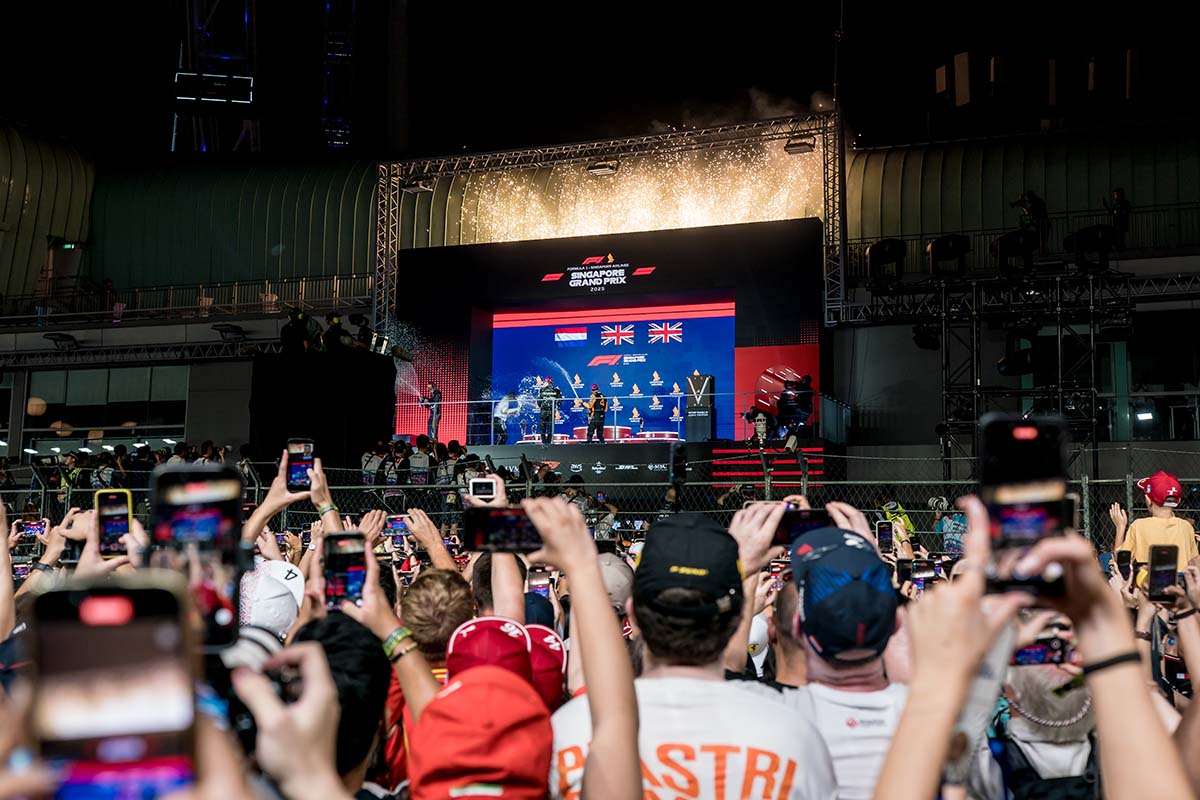
What has kept the Singapore Grand Prix relevant is its ability to evolve. The race is no longer confined to the circuit. It now anchors a broader city-wide programme through the Grand Prix Season Singapore, which runs for days leading up to the event. Restaurants, retailers, and entertainment venues across the city create parallel experiences that draw both visitors and locals into the atmosphere .
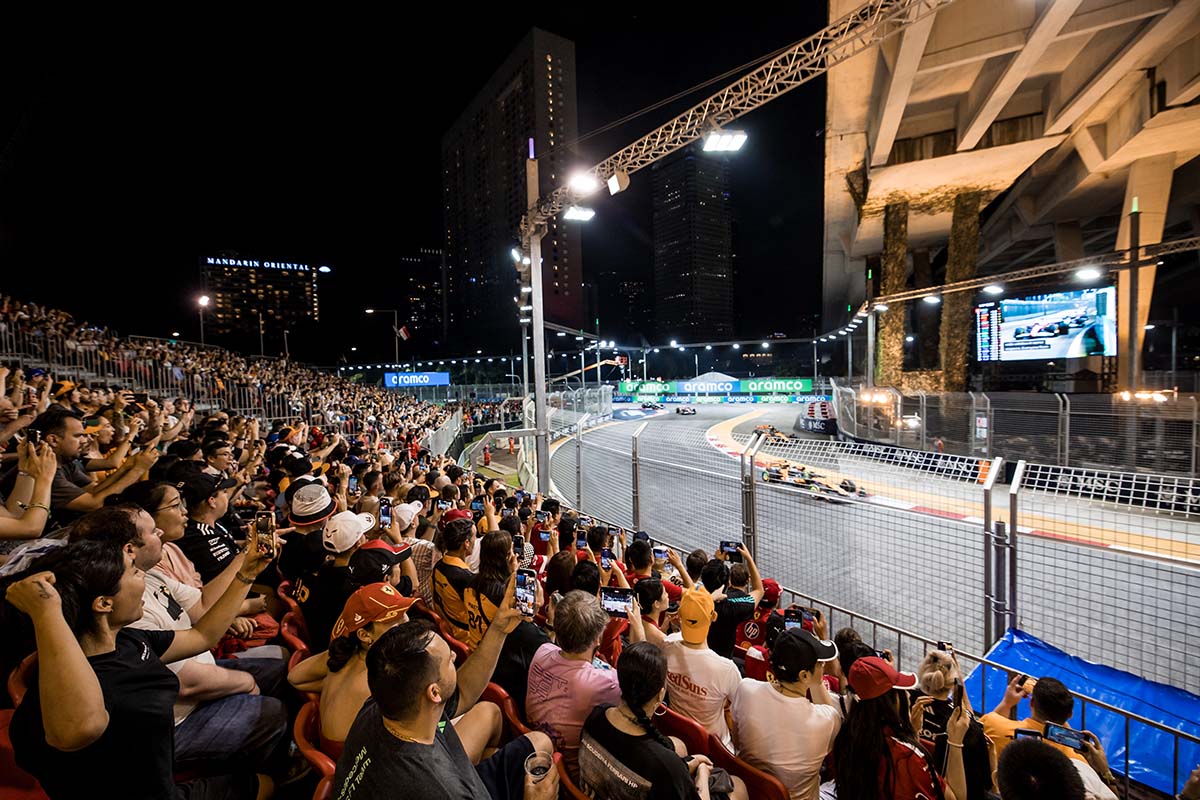
For fans, the appeal remains strong. The night setting introduces a different kind of challenge for drivers, while the street circuit demands precision and focus. From the grandstands, the experience feels immersive. The lights, the skyline, and the proximity to the action create a sense of intensity that stands apart from traditional tracks.
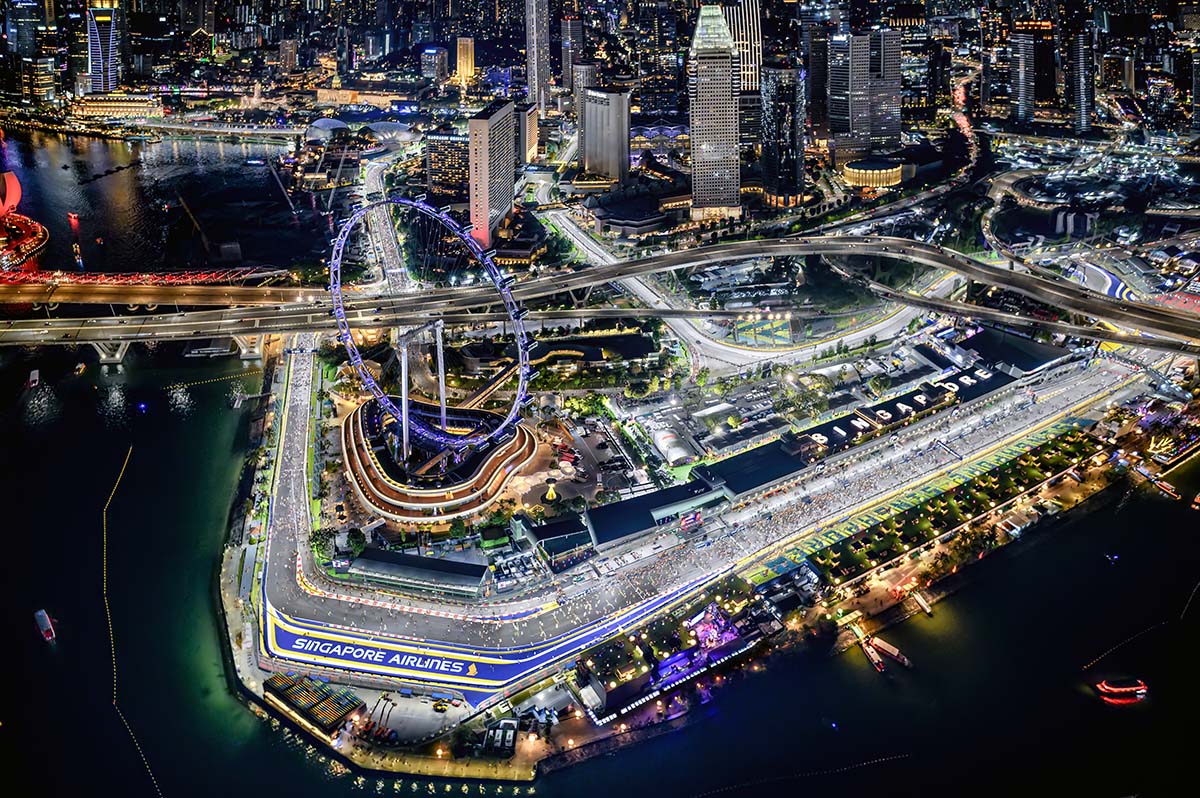
Nearly two decades on, the Singapore Grand Prix continues to hold its place as one of the standout races on the calendar. It reflects a broader approach taken by the city, one that relies on constant reinvention and careful execution. The race has become a recurring moment when Singapore captures global attention and turns it into lasting value.
That is the real achievement. The event is no longer defined only by the racing. It has become part of how Singapore presents itself, year after year, to a global audience that expects something new each time.