
When the Springboks and the Brave Blossoms collide, it’s not just about rugby—it’s a cultural showdown
If you told rugby fans a few years ago that South Africa and Japan would become iconic nemeses in international rugby, they’d likely chortle at the idea. But, it’s become a highly compelling pairing in the rugby world: South Africa, the powerhouse with its bruising forwards and legacy of dominance, versus Japan, the underdog with a reputation for being technically astute and speedier than a cheetah on caffeine—a style that has often been hailed as the “purity of the game,” flowing and intelligent, focused more on teamwork than the prowess of a single player.
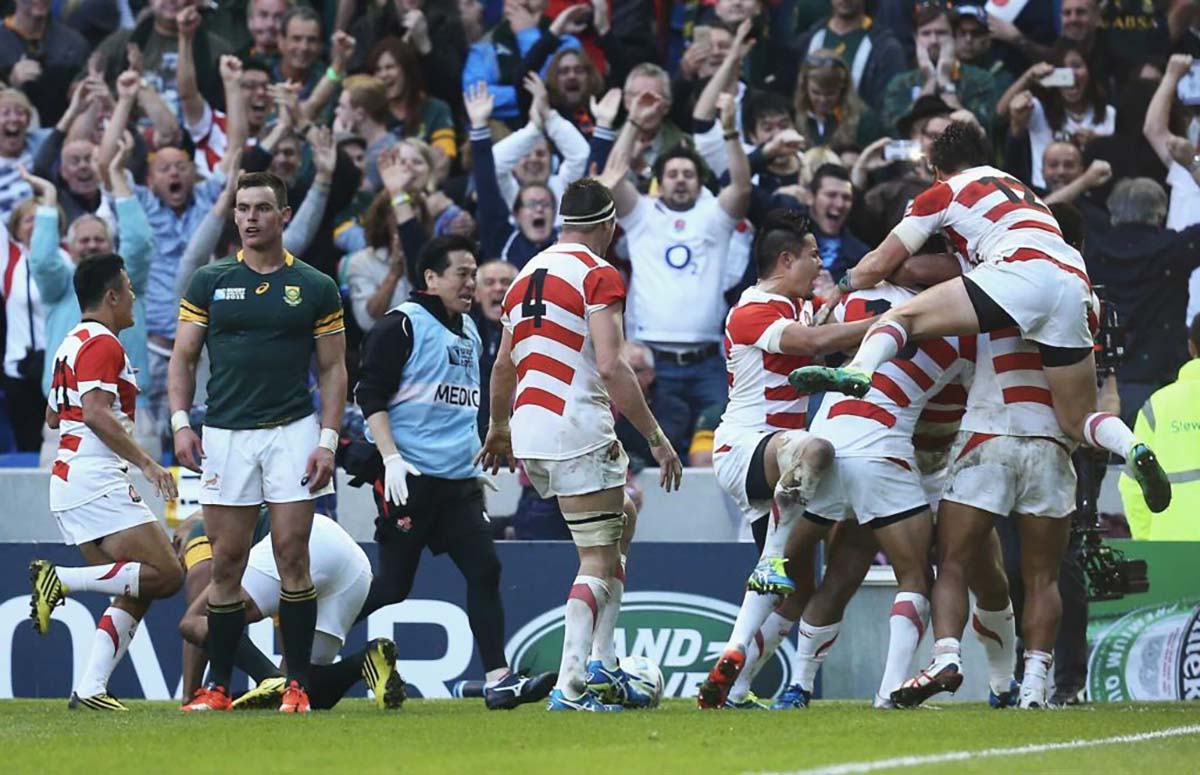
Rugby is more than just a game in South Africa—it’s a religion. The Springboks have had a long history of success, winning three Rugby World Cups (1995, 2007, 2019 and 2023), and have produced legends like Siya Kolisi and Schalk Burger. Japan, on the other hand, with its national rugby team, the Brave Blossoms, had a considerably less illustrious rugby pedigree until very recently—in 2015, more precisely, when Japan pulled off one of the biggest upsets in Rugby World Cup history by defeating South Africa 34-32 in a game that would become known as the “Brighton Miracle.” It wasn’t just a victory; it was a cultural phenomenon that shook the very fabric of rugby, and it set the stage for something unexpected: a deepening rugby relationship between these two rugby worlds.
The underdog’s tale
That 2015 upset was a legendary underdog tale that will never be forgotten, as Japan pulled off the unthinkable by defeating a heavily favored South Africa. But the rematch came in 2019, when South Africa avenged that loss with a dominant win in the World Cup quarterfinals—a tournament they went on to win.
The professional crossover between the two nations adds yet another layer to this fascinating combination. A number of top South African players, like Cheslin Kolbe, now play in Japan’s high-level domestic league, League One, creating an ongoing, direct clash of styles and personal rivalries. These moves have shifted the dynamic, as players bring insights and edge from both sides, deepening the rivalry, as well as the cultural collision.
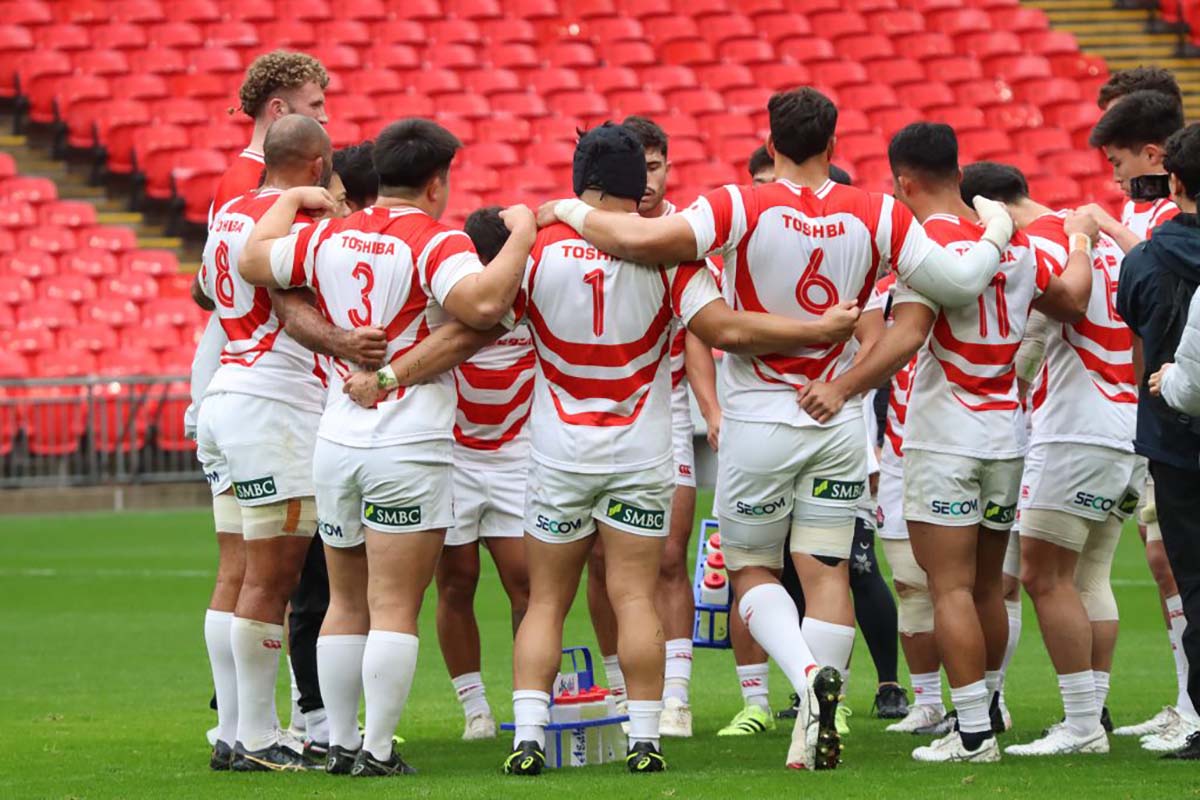
And then there’s the Eddie Jones factor. The coach who orchestrated Japan’s 2015 miracle returned to take charge of the national team in 2024. His return reignited the fire between these two rugby cultures, leading to the electric 2025 Wembley clash—a showdown that showcased just how much this rivalry has evolved. It was more than just another match; it was a symbol of how the Springboks and Brave Blossoms have pushed each other to new heights, creating one of rugby’s most compelling storylines.
So, let’s break down the unspoken cultural exchange that’s blossomed between these two nations—on and off the pitch—and how it’s reshaping rugby culture globally.
The match that changed everything
For the uninitiated, let’s quickly set the stage: the Brave Blossoms had never beaten a Tier 1 rugby nation at a World Cup before. In 2015, the Springboks were heavy favorites to take home the title. But in a stunning turn of events, Japan stunned the rugby world with a last-minute try by Karne Hesketh, pulling off the win and cementing Japan’s place in rugby history.
Rugby’s global appeal continues to grow, and the relationship between South Africa and Japan is one of the most exciting. Beyond the rivalry and the friendly cultural exchange, there’s a clear understanding that both nations have something to learn from each other.
This match wasn’t just a huge win for Japan; it opened doors to a cultural confluence between South African and Japanese rugby. For South Africa, it was a wake-up call. They realized that Japan wasn’t just a team to be brushed aside—they were a rugby force to be reckoned with. And for Japan? The Springboks’ respect was hard-earned, and it marked a new chapter in their rugby evolution.Fun Fact: That historic win for Japan was the first time in rugby history that a team ranked 10th (Japan) beat a team ranked 3rd (South Africa). It was more than just a win—it was proof that rugby transcends borders and cultures.
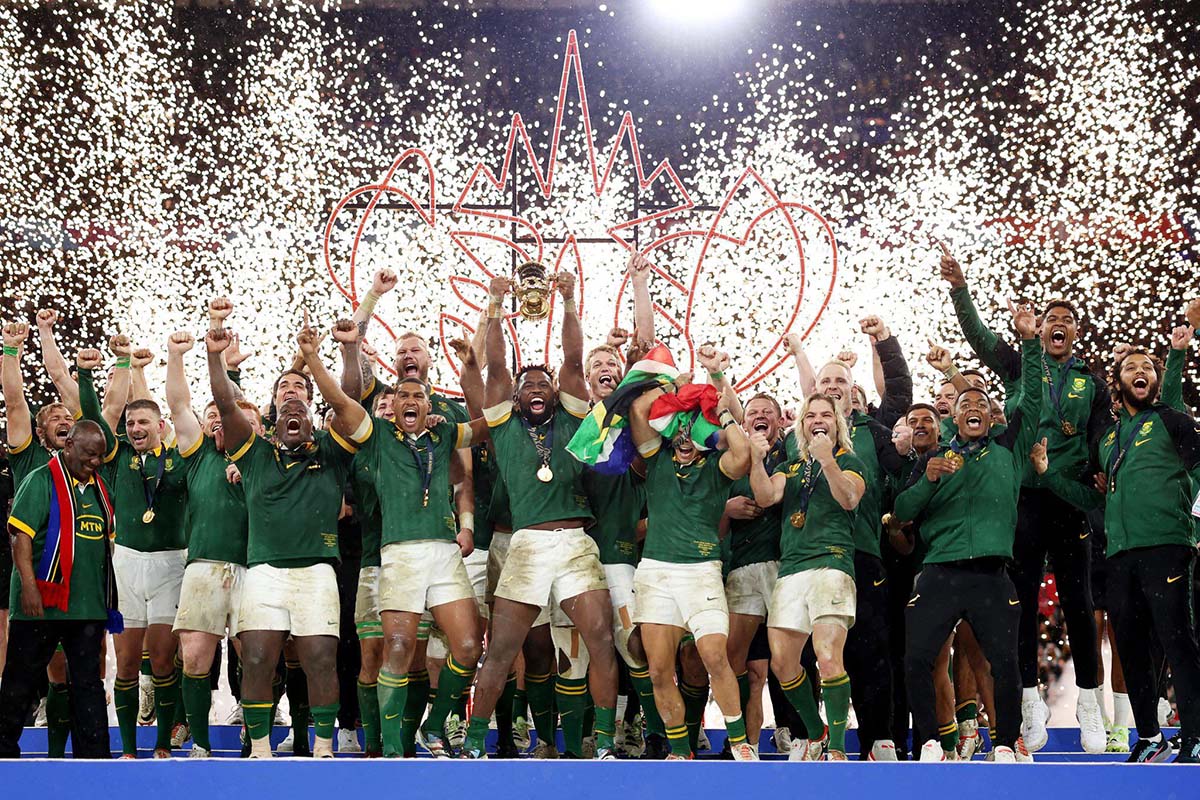
Brave Blossom discipline meets Springbok power
While the 2015 upset is the obvious highlight, there’s been a deeper, more meaningful exchange taking place behind the scenes. The Springboks’ reputation for power and physicality has long been admired by teams around the world. But Japan, known for its precision, technique, and tactical brilliance, has added its own flavor to the mix, emphasizing speed and endurance in a way that has forced the Springboks to adapt their game.
Over the years, South Africa’s top coaches have exchanged ideas with their Japanese counterparts, learning new ways of approaching fitness and mental toughness. Here’s where the samurai spirit of Japanese rugby comes into play: it’s all about discipline, focus, and perfectionism. Japanese rugby coaches, in particular, have helped the South African team think outside the box in terms of conditioning and recovery.
PRO TIP
One of the key takeaways for South African teams is the use of Japanese-style “mental conditioning” sessions. These sessions focus on mindfulness, preparation, and stress management—techniques that are now incorporated into South African training camps. For example, the Springboks began adopting “visualization” techniques from Japanese coaches, helping players to mentally rehearse scenarios they might face on the pitch.
The rise of rugby in Japan—a national phenomenon
Fast forward to 2019: Japan hosted the Rugby World Cup, and they did so with style. South Africa’s victory in that tournament was historic, but Japan’s role as the host nation was equally game-changing. The 2019 tournament marked a massive surge in rugby popularity in Japan, partly due to the unforgettable moments from the 2015 World Cup and a desire to show the world what Japan was made of.
Notably, the Brave Blossoms—a team once viewed as “too small” to compete with the giants—have steadily built up their game, drawing from both their indigenous strategies and what they learned from South African rugby. Japan’s game now reflects a balance of speed and precision, and they’ve incorporated South African lessons on physicality and aggression. And while they might never fully match the Springboks’ sheer physical dominance, the Japanese team now plays a more robust, competitive brand of rugby.
INSIDER TIP
If you ever find yourself in Japan during a rugby season, check out League One (formerly known as the Top League until 2021), Japan’s premier rugby competition. It’s a blend of domestic talent and international influence, attracting some of the best players from around the world. Among the stars who played in Japan after their international careers were South Africa’s Schalk Burger and Bryan Habana, who each made their mark with top Japanese clubs. While their legacies were shaped largely by their years in Europe, their time in Japan helped boost the league’s profile on the world stage.
The era of mutual respect
Speaking of players crossing borders, South Africa’s top rugby talent has been making waves in Japan’s Top League for years. Players like Francois Steyn and Ruan Pienaar have spent time playing in Japan, bringing their Springbok skills to the Land of the Rising Sun. But it’s not just about sharing skills—it’s about blending cultures.
For South African players, playing in Japan is more than just a paycheck. The Japanese commitment to discipline, hard work, and continuous improvement fits right in with South African rugby’s focus on grit and resilience. In return, Japanese players get to train alongside some of the world’s best, learning to match the physicality of the Southern Hemisphere’s toughest teams.
PRO TIP
For players, Japan is a great place to take your game to the next level. The intense training environment, paired with the focus on innovation in game strategy, means players often return to South Africa with new insights on technique, tactics, and recovery.
A lasting partnership beyond the rivalry
Rugby’s global appeal continues to grow, and the relationship between South Africa and Japan is one of the most exciting. Beyond the rivalry and the friendly cultural exchange, there’s a clear understanding that both nations have something toru learn from each other. Japan’s speed, precision, and mental toughness combined with South Africa’s power, physicality, and experience create a potent mix that could help define the future of international rugby. It’s not just about the tries and tackles. It’s about the confluence and collision, alike, of two distinct rugby cultures that have impacted the sport in ways no one could’ve predicted.