
Founded in 1989, Amata Corp. is one of Thailand’s largest and most established industrial estate developers, with projects spanning Thailand, Vietnam and Laos. Listed on the Stock Exchange of Thailand, the company has built its reputation by transforming raw land into fully serviced industrial cities and today manages some of the most strategically placed manufacturing hubs in Southeast Asia.
Central to that story is Japan. For over 36 years, Amata has grown alongside Japanese industry in Thailand, and the relationship shows no signs of slowing down.
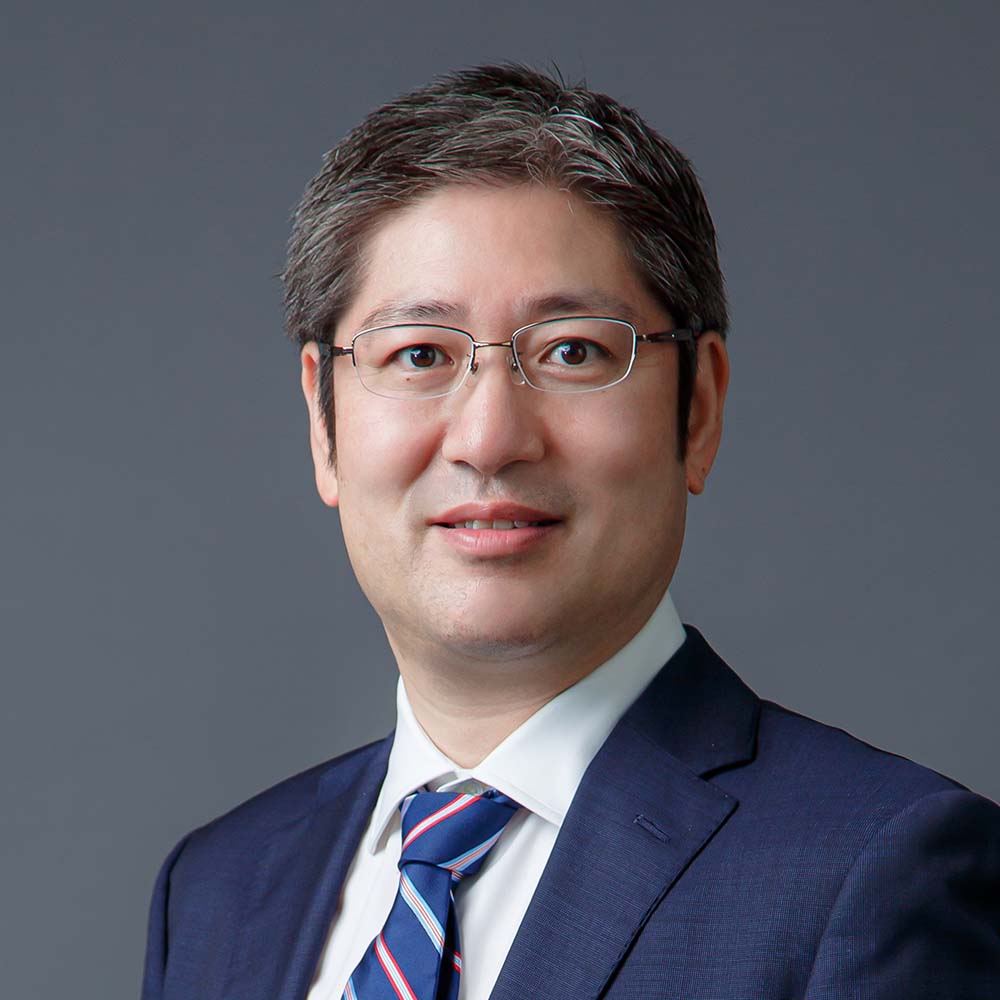
“Japan has played a key role in Thailand’s industrial growth, and Amata has developed alongside Japanese customers for over 36 years,” said Yasuo Tsutsui, chief executive officer of the Real Estate Business Group and acting chief marketing officer. The company now counts more than 650 Japanese factories across its developments, hosting one of the largest concentrations of Japanese manufacturing in a single area anywhere in the region.
“We value this partnership, learning and growing with our Japanese customers to meet their evolving needs and expectations,” he added.
What began as land development has since transformed into something far more ambitious. Tsutsui describes a shift in investor expectations from basic infrastructure to comprehensive operational certainty.
“Japan has played a key role in Thailand’s industrial growth, and Amata has developed alongside Japanese customers for over 36 years.”
Yasuo Tsutsui, CEO – Industrial Estate Thailand, Amata Corp

“Early on, we learned that providing just land wasn’t enough; we needed to create a safe, supportive ecosystem,” he said. Today, Amata’s estates offer a ready-to-operate utilities platform that can be tailored for power, water, gas and 5G telecom, ready-built factory rentals and a dedicated “government all service” unit that centralizes regulatory processes for investors, creating what Tsutsui calls “a one-stop approach that shortens time-to-operation, reduces risks and supports resilience.”
Sustainability has become equally central to the offering. Amata’s Low Carbon City initiative spans floating solar farms, rooftop solar and waste-to-energy projects, while water recycling and expanded reservoirs address long-term resource security.
Tsutsui highlights that environmental, social and governance issues are central pillars of Amata’s business strategy.
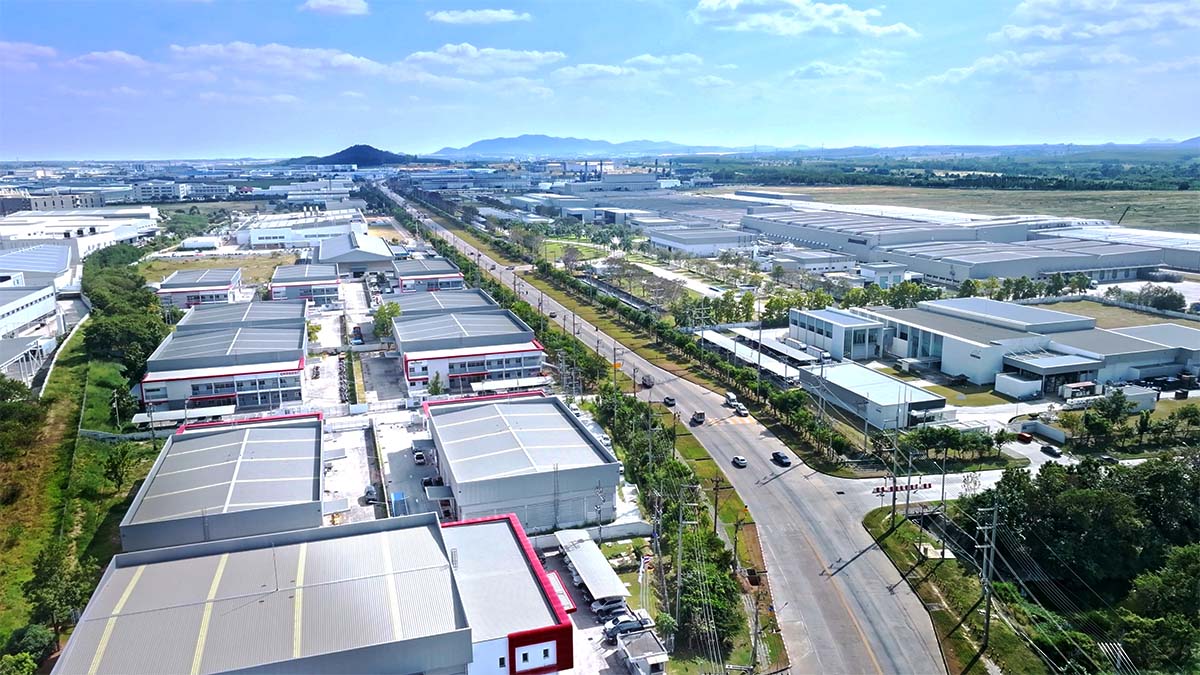
“ESG is at the heart of our operations, guiding us to balance economic progress, strong governance, environmental stewardship and social responsibility under our ‘All Win’ philosophy,” he said. “Our commitment has been recognized with consecutive sustainability awards from Thailand’s stock exchange, reflecting our focus on energy, water and environmental compliance. Today, these factors are equally crucial for investors and play a significant role in investment decisions.”
Looking ahead, Amata has considerable ambitions. The company aims to grow its footprint from the current 150 square kilometers to an eventual 700, a move that echoes its name, which means “eternity.” This vision guides Amata’s commitment to building larger, more resilient industrial cities. As Tsutsui said, “Our goal is to build future-ready industrial cities and communities that align with global ESG standards.”
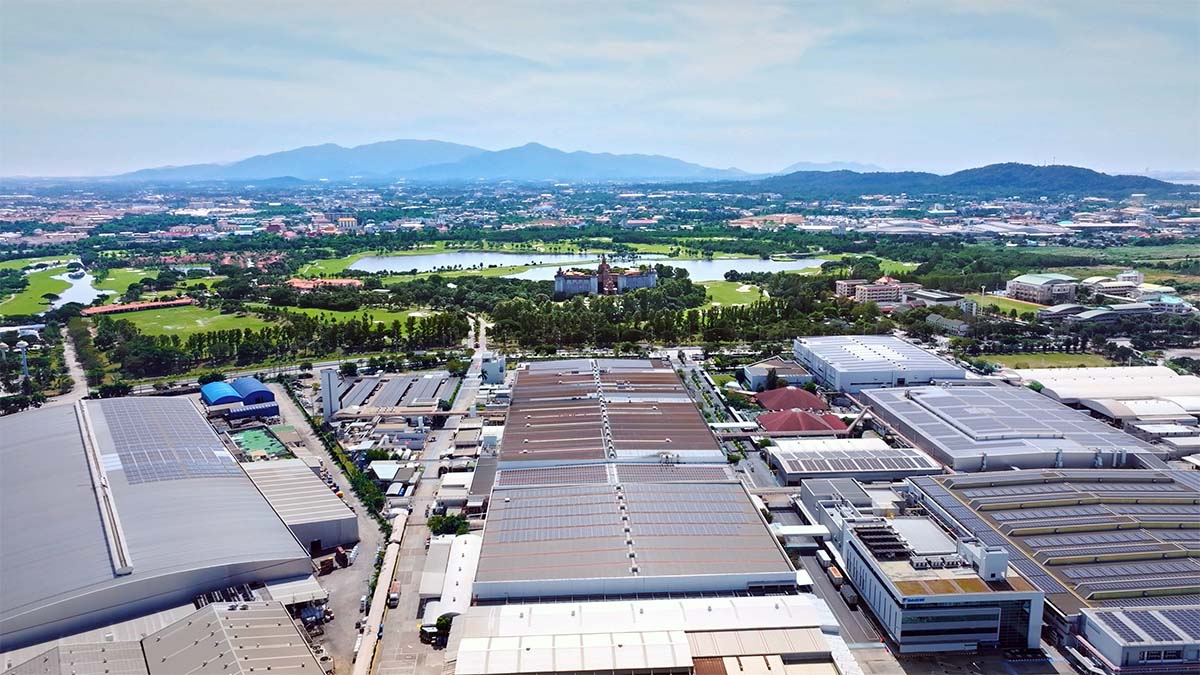
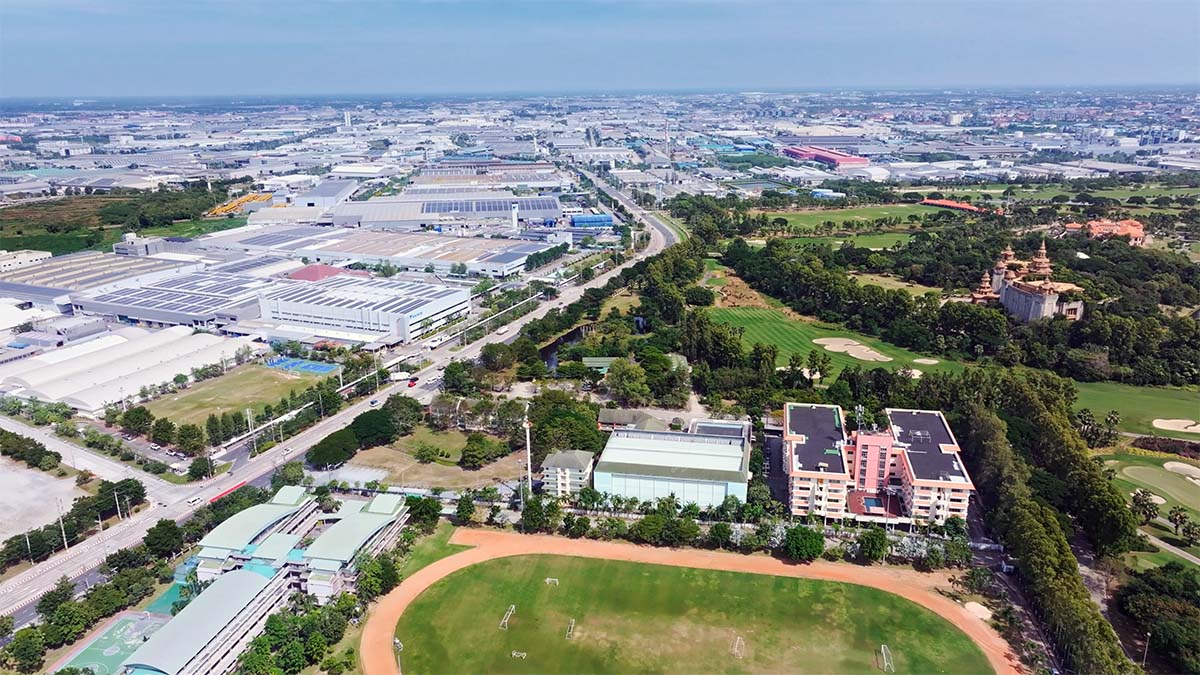
With high-value sectors like electronics, automation and digital infrastructure driving new demand, Amata is positioning itself as the partner of choice for the next generation of manufacturers seeking a stable, sustainable base in Southeast Asia.