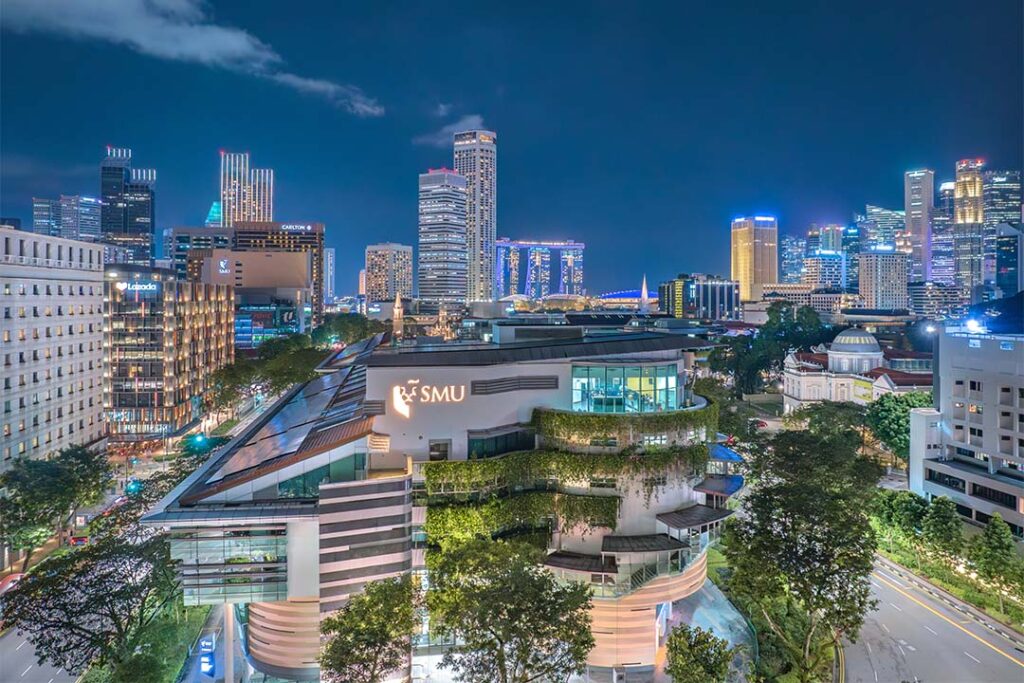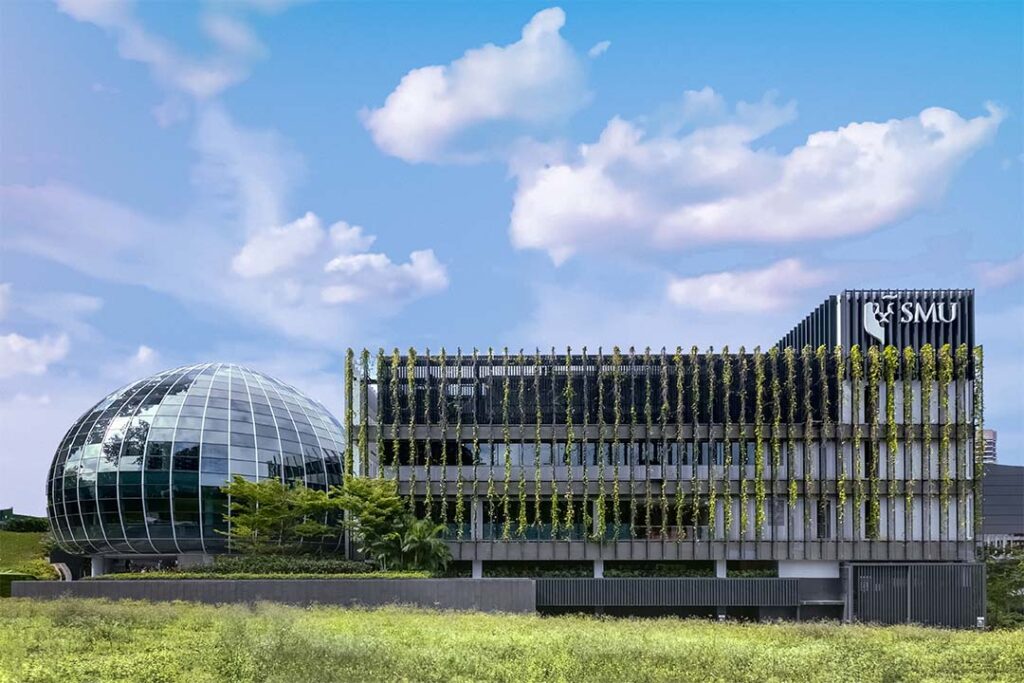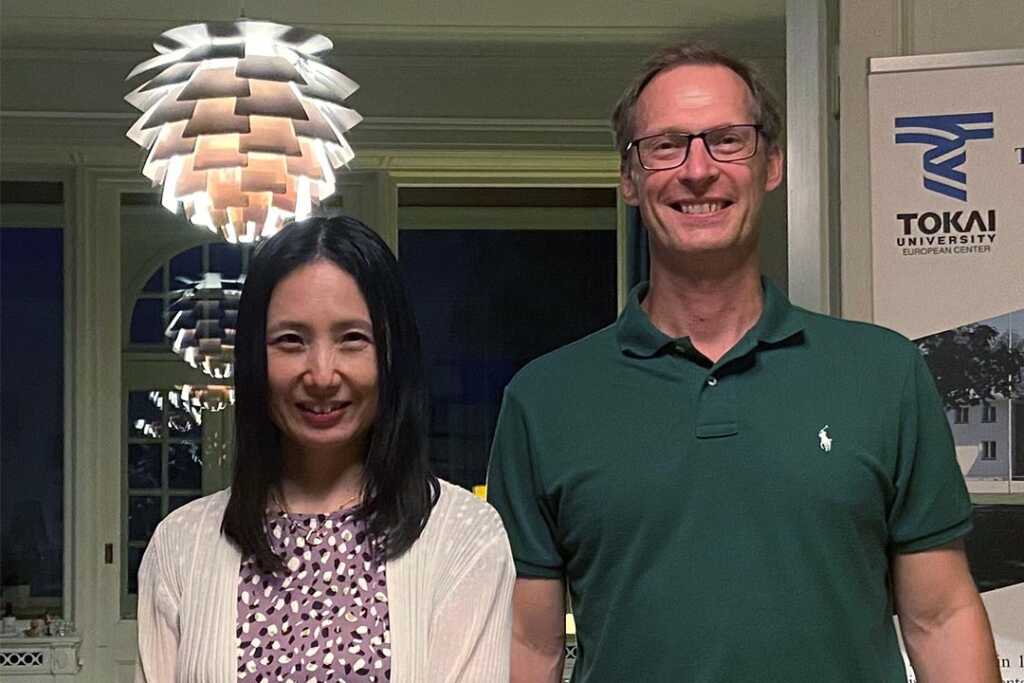

For Singapore Management University, SJ60, the 60th anniversary of diplomatic relations between Singapore and Japan, is more than a milestone year. It is a chance to turn six decades of trust into deeper academic partnerships, student mobility and research that addresses the shared realities of two advanced Asian societies.
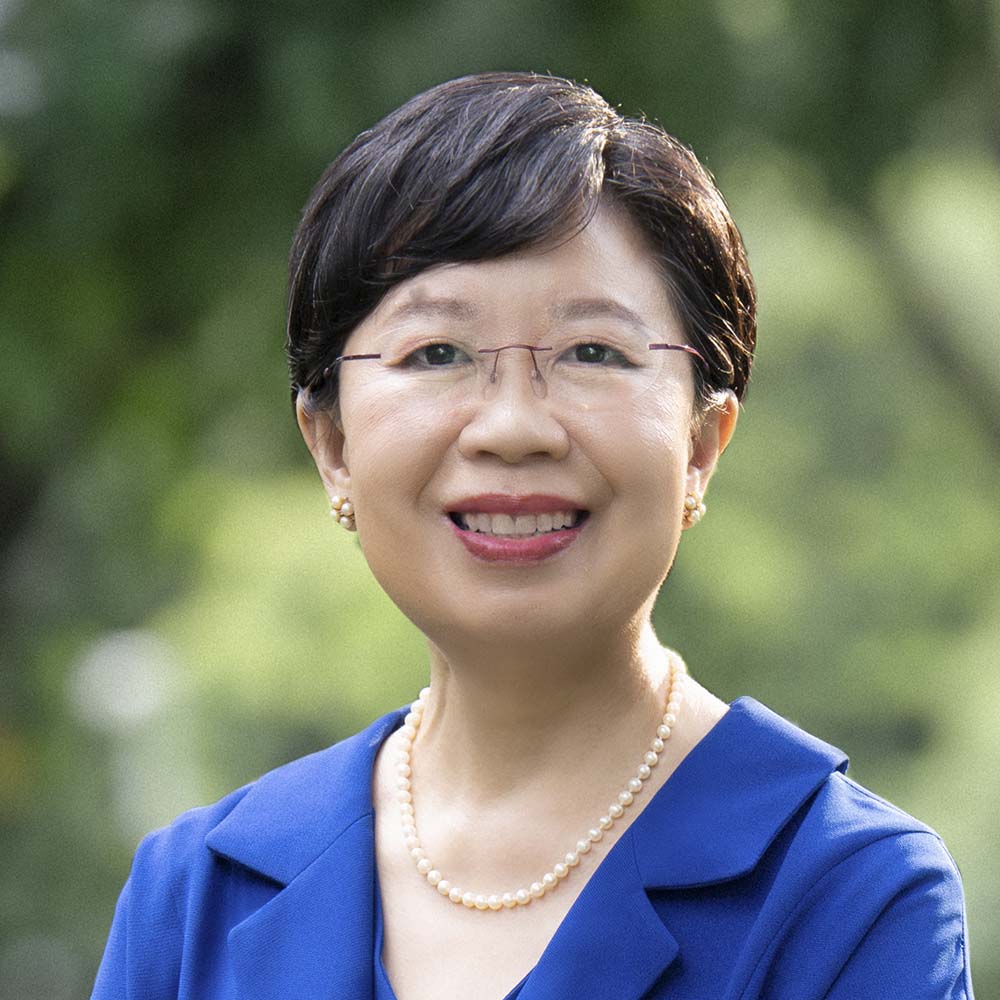
SMU President Lily Kong said the anniversary should be seen in terms of what it can unlock next. “SJ60 is an important marker of a long-standing and trusted relationship, and what such a moment enables next.” With more than 16 partner universities in Japan, including the University of Tokyo, Waseda University, Kyoto University and Hitotsubashi University, SMU has built a strong foundation for people-to-people exchange.
“These exchanges are where students begin to develop the cultural fluency and perspective that a regional and global future will demand,” Kong said. In the past three years, more than 50 SMU undergraduates have gone on exchange to Japan annually, strengthening the cross-cultural understanding that the university sees as essential to leadership in Asia.
SMU Provost Alan Chan said the relationship is also shaped by urgent common challenges. “Singapore and Japan are both navigating similar long-term structural shifts, from ageing populations to digital transformation and the transition toward sustainability.” These issues, he said, require coordinated action that goes beyond academia.
“SJ60 is an important marker of a long-standing and trusted relationship, and what such a moment enables next.”
Professor Lily Kong, BBM, PBM, FBA, President of Singapore Management University
For SMU, Japan is a natural partner because both countries bring different strengths to similar questions. “Singapore offers a highly integrated, city-scale environment for testing and refining ideas in real-world conditions, while Japan brings deep strengths in advanced technology, manufacturing excellence and demographic policy experience,” Chan said.
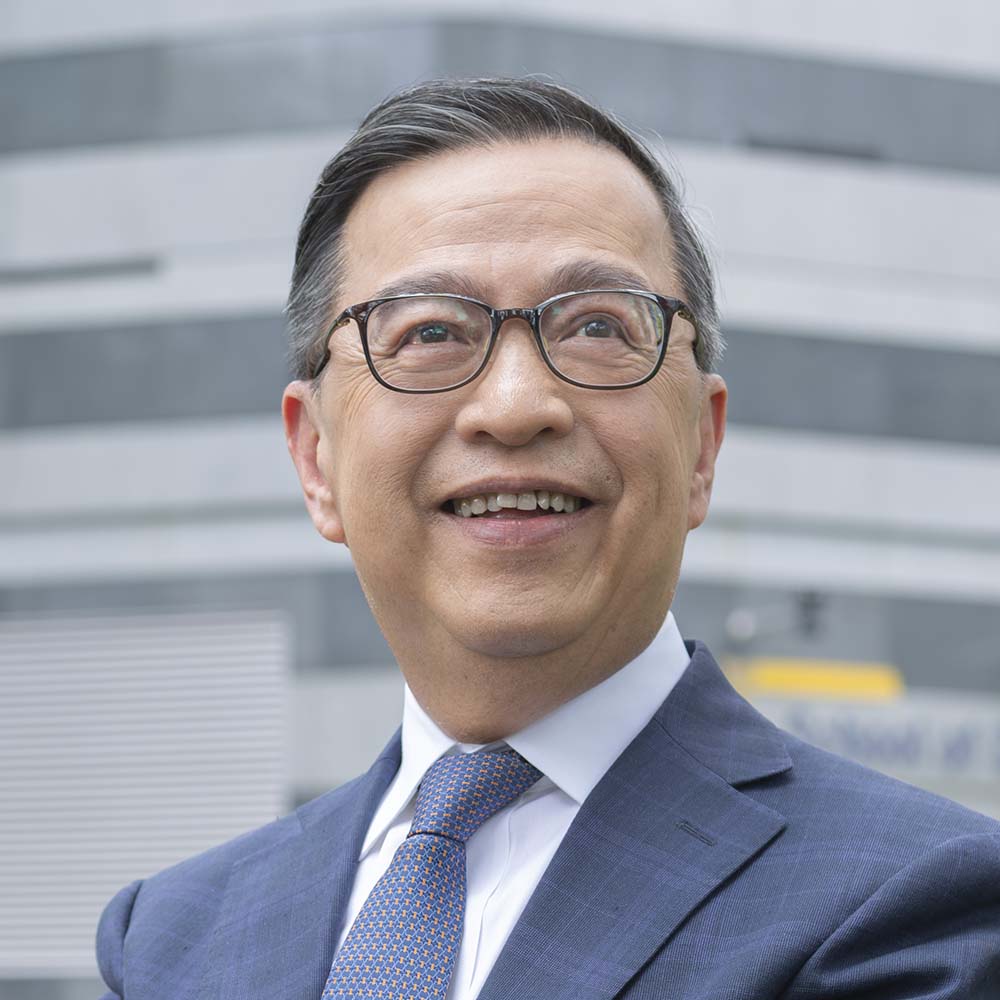
That complementarity is guiding SMU’s interest in deeper research collaboration with Japanese institutions, particularly in urban solutions, ageing, longevity and the future of work. Kong said the university is focused on purposeful partnerships that connect academic inquiry with practical outcomes. “We are most interested in partnerships that are co-created: joint research that draws on both countries’ expertise and context, student exchange programmes that build intercultural fluency, and collaborations with industry that translate academic knowledge into practice.”
This direction is closely tied to SMU 2030, the university’s strategic plan. “Our SMU 2030 Strategic Plan sets a clear direction: to deepen our presence in key Asian cities while building carefully chosen international partnerships that reinforce our identity as a global city university anchored in Asia,” Kong said.
“Singapore and Japan are both navigating similar long-term structural shifts, from ageing populations to digital transformation and the transition toward sustainability.”
SMU Provost Alan Chan
Chan said universities today have a wider role to play, bringing clarity, context and cross-sector insight to issues shaping society. As governments, industries and communities confront new questions around artificial intelligence, resilient cities and sustainable growth, academic institutions can serve as conveners across sectors. “In an increasingly complex world, the most valuable role of universities is to help society ask better questions, so that better answers can emerge collectively, and solutions would be more inclusive, meaningful and durable.”
SMU’s research model reflects that balance. Its city campus connects faculty with policymakers, businesses and community organizations, while its institutes focused on urban issues, workforces and longevity support research with direct social relevance.
“Rigour ensures credibility, but relevance is what ultimately gives research its impact on society,” Chan said.
For Kong, meaningful impact is cumulative and seen over time in graduates, policy influence and partnerships that prepare societies for uncertainty. For Chan, Asia’s future depends on a broader definition of progress. “Asia’s next phase of growth will depend not only on how fast economies expand, but also on how effectively societies enable people to be resilient and live well.”