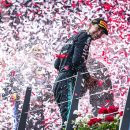

624 days — that’s how long it took Charles Leclerc to stand on the top step of a Formula 1 podium again.
After countless heartbreaks, disappointments, strategic misfortune, and moments where victory slipped through his fingers, Leclerc finally returned to winning ways. His ninth Formula 1 Grand Prix win came at one of the sport’s most iconic venues, making the moment feel even more significant.
The Grand Prix
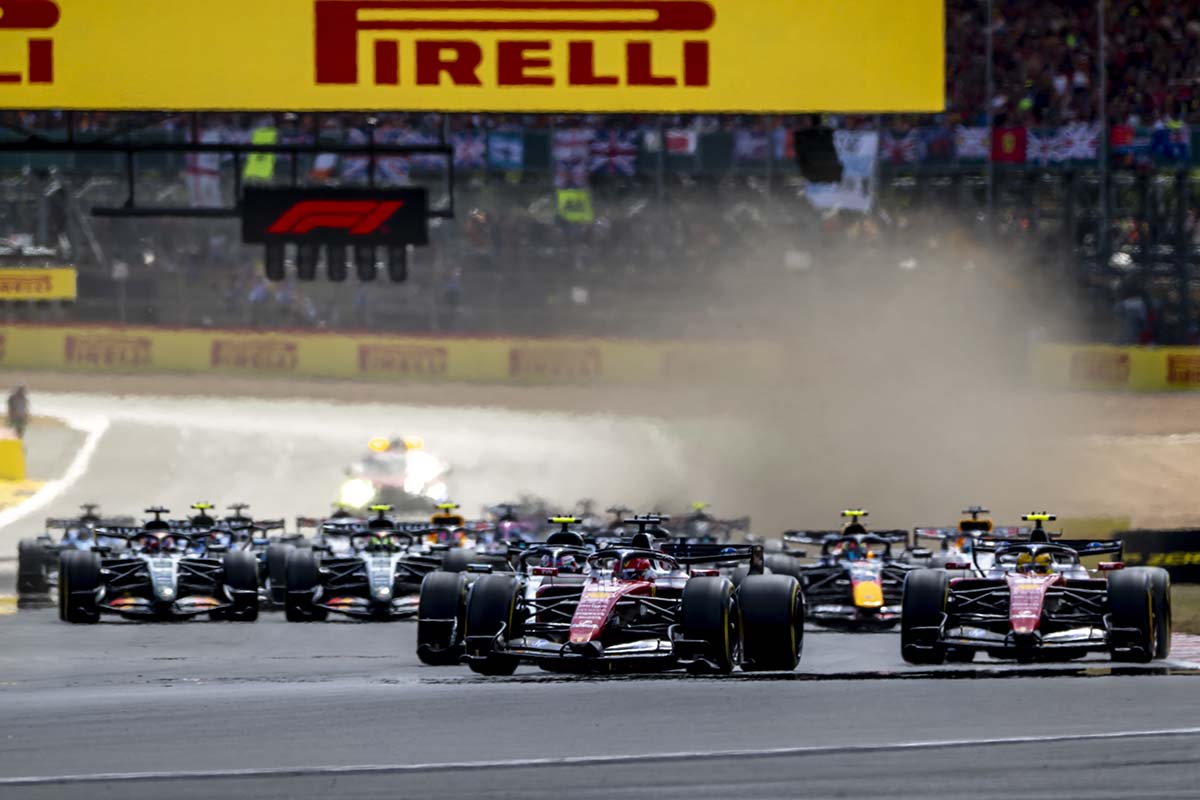
The 2026 British Grand Prix was no ordinary race. It was a weekend defined by redemption, perseverance, bittersweet moments, and frustration.
Leclerc finally broke his winless streak after weeks of bad luck and crashes, reminding everyone why Ferrari had long placed its faith in him. Elsewhere, Kimi Antonelli experienced both extremes of Formula 1 in the space of two days. The young Italian claimed his first Sprint victory, only to endure a devastating Grand Prix. For much of Sunday, he looked capable of fighting for victory before damage to his car compromised its aerodynamics. A penalty only added to the disappointment, dropping him to 15th.
Then there was Max Verstappen. A rear wing failure in the closing laps ended his race, raising further concerns about Red Bull’s rear wing after similar problems surfaced during Austrian Grand Prix qualifying a week earlier. The incident arrived at a time when speculation surrounding Verstappen’s long-term future with the team continues to grow, making the retirement feel symbolic of a season filled with uncertainty.
Yet amidst all the drama, one thing remained constant: Silverstone once again proved why every chapter written there carries extra weight.
F1’s birthplace
To win the British Grand Prix is to carve your name into Formula 1 history.
Silverstone hosted the very first Formula One World Championship race in 1950, making it the birthplace of the modern championship. Although the British Grand Prix briefly alternated between Brands Hatch, Aintree, and Silverstone during its early decades, Silverstone has remained the race’s spiritual home and one of the most treasured circuits on the calendar.
Its sweeping, high-speed layout has challenged generations of drivers, with the Maggotts, Becketts, and Chapel sequence still regarded as one of Formula 1’s greatest combinations of corners. Precision, bravery, and trust in the car all come together through that section, often separating the great from the exceptional.
Silverstone is also Formula 1’s home away from home. McLaren, Mercedes, Aston Martin, Williams, and Red Bull Racing all operate from Britain’s “Motorsport Valley,” where engineers, mechanics, designers, and innovators from around the world work side by side. Race weekends may last only a few days, but the collaboration that builds these cars happens year-round across cultures, languages, and disciplines.
The circuit has also witnessed some of Formula 1’s greatest stories. Ferrari entered this year’s race as the event’s most successful constructor and, with Leclerc’s victory, extended that record to 19 British GP wins. Lewis Hamilton has likewise shaped Silverstone’s modern identity, building an unmatched record of home victories and turning the British GP into one of the sport’s most emotionally charged weekends.
One piece of Silverstone’s history often goes unnoticed. Among the 21 drivers on the inaugural Formula 1 grid in 1950 was Prince Bira of Thailand, making Southeast Asia part of Formula 1’s story from the very beginning. More than seven decades later, Thai representation continues through Alexander Albon, a reminder that Formula 1’s global identity has always been woven into its history.
That international thread continues to define the British Grand Prix today, where local pride and global competition exist in perfect harmony.
Italy on top
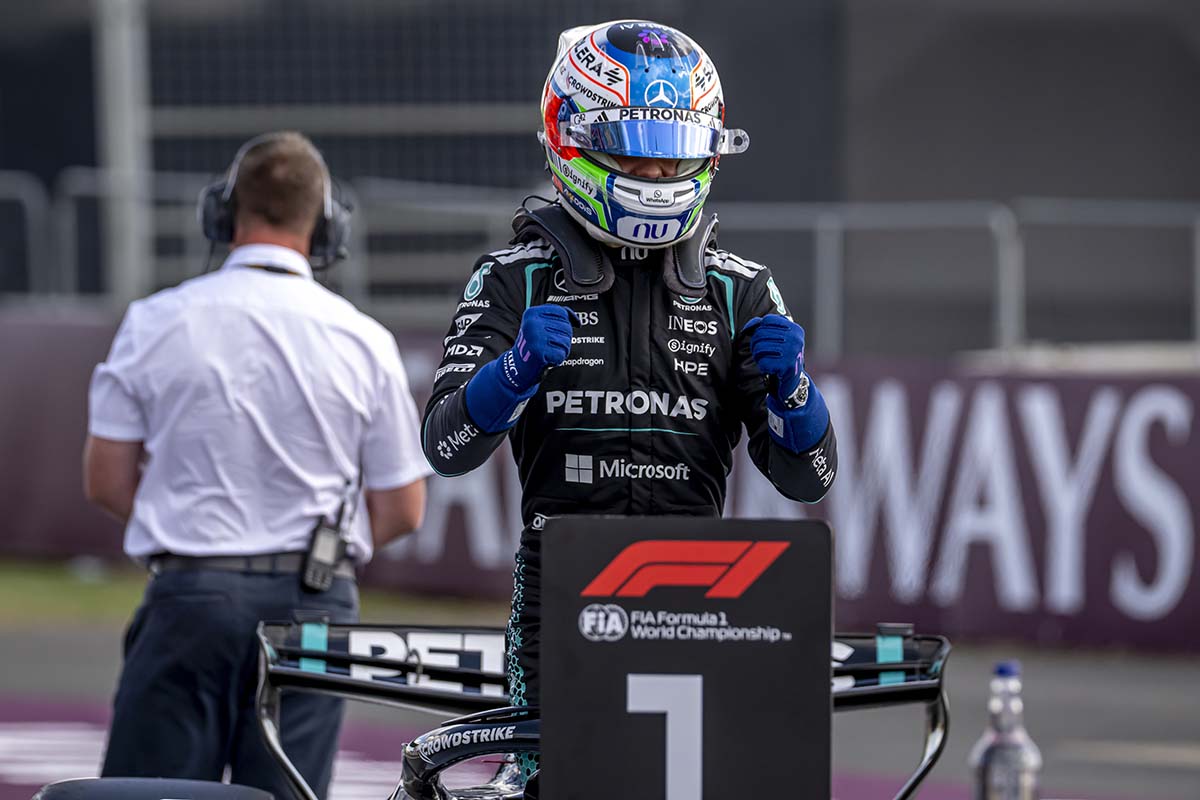
Although the British Grand Prix is traditionally the stage where British drivers and teams command the loudest support, this weekend belonged to Italy in more ways than one.
The parallels with Formula 1’s very first World Championship race are difficult to ignore. In 1950, Italian driver Nino Farina claimed victory for Alfa Romeo. Seventy-six years later, Italian success once again echoed throughout Silverstone.
Kimi Antonelli announced himself with his first Sprint victory, becoming the youngest Sprint winner in Formula 1 history. He also became the first Italian driver in 73 years to secure pole position for the main race at Silverstone, adding another milestone to an already remarkable season despite Sunday’s heartbreak.
Ferrari, meanwhile, looked competitive from the very beginning. Lewis Hamilton topped the opening practice session before delivering pole position in Sprint Qualifying, a fitting display of British driving paired with Italian engineering. Then came Charles Leclerc.
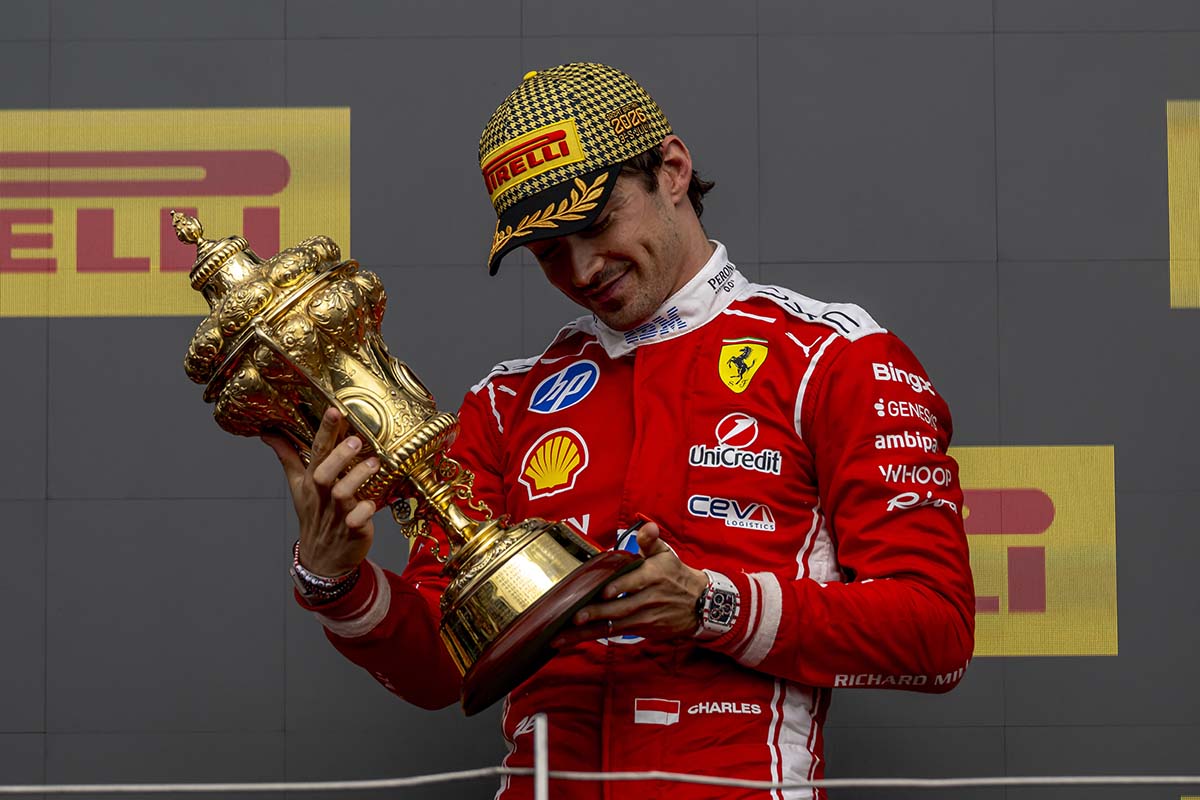
Born in Monaco, developed by Ferrari, and affectionately nicknamed Il Predestinato — “The Predestined One” — by Italian commentator Carlo Vanzini long before his Monza triumph, Leclerc has carried the expectations of the Scuderia since arriving in 2019. Over the years, he has become the face of Ferrari’s modern era, enduring near misses alongside unforgettable victories.
His win at Silverstone carried significance beyond ending a personal drought. It also marked Ferrari’s 250th Formula 1 victory, another landmark for the sport’s oldest and most iconic team.
For one weekend, Britain’s home race became a celebration of Italian excellence, while simultaneously highlighting how Formula 1’s greatest stories rarely belong to just one nation.
What’s to come
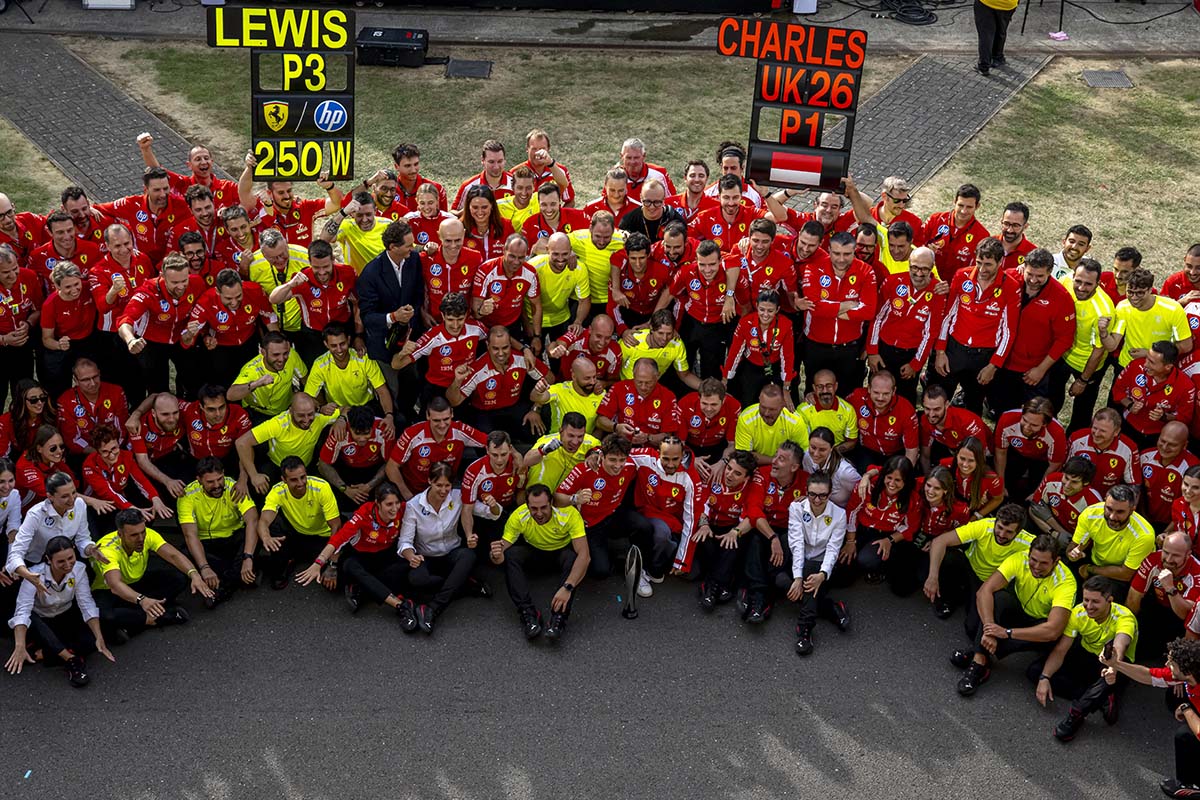
The 2026 British Grand Prix reminded us why Silverstone continues to occupy such a special place on the calendar. It delivered redemption for Charles Leclerc, heartbreak for rising stars, fresh questions surrounding championship contenders, and another chapter in a history that stretches back to Formula 1’s very first race.
Perhaps that’s why Formula 1 continues to transcend the racetrack. Every Grand Prix is built through international collaboration. Every driver brings a different nationality, culture, and story to the same stretch of asphalt. Teams headquartered in Britain rely on talent from every continent. Italian engineering, Thai representation, Monegasque determination, Dutch ambition, Japanese technology, and global fan communities all converge on the same circuit each race weekend.
Ferrari entered this year’s race as the event’s most successful constructor and, with Leclerc’s victory, extended that record to 19 British GP wins.
Silverstone reflects that spirit perfectly. It celebrates British motorsport heritage while welcoming the world into it.
Next, the championship heads to Spa-Francorchamps, another circuit beloved by drivers and fans alike. Its dramatic elevation changes, unpredictable weather, and legendary corners reward bravery as much as precision. Like Silverstone, Spa has solidified its place in motorsport history. It’s a destination where generations of fans gather, cultures intersect through a shared passion, and Formula 1 continues to write stories that travel far beyond the circuit itself.
As the season moves forward, Silverstone leaves us with another unforgettable race weekend, as it so often does. It continues to remind us that Formula 1 has always connected people, no matter the era. Every victory becomes part of a much larger story, one that began on these very runways in 1950 and continues to evolve with every lap, every team, and every fan finding their way into the sport.