
The father-child bond remains one of motorsport’s most enduring connections, carrying a shared love of racing across generations, cultures, and borders.
Michael and Mick Schumacher, Jos and Max Verstappen, Keke and Nico Rosberg, Graham and Damon Hill. These names represent one of Formula 1’s most enduring traditions: a father-child bond that runs deep through generations. From watching cars race on TV to heading to the karting track before sunrise, families in motorsport have followed this routine for decades.
But why does this seem especially common in racing? Why does the love for motorsport create such a strong, almost inherited connection between generations?
The first team
Fathers are often the first mechanics for their children who enter karting. Since many drivers begin racing at just five years old, parents become their first pit crew, mechanics, engineers, strategists, and trainers. They sacrifice time, money, and often personal comfort to help their children pursue a dream that offers no guarantees.
Many Formula 1 drivers have spoken openly about the sacrifices their families made to keep them racing. Haas driver Esteban Ocon has told the story many times of how his parents sold their home to support his karting career. He’s shared that “It hasn’t been easy. A lot of sacrifices were done for me to keep racing. We were living in a caravan for a long time.”
These stories are common throughout motorsport. Drivers often grow up watching their parents chase the thrill of racing, whether from the grandstands, local circuits, or the couch at home every Sunday.
I found my own love of Formula 1 through my dad. At around four or five years old, he introduced me to the sport. Growing up, I’d watch him settle in every race weekend, snacks ready, completely absorbed by cars travelling over 300 km/h. He taught me why the cars worked the way they did, how the sport evolved, and who the drivers were. Seeing his passion made me fall in love with Formula 1 myself, eventually leading me to build a career around helping others understand the sport, much like he did for me.
That same connection exists throughout Formula 1. Behind many drivers, team personnel, officials, broadcasters, and journalists is a parent who first opened the door to motorsport.
A generational bond
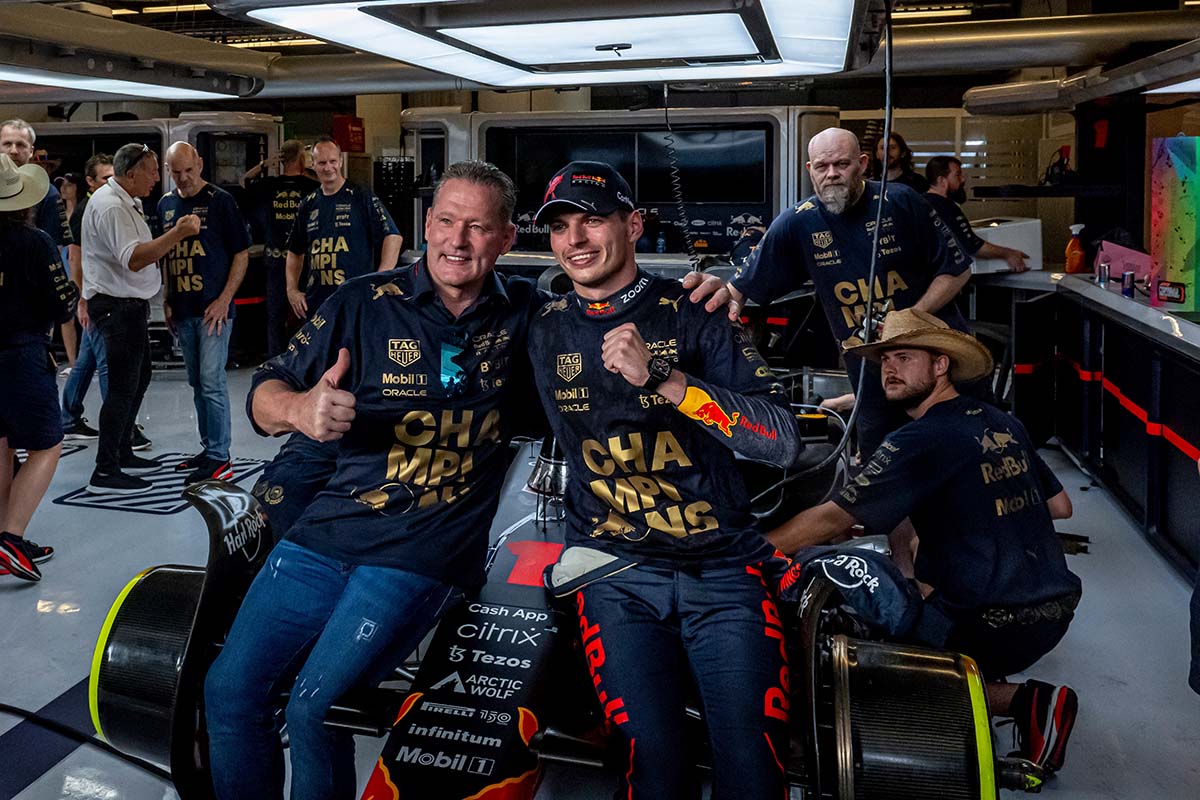
Throughout the Formula 1 paddock, you’ll find countless stories about how a parent introduced someone to racing.
Susie Wolff, former racing driver and current Managing Director of F1 Academy, grew up with motorsport through her father, who raced motorcycles competitively. Years later, that passion is being passed on once again, with her and Toto Wolff’s son, Jack, beginning to follow his parents into the world of motorsport.
Four-time World Champion Max Verstappen grew up immersed in the world of F1 through his father Jos Verstappen, a former F1 driver and current rally competitor. Martin Brundle, one of the sport’s most recognizable broadcasters, has since seen that same connection continue into a new generation, with his son Alex Brundle forging his own racing career before becoming a respected voice on F1 TV.
Like Susie and my own experience, this dynamic extends beyond fathers and sons.
Two-time Formula 1 World Champion Mika Häkkinen’s daughter, Ella Häkkinen, recently became the youngest member of McLaren’s Driver Development Programme and only the fourth female driver to join the programme. She has spoken openly about her father’s support, recalling one piece of advice in particular: “my dad really supports me, and he tells me this all of the time, that I shouldn’t care what other people think – that is their problem. He always says, ‘Just focus on you’. And that is the best advice.”
Meanwhile, 2007 World Champion Kimi Räikkönen’s son and daughter have both caught the karting bug. His son Robin now competes internationally in karting, with Kimi serving as trainer, mechanic, and coach. His daughter Rianna has also taken to the track, racing with the number seven, the same number that became synonymous with her father’s Formula 1 career.
Whether they’re drivers, mechanics, managers, broadcasters, or journalists, almost everyone in motorsport has a story about the father who first handed them a helmet, switched on a race, or introduced them to the world of racing.
The legacies
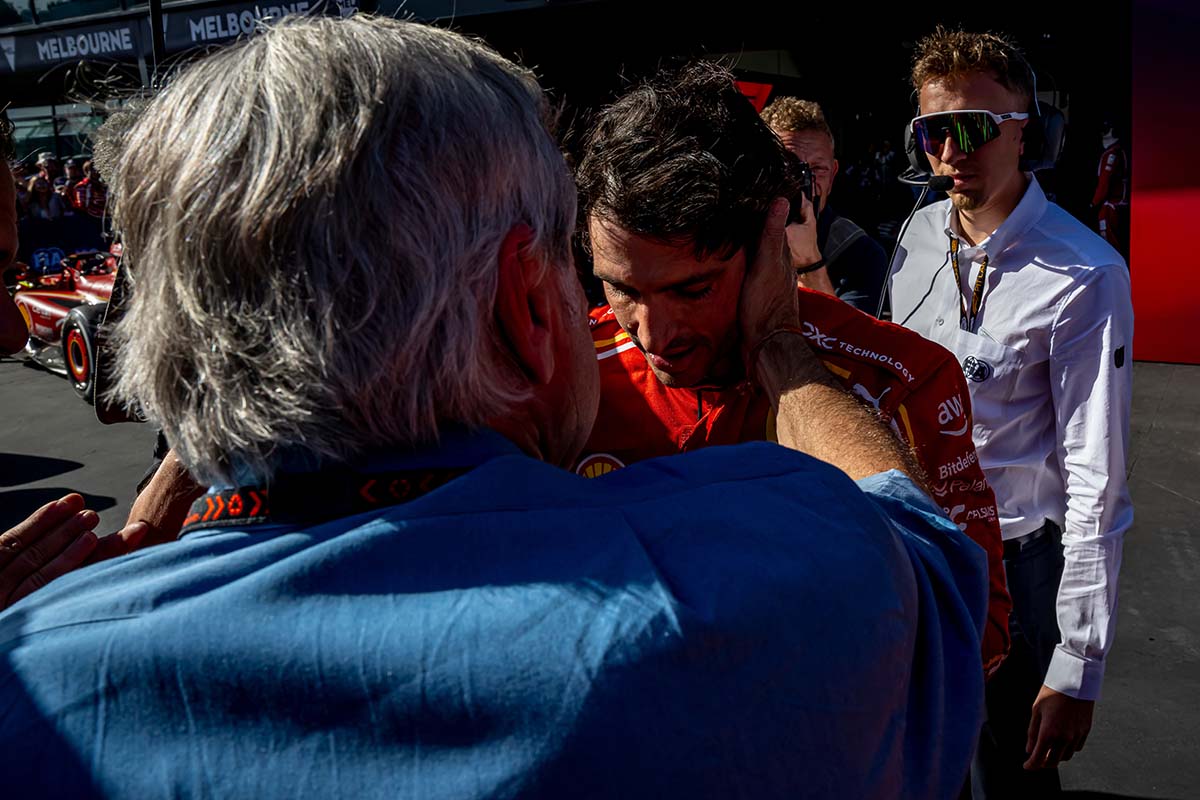
Some of Formula 1’s greatest family stories have produced championship-winning legacies.
Keke and Nico Rosberg both became Formula 1 World Champions, winning the 1982 and 2016 titles respectively. Graham and Damon Hill achieved the same feat decades earlier, with Graham claiming championships in 1962 and 1968, and Damon following with his own title in 1996.
These legacies remain visible across today’s grid. Max Verstappen follows in the footsteps of Jos Verstappen. Carlos Sainz Jr. grew up around motorsport through his father, Carlos Sainz Sr., a two-time World Rally Champion. Charles Leclerc’s father competed in French Formula Three, while his younger brother Arthur now races professionally and serves as a Ferrari development driver.
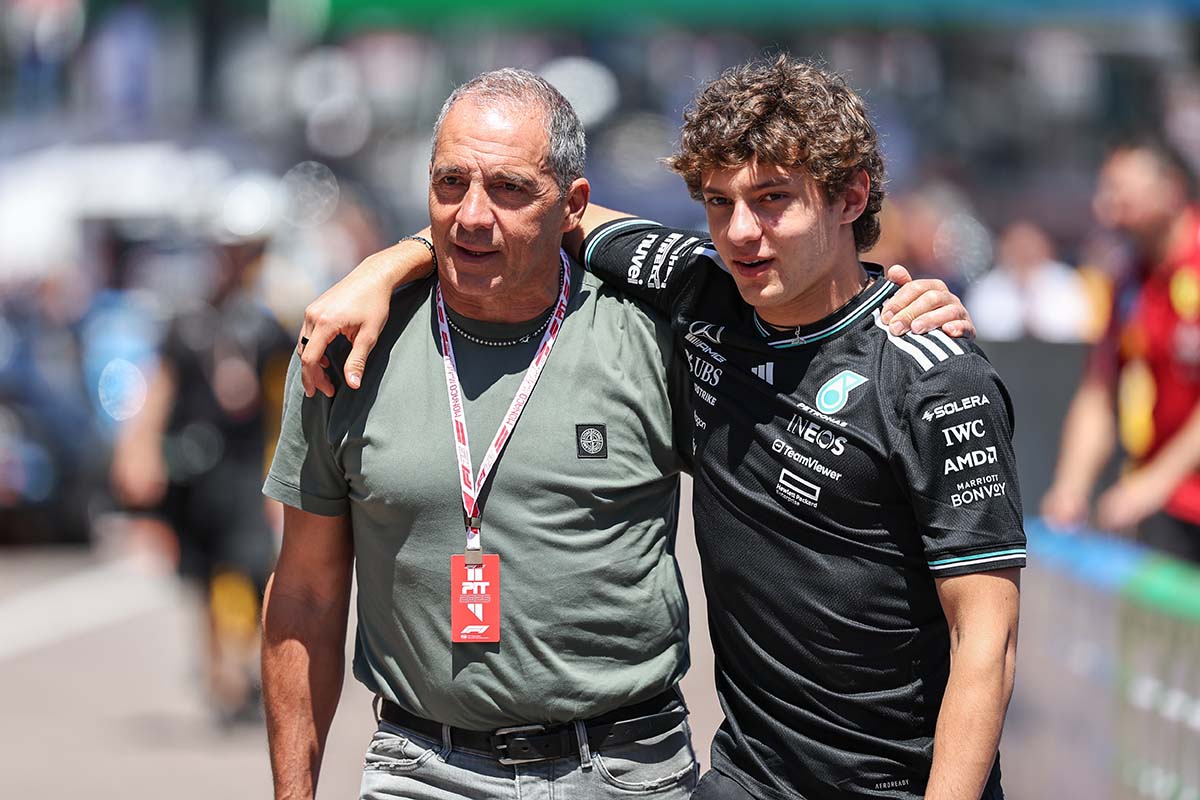
Then there’s one of Formula 1’s most exciting young stars, Kimi Antonelli.
Antonelli’s connection to racing runs deep within his family. Born and raised in Bologna, at the heart of Italy’s famed Motor Valley, he grew up surrounded by a culture built on engines, heritage, and speed. His father, Marco Antonelli, is a racing driver and the founder of AKM Motorsport, the team where Kimi spent much of his childhood immersed in the world of racing.
Long before Formula 1 came calling, Kimi was learning the rhythms of the paddock through his father. Weekends were spent around race cars, garages, and circuits. The language of motorsport became a second language. Marco didn’t simply introduce Kimi to racing, he created an environment where passion for the sport could naturally grow.
In many ways, the Antonelli story reflects a pattern seen throughout Formula 1. Talent matters, but so does exposure. For many future drivers, motorsport begins as a family passion before it becomes a profession.
More than a sport, a shared language
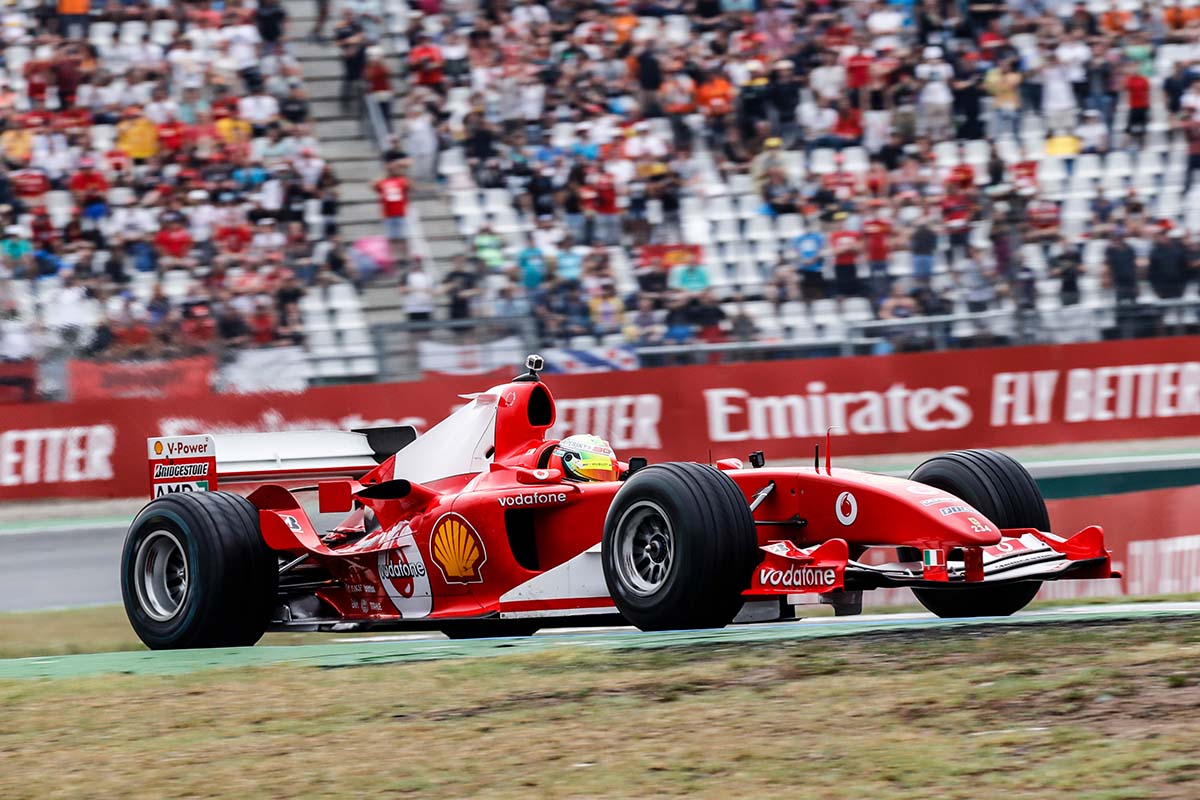
So why does motorsport seem to produce these family connections more than almost any other sport?
Part of the answer lies in accessibility. Unlike football, basketball, or tennis, young racing drivers cannot simply practice alone. Karting requires equipment, transportation, technical knowledge, funding, and constant support. Parents become deeply involved from the very beginning because they have to be.
But there’s also something more cultural happening.
Motorsport is built on storytelling and shared experiences. A love for racing is often passed down through conversations in garages, long drives to karting circuits, Sunday afternoons spent watching Grands Prix, and years of learning together. The sport creates spaces where generations connect through a common passion.
Those connections rarely end within the family. The father who introduces a child to Formula 1 is often introducing them to a global community. Teams employ people from dozens of nationalities, drivers compete across five continents, and fans from São Paulo to Singapore, Melbourne to Monaco, share the same celebrations, heartbreaks, and debates every race weekend. What begins as a bond between parent and child can grow into a connection with millions of people around the world who speak the same language of racing.
This Father’s Day, it’s worth remembering that behind so many careers in motorsport, and behind so many fans in the grandstands and at home, is a father who shared the sport with someone they love. Sometimes that legacy becomes a world championship. Sometimes it becomes a lifelong passion. Either way, Formula 1 continues to connect generations in the same way it connects cultures across the world: one story, one race, and one shared love of racing at a time.