

In an era of packed calendars, endless notifications, and hybrid work schedules, one lifestyle trend continues to gain traction worldwide: reconnecting with nature. Interestingly, two countries often celebrated for entirely different reasons—Australia and Japan—have intentionally built cultures where the natural world isn’t an occasional escape, but a daily companion.
One nation is synonymous with surf beaches, bushwalks, and outdoor barbecues. The other is famous for cherry blossoms, autumn foliage, and centuries-old seasonal traditions. Yet beneath the surface, Australia and Japan share a remarkably similar philosophy: life is richer when lived in rhythm with nature.

Nature isn’t a vacation—it’s a lifestyle
For many Australians, spending time outdoors isn’t a special event. It’s simply part of the routine.
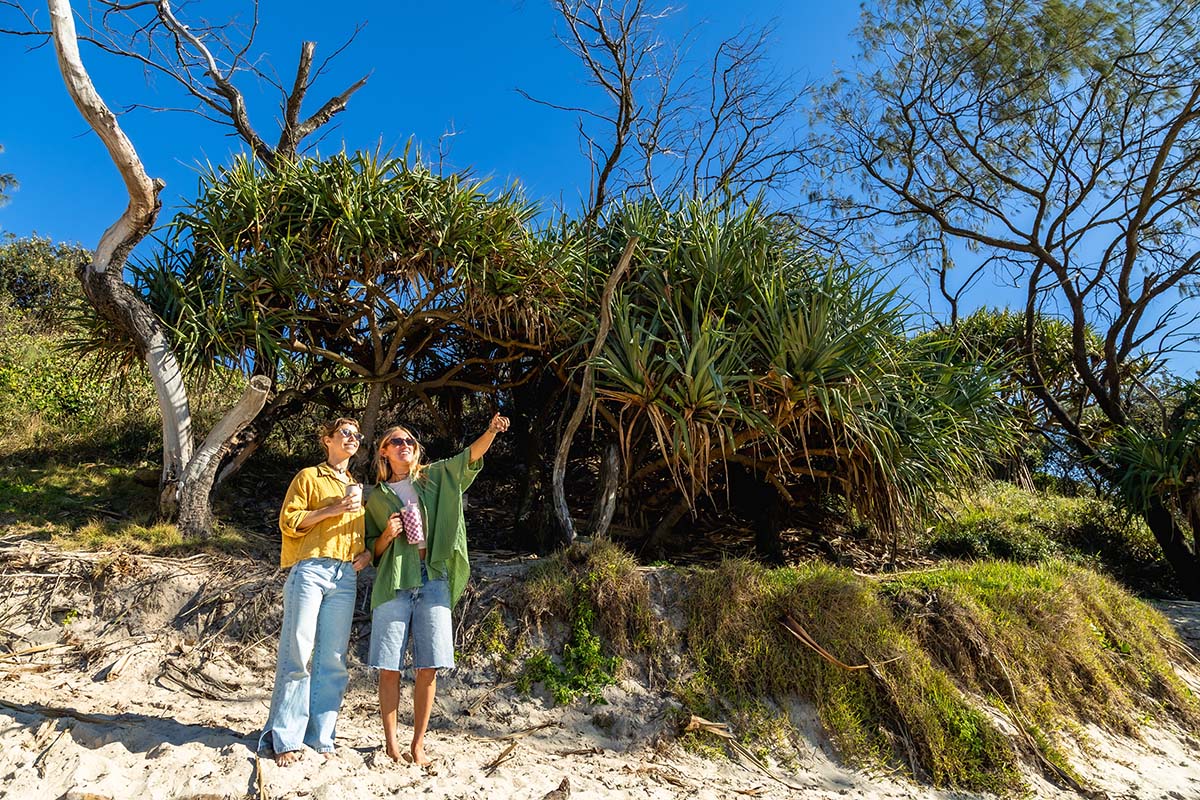
Before work, city professionals squeeze in ocean swims at Sydney’s beaches. Weekends often revolve around surfing, hiking, cycling, camping, or gathering in local parks. The country’s climate and abundance of public green spaces make outdoor living feel almost second nature.
Japan takes a different—but equally immersive—approach. Rather than emphasizing outdoor adventure, Japanese culture often focuses on observing and appreciating nature’s subtle changes. The arrival of cherry blossoms in spring or fiery maple leaves in autumn can influence travel plans, restaurant menus, fashion collections, and even marketing campaigns.
In both countries, nature serves as a calendar, social connector, and source of well-being.
FUN FACT
Japan’s cherry blossom forecast, known as the sakura zensen or “cherry blossom front,” receives nationwide media coverage every year. Millions of people track the blossoms’ progress from south to north, planning picnics and travel around peak bloom dates. Australians may not chase flowers in quite the same way, but many keep a similarly close eye on surf conditions, weather patterns, and seasonal wildlife migrations.
What makes these traditions particularly relevant today is how effortlessly they fit into everyday life. In Japan, seasonal rituals such as hanami picnics or autumn foliage walks encourage people to pause and notice the passing of time. In Australia, outdoor living is often woven into ordinary routines through beach walks, park gatherings, and weekend bush adventures. What makes this especially striking is how deeply embedded it has become in travel behavior.
From cherry blossom picnics to sunrise swims, Australia and Japan may seem worlds apart—but both are in tune with nature in everyday life.
In 2025, over 1.05 million Australians visited Japan, marking the first time Australia has crossed the one-million visitor milestone in a single year, reflecting a growing pattern of repeat, season-driven travel rather than one-off tourism.
At the same time, Japan remains one of the top overseas destinations for Australians, driven by its blend of seasonal landscapes, food culture, and accessibility.
On the reverse flow, Japanese visitors to Australia are also steadily increasing, with nearly 400,000 arrivals annually in recent years, signaling a continued recovery toward pre-pandemic levels and reinforcing a two-way cultural exchange between the countries.
The exchange is no longer symbolic—it is structural, shaping how both countries experience leisure, nature, and even identity. Nature also functions as a form of social glue. Whether it’s colleagues gathering under cherry blossoms in Tokyo or friends meeting at a beachside café in Melbourne, outdoor spaces create opportunities for connection that feel more relaxed and genuine than formal indoor settings.
Finding beauty in the imperfect
One of Japan’s most influential cultural ideas is wabi-sabi—the appreciation of impermanence, simplicity, and imperfection. A weathered wooden gate, a fallen cherry blossom petal, or a handmade ceramic cup with subtle irregularities can all be considered beautiful because they reflect the natural passage of time.
While Australia may not have a formal philosophy by the same name, there is a surprisingly similar attitude embedded in its outdoor culture. Australians often celebrate nature in its raw, unpolished form—windswept coastlines, rugged bush trails, and untamed landscapes are valued precisely because they haven’t been overly controlled or perfected.
The overlap is increasingly relevant in a world obsessed with optimization and constant upgrades. Both cultures, in their own way, suggest that not everything needs to be flawless to be meaningful. Sometimes the most memorable experiences come from a spontaneous beach walk, a picnic beneath blossoms that are already beginning to fall, or simply taking time to appreciate a changing season.
For busy professionals, that may be one of the most practical lessons of all: not every moment needs to be productive to be valuable.
The business case for slowing down
What makes this cultural overlap particularly fascinating is its growing relevance to business.
Japan’s concept of shun—enjoying foods and experiences at their seasonal peak—has long influenced everything from retail to hospitality. Seasonal product launches are common, creating anticipation and repeat engagement among consumers.
Australia’s tourism and hospitality sectors similarly capitalize on seasonal outdoor experiences, from whale-watching seasons to summer beach festivals.
For professionals navigating increasingly digital work lives, both cultures offer a useful reminder: productivity and wellness are not opposites. Studies consistently show that access to green spaces can reduce stress, improve mood, and support cognitive performance.
It’s no surprise that both countries have invested heavily in public parks, gardens, and nature-based recreation.
INSIDER TIP
Business travelers visiting either country should schedule at least one early-morning outdoor experience. Whether it’s a sunrise walk along Sydney Harbour or a quiet stroll through a Japanese garden before the crowds arrive, locals know that nature is often best enjoyed before the day speeds up.
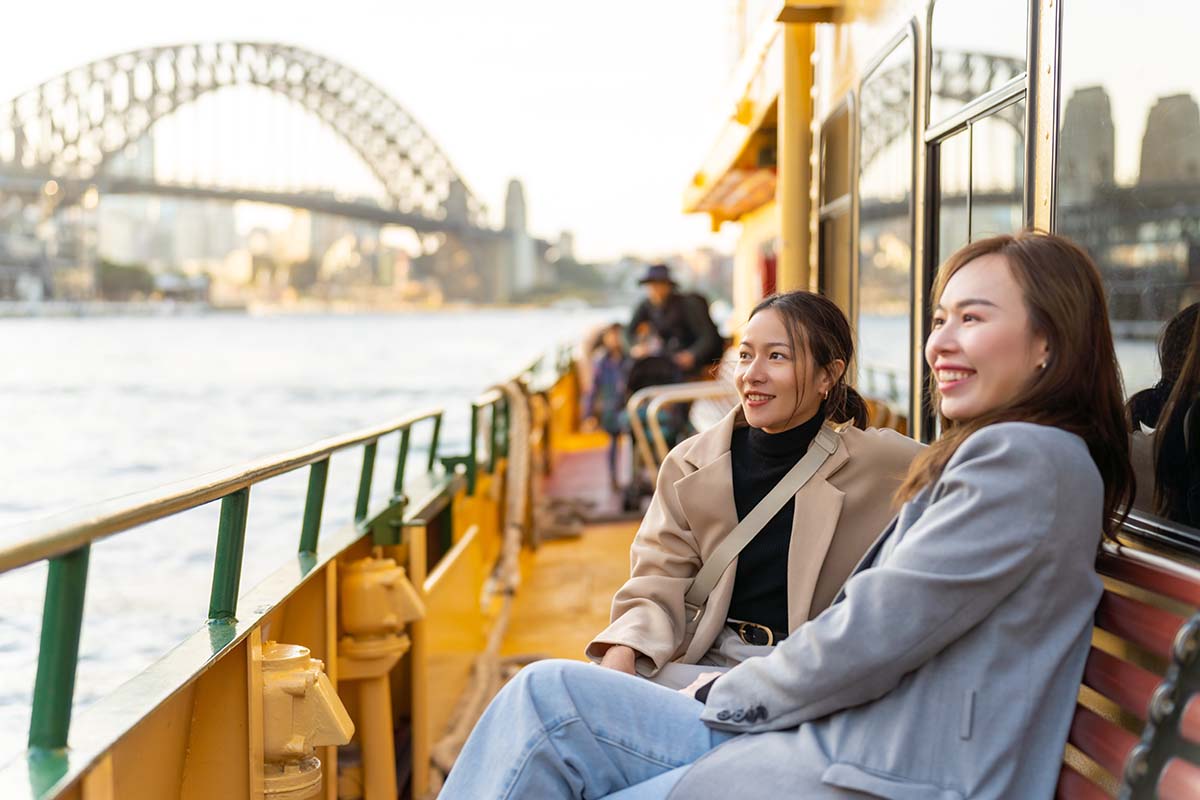
One practical takeaway from this shared mindset is surprisingly simple: build nature into the workday instead of treating it as a reward after work. Walking meetings, outdoor coffee catch-ups, or even a short lunch-hour stroll can mirror habits already common in parts of Australia and increasingly embraced in Japan’s urban centers.
When sakura meets surf culture
One of the most interesting examples of cultural convergence can be seen in the growing exchange between Japanese seasonal traditions and Australia’s outdoor lifestyle.
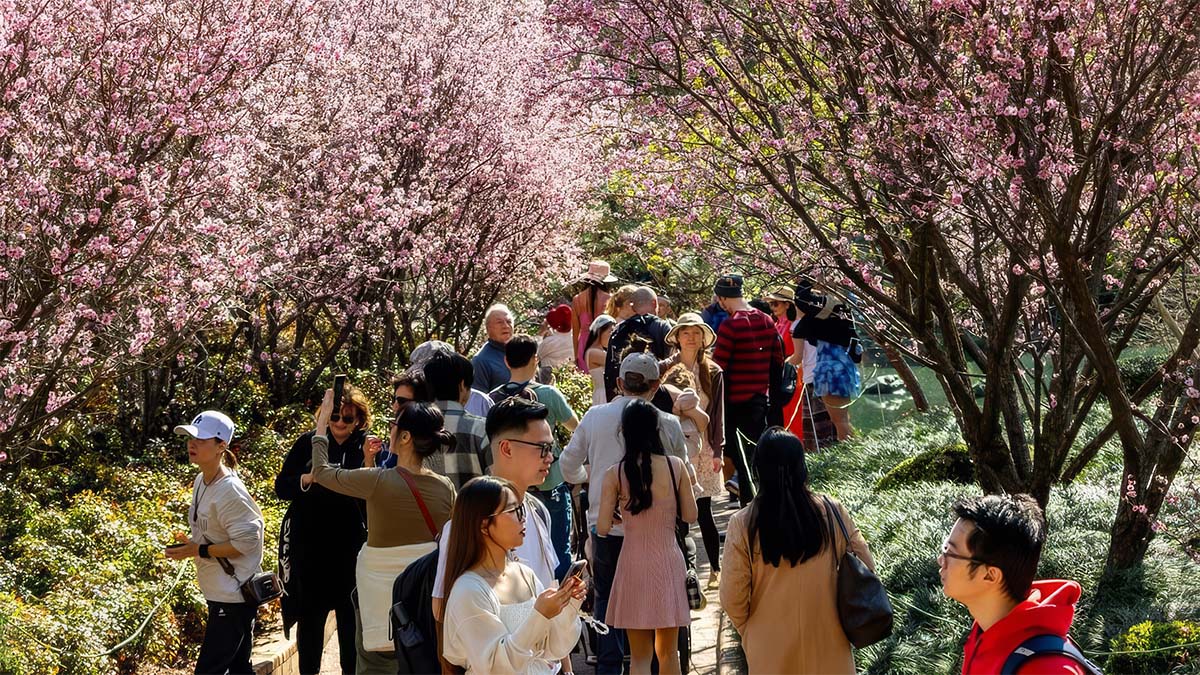
Each year, Japanese cherry blossom festivals draw large crowds across Australian cities. Australia hosts several beautiful cherry blossom festivals, with blooms appearing in early spring between late August and late September due to the Southern Hemisphere’s reversed seasons. Meanwhile, Japanese travelers increasingly seek Australian nature experiences, from snorkeling on the Great Barrier Reef to exploring Tasmania’s wilderness.
The exchange goes beyond tourism. Japanese garden design has influenced Australian landscaping, while Australian environmental education programs have attracted international attention for encouraging outdoor learning.
FUN FACT
One of the largest Japanese gardens in the Southern Hemisphere is located not in Japan, but in Cowra, New South Wales. Built as a symbol of friendship between the two nations, it reflects decades of cultural exchange and has become one of Australia’s most distinctive Japanese-inspired landmarks.
The influence of nature also runs deep in the stories both countries tell about themselves. Many beloved Japanese films, particularly those from Studio Ghibli, celebrate forests, changing seasons, and humanity’s relationship with the natural world. Films such as My Neighbor Totoro have become global symbols of environmental appreciation and the quiet magic of everyday landscapes.
Australia’s cultural identity is equally tied to the outdoors, from surf films and beach dramas to tourism campaigns showcasing its rugged coastlines, national parks, and vast open spaces. While the settings may differ, both countries consistently portray nature as something to be respected, enjoyed, and shared.
In a way, both nations are borrowing from each other’s strengths: Japan’s mindfulness and seasonal awareness complement Australia’s adventurous outdoor spirit. The result is a growing cultural dialogue built around a simple but increasingly valuable idea—that life feels richer when people remain connected to the natural world around them.
The shared lesson
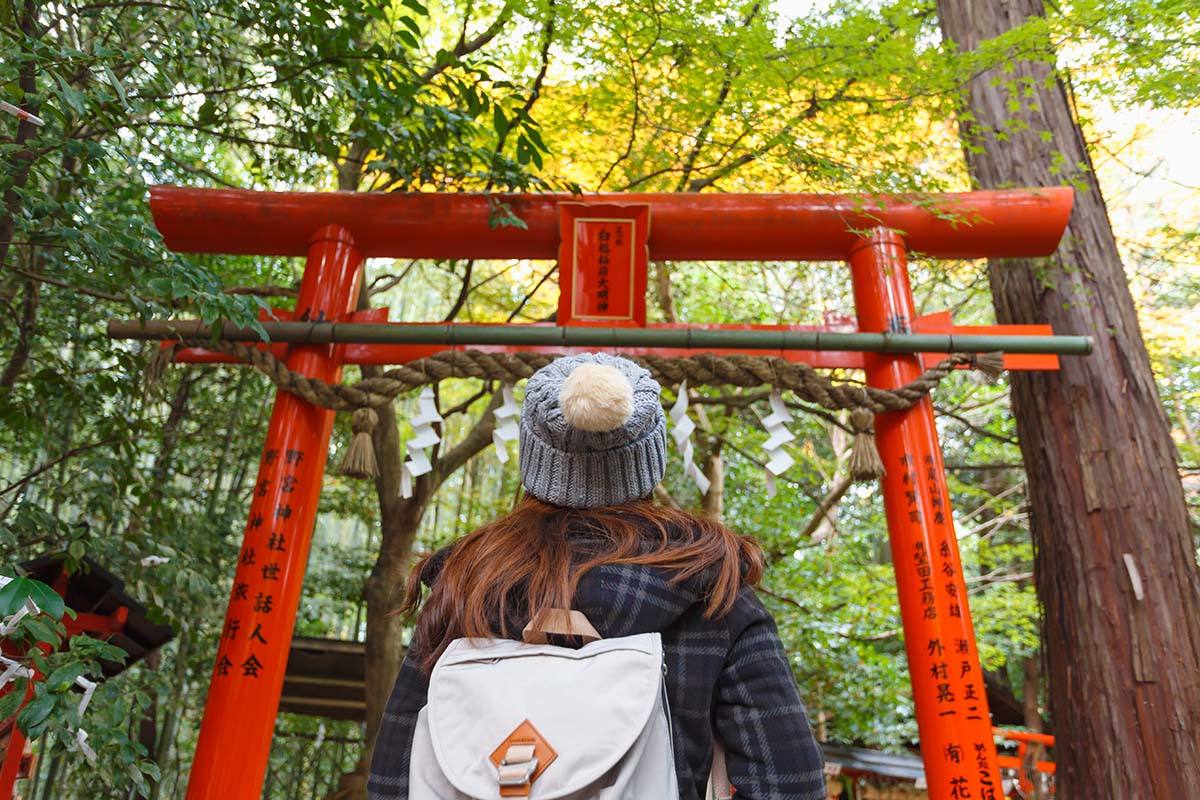
Australia and Japan may approach nature differently—one through adventure, the other through observation—but their lifestyles point toward the same conclusion.
Nature doesn’t have to be a distant destination reserved for annual vacations. It can be part of a morning routine, a lunch break, a business meeting, or a weekend gathering.
In a world obsessed with moving faster, both countries remind us that sometimes the smartest lifestyle upgrade is simply stepping outside and paying attention to the season we’re in.