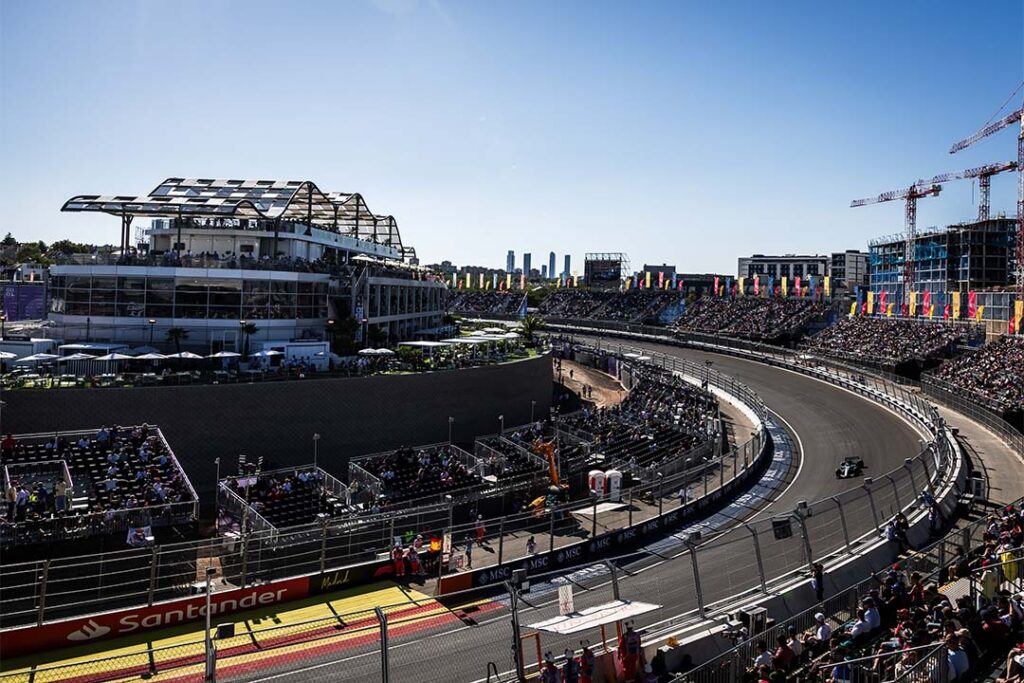

The Miami Grand Prix marked more than just a return to racing, it became a live test of Formula 1’s evolving identity. From regulation tweaks shaped through global cooperation to a breakout performance from Kimi Antonelli, the weekend revealed a sport balancing speed, safety, and international collaboration. Miami reset the rhythm of the season, offering a first clear look at what Formula 1’s next phase could look like as a global system.
A pause shaped by global realities
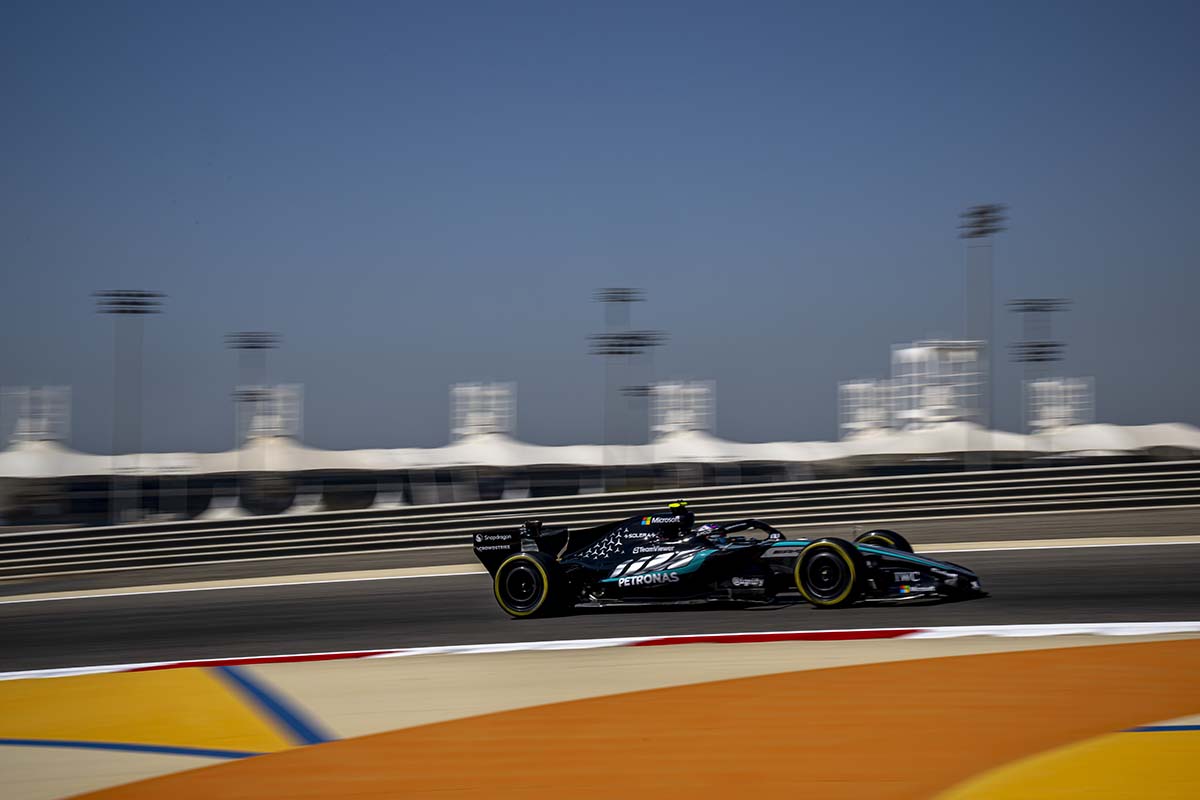
What was supposed to be a routine early-season rhythm turned into something far more complex. The cancellation of the Bahrain and Saudi Arabian Grands Prix, driven by ongoing conflict in the Middle East, didn’t just reshape the 2026 calendar. It exposed how deeply Formula 1 is tied to global realities. Two races gone meant millions in lost tourism revenue and around 20,000 jobs per event affected. The ripple effect stretched far beyond the paddock.
For Formula 1, April became an unexpected pause. No race weekends, no on-track action. Just silence. But within that silence came opportunity. Teams refined upgrades, drivers immersed themselves deeper into the nuances of the new regulations, and crucially, the FIA had time to respond to growing concerns.
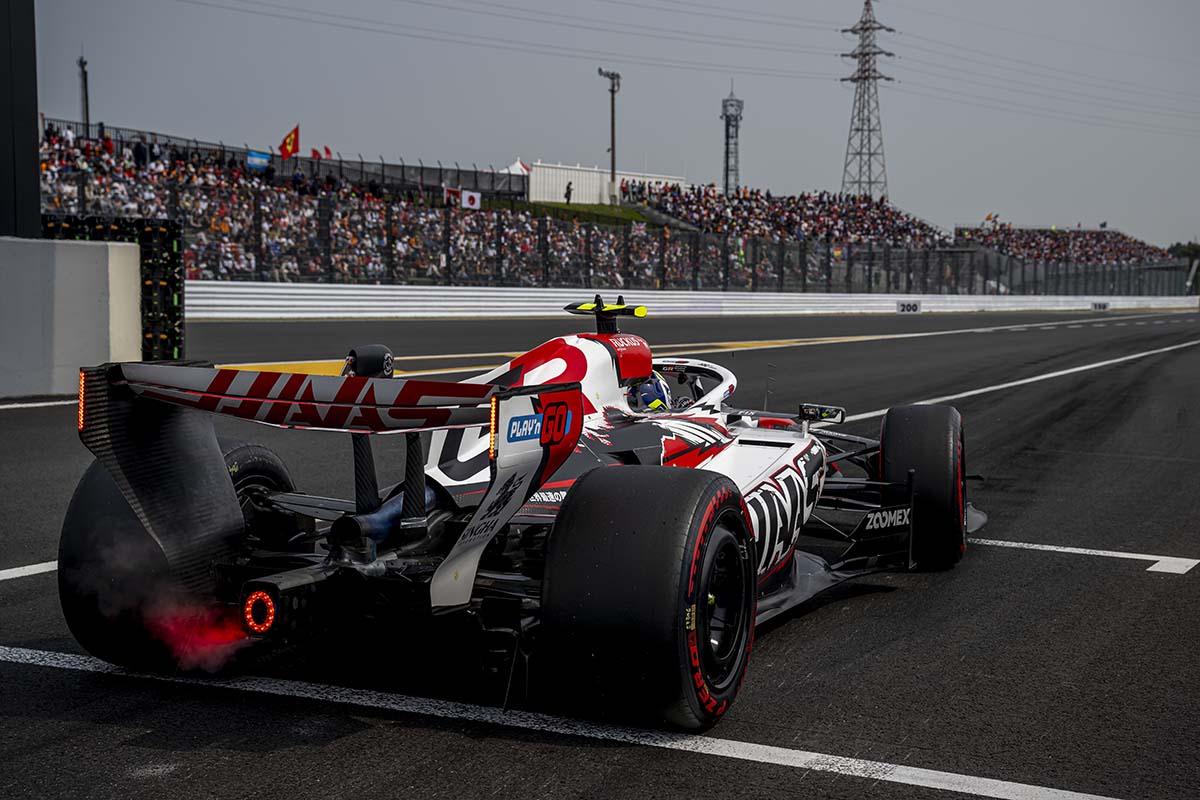
Those concerns peaked in Japan. Ollie Bearman’s high-speed crash, in an incident that highlighted a stark speed delta linked to energy harvesting differences, reframed the conversation. This was no longer about whether the new regulations produced good racing. It became about whether they were safe. A 50G impact forces clarity. The urgency was undeniable.
So the April break became more than downtime. It became a workshop. A reset point where engineers, regulators, and stakeholders across continents aligned on one shared objective, improve the racing without compromising safety.
All eyes turned to Miami.
Miami as a testing ground for change
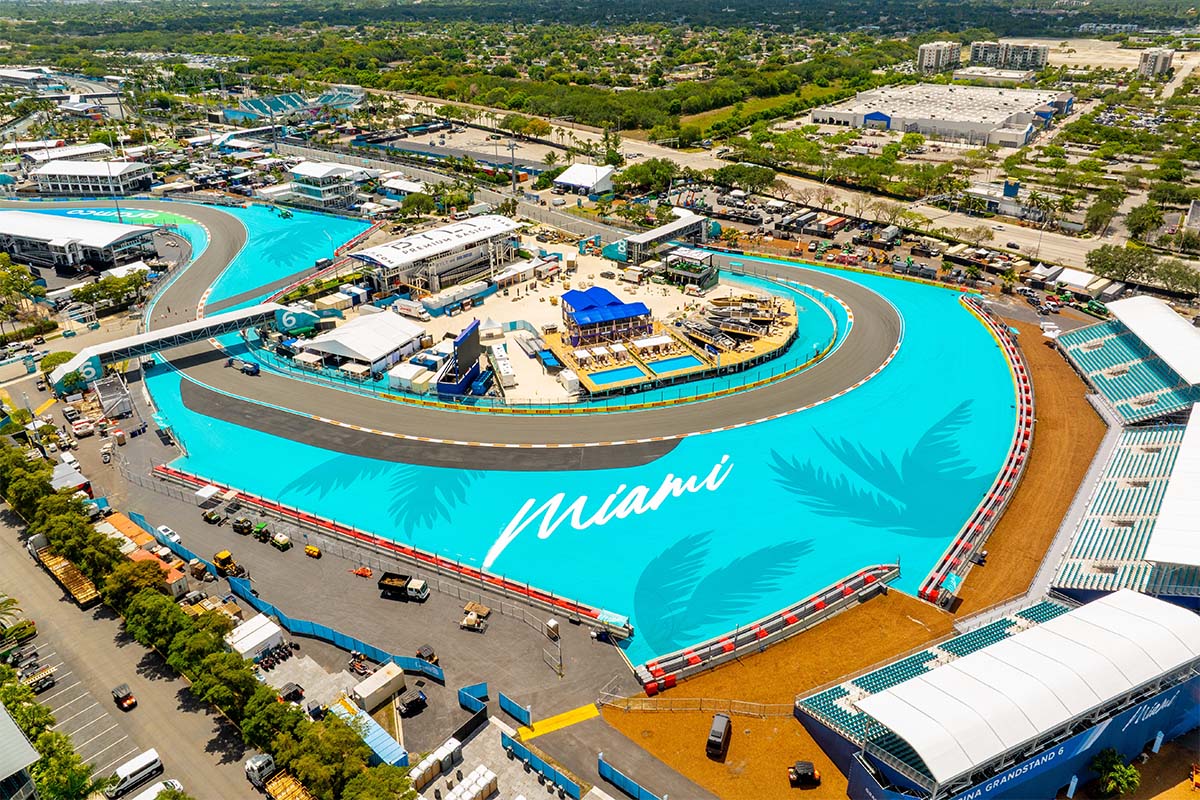
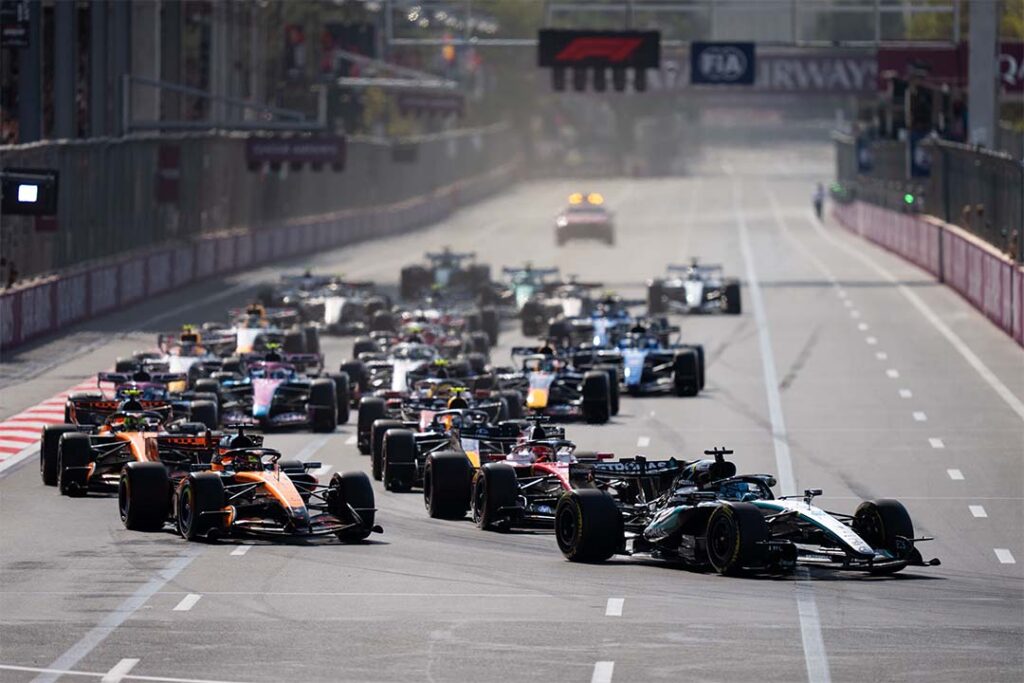
If Formula 1 is a global machine, Miami was its test lab. The regulation tweaks introduced here were not radical overhauls, but they carried weight. A power boost to prevent excessive slowing on straights. An extended boost button to encourage overtaking. Adjustments to race starts aimed at reducing first-lap chaos.
Miami offered more than just a return to racing. It showed that adaptation is possible, even in a sport as complex and politically layered as Formula 1.
What stood out wasn’t just the changes themselves, but how they came to be. Teams, the FIA, and Formula One Management moved in sync. In a sport often defined by fierce competition and political tension, this moment felt different. It was cooperation at scale, a quiet example of sports diplomacy in action.
And for fans, whether longtime followers or newcomers, the question was simple. Would it work?
Early signs suggested progress. The Miami Grand Prix delivered racing that felt more dynamic, more natural. It wasn’t perfect, but it was closer to what Formula 1 is supposed to be, fast, strategic, and unpredictable.
A reset tested at full speed
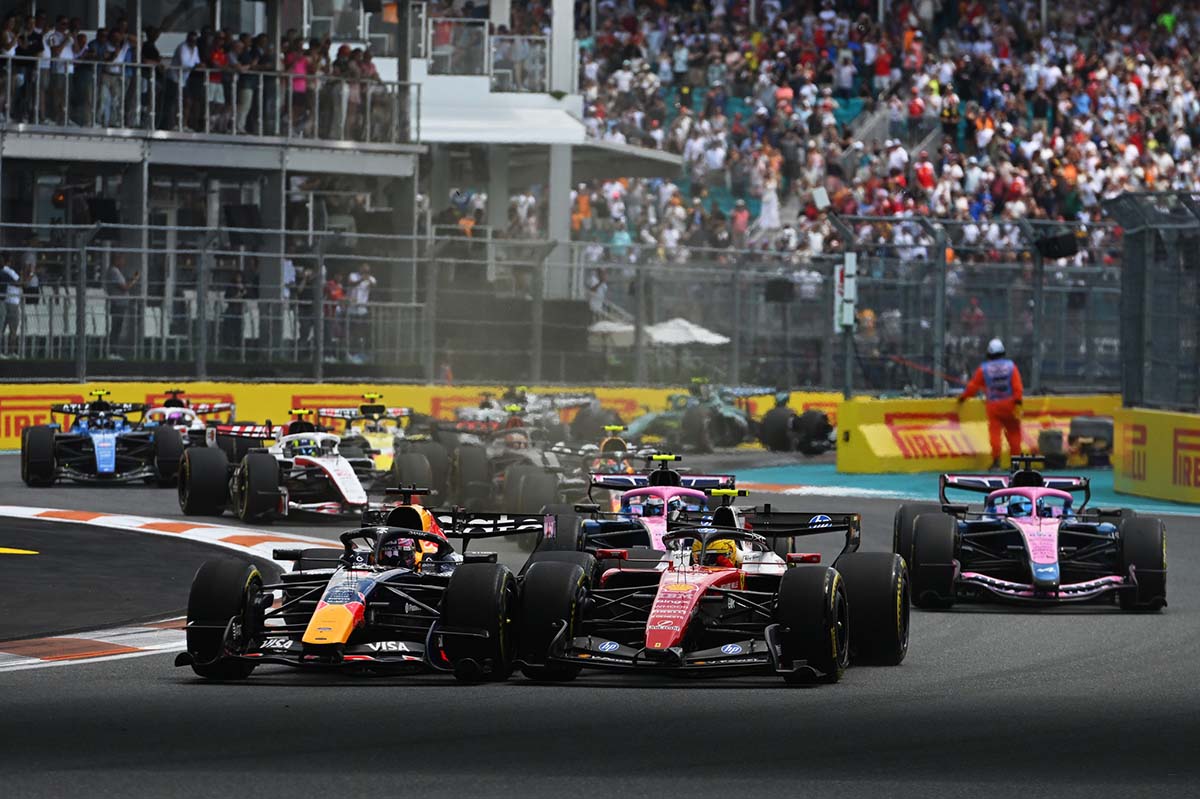
After the long April break, Miami felt like a soft reboot to the 2026 season. With it being a Sprint weekend, teams had minimal time to adapt. One Free Practice session, then straight into competitive sessions. No margin for hesitation.
Sprint Qualifying gave the first real glimpse of the new order. McLaren emerged sharp and ready. Lando Norris secured pole for the Sprint, with Oscar Piastri in P3, signaling that the break had done them good. Ferrari followed closely, Charles Leclerc starting P4. Red Bull, still in the fight, saw Max Verstappen take P5. And Mercedes, the benchmark so far this season, placed Kimi Antonelli on the front row in P2.
That front row told a story in itself. A reigning world champion contender alongside a teenage driver leading the championship. Experience next to emergence.
The Sprint race delivered. McLaren converted pace into results with a one-two finish, Norris taking victory and Piastri securing P2. Leclerc completed the podium, keeping Ferrari firmly in contention.
Then came Qualifying for the main race, where the order shifted again. Antonelli took pole position, confirming Mercedes’ continued dominance. Verstappen joined him on the front row, with Leclerc in P3 and Norris just behind in P4.
The race itself was anything but predictable. Chaos unfolded early, Verstappen spun but recovered, incidents involving Isack Hadjar and a heavy moment for Pierre Gasly disrupted strategies across the grid. Pit stops came earlier than planned, damage reshaped races, and tension built with every lap.
Even in the closing stages, the drama didn’t fade. Leclerc’s late spin added one final twist. But at the front, composure prevailed. Antonelli secured victory, his third in a row, while McLaren locked in another double podium with Norris and Piastri.
Miami didn’t just restart the season. It redefined its trajectory.
The rise of Formula 1’s next star
Kimi Antonelli’s third consecutive victory places him in rare company, now joining the likes of Damon Hill and Mika Häkkinen, who each achieved their first three victories in succession. But Antonelli’s feat goes even further. He is the first driver in Formula 1 history to convert his first three pole positions into race wins.
At 19, that level of execution is extraordinary.
Yet what makes his story resonate beyond statistics is the ecosystem behind him. An Italian driver, racing for a German team, supported by a predominantly British workforce, under Austrian leadership. Every lap he leads is backed by a network that spans cultures, languages, and technical philosophies.
Listen closely to team radio during a race weekend and you’ll hear it. Engineers switching between accents, languages blending under pressure, decisions made in milliseconds across time zones and backgrounds. This is Formula 1 at its most authentic, a global collaboration operating at 300 kilometers per hour.
Antonelli’s rise is not just a personal milestone. It reflects a system where talent is shaped by international synergy. A reminder that modern motorsport is built on connection as much as competition.
A new rhythm for Formula 1
Miami offered more than just a return to racing. It showed that adaptation is possible, even in a sport as complex and politically layered as Formula 1. The regulation tweaks, while still evolving, hinted at a direction that balances performance with safety.
More importantly, it reinforced what makes Formula 1 unique. It is a sport that mirrors the world around it. Sensitive to geopolitical shifts, driven by technological exchange, and powered by diverse human stories.
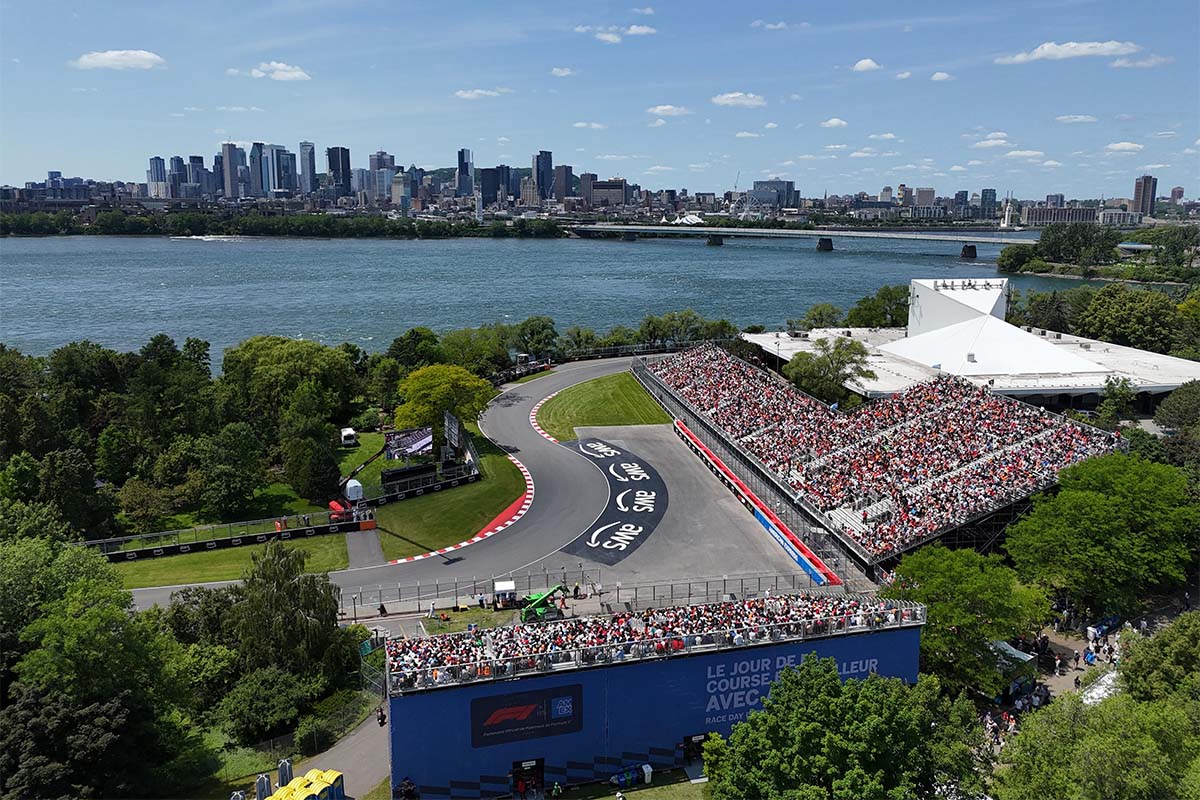
As the season moves toward the Canadian Grand Prix, anticipation feels different. There’s momentum again. A sense that the championship is not only alive, but evolving in real time.
Kimi Antonelli summed up that mindset after Miami:
“This is just the beginning of the season and there is a long year ahead. We are working super hard and the team is doing an incredible job at the moment. Without all the men and women at Brackley and Brixworth we wouldn’t be in this position. We’re going to continue to work hard, bring performance to the track, and aim for another good weekend in Canada.”
In a year shaped by disruption, Miami became a bridge. Between safety and spectacle, between competition and collaboration, and between the many cultures that define Formula 1.