
How Thailand’s grain became Japan’s most legendary spirit—and a taste of centuries-old adventure.
Some drinks come with a story; Awamori comes with a saga. After all, this is Japan’s oldest spirit we’re talking about. The origin of Okinawa’s iconic distilled spirit stretches back over 600 years, bridging the islands of southern Japan with the thriving markets of 15th-century Ayutthaya Kingdom in what is now Thailand. This isn’t just a narrative about an alcoholic beverage—it’s an epic-level tradition about rice, mold, heat, and epochs of daring ingenuity distilled into a liquid that spans crystalline clarity, pale topaz yellow, and deep amber, each hue bearing the mark of Awamori’s age.
Long-grain rice that shaped a culture
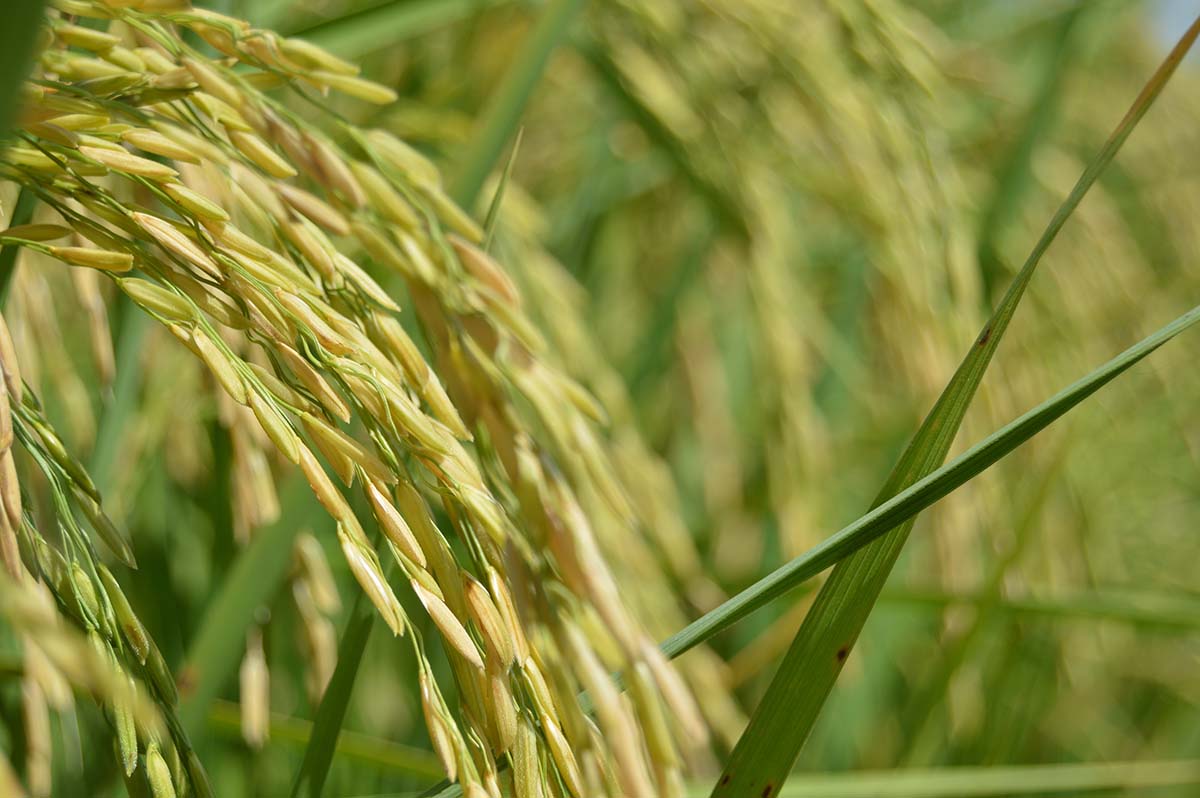
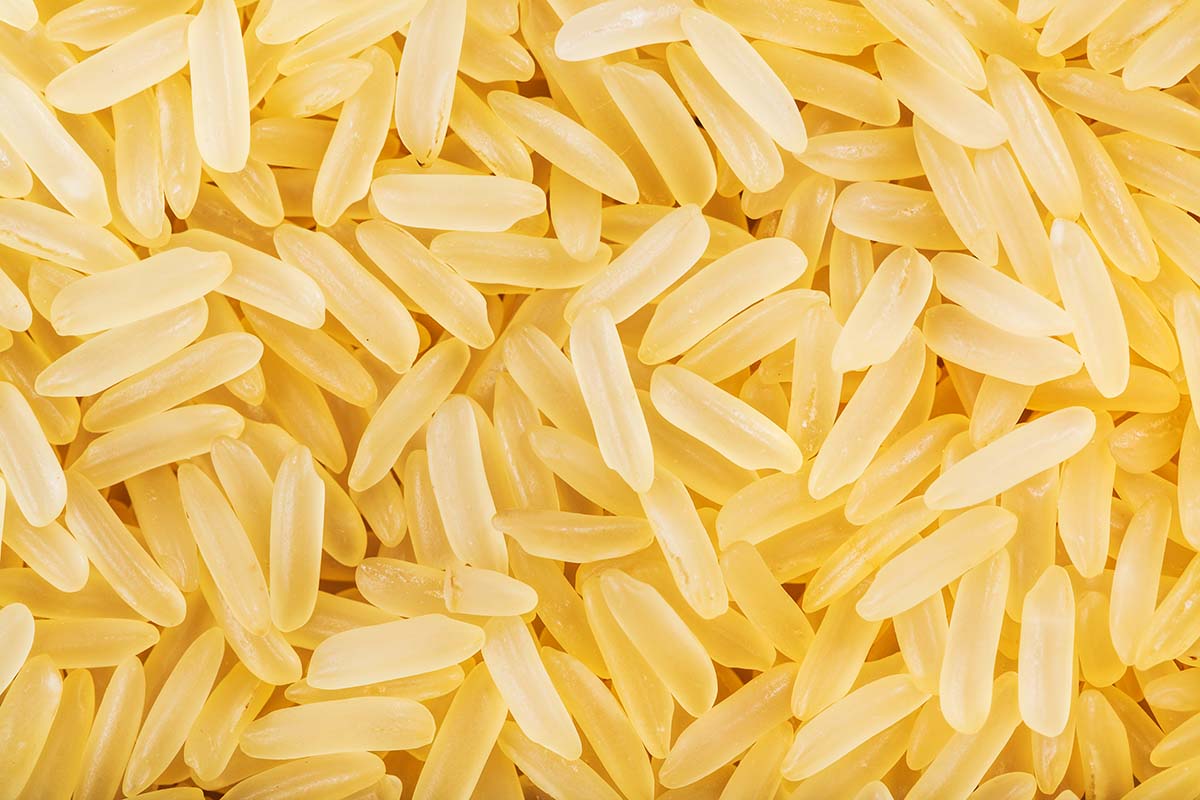
While most Japanese spirits stick to local Japonica, Okinawa went rogue and began importing Thai Indica. Convenience had nothing to do with the daring decision—chemistry, craftsmanship, and a dash of culinary rebellion ruled the day.
Indica rice has a hard, non-sticky texture that gives black koji mold—the unsung hero of fermentation—room to work its magic. The tropical heat of Okinawa can be brutal, but black koji produces citric acid that keeps bacteria in check, allowing Awamori to age gracefully. And the payoff is undeniable: higher alcohol yield, a richer and more viscous texture, and that unmistakable nutty, slightly cereal-like aroma aroma that sets it apart from anything else on the Japanese shelf. It’s bold, it’s unapologetic, and it refuses to conform.
Aging like it owns the clock
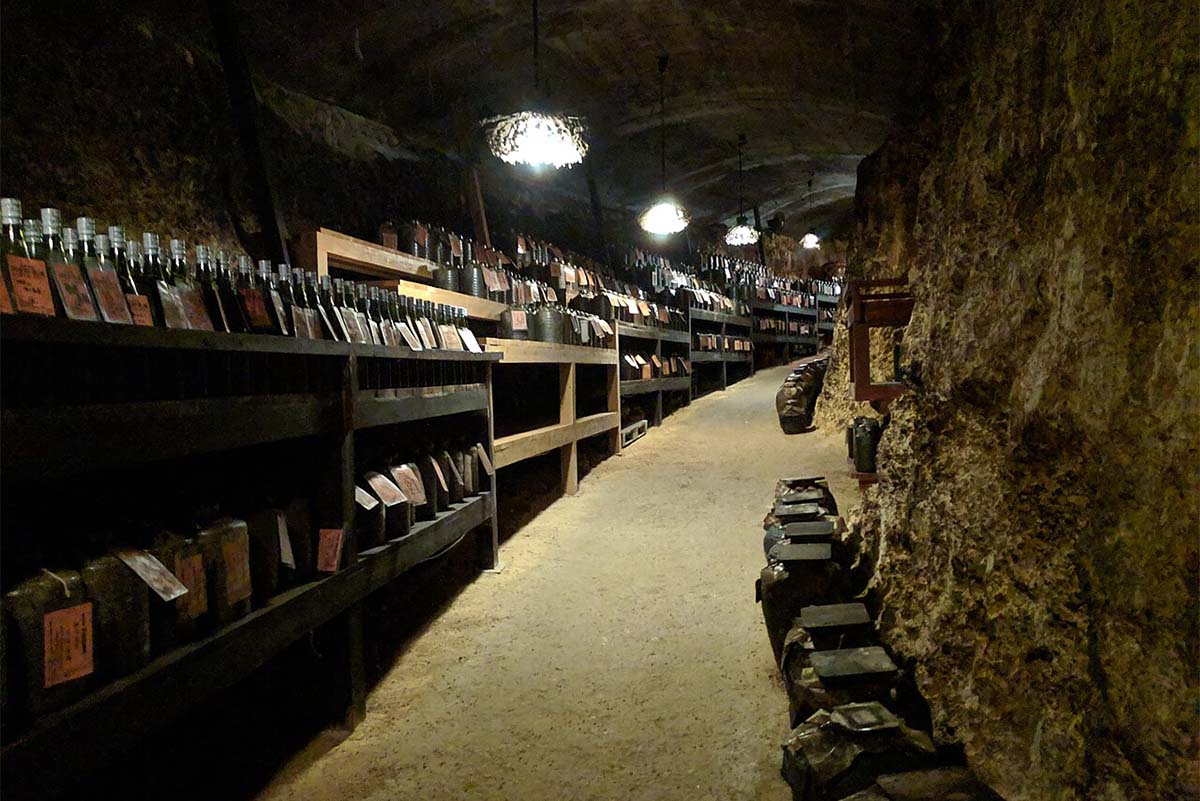
Awamori doesn’t rush. Three years of patient aging earns it the revered title Kusu, or ‘ancient liquor,’ while truly exceptional bottles can spend decades in clay pots known as kame. Aging isn’t just about time—it’s about quality, transforming the alcohol, smoothing harsh edges, and deepening flavors, with subtle notes of clay and the rich umami of the rice. “New liquor” or unaged Awamori (called shinzhu) is typically much harsher on the palate than its aged counterparts.
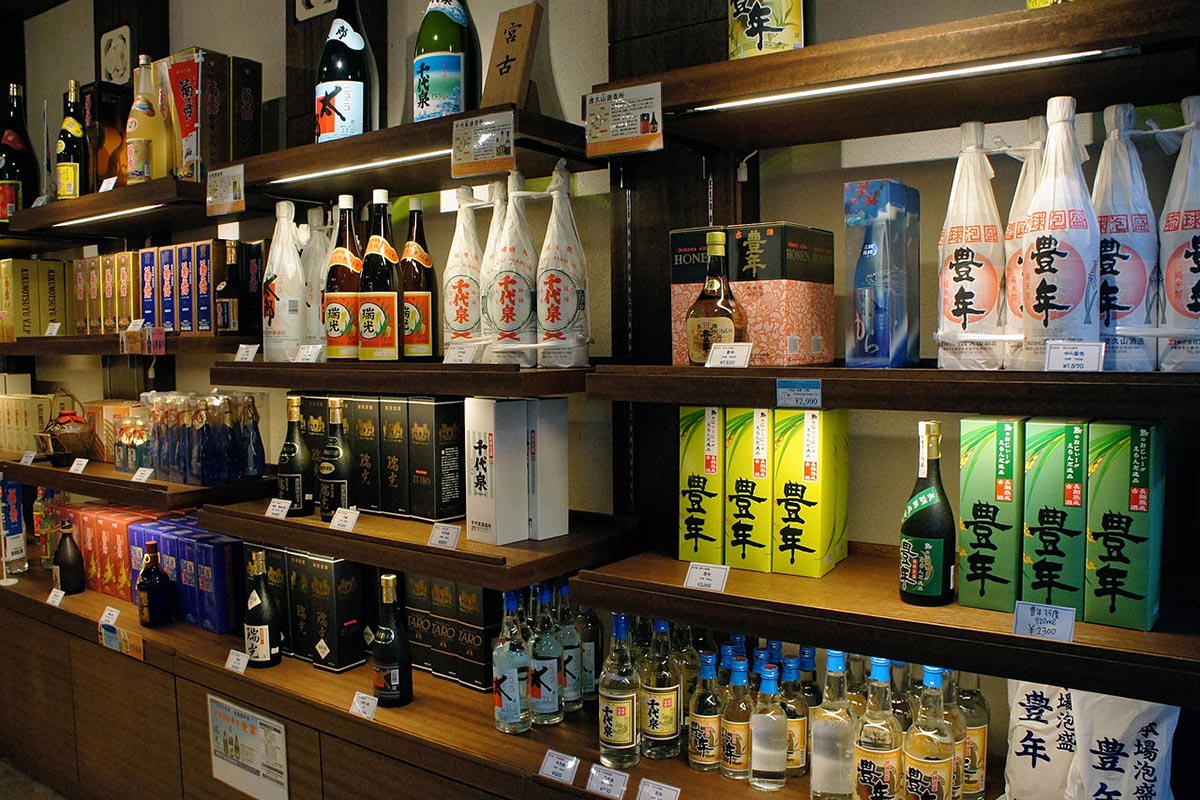
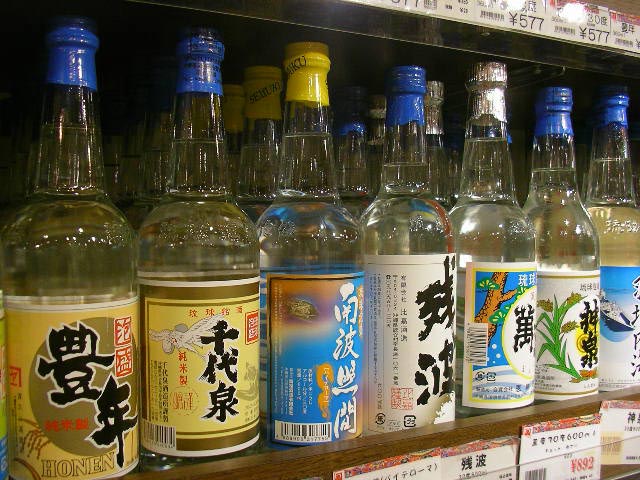
Awamori’s color is a living record of its journey. Younger expressions glimmer with crystalline clarity, while kusu—aged three years or more—takes on pale yellow to light amber hues. Barrel-aged varieties deepen to rich, whiskey-like amber, and habushu, infused with the pit viper, glows with a distinctive yellow tint. Each shade tells a story of time, environment, and tradition, a visual echo of Awamori’s complex character.
FUN FACT
Some rare Kusu bottles now fetch over $1,500 at auctions, depending on age, rarity, and provenance. Collectors don’t just buy a piece of history—they sip and savor it.
Today, distillers continue the time-honored tradition of shitsugi, similar to Spain’s solera system in sherry, carefully topping older batches with younger spirits to preserve a continuous, balanced flavor profile. Think of it as the Instagram reel of tradition, but measured in decades, not seconds, where every sip captures the painstaking patience of generations.
The trade that built a legacy
The Thai-Okinawan connection isn’t just historical—it’s economics in action, and an odyssey of oceans crossed and flavors perfected.
Ages ago, Ryukyuan traders sailed to the bustling ports of Ayutthaya, carrying back not just silk and spices, but the long-grain Indica rice that would define Awamori. They adapted Thai distillation techniques to Okinawa’s tropical climate, laying the foundation for a spirit that would survive years upon years of change, war, and modernization.
Today, that centuries-old trade has become a highly organized supply chain. Japan imports roughly 250,000–330,000 tonnes of rice from Thailand each year, representing about37–45% of its total foreign rice purchases. The vast majority—around 90%—is used for industrial purposes, such as the production of Awamori, while the remainder serves household and restaurant needs. The rice arrives through Okinawan ports like Naha, carried under direct contracts that guarantee both consistency and authenticity, a modern nod to the maritime routes that first brought Thai grains to the islands eons ago.
This isn’t simply about flavor, either—every bottle sold helps preserve and protect the Geographical Indication (GI) of Ryukyu Awamori, a legal certification that works a lot like Champagne in France or Parmigiano-Reggiano in Italy. This label safeguards products whose quality, reputation, or characteristics are essentially tied to a specific place. For Ryukyu Awamori, this means that only spirits made in Okinawa, following traditional methods, using black koji mold, and mostly Thai Indica rice, can be labeled “Ryukyu Awamori.” It guarantees authenticity for consumers—when you sip it, you’re drinking something truly Okinawan, not a copycat distilled elsewhere in Japan or abroad. It also protects cultural heritage—millennia of Ryukyu techniques and cross-cultural trade with Thailand are legally recognized and preserved.
When you pour a glass today, you’re tasting the culmination of daring maritime trade, centuries of craftsmanship, and a living cultural exchange that refuses to be diluted by time. Now that is a seriously cool cultural nugget.
How to drink it without looking like a tourist
Sampling Awamori isn’t complicated—but there is a bit of a ritual to it. You’ll want to unlock its hidden aromas: pour it over ice to soften its edge, or add a splash of room-temperature water to your glass. This simple trick releases floral, nutty, and even subtle vanilla notes that aren’t noticeable straight from the bottle.
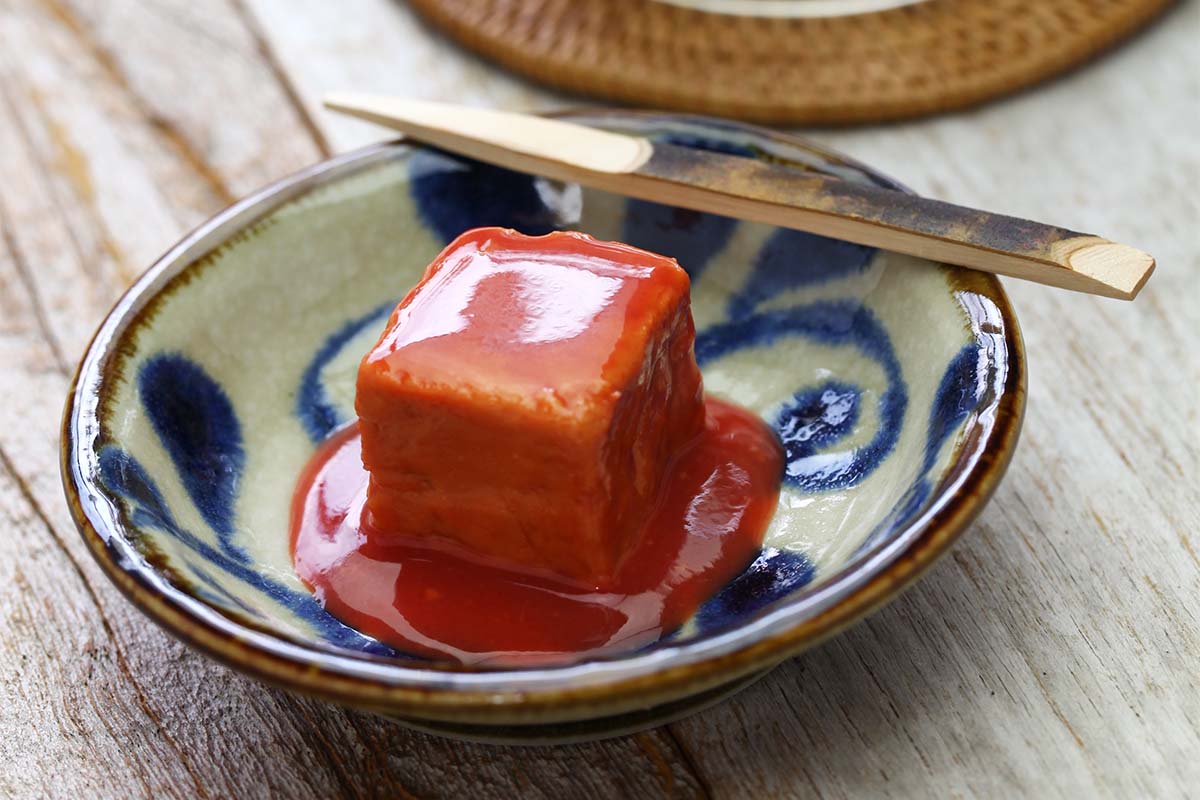
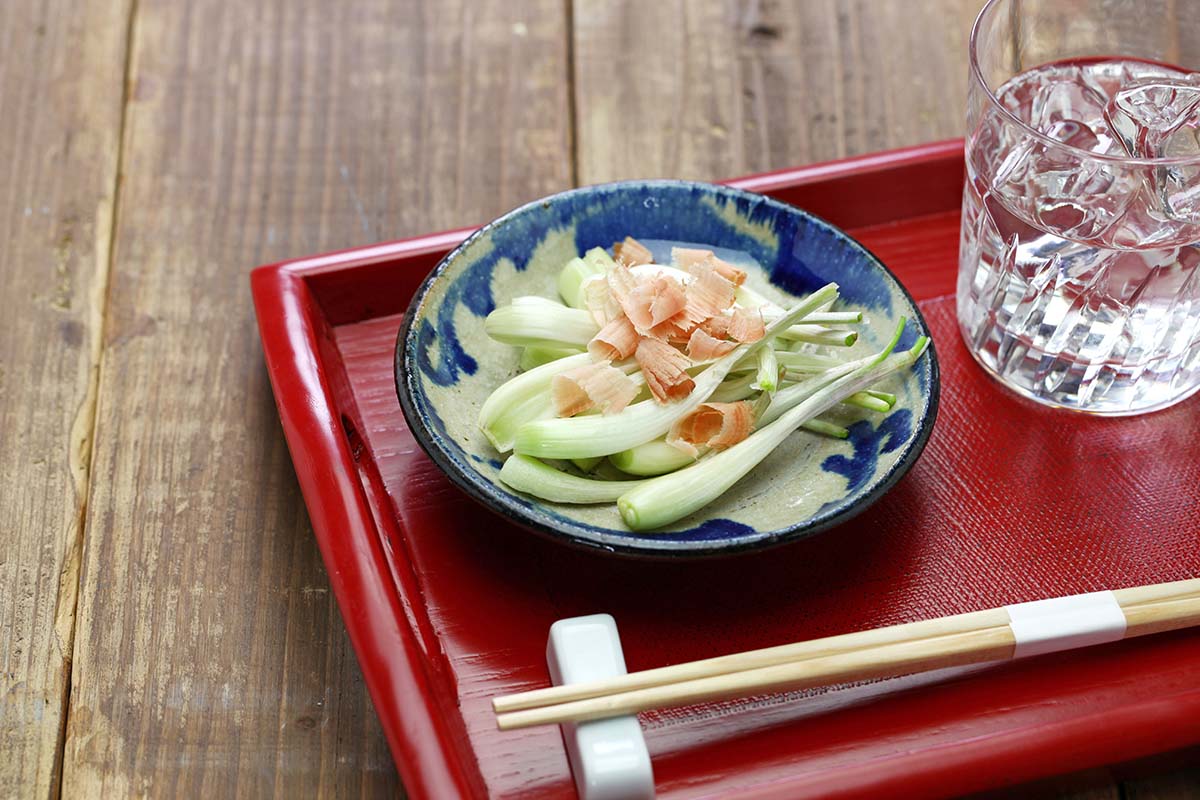
Awamori finds its perfect companions in thoughtfully paired dishes. For food pairings, seafood and miso-rich creations highlight its subtle umami, while glazed Okinawan Rafute (slow-braised pork belly, skin on, caramelized with soy and sugar) and Okinawan tofuyo (umami-packed fermented tofu aged in red malt), and shima rakkyo (pickled Okinawa shallot with katsuobushi) deepen and echo its flavors. Thai-inspired curries enhance its smoothness, balancing spice with the spirit’s gentle warmth and lingering savory notes.
For those seeking a deeper encounter, the Kusu variety, aged 10 years or more , offers a velvety, profound experience—rich, nuanced, and dangerously drinkable. Savoring Awamori responsibly is not just etiquette—it is a stewardship of tradition, a reminder that patience and perseverance, much like in life, always pay off.
The Thai-Okinawan connection isn’t just historical—it’s economics in action, and an odyssey of oceans crossed and flavors perfected.
History doesn’t mean stagnation
Awamori’s tale is intoxicating in more ways than one. It’s proof that cross-cultural exchange can create products that are both timeless and contemporary. But it’s also a gentle caution: too much commercial pressure can threaten authenticity. Okinawa balances tradition with demand, while Thailand navigates rice export realities.
In an age of fleeting trends, Awamori is still somewhat rebellious. It refuses to conform to the typical expectations of Japanese spirits. Awamori doesn’t fit neatly into the categories people usually think of when they think of Japanese spirits like sake or shochu. It has unique production methods (single distillation, longer aging, sometimes unusual infusions), flavors, and textures that can surprise you. Where sake is often delicate and smooth, or shochu lighter and easier to sip, Awamori can be richer, earthier, sometimes sharper, and more complex. It doesn’t follow the “rules” that most Japanese spirits have fallen into over the decades—it has its own character.
In other words, it’s unconventional by Japanese standards, even though it’s traditional. It’s a spirit that quietly bucks expectation while staying entirely true to its heritage. It’s bold, it’s refined, and it’s unapologetically unique; a drink for those who value history as much as flavor.
And it all began with something as simple—and as extraordinary—as a single grain of Thai rice, a tiny seed that set thousands of years of collaboration in motion.
So next time you hold a glass of Okinawan Awamori, remember: it’s a centuries-old cross-cultural tradition still alive in every pour. Drink it slowly. Drink it proudly. And maybe, just maybe, think about the journey it took to get into your hands.