
Japan’s timeless spirit is transforming the Philippines’ drinking culture, one glass at a time.
How did a centuries-old Japanese drink become Manila’s hottest obsession? Yes, the metro’s evolving social scene is welcoming Japan’s signature spirit like never before—and it’s not just for pairing with sushi anymore, either. With a vibe that mixes tradition and trend, sake is showing up everywhere, from rooftop lounges and cocktail bars to izakayas and all-out annual festivals. But what’s really fueling this surge? It’s more than just the drink—it’s the fusion of Filipino and Japanese cultures, crafting a new way to drink, share, and celebrate.
A spirited journey, from Japan to Manila
For centuries, sake has been a cornerstone of Japanese culture, intricately tied to rituals, celebrations, and communal meals. But its journey from the Land of the Rising Sun to the bustling streets of Manila has transformed it into more than just an exotic beverage—it’s a symbol of a growing cross-cultural exchange.
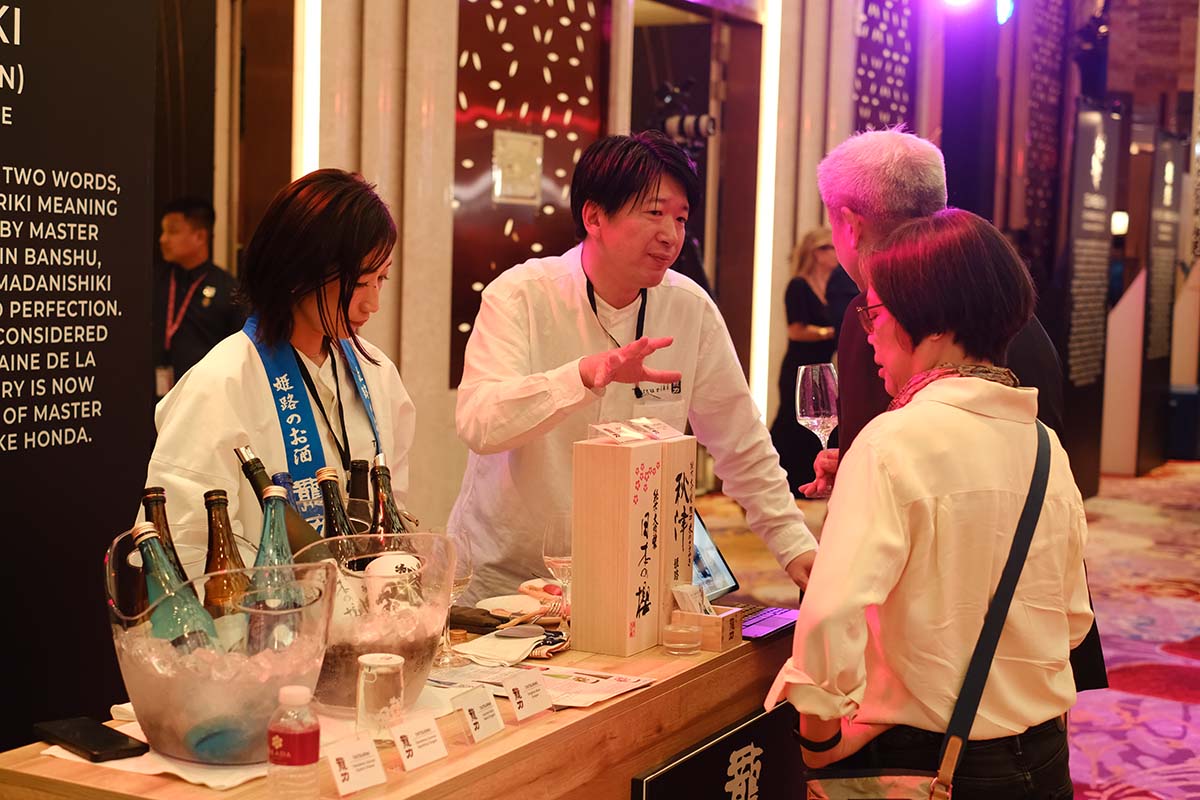
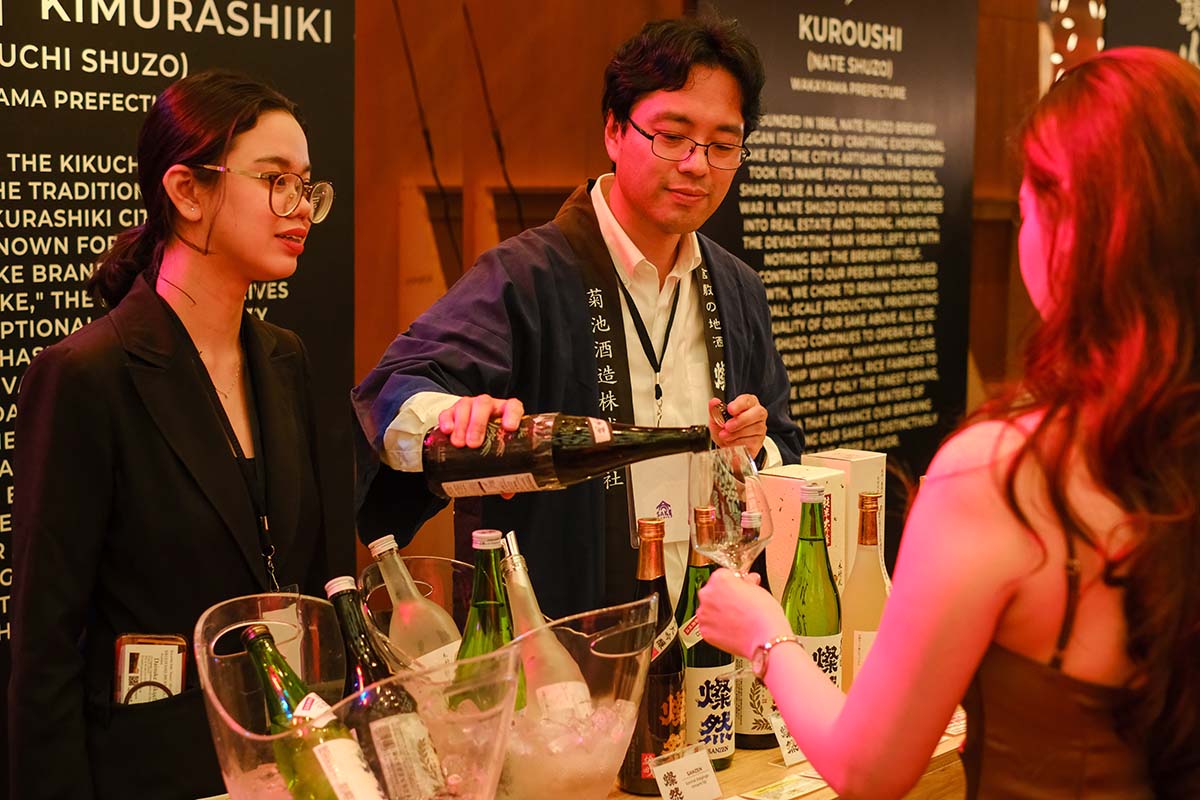
The rise of sake in Manila is closely tied to the growing efforts of passionate industry experts like Raymond Joseph, sake sommelier and Director of Sales & Marketing at Philippine Wine Merchants (PWM). In recent years, events like Sake Manila, a collaborative effort between PWM and Okada Manila, have played a pivotal role in introducing sake to a broader Filipino audience. As Joseph points out, “This has been my passion project, together with my brothers, since 2006—this mission to elevate sake culture in the country. And we have traveled to so many breweries across the prefectures of Japan, to bring you the best sake selections.”
“Sake is more than just a drink; it’s a reflection of Japan’s long-standing craftsmanship and dedication to quality. It’s an opportunity for Filipinos to experience and appreciate a piece of Japanese culture right here in Manila,” Joseph adds.
The massive annual festival (showcasing over 200 varieties of sakes and spirits from esteemed breweries across Japan) that is Sake Manila kicked off in 2024, in a rather unconventional way—it started with Sake Sessions, a pandemic-born initiative by Joseph and the founding directors of PWM, his brothers Ralph and Ronnie. What began as an online gathering of sake enthusiasts during lockdowns evolved into something bigger: a virtual community where Filipinos could dive into the world of sake from the comfort of their own homes.
“Sake is more than just a drink; it’s a reflection of Japan’s long-standing craftsmanship and dedication to quality. It’s an opportunity for Filipinos to experience and appreciate a piece of Japanese culture right here in Manila.”
Raymond Joseph, sake sommelier and Director of Sales & Marketing at Philippine Wine Merchants (PWM)
From tele toasts to citywide cheers
These Sake Sessions weren’t just about pouring drinks—they were a crash course in Japanese craftsmanship. The online format, helmed by Joseph himself, allowed a diverse group of Filipino drinkers to taste, learn, and appreciate sake in a setting that was low-pressure, fun, and educational. The impact was immediate. With limited options for in-person events, back then, this digital connection served as a gateway to a broader understanding of sake’s complexities and its potential in Manila’s drinking culture. Eventually, these digital discourses morphed into face-to-face interactions at Hotel Okura, where Joseph stepped into the role of sensei at sold-out sake soirees.
Building on that momentum and partnering with the Okada group, Sake Manila soon emerged as the physical counterpart to those initial virtual and early in-real-life gatherings—a real-world extension of the community that had started to form, digitally. The festival became the city’s premier sake appreciation event, offering guests a chance to sample a wide range of sakes, meet the experts behind the bottles, and celebrate the craftsmanship that goes into every pour.
What started as an intimate online experience during a time of social isolation quickly transformed into a full-fledged cultural exchange, bringing a centuries-old Japanese tradition into the buzzing heart of Manila. And that transition—from screens to the streets—marked the start of sake’s evolution from a niche curiosity to a regular feature in the city’s dynamic social scene.
Sake meets the Filipino pulse and palate
The rise of sake in Manila can likewise be attributed to its adaptability to both the Filipino palate and psyche, likely due to the drink’s Asian origins. Unlike wine or whiskey, which can be intimidating and often come with an air of pretension, sake is far more approachable and versatile. As Joseph notes, “Sake is easier to drink than most people realize—and it’s much more than just something to drink with sushi.”
Sake’s versatility has made it especially appealing to Filipino drinkers. Often referred to as ‘rice wine,’ sake is actually brewed more like beer, with the fermentation of rice starches. However, it has a much higher alcohol content than beer. The drink is made from four primary ingredients: polished rice, water, yeast, and koji (a type of mold that converts starches into fermentable sugars). This simple but careful process, and the variations thereof, creates a range of flavors, from light and crisp to rich and complex.
PRO TIP
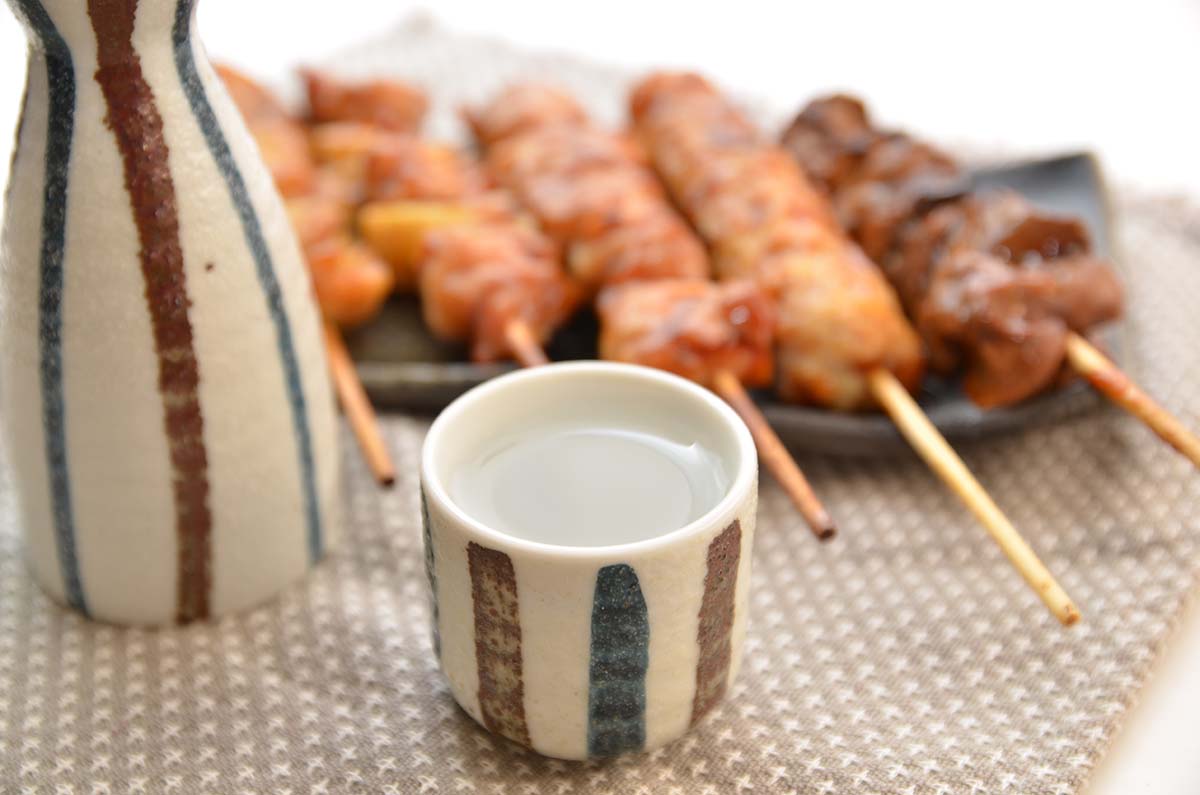
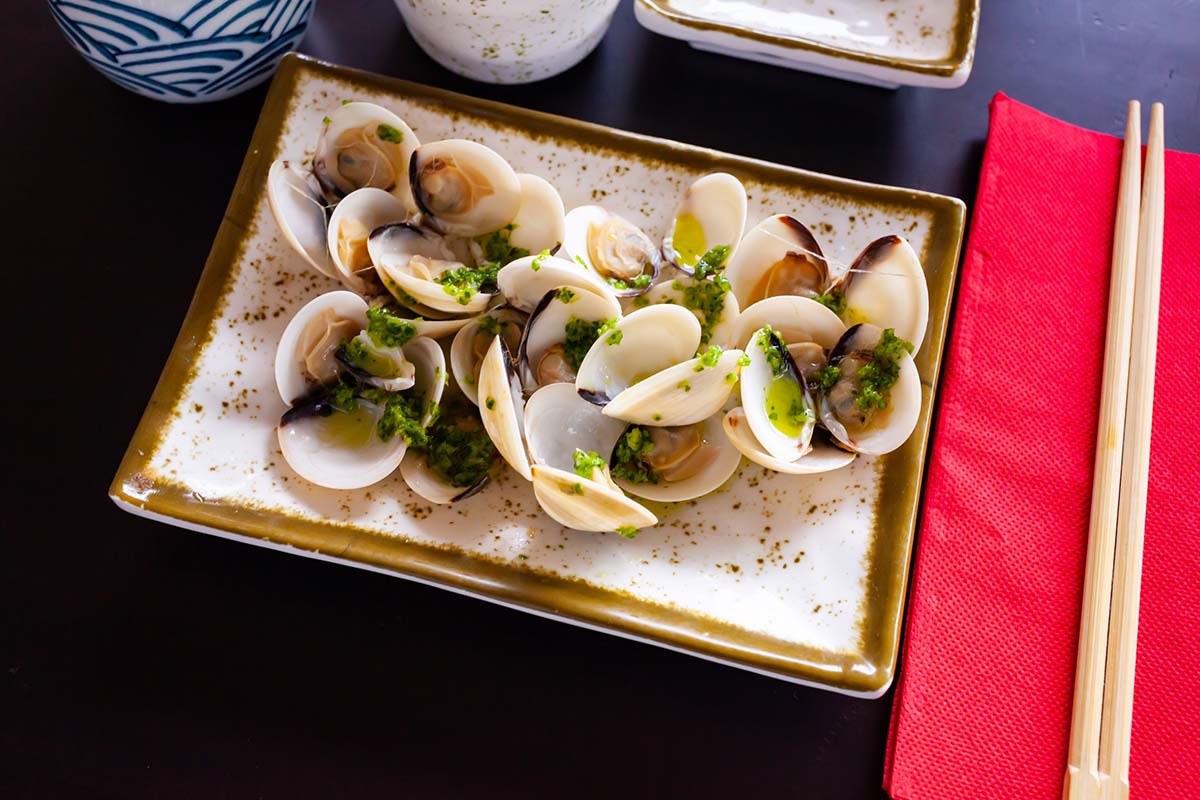
Pair savory, salty dishes with dry sake, and roasted, char-grilled food with fruity sake. But don’t get lost in the technicalities. As Joseph emphasizes, “Sake is very adaptable and works well with a variety of dishes. There are a number of misconceptions, when it comes to appreciating sake, and even when it comes to pairing sake with food. People think it’s sour or difficult to pair, but the reality is, when stored and served properly, sake is smooth and goes well with so many different cuisines. Experiment and find what you like.” Asked why sake pairs perfectly with just about any kind of food, Joseph likes to say, simply and lightheartedly: “Because it’s rice!”
While sake has traditionally been enjoyed in Japan at room temperature or even warm, in Manila, chilled sake has become particularly popular, especially during the hot months. The smooth, refreshing qualities of sake pair effortlessly with Manila’s humid climate and lively social scene, as well with as its local flavors. Sake is a perfect match for Filipino cuisine thanks to its rich umami and high amino acid content, which beautifully enhance the bold, savory flavors found in many traditional dishes. Whether it’s the tangy soy-based sauce of adobo stew, the smoky char of inihaw na pusit (grilled squid) and chicken inasal (grilled chicken), or the zesty freshness of kinilaw (ceviche) salads, sake elevates each bite with its delicate, nuanced profile.
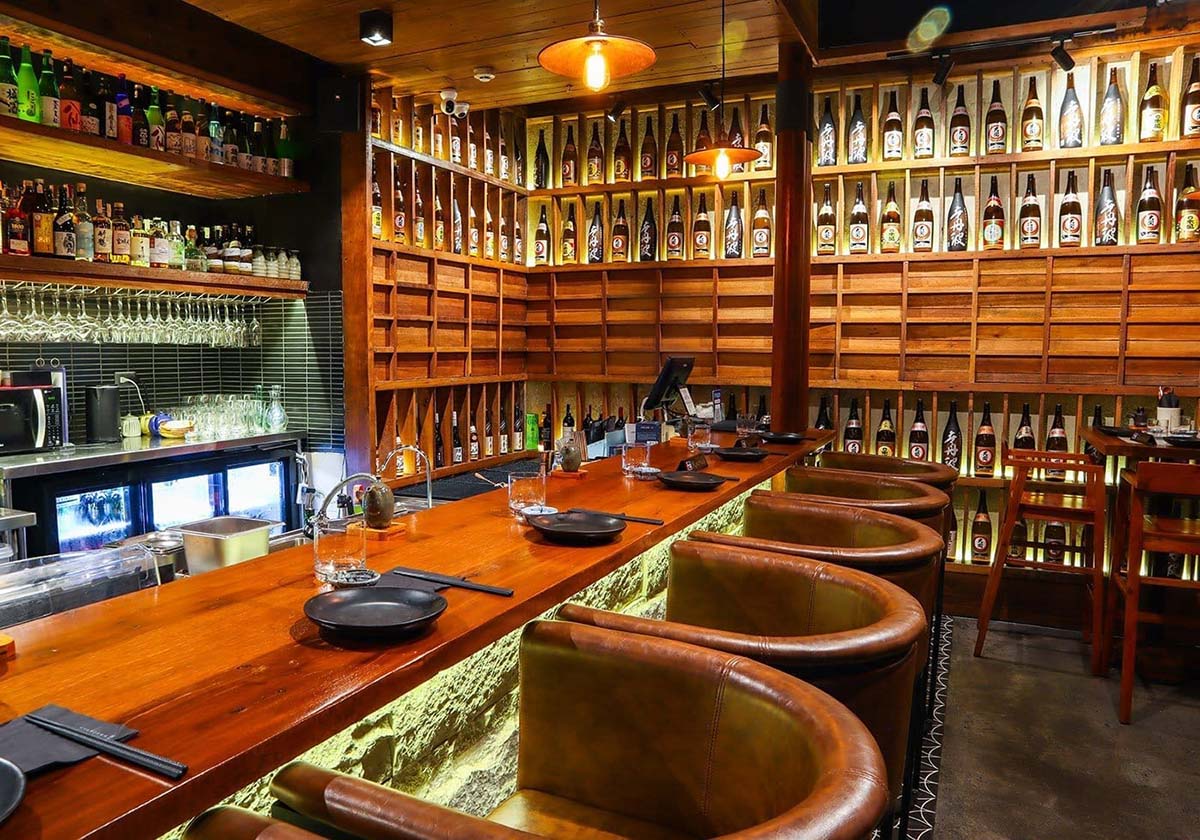
Served and sipped with a sociable soul
What also makes Manila’s growing sake scene unique is the local twist on Japanese tradition. In Japan, sake is served with meticulous attention to detail: temperature, glassware, and pouring technique all contribute to the experience. In the Philippines, where hospitality is key, this ritual is embraced and enhanced by Filipino warmth.
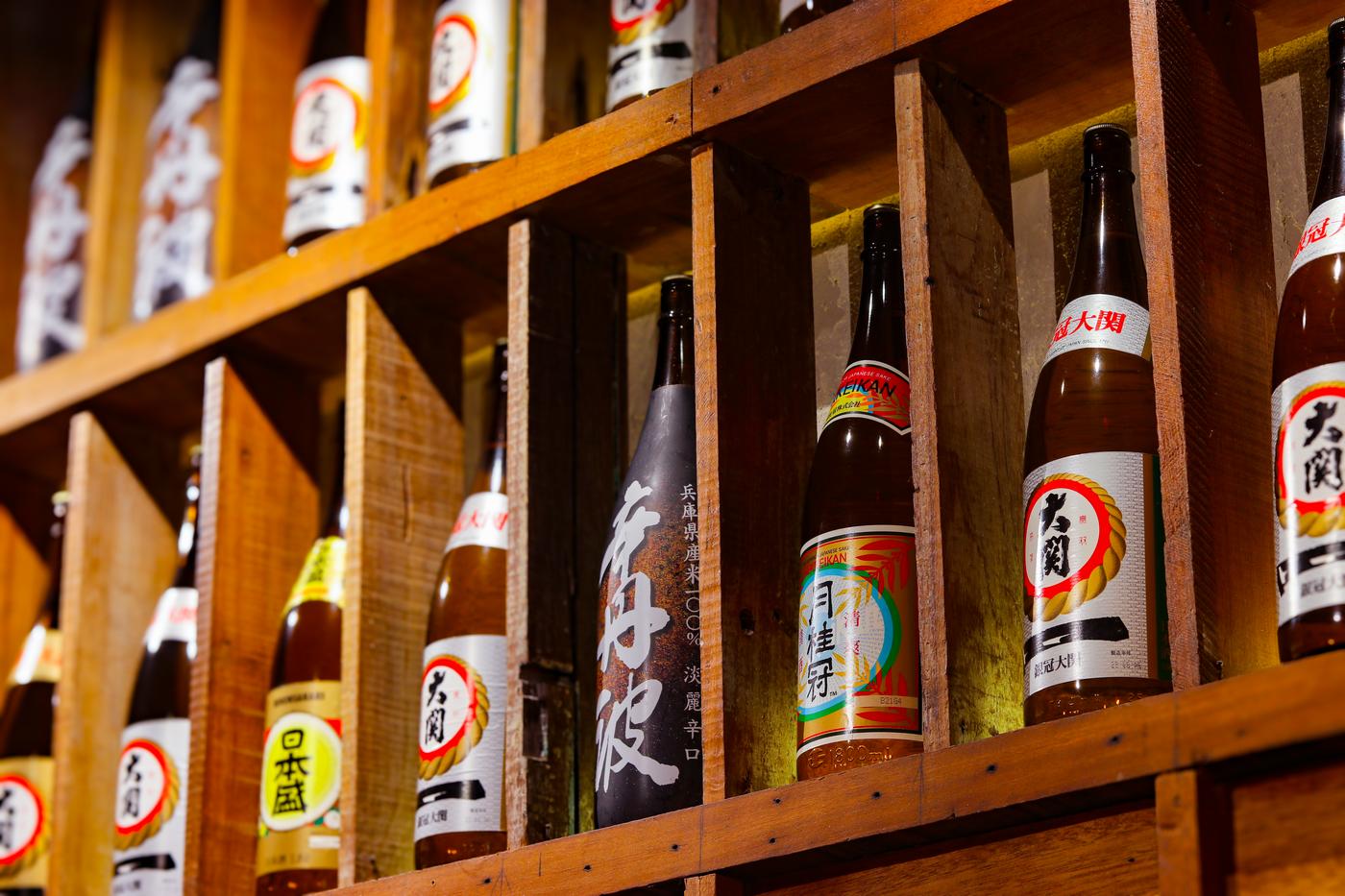
As experts and enthusiasts work together to share their knowledge of sake, bars and restaurants in the city have started to offer curated sake lists. These include everything from ginjo (light and fruity) to junmai (rich and full-bodied). Many establishments—like Sakagura in Bonifacio Global City, a popular izakaya and sake bar under the Nikkei Group—even offer sake flights. These small tastings allow newcomers to experience a variety of flavors; to explore and appreciate the nuances of different sake styles without committing to a full bottle.
Whether you’re enjoying a casual drink with friends or attending an exclusive sake tasting, the experience is meant to feel personal and celebratory. In Manila, it’s about creating connections, building understanding, and embracing new traditions—just as much as it’s about the drink itself. Take time to savor the delicate flavors and aromas. Don’t rush the experience—let the flavors unfold. Sake is a drink that rewards patience with pleasure!
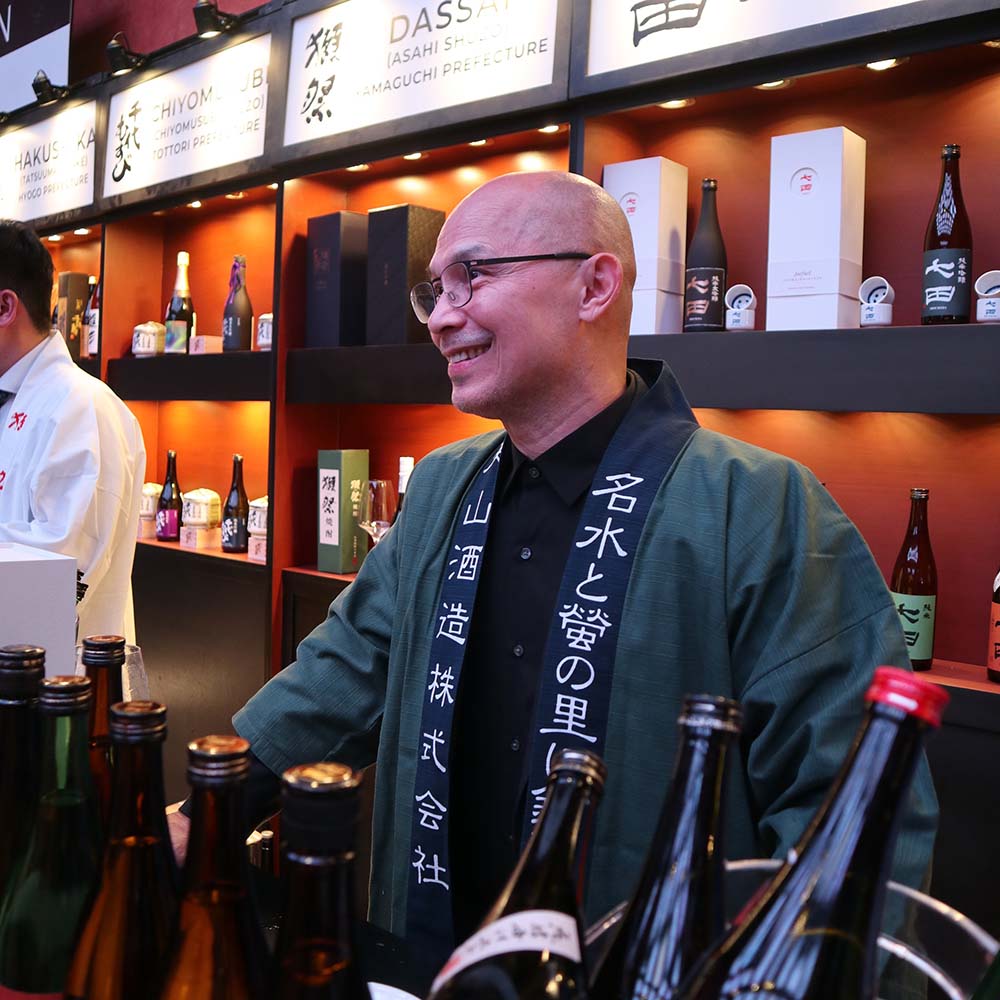
Fun fact: In Japan, sake is often associated with longevity and good fortune. The drink is commonly consumed during weddings, New Year celebrations, and other milestone events. Manila shares in this celebratory spirit.
Manila’s sake scene is here to stay
With efforts from pioneers like Raymond Joseph and other aficionados of the drink, sake is no longer a rare find in Manila—it’s becoming a regular part of the city’s drinking culture. Sake has found its footing in Manila’s vibrant food and beverage scene, offering a taste of Japan’s rich cultural heritage and elevating the Filipino drinking experience.
Whether you’re a sake newbie or a seasoned enthusiast, the next time you’re out in Manila, don’t miss the chance to explore the world of sake. After all, it’s more than just a drink—it’s a celebration of cross-cultural exchange.