
Five houses that carry Japan’s oldest form of hospitality into the season’s finest light
For centuries, the ryokan has stood as Japan’s answer to hospitality distilled to its essence — a form of lodging that predates the modern hotel by hundreds of years, rooted in the post towns and hot spring villages that once served travelers along Japan’s old trade routes. Tatami floors, futon bedding, kaiseki dining, and the ritual of the onsen bath are not amenities layered onto a room; they form the room itself, an architecture built around unhurried time and seasonal change.
What sets a ryokan apart is attentiveness rather than scale — a room attendant who reads a guest’s mood, a single flower placed in an alcove, dishes plated to the week’s harvest rather than a fixed menu. Many of Japan’s oldest ryokan have operated under the same family for generations, passing down not just a property but a philosophy of care.
As autumn settles over Japan, ryokan take on a particular character: private baths steam against cooling air, dining shifts to the season’s harvest, and windows frame maple and silver grass at their peak. Four of the five properties featured sit in Hakone, Kanagawa Prefecture, within an hour of Tokyo; the fifth carries that same tradition into Kyoto, where it has stood for more than two centuries.
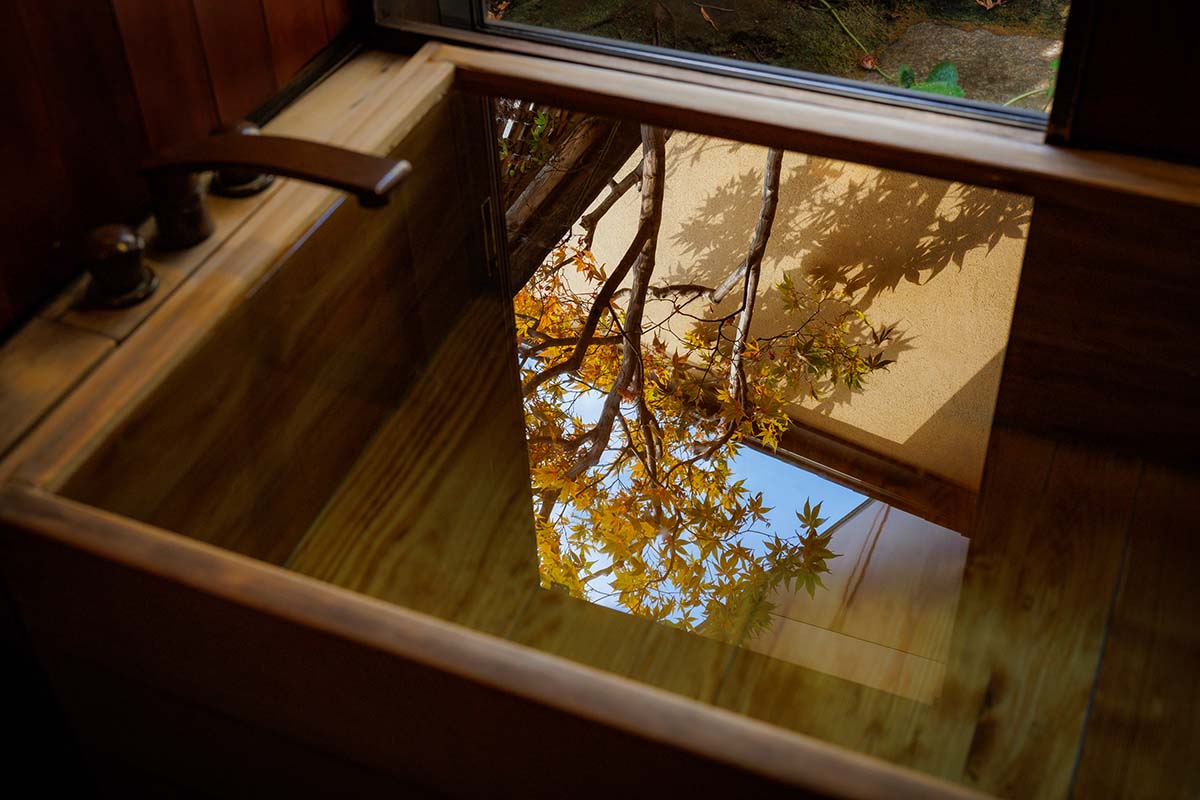
Hiiragiya — Kyoto
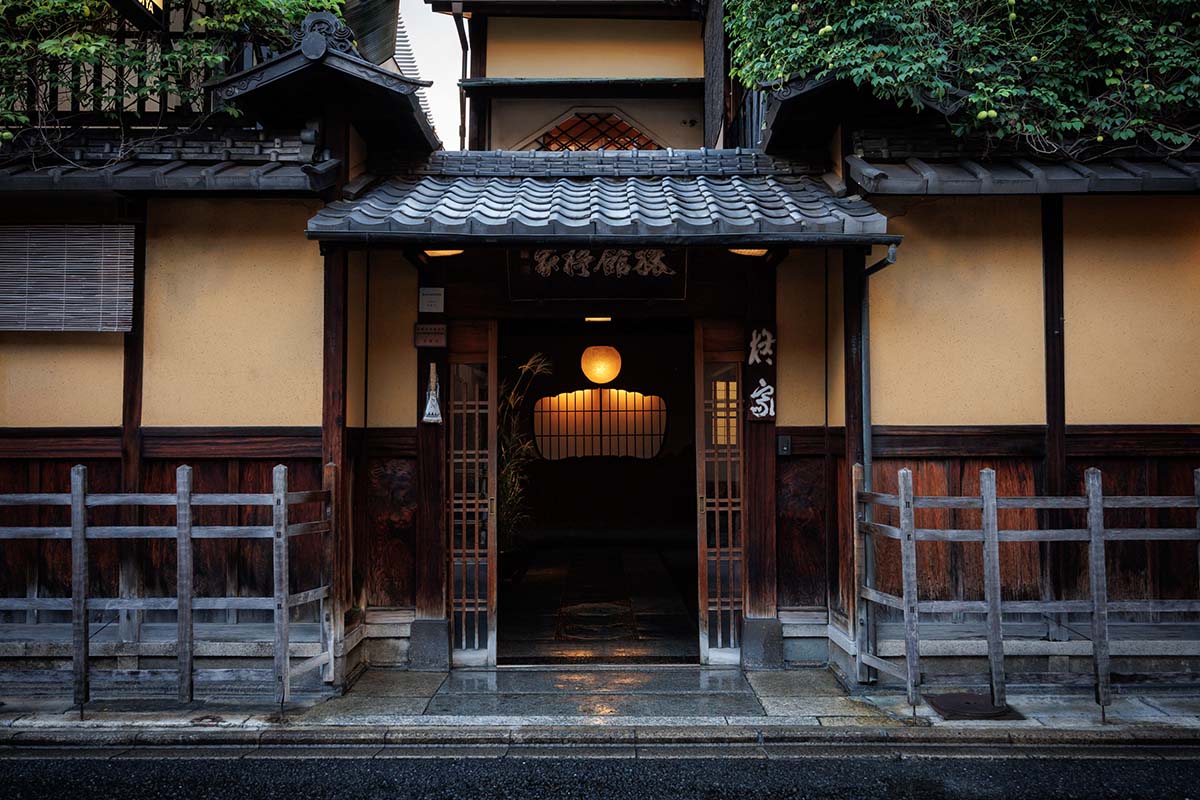
In the heart of Kyoto, Hiiragiya has welcomed guests under the same family’s care for more than two centuries, guided by the spirit of Rai-Sha-Nyo-Ki — the wish that arriving guests feel as though they are coming home. Nobel laureate Yasunari Kawabata and novelist Junichiro Tanizaki both considered it a second home, drawn by room attendants who tend to each guest’s individual rhythm rather than a fixed script. Autumn brings Kyoto’s changing light into every corner of the ryokan, from seasonal kaiseki dining to its quiet connecting corridors.
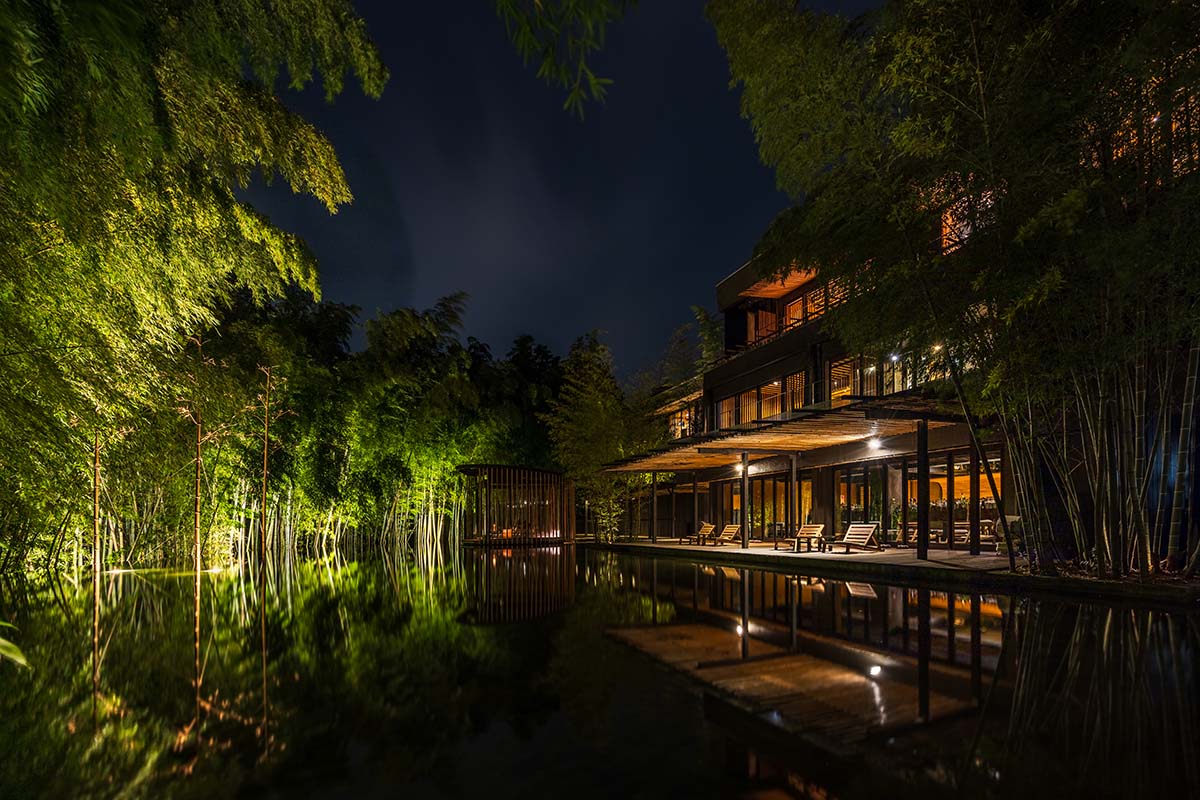
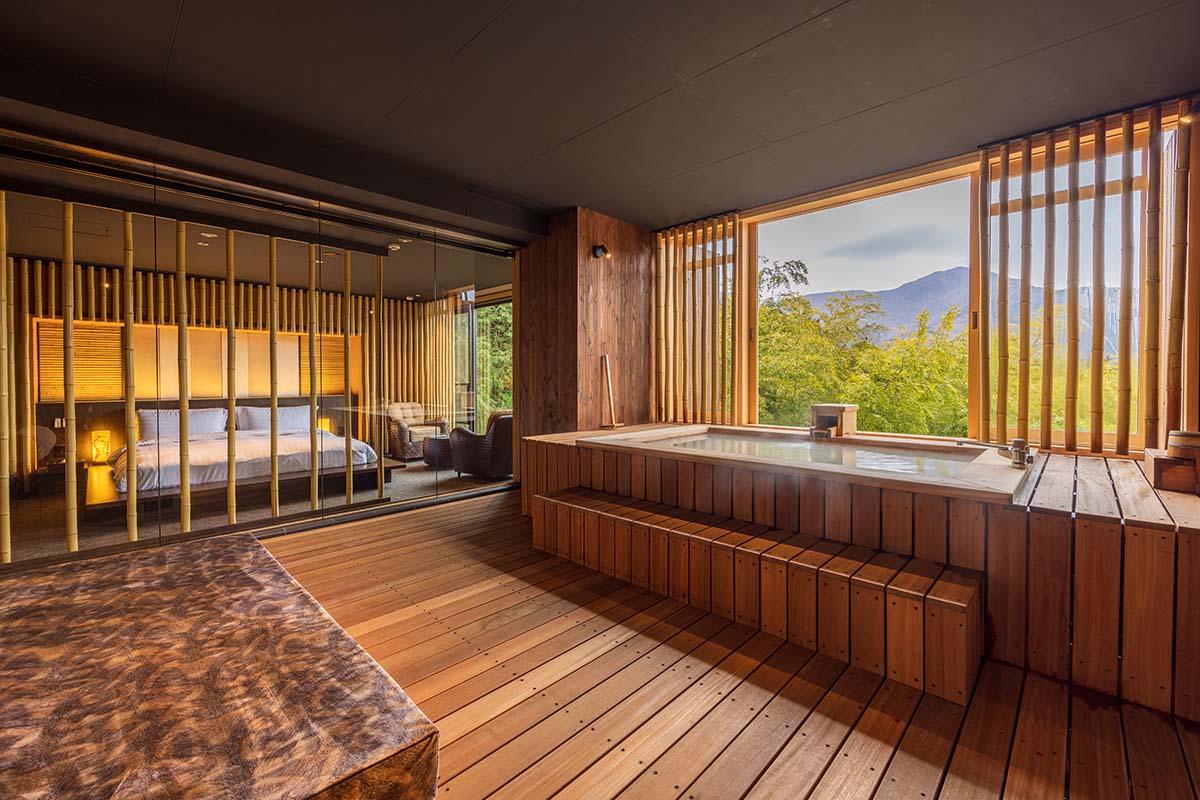
Kinnotake Sengokuhara — Hakone
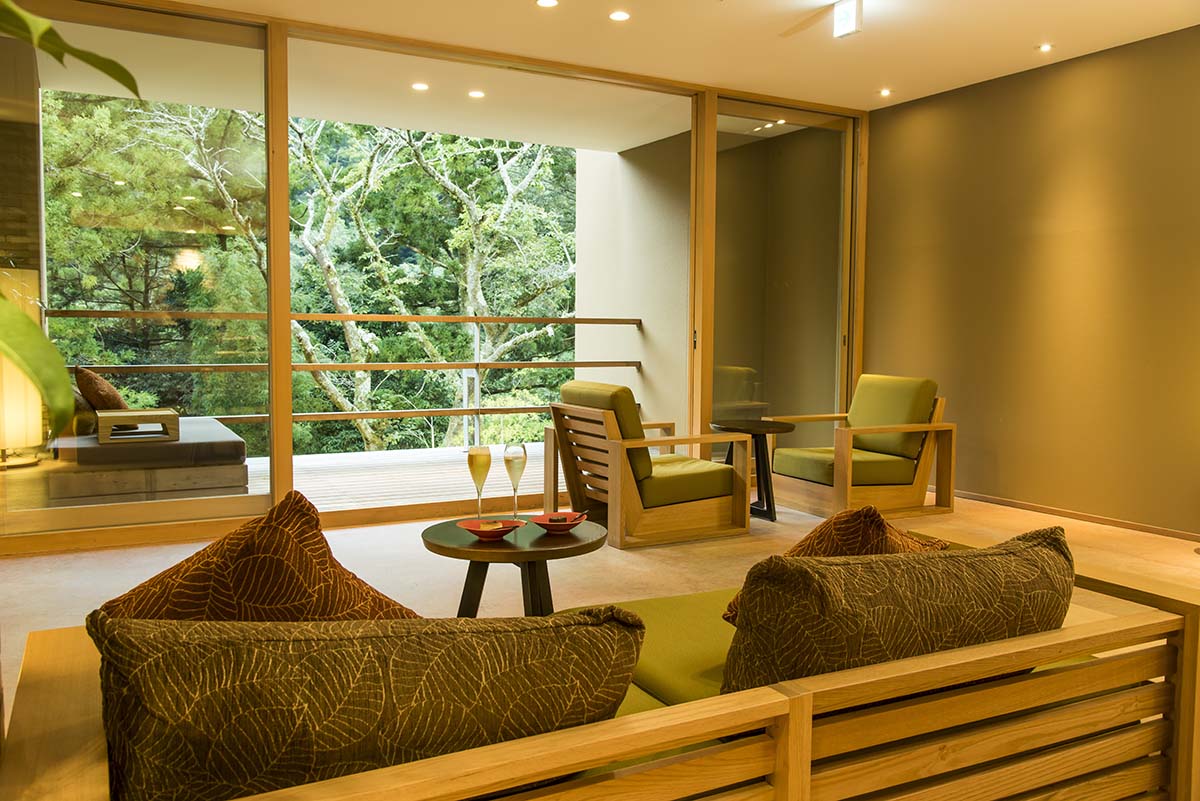
Set among the bamboo groves of Sengokuhara and inspired by the folktale of the bamboo cutter, Kinnotake Sengokuhara is an adults-only hideaway built for privacy. Each of its nine rooms holds a private open-air onsen fed by unfiltered, free-flowing hot spring water, paired with Kyoto-style kaiseki dining served in-room. In autumn, guests soak in crisp mountain air before the season turns the nearby Sengokuhara silver grass field into a landscape known throughout Hakone for its autumn color, a short walk from the property.
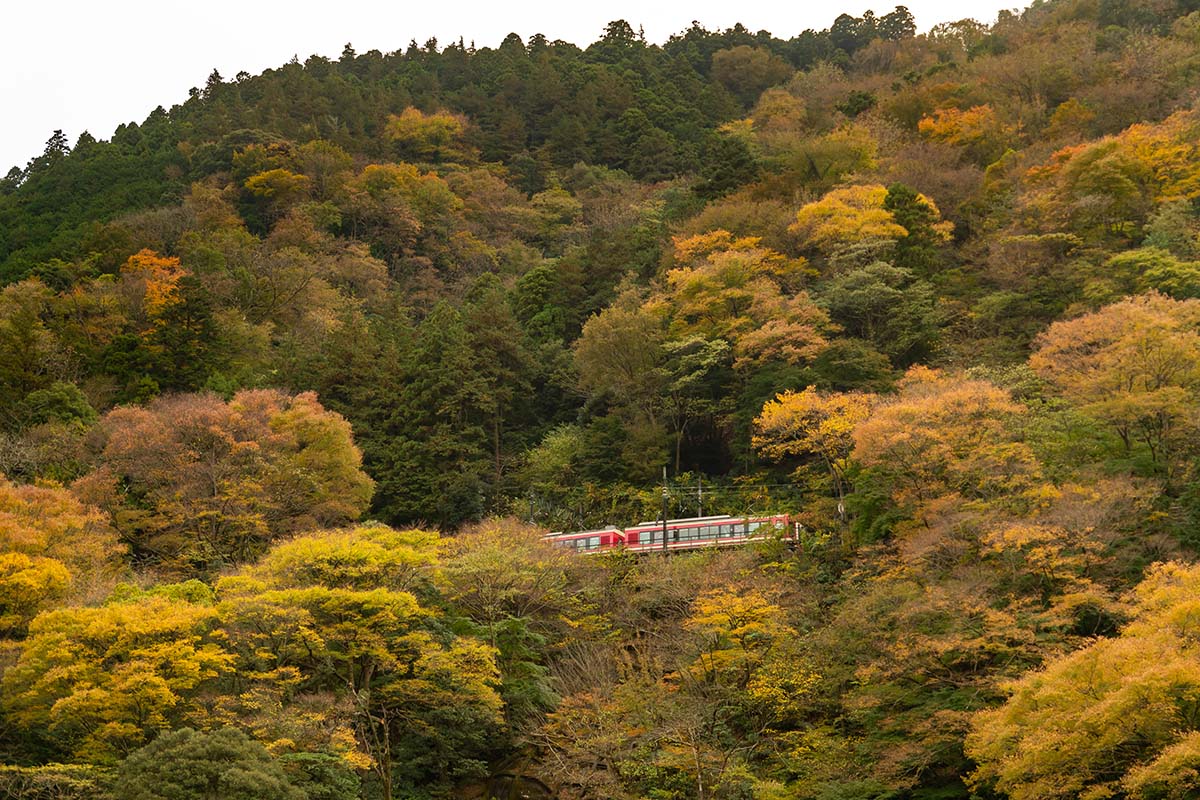
Kinnotake Tonosawa — Hakone
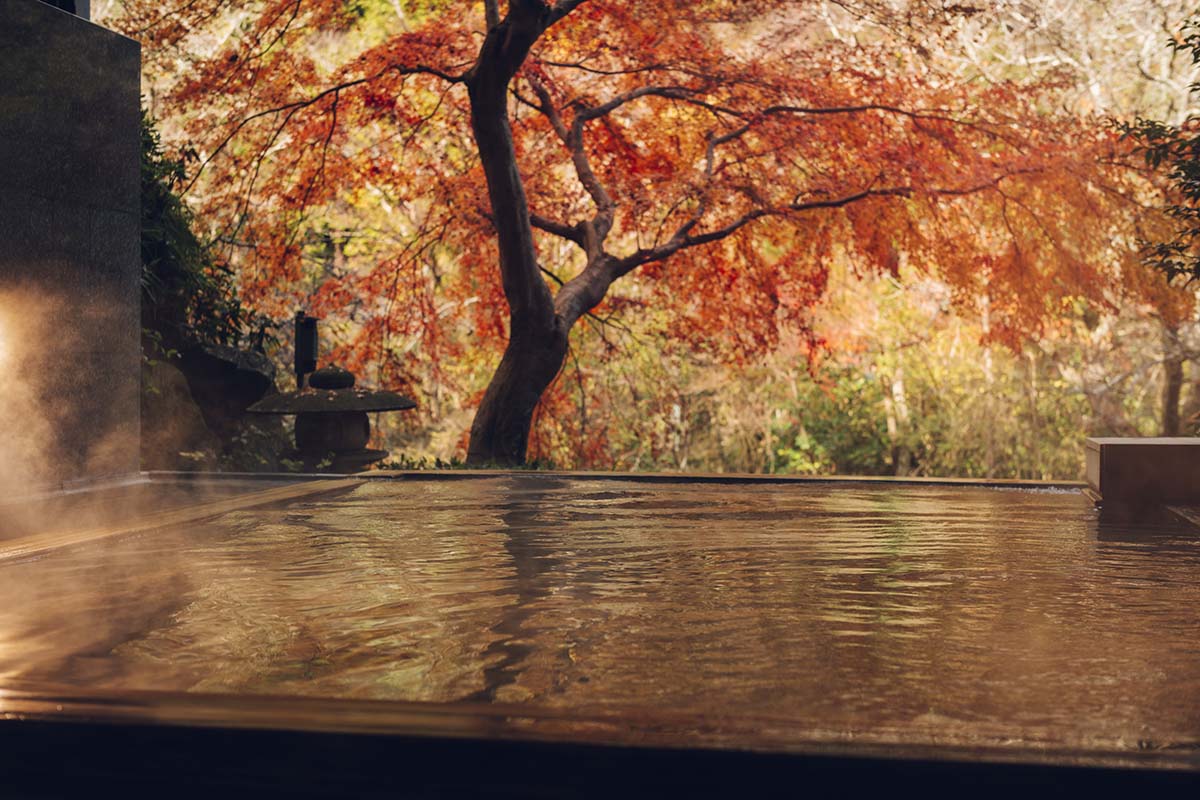
Built into a forest valley in Tonosawa, this adults-only retreat is reached by crossing a historic suspension bridge over the gorge — an arrival that sets the tone for what follows. Each of the nine room types comes with a private terrace and an open-air onsen crafted from natural materials such as granite, Aomori hiba, or hinoki cypress. As autumn arrives, the Hayakawa Valley below turns to color, visible in full from the privacy of each room’s terrace.
KAI Hakone — Hakone
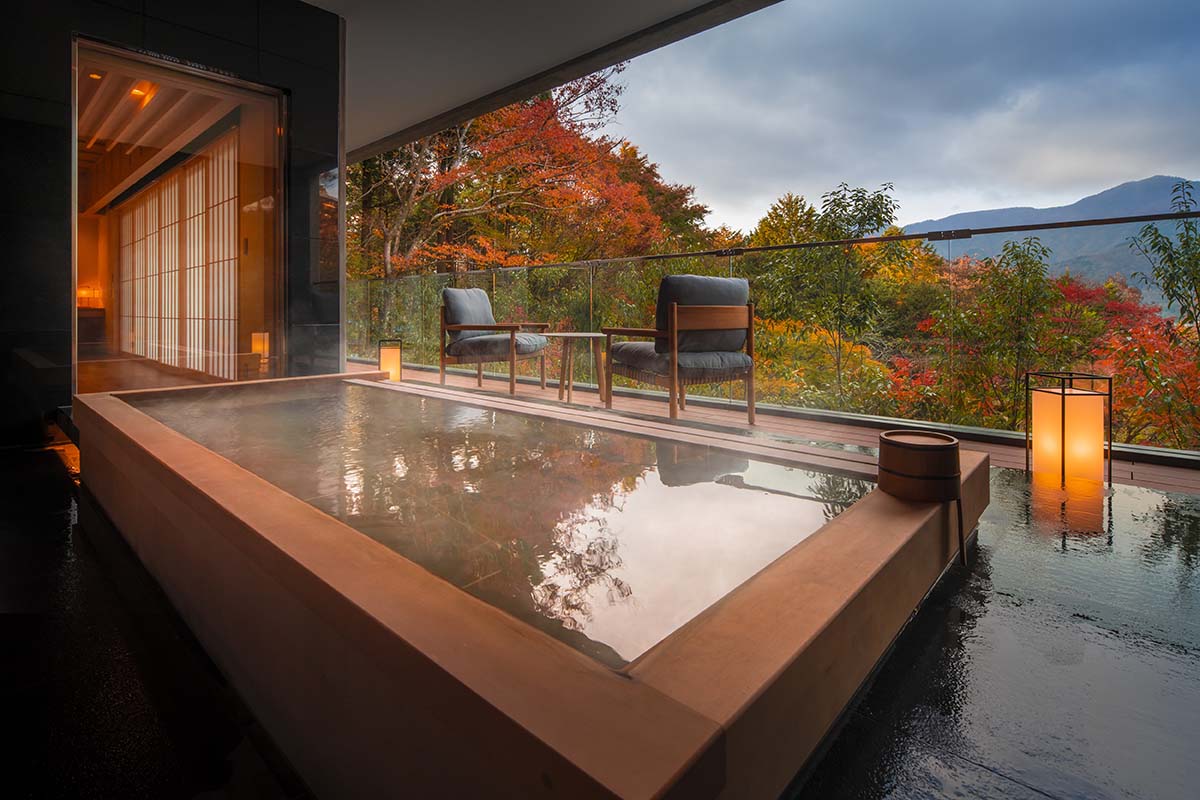
In Hakone-Yumoto, KAI Hakone sits within one of Japan’s most historic hot spring regions, with a history spanning more than 1,200 years. What defines the property most is its setting, unfolding amid abundant nature alongside the clear Sukumo River, with views of Mt. Yusaka, where hot spring water rises from the ground. A 2025 renovation deepened that sense of place, built around the property’s position on the old Tokaido Road, the route that once carried travelers between Edo and Kyoto. The semi-open-air public bath, fed by a sodium chloride spring, looks up at a maple tree that turns with the season each autumn.
KAI Sengokuhara — Hakone
Set at 700 meters in the Sengokuhara highlands, KAI Sengokuhara was built around the idea of a hot spring inn as artist’s studio, with work from twelve visiting artists displayed throughout its sixteen rooms. Every room opens to a private outdoor bath fed by the acidic, mineral-rich waters of Owakudani, known locally for leaving skin smoother after even a short soak. In autumn, the outdoor baths look out over turning maple, one of several seasonal scenes the property is built to frame.