
September to November is when Japan’s kitchens come alive. Here’s what to order — and where — before the year runs out.
There’s a Japanese concept that doesn’t translate neatly into English: shun. It means the peak moment of a seasonal ingredient — the exact window when a fish is fattest, a mushroom most fragrant, a fruit at its sweetest. Japanese chefs don’t just respect shun; they organize their entire menu around it. Miss the window and you wait another year. For any traveler arriving in Japan between September and November, that window is wide open. This is arguably the finest eating season in the country — the sweltering summer has broken, the tourist crowds have thinned, and the kitchen is stocked with ingredients that appear nowhere else on earth, at no other time of year. Here’s how to eat through it.
September: The Return of the Sea
Pacific Saury (Sanma)
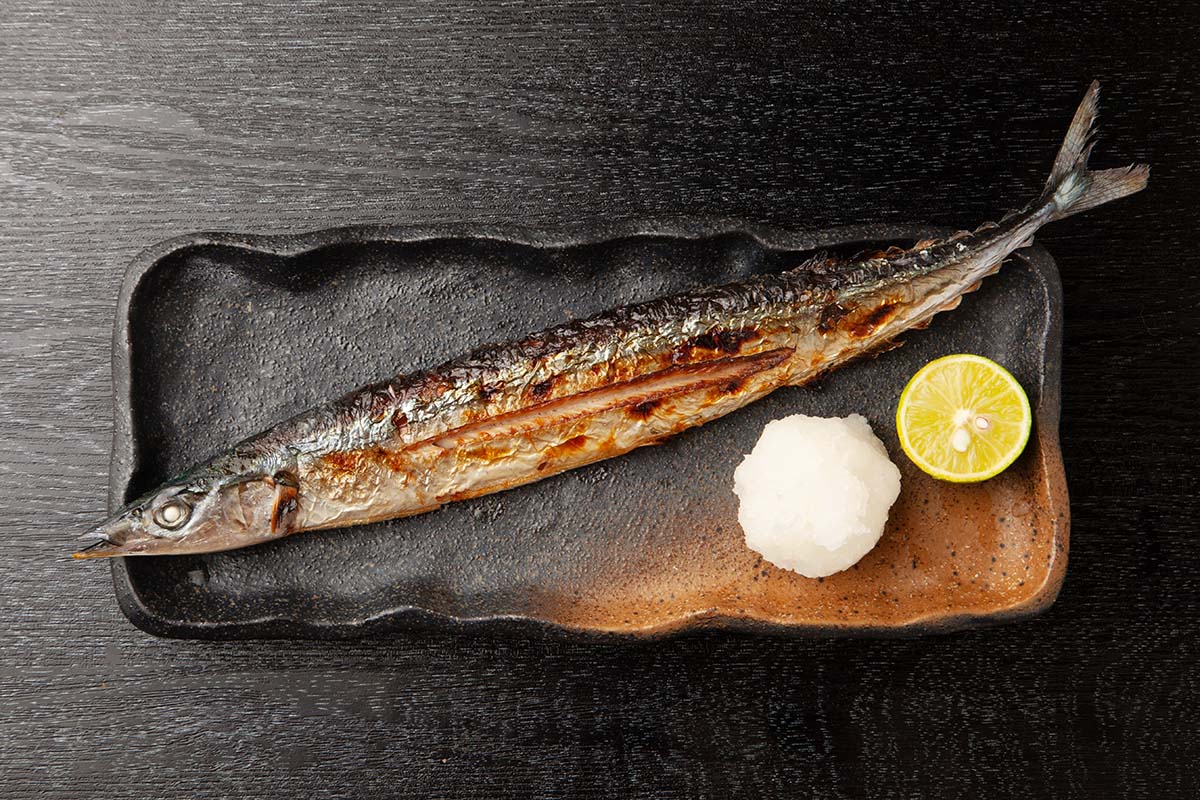
Sanma — literally “autumn knife fish” — is September’s most iconic dish.
Grilled whole over charcoal and served with grated daikon and a wedge of sudachi lime, it is oily, smoky, and aggressively seasonal. You’ll find it at izakayas across the country for a matter of weeks. Order it the moment you see it on the menu. No sauce, no fuss. This is Japan at its most elemental.
Where to find it: Any neighborhood izakaya in Tokyo, Osaka, or Kyoto. In fishing towns like Kesennuma in Miyagi prefecture, you can eat it practically dockside.
New Sake (Shiboritate)
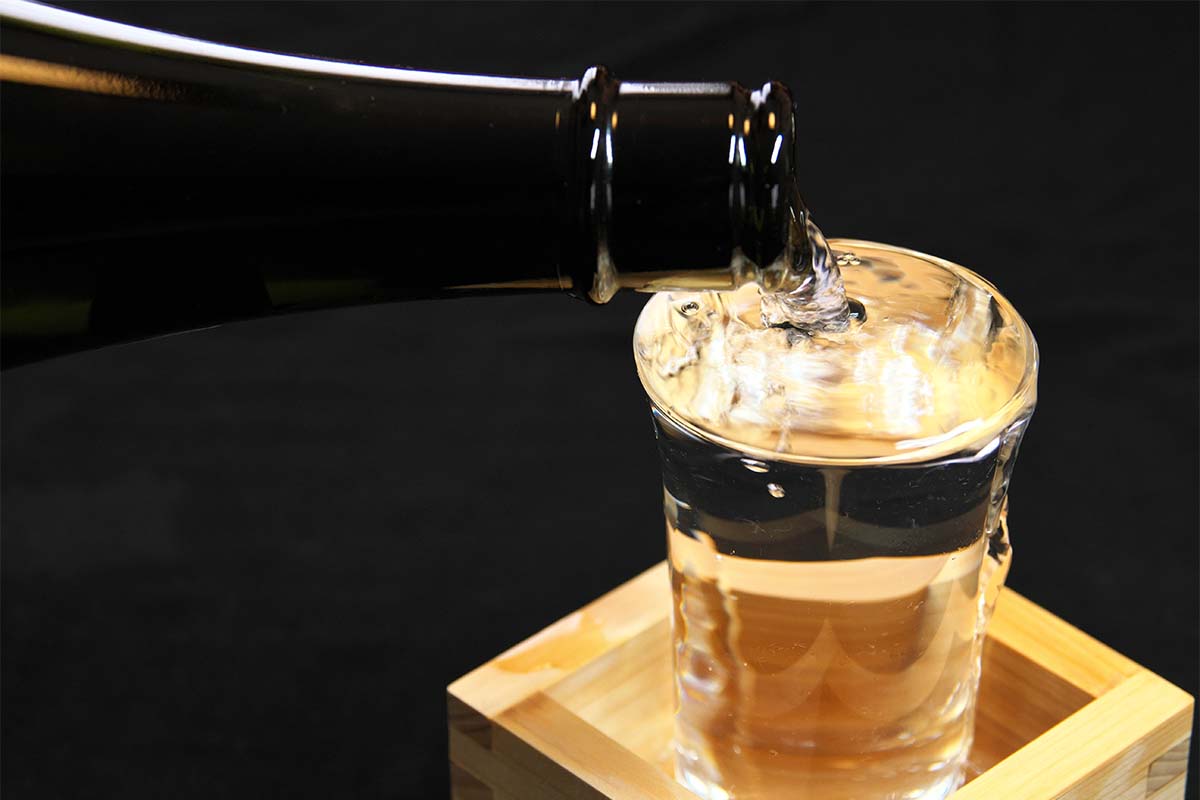
The rice harvest arrives in September, and with it, the year’s first sake. Shiboritate — freshly pressed, unpasteurized, often slightly effervescent — is the sake world’s equivalent of Beaujolais Nouveau, but with considerably more finesse. Seek out a sake bar (sakaya or nihonshu bar) and ask the staff what just arrived. They will be delighted you asked.
October: The Forest on your Plate
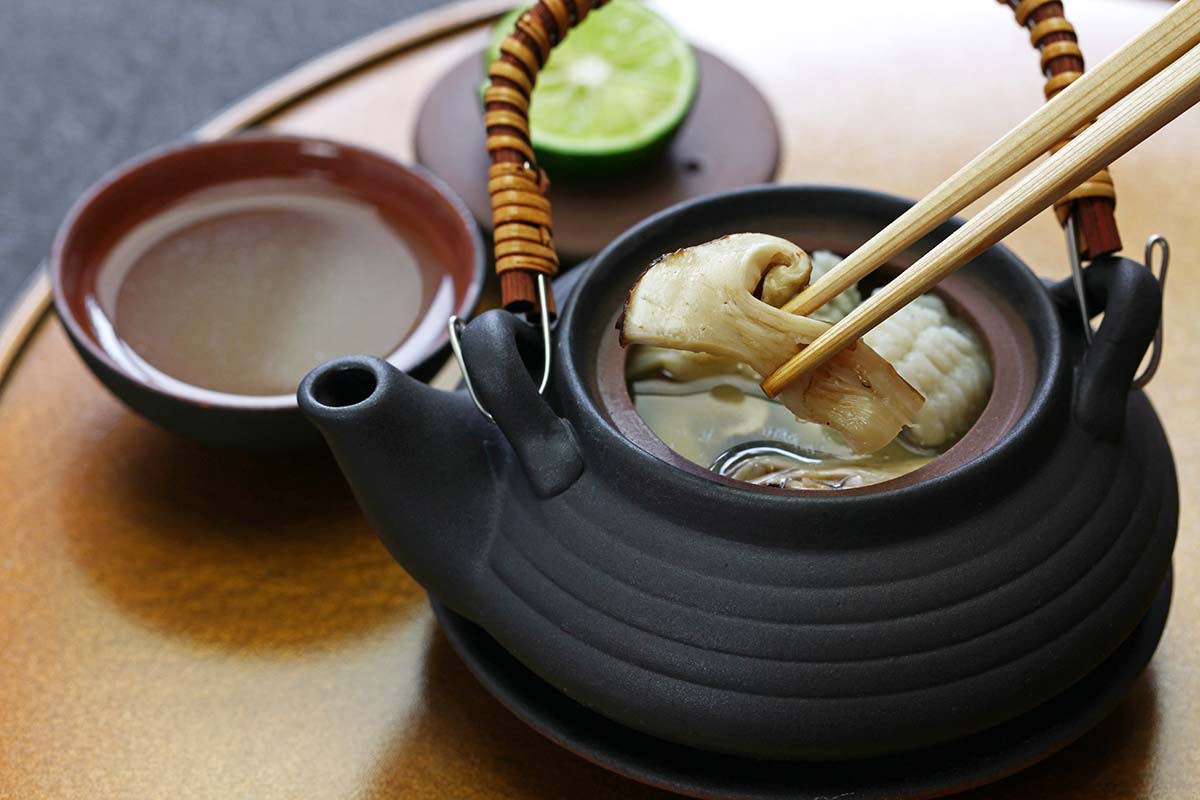
Matsutake Mushrooms
No ingredient in Japan commands more reverence — or a higher price tag — than the matsutake mushroom. Earthy, piney, and impossibly aromatic, it grows wild in red pine forests and cannot be cultivated. A single mushroom can cost several thousand yen. Eaten in a simple broth (dobin mushi, served in a small clay teapot), it is one of the most refined flavors in Japanese cuisine. A matsutake course at a kaiseki restaurant in Kyoto in October is a meal you will describe for years.
Where to find it: Kyoto kaiseki restaurants; Kyoto’s Nishiki Market for whole specimens to marvel at.
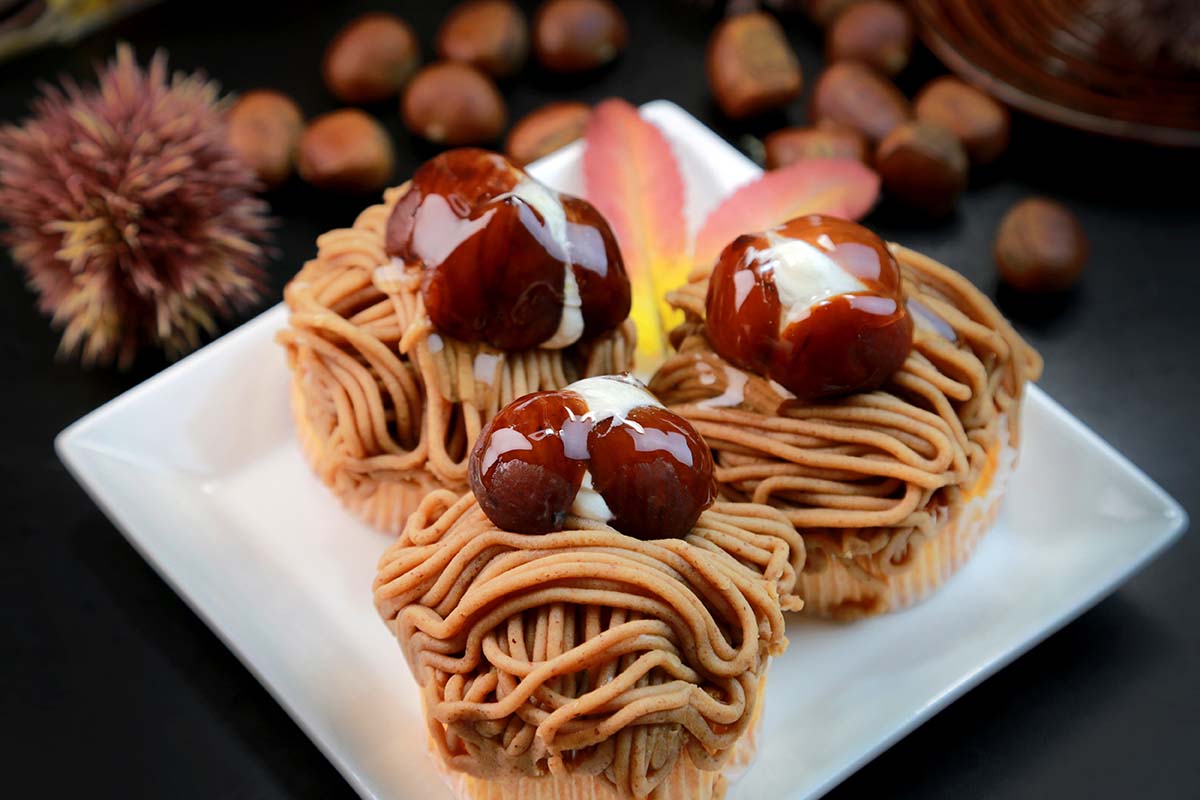
Chestnuts (Kuri)
October is chestnut season, and Japan does more with chestnuts than almost any other culinary culture. Kuri gohan (chestnut rice, steamed simply with salt and sake) is the home cook’s dish; mont blanc pastry — a Japanese-French hybrid obsession — fills patisserie windows from Sapporo to Fukuoka. At traditional sweets shops (wagashi-ya), look for kuri kinton, a golden chestnut paste that tastes like autumn itself.
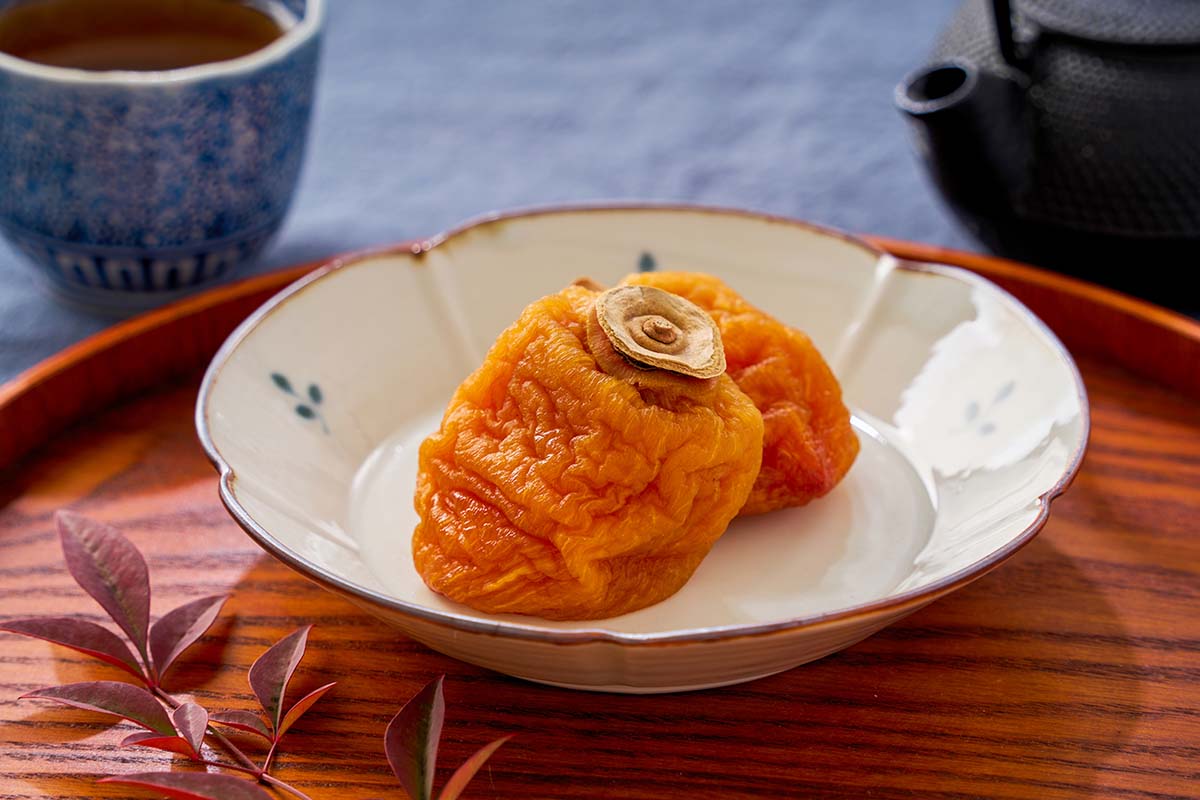
Persimmons (Kaki)
Walk through any Japanese residential neighborhood in October and you’ll see persimmons hanging from trees like small orange lanterns. At their peak — soft, honey-sweet, and almost translucent — they are eaten fresh, or dried into hoshigaki, a labor-intensive delicacy from Nagano and Gifu. Find them at any morning market or department store basement (depachika). Buy and eat immediately.
November: The Season’s Last Act
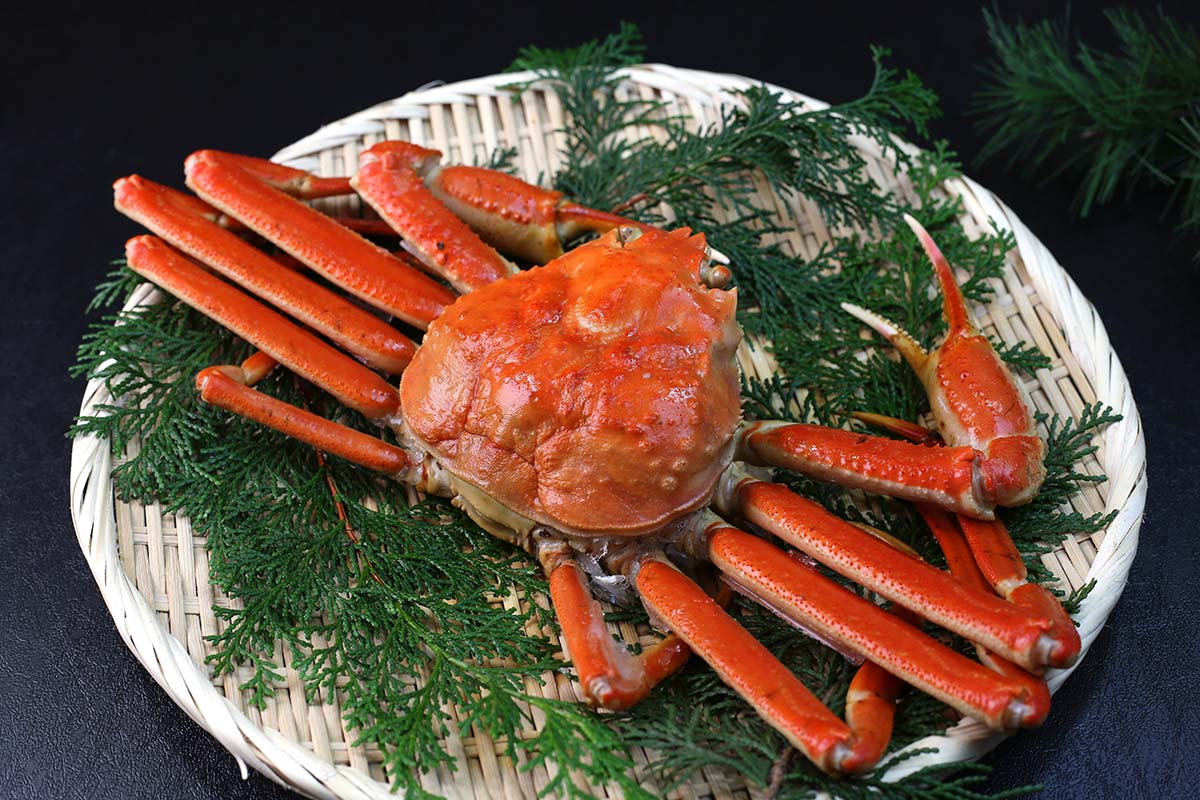
Crab (Kani)
The first of November marks the opening of crab season in the Sea of Japan — specifically snow crab (zuwaigani) and the prized king crab (tarabagani). The western coast cities of Kanazawa, Tottori, and Hamasaka become pilgrimage destinations for Japanese food lovers from across the country. A full crab kaiseki dinner — boiled, grilled, and in hotpot, all from one creature — is the kind of meal that reorganizes your understanding of seafood.
Where to find it: Kanazawa’s Omicho Market; the Kinosaki Onsen region in Hyogo; Tottori’s Karo port.
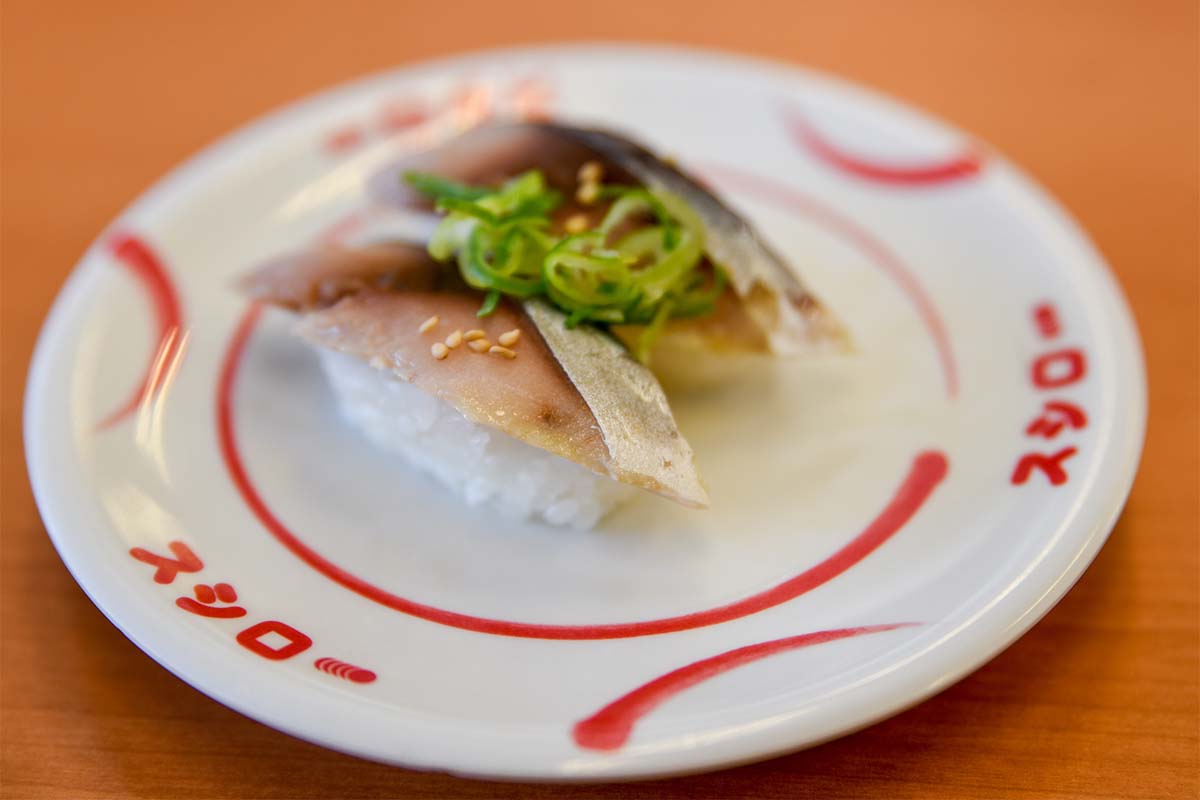
Autumn Mackerel (Saba)
Mackerel is available year-round, but November’s Pacific mackerel — fat from a summer of feeding — is a different fish entirely. Cured in salt and vinegar as shime saba (pressed mackerel sushi), it is a staple of autumn omakase menus in Tokyo and Osaka. At a good sushi counter, ask if they have it in season. The answer in November is almost always yes.
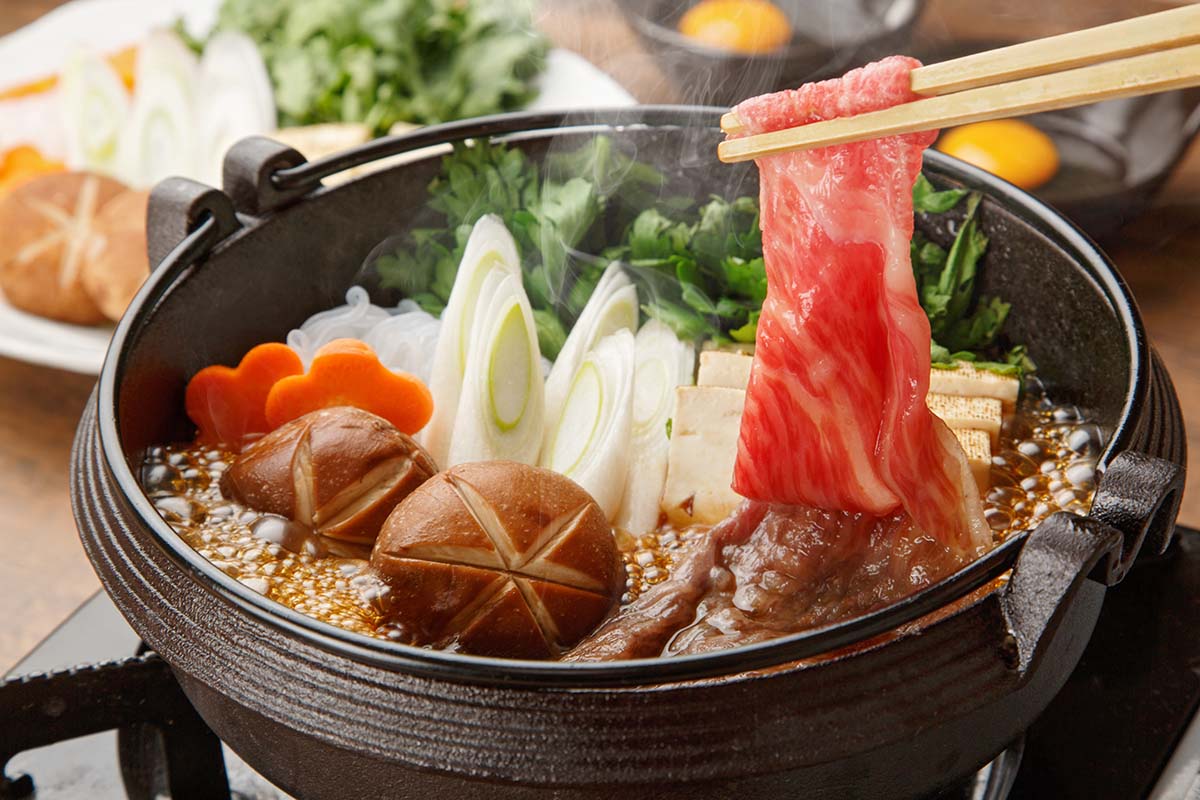
Hot Pot Season Begins (Nabe)
By mid-November, the temperature drops enough that nabe — Japan’s communal hot pot tradition — moves from occasional to essential. Chanko nabe (the sumo wrestler’s stew), shabu-shabu, sukiyaki, yudofu (Kyoto’s pure and delicate tofu hot pot) — each region and restaurant has its own version. Eating nabe with a group around a single pot, in a small restaurant while rain hits the window outside, is as Japanese an experience as the country offers.
Three Rules for Eating Seasonally in Japan
Ask what’s in season. Even without Japanese, the words ima no kisetsumono — “what’s seasonal right now” — will earn you respect from any chef or market vendor and usually produce the best thing on offer.
Eat in the depachika. The basement food halls of Japanese department stores are the most concentrated expression of seasonal Japanese food culture in the country. Budget an hour and go hungry.
Trust the prix fixe. At mid-range to high-end restaurants, the set menu (omakase or teishoku) will almost always reflect what’s at peak. Ordering à la carte risks missing what the kitchen is most excited about.
Japan’s autumn table is set only once a year. Don’t wait for spring.