
A Makati tailoring house built on sixty years of craft — and an eye for the kind of style Japan understands.
The story of Tiño Suits begins not in 2012, when the business was formally established, but in the 1960s, when a young man named Nap left Surigao for Manila to begin his apprenticeship as a tailor. By the 1990s he had gone further — to Italy, where he refined his craft before returning to build his own house. Today, Sir Nap is regarded as a maestro of Philippine tailoring, and it is his decades of knowledge that sit beneath everything Tiño does. When founder Eilene Ramirez describes the business as one built around “a relationship between the client, the maker, and the object being created,” that maker has sixty years of practice behind him.
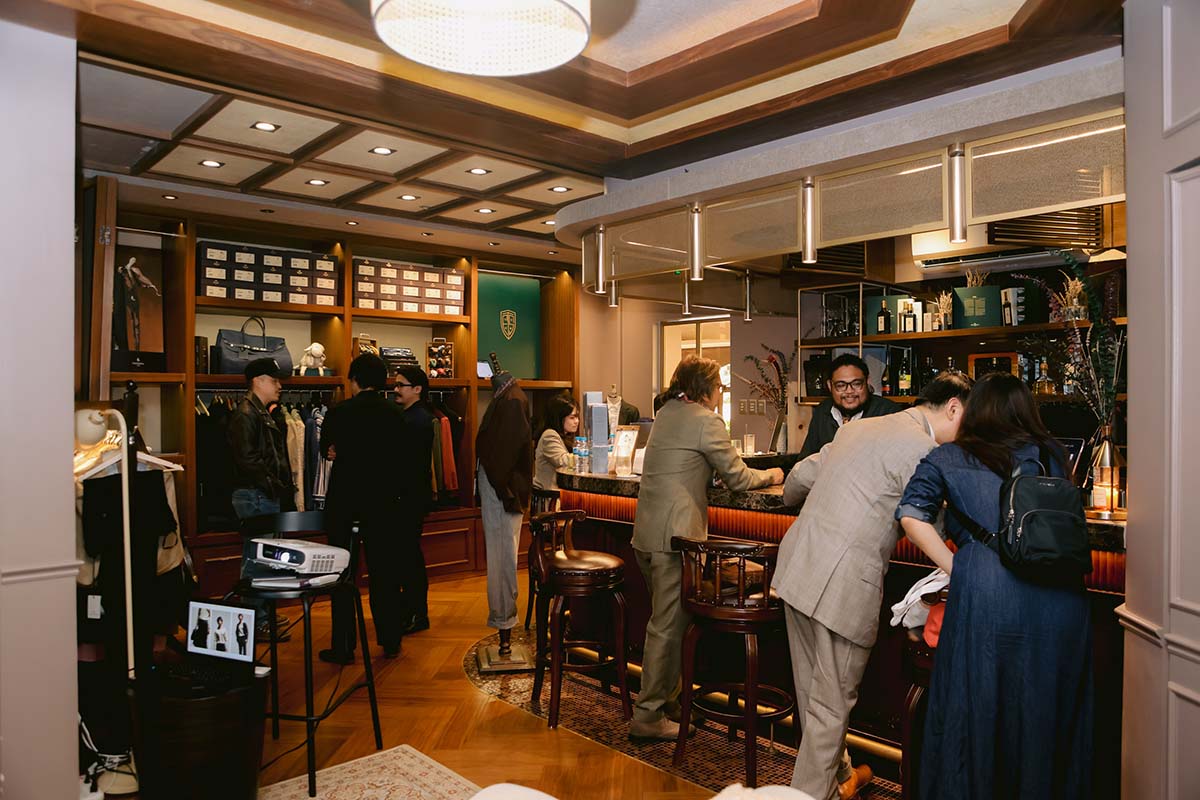
What began as a bespoke tailoring house has since grown into something broader — Tiño Group, a curated enterprise that now includes manufacturing, retail experiences, and a small selection of international brands chosen with the same logic applied to every garment it produces.
The Tiño client, as Ramirez describes him, is not defined by income bracket or profession. “He is someone developing a more intentional relationship with the things he owns.” Some arrive already fluent in fabric weight and shoulder construction. Others come with an occasion and an instinct. The tailoring process, she explains, requires understanding not just a client’s measurements, but how he lives, works, and travels. That same attentiveness shapes which brands earn a place in the showroom.
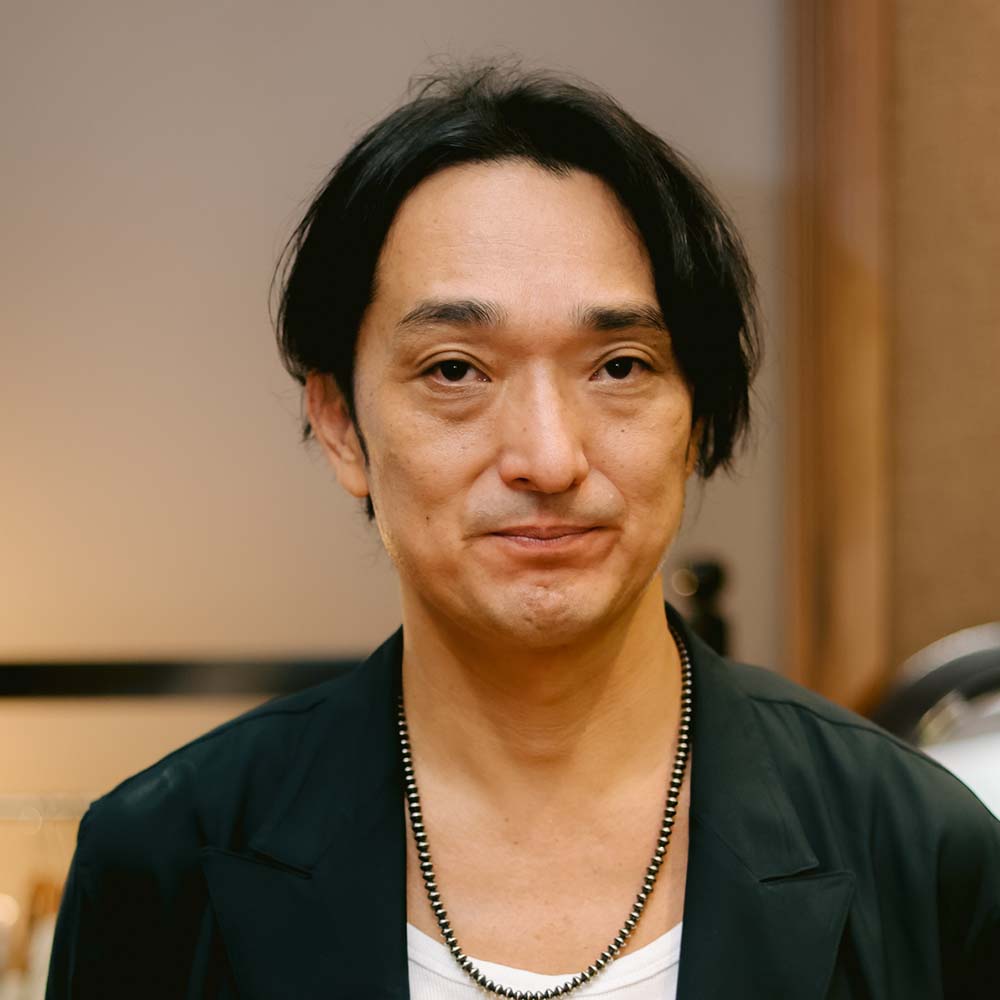
“[Filipinos] are eager to enjoy fashion. Sometimes even more so than customers in Japan.”
Kozo Kawamura, Director and Founder of Colony Clothing
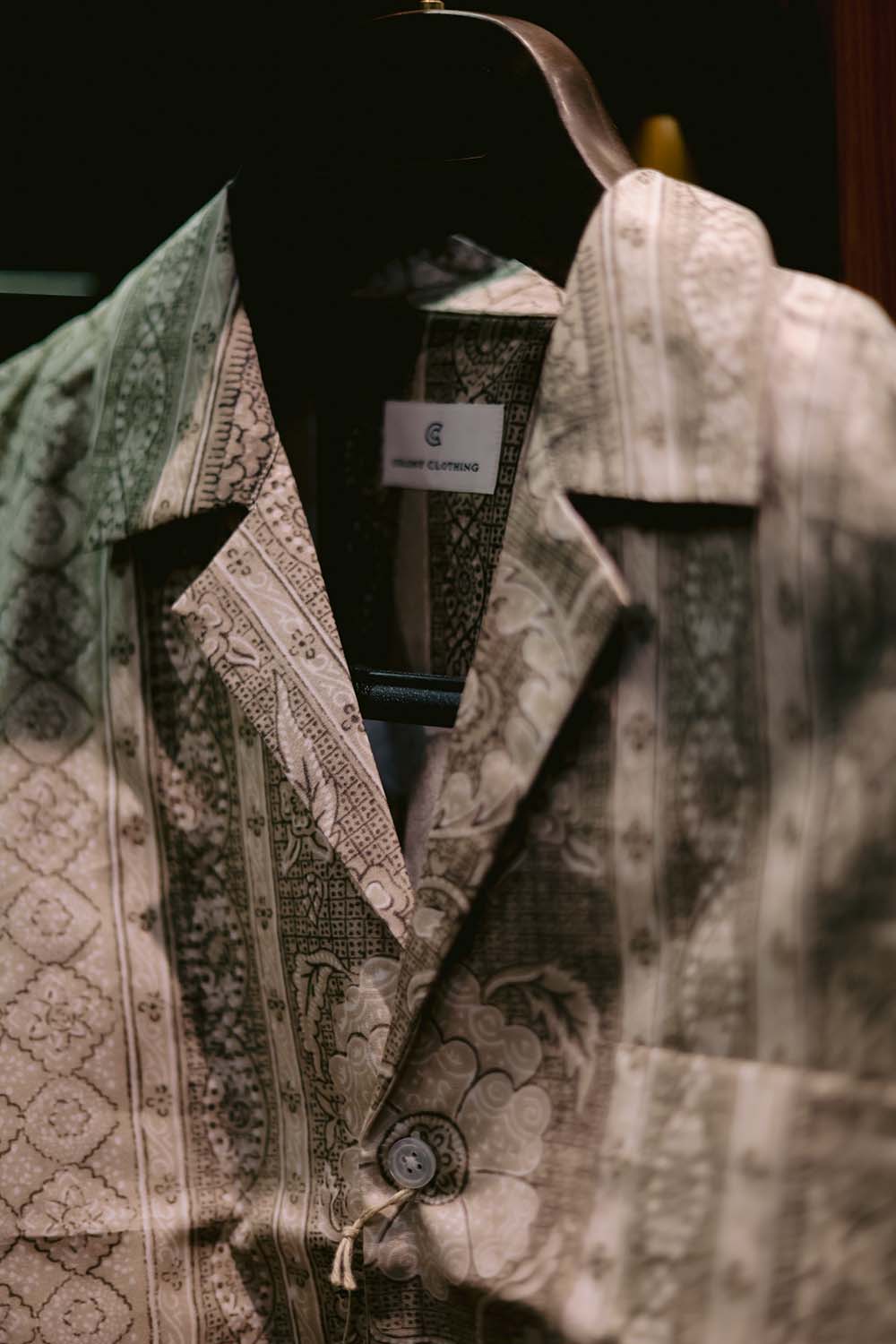
Among them are three labels with strong Japanese roots. COLONY CLOTHING, founded by Japanese designer Kozo Kawamura and headquartered in Singapore, brings what Ramirez calls an ability to make refined clothing feel relaxed. “There is discipline in the selection of fabrics, proportions, and details,” she says, “yet the clothes remain easy to wear.”
For Manila — a city where a man’s day can move from a boardroom to a dinner terrace without pause — that balance is not incidental. It is the point. Kawamura has found that Filipino clients respond with genuine enthusiasm. “They are eager to enjoy fashion,” he says, “sometimes even more so than customers in Japan.”
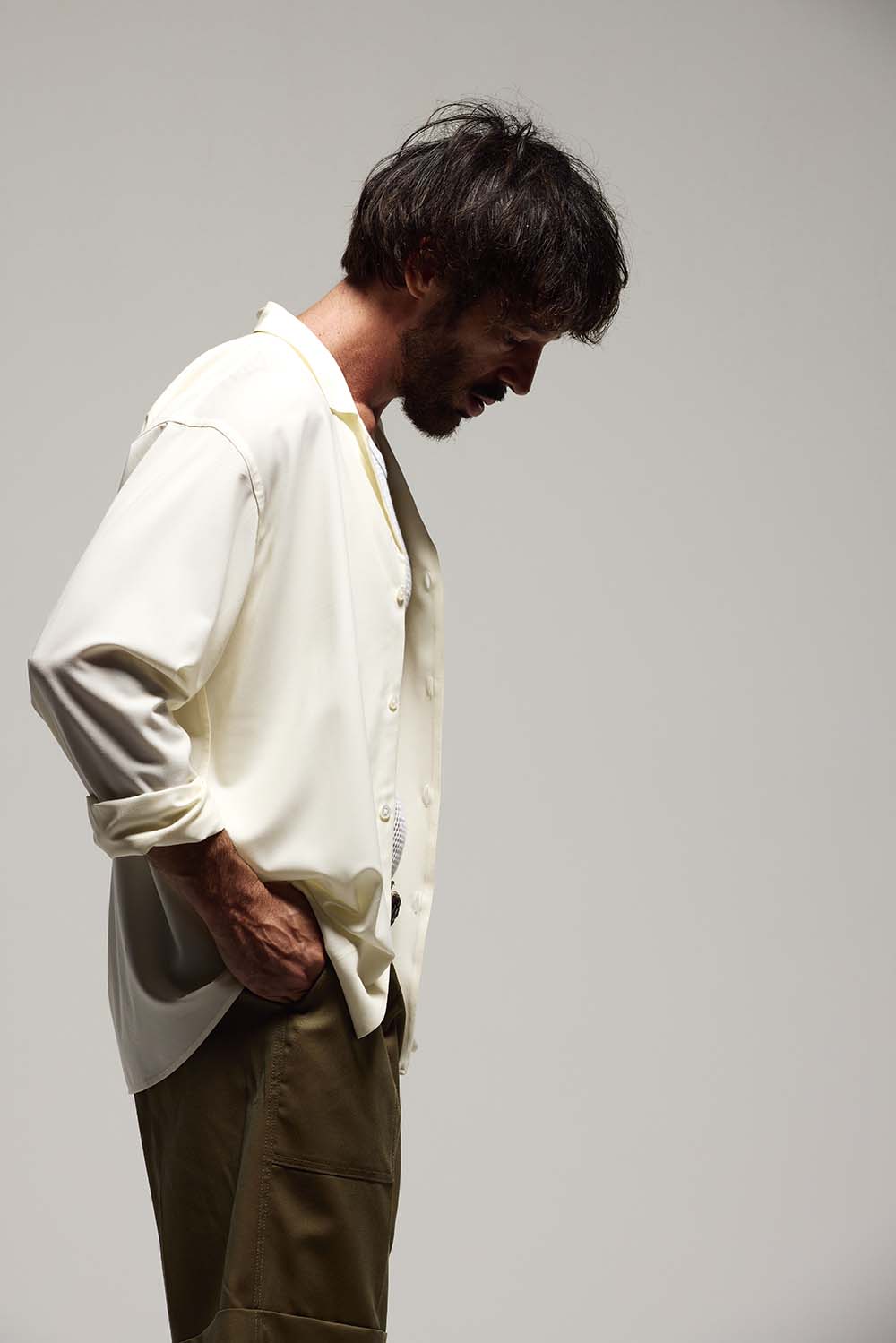
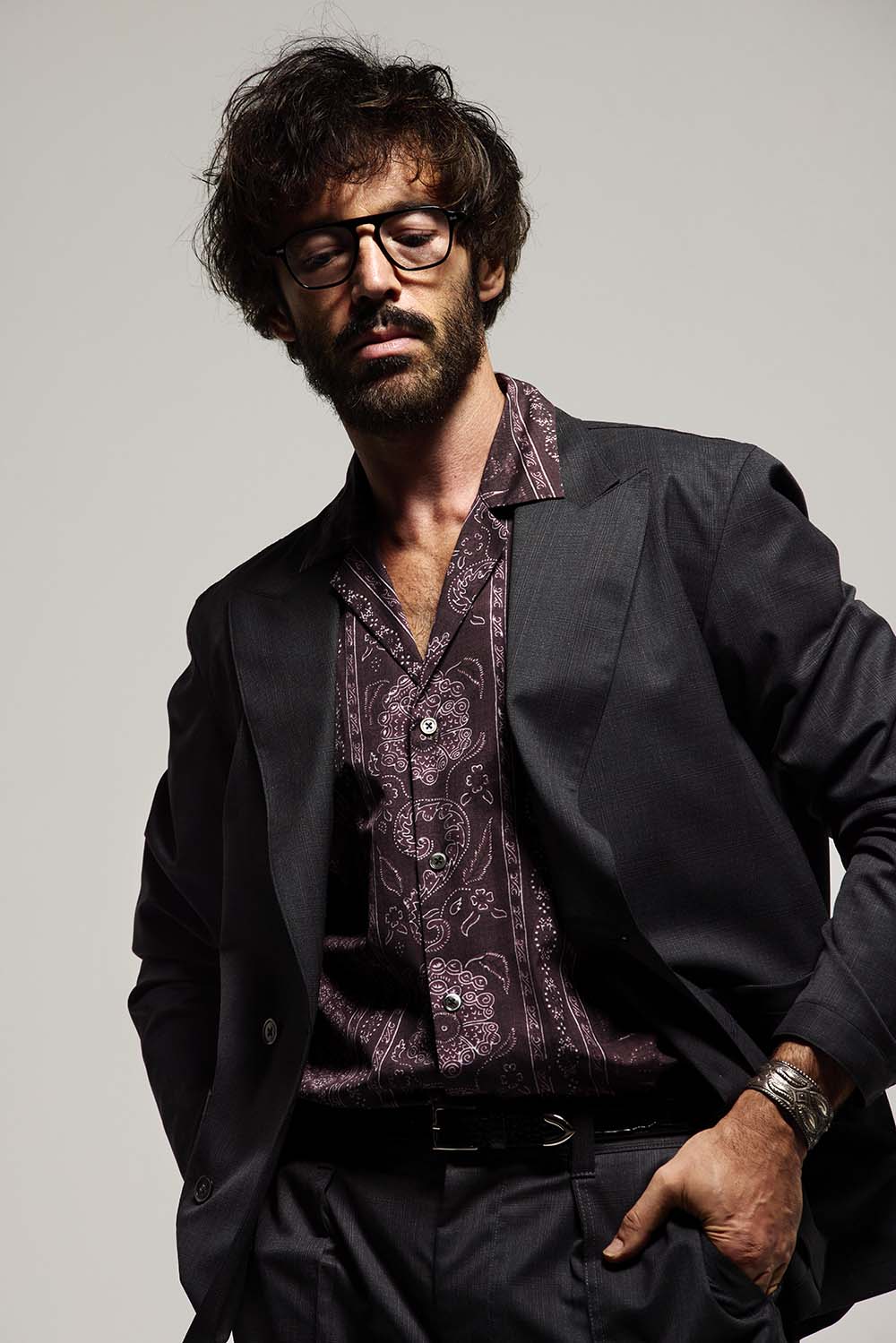
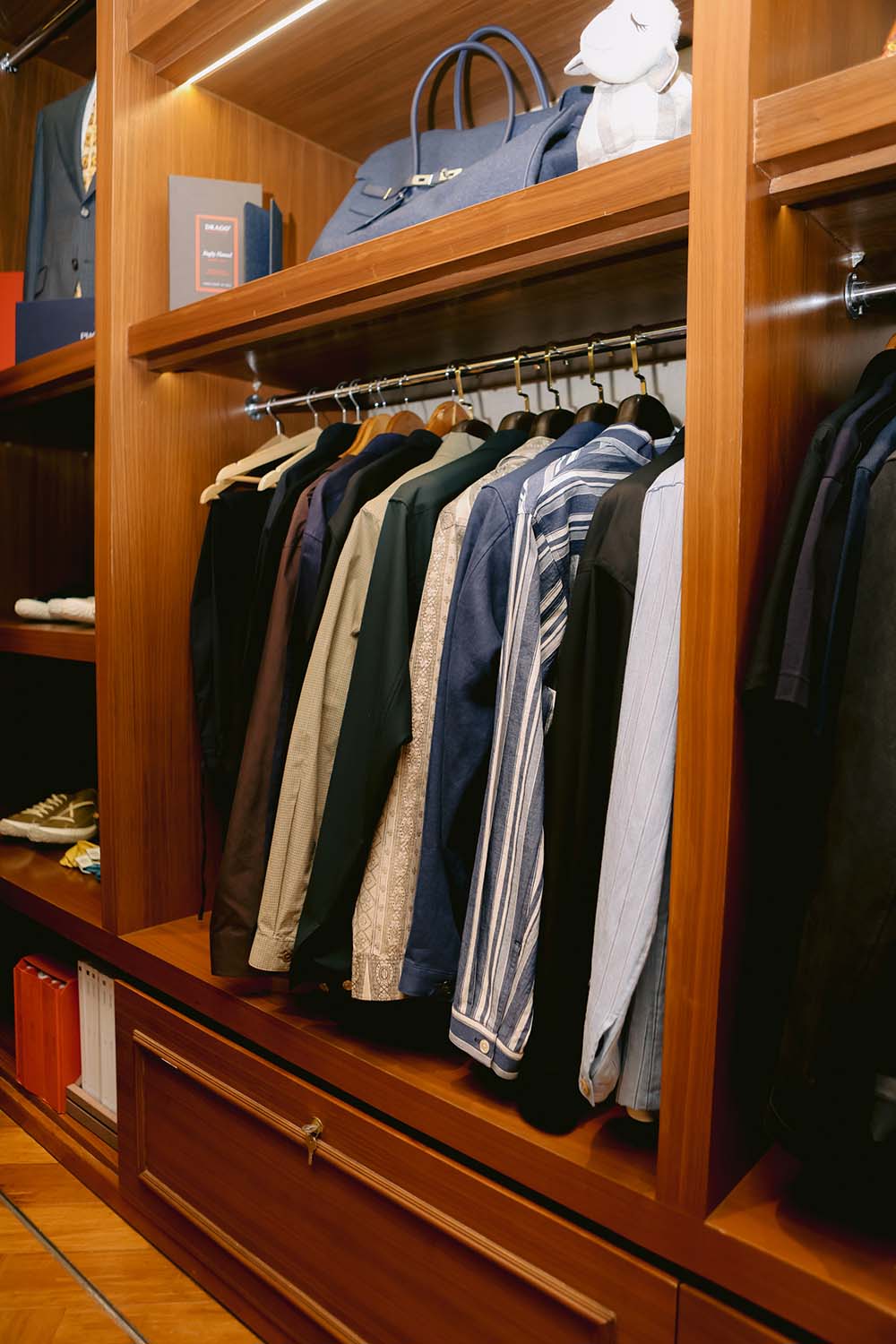
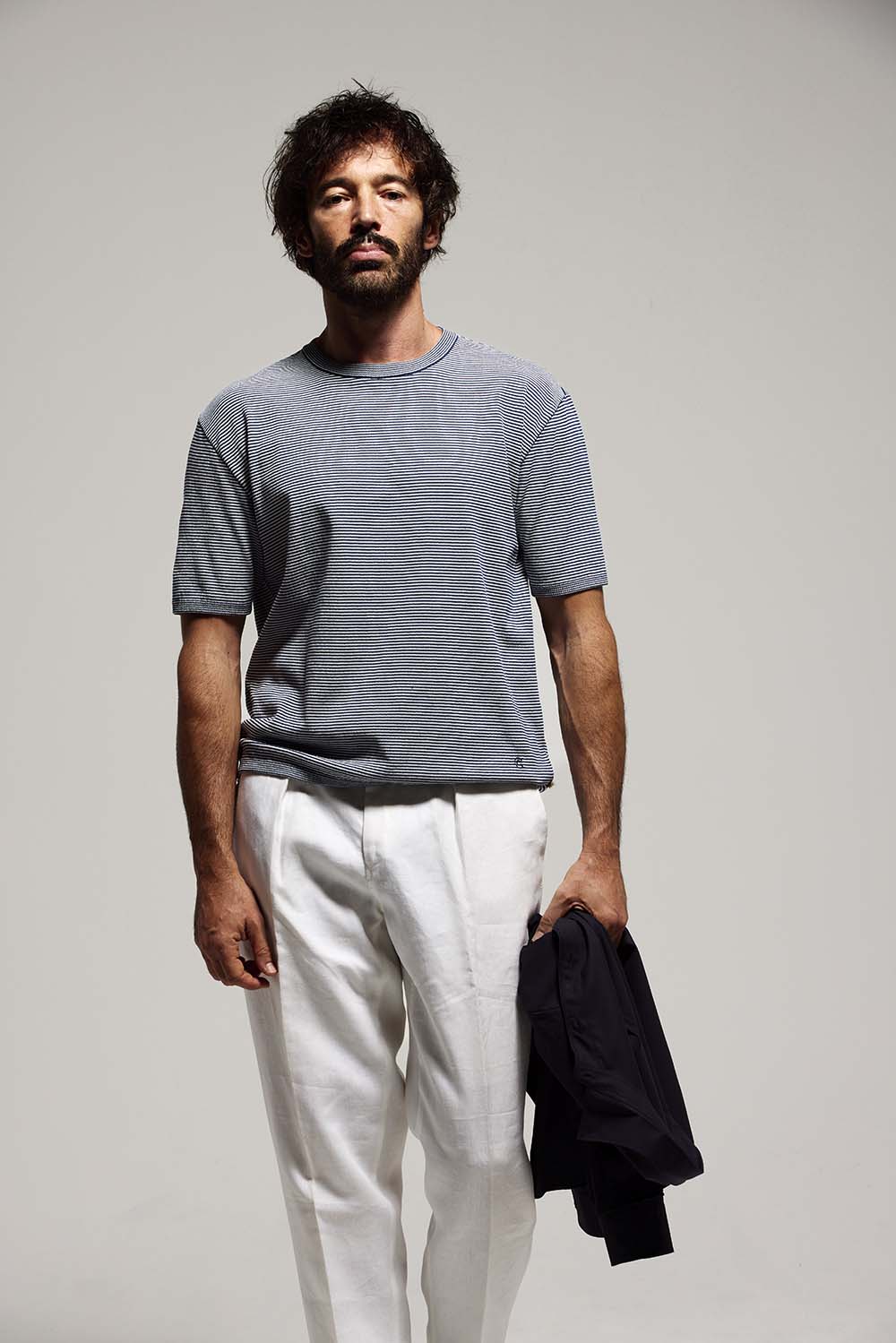
The showroom extends further into Japanese craft through footwear from Spingle — handmade in Hiroshima using a vulcanization process carried across ninety years of factory history — and socks from Nishiguchi Kutsushita, a Nara-based maker founded in 1950 whose guiding principle is simply thinking of the person who will wear the product.
Ramirez is deliberate about not expanding simply to expand. “We are not interested in bringing in products simply because they are international or prestigious,” she says. “They must contribute something meaningful to the market and to the lives of our clients.” The Japanese brands she has brought in share a particular quality: they are made by people who take the long view, who refine rather than reinvent, and who understand that trust between a maker and a wearer is built slowly.
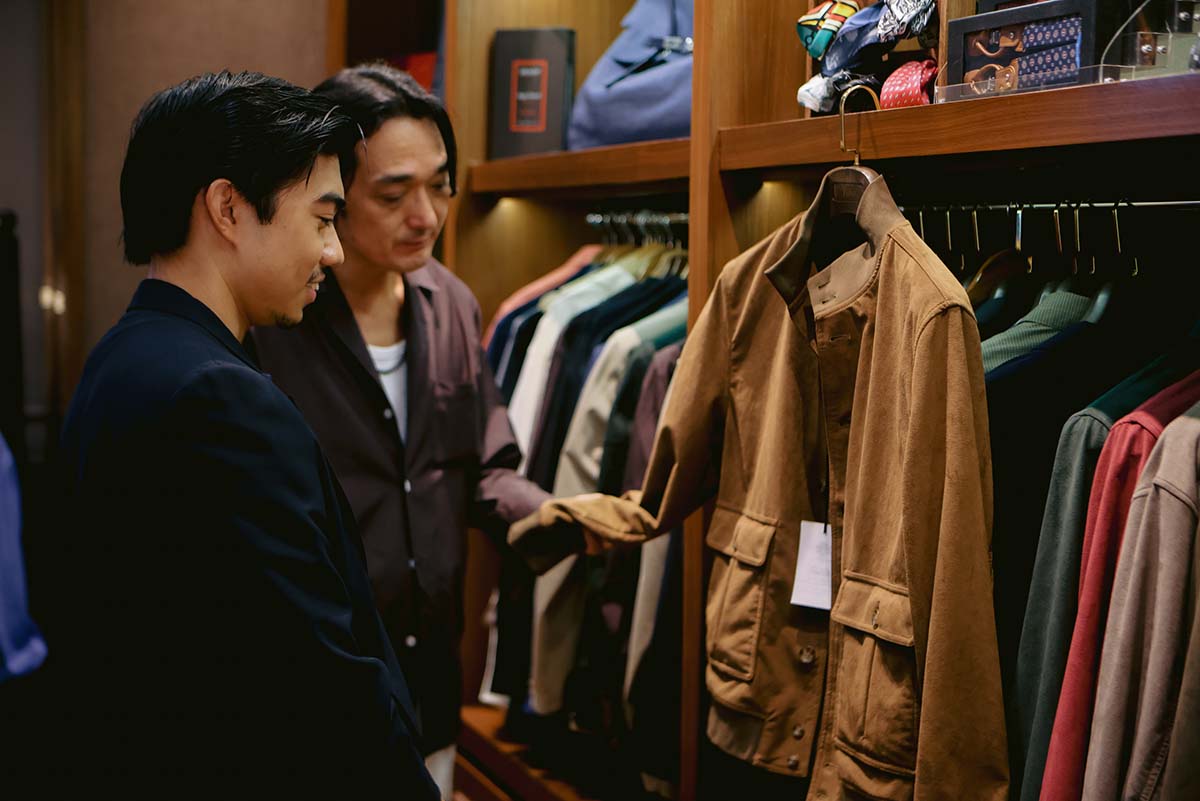
For Japanese professionals based in Manila — accustomed to a level of craft that is often difficult to find abroad — Tiño offers something genuinely useful: a place where that standard has already been applied, and where the things available have been chosen with the same care most would apply themselves.