

How Pipatchara and UBE turned discarded fishing nets into a material for every industry
When Thai fashion brand Pipatchara partnered with Japanese materials manufacturer UBE, the collaboration brought together two seemingly different worlds: contemporary fashion and industrial materials innovation. What united them was a shared belief that waste could be transformed into something valuable, and that the journey of getting there matters as much as the destination.

The project, which turns discarded fishing nets into recycled nylon products, began more than two years before its public launch. UBE made the first move, reaching out to Pipatchara co-founder Pipa well before development started. At the time, even she described the idea with a word she now uses almost proudly: impossible.
“Both of us were really keen to make it happen,” she recalls. “Even though back then I used the word impossible.”
Used fishing nets present numerous technical obstacles. Their colors shift with age and exposure to saltwater, and the recycling process can restrict the range achievable. Pipa pushed early for a material that would remain fully recycled while still offering a meaningful color range. For months, the answer was discouraging: only dark colors were reliably achievable, since lighter shades proved difficult to produce without compromising recyclability.
“That was my point,” Pipa says. “If we wanted to work together, this was the task, a big task for UBE. The masterbatch itself had to be recycled too, to change the color.”
After roughly six to seven months of development, both teams achieved a genuine breakthrough: five distinct colors, all fully recycled. The result was a material Pipatchara now calls Aqua, a deliberate rebranding that reflects its transformation from industrial waste into something altogether new. “I don’t call it fishing net anymore,” Pipa says. “I call it Aqua.”
For Pipa, the difficulty of the process was never something to minimize. It was part of the point. “Every project is not just about the end goal,” she says. “It’s about what happens along the way.”
“Every project is not just about the end goal. It’s about what happens along the way.”
Pipa
While the collaboration has attracted attention within fashion, Pipa is clear that fashion was never the primary goal. The larger objective was always to demonstrate that discarded fishing nets could find a place across a far wider range of industries: furniture, architecture, interior design, consumer products.
“Fashion is just one thing people will talk about,” she explains. “But what I really want is for interior designers, architects, furniture makers, all of them, to realize that recycled nylon can work in their industry too.”
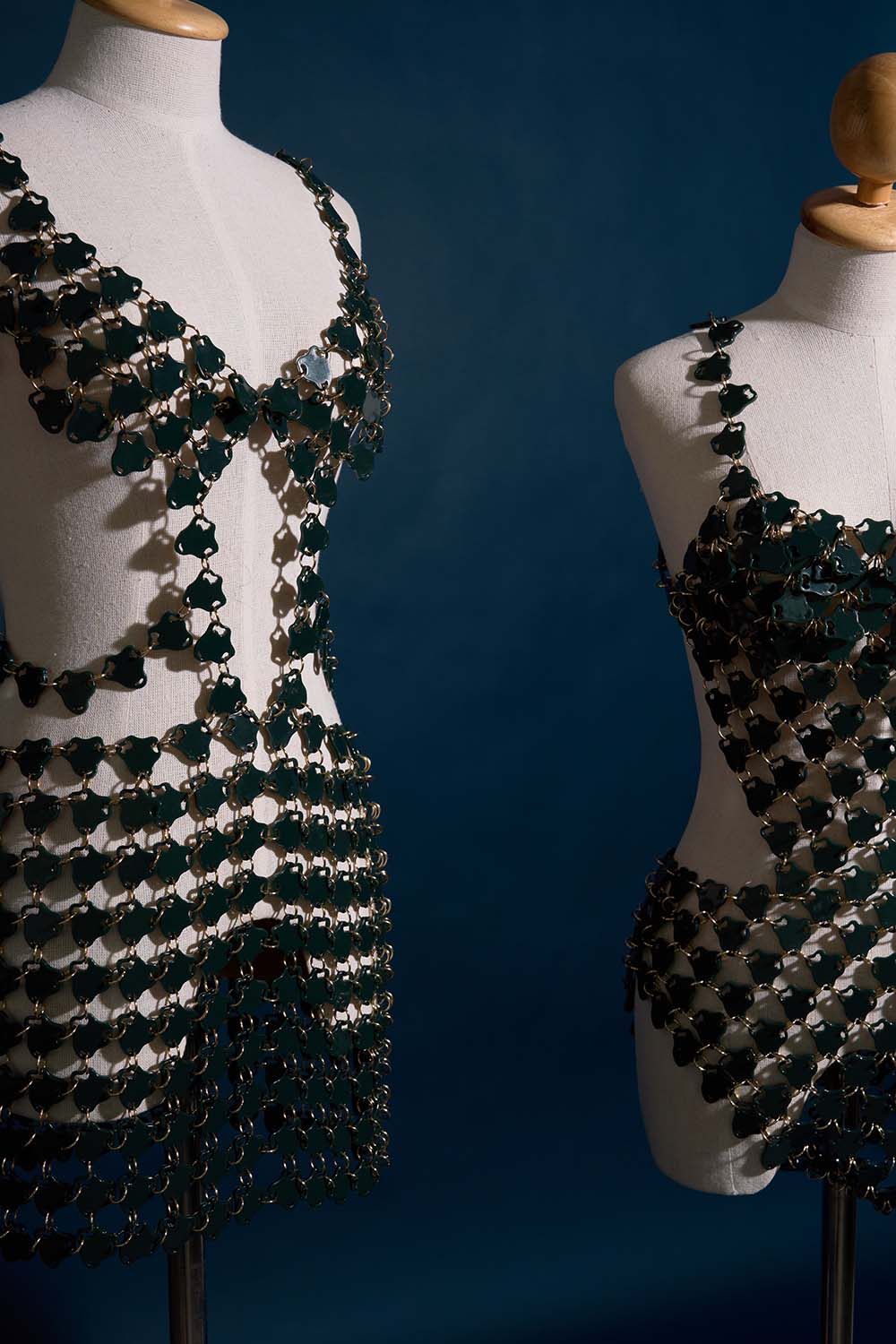
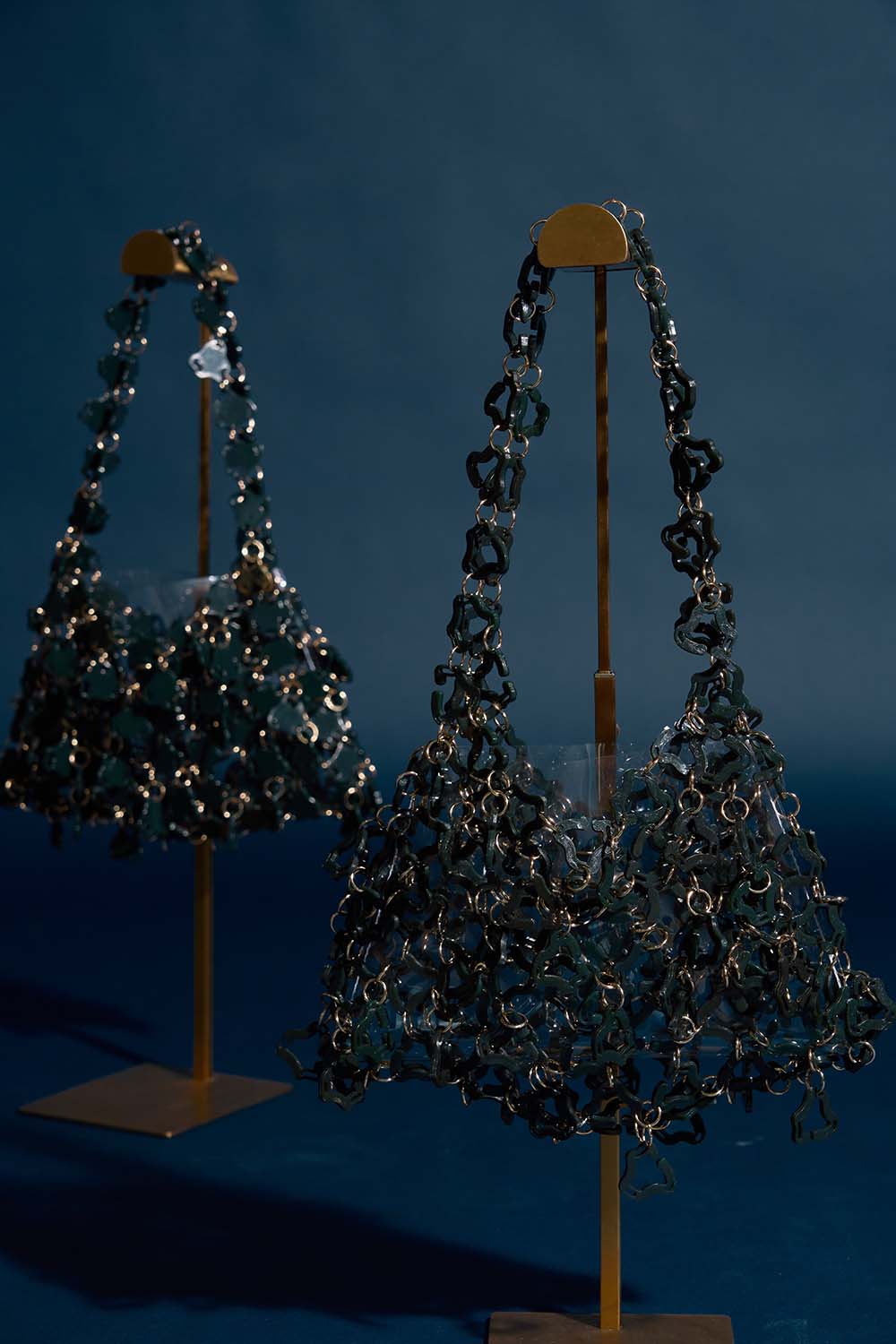
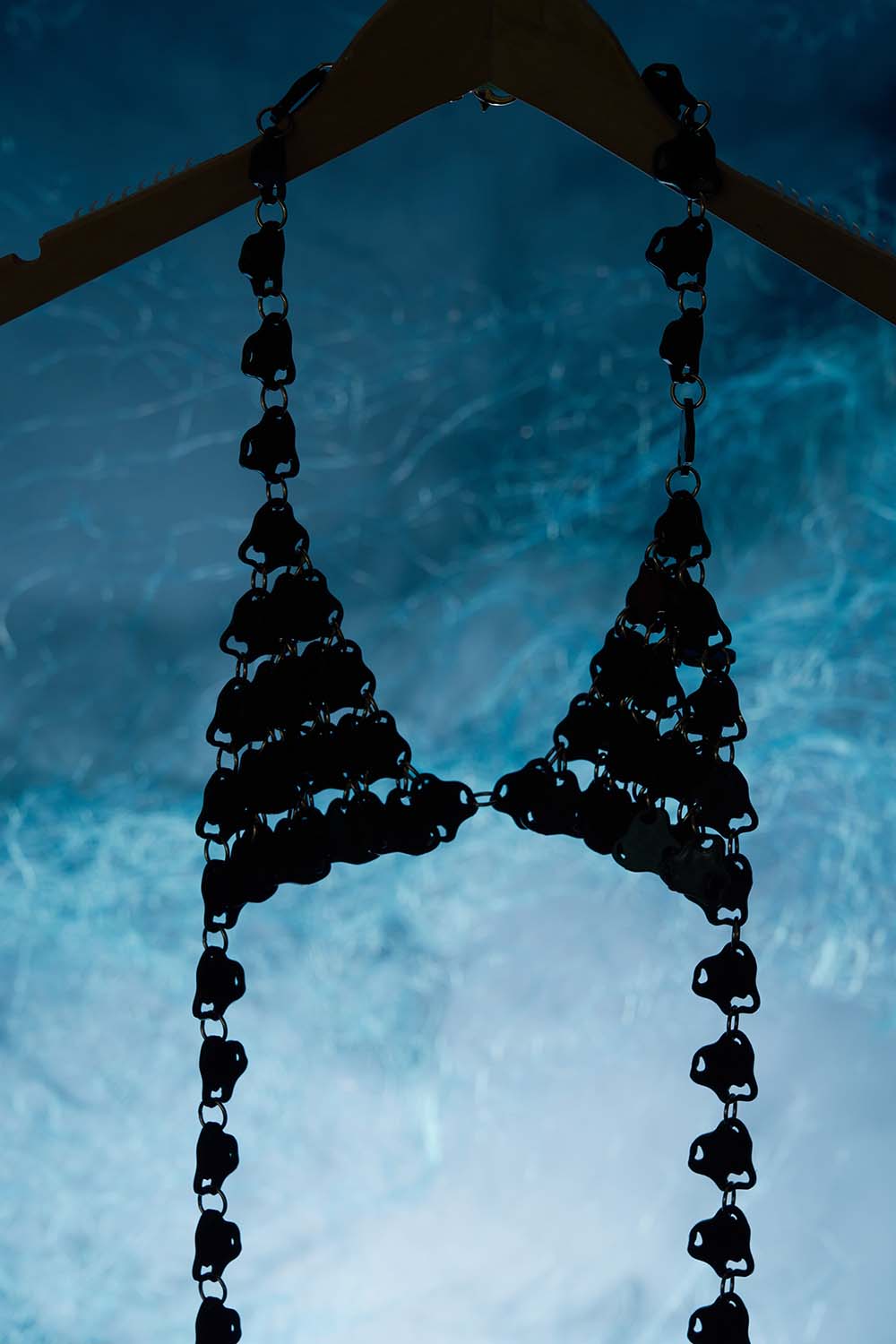

That vision is already taking shape. Pipatchara worked with a Thai real estate developer to build a children’s playground made entirely from recycled material. No explanations were required. People saw the structure and started asking questions. “Nobody can lie about having a product in front of you,” Pipa says. “When people could see it, they started thinking about what they could do with it in their own business.”
Transparency has been just as central as innovation throughout. Pipatchara examined every link in the supply chain: how nets were collected at sea, what percentage of the final material was genuinely recycled.
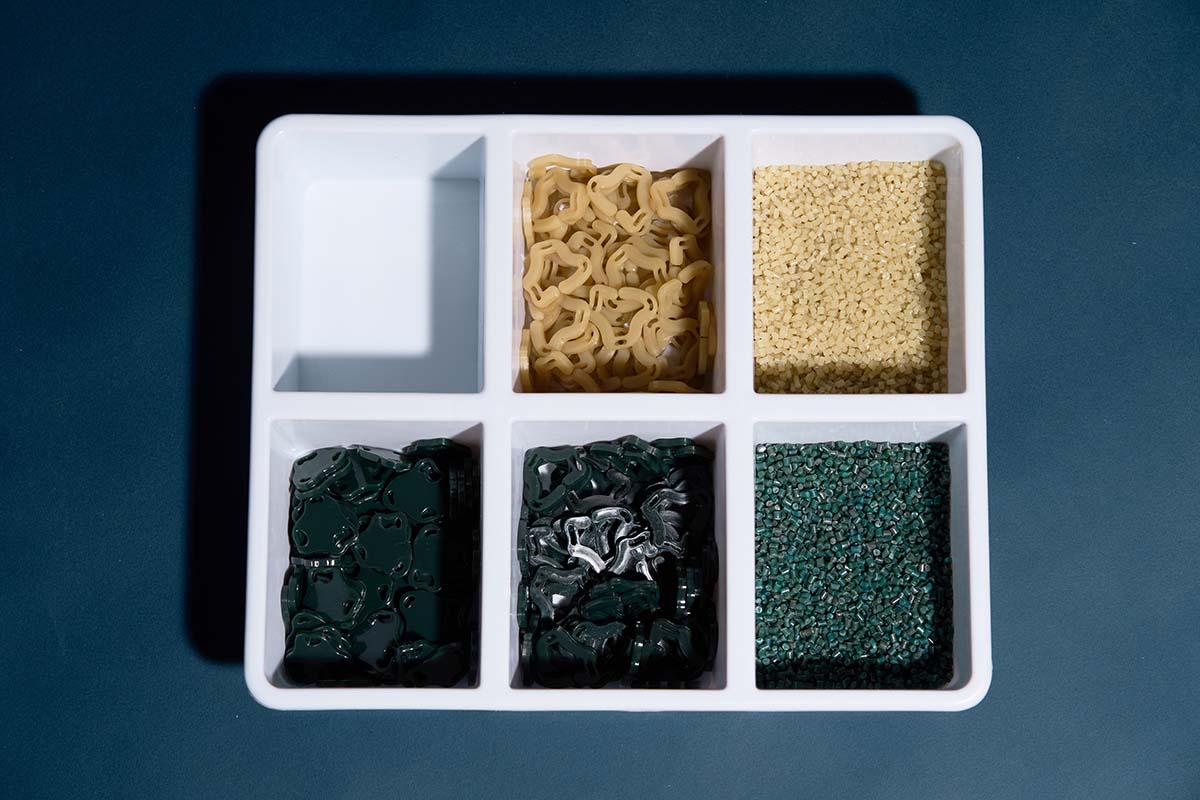
“My sister was asking: have we verified exactly how the nets are collected? Have we checked every percentage of the recycling process? These are things we can account for, and I think that’s what’s really strong about what we do.”
“People want to know the process from zero to one hundred,” she adds. “Not just what you want them to understand.”
For Pipatchara and UBE, the collaboration shows what happens when two industries commit to something that initially seems impossible. The question they are leaving open, intentionally, is who picks it up next.