
Japan is entering a pivotal moment in design and development, as global investment, demographic change, rising costs, tourism and sustainability reshape how the country builds and reimagines space. Across architecture, hospitality and real estate, the most compelling projects balance ambition with a deeper sensitivity to place, community and long-term value.
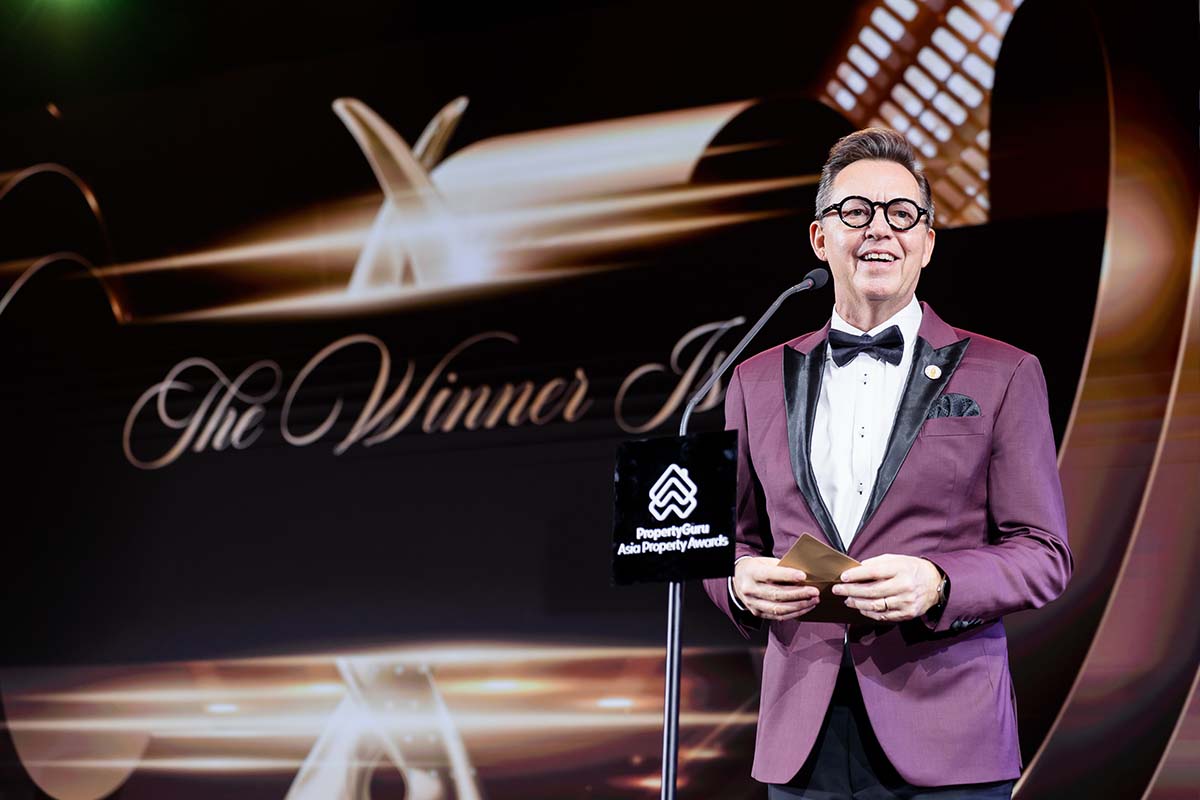
Jules Kay, managing director of PropertyGuru Asia Property Awards and Events, said this is clear in winning developments.
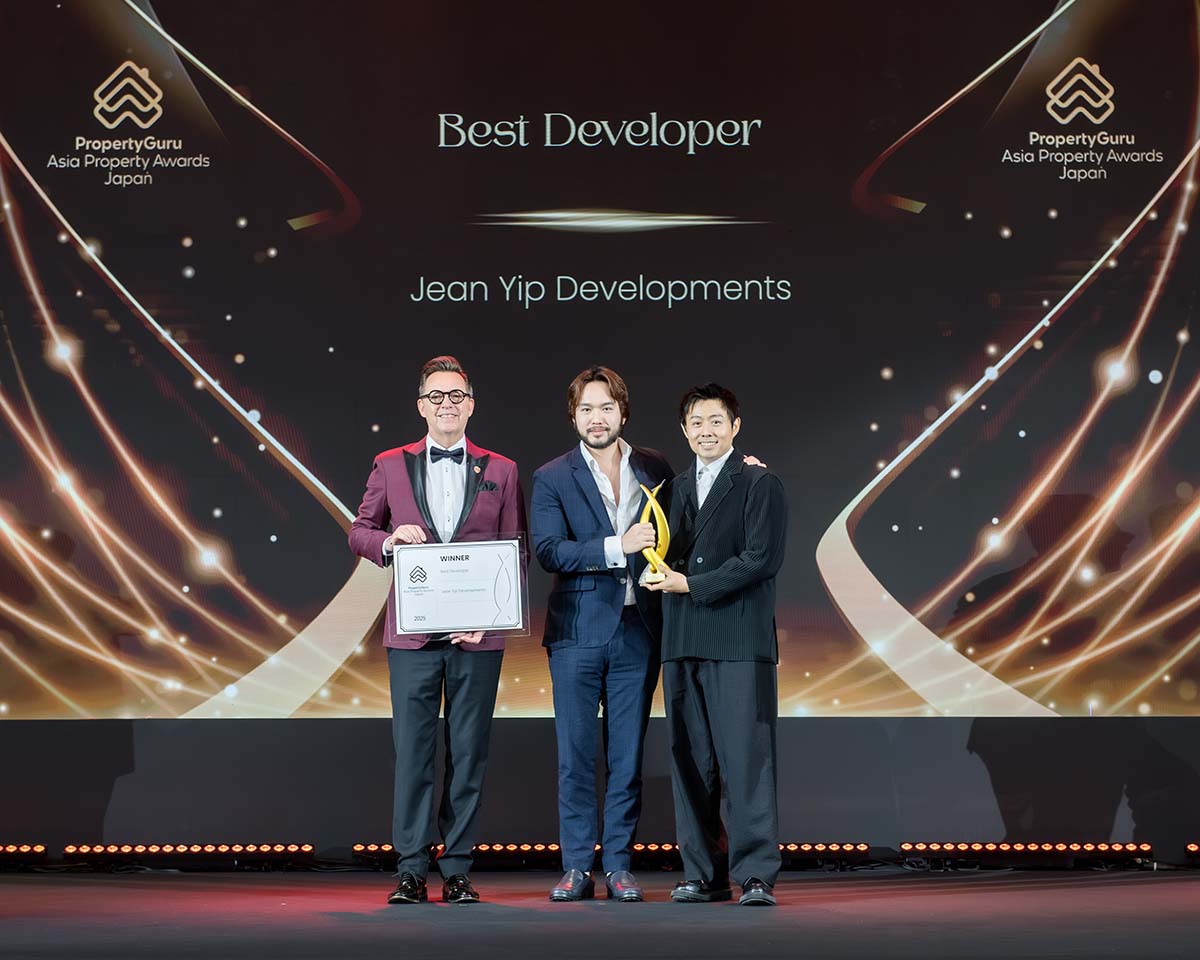
“In 2026, Japan’s development has shifted towards hyper-local, bespoke design and integrated lifestyle living. You can see this in Jean Yip Developments’ dual win for Best Developer and Best Lifestyle Developer—it demonstrates that even affordable condos need to deliver curated daily experiences. K2-Design’s regional projects show the same principle: architecture must respond to nature as much as it does to luxury.”
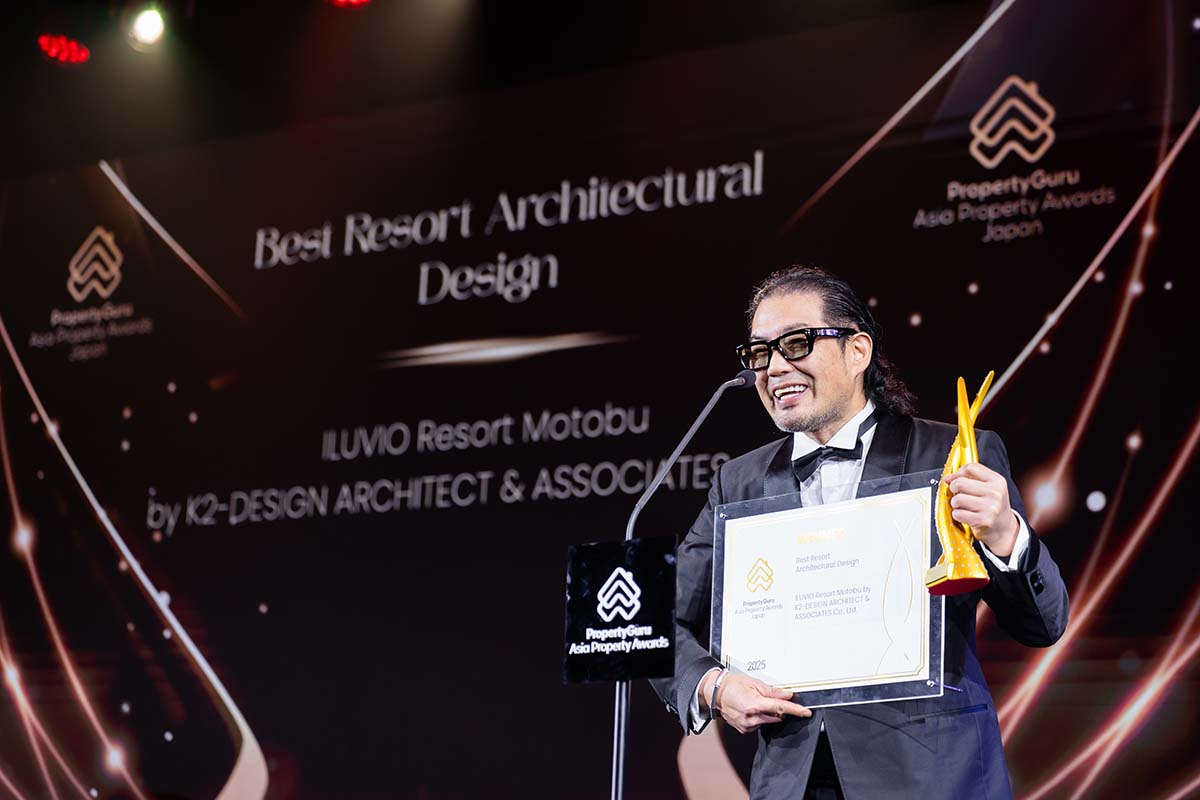
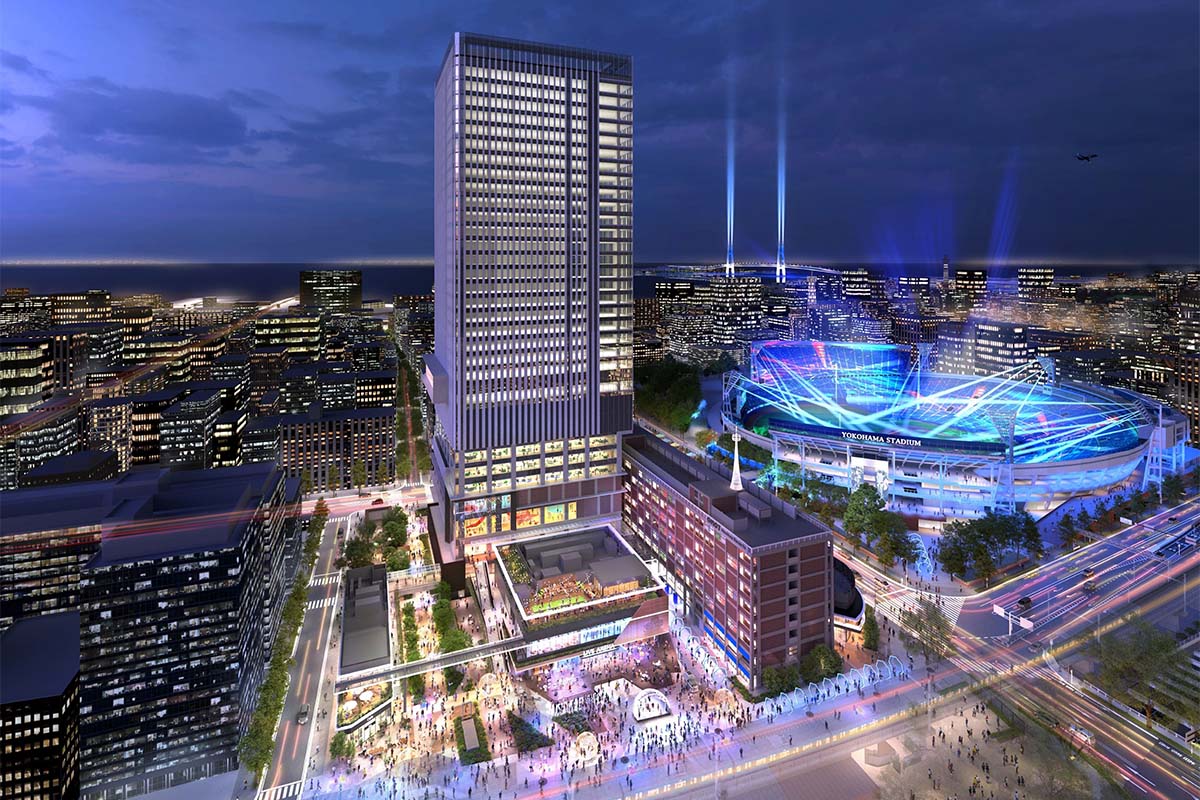
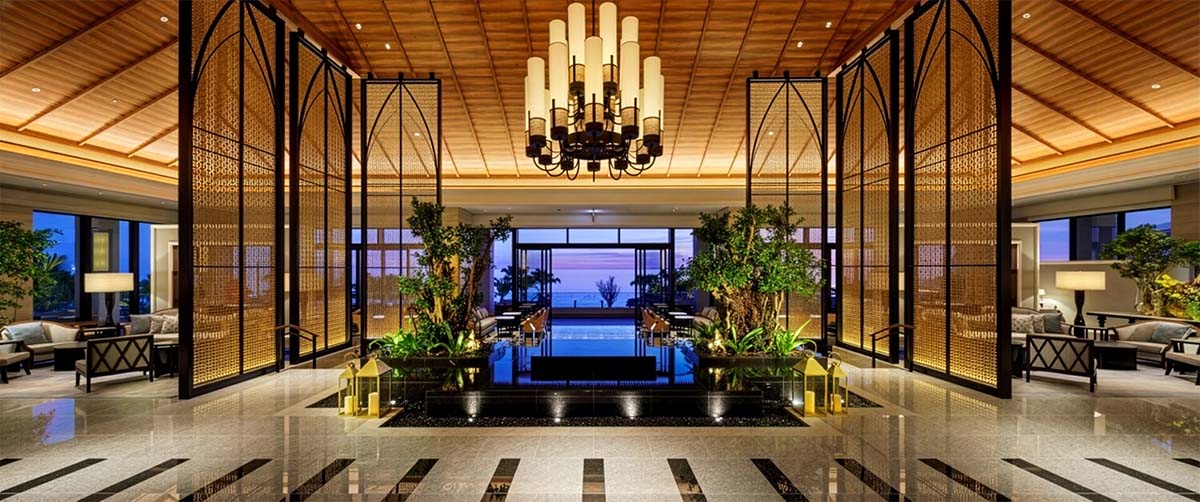
Yokohama Symphostage by Obayashi Corporation, named Best Office Development, and Four Seasons Hotel Osaka by Curiosity, Best Hotel Interior Design, point to a market where design excellence is measured through precision, experience and relevance.
A selective but active market
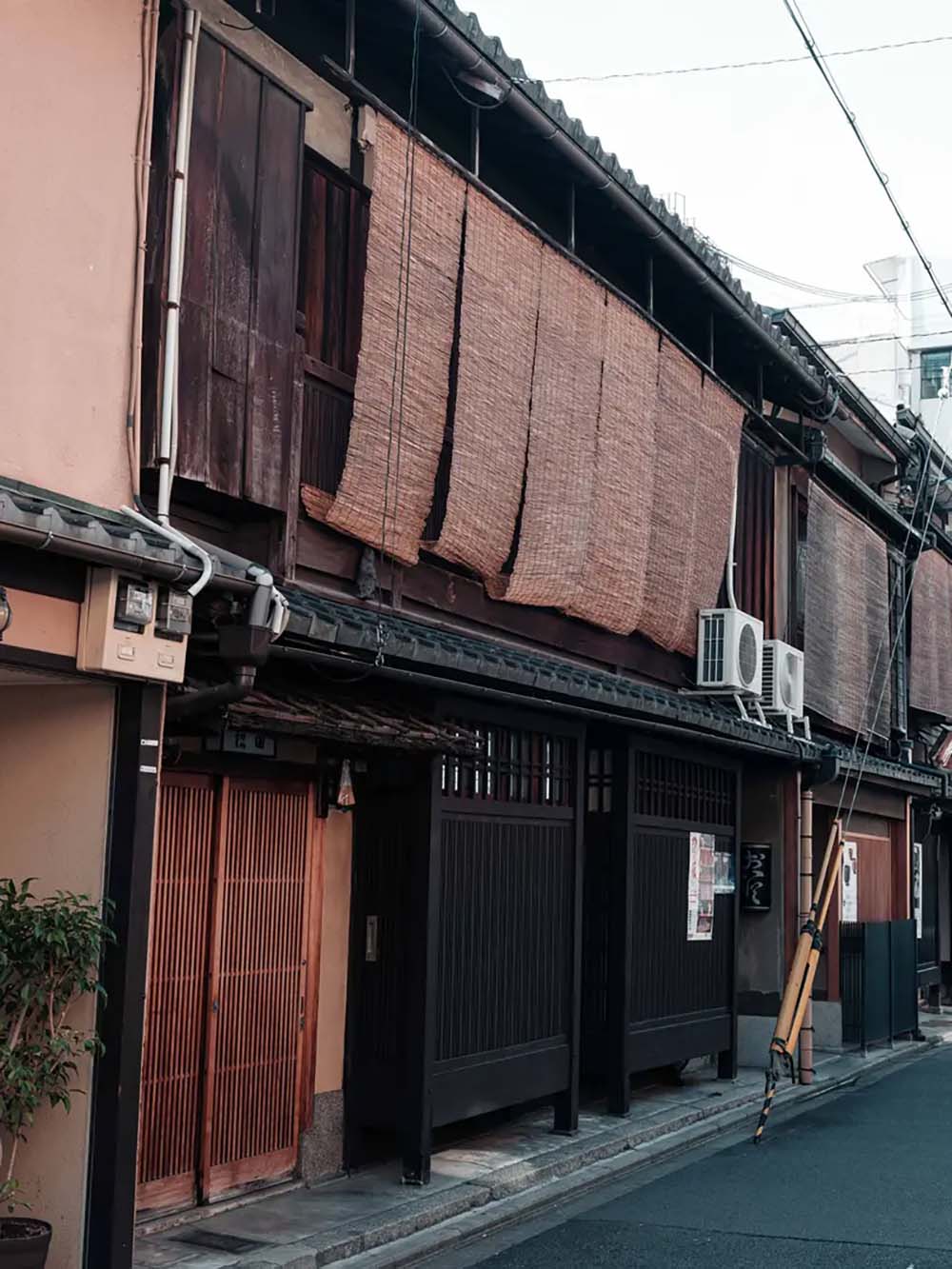
The Japan Association of Real Estate Appraisers sees the market as active yet selective.
“Japan’s real estate market remains on a recovery track overall, though it has seen increasingly selective interest by use type and region. Investment is concentrated in urban redevelopment areas, regions with good transportation access, tourist destinations, and industrial clusters.”
Alan Cadot, founder of Maido Real Estate in Osaka, sees investors looking beyond Tokyo.
“Tokyo’s entry point has become very high. The gap between acquisition cost and realistic yield has compressed to the point where the math is increasingly difficult to justify.”
Cadot sees value in what development overlooks. “Japan has a remarkable heritage that deserves a second life.”
Reuse as design strategy
The growing focus on renovation and adaptive reuse is one of the strongest themes running through Japan’s built environment today. Yasuaki Onoda, president of the Architectural Institute of Japan, said the country is now paying closer attention to how its existing building stock can be managed and used.
“Japan has a lot of building stock, including good buildings and not-so-good buildings. Society is now focusing on how we can manage these buildings and how we can develop a methodology for using them properly.”

For Anton Wormann, founder and CEO of Anton in Japan and Japandi Houses, renovation is not just a market response. It is a design philosophy rooted in memory.
“It’s fundamental to what we do. Renovation allows you to work with what already exists, not just the structure, but also the surroundings and the story of the place. Of course, structurally it’s not always possible to preserve everything, but from a character perspective, it’s something we always try to maintain and build on.”
Florian Busch, founder and owner of Florian Busch Architects, places this within a deeper Japanese understanding of impermanence.
“Impermanence and sustainability are not opposites. Change is a natural part of our existence.”
His work, including Vertical Landscapes and Warehouse 3 in Otaru, explores how buildings and cities can evolve without losing their character. In that sense, sustainability is not only about permanence, but adaptability.
Global capital, local intelligence
Japan’s ability to balance international demand with local identity is also shaping the market. For Franck Giral, founder and CEO of ABD Architecture LLC, Hokkaido continues to show strong potential.
“Niseko remains our core market, while Furano is an emerging alternative with its own distinct appeal. Furano tends to attract a more domestic audience, whereas Niseko continues to draw strong international interest. Together, they highlight the broader potential of Hokkaido for property development.”
ABD Architecture, a Japan-based architecture and project management firm led by licensed first-class architect Giral, works largely with foreign and Western investors. Its value lies in translating Japan’s regulatory, construction and approval systems for international clients.
“Our clients are primarily foreign and Western investors. With a Western mindset, full bilingual fluency, and 1st Class Architect qualifications in Japan, we bridge the gap between clients and the local system—builders, authorities, and approvals—making the process simple and transparent. That is our core added value.”
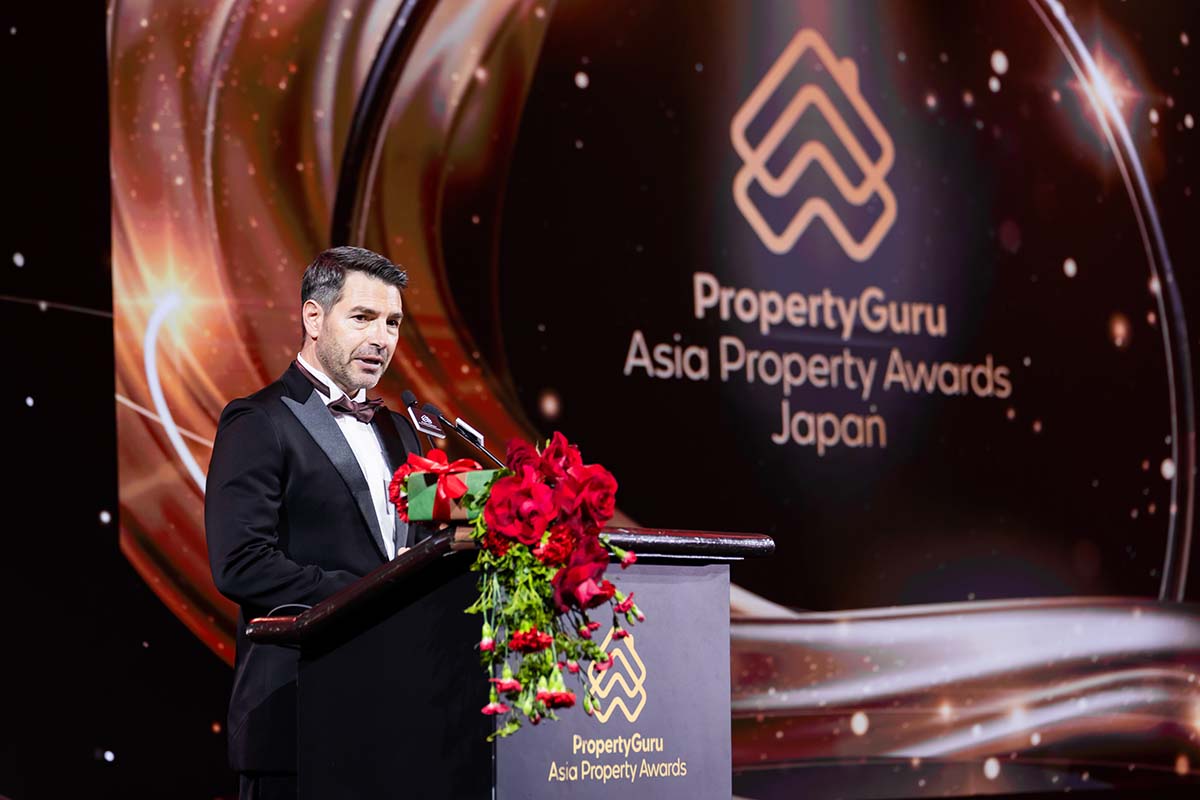
Eddie Guillemette, CEO of MnK Niseko and chair of the PropertyGuru Asia Property Awards (Japan) judging panel, said the resort market remains resilient, though buyers are becoming more strategic as new development grows more complex.
“Overall, demand remains strong for well-priced properties. With new residential developments in Niseko, we are seeing more institutional investors, Japanese developers and Japanese buyers entering the market with the aid of domestic financing. For international retail buyers, the combination of construction price increases, tighter building regulations, and infrastructure challenges, has made existing properties look more attractive than they had in the past. ”
For MnK, which is celebrating 10 years of its real estate business, the opportunity extends beyond transactions. The group’s integrated model links real estate, property management and hospitality to create long-term value.
“I think you can only create lasting value when your interests are aligned with your clients.”
Experience as the new differentiator
In hospitality, Yoshiharu Hoshino, CEO of Hoshino Resorts, said Japan has moved away from the imported Western design models that shaped the bubble era.
“In the 1980s, during the previous bubble economy, the prevailing trend was to import Western influences, which proved to be unsustainable. Amidst the current acceleration of investment in the tourism industry, we are seeing the emergence of many modern designs that reflect both Japanese identity and local character.”
Hoshino said differentiation is now harder to achieve through physical infrastructure alone.
“At the same time, we have entered an era where differentiation through physical infrastructure alone is difficult; there is now a growing need for spatial design conceived from the starting point of unique service experiences.”
That thinking is visible in projects such as HOSHINOYA Nara Prison, OMO7 Yokohama, KAI Kusatsu and OMO5 Tokyo Otsuka, where compact rooms, heritage architecture and local experience become part of the design strategy.
Astrid Klein and Mark Dytham, co-founders of Klein Dytham architecture, also see Japan as a place where long-term client relationships allow ideas to develop with depth.
“What is interesting in Japan is that you can keep these long relationships with clients. We have worked with Hoshino Resorts for over 20 years and with Tsutaya for almost 20 years. Somehow in Japan, you can maintain these really nice relationships.”
Their work resists formula-driven design.
“We pride ourselves on designing things that are not made from a recipe. We work with the client and try to do something iconic, something that stands out, something fresh, new and always different. We do not have a recipe book as such, but we have a spirit in our work and we let each project evolve itself.”
“In 2026, Japan’s development has shifted towards hyper-local, bespoke design and integrated lifestyle living.”
Jules Kay, Managing Director of PropertyGuru Asia Property Awards and Events

Designing for use and continuity
For Jo Suganuma, representative in Japan, managing director and principal of Gensler Tokyo, development in Japan is moving quickly in response to an aging population, technology and changing expectations around work and urban life.
“Developers are creating mixed-use environments that combine living, working, shopping, and cultural experiences. These “cities within cities” are designed for convenience, community, and resilience. However, they also raise concerns about their scale and impact on the existing urban fabric.”
Workplace design is also changing as companies adapt to hybrid work, employee well-being and global business expansion. Suganuma said Gensler’s work in Japan is shaped by global research, but must remain grounded locally.
“At the same time, success in Japan requires a deep understanding of local culture and business practices. As our founder, Art Gensler, said, ‘You cannot be global unless you are local first.’ This philosophy ensures that every project reflects both global expertise and local authenticity.”
“The fundamental shift is that Japanese real estate is no longer about prestige alone.”
Collaboration as design practice
Several leading architects described a shift away from architecture as a single-author discipline toward a more collaborative, layered process. Kumiko Inui, president and principal architect of Inui Architects, said architecture in Japan is increasingly expected to create places, programs and communities through use.
“Rather than focusing solely on design as a source of value, there is now a demand to create new places, programs, and communities through the interplay of architecture and its use.”
Her mixed-use development in front of Nobeoka Station reflects that approach, bringing together citizens, municipal officials, community designers, operators, transportation companies and engineers.
Akihisa Hirata, founder of akihisa hirata architecture office, described architecture as a living landscape rather than a fixed object.
“I am trying to make something like a natural environment within an artificial architectural space. I would like to make something like a living organism as an architectural landscape, where people can act freely.”
His philosophy of “entanglement” expands that idea further.
“The key word of my architecture practice is entanglement. I am interested in creating spaces where people, nature and architecture can connect, much like the movement of a butterfly between flowers. What I want to create is an environment where people can move freely and discover their own relationship with space.”
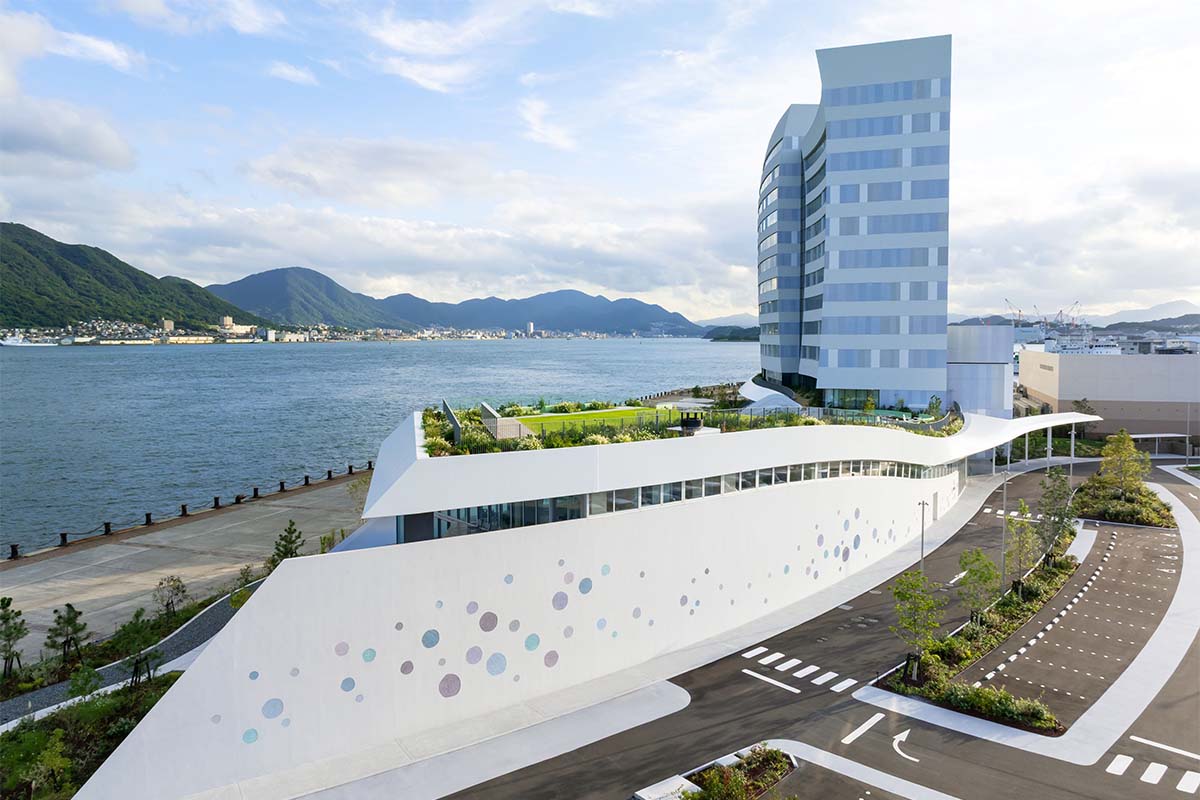
Tomohiro Hata, founder of Tomohiro Hata Architect and Associates, also begins with what endures beneath urban change. In TOTTEI Green Hill, he looked to Kobe’s ocean horizon and mountain range as lasting elements in a city whose surface is constantly rewritten.
“Good design lies in capturing the ‘genesis of its order’ inherent in the landscape of a place. By connecting architecture with these enduring, certain elements across time, the building does not remain closed off. Instead, it resonates with the site’s certainties, bringing a richness that seems to expand the boundaries of physical space.”
Regional resilience and sustainability
Outside Japan’s largest cities, design is increasingly tied to resilience, culture and regional sustainability. Hajime Ishimine, CEO of Kuniken Ltd. Inc., said development trends in Okinawa are shaped by disaster preparedness, carbon neutrality and local identity.
“Since the Great East Japan Earthquake in March 2011, the development of buildings and infrastructure has required not only enhanced seismic resistance but also the need for development and infrastructure planning in locations prepared for tsunami disasters.”
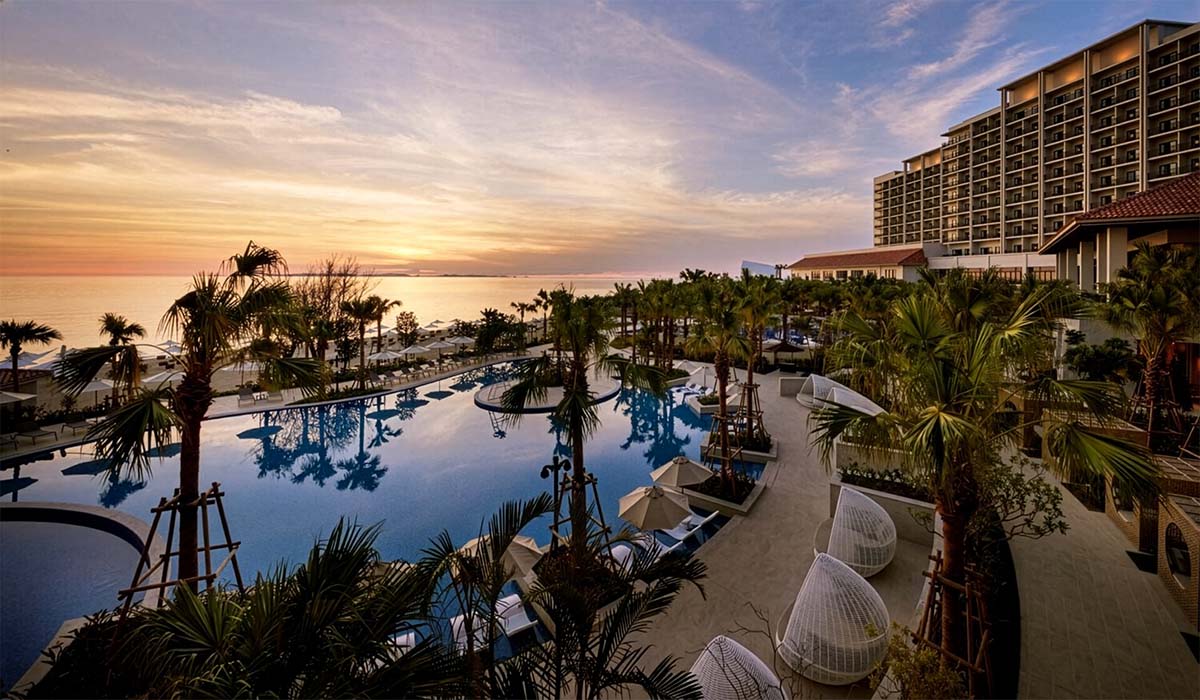
Kuniken’s work spans remote island development, resort sustainability, public buildings and cultural restoration. Ishimine said Okinawa’s future must respond to its distinct environment.
“There is the development perspective that Okinawa—with its unique history, culture, and natural environment within Japan—should inherently pursue.”
The company’s work on Naha City Hall, Kitadaito Village and the Shuri Castle restoration reflects how regional development can connect engineering, heritage, tourism and sustainability.
Japan’s benchmark is evolving
What emerges is a more layered picture of Japan’s built environment. The strongest projects are no longer defined by prestige alone, but by how clearly they respond to place, purpose and long-term value.
Across Japan, that shift can be seen in projects that understand what already exists, from a warehouse in Otaru and a station-front district in Nobeoka to a resort in Niseko, a hotel in a former prison, a civic icon in Okinawa and mixed-use districts rising in Tokyo and Osaka.
As Japan attracts renewed international attention, its most important design lesson may be that progress does not require erasing memory. It requires knowing what to preserve, what to transform and what to create next.
As PropertyGuru’s Kay said, “The fundamental shift is that Japanese real estate is no longer about prestige alone.”