

How Queen Sirikit and Empress Michiko wove style into substance, shaping fashion, culture, and diplomacy between Thailand and Japan
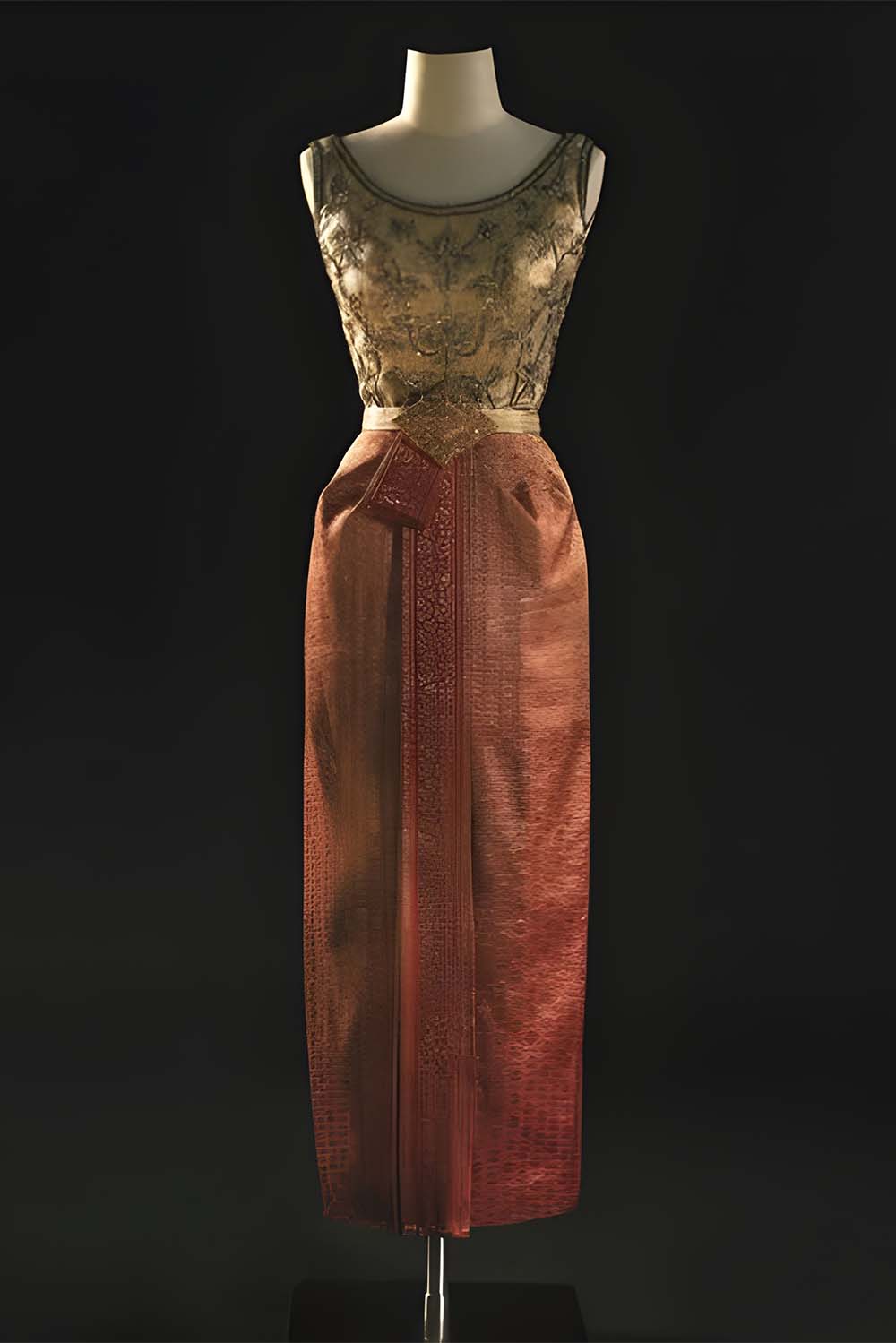
When it comes to royals who double as cultural diplomats, few women have worn the mantle as gracefully as Queen Sirikit of Thailand and Empress Michiko of Japan. Beyond their official duties, their sartorial choices, public appearances, and lifestyle sensibilities have acted as subtle—but powerful—bridges connecting two distinct cultures. In a world where fashion often seems fleeting, these two women prove that style can be both timeless and transformative.
They turned traditional attire into a global conversation
Queen Sirikit’s signature look—the elegant Thai silk ensembles crafted by national designers—has long been a symbol of cultural pride. She famously revived the art of Thai handwoven silk in the 1960s, commissioning designers to modernize traditional patterns while maintaining intricate craftsmanship. What makes this cross-cultural story fascinating is how Empress Michiko mirrored similar sensibilities in Japan: she often favored traditional fabrics like kimono silks, but in cuts and accessories that were accessible to modern women. Her “classic yet contemporary” approach to fashion skillfully melded traditional Japanese textiles with modern Western silhouettes, creating a relatable and accessible yet sophisticated image.
FUN FACT
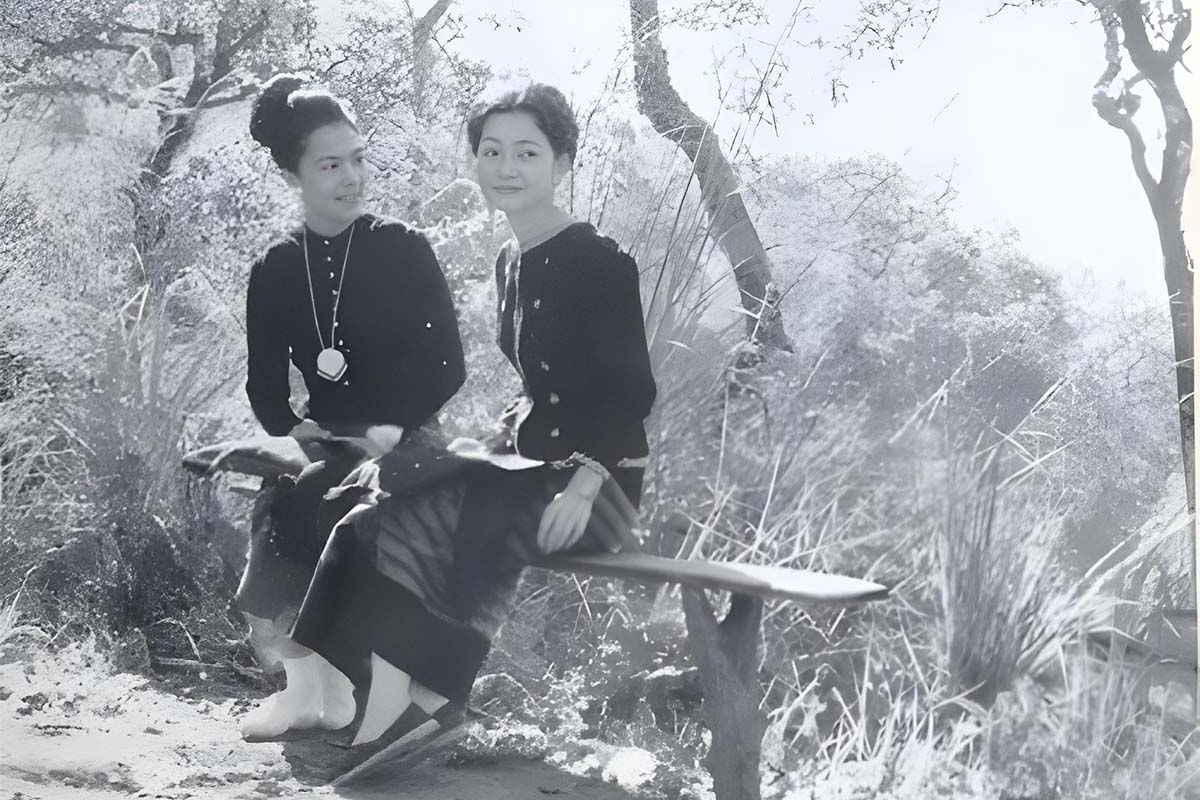
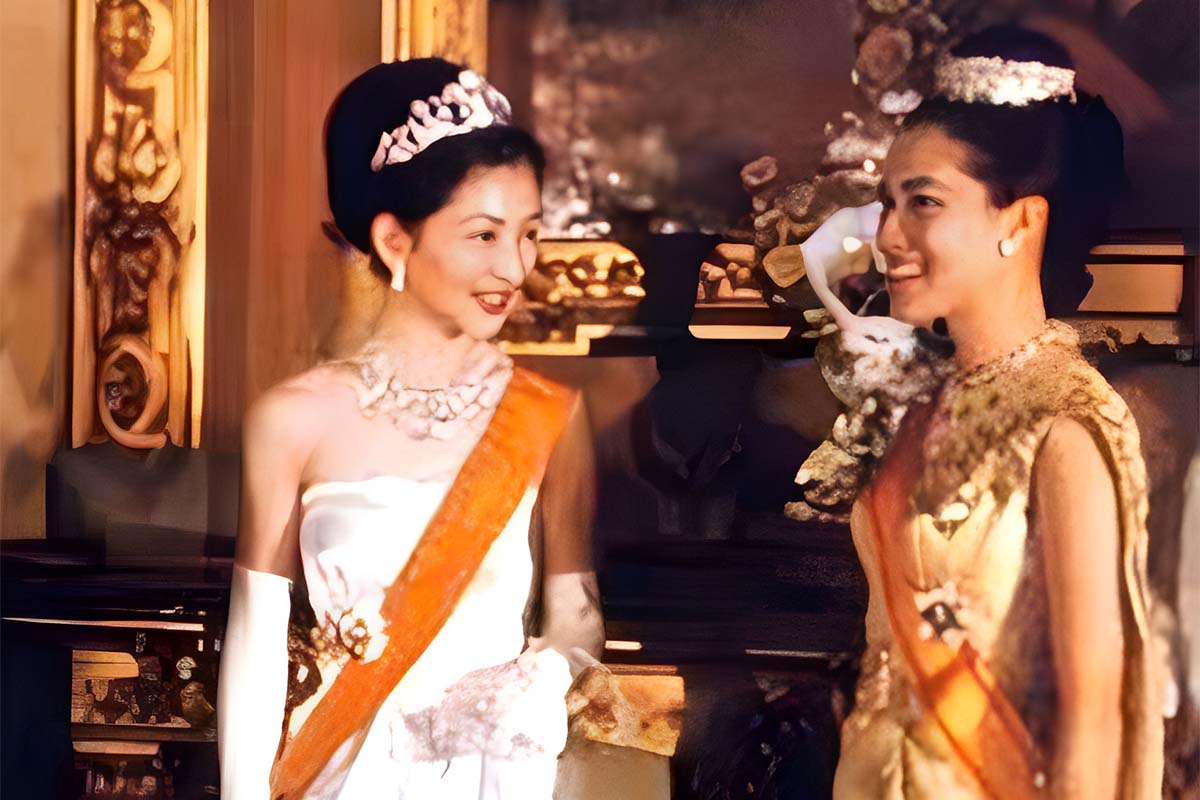
On her state visit to Japan in June 1963, Queen Sirikit wore a Thai Dusit gown by Pierre Balmain, crafted from Thai silk with intricate embroidery. Crown Princess Michiko, who would later become Empress, was present, and the Queen’s elegant ensemble was widely praised as a sophisticated expression of Thai culture on the international stage. In December 1964, Michiko visited Thailand and donned a Thai northern outfit, bringing the cultural confluence full circle.
INSIDER TIP FOR BUSINESS AND STYLE ENTHUSIASTS
Blending traditional textiles with modern cuts is not just royal flair—it’s a strategy. Companies in fashion or branding can take cues from this approach: highlight heritage materials while presenting them in globally appealing formats. Think limited-edition silk scarves or modernized classic prints that honor tradition but invite a wider audience.
The sway of subtle influence
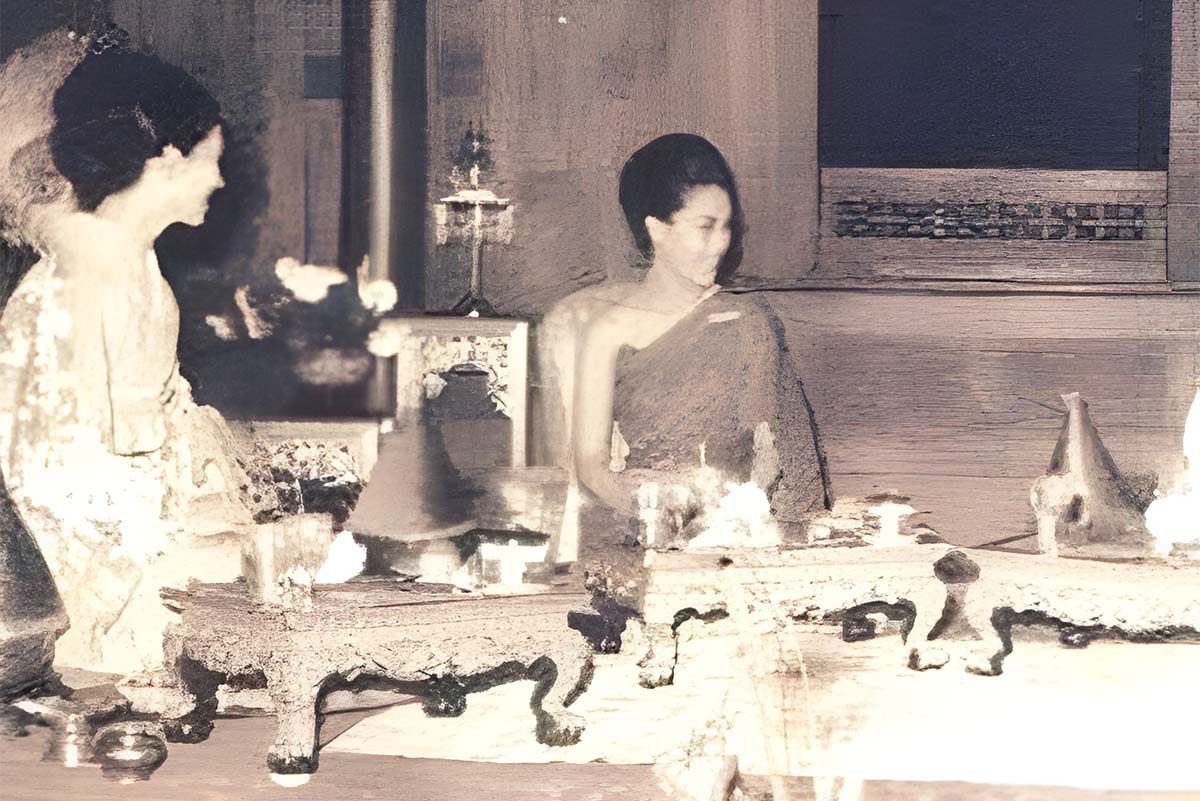
As paragons of style and substance, both women understood that what you wear is never just about aesthetics—it’s a statement that says: fashion is a form of soft diplomacy.Queen Sirikit’s patronage of Thai designers didn’t merely elevate silk; it created economic opportunities for rural artisans. Likewise, Empress Michiko championed Japanese craftsmanship, promoting small-scale workshops and traditional arts, often spotlighting them at her domestic and international engagements.
As a practical example, during the 1980s, while meeting foreign dignitaries, Michiko often wore kimono ensembles that showcased traditional Japanese dyeing techniques and regional craftsmanship from Japanese prefectures. Each piece became a conversation starter about Japanese culture, much like Sirikit’s Thai silk dresses sparked interest in Thailand’s weaving industry.
For leaders across industries and sectors, the lesson is clear: your choices, even in style, carry influence. Just as these royals blended aesthetics with cultural advocacy, people in seats of power can curate appearances or brand identities that reflect both personal values and broader societal impact.
When royals inspire pop culture trends
The influence of Queen Sirikit and Empress Michiko extends beyond formal occasions. Thai pop culture frequently references Sirikit’s elegance, from films to contemporary fashion brands, and her butterfly-sleeve dresses became a staple in the wardrobes of Bangkok’s emerging businesswomen, signaling sophistication without ostentation. Empress Michiko—the first commoner to marry into Japan’s imperial family—was celebrated for her understated, refined style, often favoring simple, elegant ensembles that highlighted Japanese craftsmanship and reflected a modern yet traditional aesthetic.
INSIDER TRICK
Business executives or creatives looking to emulate this cross-cultural finesse should focus on signature pieces that balance heritage with versatility. A Thai silk blazer for international meetings? A Japanese-inspired kimono jacket for creative pitches? Both send subtle cues about cultural literacy and polished taste.
The shared language of elegance
Despite the geographic and cultural differences, Sirikit and Michiko often converged in their philosophy: elegance is less about extravagance and more about thoughtful presentation and cultural mindfulness. Their lives illustrate how fashion can act as a bridge, linking nations while supporting local economies, traditional arts, and global diplomacy.
Even small gestures carry weight. Queen Sirikit’s vibrant, elegant ensembles often showcased the rich craftsmanship of Thai silk and thoughtfully reflected the formality and spirit of her diplomatic visits. Meanwhile, Empress Michiko’s style remained understated and refined, highlighting Japanese craftsmanship and classic elegance. Together, their sartorial choices illustrate that cross-cultural influence doesn’t always have to announce itself—it can be expressed through elegance, attention to detail, and the subtle diplomacy of style.
From Queen Sirikit and Empress Michiko, we learn that style is not just about appearance—it’s a form of cultural storytelling, a business strategy, and a bridge across nations.
Practical takeaways for today’s style-savvy leaders:
- Mix tradition with modernity: Just as Thai silk and Japanese kimono textiles were reimagined for contemporary audiences, leaders can blend heritage and innovation in products, branding, and personal style.
- Think beyond fashion: Style can be a tool for advocacy, from supporting local artisans to fostering international collaboration.
- Use signature elements strategically: Whether it’s a scarf, a piece of jewelry, or a tailored jacket, a consistent cultural reference becomes a conversation starter.
- Subtlety speaks volumes: The quiet elegance of Michiko and Sirikit proves that impact doesn’t always require flamboyance.
From Queen Sirikit and Empress Michiko, we learn that style is not just about appearance—it’s a form of cultural storytelling, a business strategy, and a bridge across nations. For modern leaders and creatives, taking cues from these royals means embracing authenticity, supporting tradition, and letting elegance speak before words do.
Both royal icons remind us that a thoughtfully chosen outfit can carry a message, inspire pride, and even reshape cross-cultural dialogue—it can connect nations and celebrate heritage with subtle sartorial sophistication.